Author name: admin

Upcoming Events

Aesthetic Medicine & Surgery Conference & Exhibition (AMSC) Hong Kong

HONG KONG: Organized by Aesthetic Society for Asia Pacific and Deltus, Aesthetic Medicine & Surgery Conference & Exhibition (AMSC) Hong Kong will be held on 16-17 December at Hong Kong Convention & Exhibition Center (HKCEC) Level 3. As the first and largest medical aesthetic event ever organized in Hong Kong which receives support from the Hong Kong SAR Government and the Tourism Board, this international conference and exhibition covers supporting and partnering units all around APAC region and the Greater Bay Area, providing a hub for industry excellence and networking opportunities. Building upon three successful years in Kuala Lumpur, Malaysia, the highly anticipated AMSC is expanding its impact to another Asian metropolis with a strategic location, marking its grand debut in Hong Kong this year. Hong Kong is well-situated at a geographically strategic location that connects APAC region and the Greater Bay Area, including major cities like Shenzhen, Guangzhou, and Macau, facilitating seamless connectivity. Strong Connections and Database from All Around the World Leveraging its strong connections and alliances with global professionals, experts, and industry leaders in the medical aesthetic community, AMSCHK invited over 1200 professional doctors and other affiliates, over 70 international speakers, and over 60 international sponsors from all over the world to participate at the conference and exhibition, showcasing their latest advanced products and technologies. Highly respected professors from Chinese top-tiered hospitals, who are remarkably influential to the researches and standards of the Aesthetic Medicine field in China, will be the honourable speakers of AMSCHK, to share their profound knowledge and experience of the China market. To foster global networking opportunities, this conference and exhibition creates a hub for international participants, including the Department of Cosmetic & Plastic and Reconstructive Surgery in China Grade IIIA Hospitals, esteemed associations and academies in local and APAC societies for fruitful collaborations and thriving medical aesthetic developments. A Golden Opportunity for Business Growth in the Greater Bay Area AMSCHK is expected to attract over 1,200 delegates and buyers, hundreds of global experts, and more than 150 industry brands, making it a prime opportunity for professional exchange and business growth in the Greater Bay Area. This conference and exhibition offers medical lectures, training and an academic exchange platform for global professionals, with 8 CME credits available for Medical Professionals. Exhibitors spanning across all fields from filler, machines, to imaging system and medicine, will be hosting booths and symposiums to showcase their latest products and technologies. It also provides a golden opportunity for brand development events and long-term partnerships, letting all participants greatly expand the strong network of allies to maximize synergies and mutual benefits. AMSCHK marks the introduction of an exciting new international conference and exhibition in Hong Kong that celebrates the collaborative spirit driving growth in the industry, which promises to expand and elevate Hong Kong’s vibrant and thriving medical and aesthetic sectors. By showcasing the power of collaborative knowledge sharing and innovation across regions, AMSCHK will become the leading platform in Bridging The Worlds of Aesthetic Medicine, Skin Health Management, Surgical Treatments & Anti-aging in The Greater Bay Area and beyond.

Energy & Technology

Australia’s “The Digital Gateway to Southeast Asia” Trade Mission Strengthens Digital Tech Collaboration with Malaysia

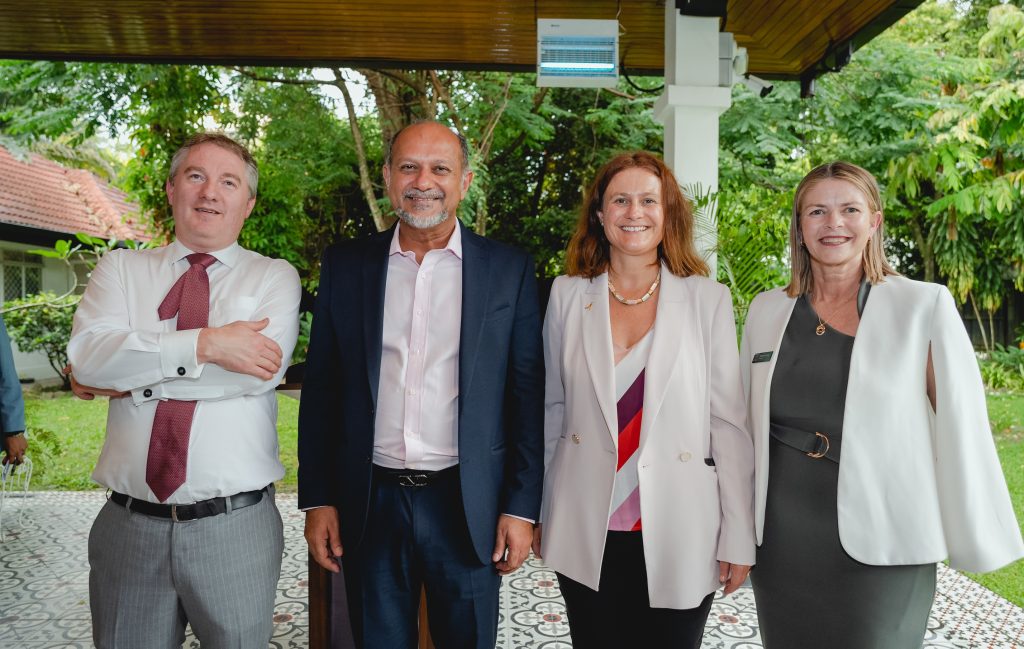
KUALA LUMPUR: A trade mission focusing on digital technology has successfully brought together more than 50 leading Australian tech companies and key Malaysian stakeholders in a two-day immersive program as part of Australia Southeast Business Exchange (SEABX) program. “The Digital Gateway to Southeast Asia” mission is designed to foster dynamic business exchanges and showcase innovative technologies, and was co-led by Daniel Boyer, Deputy Chief Executive Officer of the Australian Trade and Investment Commission (Austrade) and Tony Lombardo, Australia’s Business Champion for Malaysia. The trade mission highlighted two-way trade and investment opportunities for joint development in Artificial Intelligence, Cybersecurity and Digital Health between Australia and Malaysia, and was held in partnership with the Malaysia Digital Economy Corporation (MDEC) and the National Tech Association of Malaysia (PIKOM). Mr Boyer said the mission was a crucial opportunity for businesses and tech leaders to share knowledge and explore opportunities to collaborate on innovations for developing robust solutions in the digital economy “The opportunity to connect with Malaysian businesses and explore mutual growth opportunities has been tremendous. The conversations and partnerships initiated here will contribute to building stronger digital ecosystems for both nations over the coming months and years,” he said. YB Tuan Gobind Singh Deo, Minister of Digital Malaysia, attended the event as the Guest of Honour, highlighting Malaysia’s commitment to digital transformation. “With Malaysia gearing up to be the digital hub in Southeast Asia, Malaysia’s business-friendly policies and the strengthening digital economy make it an attractive market for Australian tech innovators. It is good to see Malaysian companies fostering collaboration with Australian tech pioneers, accelerating the digital transformation that Malaysia is pushing for,” he stated in his opening address. Malaysia’s digital economy has grown significantly in recent years, presenting immense growth opportunities. The country’s AI market is projected to grow from AUD 1.2 billion to AUD 5.5 billion by 2030, with a 28.5% CAGR. The digital health sector is also expanding rapidly at a CAGR of 8.3% from 2023 to 2028, while the cybersecurity market is expected to reach AUD 1.1 billion by 2029. There are more than 30 Australian tech companies who have established presence in Malaysia, have gained MalaysiaDigital status from Malaysia Digital Economy Corporation (MDEC) solidifying their commitment to this market with a similar view of Malaysia’s potential. This exemplifies that Australia’s cutting-edge technological expertise is well-positioned to support the rapid growth, offering advanced solutions that complement Malaysia’s digital ambitions. Key Highlights: ● Business Matching and Showcases: Australian companies showcased cutting-edge technological innovations across AI, cybersecurity, and IoT. The business matching sessions provided a unique opportunity for Malaysian firms to connect with Australian tech providers, exploring collaborations for mutual benefit. ● Panel Discussions: Featured experts from CyberSecurity Malaysia, Invest Selangor, and Sarawak Digital Economy Corporation (SDEC), offering insights into Malaysia’s regulatory landscape and highlighting opportunities in cybersecurity and digital infrastructure. ● Healthcare Innovation Exchange: Partnering with Malaysia’s Ministry of Health and the Association of Private Hospitals Malaysia (APHM), discussions examined how digital health solutions are reshaping Malaysia’s healthcare ecosystem, offering partnership opportunities for Australian companies. ● Women in Technology Forum: Inspiring female leaders shared their success stories, underscoring the importance of diversity in tech and driving conversations around creating a more inclusive tech ecosystem. Throughout the program, the mission has successfully sparked co-selling opportunities and co-marketing strategies, providing Australian companies market access to the Malaysian market, which is also positioned as the digital gateway to Southeast Asia. These partnerships are expected to yield mutual benefits such as enhanced product offerings, cost efficiencies, and access to new customers and markets, accelerating digital growth in Malaysia. HE Danielle Heinecke, Australian High Commissioner to Malaysia said, “Australia and Malaysia are longstanding partners in trade, yet opportunities remain to increase our two-way trade and investments, including in the growing tech and digital sectors. 2025 will be a landmark year for the Australia-Malaysia bilateral relationship, as we celebrate the 70th anniversary of Australia’s diplomatic presence in Malaysia and support Malaysia’s ASEAN Chairmanship. This trade mission has set the stage for Australia to deepen our engagement and collaboration with Malaysia, and together shape a region that is open, stable and prosperous.” As the mission came to a fruitful end, Melanie Harris, Trade and Investment Commissioner to Malaysia and Brunei of Australian Trade and Investment Commission (Austrade) concluded, “There is great synergy between the digital industries of Malaysia and Australia. We look forward to forge lasting connections, explore new opportunities and write the next chapter in the Australia-Malaysia’s story.

News

Knight Frank announces Craig Shute as CEO of Asia Pacific

Knight Frank is pleased to announce the appointment of Craig Shute as CEO of Asia-Pacific (APAC), effective 1 April, 2025. Craig is currently CEO of the Greater China business and will be taking over from Kevin Coppel who will retire from the partnership in March 2025. Craig joined Knight Frank last year and has more than 25 years of experience in the real estate industry, having held senior leadership roles across Australia, Malaysia, Hong Kong SAR, and the USA. Prior to joining Knight Frank, Shute served as the managing director of JLL in Victoria, Australia, and previously led CBRE’s operations in Hong Kong SAR and Taiwan from 2008 to 2016.   Knight Frank’s Asia-Pacific region consists of 11,000 people in 300 offices across 16 markets.   William Beardmore-Gray, senior partner and group chair, Knight Frank commented: “With a proven track record of driving growth and delivering strong results across multiple markets, Craig’s leadership will play a key role in shaping the next phase of our APAC strategy. His appointment is testament to the partnership’s commitment to strengthening our presence across APAC, ensuring sustained and organic growth across the region.   “Kevin’s contributions to the success of our Asia Pacific operations have been significant. Under his leadership, the region has become one of the fastest growing and most dynamic areas of our global business, as illustrated recently by our acquisition of the McGrath business in Australia. As we look forward, I am confident that Craig’s extensive industry experience and strategic vision will help us continue our growth trajectory in this important region.”   Craig Shute commented: “I am honoured and excited by this opportunity to work with our valued clients, exceptional people, and businesses across Asia Pacific. We are different. Knight Frank’s entrepreneurial, unique partnership structure ideally positions us to provide superior services and advice to our clients and attract the best talent in the industry. This powerful combination will continue to see our brand expand throughout this diverse and ever-evolving region.”

News

Vietnam Sees Tougher Final Quarter After GDP Growth Surprise

Vietnam’s economic growth unexpectedly accelerated last quarter, buoyed by manufacturing and exports before a super typhoon last month caused widespread damage and prompted warnings of a challenging end to the year. GDP rose by 7.4 percent in the three months ended September from a year earlier, the General Statistics Office (GSO) of Vietnam said yesterday. That compares with a 6.1 percent median estimate in a Bloomberg survey and a revised 7.09 percent expansion for the second quarter. Vietnam’s economy has shown resilience this year as investment pours in, with Vietnamese Prime Minister Pham Minh Chinh vowing to cut logistical costs and improve infrastructure. The government has sought to pull in capital from foreign tech giants such as Samsung Electronics Co and Intel Corp as the country emerges as a viable alternative to China in the production of electronics, from smartphones to basic semiconductors. Investment and industry, especially manufacturing, were among “the driving forces for growth” in the third quarter this year, the GSO said. Big gains in agriculture and other sectors in July and August helped limit the effect of serious damage to crop output from Super Typhoon Yagi last month, GSO head Nguyen Thi Huong said. Yagi battered Vietnam’s northern provinces, killing hundreds and wreaking economic damage that is estimated at more than US$3 billion. Factory activity in the trade-reliant economy contracted for the first time in five months last month, reflecting the severity of the storm, according to an S&P Global purchasing managers’ index report. The government’s latest GDP growth target of 6.8 percent to 7 percent for this year would be “a big challenge” as the impact of Yagi, geopolitical tensions and global economic concerns weigh on expansion, Huong said at a briefing in Hanoi. Authorities earlier predicted a hit of 0.15 percentage points to this year’s growth. The State Bank of Vietnam might “turn more dovish” by lowering interbank interest rates to aid the economy after Yagi, Mitsubishi UFJ Financial Group Inc said. The IMF expects Vietnam to grow 6.1 percent this year, slightly faster than its previous estimate, supported by “continued strong external demand, resilient foreign direct investment and accommodative policies,” it said on Sept. 27.–BLOOMBERG

The Executives

New ExtraHop Research Predicts the Next Ransomware Targets for APAC Businesses

As ransomware attacks continue to grow in complexity, businesses across the Asia-Pacific (APAC) region are increasingly vulnerable. The rapid pace of digital transformation, coupled with the interconnectedness of industries, has opened new doors for cybercriminals to exploit. Daniel Chu, Vice President of Systems Engineering, APJ at ExtraHop, warns that ransomware remains a major threat to businesses, targeting their most critical assets and putting reputations and bottom lines at risk. Ransomware Payments in Singapore: A Major Business Concern Singaporean businesses are particularly susceptible to ransomware attacks, with companies in the country paying higher-than-average ransoms compared to global figures. “In 2023, 27% of companies in Singapore paid an average ransom of S$4.49 million (US$3.3 million), significantly higher than the global average,” Chu reveals. The manufacturing and construction sectors are especially vulnerable, with businesses often willing to pay ransoms to avoid operational disruptions. For businesses, the consequences of a ransomware attack extend beyond the ransom itself. Operational downtime, reputational damage, and the potential loss of sensitive data can have far-reaching impacts on profitability and market competitiveness. “As Singapore continues to position itself as a hub for finance and technology, businesses that hold valuable data and intellectual property are becoming prime targets for cybercriminals,” Chu explains. This heightened risk makes it essential for companies to invest in stronger cybersecurity measures. Malaysia’s Rising Cloud Security Threats Impacting Business Operations In Malaysia, ransomware incidents surged by 53% in the second quarter of 2024, with attacks increasingly targeting businesses using cloud-based systems. “40% of Malaysian respondents in PwC’s Global Digital Trust Insights expect a rise in attacks targeting cloud management interfaces and services,” says Chu. With more businesses adopting hybrid cloud models, the risk of cyberattacks on their systems has intensified. This trend is especially concerning for Malaysian businesses, as successful ransomware attacks can cripple supply chains, delay projects, and lead to significant financial losses. “The interconnectedness of APAC business ecosystems means that an attack on one company can quickly ripple across multiple sectors, including healthcare, finance, and manufacturing,” Chu notes. As a result, companies need to prioritize cloud security and ensure their systems are resilient against potential threats. The Financial Impact of Poor Cybersecurity Practices The financial fallout from a ransomware attack is not limited to the ransom payment. For many businesses, the cost of restoring operations, repairing damage, and rebuilding customer trust can be crippling. “The true cost of a ransomware attack often goes far beyond the initial ransom demand,” warns Chu. This is why businesses in vulnerable sectors, such as manufacturing and construction, must reassess their cybersecurity protocols and strengthen their defenses to avoid falling victim to these attacks. According to Chu, poor cyber hygiene remains a significant problem across APAC. “Over half of global cybersecurity incidents stem from poor practices like unmanaged devices and misconfigured systems,” he explains. Businesses that fail to address these basic vulnerabilities risk being repeatedly targeted by cybercriminals, which can lead to long-term financial instability. Employee Education and Cybersecurity: Reducing Business Risk One of the most effective ways businesses can protect themselves against ransomware is by focusing on employee education. Chu emphasizes that human error is one of the most common entry points for ransomware attacks. “Phishing and social engineering attacks often rely on employees unintentionally granting access to their company’s network,” he says. By implementing regular training programs on cybersecurity best practices, businesses can reduce their exposure to these kinds of attacks. Additionally, adopting a zero-trust security approach, where access is continuously authenticated and restricted, can help businesses limit the damage caused by ransomware attacks. “A zero-trust model ensures that only authorized users have access to critical systems, making it harder for cybercriminals to penetrate a business’s defenses,” Chu adds. The Shift in Ransomware Tactics: A Wake-Up Call for Businesses Ransomware tactics have become increasingly sophisticated in recent years, with attackers using techniques like double extortion and Ransomware-as-a-Service (RaaS) to target businesses of all sizes. Chu notes that “cybercriminals are shifting toward exfiltration-only attacks, where data is stolen without encrypting files. This allows them to act faster and with greater stealth.” These evolving tactics put additional pressure on businesses to strengthen their cybersecurity strategies. For businesses, this means that traditional security measures are no longer enough. “Organisations need to move beyond basic defenses and adopt a multi-layered cybersecurity strategy that includes real-time scanning, frequent data backups, and strict access controls,” says Chu. Failure to do so can leave businesses vulnerable to increasingly sophisticated attacks that not only threaten data but also their market reputation. Public-Private Collaboration: Strengthening Business Defenses Collaboration between the public and private sectors is becoming critical in the fight against ransomware. In Singapore, for instance, the Cyber Security Agency (CSA) has partnered with industry leaders to develop cybersecurity toolkits and provide training for businesses, particularly small and medium-sized enterprises (SMEs). “The SG Cyber Safe programme is helping businesses improve their cybersecurity posture by providing them with the resources and knowledge they need to defend against ransomware attacks,” explains Chu. Malaysia is also taking steps to safeguard its businesses with the Cyber Security Bill 2024, which mandates strict cybersecurity standards for critical infrastructure entities. However, Chu warns that “poor cyber hygiene practices still represent a significant vulnerability for businesses.” Companies need to take proactive steps to secure their systems and reduce their exposure to ransomware attacks, especially as cybercriminals become more adept at exploiting weaknesses. Preparing for the Future: AI and Machine Learning in Cybersecurity Looking to the future, businesses will need to adopt advanced technologies like artificial intelligence (AI) and machine learning to stay ahead of evolving ransomware threats. “AI is helping businesses detect ransomware attacks faster and more accurately, reducing the workload on cybersecurity teams,” Chu notes. ExtraHop, for example, has introduced AI-driven tools to help businesses identify threats more efficiently and respond to attacks more quickly. For businesses in APAC, building resilience against ransomware is no longer optional. “The future of cybersecurity will require businesses to adopt proactive, multi-layered defense strategies, including AI-powered detection tools and comprehensive employee training programs,” Chu emphasizes.

Investment & Market Trends

estie Inc. Secures JPY 2.8B Series B from Vertex Growth and Development Bank of Japan for Expansion

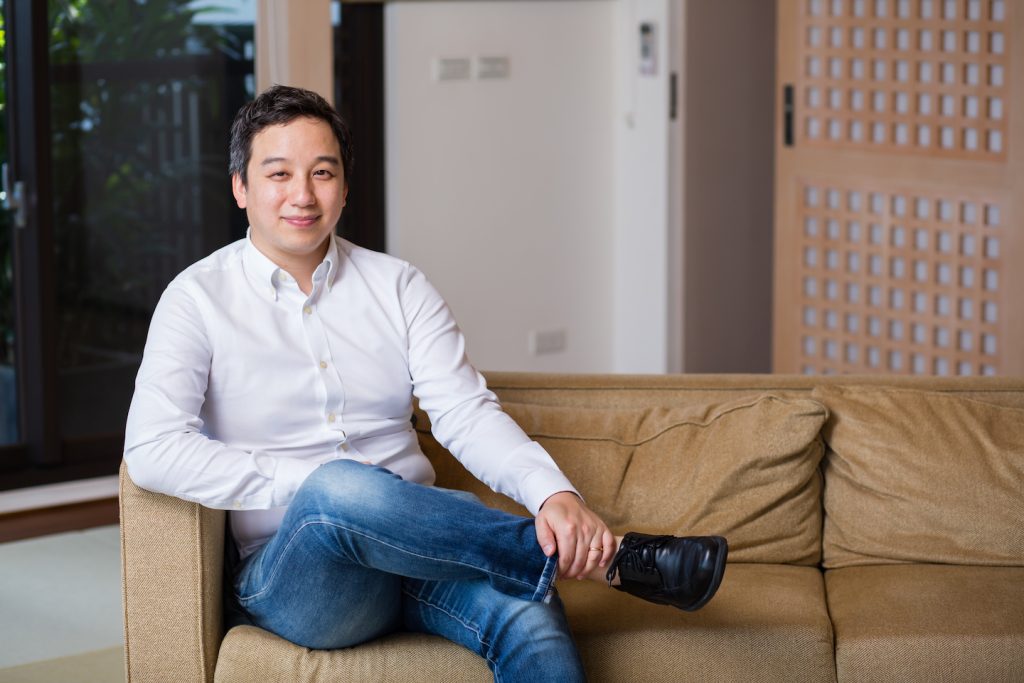
TOKYO: estie Inc., a leading Japanese prop-tech startup, announced the successful close of a JPY 2.8B (USD 20M) Series B round to accelerate growth and expand its presence in Southeast Asia. The round was led by Vertex Growth, a venture capital fund backed by Temasek’s Vertex Holdings, and the Development Bank of Japan (DBJ). Existing investors, including Globis Capital Partners (GCP), University of Tokyo Edge Capital Partners (UTEC), and Global Brain (GB), also participated. The new funding will support Estie’s multi-product strategy, focusing on providing comprehensive digital solutions for commercial real estate clients. The capital will be used to facilitate strategic mergers and acquisitions (M&A), expand product development, and recruit top talent to maintain a competitive edge. By integrating artificial intelligence (AI) with its proprietary data, Estie aims to further drive digital transformation in Japan’s real estate industry, particularly in leasing and transactions. Founded in 2018, Estie is capitalizing on Japan’s digital shift in commercial real estate. Despite Japan’s ranking as the third-largest commercial real estate market globally, data transparency remains a challenge. Estie addresses this gap through its expansive data infrastructure, including one of Japan’s largest office data platforms, Estie Market Research. As part of its long-term strategy, Estie plans to expand into Southeast Asia, starting with Singapore. The company aims to provide Southeast Asian investors with comprehensive insights into Japan’s real estate market and establish itself as a regional player offering a one-stop data platform for global real estate investors. Ei Hirai, Founder and CEO of Estie, expressed excitement about the new investment, highlighting the support from Vertex Growth and DBJ. He noted that the collaboration validates their shared vision of building digital infrastructure for the real estate industry, a vital sector for Japan’s economy. Tam Hock Chuan, General Partner at Vertex Growth, praised Estie’s growth potential, likening its impact on real estate to Bloomberg’s role in the financial sector. He expressed confidence in Estie’s business model and looks forward to supporting its expansion across Southeast Asia.

News

Vantage Data Centers Welcomes Jeremy Deutsch as President of APAC

HONG KONG: Vantage Data Centers, a leading global provider of hyperscale data center campuses, today announced that Jeremy Deutsch had joined the company as president, APAC. In his new role, Deutsch will drive Vantage’s regional growth, including strategy, market development, sales, construction and operations. He will report to Jeff Tench, executive vice president, of North America and APAC. Deutsch brings over 20 years of experience as a leader in the information and communication technology (ICT) industry to Vantage’s executive team. He joins the company from Equinix, a global digital infrastructure company, where he served in various roles over the last 20 years, most recently as president of APAC since 2019. In this role, Deutsch spearheaded the company’s business and growth strategies, aligning with broader global initiatives and driving expansion across APAC, scaling into five new countries over five years while delivering strong core business growth. Previously, Deutsch held positions at leading ICT companies, including Unwired Australia, a SingTel Optus company, and Pihana Pacific before it was acquired by Equinix in 2002. “As we move into our next phase of AI-fueled growth in the Asia-Pacific region, we are fortunate to welcome Jeremy to our team and look forward to working with him to continue meeting the demands of our customers across APAC,” said Tench. “Jeremy is an industry veteran who brings a breadth of knowledge and expertise that will be critical as we rapidly scale our APAC platform.” “I am thrilled to join Vantage to lead the company’s fast-growing APAC division,” said Deutsch. “The Vantage APAC platform is poised for explosive growth, and I am excited to have the opportunity to help the team further scale and support customers who need best-in-class sustainable digital infrastructure.” Well known in the region, Deutsch served as the inaugural chair of the Asia-Pacific Data Centre Association (APDCA), an organization Vantage helped launch in addition to holding a seat on its board of directors. Vantage’s APAC business has grown significantly over the past two years, driven largely by demand for AI and cloud services, to include eight campuses across the region that are operational or under development. Most recently, Vantage announced that it has broken ground on its developing 256MW Cyberjaya campus, which will be the company’s largest APAC campus to date once complete and its second in Malaysia.

News

Mustaffa Kamal Abu Bakar is Dialog CEO

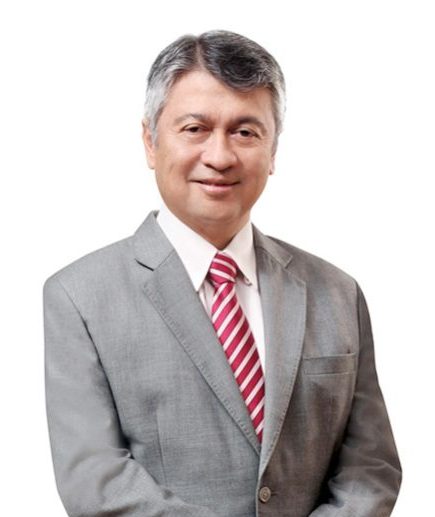
PETALING JAYA: Dialog Group Bhd has promoted its chief operating officer (COO) Mustaffa Kamal Abu Bakar to the position of chief executive officer. In a filing with Bursa Malaysia, Dialog said Keith Collins, who was the managing director of upstream oil and gas and a member of the executive leadership team, had assumed the role of COO with effect from Oct 7. Mustaffa Kamal, 60, was formerly with PETRONAS Carigali Sdn Bhd for five years and with other oil and gas-related companies in design consultancy, construction and fabrication, and maintenance and specialised services. He is also a Council Member of the Malaysian Gas Association. Collins, a Briton aged 63, has more than 41 years of oil and gas experience and has considerable expertise in upstream management, drilling and field development activities abroad and in Malaysia.–THE STAR

News

Vietnam economy may hit US$2 trillion by 2050, says expert

HO CHI MINH CITY: Vietnam’s economy could reach a value of US$2 trillion by 2050, says professor Klaus Schwab in a talk show by the Ho Chi Minh City People’s Committee. Schwab, founder and chairman of the World Economic Forum (WEF), said that it was based on a large market size with more than 100 million people. Gross domestic product (GDP) this year was expected to reach US$430bil and GDP growth rate ranges from 6% to 7%. The talk show, under the theme “Knowledge Economy – The Foundation for a Prosperous Future and Youth Action”, featured about 1,200 leaders of departments, businesses and outstanding young citizens in Ho Chi Minh City. Schwab said that the world was changing rapidly, the globalisation process and Industry 4.0 were taking place more and more strongly, requiring countries and localities to constantly develop. They agreed that Ho Chi Minh City, a leader in the field of innovation, has been actively and proactively transforming the growth model to a green, digital and sustainable economy. Each citizen of the city should equip themselves with new and appropriate knowledge and skills to be ready to adapt to the rapid changes in technology and information. “Building and developing a market economy is not only a trend but also an urgent requirement that needs to be carried out in parallel with the industrial transformation process, to equip workers with necessary knowledge and skills to seize opportunities and face challenges of the times,” he said. He said that the shift from a traditional economy to a market economy required a comprehensive restructuring process that must be realised not only simultaneously but also in a harmonious and reasonable manner. In particular, human resources will be the main target and driving force to enhance the market economy. Speaking at the talk show, the chairman of the Ho Chi Minh City People’s Committee Phan Van Mai said that the city is on track to achieve the dual goals of green transformation and digital transformation to push up growth. The city is the centre of talent from the whole country, a fertile land for nurturing and developing high-quality human resources. Every year, science and technology innovation competitions are held, attracting thousands of ideas and projects from students of all levels to university students and young scientists, including many initiatives related to technology, new materials and environmental engineering. The explosion of scientific and technological innovation affirms that the youth in Ho Chi Minh City have capacity, courage and creativity to build a market economy – a key factor in sustainable development and international integration. Mai hopes that the youth will work together to build a stronger city. The market economy was the future, and drastic actions of the young generation would be the decisive factor for the success, he said. Also attending the talk show, associate professor Vo Thi Ngoc Thuy, Principal of the Hoa Sen University, added that the market economy required young people not only to have professional knowledge but also to have enthusiasm, innovative thinking and a spirit of dedication. She said, “More than anyone else, the young generation is the core force, playing a decisive role. Every step of the young people, every startup idea, every innovation initiative contributes to the common prosperity”. — Viet Nam News/ANN

Scroll to Top

Subscribe
FREE Newsletter