Author name: admin

News

Sarawak Energy appoints Ibrahim Baki as chairman

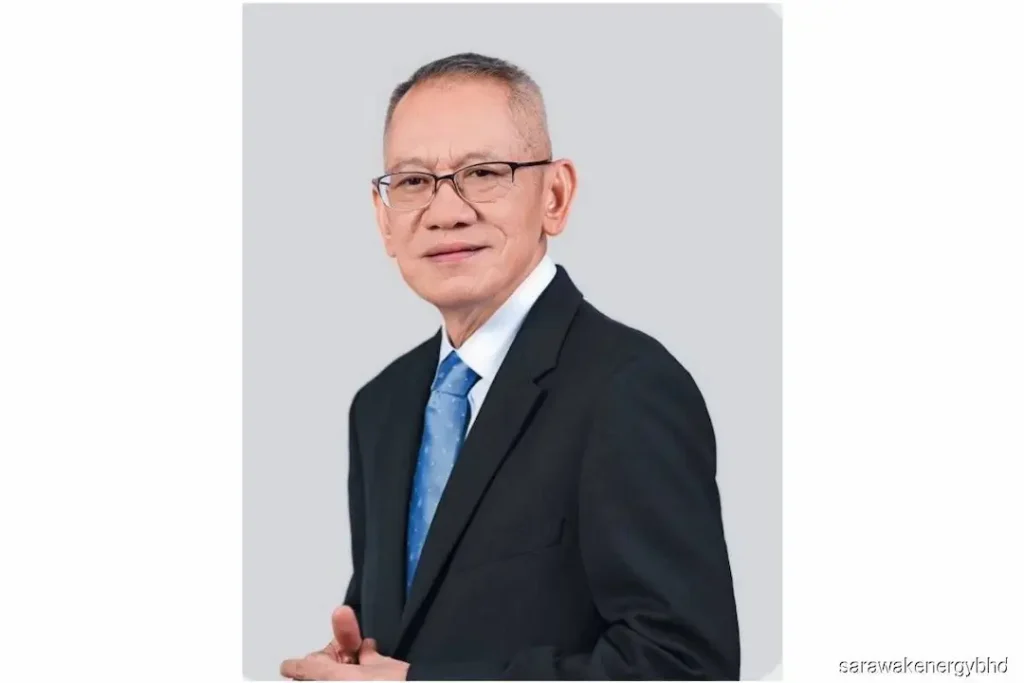
KUCHING: Sarawak Energy Bhd (SEB) has appointed Gabungan Parti Sarawak’s Satok state assemblyman Datuk Ibrahim Baki as its chairman effective Oct 1. Ibrahim succeeds Datuk Amar Abdul Hamed Sepawi, who has been with the company since 2005, leading its transformation into a major regional player in renewable energy and sustainability. “Ibrahim brings over three decades of experience across industries, such as property development, shipping, and media,” SEB said in a statement on Thursday. A legal professional by training, Ibrahim started his career as a legal officer at Petroliam Nasional Bhd (Petronas) in 1984, before co-founding a law firm in Sarawak. SEB also acknowledged the lasting legacy of Amar Abdul Hamed, noting that under his leadership, the company grew from a traditional utility with 2,042 employees and a generation capacity of 849 megawatts (MW) in 2005, to over 6,000 employees and a capacity of 5,745MW at present day. “During his tenure, the company achieved 99.5% electrification across the state, up from 80% in 2009,” it said. Amar Abdul Hamed’s contributions earned him numerous accolades, including the Sarawak State Entrepreneur of the Year Award in 2004 and 2005, and the BrandLaureate “Man of the Year” Brand ICON Leadership Award in 2015. In 2022, he received the Outstanding Global Muslim Entrepreneur Lifetime Achievement Award at the Global Muslim Business Forum. Most recently, in 2023, Prime Minister Datuk Seri Anwar Ibrahim appointed Amar Abdul Hamed to a special advisory body of professionals and economic experts to advise the prime minister in his role as finance minister. Meanwhile, SEB also extended its gratitude to Tan Sri Mohd Hassan Marican, who served as its independent non-executive director from June 9, 2010, until Aug 1, 2024.–BERNAMA

News

Venture Corp appoints Wong Chee Kheong as group CEO

SINGAPORE: Venture Corporation has appointed Wong Chee Kheong as its group CEO. Wong will effectively take on the role from Nov 1. Wong joined the Venture Group in 2003 and has led several of the group’s businesses including product development and manufacturing to IT and global supply base management. He was the group’s chief operating officer (COO) from January 2022 to May 2023 and became the CEO for its advanced manufacturing and design solutions business in June 2023. At the same time, Venture’s CEO for technology products & solutions, Lee Ghai Keen, has resigned due to personal reasons. His last day will be on Oct 31. However, Lee will remain with the group “for a period of time” to facilitate a smooth transition. “On behalf of the board, management and staff, I would like to express our deep appreciation to Ghai Keen for his invaluable contributions to the Group over the past years, and we wish him well,” says executive chairman Wong Ngit Liong. “As Venture continues on our transformative journey and in developing innovative and differentiated capabilities in various technology domains, we are confident that Chee Kheong, with his substantial technical knowledge, close relationship with key customers and alignment with Venture’s values, will drive the continued success of the group,” he adds. “I am honoured to have the opportunity to lead Venture in our next phase of growth. Together with my colleagues and the leadership team, we will continue to deliver the highest quality of service to our customers. I look forward to building on our strong foundation to maximise long-term value creation for all stakeholders,” says CEO Wong. “I would like to thank the Executive Chairman Mr Wong Ngit Liong and the Board for their trust and confidence in me to be the new Group CEO and I look forward to the wise counsel of the Board in the next phase of the Venture journey into the future. I commit to give of my best to build the next level of excellence for the Venture Group.”

Property

OIB and Selangor Government Further Affordable Housing Efforts with Putra Idaman

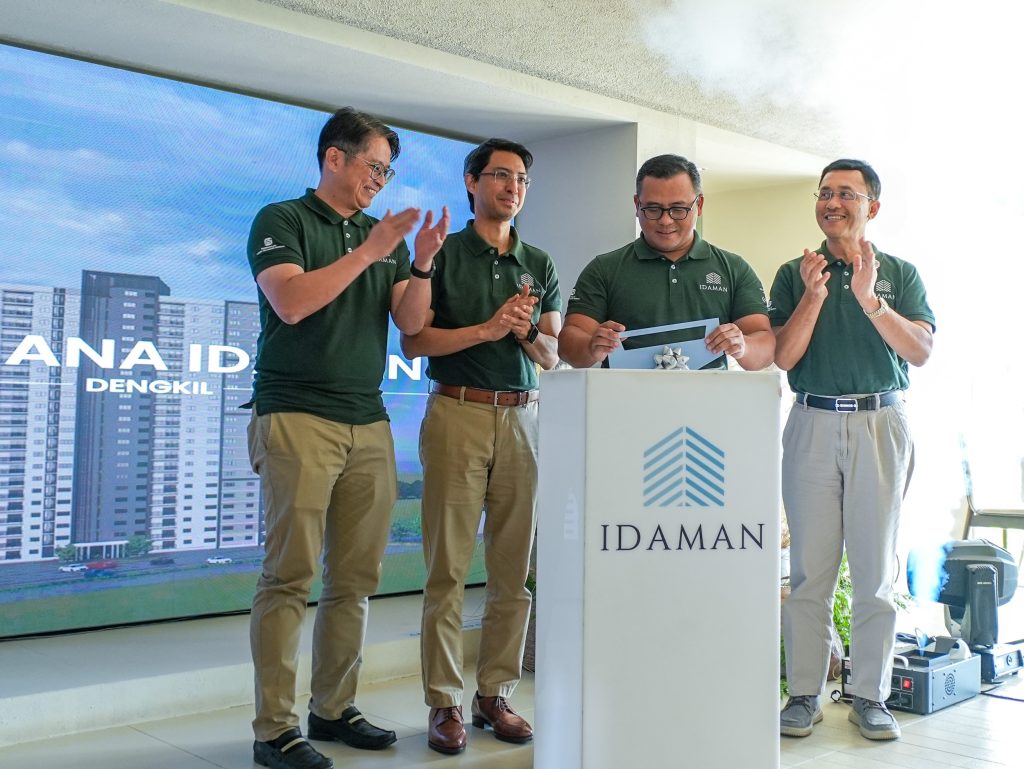
CYBERJAYA: Oriental Interest Berhad (OIB) Group, in collaboration with Permodalan Negeri Selangor Berhad (PNSB), through its subsidiary, PNSB Construction Sdn Bhd (PCSB) unveiled Putra Idaman, a new affordable housing project that aims to support urban growth in Selangor.  The project under the Rumah Idaman programme, was officially launched by Selangor Chief Minister, YAB Dato’ Seri Amirudin Shari, in concurrence with a symbolic groundbreaking ceremony for Saujana Idaman, another Rumah Idaman project by OIB, which will be launched in the near future.  Rumah Idaman is a successful Selangor-government initiative to address the rising demand for quality, affordable homes in strategically located urban centers. The initiative offers units tailored for B40 and M40 Malaysians, particularly first-time homebuyers and small families seeking a foothold in the property market.  Located in Desa Pinggiran Putra, Putra Idaman spans 6.7 acres and has a gross development value (GDV) of RM125.5 million. Targeted for completion in 2028, Putra Idaman will feature two apartment blocks, offering a total of 502 semi-furnished units. Each unit is priced at RM250,000 and is designed specifically for low to middle-income families.  During the launch, Dato’ Seri Amirudin expressed his appreciation for OIB and PNSB’s dedication to delivering comfortable, quality homes with essential amenities, aimed at enhancing the well-being of Selangor’s residents.  He further remarked, “I am confident that the success of projects like Putra Idaman, Saujana Idaman, and other Rumah Idaman MBI developments, which offer affordable prices and location with good accessibilities, will greatly improve the quality of life for Selangor’s residents. These initiatives also present an appealing opportunity for our youth to become first-time homeowners.”  Executive Director and CEO of OIB, Low Kok Shen emphasised that the project is testament to OIB’s commitment to elevate homeownership opportunities for individuals and families from all walks of life.  “OIB currently has over RM1 billion of affordable housing properties in the pipeline under schemes such as Rumah Idaman and Rumah Selangorku with Putra Idaman being the first of many projects under the Rumah Idaman initiative.  “We believe affordable housing in Malaysia is not just an economic issue, it’s a societal imperative. Property developers have a vital role to play in shaping a future where homeownership is accessible to all.  Low added that affordable housing projects like Putra Idaman and Saujana Idaman are vital to support the inclusivity and sustainability in the growing townships of Putrajaya, Cyberjaya, and Dengkil, which have shown population growth rates almost three times the national average according to Malaysia’s 2020 population census.  Designed to meet the needs of modern lifestyles, each 1,002 sq. ft. unit features three bedrooms and two bathrooms; furnished with wardrobes, air-conditioners, water heaters, television with cabinet, kitchen cabinets, and a refrigerator. Each unit also comes with two parking spaces, adding another layer of convenience for homeowners.   Putra Idaman is set in a gated and guarded community, making it an attractive choice for those seeking a safe and well-planned living environment within a rapidly growing neighbourhood. Putra Idaman is easily accessible via a network of highways such as the MEX Highway, ELITE Highway and the South Klang Valley Expressway (SKVE), and the MRT Putrajaya line.  Low added: “Affordable housing is fundamental to building a thriving and equitable society. It offers individuals, families, and first-time homebuyers the stability and security needed to create a better future. We believe that Putra Idaman will provide more than just shelter – it will contribute to social advancement and strengthen the nation’s economic resilience.”  Chief Executive Officer of PNSB, YM Raja Ahmad Shahrir Iskandar bin Raja Salim remarked, “The launch of Rumah Idaman Putra Idaman is the second project launch for 2024 as scheduled by PNSB. The Rumah Idaman Putra Idaman and Saujana Idaman projects are two joint venture projects with OIB, with an estimated total of 1,360 units out of the 5,783 units planned for the Rumah Idaman development in the Sepang district. This development will undoubtedly add value to Mukim Dengkil.”  “We are very honoured to collaborate with OIB on this affordable housing project. This partnership not only aligns with PNSB’s commitment to in increasing public housing access but also demonstrates our dedication to deliver quality housing and value to the community. Through this collaboration, it has made a significant impact in providing affordable and high-quality homes for everyone.”   

Upcoming Events

IGEM 2024 Sets the Stage for Global Collaboration in Green Innovation and Clean Energy

KUALA LUMPUR: The International Greentech & Eco Products Exhibition and Conference Malaysia (IGEM) returns for its landmark 15th edition from 9 to 11 October 2024. As one of Southeast Asia’s largest green technology showcases, IGEM 2024 will bring together 48,000 participants and 480 exhibitors from 48 countries, generating business leads estimated at MYR 4.8 billion. Organised by the Ministry of Natural Resources and Environmental Sustainability (NRES) and co-organised by the Malaysian Green Technology and Climate Change Corporation (MGTC), IGEM has been instrumental in advancing Malaysia’s ambition to become a regional leader in Greentech and Cleantech. With the Malaysian Investment Development Authority (MIDA) as the strategic partner, IGEM 2024 promises to deliver groundbreaking innovations that address climate concerns as well as spearhead a green economy to futureproof the nation. IGEM 2024’s theme, “Race Towards Net Zero: Regional Leadership for Climate Urgency”, reflects the pressing need for collective action against climate change. As global efforts intensify to curb greenhouse gas emissions, IGEM will be at the forefront of critical discussions around sustainability and green technology solutions for the region’s future. MGTC Group Chief Executive Officer, Ir. Ts. Shamsul Bahar Mohd Nor emphasised IGEM’s role in positioning Malaysia globally, especially as the country prepares for major milestones such as COP29 in Azerbaijan, and becoming the chair of ASEAN in 2025. “IGEM is a global nexus for innovation and collaboration where ideas evolve into tangible solutions. Bringing together international leaders, green businesses, and policymakers catalyses cross-border cooperation, knowledge exchange, and technological advancements that is crucial in addressing the climate crisis. This platform not only amplifies Malaysia’s leadership on the world stage but also creates the opportunity for meaningful partnerships that can drive impactful change globally,” said Shamsul Bahar. One of the key highlights of IGEM 2024 will be the Clean Energy Transition Asia (CETA) Summit. This summit will bring together influential voices, including ministers, policymakers, and leading figures from the private sector, to chart the course for Asia’s clean energy transition. Among the distinguished speakers are Ken Haig, Head of Energy and Environmental Policy at Amazon Web Services (AWS); Pras Ganesh, Executive Vice President & Chief Information Security Officer of Toyota Motor Asia; and Davis Chong, Executive Director and Group CEO of Solarvest. These experts will share their insights on the opportunities and challenges shaping the clean energy landscape. The CETA Summit, featuring an all-plenary session format, is designed to provide participants with actionable insights and strategic guidance. With a focus on collaboration between the public and private sectors, the summit aims to accelerate clean energy initiatives across the region. Its outcome-driven approach will ensure that CETA Summit becomes a critical driver for clean energy solutions in Asia and beyond. In addition to the summit, IGEM 2024 will spotlight initiatives such as Mobility X, which focuses on decarbonising transportation, and the Green Job Fair, connecting employers with top talent in the green economy. Attendees can also engage with the Circular Economy Showcase and witness the unveiling of the Malaysia Pavilion at COP29, which will happen later this year in Baku, Azerbaijan. IGEM has consistently drawn participation from leading nations such as Canada, Austria, Sweden and Finland, fostering a dynamic environment for global collaboration in green technology. This year, IGEM will continue to enable technology exchange, knowledge sharing, and partnerships that will shape the future of the global green economy. Strategic partnerships have been integral to IGEM’s success, with Petronas as a key collaborator. Gold sponsors include OCBC, Tenaga Nasional Berhad (TNB), and Solar First. UOB, Solarvest, Itramas, Samaiden, Citaglobal, and SolaX are the silver sponsors. Bronze sponsors include Bio Eneco, Plus Xnergy, Leader Energy, Bank Pembangunan Malaysia Berhad and Grab. Iskandar Investment Berhad as the branding sponsor. Since its inception in 2009, IGEM has attracted over 600,000 visitors from 122 countries and generated over MYR 53.1 billion in business leads. With IGEM 2024, Malaysia continues to lead in sustainability and green innovation, providing valuable opportunities for global business engagement and environmental progress. Admission to IGEM 2024 is complimentary with prior registration. For more information, visit https://www.igem.my/ and secure your participation today.

Property

Property Sector Faces Challenges but Finds Cushion in Industrial and Land Sales

KUALA LUMPUR: The Malaysian property market continues to grapple with significant challenges such as oversupply, high household debt, and affordability concerns. According to Kenanga Research’s October 2024 sector update, the outlook remains underweight, especially for larger developers whose stock performance is underwhelming. Despite these headwinds, mid-to-small-cap developers in the industrial and land sales segments are providing a stabilizing cushion amid the turbulence. Key Drivers of Stability: Industrial and Land Sales Industrial property and land sales are emerging as more resilient business models, driven by growing demand from sectors like e-commerce and logistics. Developers like MAHSING and Sime Darby Property are shifting focus towards these segments, which offer a reliable revenue stream compared to the beleaguered residential market. This strategic pivot allows developers to mitigate the risks posed by the affordability crisis and oversupply in the housing market. Government initiatives to attract foreign direct investment (FDI) have further bolstered industrial property demand, making it an area of growth even as other property sectors face stagnation. Residential Sector: Oversupply and Affordability Crisis The residential market continues to face an oversupply, with overhang units rising to 127,180 as of 2QCY24, a 3% increase from the previous quarter. This is compounded by rising household debt-to-GDP ratios, which have increased to 84.2% in 2023 from 81.0% in 2022, yet remain below pre-pandemic levels. While housing loan approval rates have improved to 47.2%, this improvement is largely in the affordable housing segment, where developers are targeting properties priced below RM500K. Despite efforts to provide affordable housing, younger Malaysians—particularly first-time homebuyers under the age of 35—are struggling to secure home loans. The gap between the median house price of RM335K and average monthly salary (RM3,000-RM3,500) makes homeownership unattainable for many, even in the affordable housing category. This has left many units, particularly those priced below RM300K, unsold, with the highest concentrations of overhang units in urbanized regions like Johor, Kuala Lumpur, and Selangor. Economic Outlook and Sector Resilience Inflationary pressures, particularly the potential rationalization of the RON95 fuel subsidy, could dampen consumer sentiment and spending power, which would further strain property demand. However, the appreciating Malaysian ringgit offers a silver lining, potentially easing some of the cost burdens for developers and consumers alike. Additionally, the stabilization of the Overnight Policy Rate (OPR) at 3.00% has reduced market uncertainty, offering some respite from earlier interest rate hikes. Developers are increasingly focusing on monetizing land near developed areas and prioritizing affordable housing projects. This strategic shift has allowed for some level of resilience, even in the face of persistent economic headwinds. The growth of transit-oriented developments in regions like the Klang Valley is also expected to gain momentum, providing a strategic response to rising living costs and household debt pressures. Top Picks and Future Outlook Kenanga Research’s top sector picks include MAHSING and MKH, both of which focus on affordable homes and transit-oriented developments that align with shifting consumer preferences. In contrast, Malaysian Resources Corporation Berhad (MRCB) was downgraded to Market Perform from Outperform due to its valuations catching up with its construction-driven growth prospects. In conclusion, while the Malaysian property sector faces considerable challenges, industrial property and land sales offer a reliable cushion. Developers’ shift toward more sustainable revenue streams, along with targeted strategies in affordable housing and landbank monetization, may help them weather the storm. However, the affordability crisis remains a significant issue, calling for more targeted interventions to resolve the growing overhang of unsold units.0

News

ASEAN Foundation supported by Google.org to Launch USD 5M AI Literacy Programme to Train Millions in ASEAN

JAKARTA: To strengthen AI literacy across ASEAN, the ASEAN Foundation, with support from Google.org, officially launched the AI Ready ASEAN initiative today at the AI Opportunity Southeast Asia Forum. Supported by a USD 5 million cash grant from Google.org, the ASEAN Foundation will implement AI Ready ASEAN over the next 2.5 years, aiming to equip 5.5 million ASEAN citizens with essential AI skills. The programme’s goal will enhance AI literacy in all ten ASEAN Member States through a combination of train-the-trainer approach, creation of a regional AI resource hub with localised content tailored to youth, teachers, parents, and research on AI literacy and ethics, and awareness raising campaigns. Through this programme, the ASEAN Foundation aims to train 2,000 master trainers, who will, in turn, deliver in-depth AI literacy training to over 800,000 end-beneficiaries in local communities. To ensure the training addresses the specific needs of impacted communities, the ASEAN Foundation will work with local partners across the region to tailor the training curriculum for each country’s unique context. “At the ASEAN Foundation, we are thrilled to launch the AI Ready ASEAN initiative with support from Google.org, which will empower millions of individuals across the region with the knowledge and skills to thrive in the digital age,” said Dr. Piti Srisangnam, Executive Director of ASEAN Foundation. “Enhancing AI literacy in ASEAN is not just about preparing our youth, educators, and communities for the future of work—it’s about ensuring that every citizen has the tools to navigate and shape the rapidly evolving technological landscape. By investing in AI education, we are building a stronger, more resilient ASEAN that can harness the power of innovation for sustainable growth and development,” he concluded. The AI Ready ASEAN will also contribute to achieving the goal of the ASEAN Digital Economy Framework Agreement by equipping millions with AI skills to drive the region’s digital transformation. It fosters local expertise to help build an inclusive and sustainable digital economy. At the same time, the initiative will also follow the ASEAN Guide on AI Governance and Ethics, ensuring AI is adopted responsibly, with a focus on transparency, fairness, and inclusivity. The AI Ready ASEAN builds on the success of the previous digital empowerment initiative, ASEAN Digital Literacy Programme, that ran from 2021 to early 2024. Supported with a USD 1.5 million grant from Google.org, the programme addressed misinformation in ASEAN by facilitating access to media and information literacy materials for youth, teachers, parents, and the elderly. Commenting on why Google.org chose to support the ASEAN Foundation again, Marija Ralic, Lead for Google.org, APAC shared, “Our $5M grant support to ASEAN Foundation’s AI Ready ASEAN initiative underscores our commitment to help ensure everyone, especially people in marginalised communities, can access the digital, technical and AI skills to pursue opportunities in the digital economy. Building on the success of our previous support in 2021, through which the ASEAN Foundation has helped hundreds and thousands of individuals across ASEAN to develop essential digital skills, we are excited to continue this journey supporting the ASEAN Foundation to bridge the digital divide and ensure that everyone can benefit from the transformative power of AI.” H.E. Dr. Kao Kim Hourn, Secretary-General of ASEAN, welcomed the AI Ready ASEAN initiative to uplift the AI literacy baseline and empower the region’s digital literacy and create opportunities for ASEAN youth to thrive in the digital age. He remarked, “I commend the ASEAN Foundation and Google.org for spearheading this initiative and for their commitment to advancing digital skills and literacy in our region…I strongly encourage the ASEAN Member States to seize this opportunity as we transform the region into a robust and resilient digital economy, guided by the ASEAN Community Vision 2045.” The AI Opportunity Southeast Asia Forum was co-organised by the ASEAN Foundation and Google, with the goal of connecting regional stakeholders to drive discussions and develop recommendations for AI policies and regulations suited for ASEAN adoption. The forum was opened by remarks from Dr. Piti Srisangnam, Ruth Porat, President and Chief Investment Officer of Alphabet and Google, and H.E. Dr. Kao Kim Hourn, Secretary-General of ASEAN. The forum hosted two expert panels that brought together leaders from fields such as economics, public policy, health, agriculture, and STEM in ASEAN. The first panel explored the prospects and impacts of AI in Southeast Asia, while the second panel focused on adoption opportunities within the region. Both discussions underscored the potential of AI to drive responsible and sustainable innovation across sectors, including the economy, education, health, and agriculture. A key highlight of the forum was the launch of the AI Ready ASEAN initiative and a new grant support from Google.org to EduFarmers, announced by Ruth Porat. The event also featured an AI booth showcasing Google and Google.org’s grantees’ contributions to digital empowerment in ASEAN.

News

Ministry meets with Dyson over surprise layoffs

SINGAPORE: The Manpower Ministry (MoM) has met with consumer electronics giant Dyson to work on an “amicable solution”, after the company gave a labour union just one-day’s notice of its retrenchment exercise. MoM said early yesterday that it received a request from the United Workers of Electronics and Electrical Industries (Uweei) for a conciliation session with Dyson. MoM met with Dyson on Wednesday and will also meet with the Uweei “to understand the concerns of both parties and to explore an amicable resolution”, the ministry said. It comes after Uweei executive secretary Patrick Tay reiterated on Wednesday that the union is disappointed that it was informed of the retrenchment exercise only a day before Dyson laid off an undisclosed number of workers on Tuesday. “This is unacceptable as it does not give sufficient time for discussion between Dyson and Uweei to ensure not just a fair, but also a responsible and progressive, retrenchment exercise,” Tay said, adding that more time for discussion would allow affected workers to be better supported. MoM in its statement yesterday said that under the Tripartite Advisory on Managing Excess Manpower and Responsible Retrenchment, unionised companies should give unions early notice when informing employees of retrenchments. “For Dyson, while the company is unionised, the retrenched professionals, managers and executives (PMEs) are not unionised, and they are not part of the scope of the union’s collective representation,” MoM noted. “Hence the period of notice to inform Uweei is negotiable,” it said. MoM added that the formula adopted for computing retrenchment benefits for PMEs does not have to be based on that used for a rank-and-file employee, and is negotiable between the union and the company. — The Straits Times/ANN

Uncategorized

JAKARTA: Director of Financial Services and SOEs of the National Development Planning Agency (Bappenas) Rosy Widyawati stated that the consumption of halal products at the global level in 2027 is projected to reach US$3.1 trillion. “Muslim spending on sharia products, such as food and beverages, halal fashion, halal cosmetics, and others, is very promising, with an estimated value of US$3.1 trillion in 2027,” Widyawati remarked on Wednesday (October 2). In a live broadcast on YouTube titled “Acceleration Towards Golden Indonesia 2024 with MEKSI,” she stated that the government is optimizing the potential of the sharia economy through the preparation of the Indonesian Sharia Economic Masterplan (MEKSI) 2025-2029. According to Widyawati, the development of the sharia economy is important as a new economic engine to realize an average national economic growth of six to seven percent to become a developed country. To achieve the target, she underscored the need for Indonesia, as the world’s largest Muslim country, to become a producer and not just a consumer. She remarked that the largest exporters of halal products currently are countries with no Muslim majority such as Brazil, China, and India. “In the future, we must become producers and be able to export,” Widyawati stressed. In addition to preparing for the 2025-2029 MEKSI, she highlighted that the government is developing the sharia economy as stipulated in Law Number 59 of 2024 on the National Long-Term Development Plan (RPJPN) for 2025-2045 on September 13. In the RPJPN document, the development of the sharia economy is a separate priority program to accelerate the progress of the sector, including through downstreaming of the halal industry and strengthening MSMEs to boost export value, she stated. Widyawati noted that program development to boost Muslim tourist numbers by improving Muslim-friendly tourism facilities and infrastructure is also considered important. “We also have a fashion sector. This line must be supported because we believe fashion can contribute a lot,” she remarked.

Investment & Market Trends

ASE Technology aims to boost renewable energy ratio to 42% by 2023

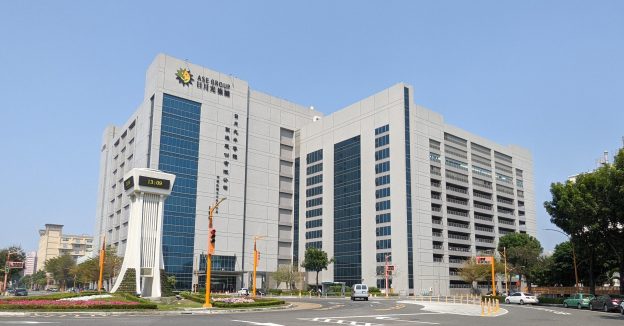
TAIPEI: Taiwan-based ASE Technology Holding Co., the world’s largest IC packaging and testing services provider, said Monday that it aims to raise renewable energy use to 42 percent of its total energy consumption by 2023, paving the way to realize the goal of net zero emissions by 2025. In its latest sustainability report, ASE Technology said that to achieve its science-based carbon reduction target, it has proactively expanded the coverage of its product life cycle inventory with five major areas in focus: investments in carbon credits, renewable energy use, low carbon transportation, low-carbon products, and supply chain engagement. The company also aims to work with suppliers to promote transport modes through technology sharing, cross-industry cooperation, and subsides for sustainability projects, ASE Technology said. Moreover, to manage internal consumption and boost energy efficiency, the company is progressively implementing the ISO 50001 Energy Management System to meet its planned target of achieving 100 percent certification by 2025, it said. Since 2021, ASE Technology has set up a “Renewable Energy Platform” to consolidate energy procurement by its three subsidiaries: Advanced Semiconductor Engineering Inc., Siliconware Precision Industries Co., and Universal Scientific Industrial (Shanghai) Co. In line with its net zero emissions goal by 2050, the IC packaging and testing giant said it has increased the use of renewable energy through solar power, through equipment installed at its facilities, external procurement of renewable energy, and purchases of renewable energy certificates (RECs). ASE Technology said its facility in Kaohsiung led the initiatives by expanding its adoption of intelligent energy management systems. In addition, artificial intelligence applications have been adopted to forecast air conditioning consumption for each upcoming 12-hour period with the data currently used to calculate and control the operation of chillers and fan filter units (FFU) in each area to maximize energy savings, the company said. According to ASE Technology, 84 percent of its facilities worldwide consumed green energy or purchased RECs, which make up 20 percent of its total energy use in 2023, with 12 of these facilities meeting RE100 requirements, a global corporate renewable energy initiative calling for businesses to commit to 100 percent renewable electricity. ASE Technology said the company’s commitment to green energy consumption helped to cut greenhouse gas intensity per unit of revenue by 45 percent from 2021 to 2023.–FOCUS TAIWAN CNA ENGLISH NEWS

Scroll to Top

Subscribe
FREE Newsletter