

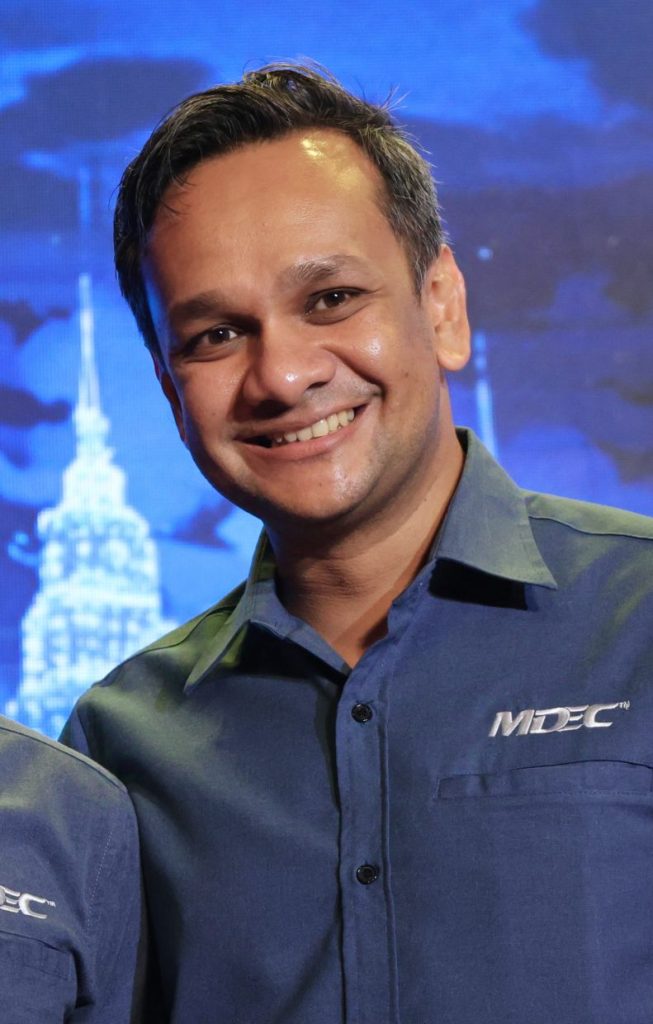
Former TikTok Exec Anuar Fariz to Lead MDEC as CEO
KUALA LUMPUR: Anuar Fariz Fadzil, previously the Head of Public Policy at TikTok Malaysia, has been appointed as the CEO of the Malaysia Digital Economy Corporation (MDEC). According to The Star, the announcement was made by MDEC chairman Syed Ibrahim Syed Noh during the Malaysia Digital Content Festival 2024 in Kuala Lumpur today (3 October). Anuar also held key roles at Celcom Axiata, where he was Special Advisor to the CEO on public sector strategy and digital economy initiatives, and at Axiata Group Berhad, where he served as the Head of Regional Government Stakeholder Management. Earlier in his career, Anuar served as an Advisor and Aide to the Minister of International Trade and Industry (MITI), coordinating foreign direct investment strategies and industry development. His appointment follows the departure of Datuk Ts. Mahadhir Aziz, who ended a three-year tenure as CEO on 31 August 2024. During his leadership, Datuk Mahadhir played a major role in solidifying MDEC’s position within Malaysia’s digital ecosystem, securing over RM 170 billion in digital investments and creating more than 85,000 technology jobs. He also led key initiatives, including transforming the MSC initiative into Malaysia Digital (MD) and introducing the digital nomad visa.–FINTECH NEWS MALAYSIA

Maybank Appoints New Chairman for Singapore
The Board of Maybank Singapore has appointed Datuk Yee Yang Chien as its Chairman, effective 1 October 2024. He will succeed Datuk R. Karunakaran, who has retired from Maybank Group after six years of dedicated service as Chairman, effective 30 September 2024. Datuk Yee was appointed as a Non-Independent Non-Executive Director of Maybank on 24 November 2023 and then as a Non-Independent Non-Executive Director of MSL on 15 August 2024. Wealth of Experience He brings with him a wealth of experience from both local and international financial institutions, with a career spanning external and internal audit, equity research, and investment banking. His extensive career also includes nearly 20 years at MISC Berhad (MISC), a publicly listed global shipping conglomerate, where he held several key leadership positions, including Vice President of Corporate Planning, Chief Operating Officer, and eventually President/Group CEO – showcasing his ability to lead and manage large-scale strategic initiatives. Rapid Growth His background in leading large-scale transformations will be invaluable in driving the rapid growth of Maybank Singapore, steering the organization towards greater sustainable growth and innovation. Datuk Yee holds a Double Degree in Accounting and Financial Management and Economics from the University of Sheffield, United Kingdom.–FINNEWS.ASIA
Uncategorized
Introduction The property market is a dynamic sector that continuously evolves in response to economic, social, and political changes. For investors, understanding the nuances of different markets is crucial in making informed decisions. This article explores the current property market trends and opportunities in Malaysia compared to the United Kingdom (UK), focusing on rental yields, capital appreciation, foreign ownership regulations, and investment strategies. Overview of the Malaysian Property Market Resilience and Growth Malaysia’s real estate sector has shown remarkable resilience in recent years, rebounding from the impacts of the COVID-19 pandemic. Property values have steadily increased, driven by factors such as a growing population, urbanization, and a robust demand for housing. The limited supply of properties has contributed to rising prices, creating a favorable environment for property investment. In recent years, Malaysian cities have become increasingly attractive to both local and foreign investors. Cities like Kuala Lumpur and Penang have witnessed substantial development, with new infrastructure projects and urban regeneration initiatives enhancing their appeal. Additionally, Malaysia’s strategic location in Southeast Asia positions it as a gateway for businesses and expatriates, further driving demand for residential and commercial properties. Rental Yields and Capital Appreciation In terms of rental yields, Malaysia offers competitive opportunities compared to many international markets. For instance, rental yields in metropolitan areas like Kuala Lumpur range between 4% and 6%, with certain properties in desirable locations yielding even higher returns. This presents an attractive proposition for investors looking to generate passive income. Capital appreciation in Malaysia has also been noteworthy, particularly in urban centers. Over the past decade, property values in Malaysia have appreciated significantly, with certain areas experiencing double-digit growth. The ongoing development of infrastructure and public transport systems contributes to this upward trend, making investment in Malaysian real estate an appealing option. The UK Property Market: Challenges and Opportunities Current Market Landscape In contrast, the UK property market faces a different set of challenges and opportunities. The impact of Brexit has created uncertainty, leading to fluctuations in property values and rental yields. In London, for instance, rental yields have dropped to approximately 2% to 4%, making it less attractive for investors seeking high returns. This decline can be attributed to factors such as oversupply and increasing living costs, which have affected demand in some areas. However, there are still opportunities within the UK market. Cities like Manchester, Birmingham, and Liverpool have emerged as hotspots for investment, offering higher rental yields ranging from 6% to 8%. These cities have benefited from significant regeneration projects, attracting young professionals and families seeking affordable housing options. Capital Appreciation in the UK The capital appreciation landscape in the UK has been mixed. While London has seen minimal growth in recent years, other regions have experienced robust increases in property values. For instance, the North West of England, particularly Manchester, has reported significant capital growth due to increased investment in infrastructure and a growing population. The UK’s real estate market also offers a diverse range of investment opportunities, from residential buy-to-let properties to commercial real estate. Investors can leverage various financing options, such as buy-to-let mortgages, to enhance their investment portfolios. Foreign Ownership Regulations Malaysia’s Open Approach One of the key differentiators between the property markets in Malaysia and the UK is the approach to foreign ownership. Malaysia has a relatively open policy towards foreign investors, allowing them to purchase properties without stringent restrictions. The government has implemented the “Malaysia My Second Home” (MM2H) program, which facilitates long-term residency for foreigners investing in Malaysian real estate. This program has attracted a significant influx of foreign buyers, further stimulating the market. Foreign ownership regulations in Malaysia typically require a minimum purchase price—RM1 million in Kuala Lumpur and RM2 million in Selangor—making it accessible for international investors. This framework balances the interests of local buyers with the need to attract foreign capital, promoting sustainable growth in the property sector. The UK’s Restrictions In contrast, the UK has seen increased scrutiny regarding foreign ownership, particularly in London. Local authorities have implemented measures to control property prices and ensure affordability for residents. This has included stricter regulations on foreign buyers and additional taxes for non-resident investors. While these measures aim to protect local housing markets, they can also deter foreign investment. Investors should be aware of these dynamics when considering opportunities in the UK, as regulatory changes can significantly impact their investment strategies. Investment Strategies and Education Emphasizing Education in Malaysia As investors navigate the complexities of the property market, education plays a vital role in their success. In Malaysia, there is a growing emphasis on educating potential investors about market trends, property selection, and investment strategies. Initiatives that provide free educational resources and community support are becoming increasingly important, helping investors make informed decisions. Organizations and programs dedicated to financial literacy and investment education empower individuals to build wealth through property investment. These initiatives foster a culture of informed decision-making, enabling investors to confidently navigate the market. Diversified Investment Strategies in the UK In the UK, investors are encouraged to adopt diversified investment strategies to mitigate risks. This may involve exploring opportunities in emerging cities, investing in commercial properties, or considering joint ventures. Understanding the nuances of the UK market and its regional variations is essential for successful investment. Moreover, leveraging technology and data analytics can provide valuable insights into market trends and property values. Investors can utilize various platforms to access real-time data, enabling them to make more informed decisions. In conclusion, the property markets in Malaysia and the UK present unique opportunities and challenges for investors. Malaysia’s open approach to foreign ownership, coupled with competitive rental yields and capital appreciation, positions it as an attractive destination for property investment. Meanwhile, the UK offers a diverse landscape with both challenges and opportunities, particularly in regions outside London. As investors consider their options, understanding the nuances of each market, including regulatory frameworks and investment strategies, is crucial. Education and knowledge-sharing initiatives play a pivotal role in empowering investors to make informed decisions and navigate
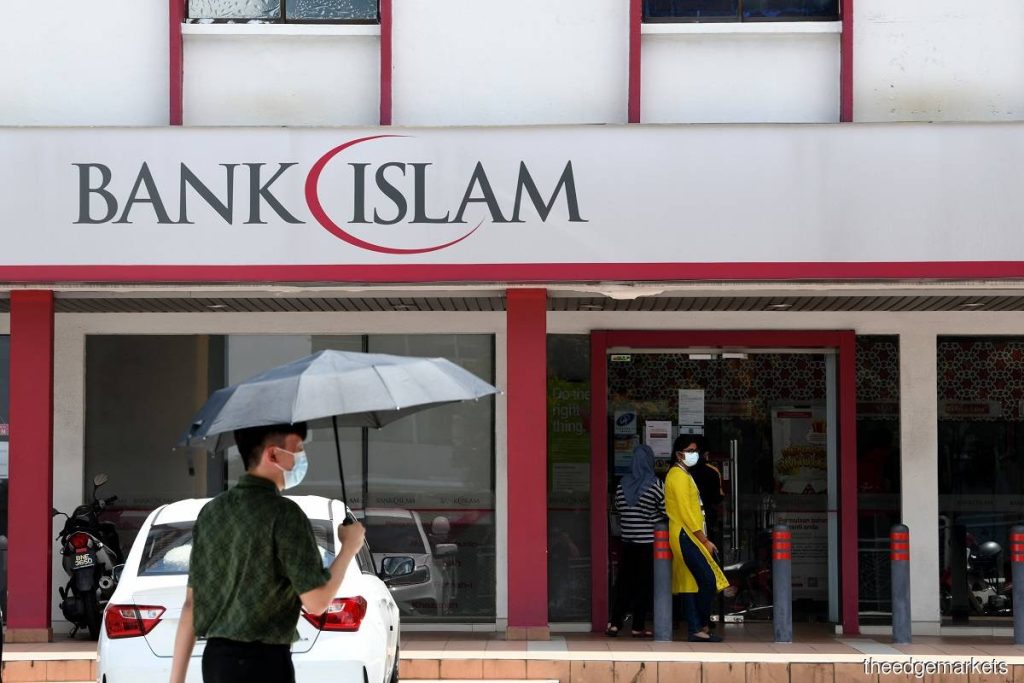
Bank Islam issues RM250mil sukuk to enhance capital
PETALING JAYA: Bank Islam Malaysia Bhd has launched the second tranche of its additional Tier 1 capital sukuk wakalah, amounting to RM250mil, from its RM5bil sukuk wakalah programme. This perpetual non-call five-year sukuk has been assigned and reaffirmed a long-term rating of A3 by RAM Rating Services Bhd. Proceeds from the sukuk wakalah will be utilised to finance general working capital requirements and other corporate purposes. The sukuk wakalah qualifies as Tier 1 regulatory capital of Bank Islam in compliance with Bank Negara’s capital adequacy framework for Islamic banks. Bank Islam is the principal adviser, lead arranger, lead manager and syariah adviser for the sukuk wakalah programme. In the second quarter (2Q) ended June 30, 2024, Bank Islam recorded a net profit of RM137.17mil compared to RM136.14mil a year ago. The bank’s 2Q revenue rose to RM1.15bil from RM1.12bil previously, while earnings per share stood at 6.05 sen.–THE STAR
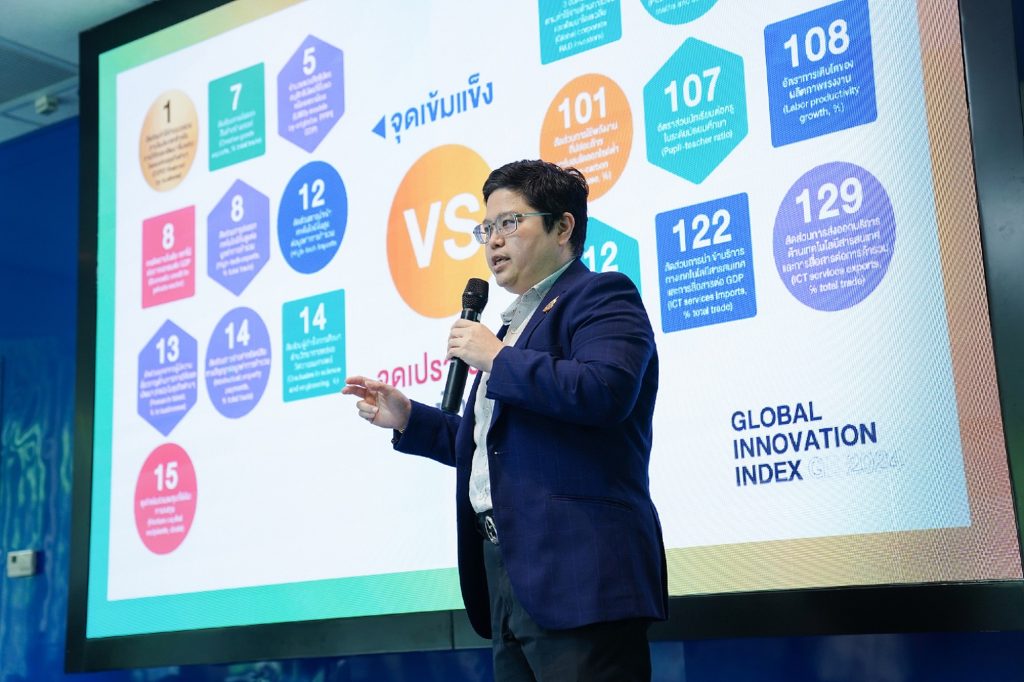
NIA showcases Thailand’s Global Innovation Index 2024
BANGKOK: The Ministry of Higher Education, Science, Research, and Innovation (MHESI), through the National Innovation Agency (NIA), has announced the results of the Global Innovation Index 2024 (GII 2024) under the theme ‘Unlocking the Promise of Social Entrepreneurship.’ The index, organized by the World Intellectual Property Organization (WIPO), measures the innovation capabilities of 133 countries worldwide. Thailand has risen to 41st this year, improving by two ranks from the previous year. The announcement was accompanied by a forum on ‘Innovation System Development and Driving Thailand towards an Innovation Nation,’ held in partnership with key stakeholders in the innovation ecosystem, including the Thailand Science Research and Innovation (TSRI), the Ministry of Commerce, the Department of Intellectual Property, the Creative Economy Agency (Public Organization), the World Intellectual Property Organization (WIPO). Dr Krithpaka Boonfueng, Executive Director of the National Innovation Agency (Public Organization) or NIA, revealed that this year’s GII focuses on unlocking the potential of social entrepreneurship. This theme reflects the rapid rise of social entrepreneurs seeking innovative solutions to address pressing social issues. The study in this area assists policymakers and innovation support programs in expanding and improving social entrepreneurship initiatives to create a broader impact, thereby transforming society more effectively. “This year marks a positive milestone for Thailand’s innovation sector as the country has climbed to 41st place in the Global Innovation Index 2024, scoring 36.9, up from 43rd place. Thailand has shown improvements in both the Innovation Input Sub-Index, moving up to 41st from 44th, and the Innovation Output Sub-Index, climbing to 39th from 43rd. This progress reflects the efficiency of innovation inputs in generating greater innovation outputs, exceeding the level of investment put in to enhance innovation capabilities.” “Thailand is classified among the countries that deliver better results than expected at its level of economic development. Compared with 34 upper-middle-income economies, Thailand’s innovation performance is above average in all factors. Similarly, in Southeast Asia, East Asia, and Oceania, Thailand ranks 9th out of 17 countries and remains 3rd among ASEAN nations. Most ASEAN countries have seen an improvement in their GII rankings, particularly Indonesia, which has made a significant leap of 7 places to 54th; Vietnam, which has risen by two places to 44th; and Malaysia, which has moved up by 3 places to 33rd,” Dr Krithpaka explained. Dr Krithpaka also added that when examining Thailand’s innovation capabilities across the seven key factors, the country’s ranking has improved in nearly every category compared to last year. Notably, the Business Sophistication factor has climbed by two places to 41st. The indicator for Gross Domestic Expenditure on Research and Development (GERD) financed by businesses has maintained its global no. 1 spot for the fifth consecutive year. This underscores the private sector’s ongoing investment in enhancing business innovation capabilities through continuous research and development. “Another significant aspect of today’s event is the gathering of a network of partners who will collectively drive Thailand towards becoming a globally recognized Innovation Nation. The forum on ‘Innovation System Development and Driving Thailand towards an Innovation Nation’ included key participants such as NIA, the Thailand Science Research and Innovation (TSRI), the Department of Intellectual Property (DIP) under the Ministry of Commerce, and the Creative Economy Agency (CEA). We also had the honor of welcoming WIPO representatives who joined the event online. This gathering demonstrates Thailand’s readiness and commitment to promoting the development of research, science, and innovation, utilizing intellectual property, and fostering the creative economy through the policies, missions, and key initiatives of each organization.” “Today’s activities serve as a foundation for future collaboration among partners, aimed at systematically and comprehensively elevating innovation in line with the Global Innovation Index (GII) framework, steering Thailand towards becoming an Innovation Nation.”
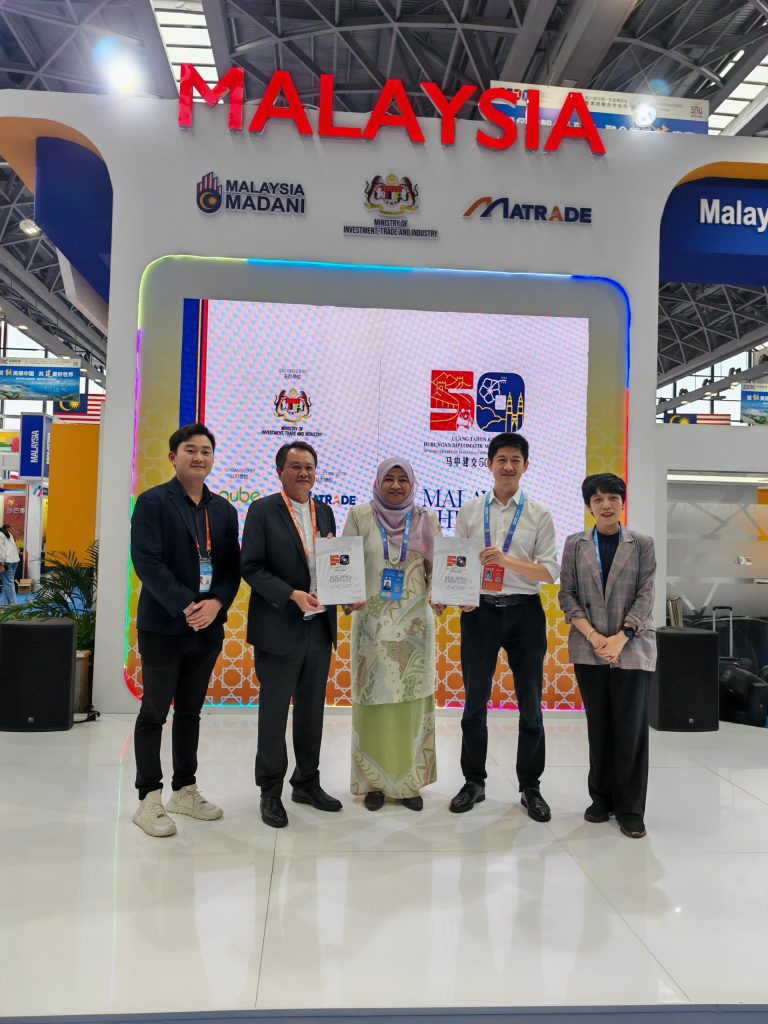
50 Top Chinese Companies to Drive Malaysia’s Economic Growth
KUALA LUMPUR: The secretariats of the China-ASEAN Expo (CAEXPO) and the Malaysia-China Summit 2024 (MCS 2024) formalised a strategic partnership during the recently-concluded CAEXPO in Nanning, China. This collaboration will bring nearly 50 prominent Chinese companies to MCS 2024 as exhibitors, significantly boosting the summit’s cross-border collaboration and business opportunities. The cooperation was formalised between Guangxi CAEXPO International Exhibition Co., Ltd., representing the CAEXPO Secretariat, and Richard Teo, Executive Chairman of Qube Integrated Malaysia Sdn Bhd, representing MCS 2024, at MATRADE’s booth at the Malaysia Pavilion in CAEXPO. Qube Integrated is organising MCS 2024 in association with the Malaysia External Trade Development Corporation (MATRADE) as part of the Ministry of Investment, Trade and Industry’s economic pillar programmes to commemorate the 50th anniversary of Malaysia-China bilateral ties. Teo said the partnership represents a powerful alignment of two prestigious platforms which further amplifies the shared commitment of the two countries to strengthening trade across ASEAN and beyond. “With nearly 50 companies joining MCS 2024 as exhibitors through CAEXPO’s extensive network, we are opening new doors for mutual growth and knowledge exchange,” he said, adding that this partnership marks a promising start for even more collaborations at MCS 2024. MCS 2024 will take place from 17–19 December 2024 at the Malaysia International Trade and Exhibition Centre (MITEC), showcasing over 500 exhibitors from Malaysia, China, and ASEAN, and drawing 10,000 trade delegates. The summit will feature a Trade and Investment Expo alongside a high-level Leadership Conference, complemented by various side events and industry forums. With the theme “Prosperity Beyond 50,” MCS 2024 will be centred around five key thematic pillars: Future Knowledge and Experience, Future Opportunity, Future Tech, Future Growth, and Future Mobility. Teo highlighted that the strategic collaboration reflects the deepening bilateral ties adding, “CAEXPO has long been recognised as a prestigious platform for driving trade and investment exchanges between China and ASEAN, including Malaysia. “By bringing companies from CAEXPO to the Malaysia-China Summit, we strengthen our collective efforts to foster innovation, investment, and economic growth.” He noted that the participation of China companies demonstrates the strong interest of the enterprises in exploring opportunities with Malaysia. “Their presence at the summit will enrich the trade and investment landscape, providing invaluable insights and fostering collaborations that contribute to the prosperity of our regional economy.” Teo further emphasised MCS 2024’s role as a premier platform for cross-border business exchange, adding that with a large contingent of exhibitors from China and ASEAN, “it’s an incredible opportunity for Malaysian businesses to engage with enterprises from across the region, building lasting connections that will enhance their growth.” Recently, the MCS 2024 secretariat also announced the participation of some 500-strong China companies under a partnership with the Malaysian Chamber of Commerce and Industry in China (MAYCHAM China). This year’s CAEXPO was held from 24 to 28 September 2024 where Malaysia was the country of honour. Malaysia’s presence was led by MATRADE with 150 organisations, 12 government ministries, and various private sector participants.
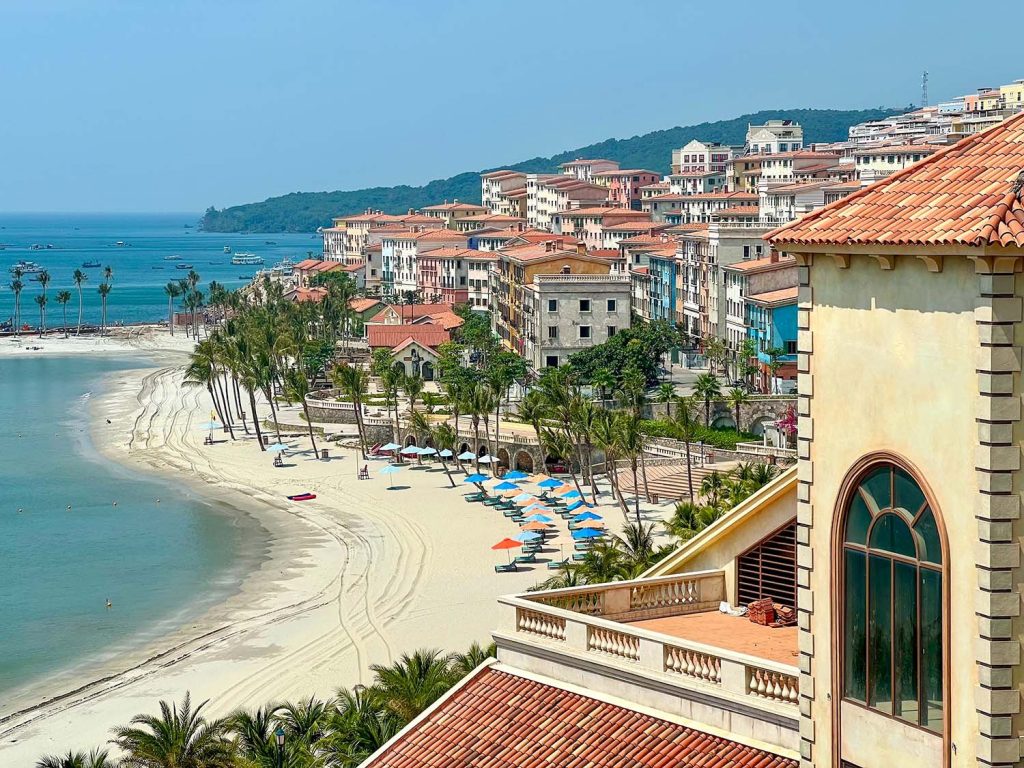
Free-visa Phu Quoc Island emerges as the new global MICE tourism spotlight
PHU QUOC: In Viet Nam, MICE (Meetings, Incentives, Conferences and Exhibitions) tourists from travel companies account for an average of 15-20 per cent of total visitors. The number can reach up to 60 per cent at some large companies during peak months. Amid this trend, Phu Quoc has recently risen as a new MICE tourism paradise thanks to special visa policy and an increasing number of attractive experiences and high-standard infrastructure. Special visa policy Phu Quoc is currently the only destination in Viet Nam with a special visa policy. Foreigners and Vietnamese holding foreign passports who enter, exit from, and reside in Phu Quoc Island are exempt from visas with a temporary stay period of up to 30 days. This 30-day visa-free policy simplifies procedures for MICE groups, which often have large numbers of participants. Thanks to this policy, many international flights operate in Phu Quoc, with frequent services from countries, including South Korea, Thailand, Malaysia, Kazakhstan, Uzbekistan and Mongolia. High-end resort system Visitors to Pearl Island can enjoy a fresh, sunny atmosphere year-round while discovering the idyllic paradise of islands and beaches. Phu Quoc boasts some of the world’s most beautiful beaches, including Kem Beach and Sao Beach, with creamy white sand and crystal-clear waters. It also has smaller islands, including Hon Thom and Hon May Rut, offering pristine beauty and a rich diversity of marine and forest ecosystems. With this natural advantage, resorts along wide sandy shores are key attractions for many MICE groups seeking luxury relaxation. These spaces also serve as ideal settings for team activities and memorable outdoor parties. A prime example is JW Marriott Phu Quoc Emerald Bay, known for successfully hosting MICE groups, including lavish Indian weddings, such as the globally renowned wedding of Rushang Shah and Kaabia Grewal. New World Phu Quoc stands out with its villa-style accommodations, all featuring private pools, while Premier Residences Phu Quoc Emerald Bay offers 752 rooms at reasonable prices with five-star quality. Notably, Phu Quoc’s luxurious restaurants and highly skilled chefs offer global cuisine, including vegetarian and Halal options. Spacious conference facilities Resorts in Phu Quoc are equipped with large conference rooms and halls, catering to a wide range of events. In the heart of Sunset Town, opposite La Festa Phu Quoc – Curio Collection by Hilton, stands the Sun Signature Gallery convention centre, designed by renowned architect Bill Bensley. Its highlight is the grand ballroom, which can accommodate up to 1,000 guests, featuring advanced technology and aesthetic appeal. The ballroom can host events in various formats, including classroom-style or workshops for up to 1,000 people, cocktail receptions for about 800 people, or seated dinners for 550-600 guests. Additionally, the Sun Signature Gallery ballroom has cutting-edge lighting systems that allow 360-degree flexibility for dynamic lighting adjustments. In late October, the Sun Paradise Land ecosystem in Phu Quoc will unveil the Sun Convention Centre that managed by New World, a new conference venue with a capacity of up to 1,000 guests. Offering diverse experiences MICE groups choose Phu Quoc for the reason of the wide range of top-tier entertainment and recreational activities. For premium groups, Phu Quoc is a golfer’s paradise, with picturesque courses that attract enthusiasts. Notably, Eschuri Vung Bau offers a unique theme, taking players on a ‘forest to sea’ journey across 18 challenging holes. Kem Beach Driving Range is a perfect choice for beginners. The range features 18 lanes stretching 300 yards, equipped with an Auto Tee system, providing a comfortable and complete training experience. Sun Paradise Land complex in southern Phu Quoc also offers an unparalleled entertainment experience. Visitors can explore the Kiss Bridge, watch the Kiss of the Sea multimedia show, enjoy nightly fireworks displays, explore Vietnamese culture with the folk show at A Oi Theater and stroll through the seaside VUI-Fest bazaar. At the end of the year, Sun Paradise Land will launch Symphony of the Sea show, which will feature a dynamic mix of Jetski and Flyboard performances, fireworks and Vietnamese cultural elements such as lion dance, festival drums… These outdoor shows, held in spacious venues, are perfectly suited for serving MICE groups. Another must-do experience for any visitor to Phu Quoc is the journey on the world’s longest non-stop three-cable car to Hon Thom Island. This experience has been hailed as one of the most worthwhile in Phu Quoc by Lonely Planet, the world-renowned travel guide.
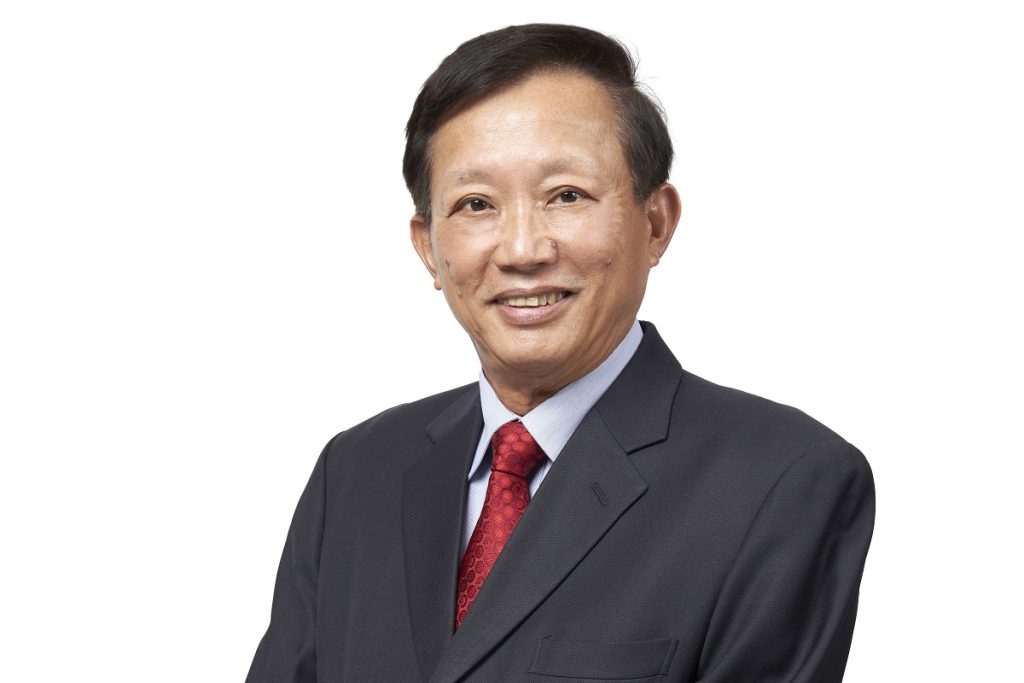
George Lee is OCBC Bank chairman
PETALING JAYA: OCBC Bank (M) Bhd and OCBC Al-Amin Bank Bhd (OCBC Al-Amin) have named George Lee Lap Wah as chairman, effective Oct 1, 2024. He takes over from Tan Ngiap Joo, who retired from both roles on Sept 30 after nine years of service. Prior to the appointments, Lee was already a member of the OCBC Bank board of directors since Sept 1, 2021. Lee has extensive experience in the banking sector, particularly within the Malaysian market. He served as an adviser to the chief executive officer and management committee of OCBC Bank from April 2016 to July 2017. Prior to this role, he was the executive vice-president and head of global corporate banking at Oversea-Chinese Banking Corp Ltd (OCBC) from February 2012 until his retirement in April 2016. Before that, he held the position of executive vice-president and head of group investment banking at OCBC since 2002.

Oil rises on escalating tensions in the Middle East
TOKYO: US West Texas Intermediate (WTI) crude futures rose by US$1.09, or 1.56%, to US$70.92 per barrel at 2254 GMT on fears of oil supply disruptions in the Middle East after Iran fired ballistic missiles at Israel. Brent futures will resume trading at 0000 GMT on Wednesday. Brent gained US$1.86, or 2.6%, on Tuesday to settle at US$73.56 a barrel. Iran fired more than 180 ballistic missiles at Israel on Tuesday, Israel said, in retaliation for Israel’s campaign against Tehran’s Hezbollah allies in Lebanon. Iran, a member of the Organization of the Petroleum Exporting Countries (Opec), is a major oil producer in the region. “The direct involvement of Iran, an Opec member, raises the prospect of disruptions to oil supplies,” ANZ Research said in a note, referring to the conflict. Iran’s oil output rose to a six-year high of 3.7 million barrels per day in August, ANZ added. Israeli Prime Minister Benjamin Netanyahu promised Iran would pay for its missile attack against Israel, while Tehran said any retaliation would be met with “vast destruction”, raising fears of a wider war. US President Joe Biden expressed full US support for Israel, its longtime ally, and the UN Security Council scheduled a meeting on the Middle East for Wednesday. — Reuters
