Author name: admin

Investment & Market Trends, News

Indonesian digital bank, Jenius Chooses Perx to Transform Customer Engagement Strategy

SINGAPORE: PT Bank BTPN Tbk (Bank BTPN) is spearheading the bank’s mobile-led consumer banking services with its flagship Jenius, as a pioneer of digital banking in Indonesia. Jenius has partnered with Perx Technologies to transform traditional banking experiences that are purely driven by needs and wants to a fun and game-like experience. By introducing the concepts of gamification and instant gratification into every day personal banking experiences the Perx Loyalty Engagement Platform and Jenius aim to transform and uplift the quintessential thought relationship a consumer has with their lifestyle banking needs. With a diverse array of rewarding experiences, gamified savings milestones and a personalised loyalty programme that keeps rewarding customers for their every action, Jenius aims at driving positive behavioural hacks into the community such as building a nest egg or better managing impulsive spending habits with full transparency. Moving away from existing as ‘just another digital bank’ and transforming into a financial solution for the digital savvy audience Jenius aims to engage its customers beyond their regular banking needs by becoming an enabler to the lifestyle choices its customers make daily. At the core of this partnership lies the goal to drive maximum customer lifetime value through a dynamic and rewarding loyalty program, mobile customer journeys studded with instant gratification and gamification allowing the bank to nudge and influence positive customer behaviour. Driving this customer experience focused personal banking model is an engagement strategy that is continuous and non-transactional. Powering this strategy through the various mobile-first services Jenius offers is the Perx Loyalty Engagement Platform. “As a digital native bank, the app experience is paramount to Jenius’ success. By collaborating with Perx, we are able to leverage innovative technology to provide a fun, personalised, and rewarding experience across all customer touchpoints throughout their entire customer journey. “This is essential to create retention, engagement, and customer-first service experience – which is ultimately what sets us apart from others in the industry,” said Bank BTPN Digital Banking Product & Innovation Head, Febri Rusli. “In the experience economy, digitally savvy consumers expect personalised and meaningful interactions that keep them excited enough to return. We are delighted to deliver these ‘Aha moments’ in every customer journey a Jenius customer will experience going forward. “We are thrilled to partner with Bank BTPN to create and deliver an engaging customer experience for everyone served by Jenius in Indonesia,” said Perx Technologies Founder and CEO, Anna Gong.

News

CrowdStrike is sued by fliers after massive outage disrupts air travel

CrowdStrike’s legal troubles from last month’s massive global computer outage deepened on Monday, as the cybersecurity company was sued by air travellers whose flights were delayed or cancelled. In a proposed class action filed in the Austin, Texas, federal court, three fliers blamed CrowdStrike’s negligence in testing and deploying its software for the outage, which also disrupted banks, hospitals and emergency lines around the world. The plaintiffs said that as fliers scrambled to get to their destinations, many spent hundreds of dollars on lodging, meals and alternative travel, while others missed work or suffered health problems from having to sleep on the airport floor. They said CrowdStrike should pay compensatory and punitive damages to anyone whose flight was disrupted, after technology-related flight groundings for Southwest Airlines and other carriers in 2023 made the outage “entirely foreseeable.” CrowdStrike said in a statement: “We believe this case lacks merit and we will vigorously defend the company.” It provided an identical statement in response to a shareholder lawsuit filed on July 31, after the company’s stock price had fallen by about one-third. The outage stemmed from a flawed software update that crashed more than 8 million computers. Delta Air Lines has said it may take legal action against Austin-based CrowdStrike after canceling more than 6,000 flights, at a cost of about $500 million. On Sunday, CrowdStrike said it was neither grossly negligent nor at fault for Delta’s problems, and that the Atlanta-based carrier did not accept its offer for help. Delta faces a U.S. Department of Transportation probe into why it needed more time than rivals to recover from the outage. Monday’s case is del Rio et al v CrowdStrike Inc, U.S. District Court, Western District of Texas, No. 24-00881.–Reuters

News

UEM Group Appoints Datuk Hisham Hamdan as the new chairman

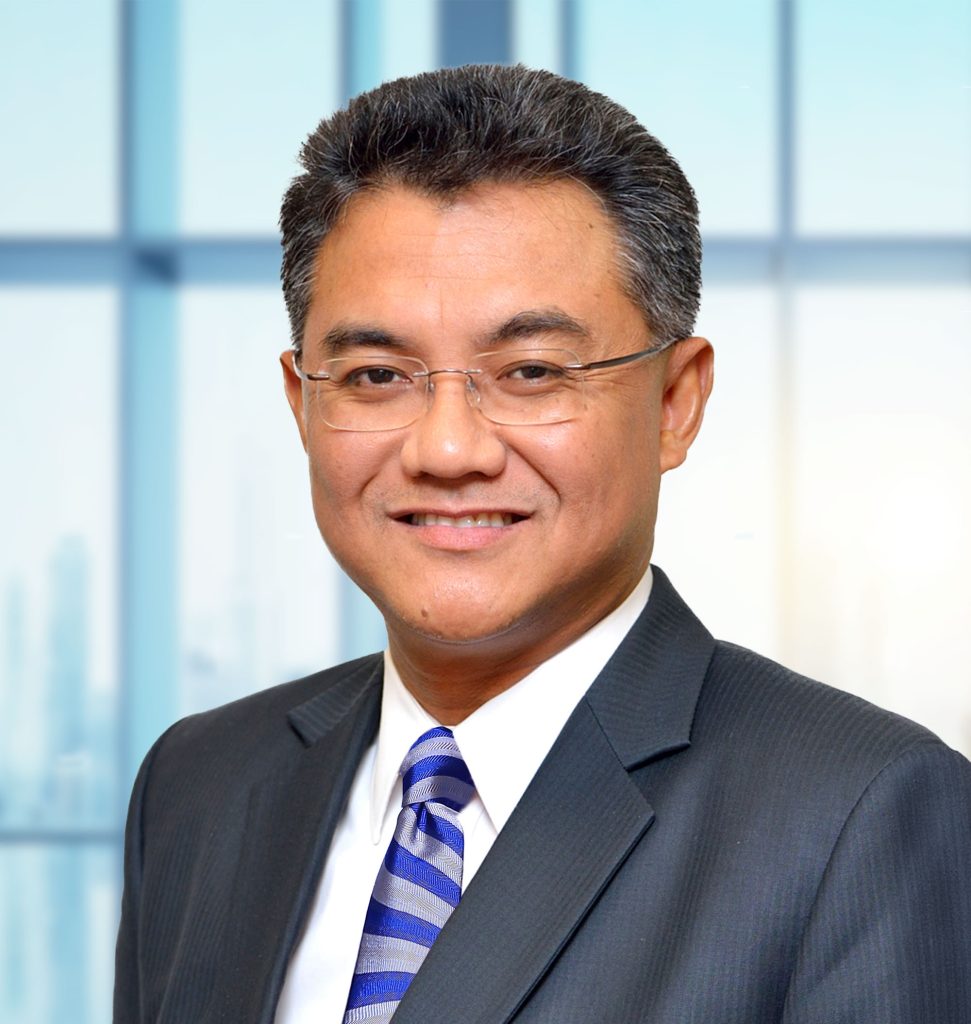
PETALING JAYA: UEM Group Bhd, a wholly-owned subsidiary of Khazanah Nasional Bhd, has announced the appointments of Datuk Hisham Hamdan as chairman and Datuk Amran Hafiz Affifudin as managing director (MD), effective immediately. This leadership transition follows the departure of Datuk Mohd Izani Ghani, who stepped down as MD on July 31, 2024, after five years of service. Hisham, who joined Khazanah in April 2011, currently serves as its chief investment officer, overseeing the management and growth of Khazanah’s diverse investment portfolio. He holds dual degrees in chemical engineering and industrial management from Purdue University and has completed the Advanced Management Programme at Harvard Business School. Amran began his career in 1997 with Petroliam Nasional Bhd, focusing on corporate finance and treasury functions. He later moved into the private equity sector before joining Khazanah in 2011.

News

Kape Technologies and ExpressVPN Appoint Ankit Khemka as CMO

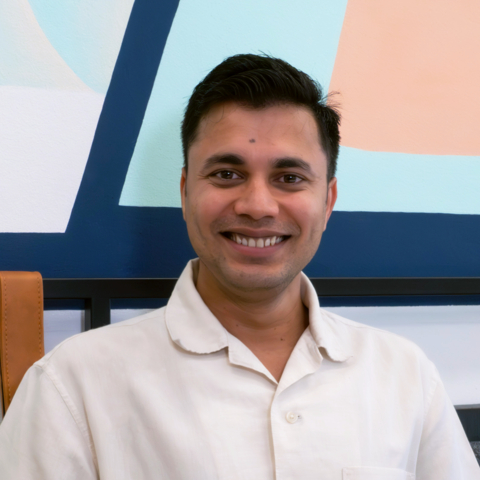
Kape Technologies has appointed Ankit Khemka as Chief Marketing Officer (CMO), enhancing its senior leadership and reinforcing its commitment to advancing a safer, more open internet through cutting-edge privacy and security technologies. Khemka brings a wealth of experience in Brand Building, Growth Marketing, and strategic business development, having most recently served as Global General Manager and Head of Marketing at Revolut, following roles at HelloFresh and Rocket Internet Group. His global expertise in scaling businesses across the US, India, Europe, and Latin America will drive the growth of Kape’s privacy products, including flagship brand ExpressVPN. In his new role, Khemka will spearhead marketing efforts, fortifying Kape’s customer-centric culture and launching initiatives to maximize growth opportunities. Charles Butler, CEO of Kape Technologies, expressed confidence in Khemka’s leadership: “Ankit’s appointment marks a pivotal moment for Kape as we accelerate our growth trajectory and innovation. Together, we are steadfast in our mission to establish Kape as the leader in privacy-first digital security.” Ankit Khemka commented, “ExpressVPN has set industry standards for over a decade with its commitment to innovation and customer satisfaction. I look forward to leveraging this foundation to drive substantial growth. With our aligned vision and the strength of our team, I am confident in our ability to elevate Kape to new heights, defining benchmarks in privacy and security.”

Investment & Market Trends, News

Ringgit Continues 11-Day Rally Against US Dollar

KUALA LUMPUR: The Malaysian ringgit reached 4.4000/4150 against the US dollar earlier this morning at 11.32am, which appreciated from 4.4930/5010 at 8am versus the US dollar from last Friday’s close of 4.4945/4995. This is a continued upward momentum for 11 straight days against the US dollar as investors redirect their investments towards the Asia Pacific region, following wearker US jobs data last Friday. It was reported that the US unemployment rate jumped to a near 3-year high of 4.3% in July compared to 4.1% in June. UOB Kay Hian Wealth Advisors Head of Investment Research Mohd Sedek Jantan said that in the wake of the weak US jobs data, US bond yields dropped significantly as investors sought safety in fixed income. Consequently, the 2-year treasury yields experienced a notable decline, from 4.39% to the current 3.91%, marking the lowest level since March 2023 and resulting in the dollar index (DXY) dropping more than 1% in a single day. “Additionally, the dovish tone from both the Bank of England and the Federal Reserve last week was likely to Sustain the increased demand for the ringgit,” he said. Meanwhile, Bank Muamalat Malaysia Bhd Chief Economist Dr Mohd Afzanizam Abdul Rashid believes the ringgit versus US dollar is on track to move towards its current support level of RM4.40. As such, he anticipated the ringgit against greenback to range between RM4.47 and RM4.48. “The US bond markets are in bullish mode, indicating that the players are expecting a steeper drop in Fed Fund Rate,” he said. Meanwhile, the ringgit traded lower against a basket of major currencies and was mixed against ASEAN currencies. It fell against the British pound to 5.7447/7550 from 5.7264/7328 at Friday’s close, dropped vis-a-vis the euro to 4.9019/9106 from 4.8635/8689 previously, and decreased versus the Japanese yen to 3.0848/0913 from 3.0177/0214 last week. Against the ASEAN Currencies, the local note was almost flat versus the Indonesian rupiah to 277.3/277.9 from 277.4/277.8 and was flat vis-à-vis the Philippine peso at 7.37/7.57. It slid against the Singapore dollar to 3.3889/3952 from 3.3750/3793 and dropped versus the Thai baht to 12.7158/7503 from 12.7093/7284 previously.

Energy & Technology, News

Gushup Collaborates With Neobank Tonik to Offer Generative AI Chatbot

SINGAPORE and MANILA: Gupshup, the world’s leading Conversation Cloud announced its partnership with Tonik Bank, the first digital-only neobank in the Philippines, to develop a state-of-the-art Generative AI chatbot for Tonik’s mobile app. The innovative solution aims to provide Tonik’s customers with instant and accurate answers to frequently asked questions, revolutionising the way they interact with their bank. The generative AI chatbot, powered by Gupshup’s advanced natural language processing (NLP) and machine learning (ML) technologies, is designed to understand and respond to customer queries with human-like precision and empathy. By leveraging the latest advancements in AI, the chatbot can engage in contextual conversations, providing personalised and relevant information to each customer. Tonik is the first digital bank in the Philippines to leverage Generative AI for customer service. By integrating the chatbot into their mobile app, Tonik Bank aims to provide their customers with instant access to information, reducing wait times and improving overall satisfaction. “The integration of Gupshup’s ACE LLM into our operations has been truly transformative. We’ve witnessed significant value in its ability to automate routine tasks, elevate customer service, and boost our overall efficiency. “This technology has the potential to revolutionise our operations, and we are excited to further explore its capabilities and implement it across our business,” said Tonik Bank Deputy Chief Technology Officer, Sateesh Reddy. Since the implementation of Gupshup’s technology, 9 out of 10 customer queries are now directed through Tonik’s in-app chat feature, where the AI autonomously resolves 75% of the queries without human intervention. This has not only amplified the efficiency of Tonik’s in-house customer care team by 4.3 times but also empowered them to dedicate more time to resolving intricate issues, ensuring that customers receive the personalised support they need. The generative AI chatbot solution is expected to generate significant cost savings for Tonik, with an estimated total of over US$20 million over the next 3 years. “Our partnership with Tonik Bank exemplifies the future of BFSI. As the sector evolves, Gen AI will be crucial to deliver seamless, personalized, and efficient customer experiences. “Our chatbot solution is designed to do just that, empowering banks like Tonik to focus on what matters most – building strong relationships with their customers,” said Gushup Co-founder and CEO, Beerud Sheth.

Energy & Technology, News

WiMi Announced Blockchain Consensus Mechanism to Improve Hash Entropy

BEIJING: WiMi Hologram Cloud Inc., a leading global hologram augmented reality (AR) technology provider announced a blockchain consensus mechanism based on improved distributed consistency and hash entropy. The consensus mechanism combines the advantages of a distributed consistency algorithm and hash entropy algorithm, aiming to improve the efficiency and security of the blockchain network. It uses an improved distributed consistency algorithm, which can achieve a consistent state for all nodes in the network through message passing and state synchronisation between nodes. The distributed consistency algorithm is efficient, scalable and fault-tolerant, and can effectively solve the performance bottleneck and single-point-of-failure problems that exist in traditional consensus mechanisms. Traditional consensus algorithms are susceptible to attacks and delays in large-scale networks and malicious node environments, and the security and performance of blockchain systems can be improved by utilising the improved distributed consistency algorithm and introducing more efficient message-passing and inter-node communication mechanisms. At the same time, the hash entropy algorithm is introduced to enhance the security of the consensus mechanism. The hash entropy algorithm utilises the principle of cryptography and the characteristics of the hash function to encrypt and verify the transaction data in the blockchain to ensure the integrity and tamper-proof of the data. Hash entropy is an entropy indicator based on the hash function, which is used to assess the security and randomness of the blockchain. By introducing the hash entropy algorithm to improve the randomness and unpredictability of the data, it can effectively resist potential attacks and frauds and improve the security of the blockchain network. The blockchain consensus mechanism based on improved distributed consistency and hash entropy has higher security, scalability and efficiency, and it is believed that it will play an important role in future blockchain applications and provide new ideas and methods for the development of distributed systems. As the blockchain ecosystem continues to evolve, interoperability between different blockchain systems becomes increasingly important. In the future, WiMi will also work on designing mechanisms for cross-chain interoperability to enable seamless connectivity and data sharing between different blockchains. It will also explore ways to further enhance the security of the blockchain system, including resisting various attacks and malicious behaviours, and ensuring the reliability and stability of the system. Through further research and innovation, it is believed that the blockchain consensus mechanism based on improved distributed consistency and hash entropy will be more widely used in the future and contribute to the realisation of a more secure, scalable and sustainable blockchain system. The future blockchain consensus mechanism, based on the integration of the improved distributed consistency algorithm and the principle of hash entropy, will achieve a balance of greater efficiency, security and scalability. This mechanism will not only significantly improve transaction processing speed and reduce energy consumption, but also enhance the network’s ability to resist attacks and ensure data integrity and consistency. It will be widely used in finance, the Internet of Things, supply chain management and other fields to promote the development of the trust economy, build a more robust infrastructure for the digital society, and open a new era of decentralised applications.

News, Property

Projects, Programmes Planned by ECERDC For 9MP-12MP Exceed 90%

KUALA LUMPUR: The performance of projects and programmes planned by the East Coast Economic Region Development Council (ECERDC) for the Ninth Malaysia Plan (9MP) to 12MP period has exceeded 90%. According to the Auditor General’s Report 2/24 (LKAN), a total of 99 (90.8%) of 109 projects and programmes have been implemented, with 77 projects completed while 22 projects and programmes are in the planning stage, in the design stage and eight in the construction still being implemented with 3 stage. However, the performance targets involving realised investments, job opportunities and the number of entrepreneurs as stated in the East Coast Economic Region (ECER) Master Plan (EMP 1.0) were not achieved, while the actual achievements of the ECER Master Plan 2.0 cannot be assessed yet as the implementation period started from 2018 until 2025, said LKAN. “However, ECERDC did not reach the target for investment realised (for EMP 1.0) that is (which was achieved totalling RM53.875 billion), offering employment opportunities of 133,873 jobs and (producing) a total of 29,275 entrepreneurs compared to the actual target set of RM66 billion realised investments, 200,000 job opportunities and 60,000 entrepreneurs, respectively,” added the report. Despite this, the ECER received a committed investment of RM111.562 billion compared to the set target of RM110 billion under EMP 1.0. Additionally, the audit found that no database has been established to measure the socio-economic achievements of the target group in the ECER region, therefore the objective achievements of the projects and programmes implemented cannot be measured, besides the ECERDC has no accurate measurement method to identify the poverty rate and income of the population in the East Coast states. Thus, the Audit recommended the Ministry of Economy, ECERDC and related parties to review the objectives, functions and roles of ECERDC in ensuring that projects and programmes that are planned and implemented take into account the priorities, conditions and current needs so that they can benefit the target groups, achieve effective objectives and does not affect the returns to the government. Besides that, LKAN has also proposed a measurement method and the creation of a database for socio-economic achievements of the target groups to identify the poverty rate and income of the population in the ECER region to ensure that the objectives of the establishment of the ECERDC are achieved. Engagement sessions with all parties involved should also be held to formulate strategies and intensify promotional activities to attract investors in industrial plots and holding companies for agropolitan projects, it added. The LKAN audit focused on projects and programmes that are implemented in the ECER region based on the 9MP to 12MP as well as the ECER Master Plan from 2018 up to 31 December 2022. — BERNAMA

The Executives

Bridging Modern Clinical Care with Holistic Wellness

In the bustling city of Johor Bahru stands Medeseri, a beacon of integrated healthcare and holistic wellness. Founded by Dr Irma Ariandi, a seasoned dentist and visionary entrepreneur, Medeseri represents a blend of modern clinical practices and traditional healing methods under one roof. Nestled in a six-story building, this health and wellness centre caters to a diverse range of needs, from dental and medical care, to beauty treatments and mental health therapies. Medeseri prides itself on its holistic approach to healthcare, which spans across 3 core segments: healthcare, wellness, and hospitality. Under healthcare, the centre offers comprehensive services including dental care, medical consultations, and state-of-the-art pathology lab services. This ensures that patients receive not only treatment but also diagnostics tailored to their needs. “After going through the proper dietary change, we can actually see a huge difference with a patient’s blood profile,” Dr Irma said in an exclusive interview with The Exchange Asia. The wellness segment at Medeseri incorporates beauty treatments alongside traditional medicine practices such as acupuncture and herbal remedies. From simple facial services to advanced procedures like whitening drips, the centre caters to both aesthetic and therapeutic needs. Moreover, Medeseri provides specialised body treatments such as sauna sessions tailored for conditions like hypertension and diabetes, complemented by clinical massages conducted by expert therapists. When asked on her reasoning behind the choice of location, Dr Irma replied with, “We chose Johor to be the location for Medeseri because being a Johorean myself, it’s a familiar place for me. “I also started out in Johor by being a practitioner dentist there. We also received a lot of support from the Johor state government, especially in the entrepreneurship scene. It’s a good place to start up a business there.” In response to a growing interest in traditional medicine post Covid-19, Medeseri advocates for an integrative approach. Hence, Dr Irma emphasises the importance of combining modern clinical treatments with traditional methods to provide comprehensive care, allowing Medeseri to fill the gaps in treatment options and enhance patient outcomes by addressing holistic wellness. “After the pandemic, we can see a lot of people rejecting modern medicine from clinics, but this is how we try to promote clinical methods by combining and complementing modern clinical treatments with traditional methods. “It is completely fine for people to opt for the traditional methods of treatments, but in some cases, modern clinical methods are readily available to fill in the gaps that traditional options are lacking, and vice versa. It all correlates,” she opined. Additionally, a significant aspect of Medeseri’s offerings lies in hospitality, particularly in rehabilitation for cancer and stroke patients and post-birth rehabilitation. Because the centre is strategically positioned in Johor, it puts Medeseri in the middle of nearby affluent areas and neighbouring countries like Batam and Singapore. With its reputable accommodation offerings, Medeseri is also poised to tap into the burgeoning health tourism market as it is able to provide medical services catered to international patients seeking treatment in Malaysia. “In my opinion, health tourism is catered to people who are looking to stay healthy. However, when they do medical checkups, it’s not impossible for something to come up that requires attention or treatment. When that happens, we will be readily available for them,” she added. Expanding Beyond Johor Medeseri is not just a healthcare provider but also an active participant in community health initiatives. Collaborative programs, such as the upcoming chronic kidney disease management program in Kelantan, demonstrate Medeseri’s commitment to improving public health beyond its premises. Dr Irma’s vision extends beyond Johor, with plans to expand operations to Selangor and Kuala Lumpur, facilitated by partnerships like that with QEW Group. “We’re looking to expand in Selangor or Kuala Lumpur. That’s why we partnered with the reputable company, QEW Group. It’s the perfect partner for Medeseri because both entities share the same drive for our respective visions for our companies – the same sense of responsibility towards our investors,” he explains. Reflecting on her journey from a small dental clinic to leading Medeseri, Dr Irma acknowledges the challenges of maintaining quality and finding like-minded individuals to uphold the centre’s standards. However, she remains committed to providing exemplary service, leveraging her decades-long reputation in Johor’s healthcare sector to foster trust and loyalty among Medeseri’s clientele. Exemplifying a paradigm shift in healthcare where innovation meets tradition to deliver comprehensive wellness solutions, Medeseri continues to expand and innovate, guided by Dr Irma’s expertise and vision, it is poised to redefine holistic healthcare in Malaysia and beyond. Through her tireless dedication and commitment to quality care, Dr Irma ensures that Medeseri not only meets but exceeds the expectations of its patients, solidifying its reputation as a trusted name in integrated healthcare and wellness.

Uncategorized

Thailand moves closer to legalising casinos

Bangkok: Thailand is pressing ahead with plans to legalise casinos as it seeks to burnish the country’s appeal as a tourism hotspot and draw billions of US dollars in foreign investment and taxes. Draft rules to allow casinos with an initial licence for 30 years were published for public feedback until Aug 18 by the Council of State, the government’s legal agency. The casinos will have the option of renewing the permit for another 10 years and be housed in large entertainment complexes, hotels, convention centres, and amusement parks, among others. Thailand joins the United Arab Emirates and Japan in competing for a slice of the casino industry, which IBIS World estimates generated US$263bil in revenue last year. Galaxy Entertainment Group Ltd and MGM Resorts International have been studying the potential opening of casino resorts in Southeast Asia as a hedge against uncertain prospects in Macau. Las Vegas Sands Corp said last month it would be interested in expanding to Thailand if it “becomes available”. Prime Minister Srettha Thavisin, who took power less than a year ago, has aggressively pushed policies to attract foreign investments to Thailand and backed the plan to legalise casinos for better oversight and proper tax collection. The country’s 500-member House of Representatives has already backed a study by a panel of lawmakers that favoured the setting up of legalised casinos within large entertainment venues to attract high-spending tourists. The study found that Thailand can lift tourism revenue by about US$ 12 billion by legalising casinos and housing them within large entertainment complexes. Though most types of betting is illegal in Thailand – a majority Buddhist and conservative society – any opening of casinos will be in line with its recent embrace of a more liberal landscape to revive its tourism industry from the pandemic blow. In 2022, Thailand became the first country in Asia to decriminalise cannabis and is on course to become the first in South-East Asia to legalise same-sex marriages. The so-called large entertainment venues should be in locations designated by the government and run by companies registered in Thailand with a paid-up capital of not less than 10 billion baht or about US$283mil, according to the draft bill. It also proposes setting up a comprehensive entertainment-venue policy panel led by the prime minister and an agency to regulate the new industry. Thai officials have previously mentioned popular tourist destinations such as Greater Bangkok, Phuket, Chiang Mai and Chonburi, home to beach resort Pattaya, as possible locations for the entertainment complexes. Tourism is one of Thailand’s key industries accounting for about 20% of total jobs and making up roughly 12% of the nation’s US$500bil economy. — Bloomberg

Scroll to Top

Subscribe
FREE Newsletter