Author name: exchangemsia_admin

Events

Tarantula Trail: The New Journey For Leaders To Embrace AI

Malaysia’s corporate leaders must humanise with artificial intelligence rather than watch from the sidelines, as the gap between awareness and readiness widens across the country’s boardrooms. PIKOM CEO Ong Kian Yew, Futurefirst Co-founder Dr Chanthiran Veerasamy, Green Packet Managing Director & Group CEO Datuk Wira Shahul Hameed Shaik Dawood, MIHRM President Simon Benjamin, and Futurefirst Solutions Co-founder Shankar Nagalingam launching the Tarantula Trail at the Summit of Titans II. The distinction lies not in strategy or budget but in leaders personally getting familiar with AI and integrating it into their own work. “Leaders need to take the first step to get themselves to humanise with AI, as in familiarise, capitalise, understand, interpret and use it for their own benefit because awareness alone is no longer enough,,” Futurefirst Solutions Sdn Bhd co-founder Shankar Nagalingam said at the Summit of Titans II, themed “Decode AI. Reclaim the Future”, held yesterday. He said leaders who continued to wait and watch rather than act on AI’s impact risked falling behind. The conclave, which drew more than 300 C-suite executives, also saw the launch of Tarantula Trail, a new leadership venture by Futurefirst Solutions built on NETRA, a trademark framework centred on five traits: Neuroplasticity, Neuroempathy, Technosapient, Regenerative and Agentic.  Malaysian business, technology, and HR leaders at Summit of Titans II. Tarantula Trail is the first in the world to combine two elements in a leadership environment; technology-based assessment using EEG brainwave, AI facial recognition and voice modulation, and a cinematic experience where participants watch a film portraying distinct leadership styles to identify their own gaps.  “We are using technology that no one in the world is using in a leadership environment to connect and interpret future capabilities. Eventually, you can use this for hiring, promotion and organisational succession planning, to determine whether individuals have the traits needed for the future,” Shankar said. He added that the programme reads how leaders truly think, feel and decide, elevating human capabilities no machine can replace.  Unlike conventional assessments, he said the programme identifies individual gaps through technology rather than questionnaires and the reliability of its brainwave measurement surpassed that of a lie detector..  Meanwhile, co-founder Dr Chanthiran Veerasamy highlighted the cinematic element was key to creating the kind of self-realisation conventional training could not.  “Cinematic experience gives you that immersive learning experience, whereas the validation is through the AI app and EEG technology,” he said.  The full programme, including its cinematic production, is expected to be completed by year-end.  Summit of Titans II drew a formidable line-up of industry leadership. Academician Tan Sri Dato’ Seri Datuk Dr. Ir. Ahmad Tajuddin Ali officiated the conclave, while Managing Director and Group CEO of Green Packet, Datuk Wira Shahul Hameed Shaik Dawood launched the Tarantula Trail publications. He was joined on stage by PIKOM Chief Executive Officer Ong Kian Yew and Malaysian Institute of Human Resource Management President Simon Benjamin.  Their presence underscored the summit’s standing as a premier meeting point for Malaysia’s business, technology and human-capital leaders. Meanwhile, keynote speaker Professor Keith Carter, an AI strategist and TEDx speaker, said whether AI replaced or empowered people depended entirely on leadership intent. CEOs with vision, he said, were bringing AI into their organisations not to cut people but to unlock human potential.  Waiting gets punished in 2026, he added, saying that organisations that delayed action risked being left behind.  The Summit of Titans II comes as AI moves beyond pilot programmes into the core of business operations across Malaysia. 

Events

Creators Circle Confronts the Question Every Creative Must Answer: Can AI Replace the Human Soul?

Artificial intelligence is no longer coming — it is here, rewriting the rules of every creative industry on the planet. On 4 June 2026, a room in Kuala Lumpur confronted that reality head-on. Held at the Hyatt Centric Kuala Lumpur, Creators Circle: The Soul of Creativity — AI, Art & The Future of Human Imagination brought together a curated gathering of founders, creators, business leaders, media professionals, and changemakers for an unfiltered conversation about one of the most pressing creative challenges of our generation. Moderated by Rizal Kamal, Founder of Creators Circle and CEO of LOL Asia, the session featured candid insights from Yasmin Suleiman (CEO and Producer, Studio Voxel) and Raz Gabriel Sho (Creative Technologist and Founder, Pixel Crest) — two practitioners operating at the intersection of technology and imagination. This was not a debate about whether AI will change things — it already has. The real question posed was: What do we fight to preserve? The Questions That Stopped the Room The session did not avoid uncomfortable conversations. As AI tools become increasingly sophisticated and accessible, the discussion tackled difficult but necessary questions facing today’s creative leaders: → Is AI enhancing human creativity — or quietly eroding our ability to think for ourselves? → What happens when content becomes infinite but meaning becomes scarce? → Can an algorithm replicate intuition, empathy, cultural memory, and lived experience? → How will creative industries redefine value when the act of creation becomes automated? → Are we building smarter tools — or raising a generation that no longer needs to imagine? The conclusion was clear: while AI will continue to transform the way people work, create, and communicate, it cannot replicate imagination, emotional intelligence, cultural nuance, or the irreplaceable spark of original human thought. Five Forces Reshaping Southeast Asia’s Creative Economy The discussion surfaced five major shifts already taking place across Malaysia and the wider region — and accelerating rapidly. 1. AI as Creative Collaborator — Not Replacement The most forward-thinking creators are not resisting AI — they are learning how to direct it. AI is increasingly serving as an accelerator for ideation, production, research, and design, enabling human creators to focus on higher-value creative thinking. 2. Authenticity Becomes the Premium Asset As AI-generated content floods digital platforms, human perspective, originality, and authentic storytelling are becoming increasingly scarce — and more valuable than ever. 3. A New Creative Economy is Emerging The convergence of AI, media, entertainment, gaming, and immersive technologies is not merely disrupting traditional models — it is creating entirely new opportunities. Entrepreneurs who understand this shift are likely to build the defining companies of the next decade. 4. Creativity is Now a Competitive Advantage In a future where machines increasingly handle execution, uniquely human capabilities such as critical thinking, adaptability, emotional intelligence, cultural literacy, and innovation become even more important. 5. Southeast Asia’s Moment Has Arrived With a young, digitally native population, a fast-growing creator economy, and rich cultural diversity, Southeast Asia is uniquely positioned to become a global hub for human-centred creative innovation — if the region acts decisively. A Conversation Beyond Technology A recurring theme throughout the session was that the future should not be framed as a battle between humans and machines. Instead, speakers challenged participants to think about how technology can responsibly amplify human potential rather than diminish it. “One of the key takeaways from our conversation with Raz and Yasmin was that the future isn’t about choosing between humans and AI — it’s about how we work together. AI is transforming the way we create, communicate and innovate, but it also challenges us to think more deeply about what makes human creativity valuable. The qualities that drive meaningful progress — imagination, empathy, critical thinking and cultural understanding — remain uniquely human. At Creators Circle, we believe these conversations are essential because the decisions we make today will shape the future of creativity, business and society. As AI becomes more integrated into our lives, our responsibility is to ensure that technology amplifies human potential, rather than replaces it,” said Rizal Kamal, Founder of Creators Circle and CEO of LOL Asia.

ESG

Weng Yat To Supply Biomass To Japan, Targets RM60 Mil Annual Revenue

Malaysian biomass producer Weng Yat Resources Sdn Bhd has signed a deal to build a biomass supply platform for Japan, targeting more than RM60 million in annual revenue once full-scale exports begin. Commercial shipments are expected to commence in early next year. The company signed a memorandum of understanding (MoU) with Japan-based Daya Synergy Borneo Co Ltd (DSB) in Kuala Lumpur yesterday to strengthen biomass fuel supply chains in support of Japan’s renewable energy and decarbonisation policies. Sunderaj Nagalingam, Executive Director of Weng Yat Resources Group Berhad, and Hideki Takizawa, Representative Director of Daya Synergy Borneo Co., Ltd., exchanging documents at the Memorandum of Understanding (MoU) signing ceremony in Kuala Lumpur yesterday, formalising a partnership to develop a biomass supply platform for the Japanese market. “Long-term supply agreements are targeted to be finalised by the end of this year, with commercial shipments commencing in January 2027. This follows an initial trial shipment of 10,000 metric tonnes of wood pellets this year,” said Weng Yat Resources executive director Sunderaj Nagalingam during the signing ceremony. The initial shipment will serve as a trial run before both parties scale up to a larger recurring monthly supply arrangement upon successful implementation. Sunderaj said the company is targeting a five per cent share of Japan’s biomass import market over the next three years, noting that even a small market share represents a significant opportunity given the size of the market. The platform is intended to support Japan’s biomass power generation sector, which relies on imported biomass fuels such as wood pellets, palm kernel shells (PKS), and Empty Fruit Bunch (EFB) pellets as part of its decarbonisation efforts. Japan’s biomass demand is estimated at approximately seven million tonnes of PKS and nine million tonnes of wood pellets annually, with EFB pellets emerging as a growing segment driven by feedstock availability and cost advantages. Under the partnership, DSB will facilitate market access into Japan for Weng Yat Resources, leveraging its existing relationships with biomass trading firms and power producers established through PKS export activities in Sabah. DSB is also involved in energy-related projects, including a proposed 100MW Battery Energy Storage System in Hokkaido, valued at approximately US$300 million. Weng Yat Resources currently operates biomass production facilities across Malaysia, supplying industrial users and international buyers. Its biomass feedstock strategy includes long-term supply agreements with 24 palm oil mills nationwide, targeting an estimated one million metric tonnes of Empty Fruit Bunch annually. Sunderaj said the agreement reflects the company’s ongoing commitment to converting biomass waste into exportable fuel products. “Work is progressing across our operations, with projects at different stages — from construction to equipment installation — while agreements are being finalised. Our focus remains on turning biomass materials that were once discarded into value-added products. This principle continues to define what we do,” he said. Meanwhile, DSB representative director Hideki Takizawa described the agreement as a foundation for long-term cooperation and stronger market access between Malaysian suppliers and Japanese buyers in the biomass sector. “Today is not just the signing of an MoU, but a meaningful first step in a new relationship built on trust, mutual respect, and a shared vision for the future. We believe DSB can serve as a bridge between Weng Yat Resources and the Japanese market — not only for PKS, wood pellets, and EFB pellets, but also for broader business opportunities in the future,” he said. Established in 2007, Weng Yat Resources is involved in biomass production and other industrial sectors, including automotive and scaffolding, with a reported combined turnover of approximately RM150 million. The company also operates a Wood Waste Collection Centre contract in Klang District under the Klang City Council, where collected materials are channelled into biomass production. Its biomass facilities span Peninsular Malaysia and Sarawak, including a Tronoh, Perak plant that produces approximately 6,000 metric tonnes of wood pellets monthly. Expansion plans include a new EFB pellet production line with a capacity of 5,000 metric tonnes per month, expected to be operational by 2027, as well as a facility in Kapar, Klang, which will increase production capacity for wood pellets, sawdust, and wood chips upon completion in 2027.

News

No Cut To Budi95 Quota Unless Oil Prices Above US$200 — Amir Hamzah

Malaysia will maintain the current monthly subsidised fuel quota of 200 litres under the Budi Madani RON95 (Budi95) programme for now, said Finance Minister II Datuk Seri Amir Hamzah Azizan. He said the government would only consider revising the quota if Brent crude prices — the global oil benchmark — rise sharply to between US$200 and US$300 per barrel. At the time of writing, Brent crude was trading at US$92.38 per barrel. “We reduced the quota from 300 litres to 200 litres, and I think that has helped. If prices were to reach US$200 to US$300 per barrel, then we would have to look again at that time,” he said at the Invest Malaysia conference on Tuesday. “As long as the government has the ability to manage the situation, we will continue to mitigate the impact on society,” he added. On fuel supply, Amir Hamzah said the government has been securing supplies on a rolling basis and intends to continue doing so. “We have been able to secure supply for up to three months ahead and will continue to do so. What we cannot guarantee is that prices will remain stable, as they must ultimately reflect global market conditions over the longer term,” he said. The Budi95 monthly quota was reduced from 300 litres to 200 litres effective April 1, as Malaysia’s fuel subsidy bill rose to about RM7 billion per month amid global supply disruptions linked to geopolitical tensions and instability around the Strait of Hormuz — a key route for global oil and gas shipments. The Budi95 programme allows eligible Malaysians to purchase RON95 petrol at a subsidised rate of RM1.99 per litre. Malaysia, along with many countries, continues to face pressure from volatility in global energy markets due to ongoing geopolitical conflicts that have disrupted shipping routes and pushed crude oil prices above US$100 per barrel at times. Against this backdrop, Petroliam Nasional Bhd (PETRONAS), which supplies about half of Malaysia’s fuel through its listed subsidiary PETRONAS Dagangan Bhd, has reiterated its commitment to ensuring supply security through end-July, according to earlier remarks by Economy Minister Akmal Nasrullah Mohd Nasir.

Investment & Market Trends

Duopharma Unit Wins RM155.3 Million Insulin Supply Deal

Duopharma Biotech Bhd, whose shares have fallen 22% since mid-February, said its unit has secured a RM155.28 million contract to supply insulin products to public hospitals and clinics nationwide. In a filing on Tuesday, the pharmaceutical group said the government has accepted the tender submitted by its wholly owned subsidiary Duopharma (M) Sdn Bhd (DMSB) and issued a letter of award (LOA) for the contract. The supply covers recombinant human insulin 100 IU/ml Penfill/Refill, including short-, intermediate- and premixed-acting formulations, as well as reusable insulin pens. The contract runs for three years, from June 3, 2026 to June 2, 2029. Under the terms of the award, DMSB is required to provide an irrevocable performance bond of RM2.59 million within 30 days of accepting the LOA. The company must also ensure timely delivery and compliance with government-set quality specifications, with penalties or order cancellations applicable in cases of non-compliance or delays. The agreement also allows for termination under certain conditions, including failure to submit the performance bond, supply delays, breach of tender requirements, unauthorised equity changes, or reasons related to public interest, security, or national interest. Duopharma noted that Malaysia has an estimated 4.75 million diabetics, with around 450,000 patients receiving recombinant human insulin treatment at government healthcare facilities. The group said the contract is expected to contribute positively to earnings over its duration. Duopharma, in which Permodalan Nasional Bhd holds a 44.11% stake, is a long-standing supplier of human insulin to the government and the primary distributor for Biocon Biologics, which manufactures insulin in Johor. The group previously supplied about 80% of government insulin demand, while the remainder was supplied by Novo Nordisk, which exited the human insulin market in 2024, leaving Duopharma as the sole supplier. Duopharma shares closed unchanged at RM1.21, giving the company a market capitalisation of RM1.16 billion.

Investment & Market Trends

Collins Aerospace To Invest US$63 Million In Subang MRO Facility Expansion

Collins Aerospace, a subsidiary of RTX Corporation, is investing US$63 million (RM255.8 million) to expand its maintenance, repair and overhaul (MRO) facility at the Subang Aerotech Park, significantly increasing its operational capacity in Malaysia. Collins Aerospace president Irene Markis. The expansion will quadruple the facility’s footprint from 46,000 square feet to 164,000 square feet, making it the largest MRO facility of its kind in the region. According to Collins Aerospace president Irene Markis, the expansion is aimed at capturing rising demand from the fast-growing Asia-Pacific aviation sector. She noted that the Asia-Pacific region is currently the fastest-growing aviation market globally, with the majority of its population yet to take their first flight. Over the next two decades, the global aircraft fleet is expected to grow from 30,000 to more than 45,000 aircraft, with Asia-Pacific expected to drive a significant share of that expansion. The expanded Subang facility will provide maintenance, repair and overhaul services for aircraft including the Boeing 787, Boeing 777 and Airbus A330, along with their associated systems. Services will cater not only to Malaysia and neighbouring markets but also to wider international clients. While the facility was officially launched on Tuesday, full transition into the expanded operations is expected to be completed by the end of 2026. Talent expansion and Malaysia’s role Markis said Malaysia was chosen for the expansion due to Collins Aerospace’s more than 30 years of operations in the country, as well as the adaptability and technical capability of local talent in adopting advanced technologies. Currently, the Subang MRO facility employs about 150 people, with headcount expected to increase by 30% to 50% over the next five to 10 years as operations scale up. Minister of Transport Anthony Loke Siew Fook highlighted ongoing government efforts to support the industry, including a memorandum of understanding with the Ministry of Defence to reskill retired Royal Malaysian Air Force personnel for roles in the aerospace sector. He noted that these experienced personnel, many of whom are in their early 40s, represent a ready talent pool to support the industry’s expansion. “We have a ready workforce who have just retired and are in their early 40s who can come to fill these jobs. So bring in more investment, bring more jobs. We will have people ready for you,” he said.

Energy & Technology

DNeX Unit Secures 20% Stake In Terengganu State-Owned Oil And Gas JV

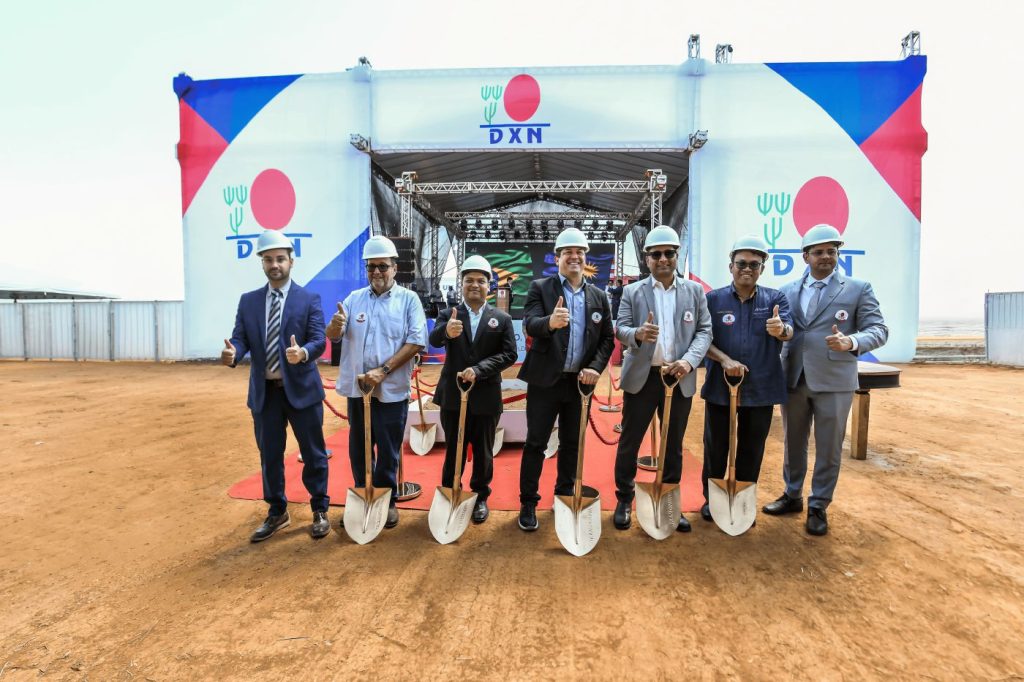
Dagang NeXchange Bhd (DNeX) is expanding its presence in the upstream oil and gas sector with a 20% equity stake in a joint venture formed with Terengganu Inc’s energy arm, TI Petroleum Sdn Bhd. In a statement, the group said its subsidiary, Ping Petroleum Ltd, will hold the stake in the joint-venture company, TI Exploration & Production Sdn Bhd (TI EP). The financial details of the investment were not disclosed. TI Petroleum is the energy arm of Terengganu Inc Sdn Bhd, while TI EP is a joint venture established by TI Petroleum and Ping Petroleum to pursue oil and gas exploration and production activities. DNeX said the acquisition supports its strategy to grow its energy business and strengthen its portfolio in regional upstream opportunities. The partnership also provides Ping Petroleum, which is already active in Terengganu through the redevelopment of the Abu Cluster, with a platform to further expand its participation in Malaysia’s upstream sector alongside a partner with strong local regulatory and supply chain experience. The company added that the collaboration is expected to create synergies through Terengganu Inc’s role as a state investment holding company managing commercial and strategic assets on behalf of the state government. DNeX chairman Tan Sri Syed Zainal Abidin Syed Mohamed Tahir said the partnership combines technical expertise with strategic positioning to unlock near-term opportunities while building a stronger foundation for long-term growth in Malaysia’s upstream energy sector. On the market front, DNeX shares rose 2.5 sen or 8.2% to close at 33 sen, giving the group a market capitalisation of approximately RM1.15 billion.

Energy & Technology

Dayang Enterprise Forms JV With Brunei Partner To Expand Oil And Gas Presence

Dayang Enterprise Holdings Bhd has entered into a joint-venture (JV) and shareholders’ agreement through its wholly owned subsidiary, Dayang Enterprise Sdn Bhd (DESB), with Brunei-based Petrokon Utama Sdn Bhd for a proposed project collaboration in Brunei. In a filing with Bursa Malaysia, the group said the JV aims to strengthen its strategic presence in Brunei and enhance its participation in maintenance, turnaround and construction (MTC) activities through collaboration with an established local partner. It added that the partnership is expected to complement Dayang’s existing technical capabilities while supporting its long-term growth strategy in the regional oil and gas sector. Under the agreement, DESB and Petrokon Utama will establish a joint-venture company in Brunei, to be named Petrokon Dayang Corporation Sdn Bhd, or another name approved by the relevant authorities. Both parties will hold an equal stake of 50% each in the JV company, which will have an initial paid-up capital of BND100,000. DESB will be entitled to appoint up to two directors to the board of the JV company, with one of its nominees expected to serve as chairman. The JV agreement will come into effect upon fulfilment of conditions precedent, including the incorporation of the JV company and the award of the relevant project in Brunei. Dayang said the collaboration is not expected to have any material impact on its issued share capital, earnings, net assets, or gearing for the financial year ending Dec 31, 2026.

The Executives

Inari Amertron Appoints Phang Ah Tong As Chairman

Inari Amertron Bhd has appointed its independent director Datuk Phang Ah Tong as the group’s new chairman, effective Tuesday, as part of a broader boardroom reshuffle within the semiconductor company. Phang, 69, succeeds Tengku Puteri Seri Kemala Tengku Aishah, who has been redesignated as a non-independent director, according to a filing with Bursa Malaysia. The group said Phang has served as an independent director since February 2018 and brings extensive experience in governance and industry oversight. He is also a board member of the Malaysian Investment Development Authority (Mida), a position he has held since January 2026. Tengku Puteri Seri Kemala, also 69, is the sister of the Sultan of Pahang, Al-Sultan Abdullah Ri’ayatuddin Al-Mustafa Billah Shah. She has been part of Inari’s board for nearly 16 years since joining the group in September 2010. In a separate announcement, Inari said Chong Poh Leng has been redesignated as an executive director in addition to her existing role as group chief financial officer, further strengthening the company’s executive leadership team. The group also noted that independent and non-executive director Dr Tunku Alina Raja Muhd Alias has resigned, citing time constraints. The board changes come amid active leadership adjustments within the group as it continues to strengthen governance and operational oversight in the semiconductor space. On the market front, Inari shares rose four sen or 1.8% to close at RM2.27 ahead of the announcements, giving the company a market capitalisation of approximately RM8.65 billion.

Property

Varia To Jointly Develop RM250 Million Residential Project In Johor Bahru

Varia Bhd has announced a partnership with a Johor-based property developer to jointly develop a medium-cost residential project in Bandar Seri Alam, Johor Bahru, with an estimated gross development value (GDV) of about RM250 million. In a filing with Bursa Malaysia, the group said its wholly owned subsidiary, Varia Southrise Sdn Bhd, has entered into a collaboration agreement with Seri Alam Properties Sdn Bhd for the development. Under the agreement, both parties will jointly develop a 43,810 sq m freehold parcel in Mukim Plentong into a stratified medium-cost residential scheme comprising 645 apartment units. Varia Southrise will hold the exclusive rights to undertake the development, subject to approvals from the relevant authorities. The company said that while the development order and building plans have already been approved, it is still awaiting the issuance of the advertising permit and developer’s licence. The project is expected to be launched later this year, pending final regulatory approvals. Funding for the project will primarily be sourced through project financing at the company level, supplemented by initial advances under the collaboration agreement. Any additional funding requirements will be shared equally between both parties. Varia said the collaboration aligns with its strategy to expand its property development segment through partnerships with established landowners in key growth corridors, while unlocking value from its strategic landbank and delivering sustainable long-term returns. On the market front, Varia shares closed one sen or 1.1% lower at 87 sen, giving the group a market capitalisation of approximately RM376.3 million.

Scroll to Top

Subscribe
FREE Newsletter