Investment & Market Trends

Investment & Market Trends

Knight Frank and Bayleys complete acquisition of McGrath and announce new board of directors

AUSTRALIA: Australia’s leading independent global property consultancy, Knight Frank, in collaboration with Bayleys, New Zealand’s largest full-service real estate company, proudly announces the successful acquisition of McGrath Limited. This acquisition, finalized through a scheme of arrangement, grants Knight Frank and Bayleys a controlling stake in McGrath, marking a pivotal moment for all parties involved. After obtaining shareholder and regulatory approvals, the Scheme of Arrangement took legal effect on June 17, leading to the suspension of McGrath’s shares on the ASX the following day. The scheme was fully implemented on June 27, solidifying the acquisition. Under the new arrangement, McGrath’s board of directors will feature industry stalwarts including McGrath’s founder and CEO John McGrath, Knight Frank Australia CEO James Patterson, Knight Frank Global Head of Residential Rupert Dawes, Bayleys Managing Director Mike Bayley, and Bayleys Finance Director Ken MacRae. John McGrath will continue to serve as Chief Executive and Managing Director while maintaining a significant 23.3% shareholding in McGrath. John McGrath expressed his enthusiasm about the partnership, emphasizing the strategic benefits it brings to McGrath, particularly in accessing global networks and high-net-worth buyers essential for competing in premium real estate markets. He outlined ambitions to strengthen McGrath’s position as Australia’s premier real estate brand with this formidable partnership. Knight Frank and Bayleys, both privately owned entities, have nurtured a strategic relationship since 2018, culminating in the acquisition of McGrath, which returns the residential real estate network to private ownership after its ASX listing in 2015. For Knight Frank, this acquisition underscores its commitment to Australia, significantly bolstering its presence as the largest outside of the UK. The partnership not only enhances Knight Frank’s global network but also elevates Australia and New Zealand to one of the largest regions within it, surpassing even its UK operations in office count. With a combined total of 276 offices across Australia, New Zealand, and the Pacific Islands, Knight Frank, Bayleys, and McGrath form a formidable alliance in the real estate sector. This collaboration promises expanded opportunities and enhanced client services across Australasia, supported by shared values of excellence and integrity in real estate services. Mike Bayley of Bayleys highlighted the synergies between the companies, stressing their shared commitment to customer service and innovation across diverse property markets. He underscored the strategic advantages of pooling resources and expertise to benefit clients and agents alike, fostering growth and diversity in the industry. This acquisition not only marks a significant milestone in the real estate sector but also sets the stage for McGrath, Knight Frank, and Bayleys to lead and innovate in the Australasian market, driven by shared values and a collective vision for excellence.
Investment & Market Trends, News

Alibaba.com Expands AI Tools to Empower MSMEs in Malaysia and Beyond

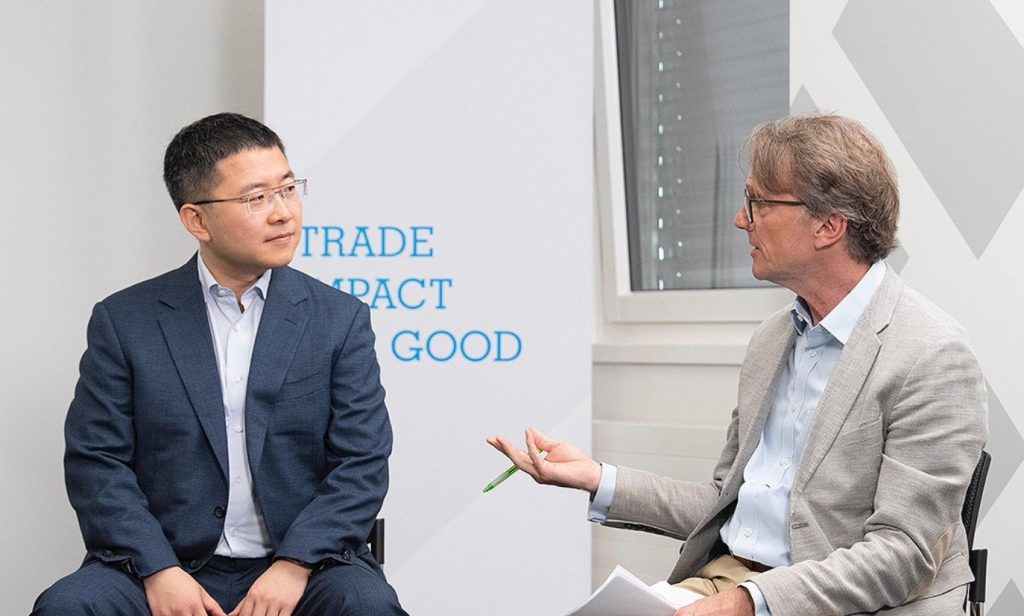
KUALA LUMPUR: Alibaba.com, a prominent global business-to-business (B2B) e-commerce platform under the Alibaba International Digital Commerce Group, is reinforcing its commitment to supporting micro, small, and medium-sized enterprises (MSMEs) worldwide by scaling its AI tools. Announced in conjunction with MSME Day, the initiative aims to enhance trade opportunities and diversify the supplier network, a statement said. In a move ahead of MSME Day 2024 on 27 June, Alibaba.com revealed that around 30,000 businesses had already leveraged its Al tools, driving increased efficiency and global reach. This aligns with the seventh anniversary of the United Nations MSME Day, which highlights the crucial role of MSMEs in achieving sustainable development goals and their global economic contributions. Alibaba.com President Kuo Zhang, who participated in the World Trade Organisation’s (WTO) Global Review of Aid for Trade, emphasised the necessity of including MSMEs from underdeveloped nations in the AI revolution. He highlighted that among the top 20 countries utilising Alibaba.com’s Al tools, about half are developing nations, reflecting the platform’s broad international reach and commitment to inclusive growth. “As a key player in the private sector, Alibaba.com has been privileged to collaborate with international agencies like the United Nations International Trade Centre (ITC) over the past 25 years, supporting MSMEs globally. “We are now focusing on expanding our global supplier base to 100,000 suppliers in the next 3 years, essentially creating a global supply chain by, and for, MSMEs through Al,” said Zhang. A recent survey by Alibaba.com found that 25-30% of MSMEs on the platform use Al tools daily. “These tools have led to a 37% increase in product exposure, thereby boosting business opportunities,” he said. Furthermore, he said 70% of the optimisation suggestions provided by the Al tools have been accepted by the MSMES, demonstrating the practical benefits and trust in these advanced solutions. Vietnam’s Hanh Sanh Co Ltd deputy managing director Sieu To shared his positive experience: “Using AI has helped automate our store on Alibaba.com, saving significant time and effort. “For many business owners new to e-commerce, Al tools are a compelling reason to join the platform,” he said. Italy’s Deltha Pharma chief executive officer Maria Francesca Aceti said, “Among the first Italian businesses on Alibaba.com, I always had faith in our quality Italian supplements. “The platform has helped me expand my business beyond Europe into China, Vietnam, Bangladesh, and Ghana,” Aceti said. Dagmawit Abebe, owner of Ethiopian coffee brand Kedent Coffee, highlighted the transition from traditional brick-and-mortar to e-commerce. “Platforms like Alibaba.com are vital in overcoming local market challenges and expanding our reach globally, ” Abebe said. Alibaba.com’s strategic plans include expanding support for MSMEs in developing countries. It aims to onboard 100 MSMEs from Africa onto its platform this year. Additionally, out of 500 global events and seminars planned for suppliers this year, 300 will be hosted in developing nations, providing crucial support and opportunities for growth. The platform is enhancing its digital supply chain by connecting MSMEs with diverse global suppliers. Buyers can now source products from specialised clusters in regions like Northeast Asia, Southeast Asia, and Europe. — BERNAMA

Investment & Market Trends, News

Thailand’s Economy Expands Slowly in May, Says Its Central Bank

BANGKOK: Thailand’s economy expanded in May 2024, though at a slower pace than the previous month, due to declines in exports, manufacturing production and private investment, according to the Bank of Thailand. In a statement, the central bank noted that the tourism sector showed positive signs with continued growth from the previous month. Private consumption also rose slightly, reflecting cautiously optimistic consumer sentiment. It said government spending saw significant year-on-year (YoY) growth, driven by accelerated budget disbursements, particularly for infrastructure projects. “On the economic stability front, headline inflation increased from energy and raw food inflation due to the low base effect from last year’s government electricity subsidies, as well as higher diesel prices resulting from the gradual removal of government subsidies. “In addition, prices of meat and vegetables increased due to lower supply in the market,” the bank said. Core inflation also slightly increased from the previous month. The current account registered a surplus, mainly from an improved trade balance, although the service, income, and transfer accounts recorded a deficit. The labour market showed improvement, with higher employment in both the service and manufacturing sectors. Looking ahead, the tourism sector and rising public spending are expected to continue supporting the economy. However, the central bank cautioned that exports and industrial production might recover slowly, especially in industries facing structural pressures. — BERNAMA

Investment & Market Trends

SC Sues Dato’ Dr. Yu Kuan Chon for Market Manipulation

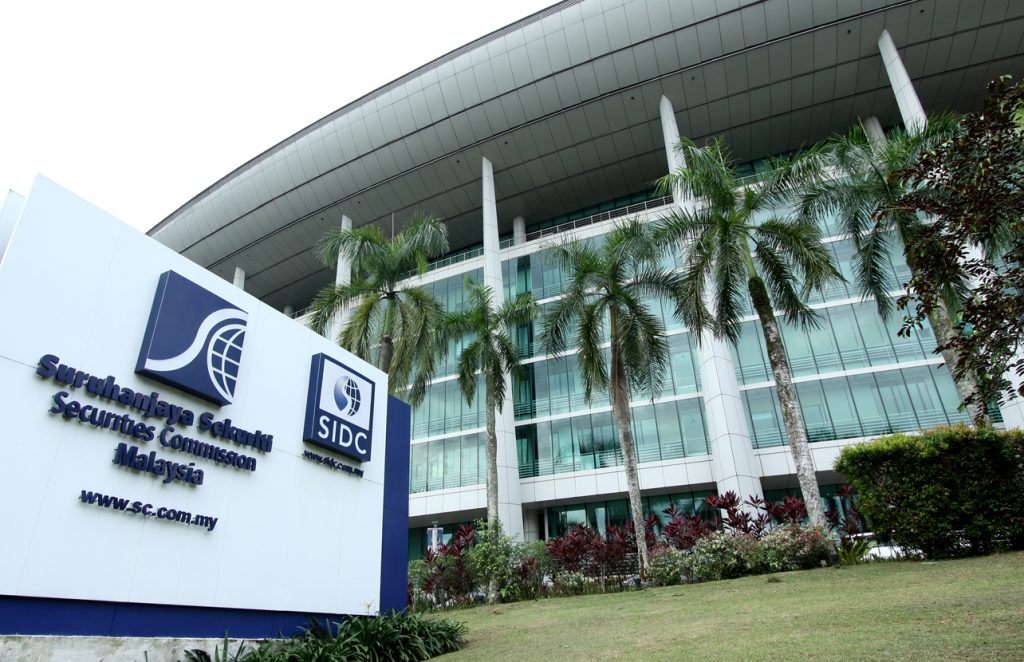
KUALA LUMPUR: The Securities Commission Malaysia (SC) on 24 June 2024 initiated a civil suit at the Kuala Lumpur High Court against Dato’ Dr. Yu Kuan Chon (Yu) for market rigging and manipulation breaches involving shares in Shangri-La Hotels (M) Bhd (Shang). According to the Statement of Claim filed by the SC, the regulator alleged that Yu had traded Shang shares between 1 March 2018 and 24 July 2018 in a manner that caused a surge in the traded volume and share price of Shang. Yu had allegedly traded and transacted in Shang shares using 15 Central Depository System (CDS) accounts during the material period. His trades represented approximately 81.9% of the total volume of Shang shares traded on the market during this period. The SC claimed that Yu had engaged in manipulative activities in the trading of Shang shares, and that Yu’s trading activities were in breach of sections 175(1) and/or 176(1) of the Capital Markets and Services Act 2007. In its civil suit, the SC sought various orders which include for Yu to: 1. Pay the SC the following: a) Disgorgement sum amounting to RM26,572,397.70 which is three times the amount of monetary gain of RM8,857,465.90 made by Yu as a result of the manipulation; b) Civil penalty of RM1 million; 2. Be barred from: a) Becoming a chief executive or director or be involved in the management of any public company or its subsidiaries whether directly or indirectly for a period of five years; and b) Trading on the stock exchange for the same period. Market manipulation undermines the integrity and transparency of capital markets, which can erode investor confidence and disrupt market efficiency. The SC views market manipulation very seriously and will continue to maintain a strong enforcement stance to protect investors and uphold the integrity of the capital markets.

Investment & Market Trends

Singapore AI marketing company, gimmefy.ai, Expands into North American Market

gimmefy.ai , a leading generative AI marketing platform, headquartered in Singapore, is excited to announce its expansion into North America, with strategic partnership plans in the Philippines to follow suit. gimmefy stands out as a high-credibility player in the market, recognized by the IMDA (Infocomm Media Development Authority) of Singapore. This endorsement, through the IMDA Spark program, signifies gimmefy’s commitment to responsible AI development. A regional partnership with Philippine’s ActivAsia group is also on the cards in the following weeks to bring a customized solution specifically for the Filipino market. With a robust track record of success in the Asian market, gimmefy is now set to bring its innovative AI-driven marketing solutions to North American businesses. The platform is built on the perfect marriage between advanced AI models and the best of marketing expertise. Essentially it’s built for and by marketers. Shalu Wasu, gimmefy’s CEO and co-founder, is a seasoned marketer, both on the brand and agency sides. He states, “What truly sets gimmefy.ai apart is our commitment to combining the power of AI with the wisdom and experience of human marketers. gimmefy’s approach ensures that content created by the platform is not only creative but also aligns perfectly with what friends in the marketing industry demands of us.” Matt Fusco, a seasoned industry veteran, will spearhead gimmefy’s efforts in North America. As CEO, North America, Fusco will focus on building gimmefy’s overall presence, assembling a dynamic team, and capitalizing on the substantial opportunities in the North American market. His leadership will be pivotal in establishing gimmefy.ai as a key player in the generative AI marketing space. “As the marketing landscape evolves, so do the needs of marketers. GPT-based solutions, while offering an initial foray into AI-powered marketing, now struggle to deliver the effectiveness, diversity, and speed demanded by today’s professionals,” said Matt Fusco. gimmefy.ai uses not just one, but multiple leading large language models (LLMs), combined with the expertise of seasoned marketers. This potent blend fuels a platform equipped with over 140 automated tasks and 9 specialized AI assistants, capable of generating diverse content formats, multiple result sets, crafting captivating copy, and even assisting with stunning visuals. gimmefy.ai is the next step in AI marketing, empowering marketers to achieve exceptional results. Added Fusco “Businesses and brands trying to be seen and heard in a market like North America are particularly at an advantage. The North American landscape is diverse, hyper-creative, and steeped in competition. With a marketing-specific AI partner like gimmefy, there will be some positive disruption creatively, as well as a creation of opportunities for marketing teams.” gimmefy’s clients, including global names like SEK, IMDA, DBS, ActivAsia, Motul, and many more, rave about experiencing up to 90% savings in time and costs. Not surprisingly, gimmefy is a trusted partner for businesses of all sizes, from small, resource-constrained teams to large agencies managing multiple accounts. gimmefy.ai’s expansion into North America marks a significant milestone in its journey to become a global leader in AI-powered marketing. The company’s commitment to innovation and customer success will continue to drive its growth and impact in the industry. With Matt Fusco’s appointment, gimmefy.ai aims to build a talented team in North America and partner with businesses to unlock new levels of engagement and growth through the firm’s AI solutions.

Investment & Market Trends, News

Malaysia’s Economy Set to Meet Growth Target, GDP to Expand 4-4.5%

KUALA LUMPUR: Malaysia’s economy is set to meet its growth target, with gross domestic product (GDP) growth projected between 4%-4.5%. The Malaysian Rating Corporation Bhd (MARC) said an upside to growth would emanate from the potential for faster project implementation under multiple development blueprints. “However, sustaining private spending growth is challenged by consumer expectations of higher inflation due to the ongoing rationalisation of subsidies,” it said in a statement following the release of its ‘Mid-year Macroeconomic Outlook 2024: Stable Global Growth In A Moderate Easing Cycle’ report. MARC said that while the tourism sector registered higher growth in the first 4 months of 2024, sustaining the rebound requires continued enhancement of tourism policies amid higher competition from ASEAN peers. Besides, it said Malaysia’s disinflationary trend has ended, although the inflation rate has remained relatively mild, with inflation in the first quarter of 2024 (1Q 2024) rising to 1.8% from 1.5% in 4Q 2023. “We expect inflation at 2.5% to 3% with the second round of inflationary effects from the subsidy rationalisation, while noting such policies were designed in a manner that limits the extent of inflation variance,” it said. Additionally, MARC said geopolitical uncertainties increase risks to inflation, alongside volatility in commodity prices and rising costs through the supply chain. However, it opined that sustained inflation and growth in Malaysia should enable Bank Negara Malaysia the scope to keep the overnight policy rate unchanged at 3% for 2024. MARC said global economic growth is expected to sustain a moderate level in 2024, with the growth forecasts for advanced European economies remaining relatively stable despite lingering weaknesses. “The strength of the US economy may moderate the pace of policy rate cuts, potentially leading to a less synchronised global monetary policy easing, compared to some central banks in Europe that have already begun reducing rates. “Persistent mixed readings on inflation, especially in the US, have led to the paring down of expectations of interest rate cuts,” it added. — BERNAMA

Investment & Market Trends, Property

Iskandar Investment Bhd Partners With TM-Nxera to Drive Digital Transformation

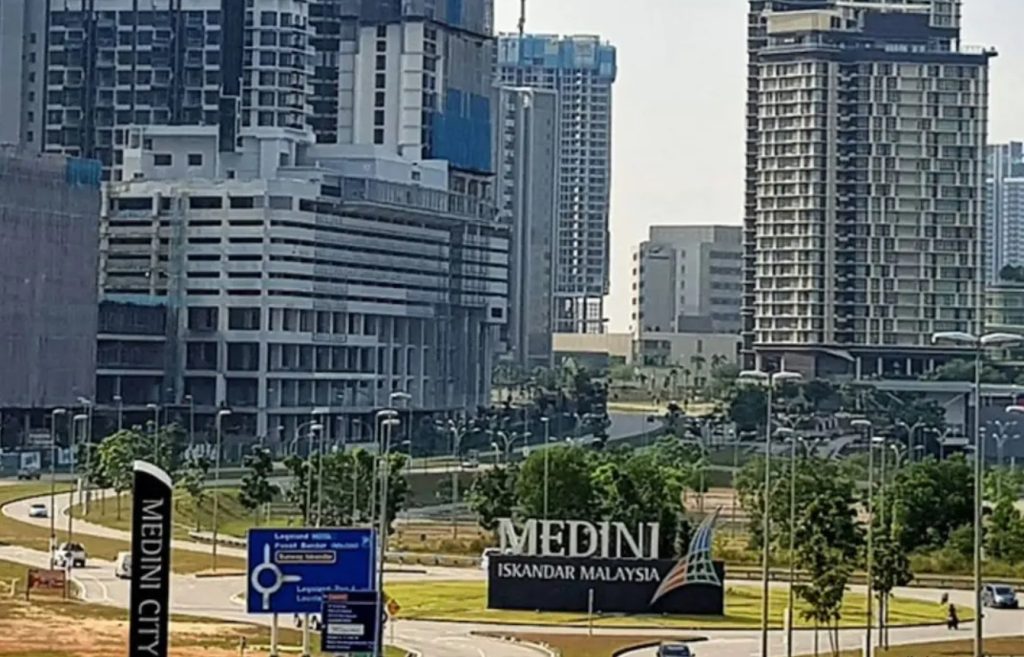
ISKANDAR PUTERI: Iskandar Investment Berhad (IIB), the master developer of Iskandar Puteri, via River Retreat Sdn Bhd, has entered into a strategic partnership with TM Nxera, a joint venture of TM and Singtel, to empower the digital economy and build a sustainable future for the region. The strategic partnership with TM-Nxera for the establishment of state-of-the-art sustainable, hyper-connected and AI-ready digital infrastructure in Iskandar Puteri marks a significant milestone in its journey towards the aspiration of becoming the Digital and Innovation Hub for Johor. The proposed project will entail an approximate RM9 billion investment by the parties to develop the digital infrastructure for Iskandar Puteri. IIB President and Chief Executive Officer, Dato’ Idzham Mohd Hashim said: “The decision by TM-Nxera to establish their state-of-the-art sustainable and AI-ready digital infrastructure in Iskandar Puteri is a major achievement for our community. It goes beyond mere infrastructure development; it’s about nurturing innovation and fostering growth within our region.” Meanwhile, Mr Bill Chang, CEO of Nxera and Singtel’s Digital InfraCo unit stated: “We are excited to partner with IIB to develop this critical digital infrastructure in Iskandar Puteri. This initiative aligns perfectly with our vision to empower digital economies and communities across the region, and we are confident that it will unlock immense potential for businesses in Johor and Singapore.” The collaboration aligns with Malaysia’s national agendas, including the MyDIGITAL Blueprint which emphasises the importance of digital infrastructure in driving a digitally enabled government and economy. It also supports the nation’s goal of attracting RM70 billion in investments by 2025, as outlined in the MyDIGITAL Blueprint and National Industrial Master Plan 2030. The new digital infrastructure will create numerous benefits for Iskandar Puteri, unlocking opportunities and creating value in several ways. It will increase investment opportunities by attracting new technology companies and stimulating tech-based investments. Additionally, it will upskill the workforce by providing opportunities for local talent to develop digital skills. The infrastructure will be built with a focus on sustainability, aligning with IIB’s vision for a net zero-carbon CBD in Medini. This development will enhance the business ecosystem by facilitating the growth of various technology-driven industries within Iskandar Puteri. Furthermore, it will increase subsea connectivity between Johor and Singapore, supporting the development of digital economies in both regions. With a shared commitment to progress and prosperity in the region, the strategic partnership strengthens the dynamic relationship between Johor and Singapore, underscoring initiatives that pave the way for a brighter future driven by innovation and economic growth. Both parties are confident in the partnership’s ability to not only bolster Iskandar Puteri’s digital infrastructure but also unlock exciting potential for innovations and opportunities. Together, they aim to transform Iskandar Puteri into the preferred gateway to Southeast Asia and a beacon of innovation, sustainability, and economic prosperity.

Investment & Market Trends

Fintech venture capital in Asia may exceed US$500 billion by 2028

SINGAPORE: Based on the data from Tracxn, analysts of UnaFinancial considered venture investments in fintech startups by various sectors. The world leader by fintech venture investment volume is North America with US$453 billion in 2023, which is projected to reach US$834 billion by 2028. Asia ranks second with $369 billion in 2023. The leading sectors of fintech there are e-commerce (59%), digital payments and transfers (17%) and digital lending (11%). According to the analysts, fintech venture investments may grow to US$548 billion by 2028, showing a 49%-increase. The experts said, “Drivers for positive change could include an evolving regulatory framework in the region as well as the high level of adaptation to newly developed technologies. This is confirmed by the EY FinTech Adoption Index, which shows that Asia retains its global leadership in fintech adoption.” The third continent with significant fintech investment volumes is Europe, with US$188.8 billion in 2023. The optimistic forecast for 2028 is US$383.8 billion (+103%). South America is fourth with US$30 billion invested in fintech startups in 2023, followed by Australia (US$12.8 billion) and Africa (US$9.6 billion). By 2028 these volumes will grow to US$35, US$22.4 andUS$ 22.2 billion respectively. The global volume of fintech venture investments amounted to US$1.06 trillion in 2023. According to UnaFinancial’s estimate, the volume of investments in fintech startups could increase by 77% to US$1.88 trillion by 2028.

Investment & Market Trends

BlackRock investments in Malaysia reach RM27.5bil, withdrawal will have negative implications

KUALA LUMPUR: The withdrawal of BlackRock’s investment from Malaysia, if it happens, will have implications and negative impacts on efforts to realise the country’s investment agenda, said Minister of Investment, Trade and Industry Tengku Datuk Seri Zafrul Abdul Aziz. BlackRock is a shareholder in various listed companies worldwide, including sovereign funds from Saudi Arabia, the United Arab Emirates, Oman, Bahrain, and Indonesia. According to him, BlackRock, which is the largest asset manager in the world with assets under management worth US$10.5 trillion as at March 31, 2024, also holds equity investments in 100 public-listed companies in Malaysia as of May this year. “This includes the industrial sector, with the three largest entities being banking institutions in the country. Overall, BlackRock owns assets worth approximately RM27.5 billion in Malaysia,” he said during the Minister’s Question Time in the Dewan Rakyat, today. Tengku Zafrul said this in reply to a question from Lim Guan Eng (PH-Bagan) regarding the investment details by BlackRock in Malaysia and the impact on the economy if all of BlackRock’s investments over the past decades were divested. He said of that amount, RM20.5 billion of BlackRock’s investment was in the Bursa Malaysia stock market and around RM7 billion in government and corporate bonds in the country. Among BlackRock’s investments in the government-issued bond market include Malaysia Sukuk Global Bhd; Export-Import Bank of Malaysia Bhd; Malaysia Wakala Sukuk Bhd; Petroliam Nasional Bhd; and Malaysia Sovereign Sukuk Bhd. BlackRock is also a shareholder of several large multinational companies operating in Malaysia including Microsoft, Boeing, Intel, and Texas Instruments. “Companies such as Microsoft, Boeing, Intel, and Texas Instruments that have shares owned by BlackRock contribute to the development of the industry and the states through investment projects carried out in Malaysia. This includes Intel, which contributes to the growth of the semiconductor sub-sector in Penang; Infineon in Melaka and Kedah; Texas Instruments in the electrical and electronics industry in Melaka and Kuala Lumpur (KL); and Boeing’s subsidiary, Aerospace Composites Malaysia Sdn Bhd, in the aerospace industry in Kedah. Microsoft also recently announced an investment that will contribute to the development of data centre infrastructure at a new location to be determined later. “Overall, the companies that I mentioned just now represent foreign investments that have made significant investments in Malaysia, as well as create job opportunities, particularly in the high-tech and high-value sectors targeted by the country,” he explained. Elaborating further on these investments, Tengku Zafrul said Intel has invested RM32 billion and employs more than 10,000 workers, while Texas Instruments has invested RM13 billion and employs more than 2,000 workers in Malaysia. Boeing, through its subsidiary, Aerospace Composites Malaysia, has invested RM300 million and employs 900 workers, while ROHM Electronics (Malaysia) in Kelantan has invested RM3 billion and employs more than 2,000 workers. “Infineon, which has operations in Kedah and Melaka, has announced an additional investment commitment of RM25 billion, and to date employs more than 13,000 Malaysians. “At present, Microsoft employs over 200 workers in Selangor, Penang, and KL. On May 2, 2024, the company announced an additional investment commitment of RM10.5 billion,” he said. In terms of trade, Intel has contributed RM50 billion in export value for semiconductor components; Texas Instruments contributed RM20 billion in electronics components export value; and Microsoft has contributed RM15 billion in export value for information technology services. According to Tengku Zafrul, Malaysia does not practice any policies that prohibit investments from global companies like BlackRock and their involvement in public-listed companies on the stock market. “We do not have any involvement or policies that prevent them at this time,” he said. Regarding the sale of shares in Malaysia Airports Holdings Bhd, the minister said that this has already been addressed by Prime Minister Datuk Seri Anwar Ibrahim this week. “Regarding the Cabinet, perhaps I can provide some clarification in terms of governance. The decision was indeed made at the Khazanah Nasional Bhd level, so as a member of the Cabinet, I was only informed during the Cabinet meeting by the Prime Minister, and at that time, the decision had been made,” he said. – Bernama

Investment & Market Trends, News

ICPT Reduction Eases Cost Burden for Malaysian Businesses

KUALA LUMPUR: The reduction in the Imbalance Cost Pass-Through (ICPT) for commercial and industrial users will help businesses cushion the anticipated increase in input costs due to the rationalisation of diesel and rising wages. Small and Medium Enterprises Association of Malaysia National President, Datuk William Ng said the association welcomed the government’s announcement on the reduction in ICPT charges for non-domestic customers by 1 sen/kilowatt-hour (kWh) from July to December 2024. According to the Ministry of Energy Transition and Water Transformation, the ICPT surcharge for commercial and industrial users will be reduced from 17 sen/kWh to 16 sen/kWh in the second half of 2024 (2H24). For low-voltage commercial and industrial users, specific agriculture sectors along with water and sewerage operators, the tariffs will drop from 3.7 sen/kWh to 2.7 sen/kWh. The ministry stated that the targeted electricity subsidy borne by the government from July to December 2024 amounts to RM2.19 billion. However, Ng argued that the ICPT should be replaced with a more efficient mechanism that considers the productivity of the energy producer. He mentioned that Tenaga Nasional aims to be coal-free by 2050. He said the ICPT is a temporary measure to help producers manage fluctuations in global fuel prices, not to guarantee their profitability. “It must also ensure its operations, including headcount and other operating expenditures, are lean and supportive of the national agenda. “As such, the ICPT Must be removed, otherwise, Tenaga Nasional must be held accountable to the public and industry, reporting on its transition and capital expenditure to ensure it meets its targets,” he said. Meanwhile, the Federation of Malaysian Manufacturers (FMM) President Tan Sri Soh Thian Lai called for more transparency in calculating the surcharge and the 1 sen/kWh reduction for non-domestic users. He suggested that the government review the eligibility of small and medium enterprises under the medium voltage category to enable them to qualify for rates similar to those given to the water services sector. “Industries continue to operate in a challenging environment as uncertainties surrounding economic growth and the inflation outlook in 2024 remain a concern, following the impact of subsidy rationalisation and prolonged geopolitical conflicts,” he said. He highlighted that micro, small and medium enterprises (MSMEs) make up 98% of business establishments in Malaysia, employing 7.3 million people. “As the government reviews the incentive-based regulation for the regulatory period from 2025 to 2027, FMM hopes that the base tariff review, while addressing the revenue-cost structure mismatch for the energy transition and third-party access will ensure that industrial tariff rates remain competitive and competitive and attractive in the region,” he added. — BERNAMA

Scroll to Top

Subscribe
FREE Newsletter