Investment & Market Trends

Investment & Market Trends

March Marks 2024’s First Inflow As Investors Favour Local Bonds As Ringgit Strengthens

KUALA LUMPUR: Foreign investors have reversed the trend and became net buyers of Malaysia’s debt in March after three months of outflows. Kenanga Investment Bank Bhd said that total foreign debt holdings increased to RM265.8 billion in March from RM264.1 billion in February. However, its share of the total outstanding debt dropped to a 44-month low of 13.10 per cent in March (Feb: 13.11 per cent) due to new issuance and reopening of the government investment issue (GII) amounting to RM10.0 billion and reopening of the Malaysian Government Securities (MGS) amounting to RM5.0 billion. The research firm said initially, during March 13-15, foreign investors divested RM1.0 billion worth of Malaysian government bonds, a move attributed to the unexpectedly robust core inflation reading in the United States (US). However, subsequent actions taken by the government and Bank Negara Malaysia (BNM) to facilitate the repatriation and conversion of foreign investment income of government link investment companies contributed to a strengthening of the ringgit, thereby enticing investors to redirect their funds into the Malaysian debt market. Kenanga said that, as expected, the allure of a potentially strengthening ringgit and expectations of a possible Fed rate cut in June may have revived some interest in Malaysian debt securities. Foreign investors loaded up on long-term bonds, GII and MGS but reduced their exposure to Malaysia Treasury Bills (MTB). The GII, which stood at RM1.4 billion in March, is the largest inflow in four months. It increased the foreign holdings share to 8.9 per cent, which is the second lowest point in a year, partly due to an increase in the total outstanding. The MGS, which stood at RM0.8 billion in March, is the second consecutive month of net foreign buying. However, the foreign holdings share declined to 33.2 per cent in March from 33.3 per cent in February. Kenanga said the domestic equity market experienced its first net foreign outflow in five months, marking the largest net selling since the first wave of the pandemic in June 2020. The offloading of financial services stocks primarily drove this decline. The diminished foreign demand for domestic stocks is partly attributed to subdued sentiment in regional markets, profit-taking activities, and investors’ inclination towards small-cap stocks. Despite reduced hard landing risks for the US economy, the Fed is expected to cut rates this year, likely starting in June, Kenanga noted. This expectation stems from the ongoing disinflationary trend, which is expected to persist as the lag impact of the 525 basis points (bps) cumulative rate hikes take effect. However, the resilient US economy suggests the Fed may now only reduce rates by 75-100 bps, down from as high as 100-125 bps previously. Kenanga said that as such, investors may seek current attractive yields and shift towards high-quality emerging markets with currency appreciation potential once signs of a cooling US economy emerge. “Malaysia stands to gain from this shift, as potential subsidy rationalisation in the second half of 2024 is expected to boost fiscal resilience and credit outlook. “Additionally, BNM’s policy stability and measures for repatriating foreign earnings could support a stable ringgit with an upward bias,” Kenanga said.
Investment & Market Trends

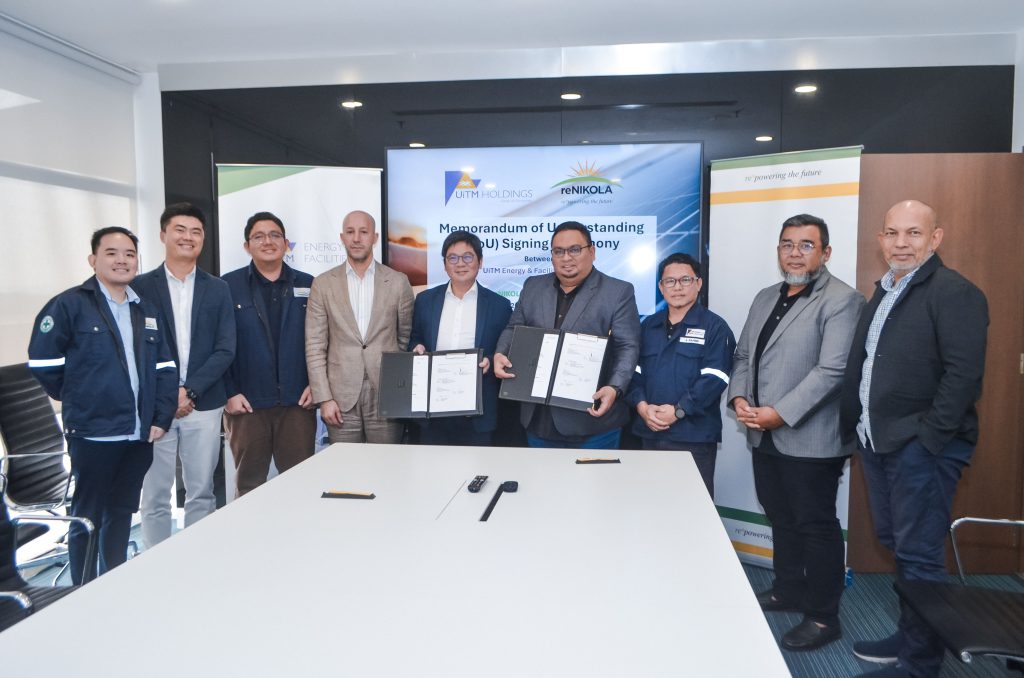
ReNIKOLA Holdings Inks MoU With UiTM

KUALA LUMPUR: reNIKOLA Holdings Sdn Bhd signed a memorandum of understanding (MoU) with UiTM Energy & Facilities Sdn Bhd (UEFSB) to jointly collaborate on the development and maintenance of rooftop solar systems on various buildings of Universiti Teknologi MARA (UiTM) across Malaysia under a mix of net energy metering (NEM) and self-consumption scheme (SELCO). This MoU will play an important role in promoting solar energy solutions in Malaysia, pursuing net carbon zero for the Ministry of Higher Education and contributing to the National Renewable Energy Policy. The strategic alliance between reNIKOLA and UEFSB sets the stage for innovative clean energy solutions and underlines a joint commitment to driving impactful change in Malaysia’s energy transition. reNIKOLA views the partnership with UEFSB as a significant milestone that contributes towards the strengthening of the company’s commitment to supporting and facilitate renewable energy development in Malaysia. “We laud the Ministry of Higher Education and UiTM’s pursuit of net carbon zero and are honoured to partner with UEFSB in this project,” reNIKOLA managing director Boumhidi Adel said in a statement. “We endeavour to exceed the expectations of UiTM by delivering and maintaining quality solar systems in a timely and efficient manner,” he said.

Investment & Market Trends

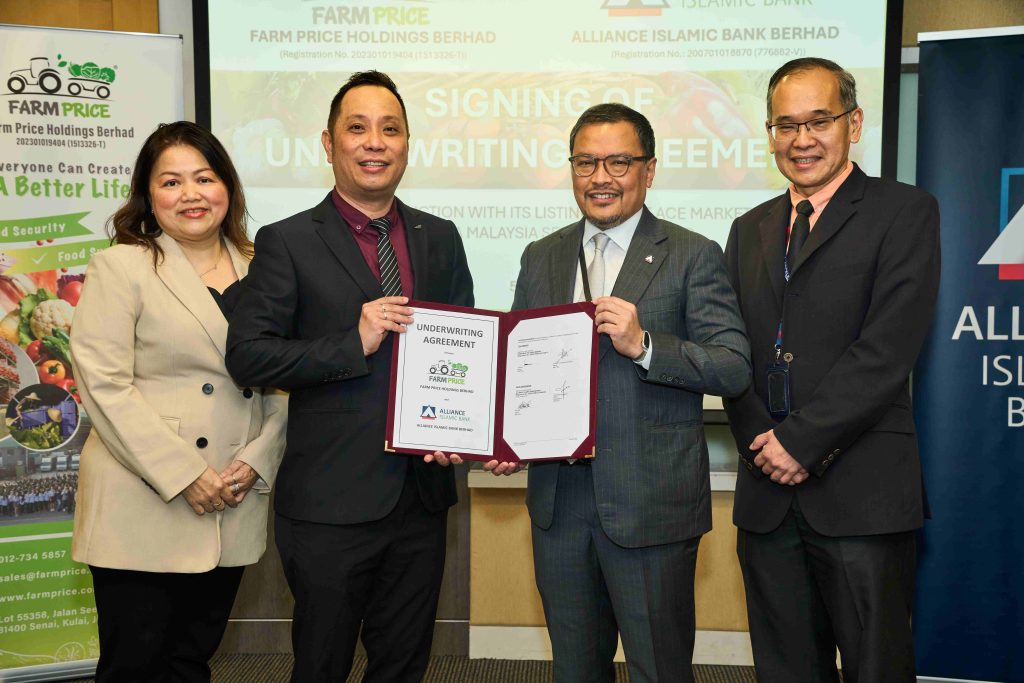
Farm Price Inks Underwriting Agreement With Alliance Bank For ACE Market IPO

KUALA LUMPUR: Johor-based Farm Price Holdings Bhd (FPH), a wholesaler and distributor of fresh vegetables, signed an underwriting agreement with Alliance Islamic Bank Bhd (AIS) for its upcoming initial public offering (IPO) on the ACE market of Bursa Malaysia. FPH managing director Dr Tiong Lee Chian said signing this underwriting agreement with AIS brings the company closer to its upcoming listing on the ACE market of Bursa Malaysia. “This unlocks greater resources and flexibility to fuel our expansion plans and explore new avenues for growth. “We firmly believe that the fresh vegetable industry is crucial to Malaysia’s food security, supporting public health, sustenance, and affordability. “As a wholesale distributor, we play a key role in the supply chain. We source fresh vegetables from domestic and foreign growers, distributors, and importers, providing us with a range of vegetables to meet the fresh vegetable requirements of our customers, mainly in Johor and Singapore. “Having started this business with my spouse and business partner, Liew Tsuey Er, twenty years ago, we have built a solid track record in the industry. Today, Farm Price offers a vast selection of fresh vegetables to meet the diverse needs of our customers. In addition to variety, we also provide value-added services such as processing prepacked and fresh-cut vegetables to enhance convenience and reduce preparation time for our customers,” Tiong said in a statement. FPH’s IPO exercise encompasses the public issuance of 102.00 million shares, representing 22.67 per cent of its enlarged share capital, and the offer for sale of 33.00 million existing shares, or 7.33 per cent of its enlarged share capital, via private placement to selected investors. Out of the 102.00 million shares, 22.50 million shares will be made available to the Malaysian public via balloting, 11.25 million shares to its eligible Directors, employees and persons who have contributed to the success of FPH (pink form allocations), while the remaining 68.25 million shares will go towards private placements to selected investors. Under the underwriting agreement, AIS will underwrite 33.75 million new shares made available to the Malaysian public and pink form allocations. FPH, via its subsidiaries, wholesales and distributes fresh vegetables, food and beverage (F&B) products, and other groceries. The company also operates a retail store in Ulu Tiram, Johor, where it directly sells fresh vegetables, F&B products, and other groceries to end-consumers. The wholesale distribution segment was the largest revenue contributor to FPH. Currently, the Senai Centralised Distribution Centre, coupled with the cold chain infrastructure of refrigerated trucks and cold room facilities, enables the Group to deliver fresh vegetables efficiently and promptly to meet the customers’ needs, mainly in the state of Johor in Malaysia and Singapore. Additionally, the company maintains six other regional distribution centres in Johor, Selangor, Perak, and Penang, which focus on the wholesale distribution of F&B products and other groceries. FPH’s processing and packing operations in its Senai Centralised Distribution Centre are ISO 9001, good manufacturing practice (GMP), and hazard analysis and critical control points (HACCP) certified, ensuring stringent quality control measures. At the same facility, it has also obtained Halal certification for prepacked and fresh-cut vegetables, assuring product integrity and opening doors to broader market reach. “Recognising the essential nature of this industry, FPH is committed to long-term growth. As part of our strategies, we plan to construct additional facilities to expand our Senai Centralised Distribution Centre, which is expected to double the size of our current facilities. “We will also establish additional regional distribution centres with cold room facilities in Nilai, Negeri Sembilan and Cameron Highlands, Pahang, and set up a sales and marketing office in Singapore. “These initiatives will allow us to expand our operational facilities and market coverage for business growth,” Tiong said. FPH is scheduled to be listed on the ACE market of Bursa Malaysia by May 2024, with AIS as the principal adviser, sponsor, sole underwriter and placement agent for the IPO exercise.

Investment & Market Trends

UK-Based Airscream Investing RM100mil In Malaysian Operations

KUALA LUMPUR: United Kingdom-born vaping company Airscream, with a presence in more than 80 markets and regions, will invest RM100 million in the next five years in its operations in Malaysia. The company will also invest in expanding its distribution networks, administrative and field staff strength, and research and development facilities, envisioning Malaysia becoming its global headquarters. To date, the company has already set up its administrative, sales and marketing operations and a showroom in Shah Alam, with close to 40 employees locally and 100 globally. Airscream said Malaysia is a destination of choice because the domestic vape industry has grown in value to exceed RM3 billion over the last 10 years and has employed more than 30,000 Malaysians, citing a report by the Malaysian Vape Chamber of Commerce (MVCC) entitled Study on the Malaysian Vaping Industry 2021. Airscream co-founder and chief executive officer Sam Ong said the Malaysian vape industry ecosystem is well established, and the market is poised for further growth. He said this could potentially drive more foreign direct investments into the country and bolster high-income job creation. “We are also encouraged by the passing of the Control of Smoking Products for Public Health Bill 2023, which brings Malaysia on par with other countries around the world, including the UK, Australia, Thailand, and Singapore, which have standalone legislation on tobacco and vape. “Airscream has and will always be supportive of sensible and practical regulations for the e-cigarettes industry to deliver tangible economic growth while at the same time safeguarding consumers from potentially hazardous unregulated products and stopping underaged individuals from accessing these products,” he said in a statement. Airscream was established in 2018 as a manufacturer and retailer of its AirsPop® vape product. Within a short period of time, the company has grown exponentially in terms of sales and presence. AirsPops is currently one of the best-selling brands in markets like South Africa and New Zealand. Airscream’s success has been predicated on its unwavering commitment to product quality and safety, design innovation, and superb user experience. Airscream is also steadfast in its purpose of helping smokers reduce their dependence on cigarettes or even eliminate their use. In Malaysia, Airscream offers a range of high-quality tobacco cessation products, such as the Bottle by AirsPops, AirsPops Pro, AirsPops Pro Lite, AirsPops ONE USE, the nicotine pouch range M13, and more, for adult smokers and vapers. “We welcome the opportunity to collaborate and work hand-in-glove with industry stakeholders, including the authorities and regulators, manufacturers and retailers and industry interest groups to elevate the industry as a whole. “We believe there is much to learn from the Malaysian industry participants, and we hope to add value through our insights and experience in the international markets,” Ong said.

Energy & Technology, Investment & Market Trends

Malaysia To Showcase Modern Rail Tech At InnoTrans 2024 In Germany

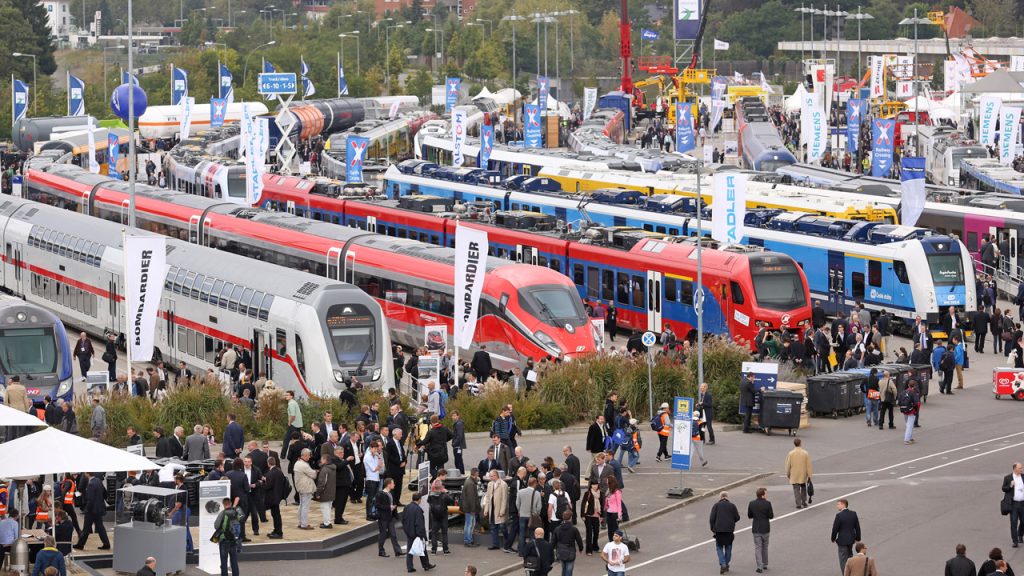
KUALA LUMPUR: Malaysia will be showcasing its dynamic rail industry and innovations at the upcoming InnoTrans 2024, the leading trade fair for transport technology in Germany. InnoTrans 2024, which is scheduled to be held from September 24 to 27 in Berlin, brings together industry leaders, innovators and stakeholders to explore the latest trends and developments in rail transport. Malaysia’s participation is organised by the Malaysia External Trade Development Corporation (Matrade). “The event will allow us to highlight our expertise in the rail industry, particularly in technological innovation, sustainable solutions, rolling stock, digital solutions and maintenance, repair and overhaul (MRO) services. “Matrade is poised to demonstrate our commitment in driving the technological advancements and sustainable solutions in the global rail sector by sending a strong delegation that includes the key players in the industry, government agencies and trade associations,” Matrade deputy chief executive officer (export acceleration) Abu Bakar Yusof said in a statement. He said one of the distinguishing features of Malaysia’s rail industry is its emphasis on sustainability. He said that embracing green technologies and implementing eco-friendly practices highlights Malaysia’s commitment as a nation poised to become among the regional and global leaders in railway infrastructure development. “These efforts align with Matrade’s initiative in facilitating Malaysian exporters to embrace and adopt sustainability and eventually contribute to global efforts to combat climate change,” said Abu Bakar. German railway sector presents significant opportunities for Malaysian firms, particularly in the domains of power supply, signalling technology, rolling stock, track technology, MRO services, and re-manufacturing activities. In 2023, Malaysia’s total trade to the German market stood at RM47.8 million, an increase of 25 per cent from the previous year. Matrade Frankfurt trade commissioner Mohamad Termizi Piee highlighted the potential for Malaysian businesses in the German rail market, which the country is currently working towards its ambitious targets for its railway system for the year 2030, aimed at modernising infrastructure, improving services, and promoting sustainability. He noted that the significant expenditures made recently in equipment and infrastructure were credited with this growth. “Market growth prospects are significant, fuelled by a growing demand for rail services due to a push for eco-friendly transport, infrastructure improvements and new technologies, with the global rail transport market expected to reach RM3.1 trillion by 2030,” he added. Overall, Malaysia’s global trade in the rail sector continued its upward trend in 2023, with a double-digit increase of 14.3 per cent to reach RM1.3 billion. Matrade intends to increase exports of rail products and services to capitalise on the resurgent global trend towards rail transportation in the post-pandemic era. Within the same year, Malaysian rail exports globally totalled RM547.2 million, with the top five destinations, namely Singapore, China, Taiwan, the United States, and Hong Kong. Major export products include cargo containers, rolling stock, railway parts and signalling devices. InnoTrans is the leading international trade fair for transport technology, covering all aspects of rail transport, from infrastructure to rolling stock, signalling systems and digitalisation solutions. InnoTrans attracts industry professionals, exhibitors and visitors from around the world. This event presents a valuable platform for Malaysian rail companies to highlight their advancement in rail technology, sustainability and industry collaboration. Matrade invites Malaysian companies and related organisations in the rail industry to join Malaysian Pavilion at InnoTrans 2024 where the agency will host business-to-business (B2B) meetings and memorandum of understanding (MoU) signings, showcasing Malaysia as a reliable international partner in rail engineering, procurement, construction and commissioning.

Investment & Market Trends

UCrest, MDC Asia Link Signs Agreement To Advance Digitalised AI In iMedic Platform

KUALA LUMPUR: Cloud hospital and mobile health services provider UCrest Bhd and MDC Asia Link Bhd (MDC)signed a business partnership agreement to digitalise the iMedic platform with artificial intelligence (AI) and Internet of Medical Things (IoMT). MDC chief executive officer Dr Aslan Bacho said the company is leading the transformation of dental care services with the use of AI, IoT, 3D printing and digital technologies to provide customers with a level of care and services while improving the clinic’s operation efficiency. “We focus on taking care of children’s dental health, developing good dental habits from a young age and continuously managing them, giving them good dental health throughout their lifetime. “With the digital technologies, customers can count on us to manage their dental health,” he said in a statement. MDC is the first dental clinic chain in Malaysia or perhaps Asia to use AI, IoMT and 3D printing technologies to elevate the standard of care and provide better healthcare management services to customers. MDC currently has 25 dental clinics, largely in the Klang Valley area, and is one of the largest dental clinic chains in the country. Its special focus is on paediatric dental care for children and its general dentistry and orthodontic services. The environment of the clinics is designed to be conducive to children with colourful settings and play areas, and the dentist and nurses are specially trained to handle children on the dental chairs. The partnership’s objective is to raise the standard of care in the dental industry and provide patients with the highest level of care. MDC will adopt the iMedic platform as the clinic management system (CMS). MDC will also adopt 3D printing in the clinics to provide higher-quality dental products to its customers. The machine learning of AI technologies in iMedic would help to analyse and diagnose images easily and more accurately. MDC intends to deploy a fundus camera with AILab from UCrest in the clinics connecting to ophthalmologists to provide non-invasion diagnosis of diabetic retinopathy so that patients can seek diabetic treatment while treating periodontal diseases. “With the iMedic platform, dentists and health consultants would be able to develop a personalised dental health plan for each customer and proactively manage and service them,” UCrest chairman Eg Kah Yee said. “The AI technologies will be able to diagnose with high precision and predicting the development of the patient’s dental diseases, allowing early preventive measures to be taken,” he added. iMedic is the leading digital health platform developed by UCrest and is currently used in multiple countries in Asia, the Middle East, and the United States (US). iMedic leads the market with its IoMT and AI, which empower patients to manage their health better and increase the productivity of doctors and clinics through AI and automation. iMedic connects to over 30 wireless medical devices, including ECG, blood pressure monitor, oximeter, ultrasound, BMI machines, CPAP, fundus cameras, etc.

Investment & Market Trends

Kawan Renergy Inks Underwriting Agreement With M&A Securities

KUALA LUMPUR: Engineering solutions provider Kawan Renergy Bhd (KRB) signed an underwriting agreement with M&A Securities Sdn Bhd for its upcoming initial public offering (IPO) on the ACE market of Bursa Malaysia. KRB managing director Ir Lim Thou Lai said this IPO exercise would expedite the company’s expansion plans and allow it to tap into the equity capital market, granting better financial flexibility to capitalise on the upcoming opportunities. “The IPO proceeds will mainly be used as working capital to enable the company to undertake more quality projects, move up the value chain, and strengthen our power generation and energy sale businesses. “The industrial process equipment industry continues to show promising prospects, supported by the improved demands of various sectors that utilise such equipment,” Lim said in a statement. KRB, through its subsidiaries, Kawan Engineering Sdn Bhd and Kawan Green Energy Sdn Bhd, designs, fabricates, installs, and commissions industrial process equipment, process plants, and renewable energy and co-generation plants. Its engineering solutions apply to various industries such as food processing, oleochemical and chemical processing, oil and gas, waste recovery, power plants, and utilities. Apart from the above, the company is also involved in the power generation and sale business through Bercham Plant, a landfill biogas power plant located in Ipoh, Perak, with an installed capacity of 1.2 megawatts of electricity and a net export capacity of 1.0MW. KRB’s IPO involves a public issue of 110.0 million new ordinary shares, which comprise 20.0 per cent of its enlarged share capital. Additionally, there’s an offer for sale of 34.5 million existing shares, accounting for 5.3 per cent of its enlarged share capital. These shares will be offered to selected investors through a placement exercise, with 1.0 per cent allotted to selected Bumiputera investors, as approved by the Ministry of Investment, Trade and Industry (MITI). Out of the 110.0 million new shares, 27.5 million will be made available to the Malaysian public via balloting, while 19.3 million shares will be allocated for eligible directors, employees, and persons who contributed to the success of KRB via pink form allocations. The remaining 63.2 million shares are reserved for selected Bumiputera investors approved by MITI. M&A Securities will also underwrite 46.8 million shares made available to the Malaysian public and the pink form allocations. “Increasing foreign direct investment (FDI) in Malaysia is set to boost our industrial process equipment, especially for sectors like oleochemicals, food industries, utilities, oil and gas, and sustainable fuel. “The weakening of the ringgit also helps make our products more locally and internationally competitive,” Tan said. “Additionally, the transition towards renewable energy and energy-efficient co-generation opens up great opportunities for KRB. “As the world shifts to more sustainable energy solutions, our proven capabilities in the integration of design, fabrication, installation, and project management in these areas position us well to meet the paradigm shift in the energy sector,” Lim said. KRB is scheduled to be listed on the ACE market of Bursa Malaysia by the second quarter of 2024, with M&A Securities as the principal adviser, sponsor, underwriter, and placement agent for its IPO.

Investment & Market Trends

GFM Services Secured Three LoAs From Petronas Operating Companies For O&M Job In Pengerang

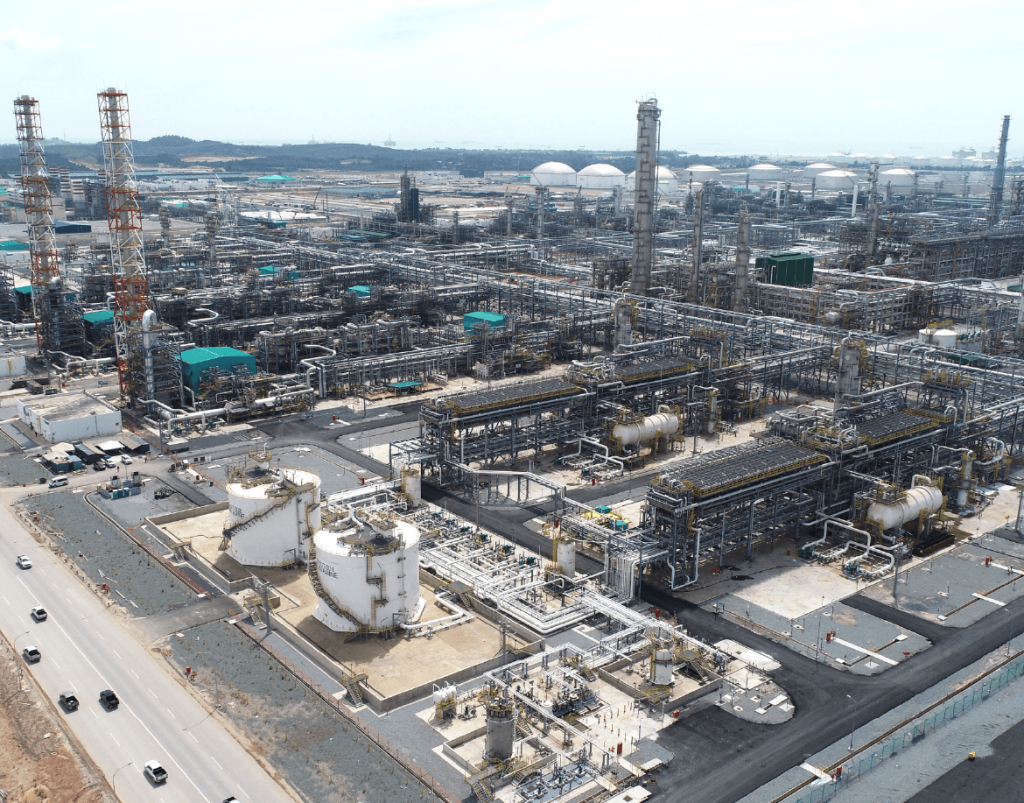
KUALA LUMPUR: Integrated Facilities Management service provider GFM Services Bhd’s (GSB) wholly-owned subsidiary, Highbase Strategic Sdn Bhd (HSSB) and its joint venture partner, Singapore-Exchange listed Mun Siong Engineering Ltd (MSE), has secured three letters of appointments (LoA) from Petroliam Nasional Bhd (Petronas) operating companies (OPCs). The contract is to deliver operations and maintenance (O&M) services for three facilities within the Pengerang Integrated Complex (PIC) in Johor. These new contracts expand HSSB and MSE’s existing integrated turnaround main mechanical and maintenance mechanical static (TA4MS) contract to provide plant turnaround services to three facilities operated by the Petronas operating companies, namely, PRPC Utilities and Facilities Sdn Bhd, Pengerang Power Sdn Bhd and PRPC Water Sdn Bhd, respectively. The LoAs are for three years, from March 15, 2024, to March 14, 2027, with an option to extend for an additional two years. GSB managing director Ruslan Nordin said these LoAs underscore the company’s proven ability to deliver value and ensure the seamless operations of critical assets within the PIC. “These contract wins are a testament to HSSB’s growing reputation as a reliable partner. We are committed to optimising facility performance and maximising long-term operational efficiencies. “This strategic expansion of collaborative effort reinforces our partnership with Petronas and boosts the TA4MS outstanding contract value to GSB. “This is expected to contribute positively to GFM’s overall profitability and will further solidify our market position in the O&G sector, positioning GSB for sustained growth,” he said in a statement. In addition to maintaining the OPC’s facilities, HSSB and MSE are currently maintaining the facilities of Pengerang Refining Company Sdn Bhd, Pengerang Petrochemical Company Sdn Bhd and Petronas Chemical Isononanol Sdn Bhd. This brings both companies’ maintenance portfolio to a total of six facilities within the PIC, Johor.

Investment & Market Trends

SC Raises The Standard Of Conduct For Capital Market Intermediaries

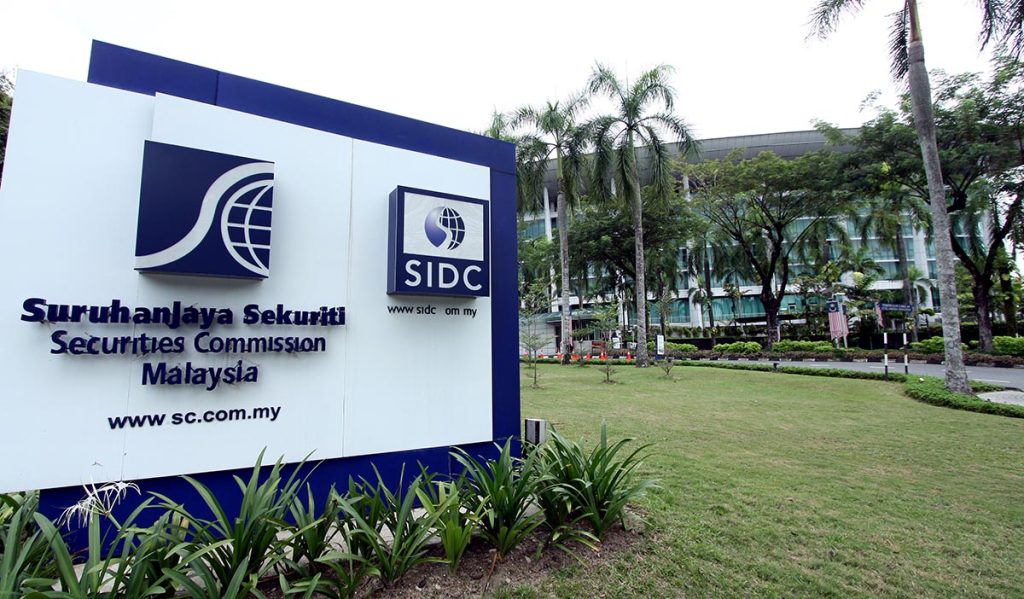
KUALA LUMPUR: The Securities Commission (SC) has issued the revised Guidelines on Conduct for Capital Market Intermediaries (Guidelines), aimed at elevating standards of professionalism and integrity of capital market intermediaries (CMIs) in the industry. The revised guidelines, among others, reinforce the role of a CMI’s board and senior management in inculcating a corporate culture where clients’ interests are prioritised. The guidelines also clarify the SC’s expectations regarding CMIs’ duty to act honestly and fairly and avoid misleading and deceiving their clients under any circumstances. SC, in a statement, said the new chapters are introduced to address crucial areas, such as the treatment of vulnerable clients, as well as providing personal advice and capital market-related services, including through online platforms. SC chairman Datuk Seri Dr Awang Adek Hussin said the revised guidelines  signify the SC’s efforts towards fostering trust, integrity and client-centricity in the capital market industry by, amongst others, minimising the risk of mis-selling, avoiding reputational damage, reducing complaints and improving client retention. “Fairness is a cornerstone principle, requiring CMIs to consider the client’s circumstances, including any vulnerabilities that the client may have, communicate clearly and ensure comprehension of product details and associated risks,” he said. “When providing personal advice to a client, a CMI must exercise care, skill and diligence and give due regard to the client’s interests. “We are confident that these  enhancements will elevate standards and reinforce investor confidence in our capital market,” he said. In revising the guidelines, the SC has considered feedback from engagements with, among others, Bank Negara Malaysia, the Federation of Investment Managers Malaysia and relevant capital market intermediaries. The revised guidelines will come into effect on October 1, 2024 to allow sufficient time for capital market intermediaries to familiarise and prepare to meet the new requirements of the revised guidelines.

Investment & Market Trends

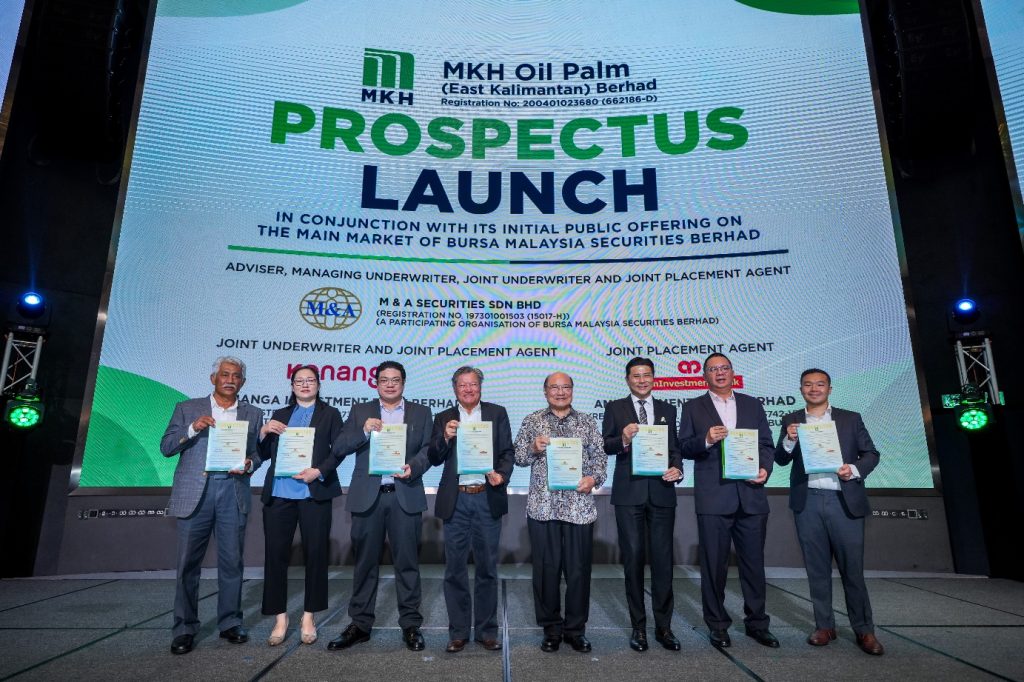
MKH Oil Palm Set Plans To Expand Oil Palm Plantation Land In Kalimantan

KUALA LUMPUR: MKH Oil Palm (East Kalimantan) Bhd (MOP) plans to expand its plantation in East Kalimantan after listing on the main market of Bursa Malaysia. The oil palm plantation player is raising RM136.4 million from its initial public offering (IPO) and allocating RM42.0 million, or 30.8 per cent of the proceeds, for the land acquisition. The additional land is close to the company’s current oil palm plantation estates in Kutai Kartanegara, East Kalimantan. According to the company’s prospectus, which was launched on Friday, MOP has identified companies) with potential land banks for oil palm plantation in the sub-district of Muara Kaman, Kutai Kartanegara, East Kalimantan, with an estimated land area of approximately 5,000.0ha with an estimated area for planting of 4,000.0 to 4,500.0ha. Non-independent non-executive chairman Tan Sri Datuk Chen Kooi Chiew said the IPO proceeds will accelerate growth plans, which include expanding the company’s plantation landbank by acquiring lands located near existing estates to leverage existing processing and jetty facilities. “We will also invest in new machinery and equipment to enhance operational efficiency, increase processing capabilities, and broaden our product offerings,” he said in a statement. Apart from the allocation for the land acquisition, MOP plans to use RM9.0 million, or 6.6 per cent, to set up a palm kernel (PK) crushing facility to generate an additional income stream. RM42.0 million, or 30.8 per cent of the amount raised, will be used for capital expenditures on existing plantation lands, refurbishment and upkeep of the existing palm oil mill, refurbishment and construction of workers and staff housing quarters, and expansion of the electricity supply. Further, RM30.0 million, or 22.0 per cent, of the IPO proceeds will go towards loan repayment, and RM13.4 million, or 9.8 per cent, will be deployed as working capital and listing expenses. According to the prospectus, MOP has oil palm plantations with a maturity and topographical profile that result in high fresh fruit brunche (FFB) yields. As of the latest practicable date (LPD), MOP prime mature oil palms are between 10 and 16 years old, making up approximately 94.9 per cent of the company’s total planted area. As a result of the ideal age profile of MOP’s oil palms, whereby the majority of them are in the early or midyears of the prime mature stage, as well as the topographical profile of its plantation estates, MOP achieved average FFB yields of 29.3mt per ha, 26.7mt per ha, 23.2mt per ha and 24.1mt per ha for FY20 to FY23, respectively. MPO’s IPO exercise comprises a public issue of 220.0 million shares, or 21.5 per cent of share capital, and a private placement of 30.7 million shares, or 3.0 per cent of the enlarged shares, to selected investors. Of the 220.00 million shares, 51.21 million will be made available for application to the Malaysian public via balloting, while the remaining 168.79 million new shares are reserved for private placement to selected investors. With an enlarged issued share capital of 1.02 billion shares and an IPO price of RM0.62 per share, MOP will have a market capitalisation of RM634.6 million upon listing. In terms of dividend policy, MOP intends to recommend and distribute a dividend of at least 50 per cent of its annual net profit. The company is targeted to be listed on the main market of Bursa Malaysia on April 30, 2024.  

Scroll to Top

Subscribe
FREE Newsletter