News

Energy & Technology, News

Xiaomi Shares Soar to Record High as YU7 SUV Attracts 289,000 Orders in One Hour

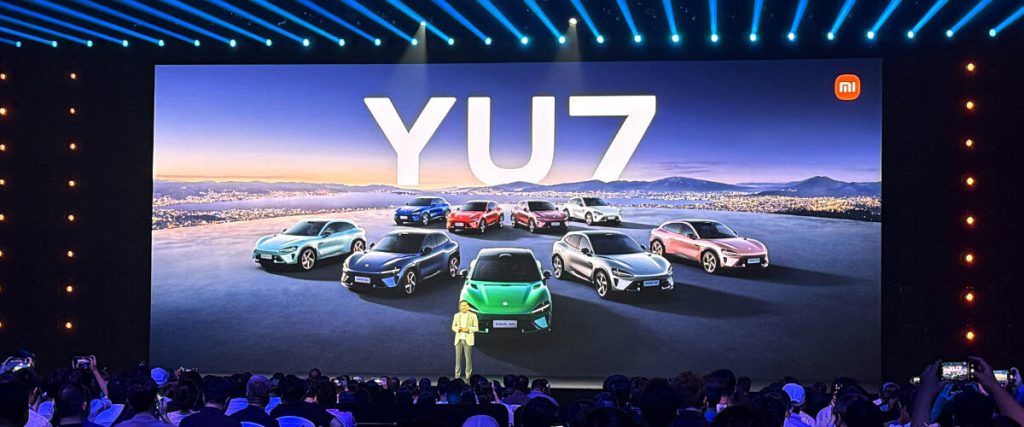
Xiaomi Corporation’s shares surged 8% to an all-time high after the company revealed overwhelming demand for its latest electric vehicle, the YU7 SUV. Within just one hour of launch, the model secured 289,000 pre-orders, far surpassing market expectations and underscoring the brand’s growing presence in China’s competitive EV market. Priced at 253,500 yuan (approximately $35,360), the YU7 is positioned as a direct rival to Tesla’s Model Y, which starts at 263,500 yuan in China. The SUV represents Xiaomi’s second vehicle release, following the debut of its SU7 sedan. The new model enters a saturated electric vehicle landscape, as scrutiny mounts over assisted driving technologies and regulatory pressures on automakers intensify. At the launch event in Beijing, Xiaomi founder Lei Jun positioned the YU7 squarely against the Model Y, continuing a strategy reminiscent of how he previously compared Mi smartphones to the iPhone. Lei acknowledged the challenges ahead, stating the company is preparing to face “the biggest competitor” and other strong contenders in the sector. With an eye on the long term, Lei has pledged 200 billion yuan in investment over five years as part of Xiaomi’s ambition to become a global leader in smart devices, spanning everything from automotive technology to AI wearables and chip development. The YU7 forms a key component of that strategy. Pre-orders began on Thursday with a refundable 5,000 yuan deposit. In a surprising move, customers awaiting delivery of the SU7 were given a three-day window to switch to the YU7. Xiaomi reported over 200,000 pre-orders for the SUV within the first three minutes following the launch announcement. Analysts at Goldman Sachs described demand as exceeding both company and market expectations, forecasting that Xiaomi will continue strengthening its position in the premium electric vehicle segment in China. The firm raised its stock price target by 6% to HK$69. According to Bloomberg Intelligence, the YU7 could be instrumental in accelerating Xiaomi’s EV sales, potentially driving a 209% increase in 2025. With sport utility vehicles enjoying greater popularity than sedans in China, the YU7 is expected to expand Xiaomi’s consumer base and take market share from rivals including Tesla and Nio. Analysts project the SUV could account for 41% of Xiaomi’s EV deliveries in the second half of the year, surpassing the company’s EV sales target by 13%. The top YU7 variant is priced at 329,900 yuan, featuring a driving range of up to 760 kilometres (470 miles) and acceleration from 0 to 100 kilometres per hour in 3.23 seconds. The model comes in nine colours and includes high-end features such as lidar-based driver assistance, an 800-volt fast-charging platform, large touchscreens, massage chairs, and built-in storage compartments. The YU7 will serve as a crucial test of market confidence in Xiaomi’s automotive ambitions following a fatal crash involving the SU7, which has drawn increased scrutiny from Chinese regulators. The launch also comes amid broader government pressure on automakers to refrain from aggressive pricing tactics and financial manoeuvres, including using near-new vehicles to artificially boost sales. Despite regulatory headwinds, Lei expressed optimism that the YU7 will support Xiaomi’s automotive division in reaching profitability in the second half of the year, potentially marking one of the fastest paths to breakeven in the industry. Investors have responded positively to this vision. Xiaomi’s market capitalisation now stands near $200 billion, surpassing BYD, China’s leading EV manufacturer. The SU7 has already outsold the Tesla Model 3 year-to-date. In addition to the YU7, Xiaomi’s event showcased a range of new products, including a pair of 1,999 yuan AI-powered smart glasses capable of filming and interpreting visual information, the MIX Flip 2 foldable smartphone, and a tablet equipped with Xiaomi’s proprietary Xring O1 chip. -Bloomberg
Investment & Market Trends, News

Shein Targets Hong Kong IPO with Confidential Filing in Strategic Shift

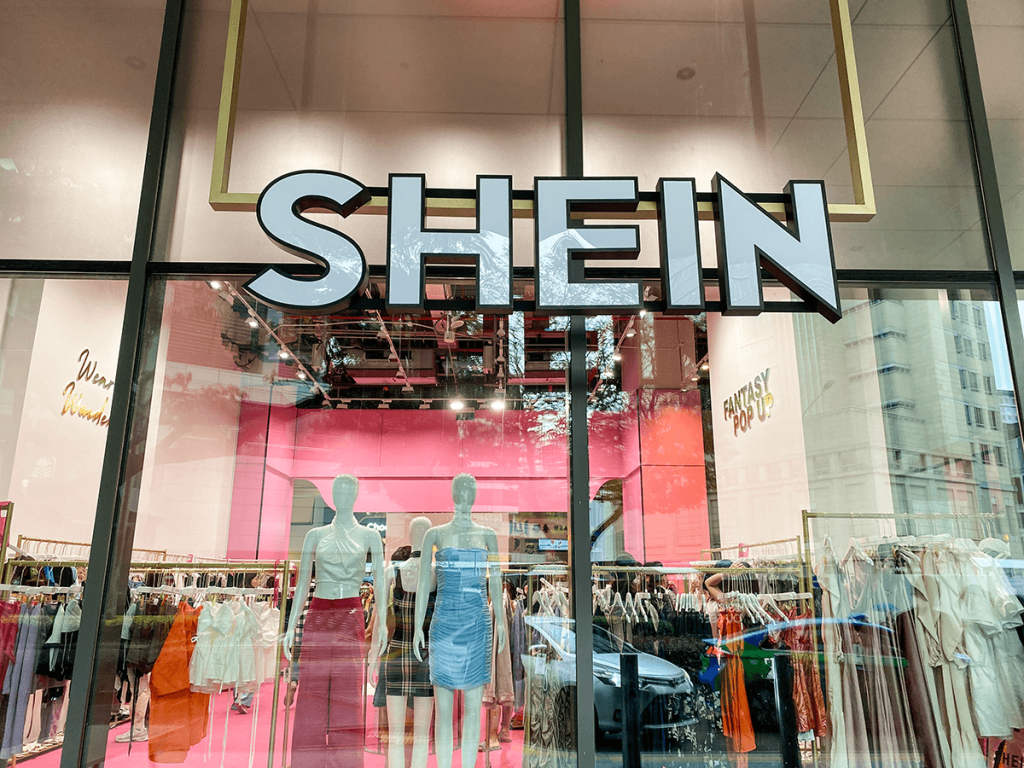
Fast-fashion giant Shein is preparing to confidentially file a draft prospectus for a planned initial public offering (IPO) in Hong Kong, according to three individuals familiar with the matter. This move marks a significant deviation from the typical practice in the territory, where major IPO applicants such as Xiaomi and Meituan have traditionally opted for public filings. Sources indicate the China-founded retailer is aiming to submit the draft as early as this week, with one suggesting a Monday deadline. If accepted, the confidential filing would require a waiver of one of the Hong Kong Stock Exchange’s principal listing regulations—an exceptional measure that underscores the unique regulatory complexities surrounding Shein’s public offering. The proposed listing in Hong Kong follows previous unsuccessful attempts to go public in the United States and the United Kingdom, where regulatory hurdles, including lack of approval from the China Securities Regulatory Commission (CSRC), impeded progress. Reuters previously reported that Shein’s London IPO bid had gained support from UK authorities, but still failed to secure the green light from Beijing. Founded in 2012 by entrepreneur Sky Xu, Shein has built a global presence, offering low-cost apparel such as US$5 dresses and US$10 jeans across approximately 150 countries. The business, headquartered in Singapore since 2022, maintains a significant reliance on its supply network in China, sourcing products from around 7,000 third-party suppliers. This operational structure has kept the firm within the ambit of Chinese offshore listing regulations, despite its overseas base. Confidential IPO filings—commonplace in the United States—allow companies to engage regulators without immediate public scrutiny of financials or risk factors. Although rare in Hong Kong, the exchange’s rules do permit such filings for secondary listings or in specific spin-off scenarios upon regulatory waiver. Should Shein proceed under this framework, details of the offering will remain undisclosed until it clears a formal hearing with the Hong Kong exchange. Final approval hinges on authorisation from the CSRC, though it remains unclear whether Shein has received an informal nod from the commission. According to sources, the confidential nature of the filing enables both Hong Kong and mainland Chinese regulators to conduct private evaluations and request clarifications before the materials are made available to institutional investors. A successful IPO in Hong Kong would mark Shein’s third and potentially final bid to enter the public markets, and could become the city’s largest float this year. It would also represent a critical boost to Hong Kong’s capital markets, which recorded US$12.8 billion in IPOs and secondary listings in the first half of the year, amid turbulence driven by geopolitical and trade tensions. Valued at US$66 billion during a 2023 pre-IPO fundraising round—down from earlier valuations—Shein’s public market debut will be closely watched. Analysts suggest the eventual valuation will reflect recent shifts in global trade policy, particularly US tariff increases on Chinese goods and the end of duty-free ecommerce imports, developments that have negatively impacted Shein’s largest market. The company has also faced reputational challenges related to its supply chain. Allegations of forced labour involving Uyghur minorities in China’s Xinjiang region have led to increased scrutiny. While Beijing denies any human rights abuses, the US has imposed a ban on products linked to forced labour in the region. Shein maintains that its global supplier code of conduct prohibits forced labour and asserts that it does not permit Chinese cotton to be used in products destined for the US market. Under current rules, Shein will be required to file with the CSRC within three business days of submitting its Hong Kong application. The regulator applies a “substance over form” principle, allowing significant discretion in determining whether companies fall under its purview—even if formally headquartered abroad. If granted regulatory clearance, Shein’s confidential listing could set a precedent for future high-profile IPOs in Hong Kong, marking a turning point for both the company and the broader fundraising environment in Asia. -Reuters

News

Tengku Zafrul Advances Regional Economic Dialogue with Singapore and Indonesia

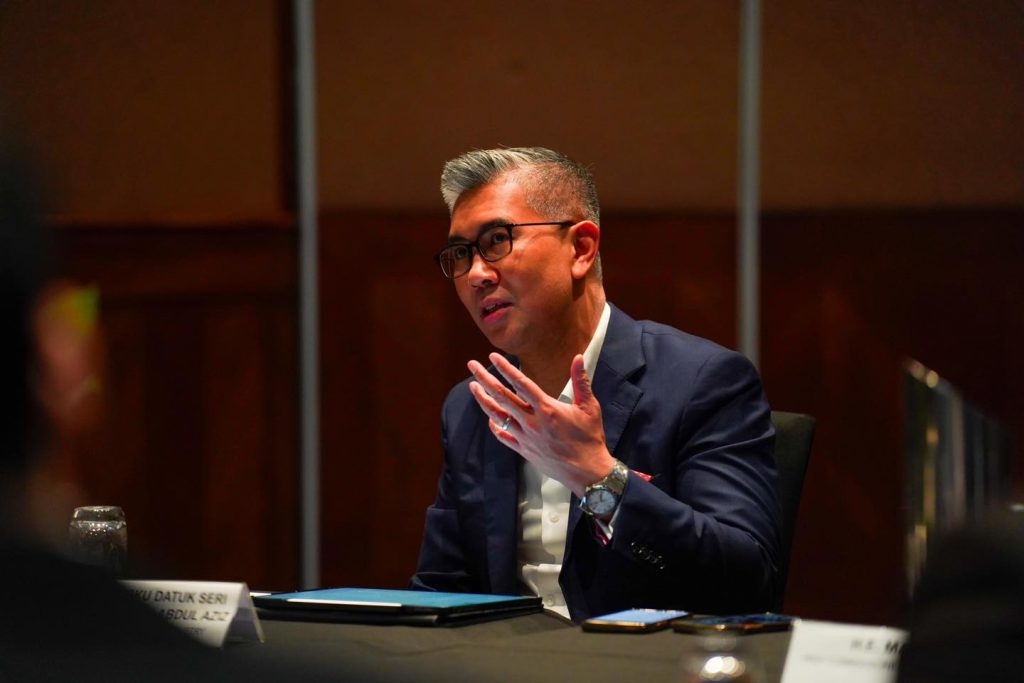
Investment, Trade and Industry Minister Tengku Datuk Seri Zafrul Abdul Aziz held high-level discussions with senior leaders from Singapore and Indonesia aimed at bolstering economic ties among the three neighbouring nations. In meetings with Singapore’s Deputy Prime Minister Gan Kim Yong and Indonesia’s Coordinating Minister for Economic Affairs Airlangga Hartarto, Tengku Zafrul emphasised the shared commitment to deepening economic cooperation in the region. “Our main focus was to improve and deepen trilateral economic cooperation for our shared benefit,” he stated via his official X platform while currently on a working visit to Indonesia. Tengku Zafrul is part of a ministerial delegation accompanying Prime Minister Datuk Seri Anwar Ibrahim on his official visit to Indonesia. The delegation also includes Foreign Minister Datuk Seri Mohamad Hasan, Higher Education Minister Senator Datuk Seri Dr Zambry Abdul Kadir, Communications Minister Datuk Ahmad Fahmi Mohamed Fadzil and Plantation and Commodities Minister Datuk Seri Johari Abdul Ghani. Tengku Zafrul noted that the discussions were held within the context of growing geopolitical uncertainty, with ASEAN’s strategic role taking centre stage in navigating an increasingly complex geoeconomic environment. Indonesia remained Malaysia’s sixth-largest global trading partner in 2024, and its second-largest within ASEAN. Bilateral trade between the two countries increased by 4.5 per cent to RM116.29 billion (US$25.5 billion), up from RM111.21 billion (US$24.39 billion) in 2023. According to a statement from the Foreign Ministry on Thursday, Prime Minister Anwar’s visit is a reciprocal gesture following Indonesian President Prabowo Subianto’s official visit to Malaysia earlier this year. The itinerary includes bilateral meetings and participation in the 46th ASEAN Summit, the Second ASEAN-GCC Summit, and the ASEAN-GCC-China Summit, held from 26 to 27 May. The visit also forms part of the preparatory framework for the upcoming 13th Annual Consultation between Malaysia and Indonesia, which is expected to take place later this year. -Bernama

News

SAMENTA Welcomes SST Revision as 75% of SMEs Exempted from Additional Tax

The Small and Medium Enterprises Association Malaysia (SAMENTA) has expressed strong support for the Ministry of Finance’s recent revision to the expanded Sales and Service Tax (SST), calling it a significant relief for small and medium-sized enterprises (SMEs). Datuk William Ng, President of SAMENTA, noted that the revised framework includes an increased annual sales threshold for the imposition of service tax on rental and financial services. This adjustment effectively exempts around 75 percent of SMEs from the additional eight percent tax under the newly expanded SST structure. “When the SST expansion was initially announced, SAMENTA was among the earliest to raise concerns, particularly regarding its potential implications for SMEs,” said Ng in a formal statement. He explained that the association had called on the government to raise the SST threshold as a means of safeguarding smaller enterprises while ensuring a broader and more equitable tax base. In a move aligned with public and industry sentiment, the Ministry announced that it would not proceed with the proposed extension of the service tax to include beauty-related services such as manicures, pedicures, facials, as well as services provided by barbers and hairdressers. All amendments to the expanded SST were made following extensive consideration of feedback from both the public and industry stakeholders. Ng conveyed appreciation to Prime Minister Datuk Seri Anwar Ibrahim for taking the concerns of the SME community into account and for directing the Ministry to revise the threshold upwards. “While we will continue to advocate for a tax policy that is balanced and conducive to SME growth, we consider this particular matter to be resolved and will not seek additional concessions with regard to the SST expansion,” he added. Ng also advised SMEs impacted by the revised SST measures to proceed with the necessary implementation steps and to approach the Royal Malaysian Customs Department for assistance where required. -Bernama

News

SK Group Eyes Exit from Malaysian Waste Firm Cenviro

SK Group is reportedly exploring the sale of its minority interest in Malaysian waste management company Cenviro Sdn Bhd, in a transaction that could value the firm at approximately US$300 million (RM1.27 billion), according to sources familiar with the matter. The South Korean conglomerate is understood to be working with a financial adviser to assess the potential divestment of its 30% stake in Cenviro. Discussions have taken place with potential buyers, including strategic players in the sector and private equity firms, sources said, requesting anonymity due to the private nature of the talks. SK Group, via its environmental unit SK ecoplant Co, acquired the stake in Cenviro in 2022 for an undisclosed amount. Cenviro’s majority shareholder is Khazanah Nasional Bhd, Malaysia’s sovereign wealth fund. While deliberations are ongoing, one of the sources indicated that SK may ultimately choose to retain its holding. Both SK ecoplant and Cenviro declined to comment on the matter when contacted. A potential exit from Cenviro would be consistent with SK Group’s broader strategic realignment away from waste management. South Korean media have reported that SK is also seeking to offload its waste-to-energy subsidiaries, Renewus and RenewOne. The group is currently undergoing a major restructuring effort following an extended period of acquisitions that has led to increased financial obligations. As part of this shift, SK is refocusing its core strategy around high-growth sectors, including artificial intelligence and semiconductor technologies. -Bloomberg

News

EcoWorld Malaysia Posts RM2.99 Billion Sales in Seven Months

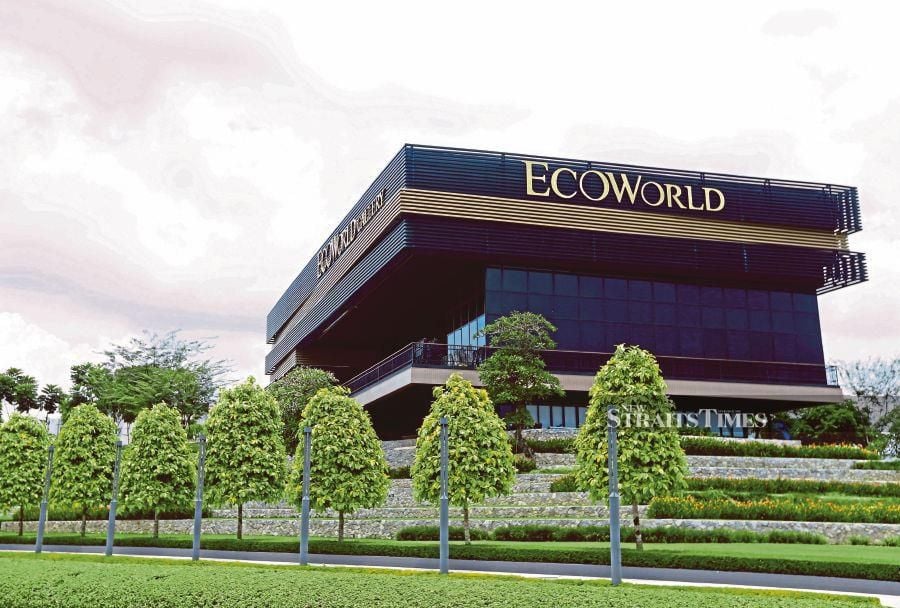
Eco World Development Group Berhad (EcoWorld Malaysia) has achieved RM2.99 billion in sales over the first seven months of its financial year ending 31 October 2025 (FY25), reaching 85% of its full-year sales target. The robust performance underscores continued market confidence in the developer’s residential and industrial offerings. In a statement, EcoWorld Malaysia highlighted that developments in Iskandar Malaysia contributed RM1.67 billion or 56% of total group sales. Projects in the Klang Valley and Penang accounted for 34% and 10% respectively. For the second quarter ended 30 April 2025 (2Q25), EcoWorld Malaysia reported a significant surge in net profit to RM129.83 million, compared to RM70.05 million in the corresponding period last year. Quarterly revenue also rose sharply to RM878.20 million from RM555.76 million previously. The group’s performance over the six-month period ended 30 April 2025 continued this strong trajectory, with net profit rising to RM210.18 million from RM139.68 million a year ago. Revenue increased to RM1.42 billion, up from RM1.09 billion in the same period last year. As at 30 April 2025, EcoWorld Malaysia’s net gearing stood at 0.55 times, supported by a strong cash position. The group reported cash balances, including deposits and short-term funds, totalling RM1.76 billion—a record high. EcoWorld Malaysia also declared a second interim dividend of two sen per share during 2Q25, bringing total dividends declared to date for FY25 to three sen per share. The group’s industrial segment continues to show exceptional momentum. Sales under the Eco Business Parks and Quantum pillars reached RM1.20 billion as at 31 May 2025, already surpassing the full-year industrial sales of RM1.11 billion recorded in FY24. The strong performance has driven future revenue to RM5.22 billion, with additional cash inflows of over RM1 billion anticipated from the balance of five large-tract industrial land sales secured in FY24 and FY25. Meanwhile, Eco World International Berhad (EWI), which focuses on property development in the United Kingdom and Australia, returned to profitability in 2Q25. EWI posted a net profit of RM2.28 million, reversing a net loss of RM14.13 million in the same quarter last year. According to its Bursa Malaysia filing, the profit was largely attributed to a higher share of profits from its joint venture with EcoWorld-Ballymore, following a favourable product mix with stronger profit margins. EWI recorded no revenue during the quarter as all residential units in its Australian projects—West Village and Yarra One—were fully sold in FY24, leaving only one commercial unit unsold. For the six months ended 30 April 2025, EWI reported a narrowed net loss of RM1.46 million, compared to RM13.95 million a year earlier. The group is currently evaluating market conditions and development feasibility for its remaining sites in the UK and Australia before proceeding with any new launches. -The Star

News

Proton and Grab Malaysia Strengthen Partnership with New Models and E-Hailing Incentives

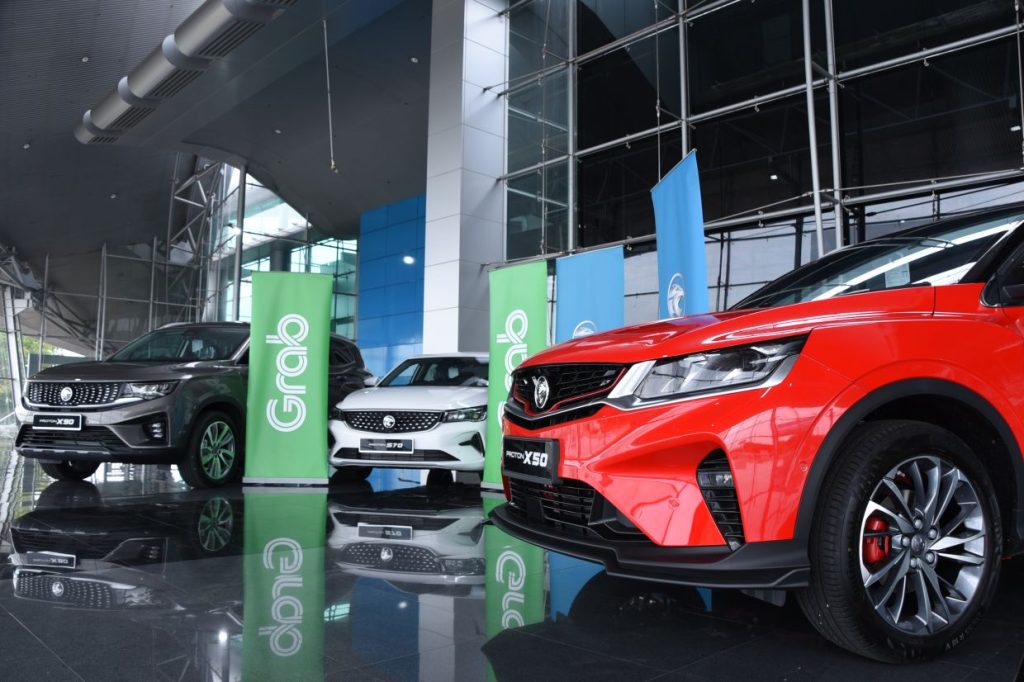
Proton Holdings Bhd and Grab Malaysia have expanded their strategic collaboration, incorporating a broader selection of Proton vehicles into Grab’s e-hailing fleet. The latest development includes the introduction of the Proton S70 and X-Series models, complemented by enhanced benefits designed to support driver-partners across the country. Building on the success of the “Saga Power Up for Grab Driver-Partners” campaign launched in November 2024, the initiative has already recorded 220 leads and resulted in 148 Proton Saga registrations. This positive uptake reinforces the appeal of Proton’s offerings within Malaysia’s growing e-hailing sector. The extended partnership further supports efforts to modernise the ride-hailing landscape by providing affordable, reliable, and better-equipped vehicles. Grab driver-partners now have access to a wider range of Proton models, including options under GrabCar Plus and GrabCar (6-Seater), allowing them to better tailor their services to varying customer demands. Under this initiative, driver-partners are entitled to a comprehensive range of incentives, including cash rebates of up to RM13,000, a five per cent discount on service costs for two years or 40,000 km, and RM500 in fuel support — all designed to reduce upfront costs and enhance long-term vehicle affordability. Proton Edar’s deputy director of sales, Ong Chee Wooi, emphasised the broader vision behind the collaboration, stating that the partnership represents a significant step forward in supporting gig economy workers. “Our strengthened partnership with Grab Malaysia marks a crucial step in empowering the e-hailing sector. Proton is thrilled to make our S70 and premium X-series models more accessible to Grab drivers. For gig workers, this comprehensive programme extends beyond exclusive benefits to assurance of driving Proton cars. Its reliability and affordable maintenance costs are important factors for those who use cars as their primary working tools,” he said. Grab Malaysia’s director of country operations and mobility, Rashid Shukor, echoed the sentiment, highlighting the collaboration’s role in enabling income generation while meeting rising consumer demand. “With the expansion of our partnership – now extending to the S70 and premium X-series models – drivers now have the chance to elevate their driving experience, upgrade their vehicles, and cater to an even broader consumer base. We look forward to continuing this journey together to build a future where opportunities are accessible to all,” he said. -The Star

News

Great Eastern’s Suspension of Pre-Authorisation at Mount Elizabeth Raises Patient Care Concerns

The president of the Singapore Medical Association (SMA) has voiced concern over Great Eastern’s recent decision to suspend the issuance of pre-authorisation certificates for policyholders seeking admission to Mount Elizabeth hospitals, warning that the move may disrupt continuity of care. Speaking to CNA in his capacity as a panel specialist with the insurer, Dr Ng Chee Kwan noted that the decision restricts patient choice and may dissuade policyholders from utilising services at Mount Elizabeth Orchard and Mount Elizabeth Novena. Great Eastern implemented the suspension on 17 June, citing the need to manage escalating healthcare costs and maintain long-term affordability for all policyholders. The insurer observed that certain private hospitals have been charging significantly higher fees for comparable treatments in recent years. Pre-authorisation is a process whereby an insurer provides approval for coverage before medical treatment is administered. This mechanism allows for direct billing between the hospital and insurer, reducing the need for patients to make substantial upfront payments for hospitalisation, surgical procedures, doctors’ fees, diagnostic tests and certain outpatient treatments. Dr Ng, who practises at Mount Elizabeth Novena, remarked that many policyholders may not be able to switch insurers easily due to the non-portable nature of Integrated Shield Plans. He added that although he is still able to admit patients to Great Eastern’s preferred hospitals, these facilities may not be suitable for major procedures due to limitations in available equipment. Dr Tan Yung Khan, a urologist with clinics in both Mount Elizabeth hospitals as well as Mount Alvernia Hospital, expressed similar concerns, highlighting the uncertainty now facing patients in relation to claims processing. This uncertainty, he said, could deter patients from seeking treatment at affected hospitals. While private doctors are typically accredited to practise across multiple facilities, Dr Tan noted that familiarity with a particular hospital’s operating environment enhances efficiency and may reduce the likelihood of errors. He stated that for complex surgeries, many doctors prefer to operate in facilities they trust and have previously worked in. Oncologist Dr Peter Ang, who practises at OncoCare Cancer Centre, described Great Eastern’s move as disheartening. He indicated that the change complicates the decision-making process for cancer patients, who now have to weigh financial considerations alongside urgent medical decisions. Although Dr Ang, who is also on Great Eastern’s panel, had not encountered any affected patients since the suspension, he explained that some patients may require hospital admission for tests or treatment, necessitating logistical adjustments across the group’s clinics, which also operate at Mount Alvernia and Gleneagles. Dr Tan said the immediate impact on his clinic has been limited due to the absence of Great Eastern patients scheduled for procedures at Mount Elizabeth. Nonetheless, he acknowledged that future patient decisions could shift toward hospitals offering more certainty around claim approvals, especially given the rising cost of private medical care. He added that while the move was unexpected, it was understandable given the upward trend in healthcare expenses. Dr Tan observed that cost control benefits all parties in the insurance ecosystem, including policyholders concerned about increasing premiums. In response to media queries, Great Eastern clarified that the suspension does not affect policyholders’ coverage or entitlements. Patients may still seek treatment at Mount Elizabeth hospitals. For scheduled procedures, the hospitals may issue an electronic Letter of Guarantee, which serves to waive or reduce the required deposit and assures partial payment from the insurer. The insurer emphasised that eligible claims will continue to be honoured following assessment and that pre-authorisation remains available for procedures at other private hospitals, including Mount Alvernia, Farrer Park, Gleneagles and Raffles. A medical care concierge service is also available to assist customers in identifying appropriate treatment options across both private and public sectors. Separately, Dr Ng commented on the removal of panel specialists, noting that Great Eastern reduced its panel more significantly than other insurers this year. According to Ministry of Health data, Great Eastern’s panel decreased by 52 specialists in 2024, representing a 15 per cent reduction. This was the largest contraction among insurers, with AIA recording a net drop of 13. Great Eastern responded that its annual panel review is aimed at ensuring quality care and alignment with Ministry of Health guidelines on reasonable fees. Despite the reduction, Great Eastern continues to maintain the third largest pool of panel specialists, with 779 practitioners. Dr Ng suggested that the insurer’s recent partnerships with selected hospitals might explain a decline in policyholder visits to his clinic. He expressed hope that discussions between Great Eastern and the affected hospitals would lead to a reinstatement of the pre-authorisation arrangement.

News

Starbucks Eyes Strategic Shake-Up in China Amid Intensifying Market Competition

Starbucks Corporation is reportedly evaluating strategic options for its China operations, including the possibility of forging local partnerships or a partial divestment, as the company seeks to revitalise growth in its second-largest global market. Speaking to Chinese media outlet Jiemian News on Tuesday, the Seattle-based coffee chain affirmed its continued commitment to the Chinese market, stating it is “evaluating the best ways to capture future growth opportunities”. Starbucks added that its priority remains focused on reinvigorating business momentum and sustaining long-term success in the region. The remarks followed reports that several major investment firms — including Hillhouse Capital, Carlyle Group and CITIC Capital — recently participated in a reverse management roadshow related to Starbucks China. While the final structure of any potential deal remains undetermined, the business unit is estimated to be valued between $5 billion and $6 billion. Starbucks’ current global market capitalisation stands at $104.93 billion. In recent years, Starbucks has witnessed a steady erosion of its market dominance in China’s on-premises coffee segment. Local coffee chains have gained considerable ground, while freshly made tea beverages have surged in popularity, particularly among younger consumers. According to data from Euromonitor International, Starbucks’ share of the specialist coffee and tea shop market in China has declined sharply, from a peak of 41 percent in 2017 to just 14 percent in 2024. Notably, the overall market expanded from $8.33 billion in 2019 to $21.8 billion in 2024. Starbucks’ fiscal second-quarter results showed flat comparable store sales in China. A 4 percent increase in transaction volume was offset by a corresponding 4 percent drop in average ticket size. Nevertheless, the company remains optimistic about its long-term outlook in China. In April, Starbucks Chairman and CEO Brian Niccol pointed to early signs of recovery driven by new product strategies, including the introduction of sugar-free offerings and more competitive price points. He also confirmed that Starbucks was open to exploring strategic partnerships to support its future in the market. In a bid to strengthen its position, Starbucks earlier this month cut prices on a range of non-coffee beverages. Items such as Frappuccinos, iced shaken teas and tea lattes saw average reductions of 5 yuan (£0.55), with some drinks now priced as low as 23 yuan (£2.55), and further discounts available during promotional campaigns. The pricing strategy forms part of Starbucks’ “all-day beverage” initiative, which aims to align coffee consumption with morning routines and tea-based drinks with afternoon preferences. The company currently operates more than 7,700 stores across China but is facing intensifying competition from fast-growing domestic players. Luckin Coffee now leads the field with over 24,000 outlets, while newer entrant Cotti Coffee has expanded rapidly to approximately 14,000 stores. Additionally, the rise of freshly made tea brands continues to fragment the beverage landscape, adding further pressure on Starbucks’ traditional dominance. Industry comparisons have been drawn to McDonald’s China, which has thrived under localised ownership following CITIC Group and CITIC Capital’s acquisition of a controlling stake in 2017. McDonald’s China has since more than doubled its footprint to over 6,820 locations as of 2024 and plans to open nearly 1,000 of its 2,200 new stores globally in China next year. Independent food and beverage analyst Zhu Danpeng commented that CITIC could serve as an ideal strategic partner for Starbucks. “If we consider overall business synergy and success rate of operations, selling to CITIC would be the best choice,” Zhu stated. “With McDonald’s China already under its umbrella, CITIC has more resources, deeper experience and a stronger grasp of the Chinese consumer market. A Starbucks-CITIC tie-up would unlock clear strategic advantages.” -China Daily

Energy & Technology, News

Seoul Accelerates AI Strategy with Appointment of Industry Leader to Cabinet Post

In a decisive move underscoring South Korea’s commitment to artificial intelligence, President Lee Jae-myung on Monday nominated Dr Bae Kyung-hoon, a leading AI authority and head of LG AI Research, as Minister of Science and ICT. The appointment is widely seen as a strategic pivot to fast-track the country’s ambition to become one of the world’s foremost AI powers. The nomination of Dr Bae follows closely on the 15 June appointment of Ha Jung-woo, head of Naver’s AI Innovation Centre, to the newly established position of Senior Secretary for AI and Future Planning. This senior Blue House role is designed to steer AI-related investment and national policy coordination. Presidential Chief of Staff Kang Hoon-sik confirmed the decision reflects a high-level commitment to bolstering South Korea’s global AI competitiveness. “We expect Bae to strengthen AI competitiveness alongside Ha Jung-woo,” he stated. President Lee has pledged a monumental investment of over ₩100 trillion (approximately USD 73.5 billion) through public-private partnerships aimed at accelerating the country’s AI ecosystem. The enlistment of top executives from major conglomerates such as LG and Naver signals a profound integration of private-sector expertise into national policy. Dr Hwang Yong-sik, professor at Sejong University College of Business and Economics, affirmed the strategic significance of these appointments. “There is growing recognition that relying solely on the public sector for AI development has its limitations,” he said. “While the government can provide direction, true progress depends on the deep involvement of the private sector.” Dr Bae brings an extensive background that bridges startups, academia, and corporate R&D. His early career included a role at Samsung Thales, a now-defunct joint venture between Samsung Techwin and French defence company Thales. He later joined SK Telecom’s Future Technology R&D Centre before moving to LG in 2016. At LG, Dr Bae held senior positions across its key technology subsidiaries and, in 2020, became the founding president of LG AI Research. Under his leadership, the organisation launched South Korea’s first hyperscale language model, Exaone, in 2021. It was commercialised in 2023, and an open-source third iteration was released last year. Most recently, in March 2025, his team debuted Exaone Deep, the country’s first interference AI model. Beyond the corporate sphere, Dr Bae has contributed to national policy as a government adviser on AI governance and data privacy. His rare combination of technical depth and leadership experience positions him uniquely in the fast-evolving field. “Only a handful of professionals in South Korea can handle a frontier model from end to end, and Bae is one of them,” noted Dr Choi Byung-ho, professor at Korea University’s Human-inspired AI Research Lab. “We are in a race against time. The pace of AI development demands rapid, expert decision-making. This is not a role for a generalist or a bureaucrat.” Pending confirmation by Parliament, Dr Bae will assume oversight of the Ministry of Science and ICT, with responsibility for the nation’s scientific and digital infrastructure policy at a time when global competition in AI intensifies. -The Korea Herald

Scroll to Top

Subscribe
FREE Newsletter