The Executives

The Executives

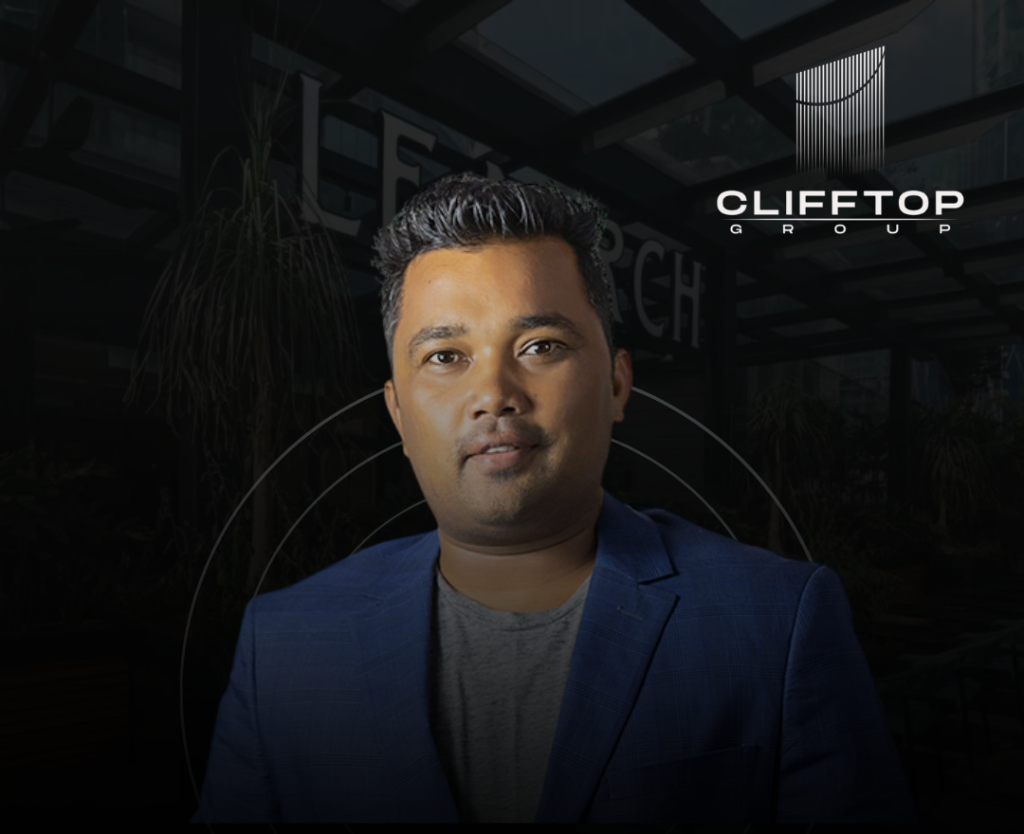
Shyam Thakur Goes Back to Basics

Known as the driving force behind The Momo King, Shyam Thakur began his journey in Kuala Lumpur intending to transform a humble Himalayan Street food into a gourmet sensation. What started with one Momo shop has now expanded into a thriving F&B empire, stretching across Southeast Asia. In an exclusive with The Exchange Asia, Shyam reminisced on his unexpected rise in the industry and his hands-on approach that’s made all the difference.   You Never Know What the Future Holds For Shyam, it all began with a casual night out with friends. It all started with a casual night out with friends, when a chance opportunity to invest in a bar and restaurant presented itself. Without hesitation, Shyam seized the moment, unaware that this would ignite a passion and lead to the creation of an empire. His first venture quickly gained traction, and before long, Shyam had expanded his portfolio to nearly 12 bars and restaurants across Southeast Asia. Each of these establishments, from The China Bar to Anakron, reflects Shyam’s deep passion for food, and drink, and a personal touch that sets him apart.   The Key to Success: Loyalty and Authenticity Shyam believes his success comes down to the people who’ve been with him since day one. From friends who joined him at the start to waiters he treats like family, he prides himself on loyalty. “Loyalty is everything to me. Many of my key staff have been with me from the beginning, and I consider them family,” Shyam shared. “The trust we’ve built over the years is the foundation of everything we do.” Moreover, every one of his restaurants ensures authenticity by hiring chefs from the food’s origin—whether it’s a Himalayan momo or an Indian biryani. For Shyam, maintaining this level of detail and hands-on involvement keeps his empire thriving. “It’s that personal touch that I think makes the difference,” said Shyam. A Vision for the Future: Staying True to His Roots As his F&B ventures continue to grow, Shyam remains committed to staying true to his roots. He’s not just running a business; he’s creating experiences that connect with people on a personal level. For him, success isn’t just about expansion—it’s about keeping that human touch alive in everything he does.

The Executives

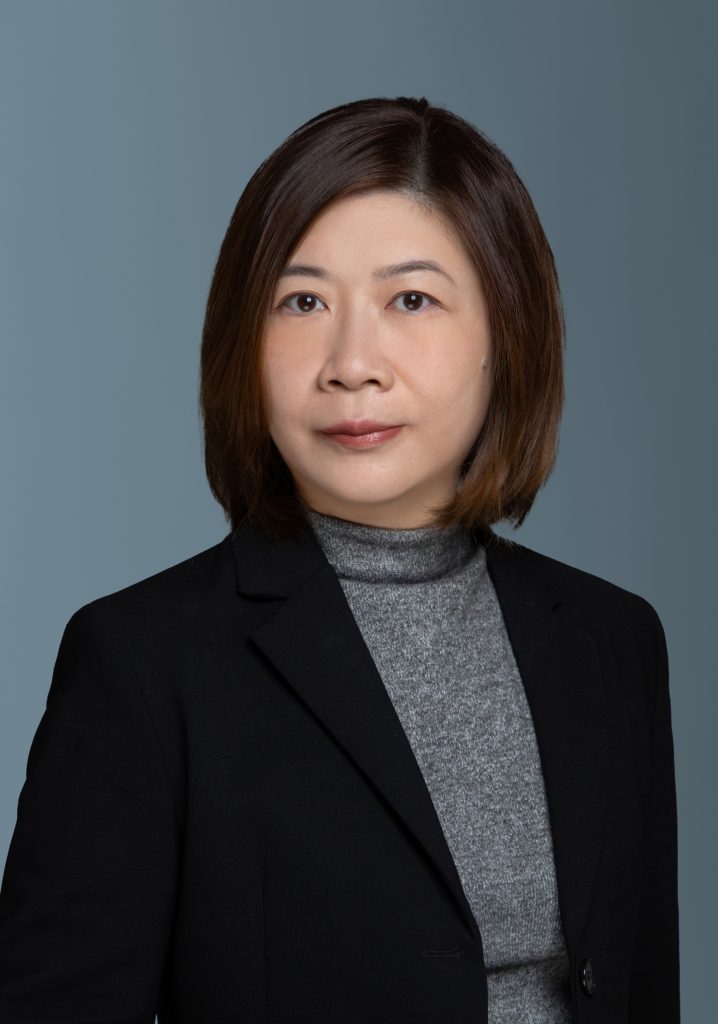
CBRE Insights: Navigating the Future of the APAC Office Market

In an exclusive interview with The Exchange Asia, Ada Choi, Head of Research for Asia Pacific at CBRE, delves into the key trends influencing the region’s office market. From a rising “flight to quality” among occupiers to the growing demand for sustainable, green-certified buildings, Choi provides a comprehensive overview of how office spaces are evolving across the Asia Pacific. As the region navigates a landscape shaped by workplace transformation, ESG priorities, and technological advancements, landlords and occupiers alike are adapting to new expectations to remain competitive in core locations. Flight to Quality: A Key Trend In recent years, the Asia Pacific (APAC) office market has witnessed a strong “flight to quality” trend, according to Ada Choi. Occupiers are increasingly gravitating toward core office locations, regardless of the size of their offices after relocation. This preference is particularly strong in Japan, Singapore, and Australia, where businesses are demonstrating the highest demand for premium office spaces. “The flight to quality trend is becoming prevalent across the entire Asia Pacific region, with occupiers seeking higher-quality office spaces in core locations,” Choi explained. Landlords Adapting to Workplace Transformation As workplace dynamics continue to evolve, landlords are responding by enhancing their assets to meet the changing needs of occupiers. These upgrades often include flexible seating, expanded collaboration areas, wellness amenities, and advanced indoor ventilation systems. Additionally, landlords are focusing on environmental, social, and governance (ESG) certifications and implementing technological improvements such as smart lifts and touchless technology. “Landlords are upgrading their offerings to align with the ongoing workplace transformation. These enhancements are critical in attracting occupiers who prioritize flexibility, collaboration, and wellness,” Choi highlighted. The Impact of Sustainability and Green Buildings Sustainability is increasingly influencing office occupier decisions, particularly in regions where green building adoption is gaining momentum. In markets like Australia and Singapore, a “flight to green” is driving the demand for prime office spaces. This trend is also noticeable in Greater China and India, where approximately 60% of new Grade A office leases signed in 2023 involved green buildings. “Green buildings now account for a significant share of new leases, with occupiers often willing to pay a premium for advanced green ratings as part of their global sustainability mandates,” Choi noted. Strategies for Maintaining Prime Office Status To maintain high occupancy rates and resilient rental performance, landlords need to adopt a holistic approach to designing future-proof buildings. Choi emphasized the importance of considering new development projects carefully, particularly in light of the growing polarisation between prime and non-prime office buildings. “Landlords must upgrade their premises with higher green or technology ratings to stay competitive in the market,” she advised. Competing for Occupiers Outside Core Locations For landlords with older properties in less desirable areas, Choi recommended considering alternative uses, such as converting office spaces into residential, senior, or student housing. Additionally, prioritising occupancy over rental rates by offering attractive terms can help secure tenants, particularly in markets with an oversupply of office space. Occupiers’ Lease Decisions: Cost vs. Quality According to Choi, occupiers are increasingly conducting “stay vs. go” studies to evaluate their options for renewing leases or relocating. In many cases, the decision is driven by cost, asset quality, and location. This is particularly true in mainland China, where occupiers are predominantly cost-conscious. “Occupiers who choose to relocate are prioritizing space quality over size, seeking core office locations and higher-quality spaces while looking for cost-saving opportunities,” Choi added. Supply and Demand Outlook for the APAC Office Market Choi noted that supply pressure is expected to persist in the short term due to ongoing oversupply issues and project delays. However, high construction and financing costs may help ease supply risks in the coming years. While Japan and India are showing strong leasing demand, the sluggish recovery in mainland China remains a challenge for the overall market. Challenges and Opportunities for Developers and Investors As the APAC office market experiences a repricing cycle, core office assets have seen more significant yield softening compared to other sectors, particularly in markets like Australia, Korea, and New Zealand. Despite cautious optimism in markets such as India, prime office assets in core locations are outperforming due to cost-driven occupier decisions. “Leasing demand is concentrated on top-quality assets in core locations that offer direct access to amenities and public transportation, with buildings boasting ESG credentials highly prized by investors,” Choi explained. The Role of Technology in Shaping the Future of Office Spaces While technology adoption in corporate real estate (CRE) is still in its early stages in APAC, Choi expects advancements to grow in the coming years, particularly in developed markets with multinational companies. Enhanced digital connectivity, energy-saving solutions, and smart office features are expected to become more prevalent, enabling landlords to negotiate higher rents and retain high-quality tenants. “Larger occupiers have an edge in adopting advanced technology functions, and they are willing to invest in workplace transformation,” Choi said. CBRE’s Recommendations for Navigating the Future Looking ahead, Choi advises occupiers to evaluate location, building quality, ESG credentials, and amenities when choosing office spaces. Landlords, particularly those with older portfolios, should consider prioritizing occupancy over rent by offering competitive terms, while also investing in high-quality, ESG-focused developments to meet the evolving demands of tenants. “As the market evolves, proactive pre-leasing strategies and ESG investments will be key for both occupiers and landlords looking to stay competitive in the Asia Pacific office market,” Choi concluded.

Investment & Market Trends, The Executives

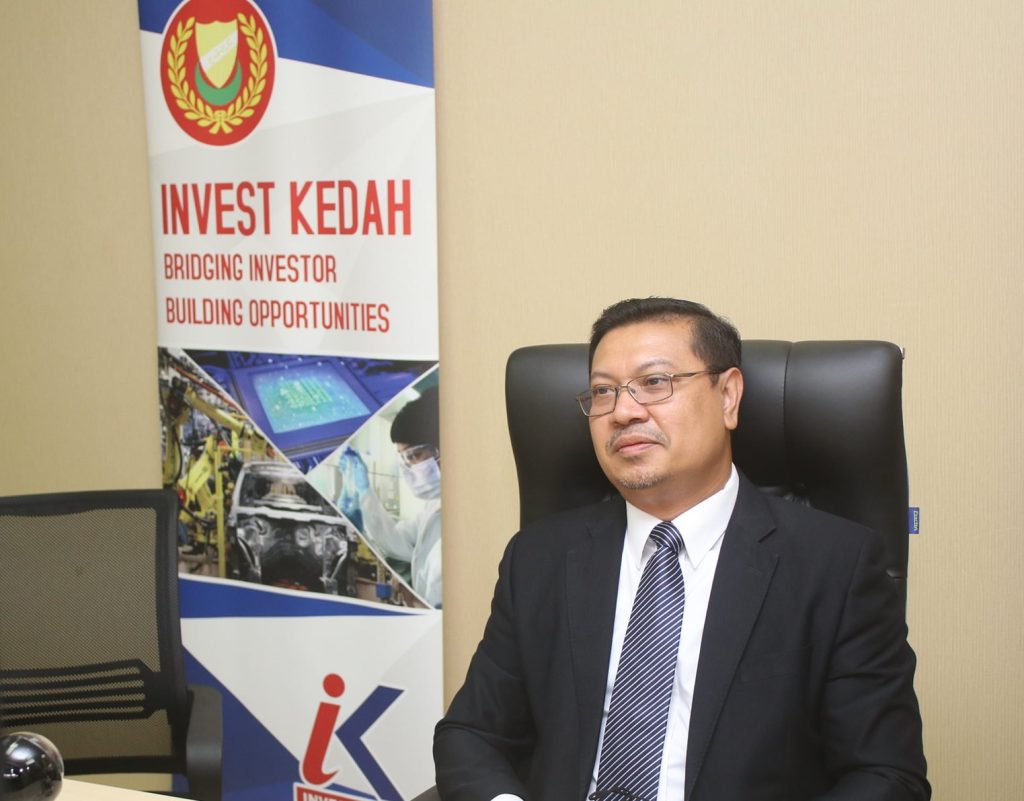
Invest Kedah to Propel State in Further Contributing to Country’s GDP

By Tara Yean Malaysia has been demonstrating commendable economic resilience in 2024, with the state of Kedah securing the top spot in approved investments among the other states within the country for the first quarter of 2024 (1Q 2024), with a total of RM31.3 billion of investments as of June. According to Menteri Besar Datuk Seri Muhammad Sanusi Md Nor, the figure was part of the total RM83.7 billion approved investments in Malaysia for the quarter. The approved investments in Kedah, he said, involved 51 projects and were expected to create 2,262 jobs. Meanwhile, in an exclusive interview with The Exchange Asia, Invest Kedah Chief Operating Officer Noor Ikhsan Abdul Aziz revealed that China-based solar panel supplier and energy storage solutions provider, Risen Energy invested a total of RM42.2 billion in Kedah last year, which became the major contributor for the state to achieve its highest-recorded investment. “Every year, the state’s investment target is to maintain at least a total of RM10 billion annually for both foreign direct investment (FDI) and domestic investments across all sectors. “However, in 2024, Invest Kedah is pushing hard to meet our level best to record a total of RM30 billion worth of investments in the state alone,” Noor Ikhsan said. He added that the state is focusing on a few sectors when it comes to investments, namely renewable energy (RE), semiconductor, automotive, data centres and Halal Park, as well as potentially exploring investments from foreign corporations to establish collaborations with local universities or learning institutions. “Corporations are also welcome to set up their own research and development (R&D) centre, training facilities or course faculties in the universities as it will contribute to the state’s talent force development and ultimately benefit the technology-sharing concept with the corporations,” Noor Ikhsan explained. With the state emphasising more investment opportunities, Noor Ikhsan said that the state is divided into 3 major parts where such investments could occur – namely the Northern, Central and Southern parts. Investing in Energy and Talent However, for energy-related projects and investments, Invest Kedah encourages several locations such as the Kedah Science Technology Park (KSTP), Gurun, Bukit Selambau and Delapan SBEZ in Bukit Kayu Hitam. The KSTP is also located in Bukit Kayu Hitam and it has 1,900 acres of land located around 4km to the Malaysia-Thailand border. “We are also planning to attract and bring in investors to collaborate with the state’s government to develop an Industrial Power Plant to cater to the electrical needs of these industries,” he added. When asked about other potential investment industries that Kedah would explore, Noor Ikhsan mentioned sectors such as construction, logistics, agriculture, aerospace and telecommunication, among others. However, Noor Ikhsan noted that potential investors tend to look into the supply of local talent pool to support their operations. Hence, Invest Kedah believes it is part of the state’s responsibilities to establish initiatives and develop the talent to cater for industrial needs. “It is commendable that the state government is focusing on creating a sustainable talent pool through initiatives such as the Vendor Development Programme – designed and developed to encourage ‘anchor tenants’ from their origin country and establish operation facilities – to increase the investment potential value of Kedah. “Additionally, Invest Kedah also established a department of ‘Talent and Social’ that is dedicated in making the effort of facilitating the needs for talent in Kedah,” he said. Placing Kedah as Top State for Investment Earlier in February, a local news article reported that Sanusi said that ‘Kedah would be the top state in terms of investment, if not for Kuala Lumpur and Selangor’, and that he doesn’t want Kedah to be known as a ‘feeder’ state for other more successful states, which is expected to be achieved through the Greater Kedah plan. In regard to this statement, Noor Ikhsan said that every state in Malaysia aspires to be the top state in investment. “Kedah has a very big potential to stand out as its own, among other added value to the state are having its own main trade gateways such as international cargo airport, the Kedah Aerotropolis (KXP) and seaport to function as support for the growing industry. The development of KXP is strategically located at the centre of ASEAN with a vision to become the Asia Pacific Aviation Hub equipped with regional integrated logistics and transhipment cargo hub; regional maintenance, repair and overhaul (MRO) and aerospace manufacturing; hajj and umrah hub for the northern region of Malaysia; as well as the Regional Centre of Excellence for Aviation and Aerospace Learning and Education, among others. Noor Ikhsan said that another high-impact project that Invest Kedah believes to increase investment attractiveness is through the data centre industry, which will contribute to providing the computing infrastructure that information technology (IT) corporations require, such as servers, data storage drives and network equipment. Currently, the Bukit Kayu Hitam is also being developed for data centre investments, which have been granted Free Industrial Zone and Free Commercial Zone status by the Ministry of Finance (MOF) with the early phase of setting up internet exchange facilities. Securing Kedah’s Future Noor Ikhsan further explained that the state is poised for long-term success, as outlined in the Kedah Development Plan 2035. “The Kedah Development Plan 2035 is a state vision that involves comprehensive socio-economic development to ensure that Kedah will become a viable and competitive state nationally and globally,” he pointed out. With Invest Kedah being the state’s principal investment promotion agency, it is up to the agency to implement the initiatives according to the policies outlined by the state. Among its functions and relations with the private industry, Invest Kedah is able to play its role in assisting the development of higher education, employability of locals and income generation to the state. Additionally, Noor Ikhsan noted that the Kulim Hi-Tech Park (KHTP) is maintained as the state’s investment magnet since its establishment in 1996. With ready infrastructure (NurPower – dedicated power supply in KHTP), quick intermodal logistics connectivity (BKE connecting North

The Executives

InDrive is Here to Stay With Plans for Further Expansion in Malaysia

By Tara Yean As cost-of-living prices continue to increase, consumers tend to be more frugal when it comes to spending for other matters. One such matter is ride-hailing services. A single smartphone user might have multiple ride-hailing apps installed just so they can compare prices of the rides between the different services available. Meanwhile, InDrive is a mobility platform that can provide comparative prices for the convenience of the users. From its humble beginnings in a small town called Yakutsk in Siberia, Russia, the company is now based in Mountain View, California with over 3,000 employees. With the company having reached a value of US$1 billion, InDrive has also achieved the ‘unicorn’ status, with a presence in over 46 countries.     “We are one of the fastest growing online ride-hailing services as we are currently the second most downloaded app globally, in terms of ride-hailing. This shows that we are determined to be in the market and we are committed to get better in what we do,” said InDrive Malaysia Business Development Lead, Govin Kumar. According to Govin, the brand strives to emphasise its core messaging, which is ‘fairer fares’, to not only provide convenience to the passengers, but also benefit the InDrive drivers at the same time. “We refer to the concept of ‘fairer fares’ because it will be an amount that is agreed upon between both the passenger and driver. If one party does not agree on the price, then there will be no ride. “This will allow either parties to be in full control of whether the ride happens or not, which starts when the passenger bids for a price and it will be up for the drivers to accept the ride for that price or if they would prefer another figure to which they will be able to counter-bid,” Govin explained in an exclusive interview with The Exchange Asia. Apart from that, he also highlighted how InDrive is a service that upholds transparency for both sides. In this sense, Govin described how the driver can see how much the passenger is bidding for and the passenger can also see what the driver is counter bidding for or whether they are willing to accept the initial bid. “This way, there will be no hidden fees. Both parties will be clear on what they will pay or what they will receive at the end of the ride,” he said. Unlike most other ride-hailing services, InDrive prides itself in its ability to provide its drivers with 100% of the fares that is paid for the ride. Govin explained, “A lot of drivers prefer direct payments. Having that in mind, our system will enable the passengers to pay directly to the driver without any involvement from a third party.”   He further clarified that while the passengers have the freedom to set their own fares, the system will also display the recommended price of the ride based on the distance, typical fares, the number of drivers around the area and so on. This will allow the passengers to have a better guideline when considering their bid for the fare. On the driver’s side, they can also make their counteroffer known among the other drivers in the area to lock in the offer. In turn, the passengers will then be able to see how many drivers are interested in the bid, which will provide the passengers with full flexibility to choose which driver and counter-bid they would agree with. However, the system will set a limit and recommended fare on how low or high the prices can be offered for both the passengers and the drivers. “If the passengers bid too low, the price might not be attractive to the drivers so they might not take up the ride, which would affect the response time for the passengers to book a ride,” he added. Growth in Malaysia According to InDrive Business Development Manager for Southeast Asia and Overseas, Afanasiy Petrov, since its introduction in Malaysia, InDrive’s customer base has experienced steady growth year-on-year, which is a testament to the acceptance level of Malaysians in accepting the company’s business model. “Admittedly, our presence in Malaysia tends to spark some healthy competition with other ride-hailing companies, but ultimately, the main benefit will fall down to the customers as they would have more options to choose from. “Customers will also be presented with better deals that would suit their affordability. That is how we contribute to the community here,” Petrov noted. Aside from attractive prices, Petrov noted that InDrive also takes safety very seriously. For this, the app has an emergency button feature where the passengers and the drivers would be able to call for emergency services immediately, straight from the app itself. As an added safety feature for the passengers, the app also has a Ride Share feature that will enable the passengers to share their ride details with their friends and family for an extra layer of security, with 24-7 support services available. Meanwhile, Petroc also mentioned that the company is currently looking to enhance a number of its current features with plans to introduce more new capabilities in the near future. “We’re exploring introducing new tech in our system, with the current focus being on improving the ease of registration for passengers. “We are also looking to explore possibilities in the electric vehicle (EV) segment, but everything is still within the discussion stage at the moment. However, we already have partnerships with a number of EV producers in Indonesia and Thailand…Of course, we are considering options in Malaysia as well,” Petrov said, adding that InDrive is open to collaborating with any local EV manufacturers to ensure further growth of the company. Here to Stay When asked about the possibility of InDrive subsidising the installation of dashcams in the cars of the drivers, InDrive Head of Global Support for APAC and Developed Countries, Nava replied, “While it is not a requirement at the moment, we are actively looking for partners

The Executives

Transforming Property Interiors: The Makeover Guys’ Journey to Success

In the competitive world of property investment, finding the right balance between aesthetics, functionality, and affordability can be a daunting challenge. Yet, this is precisely the gap that The Makeover Guys have successfully filled. Founded by Gavin Liew and Vince Koh, this innovative company has redefined what it means to furnish properties, offering smart solutions that cater to both property investors and homeowners alike. The Birth of The Makeover Guys The story of The Makeover Guys began with the personal experiences of its founders. As busy professionals and property investors, Gavin and Vince often found themselves thrilled to receive the keys to a new property, only to face the frustration of managing and furnishing it with little guidance. At that time, the market was dominated by rental properties furnished with outdated and unappealing furniture, leading to low tenant satisfaction and suboptimal rental yields. “Gavin and I realised that there was a real need for stylish, hassle-free furnishing solutions that could enhance the appeal and value of rental properties,” Vince recalls. “We believed that by offering well-designed interiors, we could not only attract better tenants but also increase rental returns.” This realisation led to the birth of The Makeover Guys, a company dedicated to providing property investors with a seamless solution that balances aesthetics, value, and functionality. Over time, their approach also attracted homeowners looking to create their dream spaces, expanding the company’s reach and transforming it into a leading player in the interior design industry. The Concept of “Smart Interiors” What sets The Makeover Guys apart from traditional furnishing services is their concept of “smart interiors.” This approach focuses on creating tailored solutions that meet the specific needs of different clients, whether they are property investors seeking quick turnover and high rental returns or homeowners desiring personalised and stylish living spaces. “Our smart interiors are all about efficiency without compromising on quality,” says Gavin. “For property investors, it means delivering a tenant-ready unit quickly, while for homeowners, it involves creating spaces that align with their lifestyle and preferences. We design our processes and products to cater specifically to these distinct needs, which is what makes our services unique.” Impactful Projects and Success Stories One of the most compelling examples of The Makeover Guys’ impact is their collaboration with Sime Darby for the Maya Ara development. In this project, the company offered fully-furnished packages as an option for homebuyers, resulting in an overwhelming 70% of buyers opting for these packages. Within just one day, Sime Darby achieved a 90% uptake. “This project highlights our deep understanding of consumer needs and the effectiveness of our smart interior solutions,” Vince explains. “By providing stylish, functional, and ready-to-live-in interiors, we not only increased the property’s appeal but also significantly enhanced its value and desirability.” Another success story involves a client at Sentral Suites who initially opted for a cheaper vendor but later turned to The Makeover Guys after months of frustration and financial loss. The Makeover Guys transformed his unit into a fully furnished home within 30 working days, leading to an impressive RM80,000 in annual rental returns from an RM45,000 makeover investment. “Sometimes, the ROI isn’t just about the rental income,” says Gavin. “It’s also about avoiding the mistakes, delays, and scams that are unfortunately common in our industry.” Guiding Principles and Sustainability At the core of The Makeover Guys’ approach to interior design are three guiding principles: quality, style, and affordability. Balancing these factors allows the company to cater to both the emotional and practical needs of its clients, setting them apart in a competitive market. “Our Center of Excellence is key to maintaining this balance,” Vince notes. “We streamline our internal processes, supply chain, and design directions to ensure we deliver high standards of quality and style while keeping costs manageable for our clients.” Sustainability also plays a critical role in The Makeover Guys’ choice of materials and designs. The company aims to minimise construction waste by utilising existing fittings and carefully selecting sustainable materials. They are also pioneering the use of in-house designed furniture made entirely from plastic waste, with plans to expand these sustainable practices further. Overcoming Challenges and Looking Ahead Scaling a business in the renovation landscape comes with its own set of challenges. For The Makeover Guys, the primary hurdles have been the manual and time-consuming nature of the entire process—from initial inquiry to execution and after-sales service. However, the company has successfully navigated these challenges by integrating technology throughout the customer journey, automating repetitive tasks, and improving project management capabilities. “We’ve dedicated significant effort to streamlining and simplifying our processes to enhance customer satisfaction,” Gavin explains. “But we also ensure that we maintain a human touch in our service delivery. Personalised customer care and effective communication are at the heart of everything we do.” Looking ahead, The Makeover Guys has ambitious goals for the next five years. Their vision is to expand their services beyond existing locations in Klang Valley, Johor Bahru, Kuching, and Kota Kinabalu, making quality home makeovers more accessible and sustainable. “We’re always going to pursue better ways to make a dream home more affordable, enjoyable, and aligned with lifestyle and sustainability needs,” Vince says. “Our ultimate goal is to enable more people to enjoy better homes, no matter where they are.”

The Executives

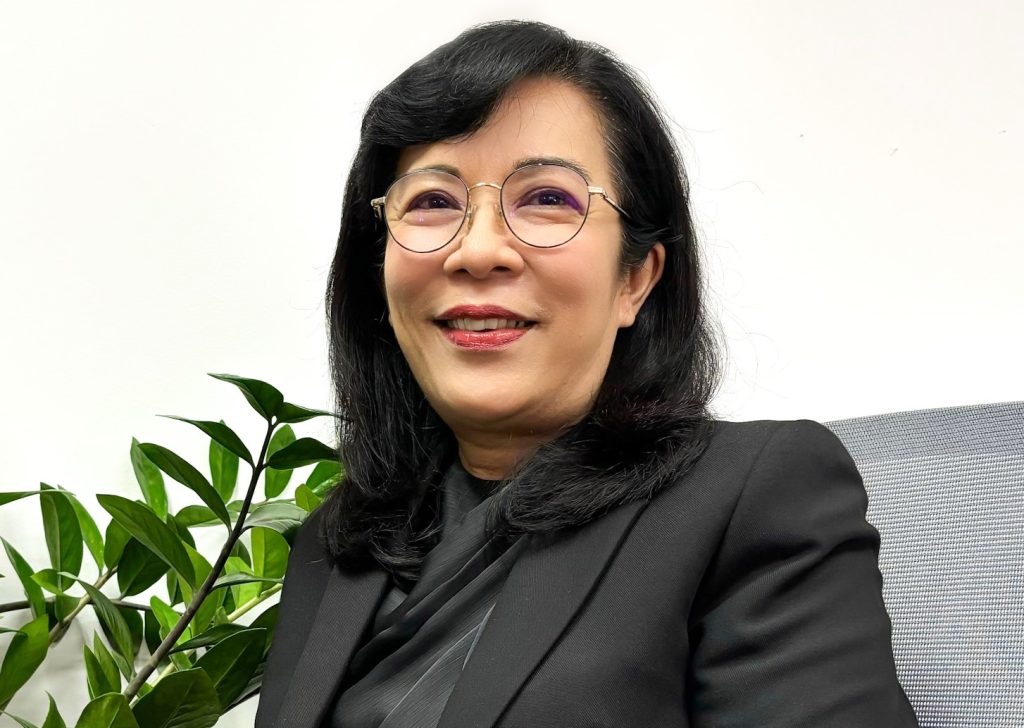
Staying Adaptable is Key to Retaining Talent in the Hospitality Industry

After years of uncertainty due to the pandemic, the ease of restrictions by the year 2023 was a relief for the tourism and hospitality industry, which is now experiencing rapid growth, with increasing demands for technological proficiency, adaptability, evolving guest expectations and a preference for sustainability. However, the struggles that many players in the industry – hoteliers, travel agents, hospitality employees, airline travel, etc – had to endure to survive (and some were not so lucky, should not be forgotten. But what’s next for the hospitality industry as the world continues to adapt in hopes of reaching pre-pandemic levels of economic performance? In an interview with The Exchange Asia, Marriott International Country Director of Human Resources, Sabrina Abdullah said that the brand is adapting to the changes by investing in technology and training programmes to prepare its associates to deliver continuous exceptional service. One such service includes Marriott International’s highly-awarded travel programme, Marriott Bonvoy which gives its members access to transformative, eye-opening experiences around the corner and across the globe. Marriott Bonvoy’s portfolio of more than 30 extraordinary hotel brands offers renowned hospitality in the most memorable destinations in the world. Members can also earn points for stays at hotels and resorts, including all-inclusive resorts and premium home rentals, as well as everyday purchases with co-branded credit cards. According to Sabrina, Marriott Bonvoy took the pandemic as a lesson, by implementing several changes to meet the evolving expectations of its employees, including enhanced health and safety protocols, flexible work arrangements and greater emphasis on mental health and well-being. “We are committed to creating a diverse and inclusive work environment that attracts a wide range of talent, adapting to the evolving preferences of today’s workforce,” Sabrina noted. Additionally, Sabrina highlighted that Marriott Bonvoy offers a variety of initiatives and programmes to support career growth and development, mainly by establishing partnerships with local institutions like UOA Academy, UiTM, Taylor’s University and social initiatives like MyFutureJobs. “These partnerships are able to provide students with internships, apprenticeships and hands-on training. There is also a career development framework, ‘Become,’ which offers personalised career roadmaps for all associates, while our ‘TakeCare Culture’ focuses on the physical and mental well-being of our associates, providing them with the support they need to thrive both professionally and personally,” Sabrina explained. Finding the Right Talent With the rise of gig economy preferences, especially among younger generations, Sabrina pointed out that Marriott Bonvoy is even offering flexible work arrangements, allowing those involved to better focus on their unique career paths. “Through campaigns like ‘Be Bus’, we can highlight the many roles available, which include engineering, finance, marketing and other similar hospitality-related positions. We also emphasise career growth, competitive compensation and a supportive work environment to retain our associates long-term,” she added. In the interview, it was explained that the Be Bus campaign is a comprehensive recruitment initiative designed to address the growing need for skilled hospitality professionals in Malaysia and the initiative involved engaging with the local talent pool within numerous diverse communities. “We aim to invite these talents to join our team of 7,000 associates across 50 Marriott hotels and resorts in Malaysia. We also have access to a vast database of potential talent through partnerships with organisations like PERKESO, which significantly boosted our recruitment efforts. “This initiative aligns with our new people brand, ‘Be’, which focuses on empowering and supporting associates through innovative opportunities, further enhancing our ability to attract and retain top talent,” Sabrina said. However, being the Country Director of Human Resources, one of the biggest challenges in talent management and development, according to Sabrina, is keeping up with the rapid growth and demand for skilled professionals. “We must ensure that we have the right talent to maintain our high service standards, considering the current surge in travel and the increased growth in the hospitality industry,” Sabrina said, adding that another challenge is adapting to the changing expectations of employees, particularly in terms of work-life balance and career development opportunities. She further explained that Marriott Bonvoy tends to focus on strategic recruitment campaigns, partnerships with educational institutions and comprehensive retention initiatives in order to address such challenges. Moving forward, Sabrina believes that the industry will see continued emphasis on sustainability, digitalisation and personalised guest experiences, as well as a greater focus on wellness and mental health for both guests and associates alike. Hence, aspiring young professionals should learn to embrace continuous learning and stay adaptable. “In the ever-changing world of hospitality, having a growth mindset will help you thrive. Focus on building your interpersonal skills, expanding cultural awareness and developing technological proficiency. “By staying informed yet flexible to change, I believe that young professionals can build successful and fulfilling careers in the hospitality industry,” Sabrina concluded.

The Executives

Swinging Beyond Boundaries: Deemples Revolutionises Golf

In the bustling landscape of digital innovations, few platforms have sought to transform an age-old sport like golf into a seamlessly connected experience comparable to modern conveniences such as ride-hailing or food delivery. One such pioneer is Deemples, a burgeoning platform dedicated to linking golfers worldwide, city by city. Co-founded by David Wong, Deemples has simplified booking a round of golf and fostered a more engaged and united golfing community.   “We envision a future where booking a golf game is as easy as ordering food or requesting a ride. Whether you’re looking for someone to play with or need to book a tee time, Deemples aims to make the process seamless,” said David Wong, CEO and co-founder of Deemples, sharing the inspiration behind the platform. Since its inception, Deemples has evolved significantly. David highlights their growth by saying, “We’ve seen substantial and consistent growth, with revenue doubling annually over the last four years. Achieving our first net profit in 2023 was a significant milestone, reaffirming our mission to connect golfers globally.”  The surge in youth interest in golf in Malaysia has significantly bolstered Deemples’ growth trajectory. This trend is evident in increased sales of golf equipment and apparel, higher rounds played at courses, occupancy at driving ranges, and bookings for golf coaches. Moreover, since its last fundraising round in 2020, Deemples has seen a 200% rise in active users, driven by digital transformation in booking habits and an intuitive user interface that resonates with golfers. The recent infusion of US$2 million from V Ventures marks a pivotal moment for Deemples, which will empower Deemples to expand its reach and enhance connections among golfers globally. With these resources, Deemples aims to streamline operations, improve user experience, and intensify its market presence, solidifying its position as a leader in the golfing community. “This funding will accelerate our initiatives to enhance user experience and expand our market presence. It’s a transformative step that will allow us to reach a broader audience of golfers worldwide,” said David. Deemples plans to leverage the new funds to deepen its integration with golf course operations, simplifying booking, check-in processes, and gameplay for golfers. By collaborating closely with golf courses, Deemples is able to create a seamless end-to-end experience, akin to the convenience found in airline and hospitality sectors, thereby setting a new standard in golfing convenience and efficiency. Navigating rapid growth posed challenges for Deemples, particularly in product enhancement and user acquisition strategies tailored to the discerning golfing community. By prioritising user feedback and strategic partnerships with golf courses, Deemples continues to innovate and refine its platform, ensuring sustained growth and relevance in a competitive landscape. David told The Exchange Asia, “Building a product that truly serves golfers’ needs and expanding our user base are ongoing challenges. Continuous improvement and close collaboration with our community and partners are key to overcoming these.”  Technology lies at the heart of Deemples’ strategy, enabling scalable solutions that cater to global golfing communities. By leveraging robust technological infrastructure, Deemples enhances accessibility, reliability, and efficiency, ensuring seamless experiences for both golfers and golf courses worldwide. Deemples has significantly boosted transactions and engagement for its Malaysian golf course partners, with bookings occurring every nine minutes on average. By facilitating up to 40% of total sales for some partners, the company continues to drive innovative marketing campaigns that maximise revenue without compromising margins. With the platform, David envisions a future where golfers seamlessly connect, play, and explore courses worldwide, akin to the ease of services like Uber and Airbnb. By simplifying cross-border bookings and fostering global connections, Deemples empowers golfers to indulge their passion effortlessly, regardless of location or time zone. Through its two-sided marketplace model, the company enhances revenue opportunities for golf courses while providing golfers with convenient booking options and streamlined experiences. By minimising last-minute cancellations and optimising capacity utilisation, the platform ensures mutual benefits for all stakeholders involved. David envisions Deemples to be borderless, to which he said, “We aim to simplify golf booking globally, enabling golfers to connect and play effortlessly worldwide, akin to services like Uber or Airbnb.”  With promising early feedback and market interest, Deemples plans to expand strategically into new Southeast Asian markets and replicate its success by fostering robust partnerships and meeting the diverse needs of golfers across the region. Moving forward, David hints at future product offerings and market expansions. “We’re committed to continuous improvement and innovation, ensuring Deemples remains at the forefront of revolutionising golfing experiences worldwide,” he added.

The Executives

Bridging Modern Clinical Care with Holistic Wellness

In the bustling city of Johor Bahru stands Medeseri, a beacon of integrated healthcare and holistic wellness. Founded by Dr Irma Ariandi, a seasoned dentist and visionary entrepreneur, Medeseri represents a blend of modern clinical practices and traditional healing methods under one roof. Nestled in a six-story building, this health and wellness centre caters to a diverse range of needs, from dental and medical care, to beauty treatments and mental health therapies. Medeseri prides itself on its holistic approach to healthcare, which spans across 3 core segments: healthcare, wellness, and hospitality. Under healthcare, the centre offers comprehensive services including dental care, medical consultations, and state-of-the-art pathology lab services. This ensures that patients receive not only treatment but also diagnostics tailored to their needs. “After going through the proper dietary change, we can actually see a huge difference with a patient’s blood profile,” Dr Irma said in an exclusive interview with The Exchange Asia. The wellness segment at Medeseri incorporates beauty treatments alongside traditional medicine practices such as acupuncture and herbal remedies. From simple facial services to advanced procedures like whitening drips, the centre caters to both aesthetic and therapeutic needs. Moreover, Medeseri provides specialised body treatments such as sauna sessions tailored for conditions like hypertension and diabetes, complemented by clinical massages conducted by expert therapists. When asked on her reasoning behind the choice of location, Dr Irma replied with, “We chose Johor to be the location for Medeseri because being a Johorean myself, it’s a familiar place for me. “I also started out in Johor by being a practitioner dentist there. We also received a lot of support from the Johor state government, especially in the entrepreneurship scene. It’s a good place to start up a business there.” In response to a growing interest in traditional medicine post Covid-19, Medeseri advocates for an integrative approach. Hence, Dr Irma emphasises the importance of combining modern clinical treatments with traditional methods to provide comprehensive care, allowing Medeseri to fill the gaps in treatment options and enhance patient outcomes by addressing holistic wellness. “After the pandemic, we can see a lot of people rejecting modern medicine from clinics, but this is how we try to promote clinical methods by combining and complementing modern clinical treatments with traditional methods. “It is completely fine for people to opt for the traditional methods of treatments, but in some cases, modern clinical methods are readily available to fill in the gaps that traditional options are lacking, and vice versa. It all correlates,” she opined. Additionally, a significant aspect of Medeseri’s offerings lies in hospitality, particularly in rehabilitation for cancer and stroke patients and post-birth rehabilitation. Because the centre is strategically positioned in Johor, it puts Medeseri in the middle of nearby affluent areas and neighbouring countries like Batam and Singapore. With its reputable accommodation offerings, Medeseri is also poised to tap into the burgeoning health tourism market as it is able to provide medical services catered to international patients seeking treatment in Malaysia. “In my opinion, health tourism is catered to people who are looking to stay healthy. However, when they do medical checkups, it’s not impossible for something to come up that requires attention or treatment. When that happens, we will be readily available for them,” she added. Expanding Beyond Johor Medeseri is not just a healthcare provider but also an active participant in community health initiatives. Collaborative programs, such as the upcoming chronic kidney disease management program in Kelantan, demonstrate Medeseri’s commitment to improving public health beyond its premises. Dr Irma’s vision extends beyond Johor, with plans to expand operations to Selangor and Kuala Lumpur, facilitated by partnerships like that with QEW Group. “We’re looking to expand in Selangor or Kuala Lumpur. That’s why we partnered with the reputable company, QEW Group. It’s the perfect partner for Medeseri because both entities share the same drive for our respective visions for our companies – the same sense of responsibility towards our investors,” he explains. Reflecting on her journey from a small dental clinic to leading Medeseri, Dr Irma acknowledges the challenges of maintaining quality and finding like-minded individuals to uphold the centre’s standards. However, she remains committed to providing exemplary service, leveraging her decades-long reputation in Johor’s healthcare sector to foster trust and loyalty among Medeseri’s clientele. Exemplifying a paradigm shift in healthcare where innovation meets tradition to deliver comprehensive wellness solutions, Medeseri continues to expand and innovate, guided by Dr Irma’s expertise and vision, it is poised to redefine holistic healthcare in Malaysia and beyond. Through her tireless dedication and commitment to quality care, Dr Irma ensures that Medeseri not only meets but exceeds the expectations of its patients, solidifying its reputation as a trusted name in integrated healthcare and wellness.

The Executives

Feruni: Pioneering Art and Innovation in the Tile Industry

The journey of Feruni begins with its founder, Dato’ CC Ngei, whose passion for tiles was ignited at a young age. His father, a tile layer, opened a tile dealer store in 1982, where Dato’ CC began assisting in 1990. By 1992, he was managing a new tile trading store in Seri Kembangan, which carried various local brands. Despite the challenges posed by the Asian Financial Crisis, the business thrived by acquiring large stocks at lower prices and selling them at retail value. “This strategic approach turned seemingly wasteful situations into profitable opportunities,” said Dato’ CC. In 2001, Dato’ CC expanded the business by importing tiles from China, Indonesia, and Thailand. The establishment of Feruni in 2010 marked a significant milestone, focusing exclusively on their branded tiles and setting a new trajectory for the business. “We are proud that some customers have stayed with us since the Seri Kembangan days, a testament to our dedication and quality,” Dato’ CC added. The Inspiration Behind Feruni Driven by time-honored values of integrity, transparency, and innovation, Dato’ CC embarked on a mission to transform Malaysia’s tile industry. Feruni was born from a desire to disrupt the commoditised nature of the market by introducing cutting-edge ideas, global tile trends, and unparalleled customer experiences. Over the past 15 years, Feruni has redefined the industry by changing perceptions of what tiles can do, how they are bought, and how they are sold. “Feruni’s mission goes beyond selling tiles; we offer art that fires imagination, enriches environments, and inspires people,” he explained. Navigating Industry Challenges The tile industry is highly commoditised, with price-sensitive customers and numerous players. Feruni’s vision was to stand out by focusing on transparency, creativity, innovation, and quality. In 2010, Feruni embarked on a journey to differentiate itself by developing a unique brand identity. “Despite the challenges of adding value while remaining commercially viable, the journey has been fulfilling,” Dato’ CC said. “The recent brand relaunch demonstrates our commitment to disrupting the industry through art, beauty, and inspiration.” Breaking Traditional Norms Feruni has led Malaysia’s tile industry with many firsts over the past 15 years. In 2010, it pioneered an immersive customer experience with the flagship Feruni Retail Store, allowing customers to visualise tiles in real-life settings. Feruni’s innovative product ranges, such as the iShapes collection, Modular Sizes collection, and Designer collection, offer unique designs and easy installation, inspiring customers to reimagine their spaces. “These products represent a convergence of art, beauty, and the latest tile technologies,” notes Dato’ CC. “Our collaborations with designers like Lisette of Nala Designs have resulted in unique collections like Mandi Bunga, bringing local floral motifs to life.” Innovation is at the heart of Feruni’s journey. By transforming tiles into works of art, Feruni has changed market perceptions and set new standards in the industry. “Our brand relaunch reflects a commitment to continuous disruption, with a renewed focus on combining art, beauty, and technology,” says Dato’ CC. “Feruni’s products, known for their quality, texture, and durability, exemplify this convergence.” Strategic partnerships have been pivotal to Feruni’s success. Collaborations with designers like Lisette Scheers of Nala Designs have resulted in unique collections like Mandi Bunga, bringing local floral motifs to life. Feruni also collaborates with Malaysia’s leading architects, interior designers, and property developers through programs like Synergistic Collaborations, offering customised packages to property buyers and reducing renovation costs and wastage. “Partnerships are integral to our strategy,” explains Dato’ CC. “They allow us to bring unique and innovative products to market, enhancing the value we offer our customers.” Sustainability Commitment As Feruni takes its environmental and social responsibilities seriously, it ensures that the company obtained the ISO 14001 certification and 30% of products meeting green standards. The application of cutting-edge technologies ensures efficient use of materials without compromising quality. “Our commitment to sustainability is unwavering,” says Dato’ CC. “We implement comprehensive 3R policies and work closely with communities to promote sustainability.” To continue competing in the evolving industry, Feruni offer large-format tiles that are thin and durable, combining technology with aesthetic appeal. It also boasts of advanced surface treatments, such as the Griptech anti-slip technology, add functionality and safety.   “Staying ahead of trends and continuously innovating is key to meeting the evolving needs of our customers,” Dato’ CC explained. “We are committed to setting trends, always focusing on art, beauty, and inspiration combined with technological advancement.” With a solid foundation in Malaysia, Feruni plans to expand its footprint globally. The phased approach will begin with Southeast Asia, followed by expansion across Asia and internationally. “We aim to lead the industry through disruptive creativity, collaborations, and competence,” said Dato’ CC. Dato’ CC Ngei advises aspiring entrepreneurs to identify the problems they can solve and the value they can bring to customers. Lifelong learning, consistent effort, perseverance, and quick recovery from setbacks are essential for success. “Always upgrade yourself, otherwise you will become obsolete,” he emphasises. “Perseverance is key; do not expect overnight success and do not be dejected by setbacks.” Feruni’s commitment to community development is exemplified by Yayasan Feruni’s initiatives, such as the “A Piece of Joy” campaign, which brings happiness through creative artworks on tiles. “As Feruni’s business grows, we are committed to creating greater positive impact on the community,” says Dato’ CC. Feruni’s future is bright, with a strategic focus on leading the industry through art, beauty, and inspiration. Cross-boundary collaborations with artists and designers will ignite fresh ideas and inspire innovative approaches. “Our exceptional team and purpose-driven culture are key to our success,” concludes Dato’ CC. “We ensure that our employees thrive and that we deliver joy to our customers and communities.”

The Executives

Transforming Tech with a Human Touch: Karen Kim’s Vision for the Future of AI and Inclusivity

With the rise of advanced technology, comes the emergence of multi-faceted companies that leverage such technologies to better serve their customers and the community in general. For Human Managed CEO, Karen Kim, she believes that there is always a human element at the heart of all technological solutions. This belief pushed her to establish a company that is rooted in a deep understanding of the business context of enterprises and decision-makers. “My unique perspective is to understand the problems we are trying to solve from a ‘non-technical’ perspective and define the core of Human Managed solutions,” she explained in an exclusive interview with The Exchange Asia. During the early days of her career, Kim honed her skills in the telecommunications sector which exposed her to the evolving landscape of cloud and software infrastructure and taught her valuable lessons in adapting technology for optimal business outcomes. In 2017, Kim’s path intertwined with Saleem Javed, the visionary founder of Human Managed, during their tenure at a shared firm. Saleem’s vision of harnessing data intelligence to revolutionise service delivery resonated deeply with Kim. It was this shared vision that propelled her to join Human Managed. Kim also began to gain an understanding of how skillsets help people get jobs done rather than just relying on academic qualifications. Stepping into the role of CEO at Human Managed, Kim focused on defining what value means to them intrinsically and to their customers and partners. Despite initial uncertainties, she embraced the challenge with determination and a learner’s mindset. “One day, I was one of many account managers at a social networking company, and the next day, I was the CEO of a start-up with big and scary ambitions. The prospect was daunting. Could I, at 30, lead a company with no prior ‘relevant’ experience? “If the decision had been left to my own devices, I probably would have listened to my inner voice that I was not good enough and would disappoint everyone. However, the founder, Saleem, believed in my capabilities. My partner, friends and family encouraged me to go for it,” she revealed. Today, Kim’s leadership style is a blend of emotional intelligence and operational excellence. She emphasises transparency, inclusivity, and a flat organisational structure at Human Managed, fostering an environment where diverse talents thrive and contribute across various functions. Leading for Diversity During her childhood, Kim migrated to Hong Kong from Seoul, which helped her to be more open to new experiences even at a young age. More specifically, it has influenced her leadership approach as an adult. “When I moved to Hong Kong at age eleven because of my father’s business, it wasn’t easy to be uprooted from Seoul. I couldn’t even speak English and was enrolled at the American International School. But soon, I learned to make new friends, moved to a British school, and eventually moved to the UK for university. “My parents helped me embrace fundamental principles – to see the world, embrace different cultures, and be open to possibilities – making me believe that I could work and grow through changes. Looking back, I realise that my parents taught me resilience through their actions, jumping into the deep end of unknown environments with me,” she said. Today, Kim adopts a similar approach to life, which is to try new things and give it her best shot while doing so. “In my early days of being a CEO, I struggled with trying to conform to the stereotypical expectations of a CEO or an entrepreneur. I emulated different leadership styles even though it didn’t come naturally to me. I began to focus instead on the operational aspects of the business – problem-solving and meeting customer needs. “I actively collaborated with my team, learning from their expertise and understanding what was necessary to achieve our goals. This marked a shift towards a more hands-on, operational style of leadership,” Kim went on. “As a leader, I remain eager and without preconceptions, as so much of what we do has never been attempted before—it’s become a baseline mode of operations for us at Human Managed,” she added. Having that in mind, Human Managed embraces diversity in all forms, fostering an inclusive culture that values varied perspectives and talents. According to Kim, a key element of the company’s diversity and inclusion strategy is flexibility in roles and responsibilities. Rather than being confined to fixed roles, individuals can explore and contribute to different functions across the platform based on their skills and interests. Many employees at Human Managed have taken on roles different from their educational background, previous jobs, or experience. This approach empowers the team to take ownership of their work and drive initiatives aligned with their passions. “Ultimately, our focus is on the work and the tasks at hand, valuing each individual’s contributions and fostering an environment where everyone feels respected and appreciated. This inclusive mindset is the foundation of our success as a diverse and vibrant team,” Kim said. Bringing Enterprises Advanced Tech Capabilities Central to Human Managed’s approach is its I.DE.A (Intelligence Decision Action) platform – a sophisticated framework comprising modular functions and microservices that integrate data sources and deliver personalised intelligence. “Companies operate in complex data environments with many different technologies working independently. Additionally, there may be older tech architectures that are not effective. “Along with possible tech talent shortage, the business may be using solutions without fully understanding their business context or relying on incorrect metrics, eventually leading to information overload. This, in turn, can cause indecisiveness and inaction, exposing companies to potential threats and missed opportunities,” Kim explained. With I.DE.A, the platform exemplifies Kim’s vision of leveraging AI to solve complex business challenges by integrating data from any source while generating relevant and personalised intelligence, decisions, and actions for cyber, digital and risk use cases. Looking ahead, Karen envisions a future where AI-driven technologies democratise access to advanced tools, catalysing digital transformation and innovation across industries. She advocates for responsible AI deployment, emphasising the importance of data privacy

Scroll to Top

Subscribe
FREE Newsletter