The Executives

The Executives

CTOS Digital Appoints Creador Founder Brahmal Vasudevan As Chairman

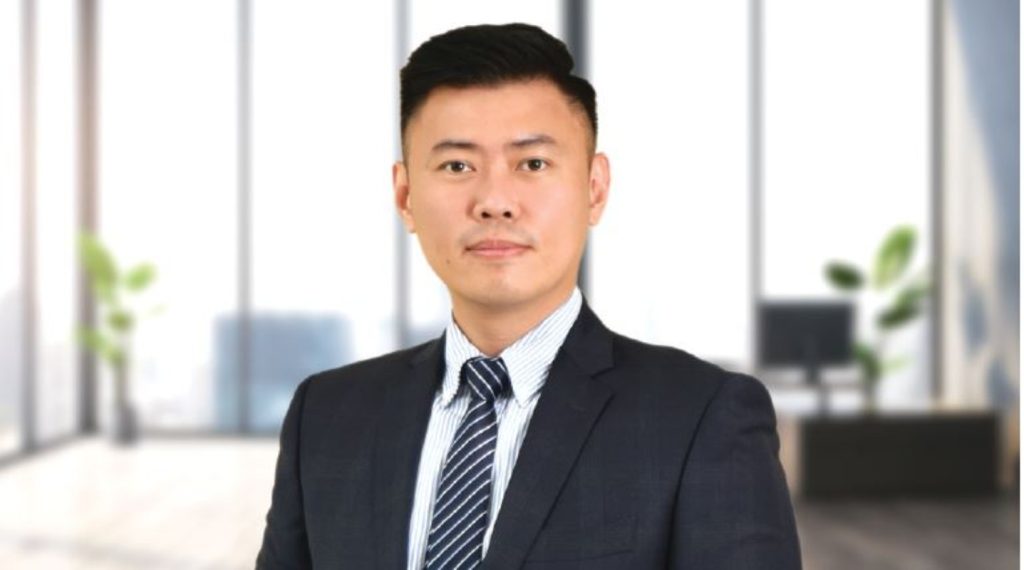
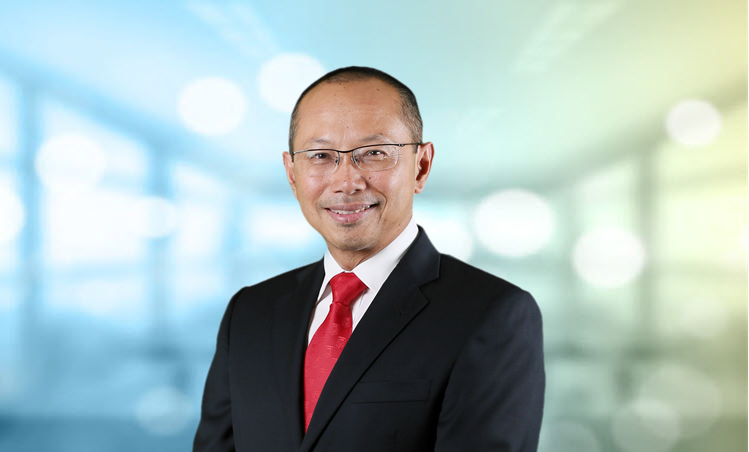
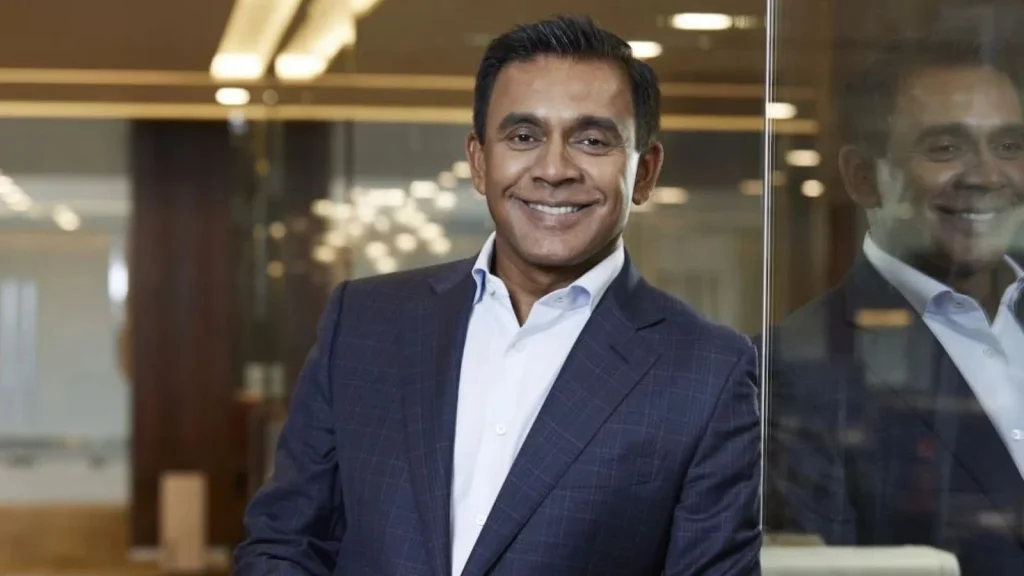
CTOS Digital Bhd has appointed Creador founder and chief executive officer Brahmal Vasudevan as its new non-executive chairman, effective July 1, 2026. According to Bursa Malaysia filings, Brahmal, 57, succeeds Datuk Noorazman Abd Aziz, who is retiring after serving as chairman since February 2020. The appointment comes as Creador remains CTOS Digital’s largest shareholder, holding a 20.784% stake in the company through Jade Vine Sdn Bhd. Brahmal founded private equity firm Creador in 2011 and has served as its chief executive officer since its inception. Under his leadership, Creador has grown into one of the region’s leading private equity firms, with investments across Southeast Asia and India spanning sectors such as financial services, consumer, healthcare, retail and business services. CTOS Digital Bhd, Chairman – Brahmal Vasudevan. Before establishing Creador, Brahmal was the general partner and managing director of ChrysCapital Investment Advisor (S) Pte Ltd from 2000 to 2011. He also held senior positions at several multinational organisations, including Malaysian Tobacco Bhd, Boston Consulting Group, British American Tobacco and Astro. In a separate Bursa filing, CTOS Digital also announced the appointment of Datuk Iswaraan Suppiah, 62, as an independent non-executive director. Iswaraan brings extensive experience in banking, technology and digital transformation. He previously served as group chief operations officer of AmBank Group, where he spearheaded initiatives involving digital transformation, artificial intelligence adoption and operational automation. Prior to that, he held several senior technology and operations roles at CIMB Group. The appointments are expected to strengthen CTOS Digital’s board as the group continues to expand its digital credit reporting and data analytics capabilities while advancing its long-term growth strategy. Shares of CTOS Digital closed 0.75% lower at 66.5 sen, giving the company a market capitalisation of RM1.52 billion. The stock has declined 17.39% year-to-date.

The Executives

Building Meaningful Connections Through Gifting – Penny Choo

For Penny Choo, Co-Founder of BloomThis, gifting is not defined by products or transactions, but by the emotion behind the gesture. It is a way of turning intention into something tangible making it easier for people to express care in life’s most meaningful and everyday moments. When BloomThis was founded in 2015, the idea was shaped by a simple but powerful gap in the market. While floristry had long been established through Giden’s family business in Penang, the way flowers were sold had not kept pace with how people actually lived. “The vision was about removing the friction between wanting to show someone you care, and actually doing it,” Choo explains. “We wanted to make thoughtful gifting easy, reliable, and genuinely beautiful.” What began as an online flower delivery service has since evolved into a broader gifting lifestyle brand used for birthdays, anniversaries, grief, apologies, celebrations, and quiet moments of thoughtfulness. “When I look at what BloomThis represents today, it’s about the feeling you create when you send something to someone,” she says. “That emotional connection has always been at the heart of it—we’ve just found more and more ways to honour it.”   Evolving from Floristry to a Gifting Brand BloomThis was never positioned as a traditional florist. From the outset, it was built around how people express emotion in a modern, digital-first world. BloomThis, Co-Founder – Penny Choo. Choo describes its evolution as a natural expansion of purpose rather than a change in direction. Customers were not simply buying flowers—they were marking moments, expressing feelings, and communicating what words sometimes could not. Today, BloomThis sits within a broader gifting lifestyle space, shaped by the belief that the value lies not only in what is sent, but in what it represents.   Long-Term Vision & Regional Growth Looking ahead, Choo’s ambition extends beyond Malaysia. “For the next five to ten years, I want BloomThis to be the name people reach for across Southeast Asia when they want to express something meaningful—not just in Malaysia,” she says. With strong roots already established locally, the next phase of growth is focused on both expansion and depth—building presence in new markets while strengthening the company’s product range and infrastructure. Singapore has already been an important step in that journey, with broader regional opportunities ahead as the gifting economy across Southeast Asia continues to develop. At the same time, Choo sees technology playing a critical role in shaping the next chapter of the business. “We’ve already built proprietary AI for logistics and route optimisation,” she explains. “The next frontier is using data to help customers gift better, not just faster.” For her, innovation is meaningful only when it improves how personal and relevant the experience feels for customers.   Leadership Journey Like many founders, Choo’s approach to leadership has evolved significantly since the early days of building BloomThis. In the beginning, she was deeply involved in almost every decision, driven by the realities of starting from scratch. “I thought being a leader meant having all the answers and being in the room for every decision,” she says. “But at some point you realise that your job is no longer to do the work. It’s to create the conditions for your team to do their best work.” A key shift was learning to trust people more deeply—not just delegating tasks, but allowing teams the space to operate independently. Today, she is also intentional about how she manages her time and energy, particularly in protecting her mornings for clarity and focused thinking. “Not everything that feels urgent actually is,” she says. “Learning to tell the difference has probably been the most valuable leadership skill I’ve developed.”   Staying Relevant in a Competitive Market In a category built around emotion and timing, staying relevant requires consistency and attentiveness. For Choo, the starting point is always the customer. “The data tells you what happened; the customer tells you why,” she explains. While analytics help track behaviour, she believes true insight comes from listening more closely to customer feedback—understanding both why people choose BloomThis and why they do not. Consistency is equally important. “Relevance isn’t about doing something new every single week. It’s about showing up reliably, in a way that feels true to who you are.” She also emphasises the importance of curiosity—staying open to ideas from outside the industry and continuously learning from different perspectives.   Advice for Women Entrepreneurs Choo is clear and direct when speaking to women building businesses. “Don’t apologise for your ambition,” she says. “Women are often socialised to soften their drive, but ambition is not a character flaw. Own it.” Her second message is about timing and readiness. “I was not ready when we started BloomThis. I figured it out alongside building it. If you wait for perfect conditions or perfect confidence, you’ll wait forever.” Finally, she highlights the importance of building a strong and intentional support system—people who challenge, support, and provide honest feedback. “The people around you shape the kind of leader you become.”   Life Beyond Founder Mode Outside of work, Choo prioritises structure, grounding, and quiet. Her mornings often begin with movement—either Pilates or functional training—followed by a simple breakfast and what she describes as a calming routine that helps set the tone for the day. The rest of her day off is intentionally slow and screen-free, centred around reading, time with family, and moments of stillness. “Quiet is sacred to me,” she shares. “It’s where I come back to myself.”   Building Something That Lasts For Choo, success is not measured only by expansion or commercial performance, but by trust. As BloomThis grows across Southeast Asia, her focus remains on building a brand that people rely on during meaningful moments in their lives. “If there is a legacy I want to leave behind, it is a company that people trust to show up on the important days—the birthdays, the grief, the celebrations, the quiet ‘I was thinking of you’ moments,” she says. At its core,

The Executives

EWI Appoints Tee Kim Xiong As Deputy CEO

EWI Capital Bhd (formerly known as Eco World International Bhd) has appointed Tee Kim Xiong as its new deputy chief executive officer. In a filing with Bursa Malaysia, the group said Tee, aged 37, brings extensive experience in corporate and investment banking, having spent the majority of his career with CIMB Bank, where he served for nearly 15 years. EWI Capital Bhd deputy chief executive officer Tee Kim Xiong. The company added that prior to joining EWI, Tee briefly held the position of chief executive officer at a private real estate asset management company. The appointment comes as EWI continues to reposition its business following changes in its operating structure and project pipeline. In a separate filing, EWI reported a net loss of RM30.86 million for the second quarter ended April 30, 2026 (2Q26), compared with a net profit of RM2.28 million in the same period a year earlier. The group did not record any revenue for the quarter. EWI explained that its projects in Australia had been fully sold and handed over to purchasers in financial year 2025, resulting in the absence of revenue during the current reporting period. The group also said it completed its subscription into TrustCapital Australian Office Fund No. 3 during 2Q26. It expects future income to be generated following the completion of the acquisition of a commercial asset in Melbourne in May 2026. Despite the current loss-making position, EWI said its transition towards investment-linked income streams is expected to support longer-term earnings visibility as it shifts away from its previous development-heavy model.

The Executives

Kumiko Minowa Appointed As CCH Tagetik Head Of APAC, Japan

Wolters Kluwer, a global leader in information solutions, software, and services for professionals, has announced the appointment of Kumiko Minowa as Head of Asia Pacific and Japan for CCH Tagetik. According to a statement, Minowa’s appointment expands her leadership responsibilities across the region, where she will lead regional strategy and execution for CCH Tagetik, building on the momentum established in Japan and supporting continued growth across Asia Pacific (APAC). Kumiko Minowa as Head of Asia Pacific and Japan for CCH Tagetik. CCH Tagetik Executive Vice President and General Manager Atul Dubey said Minowa has successfully scaled the business in Japan and built strong relationships with customers and partners. “Her understanding of regional market dynamics positions her well to lead our next phase of growth across APAC,” said Dubey. Meanwhile, Minowa said she is honoured to take on the expanded responsibility across APAC and looks forward to working closely with teams, customers, and partners to support their priorities. In her expanded role, Minowa will help finance teams strengthen performance management and improve operational efficiency and visibility across planning, consolidation, environmental, social and governance (ESG), as well as regulatory requirements. Based in Singapore, she will also work closely with regional teams to align global strategy with regional business execution and oversee CCH Tagetik’s operations across APAC and Japan, spanning ASEAN, India, Greater China (China, Hong Kong and Taiwan), Australia and New Zealand, the Middle East, and South Korea. Minowa most recently served as Japan Managing Director for CCH Tagetik, where she leveraged her extensive experience in enterprise performance management to expand adoption, particularly among leading global enterprises, and strengthen relationships with customers and partners. Wolters Kluwer’s CCH Tagetik Intelligent Platform is a unified finance platform that delivers artificial intelligence-powered insights across group performance management, business planning, financial close and consolidation, ESG, tax, and regulatory compliance.

The Executives

Building Southeast Asia’s Live Entertainment Industry Beyond the Stage – Para Rajagopal

For many concertgoers, live entertainment begins when the lights dim and the first note fills the arena. For Para Rajagopal, Managing Director of Live Nation Malaysia and Chief Executive Officer of PR Worldwide, that moment represents only the final chapter of a much longer story—one built on months of planning, hundreds of professionals, and an industry dedicated to creating unforgettable experiences. Live Nation Malaysia & PR Worldwide – Managing Director Para Rajagopal. Rajagopal’s journey into live entertainment was shaped early in his career through his involvement in promoting Disney On Ice, an experience he describes as transformative. Working with one of the world’s most respected entertainment brands exposed him to international touring standards, operational excellence, and sophisticated marketing strategies. More importantly, it reshaped his understanding of what the industry could achieve. “Live entertainment is not just about selling tickets—it is about creating memories that stay with people for a lifetime,” he says. That philosophy would eventually become the foundation of his career and influence his approach to growing businesses within the entertainment sector. Seeing Opportunity Where Others Didn’t While many industry players once viewed Southeast Asia as a fragmented and challenging market, Rajagopal saw untapped potential. He recognised the existence of passionate fan communities eager for world-class experiences but with limited access to international productions. For him, the opportunity was never simply about bringing global artists into the region. It was about strengthening an industry capable of creating opportunities across hospitality, logistics, production, transportation, and the wider creative economy. Over time, these efforts have helped elevate Malaysia’s capabilities as a destination capable of delivering events that meet international expectations. Beyond the Glamour Although concerts and major events often appear glamorous to audiences, Rajagopal emphasises that the reality behind the scenes is far more demanding. Months of planning take place before audiences ever enter a venue. International tours can involve hundreds of crew members, extensive regulatory approvals, logistics coordination, production management, safety planning, and contingency preparations. “The public sees the artist on stage. What they do not see are the thousands of operational decisions that take place behind every successful event,” he says. Success, he believes, depends on meticulous preparation, teamwork, and the ability to make critical decisions under pressure. Delivering Global Standards Locally His early experiences with Disney On Ice and subsequent international productions reinforced the importance of maintaining consistent standards regardless of geography. Artists and management teams expect the same level of professionalism whether they are performing in Kuala Lumpur, London, Tokyo, or New York. At Live Nation Malaysia and PR Worldwide, meeting those expectations requires balancing international requirements with local market realities, including venue infrastructure, audience behaviour, affordability, and scalability. The goal is straightforward: deliver world-class productions while continuously raising the capabilities of local industry professionals. Understanding the Audience Consumer preferences continue to evolve rapidly, particularly in an era dominated by streaming platforms and social media. Rajagopal believes staying ahead requires more than studying data alone. While streaming numbers, ticket demand, and online engagement offer valuable insights, understanding cultural nuances and audience sentiment remains equally important. “The question is not simply whether an artist is popular, but whether they can create a meaningful connection with audiences in our market,” he explains. That balance between data and intuition continues to play an important role in how events are selected and positioned. Looking Beyond Commercial Returns The economics of live entertainment can be unpredictable, with promoters often committing significant investments long before tickets go on sale. When evaluating potential events, Rajagopal considers multiple factors, including market demand, venue suitability, production requirements, sponsorship opportunities, timing, and broader economic conditions. Yet financial performance is only one measure of success. Certain events contribute to Malaysia’s reputation as a credible stop on the international touring circuit, strengthening confidence among artists, management teams, and global promoters considering the region for future tours. A New Generation of Concertgoers The pandemic fundamentally changed how audiences engage with live experiences. (From left) Communications Minister Datuk Fahmi Fadzil, Minister in the Prime Minister’s Department (Federal Territories) Hannah Yeoh, Live Nation Malaysia managing director, Para Rajagopal, CelcomDigi Brand and Marketing Services head Chan May Ling and Malaysia Tourism Promotion Board (Tourism Malaysia) chairman Datuk Manoharan Periasamy during the official launch of KL Headline Season 2026 at Kuala Lumpur Convention Centre. While demand returned strongly following the reopening of borders and venues, Rajagopal notes that consumers have become increasingly selective about where they spend their time and money. Today’s audiences expect seamless digital experiences, greater transparency, convenience, and stronger overall value. The customer journey, he says, begins long before attendees arrive at a venue and continues well after the final performance ends. Why Live Entertainment Still Matters Despite audiences having unlimited access to entertainment through digital platforms, Rajagopal believes live experiences remain irreplaceable. “Nothing replaces human connection,” he says. A live performance creates a shared emotional experience that screens simply cannot replicate—one that audiences remember long after the final encore. Technology, meanwhile, continues to transform the industry. Artificial intelligence, data analytics, digital ticketing systems, and targeted marketing tools are helping organisers better understand audiences and improve operational efficiency. However, Rajagopal maintains that technology should enhance the experience rather than define it. “The emotional connection between artist and audience remains at the heart of every event,” he says. Building a Lasting Legacy Looking ahead, Rajagopal believes Southeast Asia is entering a significant growth phase for live entertainment, driven by increasing consumer demand, improving infrastructure, and stronger regional connectivity. For him, success will not be measured solely by the number of international acts entering the market, but by the industry’s ability to become more sustainable, professional, and globally competitive. Among his proudest achievements is seeing Malaysian production crews, engineers, and technical professionals operate alongside some of the world’s leading touring teams with confidence and credibility. “If there is a legacy I hope to leave behind, it is helping create an industry that continues to grow long after any single event or tour has ended,” he says. At its best, live entertainment brings

The Executives

UOB Vietnam Names Pham Hong Hai As Deputy Country CEO

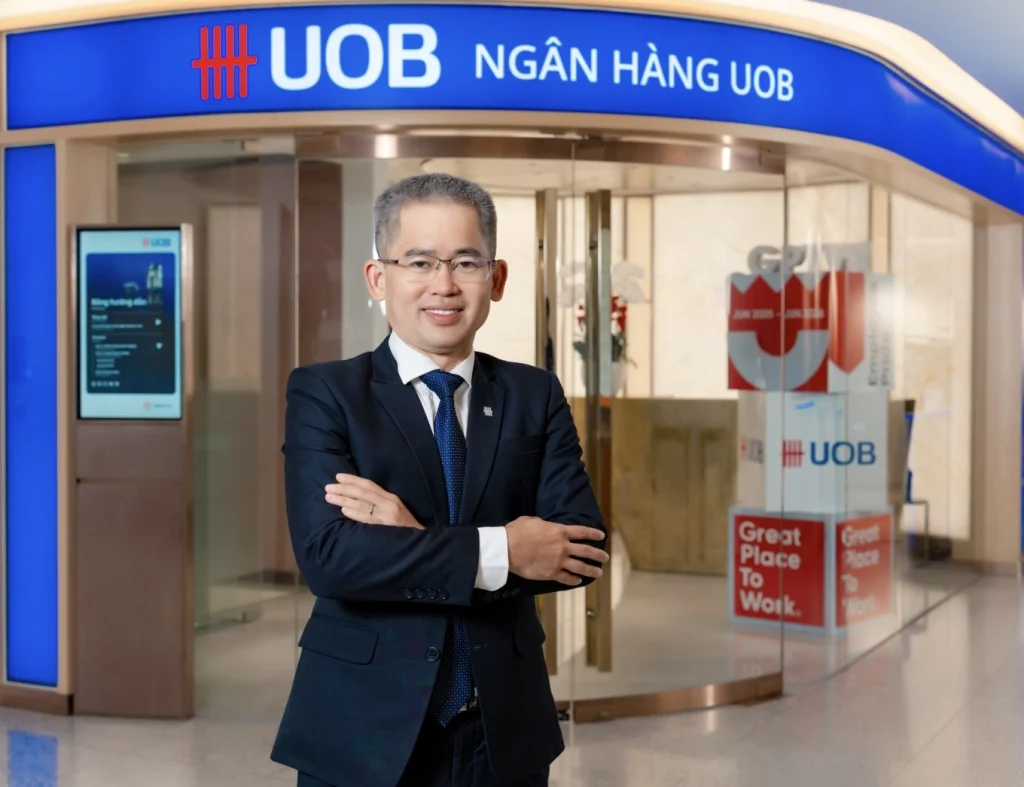
United Overseas Bank (Vietnam) Limited (UOB Vietnam) has appointed Pham Hong Hai as its Deputy Country CEO, effective June 15, 2026. In his new role, Hai will report directly to UOB Vietnam Chief Executive Officer Victor Ngo and support the bank’s strategic growth plans, governance framework, and risk management initiatives. Hai brings more than three decades of experience in banking and financial services, having held senior leadership positions at both local and international financial institutions. Pham Hong Hai’s appoinment as Deputy Country CEO takes effect starting June 15, 2026. Photo courtesy of UOB Vietnam. Before joining UOB Vietnam, he served as Chief Executive Officer of Orient Commercial Joint Stock Bank (OCB), where he led business expansion and transformation efforts. Prior to OCB, Hai spent 28 years with HSBC, including serving as Chief Executive Officer of HSBC Vietnam and holding leadership roles within Global Banking and Markets in Vietnam and Canada. During his tenure, he contributed to business development, client relationship management, and talent cultivation across multiple markets. He holds a bachelor’s degree in Business Administration from Ho Chi Minh City University of Economics and a diploma in Financial Services Management from the Institute of Financial Services in the United Kingdom. Victor Ngo said the appointment underscores UOB Vietnam’s commitment to strengthening its leadership bench as it continues to expand its footprint in the country. “Vietnam remains a key market in UOB’s ASEAN strategy and continues to present significant growth opportunities. With his extensive experience and deep industry expertise, Hai will play an important role in advancing our strategic priorities, supporting clients’ growth and contributing to Vietnam’s continued development and regional connectivity,” Ngo said. UOB Vietnam became a wholly owned subsidiary of UOB on July 2, 2018, although the group’s presence in Vietnam dates back to 1993 with the opening of a representative office in Ho Chi Minh City. In 1995, it became the first Singaporean bank to establish a branch in the country. Today, UOB Vietnam offers retail, corporate, and institutional banking services through five branches in Ho Chi Minh City and Hanoi, following the acquisition of Citibank Vietnam’s consumer banking business in 2023. UOB Group operates around 430 branches and offices across 19 markets in Asia-Pacific, Europe, and North America, while also supporting initiatives in sustainable development, education, children’s welfare, and the arts through its corporate responsibility programmes.

The Executives

Kristina Rai Appointed Director Of Bank Negara Malaysia’s FENNCO

After more than four years as Chief Operating Officer (COO) of the Asia School of Business (ASB), Kristina Rai is returning to Bank Negara Malaysia to head the Financial Education Network National Coordination Office (FENNCO), where she will spearhead the implementation of the National Strategy for Financial Literacy 2026–2030 (NS2.0). Bank Negara Malaysia (FENNCO) Director, Kristina Rai. Her appointment marks a significant step in advancing Malaysia’s financial literacy agenda, aimed at strengthening financial resilience and inclusion among Malaysians. Kristina brings with her an accomplished career spanning three decades at Bank Negara Malaysia, having held leadership roles across Human Resource Development and Talent Management, Strategy Management and Corporate Planning, as well as International Relations Policy. She also played an instrumental role as a financial services negotiator in Malaysia’s Free Trade Agreement (FTA) discussions. Beyond her contributions within the central bank, Kristina has also served on the Board of Advisors of regional think tank IMAN Research, reflecting her commitment to policy development and thought leadership. During her tenure at ASB, Kristina was widely recognised for driving operational transformation and supporting key institutional milestones that strengthened the school’s position as a leading business education institution in the region. At FENNCO, she is expected to champion a collaborative, whole-of-nation approach by working closely with government agencies, industry players, educational institutions and community organisations to enhance financial literacy and empower Malaysians to make informed financial decisions. The National Strategy for Financial Literacy 2026–2030 seeks to build a financially capable society that is better equipped to navigate economic challenges, manage personal finances responsibly and participate meaningfully in the country’s growing digital economy. Kristina’s extensive experience in policymaking, talent development and strategic planning positions her well to lead FENNCO in delivering impactful initiatives that support Malaysia’s long-term financial well-being goals.

The Executives

BitGo Names Angela Ang As APAC And Singapore Head

BitGo has appointed Angela Ang as managing director for Asia-Pacific and president of BitGo Singapore, strengthening its leadership team in the region. Ang brings more than a decade of experience from the Monetary Authority of Singapore (MAS), where she played a key role in developing the country’s payments and cryptocurrency licensing framework. She later joined blockchain analytics firm TRM Labs as head of APAC public policy and strategic partnerships. Angela Ang, the Managing Director of BitGo APAC. BitGo said Ang assumed the role after fulfilling all regulatory and fit-and-proper requirements. At MAS, she led the implementation of the licensing regime under which BitGo Singapore now operates as a Major Payment Institution. In her new position, Ang will oversee BitGo’s business growth, market development and operations across Asia-Pacific. BitGo chief operating officer Jody Mettler said her appointment reinforces the company’s presence in one of the world’s most significant digital asset markets. The appointment comes as BitGo expands its global footprint following its public listing on the New York Stock Exchange under the ticker symbol BTGO. The company offers digital asset custody, trading, lending, settlement and stablecoin infrastructure services to institutional clients worldwide. Ang said the Asia-Pacific region is entering an important phase of institutional digital asset adoption and market development, presenting significant opportunities for growth.

The Executives

AKPK Names Azman Hasim As New CEO

Agensi Kaunseling dan Pengurusan Kredit (AKPK) has appointed Azman Hasim as its chief executive officer, effective June 18. Azman brings more than 30 years of experience in the financial services industry and has served AKPK for nearly two decades. He has been acting CEO since Jan 1, 2026, following the retirement of former CEO Azaddin Ngah Tasir. He holds a degree in Accounting and Finance from the University of Wales, Aberystwyth, and is a Fellow of the Association of Chartered Certified Accountants (ACCA), a member of the Malaysian Institute of Accountants, and a registered Shariah financial planner. As CEO, Azman will lead AKPK’s long-term strategy, focusing on enhancing financial literacy, expanding advisory and debt management services, and increasing outreach to underserved communities. AKPK chairman Fauziah Hisham said Azman’s extensive experience, strategic vision and deep understanding of the agency’s mission position him well to lead AKPK into its next phase of growth and impact.

The Executives

Asia School Of Business MBA 2025 Graduate Wei Han’s Homecoming Journey

From Massachusetts Back to Malaysia For Wei Han Lim, Asia School of Business (ASB) MBA Class of 2025, the MBA wasn’t a carefully plotted pivot. It was, in his own words, “a last-minute scramble.” Born and raised in Malaysia, Wei Han spent 12 years in Massachusetts, completing his Bachelor’s degree at Tufts University and his Master’s degree at MIT, both in chemical engineering, before building a career in process engineering and life sciences. When visa hurdles disrupted his plans in the United States, he discovered the Asia School of Business through MIT’s Assistant Dean of Admissions, who suggested the Malaysia-based sister school. “At first, ASB was supposed to be a bridge back to MIT through the MSMS,” Wei Han admits. “But as I settled in, I realized being here made personal and professional sense. Looking back, I’m glad it worked out this way.” Confidence, Community and Epiphanies When asked to describe his ASB journey in three words, Wei Han does not hesitate: community, vulnerability, epiphany. “Coming in, my ego had taken a battering,” he reflects. “I lacked confidence. But ASB became a safe space to explore, try new things, and be supported by classmates and faculty alike. This is a place where everybody knows each other – it seemed like a waste to not lean into that.” He credits the Career Development Office and ASB’s alumni network with helping him shape his personal brand around tackling sustainability challenges, while classmates provided both encouragement and what he jokingly describes as “regular doses of friendly insults.” Negotiation classes with Professor Alexander Eng also left a lasting impression. “Rejection therapy taught me the worst that can happen is hearing ‘no.’ That gave me the courage to ask for what I want and fight for the value that I deserve,” he says. Learning for Impact Wei Han’s passion for sustainability found fertile ground at ASB. Through electives with Professor Renato Lima de Oliveira and Dr. Pieter Stek, he deepened his understanding of how technology, business strategy and policy intersect to drive sustainable energy transitions. His Capstone project at Gentari, where he worked with peers on human resource challenges, proved both unexpected and transformative. “It was out of my comfort zone but incredibly rewarding,” he recalls. “We fought each other all the time, built on a deep sense of trust and respect for each other, working towards a shared goal. We felt truly validated when we learned that our work continues to be used by our host company, nearly a year later. It was one of the best team experiences of my life.” The MIT Connection and Beyond For Wei Han, ASB’s collaboration with MIT represented more than an academic partnership. It provided continuity with a place that had shaped much of his life. “Heading back for our MIT Immersion gave me closure in more ways than one,” he says. “My classmates finally understood where I came from, and I could reconcile my identity as a quasi-third culture kid.” Today, he continues to embrace both communities, serving as Secretary of the MIT Club of Malaysia while leading strategic finance research projects at ASB. Lessons in Vulnerability and Growth Some of Wei Han’s most meaningful experiences came outside the classroom through ASB’s Mindset Lab. “We learned to embrace vulnerability as we undertook personal growth mindset projects over the year,” he says. “We shared our final projects during a session in a week in which we were all focused on other projects, so it easily could have been something that we could have checked out of. But everyone came prepared to share how they had grown, and everyone was prepared to listen and support each other.” Lasting Bonds and Chaotic Fun Beyond academics, Wei Han values the friendships and connections formed throughout the MBA journey. From dinners with friends across Kuala Lumpur to board game nights with faculty and alumni, he cherishes the experiences that extended beyond the classroom. One memorable moment came during ASB’s 10th Anniversary celebration, where he found himself unexpectedly performing in a band alongside ASB President Joseph Cherian the day before graduation—with no rehearsal. “Chaotic unhinged fun,” he laughs, borrowing Professor Melati Nungsari’s description of the occasion. The performance saw him singing backing vocals before an audience that included Nobel Laureate Robert Merton and numerous distinguished guests. A Gem for Future Students Asked what advice he would offer future students, Wei Han is quick to reassure. “Don’t worry. You’re not the only one with impostor syndrome. Everyone’s dealing with their own version of it. Embrace that vulnerability, collaborate, and you’ll thrive.” For someone who initially viewed the Asia School of Business as a stepping stone, it ultimately became something much more significant—a launchpad combining rigorous learning, a vibrant community and a renewed sense of purpose. What began as a detour became direction. A last-minute decision that gave him more than a degree—it helped him rediscover himself. About Asia School of Business (ASB) The Asia School of Business (ASB), in collaboration with MIT Sloan School of Management, is dedicated to developing transformative and principled leaders through action learning and a global perspective rooted in Asia. Learn more about ASB: https://asb.edu.my/ Source / Credit: Asia School of Business (ASB)

Scroll to Top

Subscribe
FREE Newsletter