
Tokio Marine Launches Green Insurance Arm with USD1 Billion Target by 2030
Tokio Marine, Japan’s largest property and casualty insurer, has launched Tokio Marine GX (TMGX), a dedicated green insurance unit aimed at supporting businesses transitioning to low-carbon operations. The group is targeting USD1 billion in revenue from the new unit by the end of the decade as it seeks to capture a significant share of the growing global green insurance market. TMGX will provide tailored insurance and advisory solutions for sectors driving the energy transition, including green hydrogen, shipping, cement, floating solar, and small-scale nuclear. The initiative underscores Tokio Marine’s commitment to supporting decarbonisation efforts and unlocking financing for sustainable infrastructure projects. “We’re going to rip up the rule-card a little bit here,” said Fraser McLachlan, who leads both GCube, the group’s renewable energy arm, and the newly formed TMGX. “We’re going to look at some new technologies and explore more sophisticated ways of transferring risk for businesses.” The unit plans to offer coverage of up to USD500 million on individual risks and is aiming for at least 10 per cent of the projected USD10 billion global green premium income market by 2030. Building on GCube’s existing USD200 million revenue base and a 50-person team, both are expected to double in size over the coming years. “There are many sectors that really haven’t been served by the insurance space,” McLachlan noted, highlighting the need for innovative solutions to address physical and operational risks tied to the energy transition. Among TMGX’s novel offerings is tax credit insurance, designed to help unlock project financing. “It’s a win-win. Lenders favour it because it transfers their risk; we value it as we earn a premium for a risk we understand, and it enables projects to be financed on more equitable terms,” McLachlan explained. To accelerate its market entry, TMGX may also partner with managing general agents (MGAs) instead of relying solely on in-house teams. “It’s a pretty quick win and provides instant access to a market,” McLachlan added. The broader goal is to prevent climate-linked infrastructure projects from stalling due to risk constraints. “Unless people start coming to the table with more creative insurance solutions, many of these projects will struggle to move forward,” he cautioned. Tokio Marine Group emphasised that its GX initiative aligns with global capital flows towards carbon neutrality, positioning the insurer to lead in underwriting, consulting, and deploying risk solutions for a decarbonised economy. “We aim to contribute to social development and the growth of various industries by providing insurance solutions and risk consulting, supporting our customers and society in the transition towards carbon neutrality,” the company stated. As the global energy transition accelerates, Tokio Marine is positioning TMGX to play a pivotal role in insuring the future of sustainable infrastructure. -ESG News
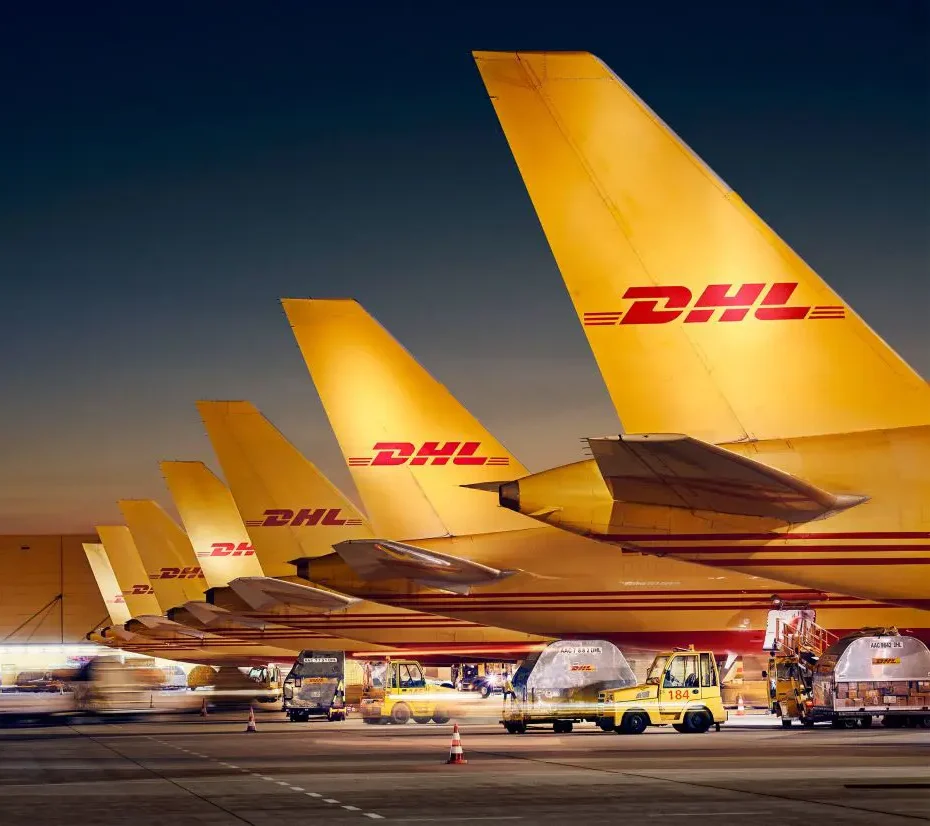
DHL Express and Neste Sign Landmark Deal for 9.5 Million Litres of Sustainable Aviation Fuel
DHL Express has entered into a major agreement with Neste to secure 9.5 million litres, equivalent to 7,400 metric tons, of Neste MY Sustainable Aviation Fuel™ (SAF) from July 2025 to June 2026. The fuel will be produced at Neste’s Singapore refinery, the world’s largest SAF production facility, and deployed on DHL’s intercontinental Boeing 777 freighters operating from Changi Airport. Christopher Ong, Managing Director for DHL Express Singapore, described the partnership as a critical step in advancing emissions reduction for air transport. “This partnership with Neste to procure and uplift SAF for DHL Express’ international air cargo flights from Singapore is a significant milestone for us,” he said. “Not only will it enable us to gain new strides in emissions reduction in air transport, but it also allows us to strengthen our commitment to customers to provide more sustainable shipping options.” Under the terms of the deal, SAF will comprise between 35 and 40 per cent of the total fuel consumption for DHL’s five aircraft based at Changi, which undertake 12 weekly departures to destinations across Asia and the Americas. This marks DHL’s first SAF procurement for international flights departing Singapore. Neste will supply the SAF blended with conventional jet fuel through Changi Airport’s fuel distribution network, leveraging its integrated supply chain. Compared to fossil jet fuel, Neste’s SAF delivers an approximate 80 per cent reduction in greenhouse gas emissions over its lifecycle. Carl Nyberg, Senior Vice President Commercial, Renewable Products at Neste, highlighted the significance of expanding the collaboration. “We are excited to expand our cooperation with DHL to Singapore, a leading aviation hub in Asia Pacific,” he said. “It demonstrates how we are working together with DHL globally to help the company achieve its air transportation decarbonisation targets using a solution that is available at scale today.” This strategic move aligns with Singapore’s Green Plan 2030 and supports the national objective of achieving a 1 per cent SAF usage across all flights—cargo and passenger—by 2026. DHL Express is already among the largest global users of SAF, operating sustainable flights through key hubs in Amsterdam, Stockholm, Brussels, East Midlands, Los Angeles, Leipzig, Miami, San Francisco, Stansted and Nagoya. In 2022, the company introduced GoGreen Plus, a pioneering service enabling customers to address Scope 3 emissions through SAF, using a book-and-claim model that drives measurable decarbonisation benefits across the value chain. In Singapore, DHL has also taken significant steps towards sustainability on the ground by converting its last-mile delivery fleet to electric vehicles, now the largest commercial EV van fleet in the country with 100 vehicles. As part of DHL Group’s Strategy 2030, “New Energy” has been identified as a key growth pillar, with the Group developing end-to-end logistics solutions for the sustainable energy sector including wind, solar, EV batteries, charging infrastructure, energy storage systems, alternative fuels and hydrogen. -ESG News
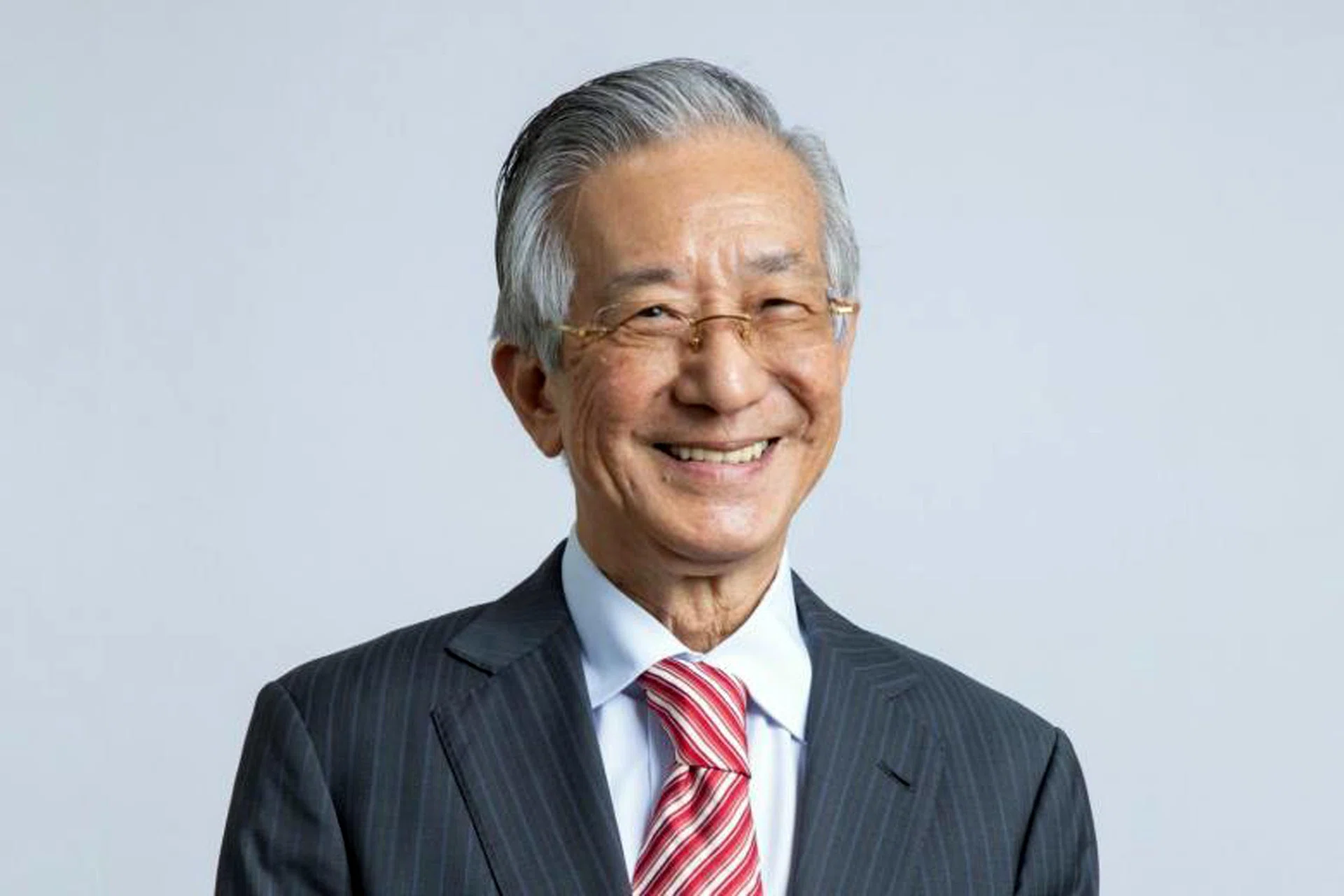
Philip Yeo to Retire from CDL Board After 16-Year Tenure
City Developments Limited (CDL) announced on Tuesday, 15 July, that Mr Philip Yeo will be stepping down as a director of the company effective 31 July. Mr Yeo, 78, has served on CDL’s board for 16 years as a non-independent, non-executive director. According to the company’s filing with the Singapore Exchange, Mr Yeo’s retirement comes without any unresolved differences in opinion on material matters between him and the board. His notice of retirement follows a turbulent period at CDL, marked by an internal dispute earlier this year between Executive Chairman Kwek Leng Beng and his son, Group CEO Sherman Kwek. The conflict reached a head in February when the elder Mr Kwek accused his son of attempting a boardroom coup and initiated legal action over alleged governance lapses. This came after Sherman Kwek had moved to appoint new independent directors without full board consent. Mr Yeo had aligned himself with Mr Kwek Sr during the controversy, publicly criticising the younger Mr Kwek and taking issue with his handling of the matter. He also expressed disapproval after Sherman Kwek identified Dr Catherine Wu, an associate of Mr Kwek Sr, as a central figure in the disagreement. Although the lawsuit was withdrawn within two weeks of its filing—with all board members reportedly agreeing to reconcile in the interest of the company and its stakeholders—the aftermath of the episode continued to reverberate within the boardroom. At CDL’s annual general meeting in April, Mr Yeo voiced strong dissatisfaction over the way certain board members had proceeded with director appointments earlier in the year, describing the actions as “totally improper”, according to Bloomberg. City Developments shares closed down 0.2 per cent at S$5.57 (US$4.33) ahead of the announcement. -CNA
NTT DC REIT’s Tepid SGX Debut Follows Singapore’s Largest IPO Since 2021
NTT DC REIT, the data centre real estate investment trust backed by Japan’s Nippon Telegraph and Telephone Corporation (NTT), made a subdued debut on the Singapore Exchange (SGX) on Monday, despite raising US$773 million in the city-state’s largest initial public offering (IPO) since 2021. The units opened modestly at US$1.03 within the first 30 minutes of trading, edging just above the offer price of US$1.00. The STI benchmark index was up 0.4 per cent during the same period. NTT DC REIT holds a portfolio of six data centres located in Austria, Singapore and the United States, with a total valuation of approximately US$1.6 billion. The trust’s cornerstone investors include Singapore’s sovereign wealth fund GIC, which holds a 9.8 per cent stake, making it the second-largest stakeholder after NTT Ltd, which retains 25 per cent. The listing highlights increasing global investor appetite for data centre assets across Asia-Pacific, underpinned by accelerating demand for artificial intelligence infrastructure and services. This IPO marks Singapore’s most substantial listing since Digital Core REIT’s US$977 million debut in 2021, according to data from LSEG. It also stands as Southeast Asia’s largest IPO since Thai Life Insurance raised US$942.9 million in 2022. Expanding IPO Pipeline in Singapore The SGX has seen renewed listing activity following the rollout of market-strengthening initiatives in February, including a 20 per cent corporate tax rebate for companies pursuing primary listings. “There is a broad base of potential REIT IPOs on the horizon, including data centre, industrial, logistics, hospitality, commercial and retail assets,” said Art Karoonyavanich, Global Head of Equity Capital Markets at DBS. “This marks the first time we have such a pipeline within a 12-month horizon, and these IPOs could raise anywhere between S$600 million (US$468.27 million) and S$1 billion.” Beyond REITs, China Medical System (CMS), listed in Hong Kong, is set to commence trading on the SGX on Tuesday via a secondary listing. “We believe that upon completion of the proposed secondary listing on the SGX, CMS will be able to attract funds focusing on Asia-Pacific investments and local capital in Southeast Asia, thereby optimising the shareholder structure,” the company said in a statement to Reuters. Other listing candidates in Singapore include Foundation Healthcare and Centurion, which plans to launch a REIT focused on employee dormitory assets. The uptick in listing activity comes amid a buoyant stock market. Singapore’s benchmark index has climbed more than 8 per cent since the beginning of the year and reached record highs in the past nine trading sessions, according to LSEG data. -Reuters
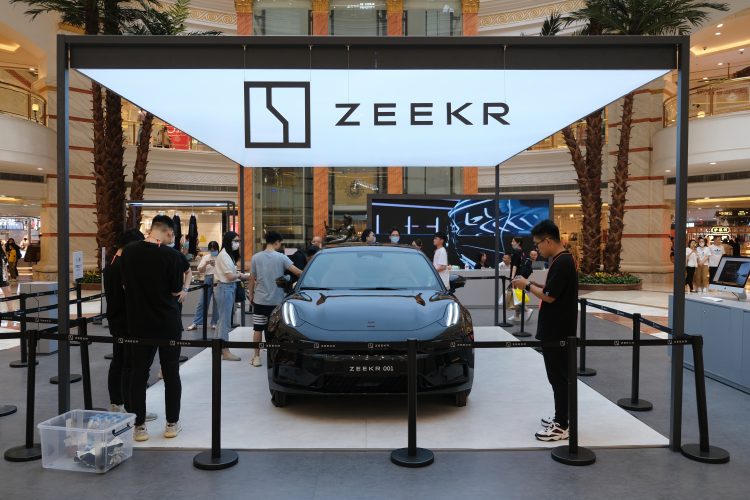
Geely to Take Zeekr Private at $6.83 Billion Valuation in Strategic Streamlining
Chinese automotive giant Geely has announced plans to privatise its premium electric vehicle subsidiary Zeekr, in a transaction valuing the unit at approximately US$6.83 billion. The move is part of Geely’s broader corporate strategy to streamline its operations and enhance competitiveness in an increasingly saturated EV market. According to statements released on Tuesday, Geely will acquire the remaining shares of Zeekr it does not already own for US$2.687 per share, equivalent to US$26.87 per American depositary share. This offer represents an 18.9% premium on Zeekr’s last traded price on 6 May. The deal is anticipated to complete in the fourth quarter of this year. Geely currently holds a 62.8% stake in Zeekr. The company initially proposed a US$2.2 billion buyout in May, which has since been increased to approximately US$2.4 billion. Zeekr made its debut on the U.S. stock market in May 2024, achieving a valuation of US$6.8 billion and becoming the first major Chinese firm to list in the United States since 2021. Founded in 2021, Zeekr serves as Geely’s flagship premium EV brand, designed to showcase its proprietary technologies in electric vehicle architecture and battery systems. The planned buyout reflects a shift in Geely Holding’s strategic direction. The group, once known for its ambitious global acquisition spree, is now prioritising operational efficiency and cost control. The pivot comes in response to mounting margin pressures and an intensifying price war in China’s domestic EV market. As part of its corporate restructuring, Geely has realigned its operations into two core divisions: Geely Auto, targeting the mass-market segment, and Zeekr Group, which will continue to focus on premium offerings. In March, Geely further consolidated its internal technology development efforts by merging three separate business units working on digital cockpit systems into a unified 2,000-strong engineering team, with the aim of driving both efficiency and innovation across its product lines. -Reuters
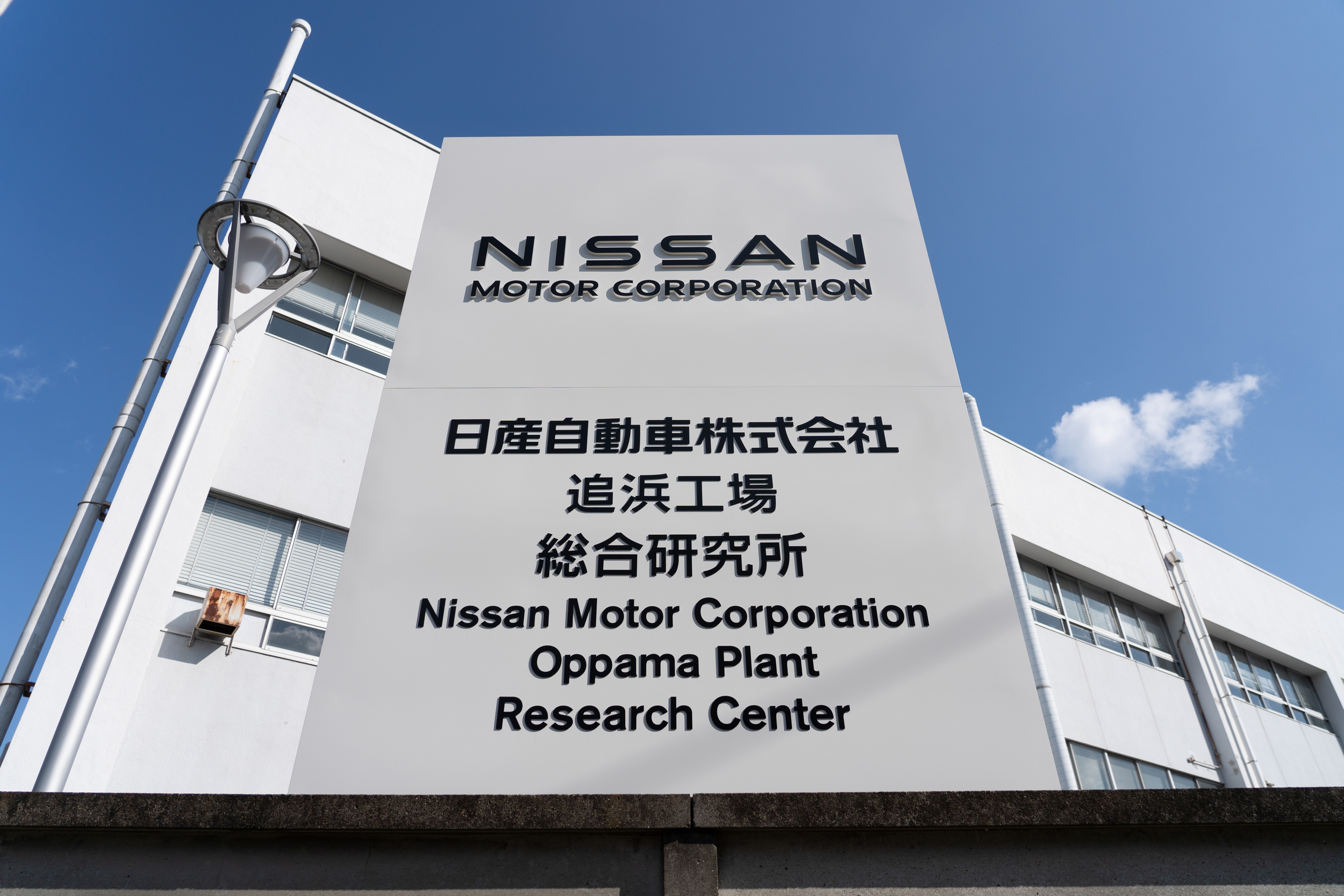
Nissan to Cease Operations at Oppama Plant
Nissan Motor Co Ltd has confirmed it will end vehicle production at its Oppama facility by the close of its 2027 fiscal year, in a strategic move to streamline operations under its global restructuring plan. The Japanese automaker, which reported a net loss of ¥671 billion last year, stated the production activities currently carried out at the Oppama plant, located just outside Yokohama, will be transferred to an existing facility on the southern island of Kyushu. The announcement is part of a broader effort by Nissan to consolidate its manufacturing footprint, with plans to reduce the number of its vehicle production plants from 17 to 10 by fiscal year 2027. Oppama, one of six domestic plants operated by Nissan, employed approximately 3,900 staff as of October last year. The site, which has been operational since 1961, played a pivotal role in the brand’s history and was notably the first to produce the Nissan LEAF—widely recognised as the world’s first mass-market electric vehicle. The decision to halt production at Oppama reflects the company’s response to mounting financial pressure and increased competition, particularly from rapidly expanding Chinese electric vehicle manufacturers. Nissan’s business challenges have been compounded by the collapse of merger discussions with Honda Motor Co Ltd earlier this year. The proposed deal, which would have seen Nissan become a subsidiary of Honda, was abandoned in February. Once viewed as a potential pillar of stability, the abandoned merger was part of Nissan’s wider turnaround strategy, which also included a significant reduction in its global workforce by 15 per cent. The company has faced several reputational and operational setbacks in recent years. The 2018 arrest and subsequent escape of former chairman Carlos Ghosn continues to cast a long shadow, while credit ratings agencies have since downgraded Nissan’s status to “junk”. Moody’s, in particular, cited “weak profitability” and an “ageing model portfolio” as key concerns. In a further blow, Nissan scrapped a recently approved US$1 billion battery plant project in southern Japan earlier this year, citing adverse business conditions. The firm is also considered among the most vulnerable Japanese automakers to the 25 per cent tariff on Japanese vehicle imports imposed by US President Donald Trump. Industry analysts note that Nissan’s customer base in the United States tends to be more price-sensitive than those of its competitors, amplifying the potential impact of such trade policies. As Nissan continues to battle financial headwinds and shifting market dynamics, the closure of the Oppama plant marks a significant chapter in its transformation strategy, signalling both a nod to its storied past and a pragmatic step toward its future ambitions. -AFP