international

News

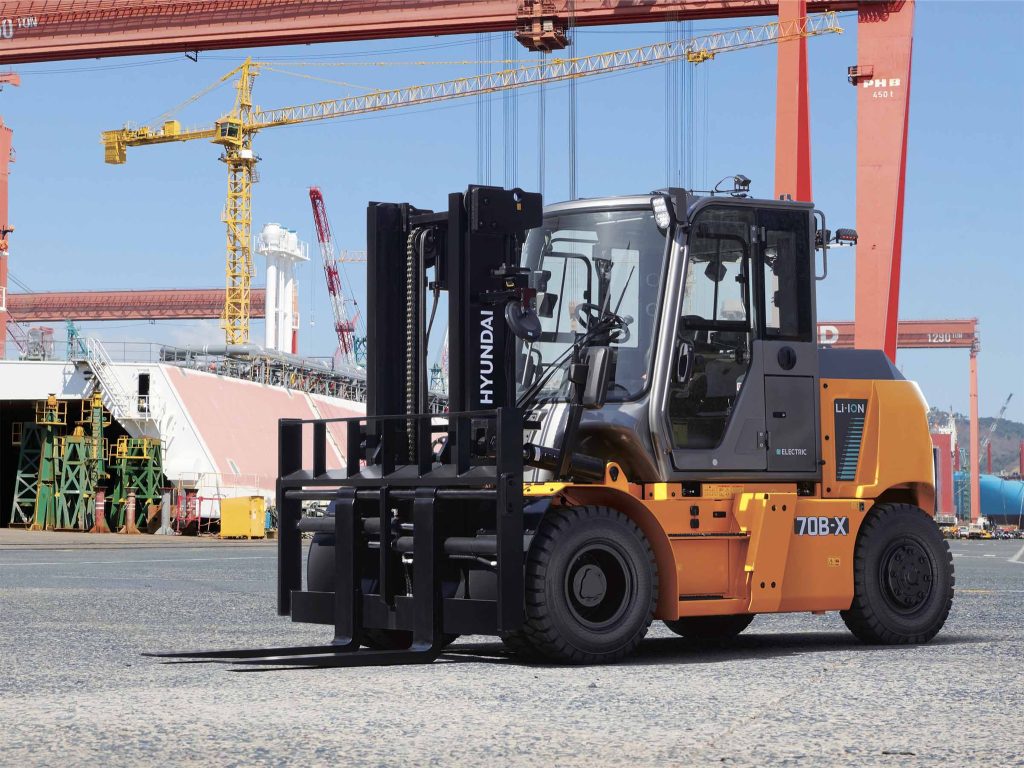
HD Hyundai Consolidates Construction Affiliates to Accelerate Global Growth

HD Hyundai XiteSolution has announced the merger of its two construction subsidiaries, HD Hyundai Construction Equipment and HD Hyundai Infracore, as part of a strategic initiative to reinforce competitiveness amid evolving industry dynamics. The consolidated entity, provisionally named HD Construction Equipment, is expected to launch on 1 January, following necessary regulatory procedures. The boards of directors of both companies have formally approved the merger in separate meetings, with a temporary shareholders’ meeting scheduled for 16 September and a subsequent review by authorities. HD Hyundai Construction Equipment will serve as the surviving corporation in the transaction. This move reflects HD Hyundai XiteSolution’s strategic response to intensifying global market competition and persistent economic uncertainty. The company emphasised the importance of the merger in securing technological leadership and cost efficiency, essential for long-term sustainability in the construction equipment sector. Currently, the combined annual revenue of the two affiliates stands at approximately ₩8 trillion. The newly merged entity aims to achieve ₩14.8 trillion in annual revenue by 2030. HD Construction Equipment will manage and grow the two flagship brands, Hyundai and Develon, pursuing balanced expansion across core segments including construction machinery manufacturing, engine systems, and aftermarket services. The company will implement a unified decision-making framework to optimise its regional product portfolio and production capabilities. It also plans to expand its presence in the compact equipment segment to offer a full spectrum of construction solutions, further strengthening its market position. Future growth will be underpinned by investments in automation, smart machinery, and integrated solutions enabled through consolidated research and development. This will support HD Construction Equipment’s ambition to lead innovation in construction technologies. As part of the merger agreement, shareholders of HD Hyundai Infracore will receive newly issued shares of HD Hyundai Construction Equipment. Under the approved merger ratio, each common share of HD Hyundai Infracore will be exchanged for 0.16 shares of the surviving company. “This merger will drive sustainable growth for the construction equipment division of HD Hyundai, helping us strengthen our position in the global market and serving as a significant entity in advancing South Korea’s construction equipment industry,” said Cho Young-cheul, Chief Executive Officer of HD Hyundai XiteSolution. -The Korea Herald

News

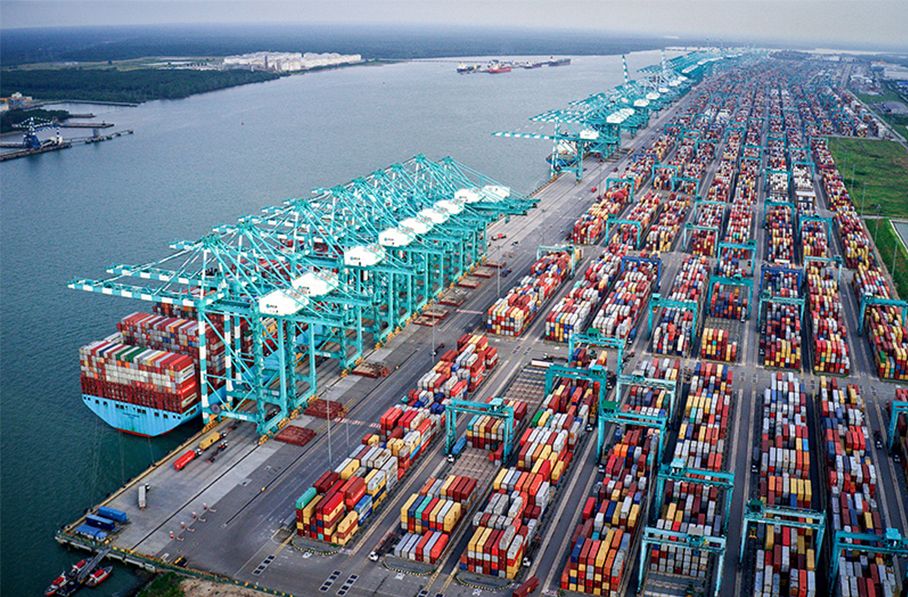
MMC Port Edges Closer to Malaysia’s Largest IPO in Over a Decade

MMC Port Holdings has taken a significant step toward executing what could become Malaysia’s largest initial public offering (IPO) in 13 years, following the submission of its draft prospectus to the Securities Commission Malaysia, as reflected on the regulator’s website on Wednesday. The listing, which will see MMC Corp—the parent company and sole shareholder—divest up to 30 per cent of its stake in MMC Port, could potentially raise more than RM6 billion (approximately US$1.43 billion), according to earlier reporting by Reuters. If realised, this would mark the country’s most substantial IPO since IHH Healthcare’s US$2.1 billion listing in 2012. Details outlined in the draft prospectus reveal that the IPO comprises up to 4.27 billion shares, including 3.99 billion allocated for institutional investors and 286.1 million for retail participation. However, the document does not specify an expected launch date or a final valuation. The proposed offering will not generate proceeds for MMC Port itself. The company, however, has indicated a strong capital position and does not anticipate the need for fresh equity funding. “Our board is of the view that our company presently does not require additional equity funding for our business,” the company stated in the prospectus. Despite a 9.2 per cent decline in net profit—falling from RM701.13 million in 2023 to RM636.56 million in 2024—MMC Port’s revenue climbed nearly 10 per cent year-on-year, reaching RM4.36 billion. The company has yet to issue an official comment regarding the filing. -Reuters

News

Laos Strengthens Call for Enhanced Domestic Resource Mobilisation at Global Finance Forum

The Laos government has issued a renewed call for greater international cooperation to enhance domestic resource mobilisation, positioning it as a critical pillar for achieving sustainable development and reducing dependency on foreign assistance. At the 4th International Conference on Financing for Development, held in Seville, Spain from 30 June to 3 July, Deputy Prime Minister Saleumxay Kommasith outlined Laos’ ongoing reforms aimed at improving public financial management. Addressing a high-level roundtable on domestic resource mobilisation and allocation, he emphasised the importance of robust national revenue systems—particularly for least developed countries like Laos. Saleumxay stated that Laos is undertaking comprehensive reforms of its public finance system. These include expanding the use of digital technologies to improve tax collection, investing in human capital, and tightening budget oversight. The government has set a strategic objective to raise tax revenue to 20 percent of gross domestic product (GDP) by 2030. Recent performance data, shared during the National Assembly’s ordinary session, shows early momentum: in the first half of the year, tax collection increased by 4.3 percent, accounting for 11.7 percent of GDP. He also used the forum to urge development partners and international institutions to step up financial and technical assistance to countries like Laos. Specific appeals included enhanced support for capacity building, particularly in human resources, and stronger international cooperation on tax matters. In the general debate session, Saleumxay addressed the conference on behalf of both Laos and the Association of Southeast Asian Nations (ASEAN). He reaffirmed ASEAN’s collective commitment to building resilient, future-ready economies grounded in inclusivity and sustainability. He further highlighted the bloc’s support for multilateral trade frameworks under World Trade Organization (WTO) rules, as well as its focus on advancing industrial development and energy integration within the region. The deputy prime minister underscored Laos’ national priority of graduating from Least Developed Country (LDC) status. He said the government is aligning domestic development strategies with international frameworks, particularly the 2030 Agenda for Sustainable Development, and called for continued global support to sustain long-term progress. The Seville meeting convened representatives from 179 countries. It marked the fourth edition of the conference, following earlier gatherings in Mexico (2002), Qatar (2008), and Ethiopia (2015). The opening ceremony on 30 June featured an address by His Majesty King Felipe VI of Spain. Subsequent sessions were co-chaired by Spanish Prime Minister Pedro Sanchez and United Nations Secretary-General António Guterres. A key outcome of the conference was the adoption of the Seville Commitment, a forward-looking document that sets shared objectives to close financing gaps, combat inequality, and accelerate progress on the Sustainable Development Goals (SDGs). This commitment will now guide future global cooperation on financing for development. -ANN

News

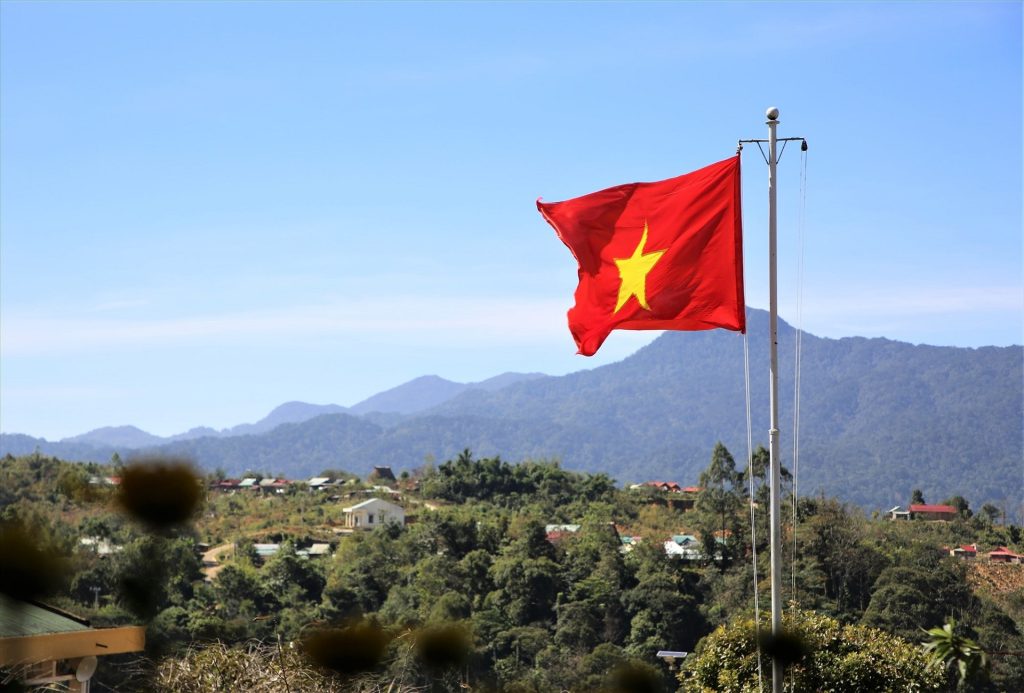
Vietnam Targets US$65 Billion in Agro-Forestry-Fishery Exports

Vietnam’s agro-forestry-fishery trade reached an estimated US$57 billion in the first half of 2025, with exports contributing US$33.5 billion, reflecting a year-on-year increase of 14.3%, according to the Ministry of Agriculture and Environment (MAE). Imports for the same period rose by 12.8%, totalling US$23.5 billion. The ministry acknowledged that 2025 continues to present significant global economic and political volatility. In particular, recent changes in US tariff policy have exerted a notable impact on Vietnam’s agricultural export sectors. Despite these challenges, the MAE remains committed to achieving its annual export target of US$65 billion by the end of the year. To meet this goal, the ministry has outlined specific growth scenarios and quarterly objectives. It aims to reach between US$14 billion and US$15 billion in exports during the third quarter of 2025. For the final quarter, it plans to leverage seasonal demand during the year-end holidays, setting an ambitious target of at least US$16 billion in exports. Vietnam’s key export products—coffee, tea, pepper, cashew nuts, rubber, and livestock—are expected to maintain strong momentum and play a critical role in achieving the national export target. The coffee sector in particular has shown exceptional performance in the first half of 2025, with export earnings estimated at US$5.5 billion, already equalling its annual target. Despite limited supply in the second half of the year due to the main harvest season falling between December and April, the industry is on track to reach a projected US$7.5 billion by year-end. This would represent a 36.9% increase compared to 2024. To sustain growth, Vietnamese coffee exporters are intensifying efforts to expand into new markets, particularly within the European Union, where interest in strengthening trade relations with Asia and the Middle East is growing. Exporters are also targeting major robusta-consuming markets including China, Japan, South Korea, the Philippines and Thailand. In the long term, north-east Asia is identified as a strategically important region that could offset any potential decline in market share in the United States. Meanwhile, the cashew sector has set a modest but positive export goal of US$4.5 billion for 2025, up 2.7% from the previous year. To meet this objective, the industry aims to consolidate its presence in traditional markets such as the United States and China, while expanding into high-potential markets with currently low penetration. The Middle East, particularly the United Arab Emirates and Saudi Arabia, has been identified as a priority for trade promotion and strategic realignment. The MAE’s focus remains on proactive policy adjustments and market diversification to navigate global uncertainties while sustaining export growth across the agricultural sector. -Viet Nam News

News

Liquid Group CEO Jeremy Tan Appointed to Inaugural Board of SPaN

Liquid Group, CEO, Jeremy Tan, has been appointed to the inaugural board of the Singapore Payments Network (SPaN) — a new entity established by the Monetary Authority of Singapore (MAS) and the Association of Banks in Singapore (ABS) to drive the next stage of growth for national payment schemes like PayNow. As Chair of the Singapore FinTech Association (SFA) Payments Subcommittee, Tan will represent the payments industry, ensuring that the perspectives of non-bank financial institutions are part of shaping Singapore’s future payments landscape.

Energy & Technology

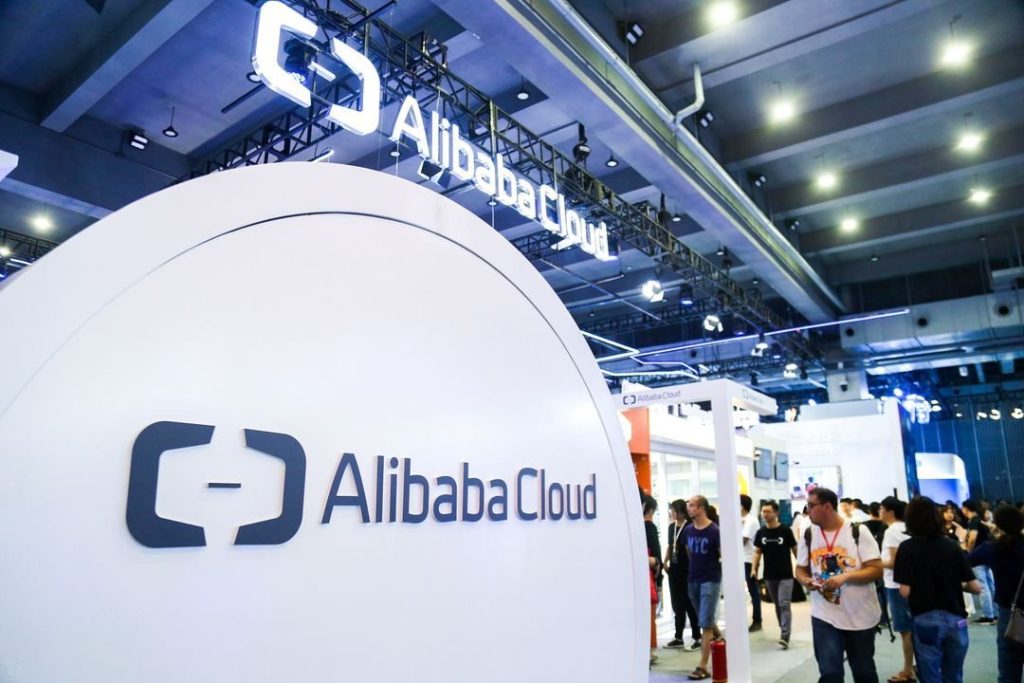
Alibaba Launches New AI Cloud Centres in Malaysia and the Philippines

Alibaba Group Holding Ltd is expanding its AI-driven cloud infrastructure in Southeast Asia, underscoring its ambitions to become a global leader in artificial intelligence and cloud services. The company has launched its third data centre in Malaysia this week, while its second facility in the Philippines is scheduled to open in October, according to a corporate statement issued on Wednesday. The Hangzhou-headquartered conglomerate also unveiled a new global competency centre in Singapore, aimed at accelerating AI adoption across a wide range of industries. The initiative is expected to benefit over 5,000 businesses and 100,000 developers by facilitating access to Alibaba’s advanced AI models. Chief Executive Officer Eddie Wu reaffirmed the company’s commitment to global expansion through a pre-recorded video address at a corporate event in Singapore. “Globalisation is Alibaba Cloud’s long-term strategy,” Wu stated, outlining the firm’s vision to scale its cloud network across China, Japan, South Korea, Southeast Asia, the Middle East, Europe, and the Americas over the next three years. Alibaba has pledged to invest more than US$53 billion (approximately RM223.3 billion) in AI infrastructure during this period, signalling the depth of its strategic commitment. The expansion builds on previous infrastructure investments in Thailand, Mexico, and South Korea. While traditionally recognised for its e-commerce dominance in China, Alibaba has shifted focus towards artificial intelligence, developing standalone solutions based on its proprietary Qwen AI models. In a significant strategic shift earlier this year, Wu described artificial general intelligence—AI with human-level cognitive capabilities—as the company’s “primary objective”, positioning Alibaba at the forefront of the global AI race amid the rise of competitors such as DeepSeek. -Bloomberg

ESG

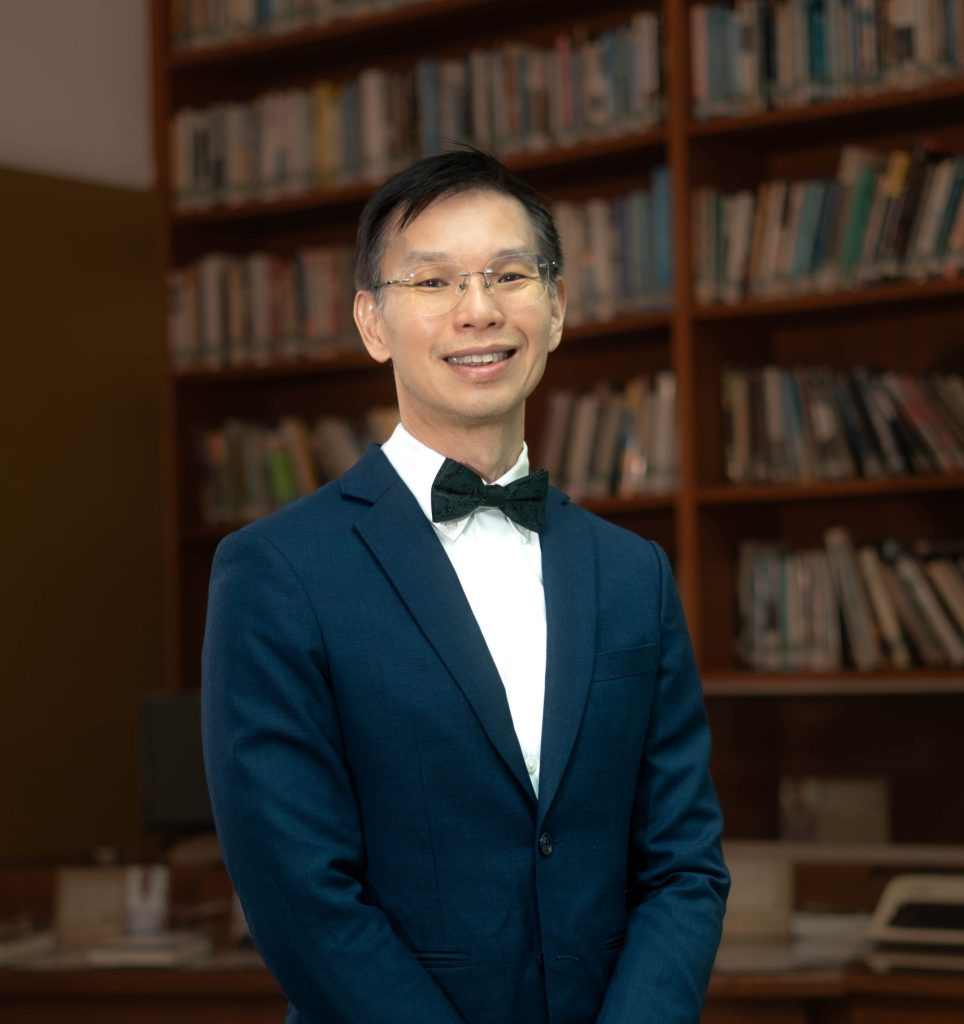
KOLTIVA Appoints Joe Keen Poon as Executive Chairman

In a major move underscoring its growing global presence in sustainable agriculture and supply chain traceability, the Indonesia-Swiss-based, venture-backed AgriTech firm KOLTIVA has named Joe Keen Poon as its new Executive Chairman. Announced earlier today, the appointment marks a strategic milestone in KOLTIVA’s continued international leadership trajectory. This pivotal leadership marks a defining moment in KOLTIVA’s journey as the company accelerates its mission to build inclusive, deforestation-free, and fully traceable supply chains aligning with emerging global regulations such as the European Union Deforestation Regulation (EUDR), CSDDD, CSRD, and other rising demands for environmental, social, and governance (ESG) compliance. The appointment of Joe Keen Poon as Executive Chairman reinforces KOLTIVA’s unwavering commitment to sustainability, transparency, and innovation in agriculture. A seasoned global executive, Joe brings over 30 years of experience scaling purpose-driven technology and sustainability ventures. His leadership credentials span top-tier organizations, including Microsoft, Deloitte, Surbana Jurong, and, most recently, as Group CEO of the Singapore Institute of Management (SIM). The Executive Chairman will play a central role in strengthening governance, unlocking investment pathways, and ensuring that KOLTIVA’s solutions remain scalable, secure, and rooted in impact. His appointment signals KOLTIVA’s next chapter: leveraging advanced analytics to deliver not just transparency — but foresight and resilience — in agricultural supply chains. Founded in 2013, KOLTIVA has rapidly evolved into one of the most trusted technology partners in agriculture, working with over 1,9 million producers across 65 countries. Its integrated ecosystem—ranging from traceability platforms, capacity building as an extension services with in person field-training through its extensive agronomist network and digital payment tools to smallholder training programs—has become vital to agri businesses, enterprises and suppliers navigating today’s complex sustainability challenges. As Executive Chairman, Joe will help KOLTIVA sharpen its long-term vision, deepen its impact across supply chains, and shape future partnerships that align with its triple-bottom-line: People, Planet, and Profit. “KOLTIVA is uniquely positioned at the intersection of agriculture, climate action, financial inclusion and digital transformation,” said Joe Keen Poon. “Joining this team is not only a professional honor—it’s an impact-commitment to reshaping how the world sources its food and raw materials, while supporting the rural smallholders who grow them.” Joe Keen Poon will collaborate closely with the CEO and Co-Founder, Manfred Borer and the broader leadership team to strengthen KOLTIVA’s presence across key regions—including Indonesia, Asia-Pacific, the Americas, Europe and the Middle East, and Africa—strategic markets essential to the future of sustainable sourcing. “We’ve built a strong foundation rooted in data integrity, human-centered technology intelligence, field operations, and client trust,” said Manfred Borer, CEO of KOLTIVA. “Now, we’re scaling. With Joe Keen Poon on board, we gain a partner with the global foresight and experience to guide us through this next chapter—one that will see us expand across continents while remaining deeply connected to rural farming communities.” While the appointment brings fresh global perspectives, it also underscores continuity in KOLTIVA’s mission and values. The company remains deeply focused on enabling ethical sourcing, smallholders inclusion, and climate resilience through technology and on-the-ground presence. KOLTIVA’s approach remains unique in its integration of field expertise and digital traceability—a model that has won recognition from global enterprises, government institutions, public-private partnership, non-government organization to climate-impact driven investors. “As regulatory landscapes shift, particularly with the introduction of the EU Deforestation Regulation (EUDR), companies across the globe are under pressure to verify the legality and sustainability of their raw material sources. KOLTIVA has been at the forefront of this movement, enabling full end-to-end traceability and polygon-based geospatial verification for commodities including palm oil, rubber, cocoa, and coffee.” Joe Keen Poon. “What drew me to this role was not just the technology, but the company’s relentless focus on empowering producers and building trust between stakeholders. That’s where true sustainability begins.”

Energy & Technology

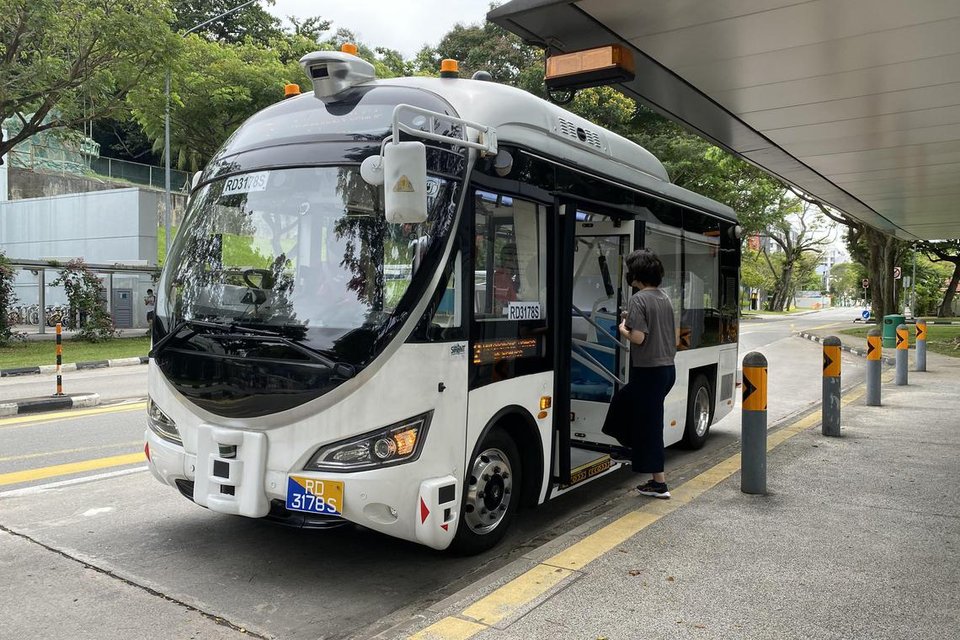
Singapore’s Autonomous Bus Operators Gear Up for Expansion

Singapore autonomous vehicle (AV) sector is preparing for a significant expansion as the government intensifies efforts to integrate driverless technology into the public transport network. Acting Transport Minister Jeffrey Siow, speaking on 27 June, underlined the potential of AVs to supplement existing public bus services and alleviate mounting manpower pressures. As part of this initiative, new trials will begin in Punggol from the fourth quarter of 2025. These trials will feature AVs operating at controlled speeds with onboard safety officers, reinforcing Singapore’s safety-first approach to autonomous mobility. Among the companies leading this push is WeRide, which currently operates a shuttle service at Resorts World Sentosa. The service, which covers a 1.2-kilometre route, transports approximately 100 passengers daily. Its driverless bus leverages a sophisticated sensor suite including LiDAR technology — capable of detecting objects up to 200 metres away — and onboard cameras that classify objects such as motorcyclists, vehicles, and pedestrians within a 100-metre range. Before receiving regulatory clearance for deployment, each vehicle undergoes extensive testing along designated routes with a safety operator present, the company confirmed. Sebastian Yee, Director of Business Development at WeRide Singapore, noted that while AV technology is progressing rapidly worldwide, regulatory frameworks must evolve to facilitate more agile adoption. “With that, we can talk about how to commercialise it together with the site owner and transport service provider. Once this is overcome, you will see the entire adoption process becoming much faster and smoother,” he said. WeRide plans to extend its services beyond Sentosa to other locations including Jurong Island. Yee added that autonomous buses offer a promising solution to the shortage of public bus drivers in Singapore. Meanwhile, fellow AV operator Moovita is also eyeing expansion but highlighted the need for more streamlined regulatory approvals, while maintaining safety standards. Ken Chan, Vice President at Moovita, acknowledged the necessity of current testing protocols but cautioned that approval timelines can become a bottleneck, especially when deploying a larger fleet. “If it’s one vehicle, maybe not so bad. It may take a few weeks or a few months. But if I have a sizeable fleet, the time taken to test every vehicle becomes a challenge,” he said. Chan also pointed to existing infrastructure limitations, noting that driverless buses would benefit from dedicated lanes to avoid disruptions caused by unpredictable human drivers. He emphasised that many roads — due to their width, traffic density or ongoing construction — are not yet ideal for AV deployment. In addition, the reliability of internet connectivity remains a critical factor for ensuring smooth operations. Moovita currently operates three driverless buses that serve routes connecting Ngee Ann Polytechnic with King Albert Park and Clementi MRT stations. The vehicles, which carry up to 16 seated passengers, run at intervals of 30 to 45 minutes depending on traffic, and continue to operate with safety personnel onboard during trials. As Singapore charts a path toward a more automated public transport future, both regulatory reform and infrastructure enhancement will be pivotal in enabling AV operators to scale their services and meet national mobility goals. -CNA

News

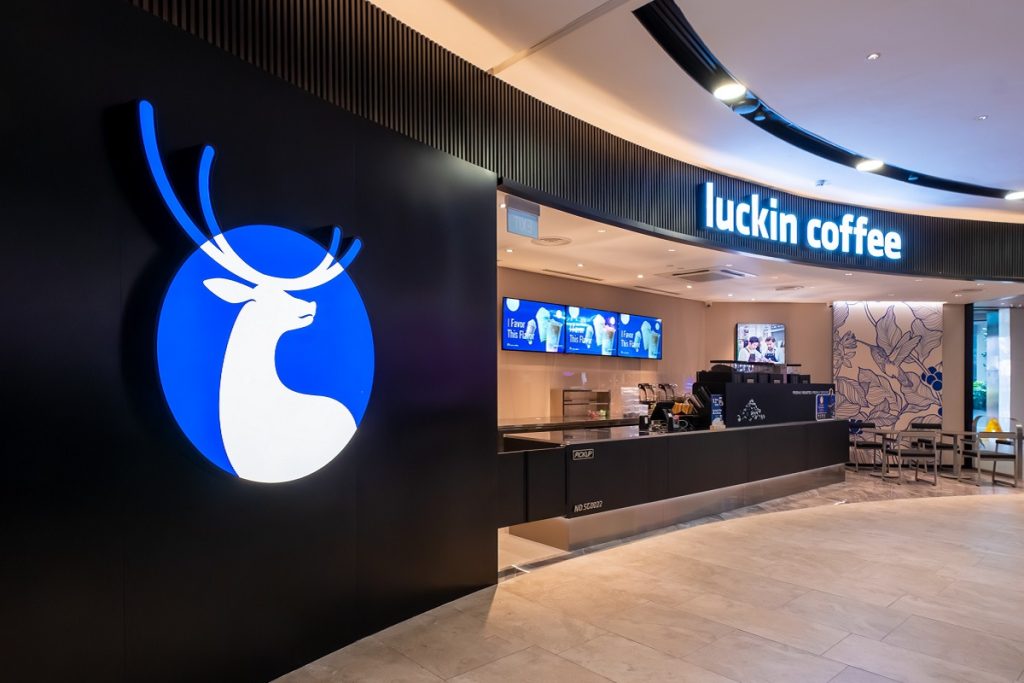
Luckin Coffee Enters US Market with Dual New York Launch

Luckin Coffee Inc, the Chinese coffee chain that overtook Starbucks in its home market, has officially launched its first United States locations in New York City. The openings, which took place on Monday, mark a bold step in the company’s global expansion strategy as it intensifies competition with Starbucks Corp, particularly as the latter faces weakening domestic sales. The two New York outlets signal Luckin’s intent to broaden its international footprint beyond Asia. Its inaugural US store, located at 800 6th Avenue, drew considerable footfall on launch day, with customers taking advantage of a US$1.99 drink promotion available via the company’s mobile app. In the run-up to its New York debut, Luckin built anticipation by hosting a pop-up event offering product tastings and giveaways. Its US-facing Instagram account has already garnered over 2,000 followers, underscoring the brand’s efforts to cultivate a local customer base through targeted digital engagement. The brand’s re-emergence on the global stage comes after a turbulent period. Following a high-profile accounting scandal, Luckin was delisted from the Nasdaq in 2020. However, under new leadership and an aggressive store rollout strategy, it rebounded to become China’s largest coffee chain by store count in 2023, surpassing Starbucks. Luckin currently operates more than 24,000 locations globally. Meanwhile, Starbucks has struggled to regain momentum in the post-pandemic Chinese market, where price-sensitive consumers have increasingly turned to domestic alternatives like Luckin. In response, the Seattle-based giant has ramped up hiring efforts in the US to speed up service and bolster in-store performance, though the brand declined to comment on Luckin’s US entry. Luckin’s digital ecosystem mirrors that of Starbucks, featuring mobile ordering, in-store pickup, and a loyalty programme offering discount incentives and the chance to win a year of free coffee. -Bloomberg

News

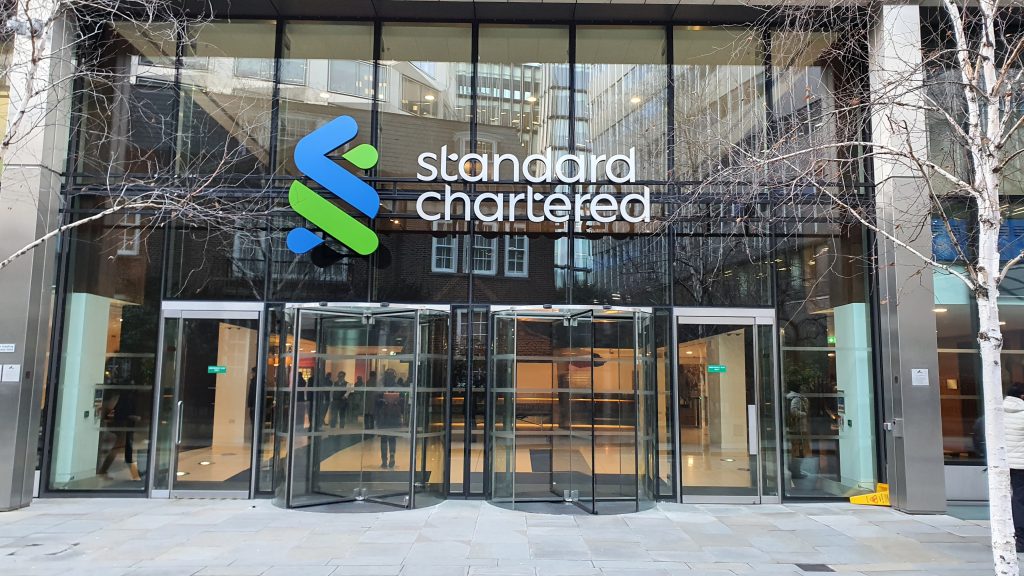
Standard Chartered Confronts US$2.7 Billion Lawsuit Over 1MDB Allegations

Standard Chartered Plc is facing a US$2.7 billion lawsuit filed by liquidators in Singapore, who allege the bank facilitated the laundering of misappropriated funds linked to Malaysia’s scandal-hit sovereign wealth fund, 1Malaysia Development Berhad (1MDB). Legal proceedings have been initiated in Singapore, according to a statement released on Tuesday. The Financial Times first reported the development, noting that Standard Chartered had not yet received the claim documents at the time of publication. The claimants assert that between 2009 and 2013, Standard Chartered permitted over 100 intrabank transfers which allegedly aided in concealing the flow of illicit funds. The transfers, according to the plaintiffs, resulted in losses exceeding US$2.7 billion and involved S$20 million in public funds. In response to the allegations, Standard Chartered issued a statement to the Financial Times, emphatically denying any wrongdoing. The bank stated it “emphatically rejects any claims” brought forward by the 1MDB-linked entities. It also noted that the liquidators had previously acknowledged these companies were “shell companies with no legitimate business,” as reported by the FT. The 1MDB affair has had wide-reaching consequences, previously implicating Goldman Sachs Group Inc and contributing to the imprisonment of former Malaysian Prime Minister Najib Razak. In 2016, Singapore’s financial authorities imposed a S$5.2 million penalty on Standard Chartered for breaches of anti-money laundering regulations related to the 1MDB scandal. Several other financial institutions were also sanctioned in connection with the matter. -Bloomberg

Scroll to Top

Subscribe
FREE Newsletter