international

News

Undisclosed Investor Offloads US$3.4 Billion Stake in AIA Group

A substantial stake in AIA Group Ltd, valued at approximately US$3.4 billion (HK$26.8 billion or RM14.4 billion), has been divested by an undisclosed shareholder through a block trade, according to individuals with knowledge of the transaction. This marks one of the largest equity disposals in Hong Kong so far this year. The transaction involved 394.4 million shares, equivalent to a 3.7% holding in the Hong Kong-headquartered insurer. The shares were sold at HK$68 each, reflecting a 6% discount to AIA’s closing price on Thursday. Following the announcement, AIA shares declined by 4.4% during Friday’s trading session. Sources familiar with the matter confirmed the sale was executed by a single party, though they declined to be identified due to the confidential nature of the transaction. AIA Group has not issued any comment in response to out-of-hours enquiries. This represents the fourth-largest equity sale in Hong Kong in 2025, based on Bloomberg-compiled data. The transaction highlights growing activity in the region’s capital markets, with Hong Kong ranking as the world’s second-largest venue for equity offerings during the first half of the year. The placement was managed by Morgan Stanley. -Bloomberg
News

Singapore Imposes S$27.45 Million in Penalties on Global Banks over Money Laundering Failures

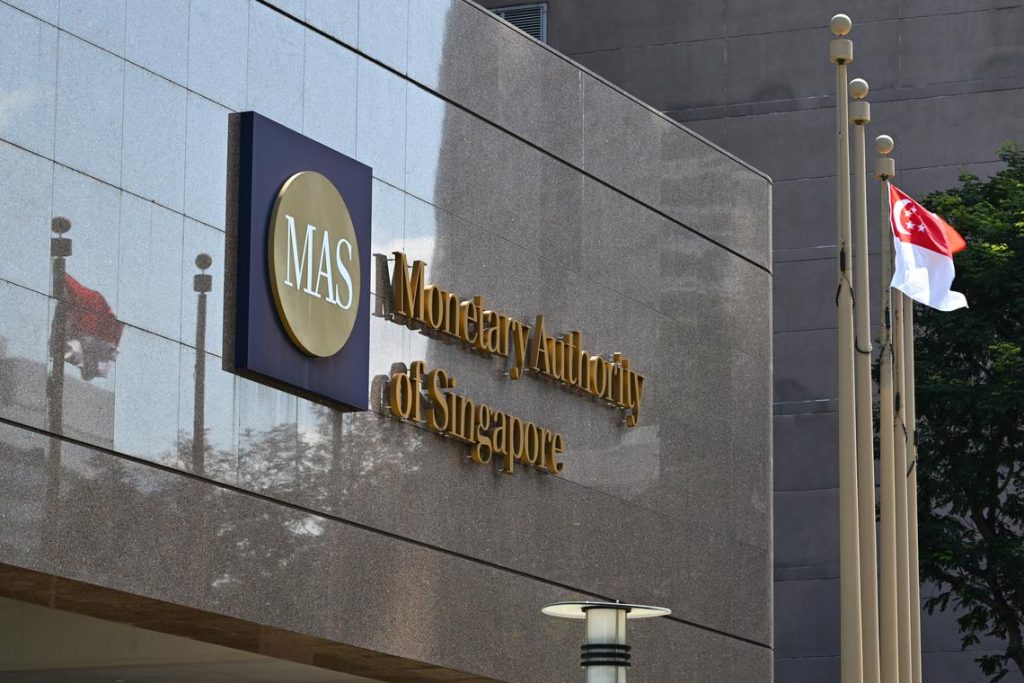
Singapore’s central bank has imposed financial penalties on nine prominent financial institutions, including Citibank, UBS, and local lender United Overseas Bank (UOB), in connection with the city-state’s largest money laundering case to date. The Monetary Authority of Singapore (MAS) concluded its investigation into these institutions’ dealings with individuals convicted in the S$3.0 billion (US$2.4 billion) case and cited “serious lapses” in anti-money laundering (AML) controls. The MAS investigation followed the 2023 arrests of ten individuals originally from China, who were convicted of laundering illicit proceeds from gambling and online scams through Singapore’s financial system. The scale and nature of the case, which involved high-end properties, luxury vehicles, designer goods, cryptocurrency, and large volumes of cash, have prompted widespread concern over the integrity of the financial hub’s regulatory safeguards. The MAS found that the banks failed in areas such as client risk assessment, transaction monitoring, and escalation of suspicious activities. According to the regulator, eight of the nine penalised institutions did not properly review transactions flagged as suspicious, some of which were unusually large or inconsistent with customer profiles. UOB received the largest penalty at S$5.6 million. The bank acknowledged the MAS’ findings and stated it had implemented corrective measures over the past two years. Credit Suisse’s Singapore branch, which became part of UBS following its collapse in March 2023, was penalised S$5.8 million. UBS AG’s Singapore operations were separately fined S$3.0 million, with the bank committing to continued regulatory cooperation. Citibank NA Singapore and Citibank Singapore Ltd incurred a combined S$2.6 million penalty. Citi reaffirmed its commitment to robust governance and said it had enhanced its client onboarding and monitoring protocols. Switzerland-based Bank Julius Baer’s Singapore branch was also sanctioned with a S$2.4 million fine. The institution stated it had taken “concrete steps” to improve its AML framework. The remaining financial institutions, which were not named in the MAS statement, accounted for the rest of the S$27.45 million in total penalties. In addition to the monetary penalties, MAS has issued prohibition orders ranging from three to six years against four individuals, barring them from working in regulated financial services. Reprimands were also issued to five others. The regulator emphasised that the breaches stemmed from inconsistent application of AML controls, and warned that all institutions operating in Singapore are expected to adhere rigorously to established risk management frameworks to uphold the country’s standing as a trusted financial centre. -AFP

News

Japan’s Consumer Spending Rises 4.7% in May, Fastest Growth Since 2022

Household spending in Japan rose at its fastest annual pace in almost three years in May, offering tentative signs of a rebound in consumer sentiment despite mounting risks from potential US tariffs that continue to cloud the economic outlook. Official data released by the Ministry of Internal Affairs and Communications on Friday showed consumer spending in the world’s fourth-largest economy increased by 4.7 per cent year-on-year in May. This significantly outpaced the median market forecast of a 1.2 per cent rise and marked the strongest growth since August 2022, when spending climbed by 5.1 per cent. On a seasonally adjusted, month-on-month basis, spending also exceeded expectations, registering a 4.6 per cent gain against an anticipated 0.4 per cent increase. This marked the most robust monthly expansion since March 2021, when spending rose by 6.7 per cent. An official from the internal affairs ministry attributed the better-than-expected performance to one-off drivers such as increased outlays on automotive-related goods and dining out. “The three-month moving average in household spending has been positive since December last year and consumption appears to be recovering,” the official noted. Consumption trends are a critical factor for the Bank of Japan (BOJ) as it assesses the underlying strength of the economy and weighs the timing of further interest rate hikes. Sustained wage growth is seen as a prerequisite to offset the effects of inflation on household purchasing power. According to Rengo, Japan’s largest labour union federation, domestic firms have agreed to an average wage increase of 5.25 per cent this year — the most substantial rise in 34 years. This development has raised hopes that higher incomes could gradually support a more broad-based recovery in consumer activity. “With the yen strengthening and crude oil prices trending lower, it is anticipated that real wages will turn positive year-on-year in the second half of the year as inflationary pressures ease,” said Yutaro Suzuki, an economist at Daiwa Securities. “This should help support a gradual recovery in consumption.” Nevertheless, uncertainties surrounding global trade policy remain a major headwind. US President Donald Trump this week signalled that punitive tariffs on Japanese imports could be increased to between 30 and 35 per cent, significantly higher than the 24 per cent rate announced in April and temporarily suspended until 9 July. This renewed rhetoric has added fresh complications to an already fragile trade environment. Analysts have warned that a sharp deterioration in corporate earnings resulting from higher tariffs could weigh on upcoming winter bonuses and influence the outcome of spring wage negotiations in 2026. “If corporate earnings are significantly squeezed due to the US tariffs, this could have a negative impact on wage momentum,” said Masato Koike, senior economist at Sompo Institute Plus. Japanese consumers, meanwhile, remain selective in their spending habits. The ministry reported an 8.2 per cent year-on-year decline in rice purchases in May, as households continued to cut back on items that have experienced notable price increases. Despite the promising data on household spending, policymakers remain cautious, with global trade tensions and monetary normalisation efforts by the BOJ presenting key risks to Japan’s economic recovery trajectory. -Reuters

News

AirAsia in Talks to Convert Airbus Orders into Long-Range A321XLR Jets

AirAsia is in advanced discussions with Airbus to convert part of its existing narrow-body aircraft orders into long-range A321XLR jets, according to two industry sources. The move comes as the low-cost airline positions itself for recovery following a period of financial restructuring. Tan Sri Tony Fernandes, Chief Executive Officer of Capital A Group—the parent company of AirAsia—previously told Reuters that negotiations were under way to acquire between 50 and 70 of the long-range A321XLR models. While Fernandes expressed strong interest in sealing a deal within one to three months, he underscored that completing the company’s ongoing financial reorganisation remained the immediate priority. Sources indicate that a potential agreement could materialise as early as this week, coinciding with Malaysian Prime Minister Datuk Seri Anwar Ibrahim’s official visit to Paris. However, a third source noted that no final agreement has been confirmed at this stage. AirAsia, headquartered in Malaysia, is among the largest low-cost carriers in Asia and one of Airbus’ most significant customers, with more than 350 aircraft currently on order. In response to the severe downturn in aviation during the COVID-19 pandemic, the airline has been methodically restructuring its order book to align with revised operational and financial strategies. The proposed shift to the A321XLR would not necessarily increase the total volume of AirAsia’s aircraft orders with Airbus but would support the manufacturer’s longest-range narrow-body offering. Discussions around a potential large-scale order of Airbus’ smaller A220 aircraft have been deprioritised for the time being, according to the sources. Fernandes has articulated a vision to expand AirAsia’s global footprint, identifying long-range aircraft as a critical component of that ambition. This week, he disclosed that AirAsia is actively exploring the establishment of a Gulf-based hub, with ongoing negotiations in four locations including Saudi Arabia and Ras Al Khaimah in the United Arab Emirates, as he told Dubai Eye radio. Bloomberg News also reported on Thursday that a potential aircraft order announcement could coincide with the Prime Minister’s Paris visit, though again, it stressed that a deal is not guaranteed. Neither Airbus nor AirAsia have provided official comment in response to these developments. -Reuters

News

Nippon Steel Secures ¥800 Billion in Subordinated Loans to Support US Steel Acquisition

Nippon Steel has announced it will raise ¥800 billion (approximately $5.6 billion) through two subordinated loans to partially fund its $14.9 billion acquisition of U.S. Steel and to refinance existing liabilities. The Tokyo-based steelmaker, Japan’s largest, will allocate ¥500 billion of the new capital towards repaying a portion of the ¥2 trillion bridge loan arranged in June to finance the landmark deal. An additional ¥300 billion will be used to refinance a previous subordinated loan of ¥450 billion. According to a Nippon Steel spokesperson, the ¥500 billion loan will be underwritten by Japan’s three megabanks—Mitsubishi UFJ Financial Group, Sumitomo Mitsui Financial Group and Mizuho Financial Group—alongside Sumitomo Mitsui Trust Group and the Development Bank of Japan. Completion is targeted by 18 September. The ¥300 billion refinancing tranche, scheduled for 22 July, will be provided by the three megabanks and Sumitomo Mitsui Trust. The company said the remaining ¥1.5 trillion of the bridge loan will be refinanced through a mix of funding approaches, depending on interest rates, prevailing market conditions and strategic assessments. While capital-based financing remains a possibility, Nippon Steel stated that any such move would be weighed carefully to avoid earnings-per-share dilution. Following the acquisition, Nippon Steel’s debt-to-equity ratio increased from 0.35 as of 31 March to approximately 0.8, reflecting the impact of the bridge loans and the sale of its stake in a U.S. joint venture with ArcelorMittal. The divestiture was a strategic decision to facilitate regulatory approval for the U.S. Steel transaction. The company intends to reduce its debt-to-equity ratio to the 0.7 range by the end of March 2026 through internal cash flow generation and selected asset sales. -Reuters

News

ONGC Signs Strategic Deal with Mitsui O.S.K. for Ethane Carrier Construction

India’s Oil and Natural Gas Corporation (ONGC) has announced the signing of an agreement with Japan’s Mitsui O.S.K. Lines, the country’s second-largest shipping company, to construct and operate two Very Large Ethane Carriers (VLECs). The collaboration aims to facilitate the transportation of imported ethane to ONGC Petro additions Ltd (OPaL), a wholly owned subsidiary of ONGC. OPaL operates a dual-feed cracker facility, and the imported ethane will serve as a critical feedstock. ONGC has outlined plans to source 800,000 tonnes of ethane annually beginning May 2028, according to a Reuters report earlier this year. The agreement remains subject to final approval by ONGC’s board of directors, the company noted in a formal communication to stock exchanges. -Reuters

Energy & Technology

China Drives BRICS Surge in Global Solar Power Generation

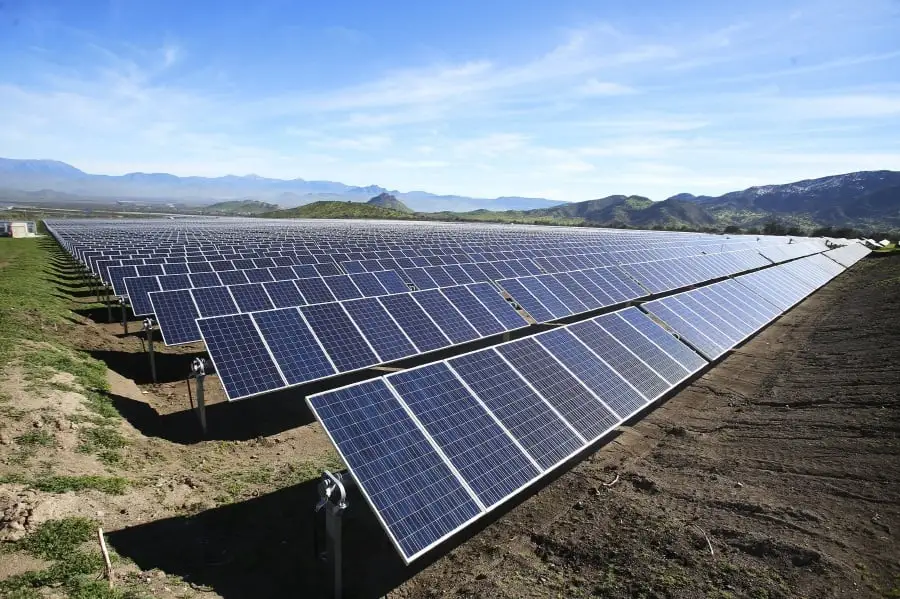
China is leading a major shift towards renewable energy among BRICS nations, positioning the bloc as a dominant force in the global solar power sector. According to a recent report by energy research group Ember, BRICS countries collectively generated 51% of the world’s solar electricity in 2024—more than triple their share a decade ago, which stood at just 15%. While many BRICS members remain significant producers of fossil fuels, the transition to solar energy is accelerating rapidly, spearheaded by China’s extensive clean-energy infrastructure. In 2024, China alone accounted for 39% of global solar generation, with India contributing 6.3% and Brazil 3.5%, reinforcing the bloc’s growing renewable energy credentials. Originally formed to reflect the rising economic influence of Brazil, Russia, India, China and South Africa, the BRICS group has expanded both its membership and geopolitical weight. Newer entrants include Iran, Egypt, Ethiopia, the United Arab Emirates and Indonesia, while Saudi Arabia has received an invitation but has yet to confirm participation. China, India and Brazil now rank among the world’s top five solar-generating nations. Their momentum continues into 2025, with China recording a 42% increase in solar output during the first four months of the year. India and Brazil have also posted year-on-year increases exceeding 30%. Trade within the bloc is intensifying, with China exporting US$9.4 billion worth of solar cells and panels to fellow BRICS members since the beginning of 2024, according to data from BloombergNEF. This underscores the dual strength of China’s manufacturing capabilities and its strategic ties with emerging economies. Despite this progress, the benefits of clean energy leadership among founding BRICS members are not uniformly distributed. According to an April study by Global Energy Monitor, several newer partner states—including Indonesia, Kazakhstan, Nigeria and Malaysia—are prioritising fossil fuel expansion. These countries are currently constructing 25 gigawatts of new fossil-fuel capacity, compared to just 10 gigawatts of clean energy projects. Notably, over 60% of the fossil-fuel infrastructure underway in these regions involves Chinese firms, either as project developers or financiers, highlighting the complexities of China’s energy diplomacy even amid its leadership in renewable generation. -Bloomberg

ESG

BMW Brilliance Advances Sustainability Agenda in China with 2024 Report

BMW Brilliance Automotive Ltd, the long-standing Sino-German joint venture, has reaffirmed its strategic commitment to sustainable development in China with the publication of its 2024 sustainability report. The document outlines notable advancements and sets ambitious new goals aimed at supporting China’s transition to a greener economy. The company continues to position itself at the forefront of sustainability in the premium automotive segment, with key initiatives spanning renewable energy deployment, materials innovation and cultural heritage preservation. A central focus of BMW Brilliance’s roadmap is the planned local production of its Neue Klasse electric vehicles, scheduled to commence in 2026. This move is expected to significantly bolster the company’s electrification strategy in the world’s largest automotive market. The report also details BMW’s continued investment in sustainable materials, highlighting the integration of bio-based components in the BMW X3 range. These include materials derived from coffee grounds and sugarcane fibre, underscoring the company’s drive to reduce environmental impact throughout its value chain. By embedding sustainability across its operations, BMW Brilliance aims to set a benchmark for luxury carmakers operating in China, aligning industrial innovation with national green development objectives. -ANN

News

UOB Collaborates with FMM and SMF to Accelerate Cross-Border Manufacturing Growth

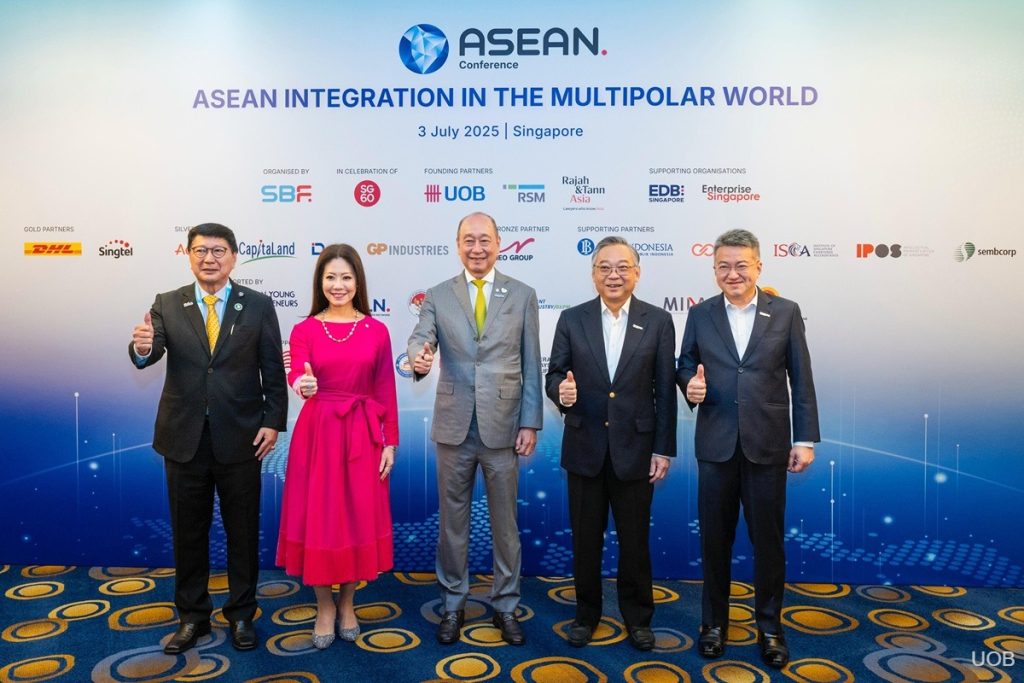
United Overseas Bank (Malaysia) Bhd (UOB Malaysia) has entered into a strategic partnership with the Federation of Malaysian Manufacturers (FMM) and the Singapore Manufacturing Federation (SMF) to strengthen cross-border trade and investment between Malaysia and Singapore. The tripartite memorandum of understanding (MoU) was signed at the ASEAN Conference in Singapore, with the objective of enhancing the Malaysia–Singapore manufacturing corridor. This collaboration leverages UOB’s regional expertise and extensive network to support businesses, particularly small and medium-sized enterprises (SMEs), in scaling their operations, accessing new markets and achieving sustainable growth. The initiative is closely aligned with the momentum created by the Johor–Singapore Special Economic Zone (JS-SEZ), a bilateral government initiative aimed at fostering greater economic integration. In a statement, UOB highlighted its early involvement in the JS-SEZ, having launched key initiatives such as the Green Lane in collaboration with Invest Johor. The bank also established dedicated SEZ Desks and introduced expedited account opening services to facilitate business onboarding. Since 2024, UOB has committed RM11.5 billion in financing to support commercial activities in Johor and is currently facilitating RM10 billion in foreign direct investment (FDI) flows into the zone. Ng Wei Wei, Chief Executive Officer of UOB Malaysia, expressed confidence in the partnership’s potential. “Through this MoU, we look forward to working with FMM and SMF to help their members seize cross-border opportunities and contribute to ASEAN’s industrial growth,” she said. The MoU outlines two primary objectives: to promote bilateral business expansion between Malaysia and Singapore and to enhance joint trade and investment initiatives aimed at reinforcing the regional manufacturing ecosystem. UOB’s role includes providing tailored advisory services, market entry strategies and in-market support to members of both manufacturing bodies. FMM President Tan Sri Soh Thian Lai said the collaboration sets the foundation for new cross-border success stories under the JS-SEZ. He reaffirmed FMM’s commitment to supporting its members in harnessing the potential of this bilateral framework to deepen regional business ties. Lennon Tan, President of the SMF, noted that ASEAN’s global competitiveness depends on the ability of its manufacturers to innovate, scale and connect efficiently. “This tripartite partnership will open clearer paths to capital, talent and technology, enabling sustainable growth and ensuring that the Malaysia–Singapore manufacturing corridor remains competitive and future-ready,” he added. -The Edge

News

Hong Kong Retail Sales Climb 2.4% in May, Marking First Annual Growth in Over a Year

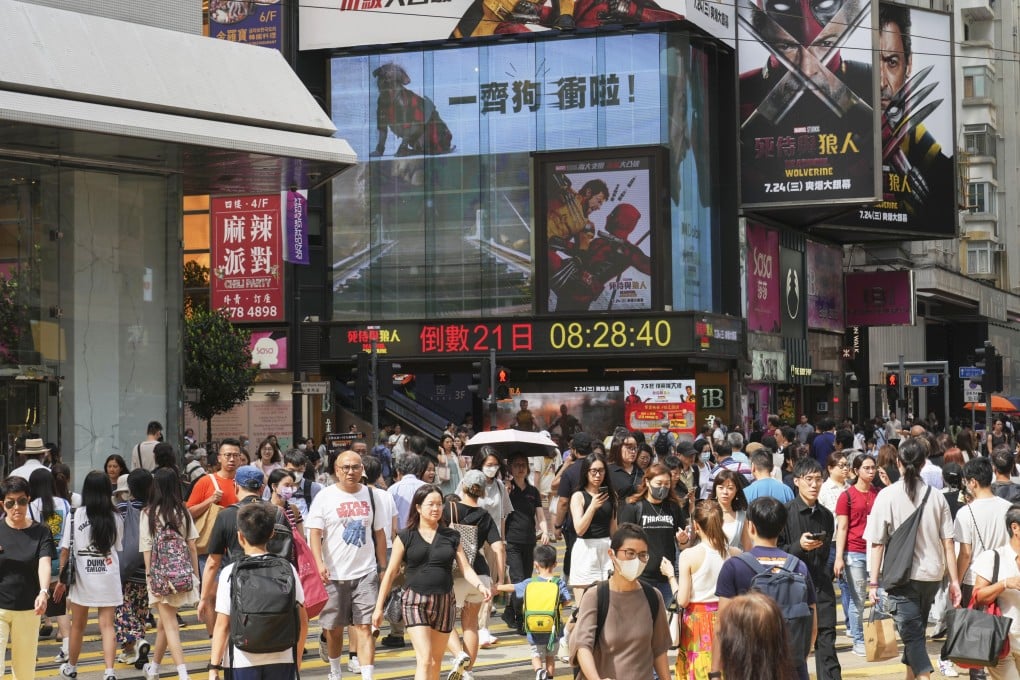
Hong Kong’s retail sector recorded its first annual increase in more than a year, with retail sales by value rising by 2.4 per cent in May, according to official government figures released on Wednesday. The total sales value reached HK$31.3 billion (approximately US$3.99 billion), marking a notable rebound following a 2.3 per cent year-on-year decline in April. In volume terms, retail sales rose 1.9 per cent year-on-year in May, reversing a revised 3.3 per cent contraction in the previous month. The return to positive territory suggests a gradual recovery in consumer sentiment and spending activity, though analysts note that broader economic conditions and tourism flows will remain key factors influencing the pace of retail recovery in the months ahead. -Reuters

Scroll to Top

Subscribe
FREE Newsletter