international

Energy & Technology, News

VinFast Opens Second Vietnam EV Plant, Targets One Million Annual Vehicle Output

VinFast, Vietnam’s leading electric vehicle (EV) manufacturer, commenced operations at its second domestic production facility on Sunday, 29 June, marking a strategic step towards increasing output of its compact urban EVs amid challenges in its international growth trajectory. The newly inaugurated factory, situated in Ha Tinh province in central Vietnam, boasts an initial annual capacity of 200,000 units and covers 36 hectares, according to a company statement. This expansion complements the manufacturer’s flagship facility in Haiphong, which is projected to achieve a production capacity of 950,000 units by 2026. Backed by Vingroup, Vietnam’s largest conglomerate, VinFast has laid out an ambitious roadmap to establish manufacturing footprints in key international markets including the United States, India, and Indonesia. However, its global expansion efforts have encountered obstacles, ranging from subdued demand to intense competition across the EV sector. The company last year confirmed a delay in the commencement of operations at its planned US-based factory, pushing the launch to 2028. Meanwhile, its assembly plant in India is scheduled to become operational in July 2025. “Once operational, the VinFast Ha Tinh factory will contribute to VinFast’s goal of producing 1 million vehicles per year to meet the increasing demand of domestic and foreign markets,” said Nguyen Viet Quang, Chief Executive Officer of Vingroup. Despite its global ambitions, VinFast continues to concentrate on domestic performance. The EV maker has set a target of delivering 200,000 vehicles in 2025, having already sold approximately 56,000 units in the first five months of the year, largely within Vietnam. Financially, the company reported a net loss of US$712.4 million for the first quarter of 2025. While this figure reflects a reduction from the US$1.3 billion loss posted in the previous quarter, it represents a 20 per cent increase year-on-year. Nonetheless, revenue surged by 150 per cent during the same period, reaching US$656.5 million. -Reuters

Energy & Technology

Indonesia and China’s CATL to Launch Lithium Battery Plant by End of 2026

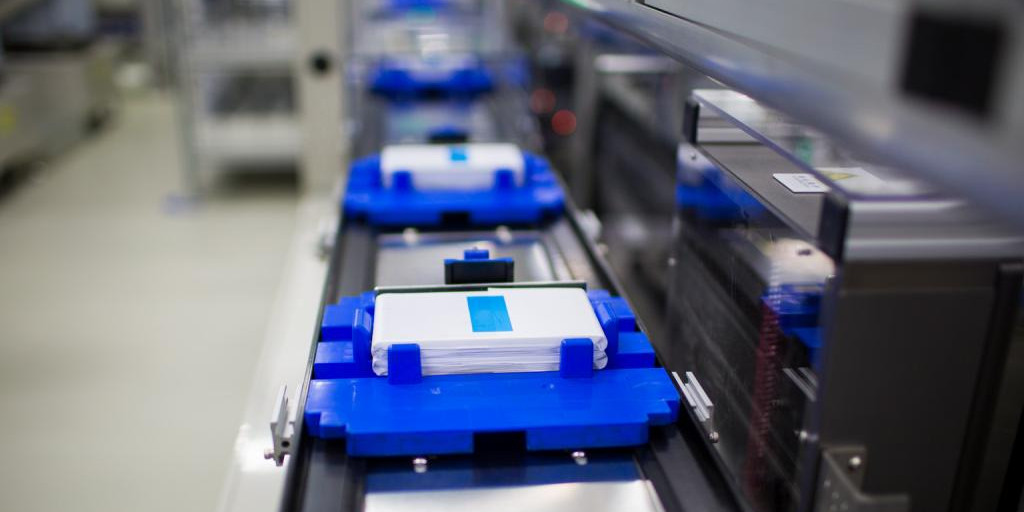
A lithium-ion battery manufacturing facility, developed through a partnership between Indonesian and Chinese companies, is expected to commence operations by the end of 2026. The plant, a joint venture between Indonesia Battery Corporation and China’s Contemporary Amperex Technology Co. Limited (CATL), will have an initial production capacity of 6.9 gigawatt hours (GWh), according to a statement from the Indonesian Ministry of Energy and Mineral Resources. The facility is designed with future expansion in mind, targeting an eventual capacity of up to 15 GWh in electric vehicle battery output for both domestic use and international export. Dwi Anggia, spokesperson for the Ministry, confirmed the expansion plans as part of a broader ambition to position Indonesia as a critical player in the global battery supply chain. This initiative forms a key component of a US$6 billion power battery investment deal signed in 2022, which includes multiple Indonesian state-linked companies—among them PT Aneka Tambang Tbk—and a consortium led by CATL. The multi-phase project encompasses nickel mining, materials processing, EV battery production, and end-of-life battery recycling. At the ceremonial groundbreaking, Energy Minister Bahlil Lahadalia indicated the possibility of incorporating energy storage batteries for solar power into the plant’s production portfolio. Should this plan be realised, the total capacity of the plant could reach as high as 40 GWh, he noted. Discussions with the project stakeholders are ongoing to assess feasibility and scope. The primary battery facility will be constructed in West Java, while upstream activities such as nickel extraction and processing will take place in North Maluku, an eastern province rich in nickel reserves. Indonesia, which holds the world’s largest nickel deposits, has set a national target of producing approximately 600,000 electric vehicles by 2030—a 13-fold increase over the volume sold in 2024. The government views the localisation of battery manufacturing as pivotal to achieving its EV ambitions and strengthening its position in the global energy transition. -Reuters

Energy & Technology, News

Seoul Urges Temu, AliExpress to Suspend Sales of Children’s Goods Breaching Safety Standards

The Seoul Metropolitan Government has formally requested that major e-commerce platforms Temu and AliExpress suspend the sale of several children’s products, citing significant safety concerns following a recent inspection. In a statement issued today, city officials reported that a review of 35 children’s items available on the platforms — including umbrellas, raincoats and rain boots — revealed that 11 of them failed to meet South Korean safety regulations. The inspection found several products containing hazardous substances in quantities far exceeding the country’s legal limits. Of particular concern were six umbrellas containing phthalate-based plasticisers at concentrations up to 443.5 times higher than permitted levels. Phthalates, commonly used to increase the flexibility of plastic, are associated with endocrine disruption. In addition, two products were found to contain lead at concentrations reaching 27.7 times the allowable threshold. Lead exposure beyond safety limits is known to impair reproductive function and elevate the risk of cancer. Although the platforms are not legally obligated to comply with the municipal government’s request, Seoul authorities have stressed the urgency of removing the non-compliant items from online sale. The government noted the long-term health risks of exposure to hazardous substances in children’s products and advised consumers to scrutinise product information thoroughly prior to purchase. Neither Temu nor AliExpress immediately responded to requests for comment. This development comes amid mounting international scrutiny of ultra-low-cost online retailers, including Temu, AliExpress, and Shein. These companies have rapidly gained global market share by offering fast fashion and accessories at competitive prices, positioning themselves as strong competitors to Western giants such as Amazon. However, concerns around product quality and consumer safety have increasingly accompanied their rise. In a related move last year, the Seoul government highlighted that women’s accessories sold by Temu, AliExpress and Shein contained toxic substances in concentrations several hundred times above acceptable limits. The European Union also added Shein to its list of major digital platforms subject to stricter product safety regulations, with a particular emphasis on protecting minors from harmful goods. -AFP

News

China Confirms US Trade Framework and Reaffirms Export Review Commitment

China has confirmed the finalisation of a trade framework agreement with the United States, aligning with remarks made by US Commerce Secretary Howard Lutnick, who earlier outlined a mutual accord aimed at stabilising bilateral relations. According to a statement released on Friday by China’s Ministry of Commerce, both parties have maintained close communication following trade discussions held in London earlier this month. The Ministry noted that, upon receiving the necessary approvals, both sides had further clarified and agreed upon the framework’s details. “The Chinese side will review and approve eligible applications for the export of controlled items in accordance with the law. The US side will correspondingly cancel a series of restrictive measures taken against China,” the Ministry spokesperson stated. The announcement closely followed Lutnick’s comments in a Bloomberg Television interview on Thursday, where he disclosed that the US and China had finalised the terms of a trade agreement reached during talks in Geneva. He further indicated that the White House intends to pursue similar agreements with ten major trading partners in the near future. Lutnick confirmed that the agreement with China had been signed two days prior. The framework formalises terms discussed in prior negotiations, including a commitment from Beijing to resume the supply of critical rare earth materials. These resources are essential in a wide range of high-technology sectors, including wind energy and aerospace manufacturing. Despite the progress made in London, where discussions were led by US Treasury Secretary Scott Bessent and Chinese Vice Premier He Lifeng, limited information was publicly disclosed. This has led to ongoing speculation regarding key components, such as the resumption of exports of rare earth magnets. President Donald Trump characterised the outcome of the talks as “GREAT” in a social media post, although senior administration officials acknowledged that the agreement largely codifies understandings reached earlier in Geneva. These prior arrangements resulted in a partial easing of tariffs but left unresolved disputes around export control policies. The Chinese Commerce Ministry referred to a call between President Trump and President Xi Jinping on 5 June, reiterating that both nations should work collaboratively to ensure the stable development of economic and trade relations. Earlier this month, China announced it would intensify regulations on two chemical precursors used in fentanyl production. The move was widely seen as a gesture towards the United States, potentially aimed at preserving the fragile trade détente. The Trump administration had imposed 20% tariffs on Chinese goods in response to allegations of Beijing’s involvement in the US opioid crisis. These levies remain in effect. In his Thursday interview, Lutnick stated that punitive measures imposed by the US prior to the London negotiations would be rescinded once rare earth exports from China resumed. These US restrictions include curbs on key materials such as ethane, advanced semiconductor software and components for jet engines. The agreement coincides with the US government’s decision to ease certain restrictions on ethane exports. Earlier this week, the Department of Commerce notified energy producers that they could load ethane onto vessels destined for China, though unloading remains prohibited without explicit authorisation.

News

Japan Sees Surge in Private-Sector Rice Imports Amid Domestic Shortages

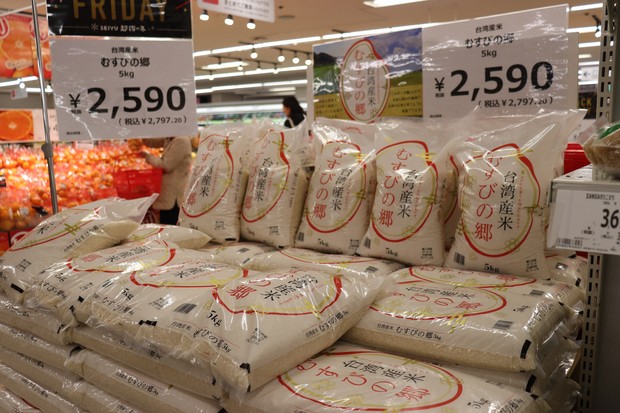
Japan witnessed a sharp rise in private-sector rice imports in May, signalling mounting pressure on the country’s food supply system. As rice prices continue to climb, trading firms and wholesalers imported approximately 10,600 metric tonnes of staple rice, a significant increase from the mere 3,004 tonnes imported throughout the previous fiscal year, which ended in March. This surge comes despite stringent levies on private-sector rice imports, currently set at ¥341 per kilogram. Although the volume remains modest compared to Japan’s annual consumption of around 7 million tonnes, the pace of import growth underscores the severity of the ongoing supply crisis. Domestic rice prices have doubled since last year, driven by an extreme heatwave that impacted the 2023 harvest. The situation was further exacerbated by stockpiling behaviour following a major earthquake, alongside increased demand fuelled by a resurgence in tourism. In response, the Japanese government began releasing rice from its strategic reserves to retailers in late May. This move allowed consumers to purchase 5kg bags of rice for approximately ¥2,000 (US$13.85), significantly lower than average supermarket prices, which have spiked sharply. In a notable shift, Japanese restaurants and households are increasingly turning to imported rice brands, particularly from the United States, as they seek more affordable alternatives. Despite its traditionally protectionist agricultural policies and long-standing reliance on domestic production, Japan has been forced to adjust. Under World Trade Organization rules, the government is permitted to import up to 100,000 tonnes of staple rice tariff-free annually. In a departure from routine, authorities moved up the tender for tariff-free rice imports from its usual September schedule to June, aiming to curb rising consumer costs. This early intervention reflects growing concern among policymakers about food security and price stability, particularly as global supply chains remain volatile.

News

Luxury Brands Refocus on Flagship Experiences to Reignite China Sales

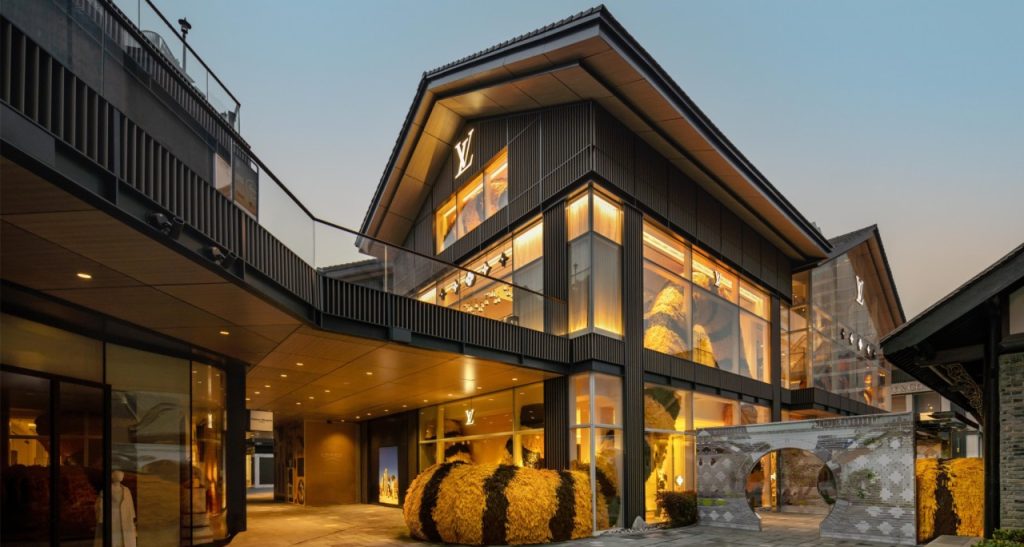
Louis Vuitton has unveiled its latest flagship store in Shanghai, a striking ship-shaped structure named The Louis, situated prominently on the city’s bustling Nanjing Road. Rising 30 metres in height, the space is more than a traditional retail environment. It houses a curated exhibition area and an in-house café, aligning with a growing industry trend that prioritises experiential engagement over transactional retail. The store, which opened with fanfare this week, is designed to captivate attention both in person and online, with its gleaming exterior and social-media-ready interiors. For parent company LVMH, however, the hope extends beyond aesthetics. With luxury consumption in China facing headwinds, the group is counting on immersive brand experiences to stimulate renewed interest and spending. This pivot reflects a broader strategic recalibration across the luxury goods sector, as brands increasingly shift from pure retail to curated experiences aimed at driving long-term customer loyalty and growth. The urgency of this transition is underscored by recent market data. According to consultancy Bain, China’s personal luxury goods market contracted by more than 18% in 2023, falling to approximately 350 billion yuan. Forecasts for 2025 suggest a stagnant performance, placing pressure on brands that have historically relied on robust Chinese demand to power global growth. Zino Helmlinger, head of China retail at property services firm CRBE, acknowledged the impact of recent market challenges. “The luxury segment as a whole has taken a hit,” he said, noting that the slowdown was largely anticipated following a prolonged period of outsized growth. “If you look at the megastars – LVMH, Kering, Richemont, Hermès – they almost tripled their profit within five years. At some point, there is some counterbalancing.” In the first quarter of 2025, LVMH reported an 11% organic decline in revenues across its Asia-Pacific markets excluding Japan. This region accounts for 30% of the group’s total sales. The decline mirrors broader consumer caution in China, where economic uncertainty and a protracted downturn in the property market have dampened appetite for discretionary purchases. Some Chinese consumers are now opting for experiences over possessions. Shanghai resident Natalie Chen, 31, noted a personal shift in priorities. “Truthfully speaking, I don’t feel that buying another bag will improve my life,” she said, although she expressed interest in the café within The Louis and other branded spaces such as Prada’s new restaurant in Shanghai. “There’s a different kind of feeling than just shopping in a mall,” she added, though she admitted it is unlikely to translate into additional purchases. Luxury groups appear increasingly attuned to this evolving mindset. While demand for traditional personal luxury goods has softened, Bain reports rising interest in “experiential luxury” – from fine dining and travel to tailored hospitality experiences. In its spring report, Bain noted that although the global personal luxury market shrank by 1% to 3% in 2024, experiential luxury grew by 5%. This shift is evident in recent brand activity. Real estate advisory firm Savills highlights a surge in experiential touchpoints, such as high-end restaurants and exclusive VIP lounges. Despite widespread store closures in China – including exits by Balenciaga, Chanel, and Gucci, which plans to shutter 10 locations this year – several brands are simultaneously investing in high-visibility flagship formats and cultural activations. Prada, for example, opened a Wong Kar Wai-designed restaurant in Shanghai in March. Dior has introduced a café concept in Chengdu, while Tiffany & Co., despite downsizing a downtown Shanghai store, recently launched a new three-storey flagship in the same city. Patrice Nordey, CEO of Shanghai-based consultancy Trajectry, noted that the move is about future positioning as much as current sales. “All the brands are closing stores, but those that can afford to are also opening big flagships or holding some big events or exhibitions to keep their visibility extremely high.” According to Nordey, the evolution of luxury retail is more profound than simple rebranding. “I think it’s a way of looking at your customer, either as someone that will buy products, or as an individual who is trying to have a more fulfilling life,” he said. For Helmlinger, the recalibration represents a strategic tightening of presence rather than a retreat. “You need to create this concept of rarity, and rarity comes with scarcity,” he said. “When you have 80 or 90 stores in one market, it doesn’t seem so rare anymore – it seems like it’s mainstream.” -Reuters

News

JSW Paints to Acquire Akzo Nobel India in Landmark $1.6 Billion Deal

JSW Paints has entered into a definitive agreement to acquire Akzo Nobel India in a landmark transaction valued at approximately US$1.6 billion, marking the largest-ever deal in the Indian paint and coatings industry. The acquisition underscores JSW Group’s ambitions to significantly expand its footprint in the rapidly growing Indian market, amid intensifying competition and evolving industry dynamics. The transaction includes the acquisition of a 74.76% stake in Akzo Nobel India for US$1.05 billion, with JSW Paints set to launch an open offer for the remaining 25% held by public shareholders. The deal includes debt and is expected to close in the fourth quarter of 2025, pending regulatory approvals. Following the announcement, shares of Akzo Nobel India surged over 11%, before stabilising at a 7.6% increase in mid-morning trading on the Mumbai exchange. The sharp uptick reflects investor confidence in the deal’s potential to reshape the domestic market landscape. Founded in 2019, JSW Paints is part of the diversified US$23 billion JSW Group. Upon completion, the acquisition will elevate the company to fourth place in the Indian paints sector by market share, trailing only Asian Paints, Berger Paints, and Kansai Nerolac. The move is seen as a strategic play to gain scale and operational depth in a sector experiencing unprecedented competitive churn. Parent company Akzo Nobel, headquartered in the Netherlands and owner of the Dulux brand, had previously initiated a review of its South Asia operations in a bid to streamline costs and reinforce its core coatings business. Despite the divestiture, Akzo Nobel will retain its powder coatings operations and research and development centre in India. Globally, it ranks as the fourth-largest paint manufacturer by market capitalisation, behind PPG, Nippon Paint, and Sherwin-Williams. The Indian paints and coatings market is projected to grow from US$10.46 billion in 2025 to US$16.37 billion by 2030, driven by surging infrastructure and real estate development, according to data from Mordor Intelligence. This acquisition arrives at a time when legacy players face mounting pressures. Kumar Mangalam Birla’s Grasim entered the market in 2024 under the Birla Opus brand, intensifying competition. Grasim has since lodged an antitrust complaint against Asian Paints, alleging abuse of market dominance. In 2022, a similar complaint filed by JSW Paints was dismissed by the competition watchdog for lack of evidence. Industry analysts suggest that while the acquisition provides JSW Paints with a compelling scale-up opportunity, integration challenges may create short-term openings for incumbents, particularly in the premium and luxury segments. Akzo Nobel anticipates net proceeds of €900 million from the sale and has announced plans to launch a €400 million share buyback programme post-completion.

News

G7 Agrees to Exempt US Multinationals from 15% Global Minimum Tax

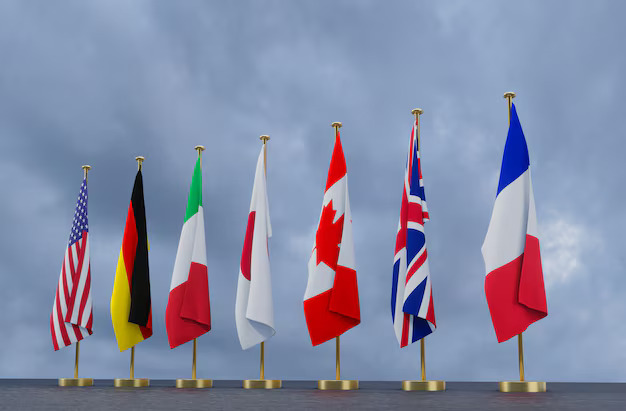
The Group of Seven (G7) nations announced on Saturday that they have reached a significant agreement to exempt United States multinational corporations from the global minimum tax regime applied by other countries. This marks a notable diplomatic success for the administration of President Donald Trump, which has lobbied extensively for such a carve-out. According to a statement issued by Canada, which currently holds the G7’s rotating presidency, the accord introduces a “side-by-side” mechanism. Under this framework, US multinational enterprises will be taxed solely within the United States on both domestic and overseas earnings. This dual-track approach is positioned as a stabilising force in the global tax landscape. The agreement, the G7 noted, was facilitated in part by proposed revisions to the US international tax system contained in President Trump’s flagship legislative package — a comprehensive domestic bill still under consideration in Congress. These pending tax changes were key to shaping the compromise. “The side-by-side system could provide greater stability and certainty in the international tax system moving forward,” the statement said, emphasising a long-term vision of reduced friction in cross-border tax administration. The development is the latest evolution in global tax reform efforts that have gained traction since 2021, when nearly 140 countries reached a landmark accord under the aegis of the Organisation for Economic Co-operation and Development (OECD). That initiative, which drew heavy criticism from President Trump at the time, was built on two foundational “pillars”. The second of these mandates a minimum global corporate tax rate of 15%. Although the G7 has expressed unanimous support for the exemption of US firms, the final decision rests with the OECD, which must formally endorse any deviation from the global framework. In its communiqué, the G7 stated its commitment to “expeditiously reaching a solution that is acceptable and implementable to all.” On Thursday, US Treasury Secretary Scott Bessent foreshadowed the announcement, citing progress toward a “joint understanding among G7 countries that defends American interests.” He also made an appeal to US legislators to eliminate Section 899 from the Trump administration’s legislative agenda. Section 899, informally labelled a “revenge tax”, would permit Washington to impose additional levies on foreign-owned corporations and investors originating from jurisdictions perceived to enforce discriminatory taxation on American businesses. The clause has provoked apprehension among global investors, who argue that it could deter foreign direct investment into the US. The agreement reached by the G7 signals an important pivot in global tax diplomacy and underscores the influence of US domestic policy debates on international fiscal architecture. -AFP

News

PayNet Collaborates with Alipay+ and Weixin Pay to Enhance Tourist Spending in Malaysia

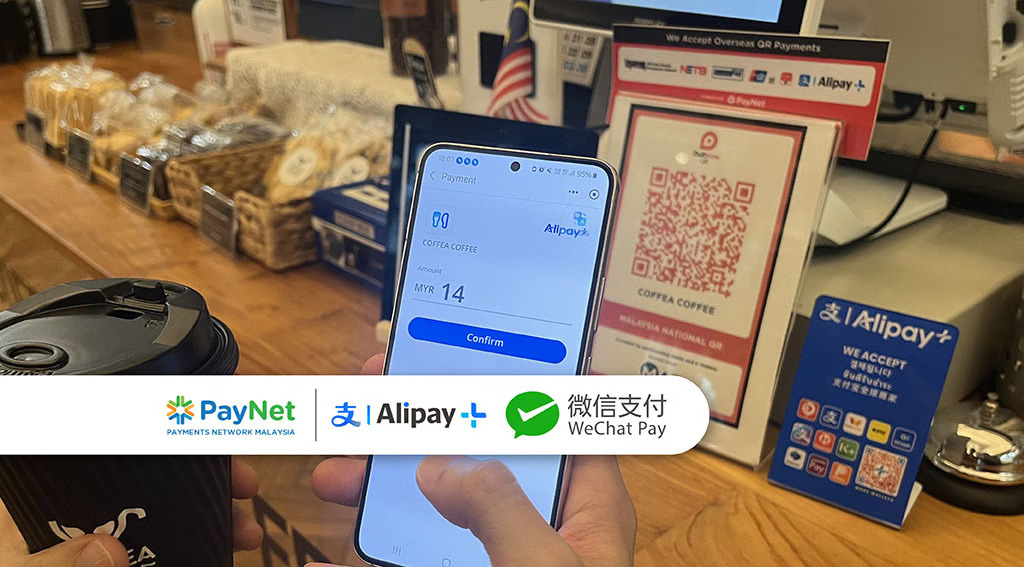
Payments Network Malaysia (PayNet) has announced a strategic partnership with Alipay+ and Weixin Pay to stimulate inbound tourist expenditure, particularly from Chinese and regional travellers, by enhancing access to digital payment services across Malaysia. This collaboration will activate three summer campaigns integrated with the DuitNow QR ecosystem, Malaysia’s national interoperable QR code standard, which currently connects to over 2.5 million merchants. Visitors can transact directly using their existing mobile wallets without the need to download additional applications. Participating merchants include a broad spectrum of businesses, ranging from retail outlets and dining establishments to tourism service providers. The initiative seeks to improve the convenience of cross-border payments while driving the adoption of digital solutions among micro, small and medium-sized enterprises (MSMEs) nationwide. Alipay+ currently facilitates the use of 15 international e-wallets in Malaysia, including Alipay for users from China. PayNet reports that DuitNow QR transactions made through Alipay+ during the December 2024 travel period generated six times more revenue for local merchants compared to the same period in the previous year. Running from 26 June to 14 July, the first of the summer campaigns features a lucky draw for AlipayCN and Alipay+ users transacting via DuitNow QR, with prizes including an all-expenses-paid trip for two to watch the Arsenal–Tottenham Hotspur match in Hong Kong. A second initiative, “Eat, Play & Save”, operates from 15 June to 30 September, offering discounts at selected food and tourism-related merchants. From 15 July to 15 September, Weixin Pay users will be able to collect digital badges through DuitNow QR purchases, which can be redeemed for discount vouchers. Additionally, Weixin Pay customers will benefit from preferential foreign exchange rates when using DuitNow QR in Malaysia. PayNet projects that participating businesses could see up to a 20% uplift in sales as a result of the campaigns. “This is what smart tourism looks like: seamless for travellers, transformative for our MSMEs. By enabling tourists to use their home wallets via DuitNow QR, we are opening up more than 2.5 million Malaysian businesses, many of them small and family-run, to global spending power. It’s a digital solution with real-world economic impact,” said Gary Yeoh, Chief Marketing Officer at PayNet. The organisation is targeting a more than 130% year-on-year increase in DuitNow QR transactions through Alipay+ and Weixin Pay in 2025. Payments Network Malaysia (PayNet) has announced a strategic partnership with Alipay+ and Weixin Pay to stimulate inbound tourist expenditure, particularly from Chinese and regional travellers, by enhancing access to digital payment services across Malaysia. This collaboration will activate three summer campaigns integrated with the DuitNow QR ecosystem, Malaysia’s national interoperable QR code standard, which currently connects to over 2.5 million merchants. Visitors can transact directly using their existing mobile wallets without the need to download additional applications. Participating merchants include a broad spectrum of businesses, ranging from retail outlets and dining establishments to tourism service providers. The initiative seeks to improve the convenience of cross-border payments while driving the adoption of digital solutions among micro, small and medium-sized enterprises (MSMEs) nationwide. Alipay+ currently facilitates the use of 15 international e-wallets in Malaysia, including Alipay for users from China. PayNet reports that DuitNow QR transactions made through Alipay+ during the December 2024 travel period generated six times more revenue for local merchants compared to the same period in the previous year. Running from 26 June to 14 July, the first of the summer campaigns features a lucky draw for AlipayCN and Alipay+ users transacting via DuitNow QR, with prizes including an all-expenses-paid trip for two to watch the Arsenal–Tottenham Hotspur match in Hong Kong. A second initiative, “Eat, Play & Save”, operates from 15 June to 30 September, offering discounts at selected food and tourism-related merchants. From 15 July to 15 September, Weixin Pay users will be able to collect digital badges through DuitNow QR purchases, which can be redeemed for discount vouchers. Additionally, Weixin Pay customers will benefit from preferential foreign exchange rates when using DuitNow QR in Malaysia. PayNet projects that participating businesses could see up to a 20% uplift in sales as a result of the campaigns. “This is what smart tourism looks like: seamless for travellers, transformative for our MSMEs. By enabling tourists to use their home wallets via DuitNow QR, we are opening up more than 2.5 million Malaysian businesses, many of them small and family-run, to global spending power. It’s a digital solution with real-world economic impact,” said Gary Yeoh, Chief Marketing Officer at PayNet. The organisation is targeting a more than 130% year-on-year increase in DuitNow QR transactions through Alipay+ and Weixin Pay in 2025. -Fintech News

News

HDB Financial Draws Strongest Investor Demand for Indian IPOs in Four Years

HDB Financial Services Ltd’s US$1.5 billion (approximately RM6.34 billion) initial public offering has emerged as the most actively subscribed major Indian listing in at least four years, driven by robust demand from both foreign and domestic institutional investors. The non-banking financial arm of HDFC Bank Ltd, India’s leading private sector lender, attracted bids exceeding two billion shares by Friday afternoon in Mumbai, significantly surpassing the 130.4 million shares on offer, according to data published by the Bombay Stock Exchange. Participation was led by global institutional investors, domestic mutual funds and financial institutions. High net-worth individuals—those placing bids exceeding one million rupees (RM49,000)—also demonstrated significant interest. Meanwhile, the retail portion earmarked for small investors was fully subscribed. With demand for the issue exceeding available shares by over 15 times, HDB Financial’s listing represents the most substantial oversubscription since food delivery platform Eternal Ltd’s US$1.4 billion IPO, which drew more than 29 times coverage, exchange records show. This offering comes at a time of renewed confidence in Indian equity markets, as the NSE Nifty 50 Index edges to within 5% of its record high from September. The strong reception signals resurging appetite for large-scale public issues and could set the tone for several high-profile deals anticipated later this year, including prospective listings from Tata Capital Ltd and LG Electronics Inc’s India unit. India has re-emerged as one of the most dynamic global markets for equity fundraising in 2024. Following a period of subdued activity, IPOs, block trades and institutional placements have gained renewed momentum. HDB Financial secured 33.7 billion rupees through its anchor book allocation, with key institutional participants including Life Insurance Corporation of India—the country’s largest insurer—and a range of domestic mutual funds. Notably, global asset managers such as Morgan Stanley and Allianz SE were also among the cornerstone investors. -Bloomberg

Scroll to Top

Subscribe
FREE Newsletter