international

News

CarUX Acquires Japan’s Pioneer in $1.1 Billion Deal to Expand Automotive Tech Portfolio

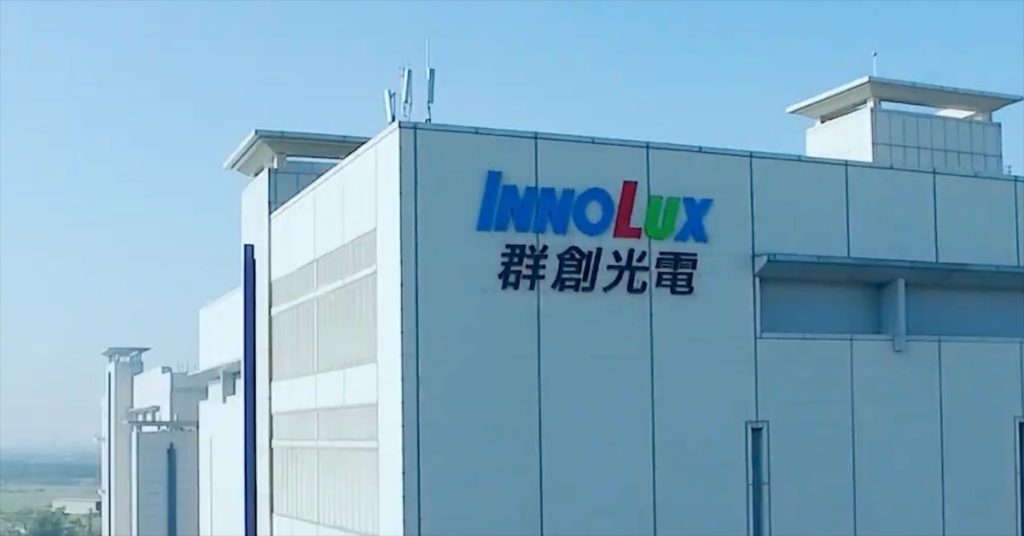
CarUX, a smart cockpit solutions provider and subsidiary of Taiwan’s leading display manufacturer Innolux Corporation, has announced the acquisition of Japan’s Pioneer Corporation in a landmark transaction valued at 163.6 billion yen (approximately $1.1 billion). The agreement, signed with global investment firm EQT, will see CarUX assume full ownership of Pioneer, a former heavyweight in Japan’s consumer electronics sector. The move is aimed at enhancing CarUX’s footprint in the Asia-Pacific region while significantly expanding its global product portfolio. Pioneer, renowned for its innovation in automotive sound systems and Human Machine Interface (HMI) software, brings decades of experience and a well-established network of automotive partnerships, including with industry giant Toyota. According to CarUX and Innolux Chairman Jim Hung, the acquisition will unlock strategic synergies by integrating CarUX’s display and touch technology expertise with Pioneer’s established audio and software capabilities. “The acquisition brings strategic synergies for both CarUX and Pioneer,” said Hung, underlining the alignment of the two companies’ technological and operational strengths. The deal arrives at a time when CarUX is preparing for a public listing in the United States, announced earlier this year. The enhanced product offering and broader market access provided by the acquisition are expected to support the company’s growth ambitions on the global stage. Pioneer’s President and CEO Shiro Yahara welcomed the acquisition, stating that the collaboration would enable both companies to “create the future of mobility experiences”. Hung also revealed at a press briefing that Pioneer reported revenue of 240 billion yen in the fiscal year ending March 2024, and maintains a robust financial structure — a factor that was key in finalising the acquisition. Once a trailblazer in consumer electronics, Pioneer made headlines in 1997 for launching the world’s first plasma television. However, amid increasing global competition, the company saw its consumer electronics influence wane. Pioneer was previously acquired in 2018 by Baring Private Equity Asia for $900 million, resulting in its delisting from the Tokyo Stock Exchange. Baring was subsequently acquired by Swedish investment firm EQT AB in 2022. This strategic acquisition marks a significant milestone for CarUX, reflecting its ambitions to lead innovation in next-generation automotive cockpit solutions. -Reuters

Investment & Market Trends, News

NTT Files for S$1.36 Billion Data Centre REIT IPO on Singapore Exchange

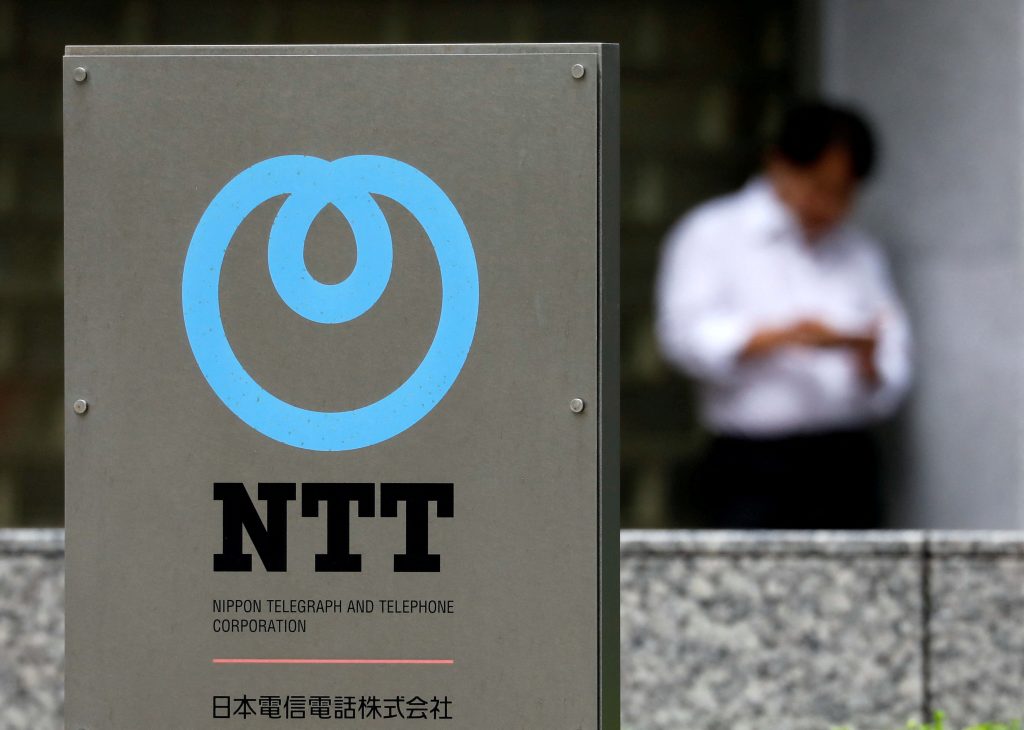
Nippon Telegraph and Telephone Corporation (NTT) has submitted a preliminary prospectus for the initial public offering (IPO) of its data centre real estate investment trust, NTT DC REIT, on the Singapore Exchange (SGX), according to a filing published on the Monetary Authority of Singapore’s website. The move marks a significant development in NTT’s strategy to capitalise on growing investor interest in digital infrastructure. While the preliminary filing did not specify the expected IPO size or launch date, sources cited by Reuters earlier indicated the deal could raise up to US$1 billion (approximately S$1.36 billion), positioning it as the largest listing in Singapore in recent years. The last comparable IPO was the US$977 million (S$1.33 billion) listing of Digital Core REIT in 2021, based on LSEG data. NTT DC REIT’s initial portfolio comprises six data centre assets spanning the United States, Austria, and Singapore. The total appraised value of these assets stands at approximately US$1.6 billion (S$2.17 billion), the preliminary prospectus revealed. The REIT’s sponsor is NTT Ltd, the global IT services subsidiary of the Japanese telecommunications group. The offering has attracted strong institutional interest, with cornerstone investors including Singapore’s sovereign wealth fund GIC, AM Squared Ltd, and Viridian Asset Management Ltd. These investors commit to subscribing to shares ahead of the IPO’s public launch, offering early validation of the REIT’s market appeal. NTT declined to comment when approached for further details. The listing comes amid renewed momentum in Singapore’s equities market. In February, the city-state introduced a suite of initiatives aimed at revitalising IPO activity, including a 20% corporate tax rebate for companies undertaking primary listings on SGX. Market activity has responded positively. IPO proceeds on SGX rose more than five-fold in the first half of 2025, reaching US$331.6 million compared to US$59.3 million in the same period last year, according to LSEG data. Separately, Hong Kong-listed China Medical System announced earlier this week that it had applied for a secondary listing on SGX, signalling growing regional interest in Singapore’s capital markets. -Reuters

Energy & Technology, News

Xiaomi Shares Soar to Record High as YU7 SUV Attracts 289,000 Orders in One Hour

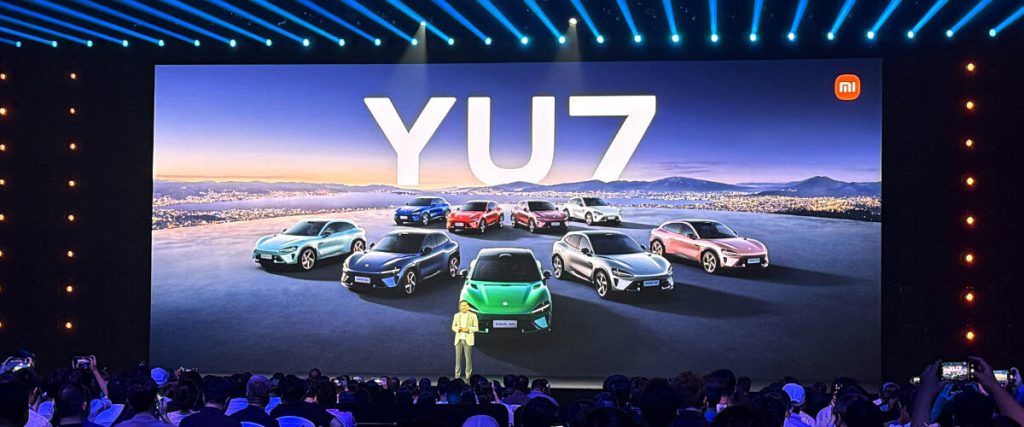
Xiaomi Corporation’s shares surged 8% to an all-time high after the company revealed overwhelming demand for its latest electric vehicle, the YU7 SUV. Within just one hour of launch, the model secured 289,000 pre-orders, far surpassing market expectations and underscoring the brand’s growing presence in China’s competitive EV market. Priced at 253,500 yuan (approximately $35,360), the YU7 is positioned as a direct rival to Tesla’s Model Y, which starts at 263,500 yuan in China. The SUV represents Xiaomi’s second vehicle release, following the debut of its SU7 sedan. The new model enters a saturated electric vehicle landscape, as scrutiny mounts over assisted driving technologies and regulatory pressures on automakers intensify. At the launch event in Beijing, Xiaomi founder Lei Jun positioned the YU7 squarely against the Model Y, continuing a strategy reminiscent of how he previously compared Mi smartphones to the iPhone. Lei acknowledged the challenges ahead, stating the company is preparing to face “the biggest competitor” and other strong contenders in the sector. With an eye on the long term, Lei has pledged 200 billion yuan in investment over five years as part of Xiaomi’s ambition to become a global leader in smart devices, spanning everything from automotive technology to AI wearables and chip development. The YU7 forms a key component of that strategy. Pre-orders began on Thursday with a refundable 5,000 yuan deposit. In a surprising move, customers awaiting delivery of the SU7 were given a three-day window to switch to the YU7. Xiaomi reported over 200,000 pre-orders for the SUV within the first three minutes following the launch announcement. Analysts at Goldman Sachs described demand as exceeding both company and market expectations, forecasting that Xiaomi will continue strengthening its position in the premium electric vehicle segment in China. The firm raised its stock price target by 6% to HK$69. According to Bloomberg Intelligence, the YU7 could be instrumental in accelerating Xiaomi’s EV sales, potentially driving a 209% increase in 2025. With sport utility vehicles enjoying greater popularity than sedans in China, the YU7 is expected to expand Xiaomi’s consumer base and take market share from rivals including Tesla and Nio. Analysts project the SUV could account for 41% of Xiaomi’s EV deliveries in the second half of the year, surpassing the company’s EV sales target by 13%. The top YU7 variant is priced at 329,900 yuan, featuring a driving range of up to 760 kilometres (470 miles) and acceleration from 0 to 100 kilometres per hour in 3.23 seconds. The model comes in nine colours and includes high-end features such as lidar-based driver assistance, an 800-volt fast-charging platform, large touchscreens, massage chairs, and built-in storage compartments. The YU7 will serve as a crucial test of market confidence in Xiaomi’s automotive ambitions following a fatal crash involving the SU7, which has drawn increased scrutiny from Chinese regulators. The launch also comes amid broader government pressure on automakers to refrain from aggressive pricing tactics and financial manoeuvres, including using near-new vehicles to artificially boost sales. Despite regulatory headwinds, Lei expressed optimism that the YU7 will support Xiaomi’s automotive division in reaching profitability in the second half of the year, potentially marking one of the fastest paths to breakeven in the industry. Investors have responded positively to this vision. Xiaomi’s market capitalisation now stands near $200 billion, surpassing BYD, China’s leading EV manufacturer. The SU7 has already outsold the Tesla Model 3 year-to-date. In addition to the YU7, Xiaomi’s event showcased a range of new products, including a pair of 1,999 yuan AI-powered smart glasses capable of filming and interpreting visual information, the MIX Flip 2 foldable smartphone, and a tablet equipped with Xiaomi’s proprietary Xring O1 chip. -Bloomberg

Investment & Market Trends, News

Shein Targets Hong Kong IPO with Confidential Filing in Strategic Shift

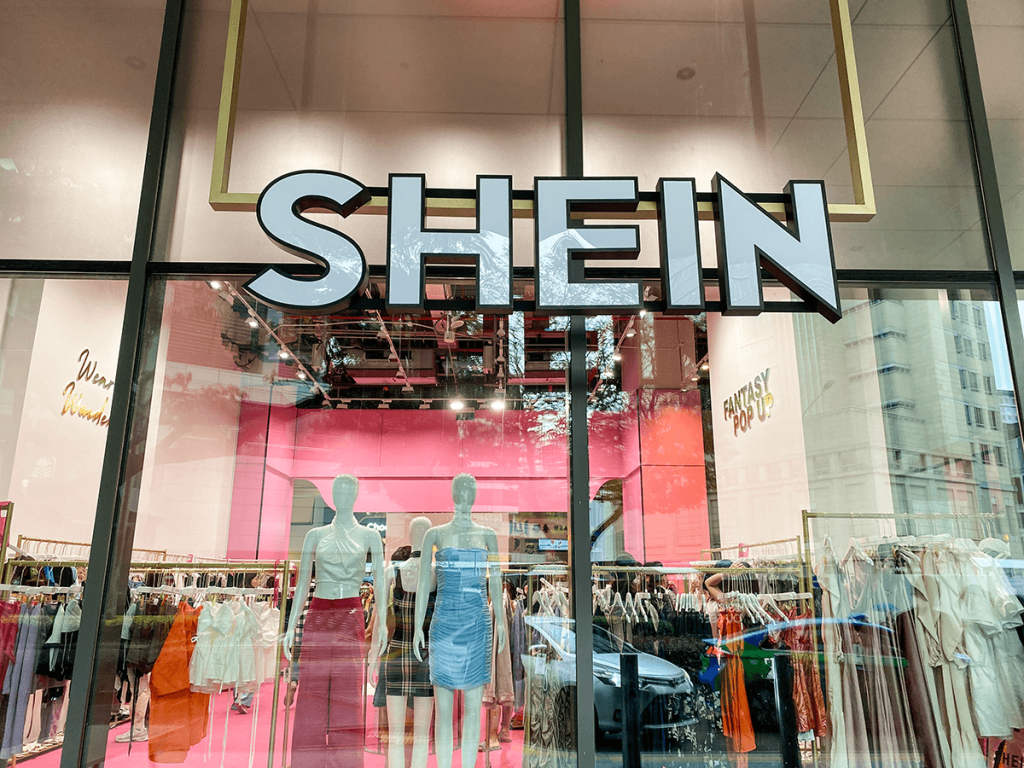
Fast-fashion giant Shein is preparing to confidentially file a draft prospectus for a planned initial public offering (IPO) in Hong Kong, according to three individuals familiar with the matter. This move marks a significant deviation from the typical practice in the territory, where major IPO applicants such as Xiaomi and Meituan have traditionally opted for public filings. Sources indicate the China-founded retailer is aiming to submit the draft as early as this week, with one suggesting a Monday deadline. If accepted, the confidential filing would require a waiver of one of the Hong Kong Stock Exchange’s principal listing regulations—an exceptional measure that underscores the unique regulatory complexities surrounding Shein’s public offering. The proposed listing in Hong Kong follows previous unsuccessful attempts to go public in the United States and the United Kingdom, where regulatory hurdles, including lack of approval from the China Securities Regulatory Commission (CSRC), impeded progress. Reuters previously reported that Shein’s London IPO bid had gained support from UK authorities, but still failed to secure the green light from Beijing. Founded in 2012 by entrepreneur Sky Xu, Shein has built a global presence, offering low-cost apparel such as US$5 dresses and US$10 jeans across approximately 150 countries. The business, headquartered in Singapore since 2022, maintains a significant reliance on its supply network in China, sourcing products from around 7,000 third-party suppliers. This operational structure has kept the firm within the ambit of Chinese offshore listing regulations, despite its overseas base. Confidential IPO filings—commonplace in the United States—allow companies to engage regulators without immediate public scrutiny of financials or risk factors. Although rare in Hong Kong, the exchange’s rules do permit such filings for secondary listings or in specific spin-off scenarios upon regulatory waiver. Should Shein proceed under this framework, details of the offering will remain undisclosed until it clears a formal hearing with the Hong Kong exchange. Final approval hinges on authorisation from the CSRC, though it remains unclear whether Shein has received an informal nod from the commission. According to sources, the confidential nature of the filing enables both Hong Kong and mainland Chinese regulators to conduct private evaluations and request clarifications before the materials are made available to institutional investors. A successful IPO in Hong Kong would mark Shein’s third and potentially final bid to enter the public markets, and could become the city’s largest float this year. It would also represent a critical boost to Hong Kong’s capital markets, which recorded US$12.8 billion in IPOs and secondary listings in the first half of the year, amid turbulence driven by geopolitical and trade tensions. Valued at US$66 billion during a 2023 pre-IPO fundraising round—down from earlier valuations—Shein’s public market debut will be closely watched. Analysts suggest the eventual valuation will reflect recent shifts in global trade policy, particularly US tariff increases on Chinese goods and the end of duty-free ecommerce imports, developments that have negatively impacted Shein’s largest market. The company has also faced reputational challenges related to its supply chain. Allegations of forced labour involving Uyghur minorities in China’s Xinjiang region have led to increased scrutiny. While Beijing denies any human rights abuses, the US has imposed a ban on products linked to forced labour in the region. Shein maintains that its global supplier code of conduct prohibits forced labour and asserts that it does not permit Chinese cotton to be used in products destined for the US market. Under current rules, Shein will be required to file with the CSRC within three business days of submitting its Hong Kong application. The regulator applies a “substance over form” principle, allowing significant discretion in determining whether companies fall under its purview—even if formally headquartered abroad. If granted regulatory clearance, Shein’s confidential listing could set a precedent for future high-profile IPOs in Hong Kong, marking a turning point for both the company and the broader fundraising environment in Asia. -Reuters

Energy & Technology

LG Eyes Space Industry Expansion, Targets Lunar Landing by 2032

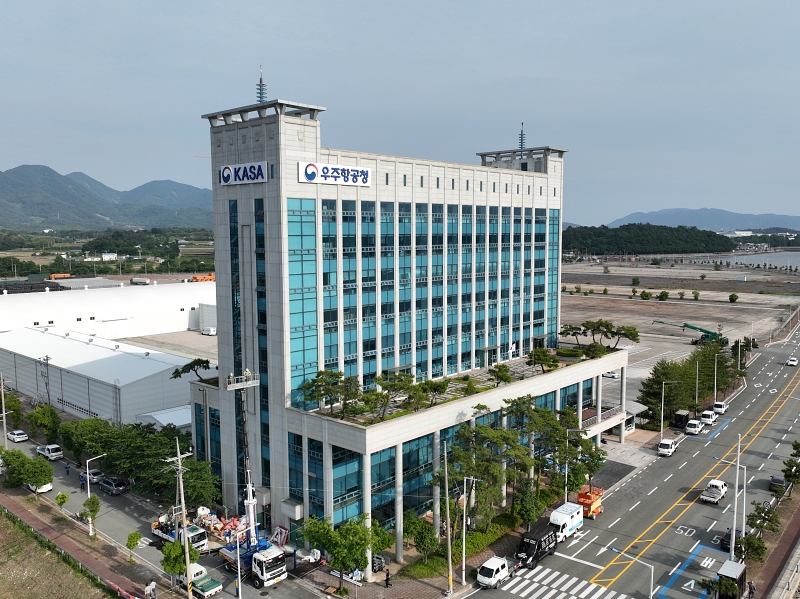
South Korea’s LG Group is actively assessing potential entry into the space industry, according to the Korea Aerospace Administration (KASA), which confirmed discussions held with the conglomerate on Friday. KASA Administrator Yoon Young-bin met with senior LG executives at the group’s research and development complex in Seoul to deliberate on strategies to enhance private-sector engagement in the country’s evolving aerospace landscape. During the session, LG provided a comprehensive overview of its internal assessment of space-related technologies and detailed its ongoing support for domestic aerospace start-ups. One of the highlights included a case study of a successful lunar rover mobility trial, conducted in collaboration with local start-up Unmanned Exploration Laboratory. The initiative reflects LG’s broader ambition of achieving a lunar landing capability by 2032. The meeting also underscored LG’s historical contributions to the field. Notably, LG Energy Solution Ltd., the group’s battery manufacturing subsidiary, was selected by the US National Aeronautics and Space Administration (NASA) in 2016 to supply lithium-ion batteries for astronaut spacesuits designated for deep space missions. An LG representative noted that the group remains in the early phase of feasibility assessment and is evaluating environmental conditions in space alongside potential commercial models. KASA reaffirmed its commitment to enabling private-sector innovation, highlighting national policy measures designed to stimulate commercial participation and stressing the importance of agile adaptation to shifting technological and regulatory trends. -Yonhap

News

Great Eastern’s Suspension of Pre-Authorisation at Mount Elizabeth Raises Patient Care Concerns

The president of the Singapore Medical Association (SMA) has voiced concern over Great Eastern’s recent decision to suspend the issuance of pre-authorisation certificates for policyholders seeking admission to Mount Elizabeth hospitals, warning that the move may disrupt continuity of care. Speaking to CNA in his capacity as a panel specialist with the insurer, Dr Ng Chee Kwan noted that the decision restricts patient choice and may dissuade policyholders from utilising services at Mount Elizabeth Orchard and Mount Elizabeth Novena. Great Eastern implemented the suspension on 17 June, citing the need to manage escalating healthcare costs and maintain long-term affordability for all policyholders. The insurer observed that certain private hospitals have been charging significantly higher fees for comparable treatments in recent years. Pre-authorisation is a process whereby an insurer provides approval for coverage before medical treatment is administered. This mechanism allows for direct billing between the hospital and insurer, reducing the need for patients to make substantial upfront payments for hospitalisation, surgical procedures, doctors’ fees, diagnostic tests and certain outpatient treatments. Dr Ng, who practises at Mount Elizabeth Novena, remarked that many policyholders may not be able to switch insurers easily due to the non-portable nature of Integrated Shield Plans. He added that although he is still able to admit patients to Great Eastern’s preferred hospitals, these facilities may not be suitable for major procedures due to limitations in available equipment. Dr Tan Yung Khan, a urologist with clinics in both Mount Elizabeth hospitals as well as Mount Alvernia Hospital, expressed similar concerns, highlighting the uncertainty now facing patients in relation to claims processing. This uncertainty, he said, could deter patients from seeking treatment at affected hospitals. While private doctors are typically accredited to practise across multiple facilities, Dr Tan noted that familiarity with a particular hospital’s operating environment enhances efficiency and may reduce the likelihood of errors. He stated that for complex surgeries, many doctors prefer to operate in facilities they trust and have previously worked in. Oncologist Dr Peter Ang, who practises at OncoCare Cancer Centre, described Great Eastern’s move as disheartening. He indicated that the change complicates the decision-making process for cancer patients, who now have to weigh financial considerations alongside urgent medical decisions. Although Dr Ang, who is also on Great Eastern’s panel, had not encountered any affected patients since the suspension, he explained that some patients may require hospital admission for tests or treatment, necessitating logistical adjustments across the group’s clinics, which also operate at Mount Alvernia and Gleneagles. Dr Tan said the immediate impact on his clinic has been limited due to the absence of Great Eastern patients scheduled for procedures at Mount Elizabeth. Nonetheless, he acknowledged that future patient decisions could shift toward hospitals offering more certainty around claim approvals, especially given the rising cost of private medical care. He added that while the move was unexpected, it was understandable given the upward trend in healthcare expenses. Dr Tan observed that cost control benefits all parties in the insurance ecosystem, including policyholders concerned about increasing premiums. In response to media queries, Great Eastern clarified that the suspension does not affect policyholders’ coverage or entitlements. Patients may still seek treatment at Mount Elizabeth hospitals. For scheduled procedures, the hospitals may issue an electronic Letter of Guarantee, which serves to waive or reduce the required deposit and assures partial payment from the insurer. The insurer emphasised that eligible claims will continue to be honoured following assessment and that pre-authorisation remains available for procedures at other private hospitals, including Mount Alvernia, Farrer Park, Gleneagles and Raffles. A medical care concierge service is also available to assist customers in identifying appropriate treatment options across both private and public sectors. Separately, Dr Ng commented on the removal of panel specialists, noting that Great Eastern reduced its panel more significantly than other insurers this year. According to Ministry of Health data, Great Eastern’s panel decreased by 52 specialists in 2024, representing a 15 per cent reduction. This was the largest contraction among insurers, with AIA recording a net drop of 13. Great Eastern responded that its annual panel review is aimed at ensuring quality care and alignment with Ministry of Health guidelines on reasonable fees. Despite the reduction, Great Eastern continues to maintain the third largest pool of panel specialists, with 779 practitioners. Dr Ng suggested that the insurer’s recent partnerships with selected hospitals might explain a decline in policyholder visits to his clinic. He expressed hope that discussions between Great Eastern and the affected hospitals would lead to a reinstatement of the pre-authorisation arrangement.

News

Starbucks Eyes Strategic Shake-Up in China Amid Intensifying Market Competition

Starbucks Corporation is reportedly evaluating strategic options for its China operations, including the possibility of forging local partnerships or a partial divestment, as the company seeks to revitalise growth in its second-largest global market. Speaking to Chinese media outlet Jiemian News on Tuesday, the Seattle-based coffee chain affirmed its continued commitment to the Chinese market, stating it is “evaluating the best ways to capture future growth opportunities”. Starbucks added that its priority remains focused on reinvigorating business momentum and sustaining long-term success in the region. The remarks followed reports that several major investment firms — including Hillhouse Capital, Carlyle Group and CITIC Capital — recently participated in a reverse management roadshow related to Starbucks China. While the final structure of any potential deal remains undetermined, the business unit is estimated to be valued between $5 billion and $6 billion. Starbucks’ current global market capitalisation stands at $104.93 billion. In recent years, Starbucks has witnessed a steady erosion of its market dominance in China’s on-premises coffee segment. Local coffee chains have gained considerable ground, while freshly made tea beverages have surged in popularity, particularly among younger consumers. According to data from Euromonitor International, Starbucks’ share of the specialist coffee and tea shop market in China has declined sharply, from a peak of 41 percent in 2017 to just 14 percent in 2024. Notably, the overall market expanded from $8.33 billion in 2019 to $21.8 billion in 2024. Starbucks’ fiscal second-quarter results showed flat comparable store sales in China. A 4 percent increase in transaction volume was offset by a corresponding 4 percent drop in average ticket size. Nevertheless, the company remains optimistic about its long-term outlook in China. In April, Starbucks Chairman and CEO Brian Niccol pointed to early signs of recovery driven by new product strategies, including the introduction of sugar-free offerings and more competitive price points. He also confirmed that Starbucks was open to exploring strategic partnerships to support its future in the market. In a bid to strengthen its position, Starbucks earlier this month cut prices on a range of non-coffee beverages. Items such as Frappuccinos, iced shaken teas and tea lattes saw average reductions of 5 yuan (£0.55), with some drinks now priced as low as 23 yuan (£2.55), and further discounts available during promotional campaigns. The pricing strategy forms part of Starbucks’ “all-day beverage” initiative, which aims to align coffee consumption with morning routines and tea-based drinks with afternoon preferences. The company currently operates more than 7,700 stores across China but is facing intensifying competition from fast-growing domestic players. Luckin Coffee now leads the field with over 24,000 outlets, while newer entrant Cotti Coffee has expanded rapidly to approximately 14,000 stores. Additionally, the rise of freshly made tea brands continues to fragment the beverage landscape, adding further pressure on Starbucks’ traditional dominance. Industry comparisons have been drawn to McDonald’s China, which has thrived under localised ownership following CITIC Group and CITIC Capital’s acquisition of a controlling stake in 2017. McDonald’s China has since more than doubled its footprint to over 6,820 locations as of 2024 and plans to open nearly 1,000 of its 2,200 new stores globally in China next year. Independent food and beverage analyst Zhu Danpeng commented that CITIC could serve as an ideal strategic partner for Starbucks. “If we consider overall business synergy and success rate of operations, selling to CITIC would be the best choice,” Zhu stated. “With McDonald’s China already under its umbrella, CITIC has more resources, deeper experience and a stronger grasp of the Chinese consumer market. A Starbucks-CITIC tie-up would unlock clear strategic advantages.” -China Daily

Energy & Technology, News

Seoul Accelerates AI Strategy with Appointment of Industry Leader to Cabinet Post

In a decisive move underscoring South Korea’s commitment to artificial intelligence, President Lee Jae-myung on Monday nominated Dr Bae Kyung-hoon, a leading AI authority and head of LG AI Research, as Minister of Science and ICT. The appointment is widely seen as a strategic pivot to fast-track the country’s ambition to become one of the world’s foremost AI powers. The nomination of Dr Bae follows closely on the 15 June appointment of Ha Jung-woo, head of Naver’s AI Innovation Centre, to the newly established position of Senior Secretary for AI and Future Planning. This senior Blue House role is designed to steer AI-related investment and national policy coordination. Presidential Chief of Staff Kang Hoon-sik confirmed the decision reflects a high-level commitment to bolstering South Korea’s global AI competitiveness. “We expect Bae to strengthen AI competitiveness alongside Ha Jung-woo,” he stated. President Lee has pledged a monumental investment of over ₩100 trillion (approximately USD 73.5 billion) through public-private partnerships aimed at accelerating the country’s AI ecosystem. The enlistment of top executives from major conglomerates such as LG and Naver signals a profound integration of private-sector expertise into national policy. Dr Hwang Yong-sik, professor at Sejong University College of Business and Economics, affirmed the strategic significance of these appointments. “There is growing recognition that relying solely on the public sector for AI development has its limitations,” he said. “While the government can provide direction, true progress depends on the deep involvement of the private sector.” Dr Bae brings an extensive background that bridges startups, academia, and corporate R&D. His early career included a role at Samsung Thales, a now-defunct joint venture between Samsung Techwin and French defence company Thales. He later joined SK Telecom’s Future Technology R&D Centre before moving to LG in 2016. At LG, Dr Bae held senior positions across its key technology subsidiaries and, in 2020, became the founding president of LG AI Research. Under his leadership, the organisation launched South Korea’s first hyperscale language model, Exaone, in 2021. It was commercialised in 2023, and an open-source third iteration was released last year. Most recently, in March 2025, his team debuted Exaone Deep, the country’s first interference AI model. Beyond the corporate sphere, Dr Bae has contributed to national policy as a government adviser on AI governance and data privacy. His rare combination of technical depth and leadership experience positions him uniquely in the fast-evolving field. “Only a handful of professionals in South Korea can handle a frontier model from end to end, and Bae is one of them,” noted Dr Choi Byung-ho, professor at Korea University’s Human-inspired AI Research Lab. “We are in a race against time. The pace of AI development demands rapid, expert decision-making. This is not a role for a generalist or a bureaucrat.” Pending confirmation by Parliament, Dr Bae will assume oversight of the Ministry of Science and ICT, with responsibility for the nation’s scientific and digital infrastructure policy at a time when global competition in AI intensifies. -The Korea Herald

Energy & Technology, News

SoftBank Sets Ambitious Goal to Lead in Artificial Super Intelligence

SoftBank Group CEO Masayoshi Son has outlined an ambitious new direction for the Japanese investment giant, revealing his vision for SoftBank to become the world’s leading platform provider for “artificial super intelligence” (ASI) over the next decade. Speaking at the company’s annual shareholder meeting on Friday, Son said: “We want to become the organiser of the industry in the artificial super intelligence era.” He drew comparisons between his goal and the dominance enjoyed by major US technology firms such as Microsoft, Amazon, and Google, describing the ASI sector as one likely to be governed by a “winner takes all” dynamic. Son, a long-time advocate of disruptive technologies, has defined artificial super intelligence as a form of AI capable of surpassing human abilities by a factor of 10,000. His latest strategy signals a bold return to the kind of aggressive investment approach that once defined SoftBank’s rise — from early success with Alibaba to high-profile setbacks like WeWork. This year, SoftBank has already made significant moves in the AI space. The group acquired US semiconductor designer Ampere for $6.5 billion and has underwritten as much as $40 billion in new investment in OpenAI, the company behind ChatGPT. Son confirmed that SoftBank’s total committed investment in OpenAI now stands at $32 billion since its initial funding in autumn 2024. “I’m all in on OpenAI,” he said, also expressing regret over not having invested sooner. He added that he expects OpenAI to pursue a public listing in the future. SoftBank previously held a 5% stake in Nvidia but divested in 2019 — prior to the 2022 AI boom catalysed by ChatGPT’s release. Nvidia has since emerged as the dominant player in AI chipmaking and one of the world’s most valuable companies. The group’s renewed focus on high-growth technology comes after a period of retrenchment. Following the decline in valuations of portfolio companies from 2022, SoftBank had adopted a more cautious stance. However, its fortunes reversed with the $5 billion IPO of chip designer Arm in September 2023. The appreciation in Arm’s share price has significantly strengthened SoftBank’s asset base, allowing it to leverage its holdings for further investment. In June, SoftBank raised an additional $4.8 billion through the sale of a portion of its stake in T-Mobile. Despite the company’s risk-on posture, Son assured shareholders that SoftBank remains committed to disciplined investment, maintaining the financial capacity and strategic user base needed to act decisively during industry inflection points. -Reuters

Investment & Market Trends

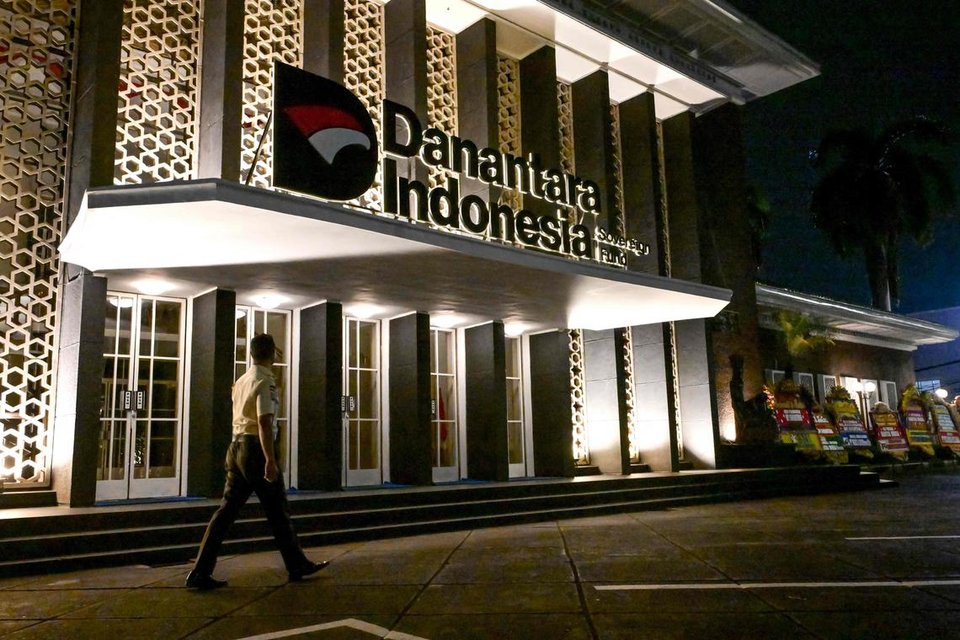
Danantara Commits 6.65 Trillion Rupiah Investment to Garuda Indonesia

Danantara Indonesia has announced a major capital injection into national flag carrier operator PT Garuda Indonesia, with an initial shareholder loan of 6.65 trillion rupiah to be channelled through PT Danantara Asset Management. The funding marks a significant step in the airline’s long-term business transformation, maintenance and fleet optimisation strategy. The state asset fund, which was mandated earlier this year to oversee Indonesia’s state-owned enterprises including Garuda Indonesia, disclosed that the capital support will be allocated for business optimisation, long-term funding, governance-driven assistance, and comprehensive performance restructuring. The total value of the funding package is projected to reach approximately US$1 billion. The first phase of the initiative will focus on maintenance and ensuring the operational readiness of aircraft belonging to both Garuda Indonesia and its low-cost subsidiary, Citilink. Subsequent stages will concentrate on optimising operational and financial performance in support of long-term business transformation. “The funding support reflects our mandate for transformation through a professional and measurable approach that prioritises the principles of good governance,” said Danantara Chief Operating Officer Dony Oskaria. He noted that the initiative builds on Garuda Indonesia’s restructuring process undertaken between 2021 and 2024, intended to secure long-term sustainability. According to Dony, the airline is entering a phase of accelerated improvement aimed at strengthening competitiveness and maximising asset utilisation. The initiative will be implemented under a governance framework aligned with international standards, including oversight by an independent financial controller and technical guidance from a global aviation industry expert. These measures are intended to ensure strict compliance with industry best practices. He further highlighted that the capital support aligns with broader national objectives to bolster domestic connectivity, drive tourism development, and establish Indonesia as a key aviation hub in the Southeast Asian region. Garuda Indonesia President Director Wamildan Tsani Panjaitan expressed confidence that the support from Danantara would reinforce the airline’s operational capacity and overall performance. “We believe that the success of performance improvement does not only depend on financial support, but also on the company’s commitment to reorganise overall operational and business strategy,” he said. Wamildan described the capital injection as a strategic opportunity to expedite performance enhancement and accelerate progress towards profitability. In the first quarter of the current fiscal year, the airline reported a 12.54% year-on-year reduction in net loss to US$75.93 million, despite ongoing costs associated with long-term restructuring. “With the corporate action from Danantara, we are projecting that 2026 will be a turning point for Garuda Indonesia. We are optimistic about recording positive net income,” Wamildan said at a press conference. Garuda Indonesia is targeting a fleet size of around 120 aircraft within the next five years, positioning itself for expansion and leadership in both the domestic and regional markets. As of March, the airline operated 98 aircraft. Deputy Industry Minister Faisol Riza confirmed in March that the carrier was preparing to place an order for up to 100 new aircraft this year from leading manufacturers such as Airbus and Boeing. The announcement, originally made by President Prabowo Subianto at the launch of Danantara, was tempered by acknowledgement of the challenges posed by global supply constraints and surging demand from other international carriers. -The Jakarta Post

Scroll to Top

Subscribe
FREE Newsletter