international

News

Nike to Slash China Production as US Tariffs Drive $1 Billion Cost Surge

Nike has announced that US tariffs on imports are set to increase its operating costs by approximately $1 billion, prompting the company to accelerate efforts to reduce its dependence on Chinese manufacturing. The sportswear giant outlined strategic measures to offset the impact of rising costs, including supply chain diversification, price adjustments, and a renewed focus on core sportswear innovation. Chief Financial Officer Matthew Friend stated that China currently accounts for around 16% of Nike’s US footwear imports. The company intends to reduce this figure to a high single-digit percentage by the end of May 2026 through expanded production in other regions. “We are partnering with our suppliers and retail partners to mitigate this structural cost increase in order to minimise the overall impact to the consumer,” Friend said during a call with analysts. To help absorb the financial pressure from tariffs, Nike has already implemented price increases across selected product lines. Despite these headwinds, shares of Nike rose 11% in after-hours trading, buoyed by a better-than-expected financial performance. For the fourth quarter, Nike posted a 12% decline in revenue to $11.10 billion. This was less severe than analysts’ forecast of a 14.9% fall to $10.72 billion, according to LSEG data. The company also exceeded profit estimates, reflecting early gains from Chief Executive Elliott Hill’s renewed emphasis on sport-driven marketing and product innovation. Having previously ceded ground in the rapidly expanding running category, Nike has scaled back on legacy sneaker models such as the Air Force 1 and intensified investment in performance footwear, including the Pegasus and Vomero lines. The running division returned to growth in the fourth quarter, signalling early success in the company’s repositioning efforts. Hill, who took over as CEO in October last year, has committed to reinvigorating Nike’s identity as a sports-focused brand. On Thursday, the company staged a high-profile event in Paris, where athlete Faith Kipyegon attempted to run a sub-four-minute mile. Although the attempt fell short, it resulted in a new unofficial record, underscoring Nike’s renewed investment in elite sport and experiential marketing. Nevertheless, challenges remain. Sales in China continue to underperform, with company executives acknowledging that a recovery in the market will take time, given current economic conditions and intensifying local competition. Inventories remained flat year-on-year at $7.5 billion as of 31 May, prompting caution among analysts. “Nike’s inventories are still too high considering the sales declines. It was a tough quarter, but this was widely anticipated,” commented David Swartz, equity analyst at Morningstar Research. Looking ahead, Nike forecasts a mid-single-digit decline in first-quarter revenue, a projection that is slightly more optimistic than market expectations of a 7.3% drop. The company remains focused on navigating macroeconomic volatility while reinforcing its leadership in the global athleticwear sector. -Reuters

News

NTT DATA Targets Up to US$1 Billion in Singapore Data Centre REIT Listing

NTT DATA Group is preparing to list its data centre real estate investment trust (REIT) on the Singapore Exchange as early as July, according to two individuals familiar with the matter. The offering could raise as much as US$1 billion, potentially marking Singapore’s largest initial public offering (IPO) in nearly four years. The Japanese technology and IT services conglomerate is expected to file its IPO prospectus with the Singaporean regulator either this week or in the early part of next week. The company is currently in discussions with potential cornerstone investors, typically large institutional players who commit to IPOs prior to public launch. The individuals requested anonymity due to the confidential nature of the information. In a statement provided to Reuters, NTT confirmed it is targeting a public offering during its fiscal year 2025, which spans from April 2025 to March 2026. However, the final decision regarding timing will depend on prevailing market conditions. “Additionally, in order to be listed, we need to undergo the review and approval process by the Singapore Stock Exchange, and the approval timing is not yet certain,” the company said, noting that the size of the IPO has not yet been publicly disclosed. Should the listing proceed, it would be Singapore’s largest IPO since Digital Core REIT raised US$977 million in 2021, according to data from LSEG. Investor appetite for listings in Singapore has strengthened following a suite of initiatives announced by the city-state in February aimed at revitalising its capital markets. These include a 20% tax rebate for companies pursuing a primary listing on the Singapore Exchange. NTT’s proposed REIT is expected to be underpinned by six data centre assets: four in the United States, one in Austria, and one in Singapore, one of the sources said. In a further signal of Singapore’s growing appeal as a capital-raising venue, Hong Kong-listed China Medical System revealed this week that it had submitted an application for a secondary listing in the city-state. -Reuters

News

Grab Singapore Halts Incentive Scheme Changes

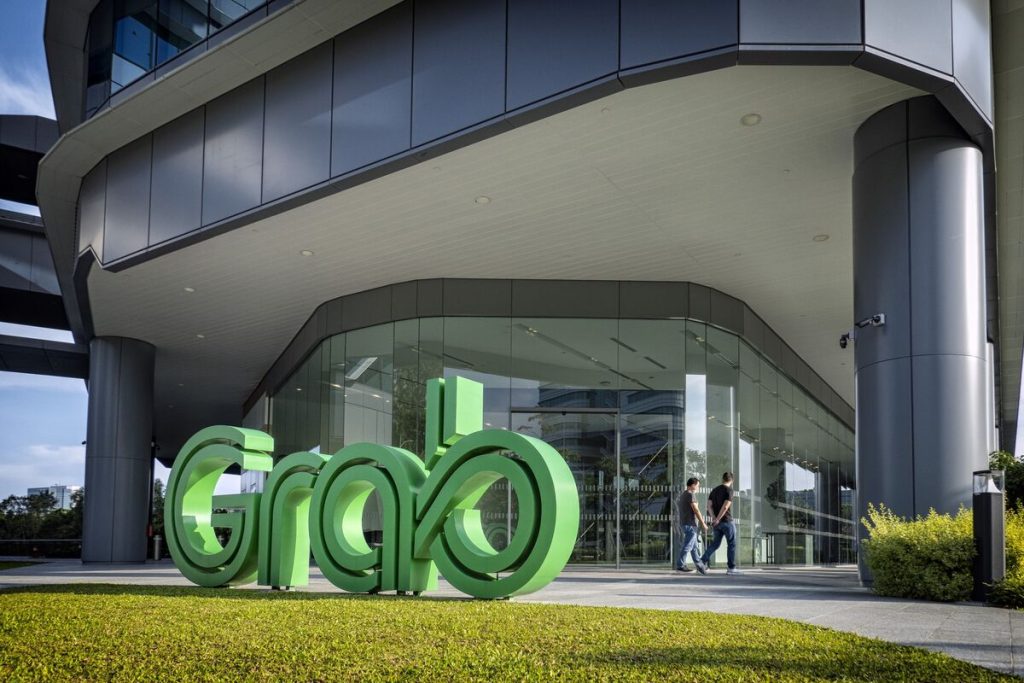
Grab Singapore has announced an immediate pause to its planned changes to driver incentive schemes, following pushback from drivers and concerns raised by the National Private Hire Vehicles Association (NPHVA). The revisions, which were originally intended to help drivers boost earnings through targeted driving during designated time slots and zones, have been shelved pending further review. In a joint statement issued on 25 June, Grab and the NPHVA stated the decision was made in response to feedback from driver-partners, highlighting the importance of ensuring driver concerns are addressed comprehensively before implementing new structures. The proposed updates centred around modifications to the existing Grab Streak Bonus and the introduction of a revised Streak Zones programme, which were due to come into effect from 1 July. These changes would have enabled drivers to pre-book two-hour slots—primarily during peak periods—and receive a 5 per cent cash rebate on completed rides, along with milestone-based bonuses. Completed trips would also have counted towards monthly bonus targets. However, the NPHVA cautioned that such adjustments could have negative implications for drivers’ income reliability. Many drivers depend on the current incentives to top up basic fares, and the revised system could limit their ability to reach earnings goals. Grab acknowledged in the joint statement that while the intended outcome was to reduce driving hours while maintaining income levels, the implementation could have been improved. An in-app message issued to drivers confirmed the suspension of the planned incentive overhaul, noting that the changes had “raised questions and uncertainty”. The message assured driver-partners that no alterations would be made to the current Grab Streak Bonus and Streak Zones programmes at this stage. The backlash was particularly vocal on social media. Yeo Wan Ling, adviser to the NPHVA, commented on Facebook that transitioning funds away from the widely-used and stable Streak Bonus could result in reduced earnings for the majority of drivers. She also raised concerns about the limited availability and unpredictability of pre-booked zone slots, making it difficult for drivers to plan and earn consistently. Feedback from drivers echoed these apprehensions. Full-time driver Mr Yeo described the proposed changes as a downgrade from the existing system, arguing that it would be difficult to secure slots in the designated zones, thereby reducing earning potential. Another driver, Mr Dan Lim, who works night shifts from 7pm to 6am, said the incentives would unfairly disadvantage those operating outside of traditional peak hours. Lim pointed out that night-time drivers frequently undertake long pick-ups for short trips, often earning as little as S$50 (approximately £29) in profits after accounting for expenses. “Most incentives go to daytime drivers, not those of us working midnight shifts,” he added. Mr Andy Lim, who has been with Grab full-time for eight years, expressed scepticism about the overall value of incentives, stating they often do not compensate for the operational challenges faced. He recalled completing a one-hour trip for just S$12, from which he netted only S$8 after fuel and rental deductions. “The current fare system feels like we’re being underpaid,” he said. “Some bookings require automatic acceptance to qualify for bonuses, but not all trips are worth the effort.” Another driver, Mr Tan, who recently joined the platform full-time, called for an increase in base fares rather than complex incentive structures that he believes gamify the system and push drivers to overwork. “We’re trading our time for money,” he said, noting the difficulty in balancing earnings with health and personal time. He shared concerns over driver fatigue and safety, especially when struggling to meet daily income targets. “For example, today I’m S$80 short, and tomorrow I have to send my daughter to a camp at 9am. It becomes a mental and physical strain.” Mr Tan added that while being a private hire vehicle (PHV) driver is often marketed as flexible, the reality is far more demanding. “Freedom of time for a PHV owner is a fallacy. I’m lucky to drive my parents’ vehicle. It’s tougher for those who rent.” Grab has not indicated when the incentive changes may be revisited but reaffirmed its commitment to working closely with stakeholders to better support its driver community. -CNA

News

Foxconn Close to Supplying Electric Buses to Mitsubishi Fuso, According to Nikkei

Taiwanese technology group Foxconn is reportedly nearing a strategic agreement to supply electric buses to Mitsubishi Fuso Truck and Bus Corporation, a Japanese commercial vehicle manufacturer owned by Daimler Truck, according to a report published by Japan’s Nikkei newspaper on Thursday. The development is understood to signal a significant step in Foxconn’s ambition to expand its presence in the electric vehicle (EV) sector. Citing a source familiar with the matter, Nikkei reported that Mitsubishi Fuso plans to market two electric bus models — the Model T and the Model U microbus — under its own brand. Both models have been developed by Foxconn and are part of the company’s broader push into EV manufacturing. In addition to the supply arrangement, Mitsubishi Fuso and Foxconn are reportedly in discussions to establish a new joint entity that would oversee the electric bus operations, suggesting a long-term partnership that could strengthen both companies’ positions in the growing EV market. Foxconn, formally known as Hon Hai Precision Industry Co., disclosed during a briefing in April that it aims to introduce the Model T and Model U buses to the Japanese market by 2027. Foxconn has not issued an official statement regarding the reported deal and did not immediately respond to a request for comment from Reuters. Daimler Truck has also declined to comment. -Reuters

ESG, News

GS Caltex Launches Feasibility Study for Landmark Biofuel Project in Indonesia

GS Caltex, a leading South Korean oil refiner, has initiated a feasibility study for a pioneering biofuel project in Indonesia, marking a strategic step towards reducing greenhouse gas emissions and advancing sustainable energy solutions. The initiative, announced on Tuesday, is part of a government-supported international greenhouse gas reduction programme. GS Caltex has been selected to explore the development of an evaporative concentration facility designed to extract oil from palm oil mill effluent (POME), a liquid byproduct generated during palm oil production. The company will undertake a six-month evaluation to assess the technical and environmental viability of the project. Upon completion of the study, GS Caltex will determine the scope and timing of its potential investment. Should the project proceed, it would be the first of its kind in Indonesia to utilise evaporative concentration technology to process palm oil waste. According to a company representative, this method is considered a more straightforward and potentially more effective alternative to conventional methane capture techniques. By preventing the natural decomposition of POME, the process could deliver significant reductions in methane emissions. “Evaporative concentration of palm oil mill effluent is considered simpler than existing methane capture methods and can reduce emissions more effectively by preventing decomposition,” a GS Caltex official stated. “Following the feasibility study, we will consider moving forward with the project at palm oil farms in Indonesia.” GS Caltex also highlighted the growing relevance of biofuels, particularly for sustainable aviation fuel (SAF), which is increasingly in demand. Regulatory bodies in South Korea, the European Union, and the United States are moving toward mandatory blending of bio-based fuels in aviation operations. In environmental terms, each facility developed under this initiative could potentially offset emissions equivalent to those absorbed annually by approximately 14 million 30-year-old pine trees. This is primarily due to the replacement of traditional practices, where POME is left to decompose in open ponds, releasing substantial volumes of methane — a greenhouse gas with a global warming potential nearly 28 times greater than carbon dioxide over a 100-year period. The project signals GS Caltex’s continued commitment to sustainable innovation and low-carbon technologies, with the potential to contribute meaningfully to global emission reduction efforts. -ANN

Investment & Market Trends, News

FWD Group Seeks HK$3.5 Billion in Long-Awaited Hong Kong IPO

Richard Li’s FWD Group Holdings Ltd is aiming to raise HK$3.5 billion (approximately US$442 million or RM1.9 billion) through an initial public offering in Hong Kong, according to a stock exchange filing issued on Thursday. The move comes after years of delays and reflects improved sentiment in the city’s equity markets. The pan-Asian insurer is offering 91.3 million shares at HK$38 apiece, with trading expected to commence on 7 July. The listing marks a significant milestone for Li, the son of Hong Kong tycoon Li Ka-shing, who first floated plans to take FWD public in 2021. Originally, FWD targeted a US IPO with ambitions of raising up to US$3 billion. However, that attempt was shelved amid growing regulatory scrutiny in Washington over Chinese-linked listings, following the high-profile investigation into Didi Global Inc. The aftermath triggered Beijing’s broader clampdown on overseas share sales by Chinese firms, forcing FWD to reconsider its approach. Subsequently, the company shifted its IPO ambitions to Hong Kong, though repeated filings never culminated in a launch due to weak market sentiment. Conditions in the city’s equity markets have only recently begun to rebound, buoyed by renewed interest from Chinese mainland companies seeking secondary listings. Notably, battery giant Contemporary Amperex Technology Co Ltd raised over US$5 billion in May, delivering the world’s largest market debut so far in 2025. Although valuations in the insurance sector — including those of peers such as AIA Group Ltd and Prudential plc — remain below their 2021 highs, they have shown marked improvement this year, offering a more conducive environment for FWD’s long-anticipated offering. Morgan Stanley and Goldman Sachs Group Inc are acting as joint sponsors for the listing, with HSBC Holdings plc serving as financial adviser, according to the company’s prospectus. -Bloomberg

News

Genesis Strengthens Global Marketing Alliance with PGA Tour Through 2030

Genesis, the premium automotive marque under South Korea’s Hyundai Motor Group, announced an expanded global marketing partnership with the PGA Tour, extending the collaboration through 2030. The new multiyear agreement marks a significant milestone for the brand’s international presence in sports marketing. Under the enhanced partnership, Genesis has been appointed the first-ever global official vehicle partner for both the PGA Tour and PGA Tour Champions. The company also assumes the role of official mobility partner for the PGA Tour, further embedding its brand into the professional golf ecosystem. A cornerstone of the agreement sees Genesis become the inaugural sponsor of the PGA Tour’s newly launched World Feed, a platform created to deliver exclusive content to global golf audiences. This strategic move is designed to elevate Genesis’ visibility and engagement with international markets. The brand will also maintain a prominent presence through digital activations and year-round content integration at select PGA Tour events, aligning with its broader marketing ambitions. To mark the announcement, Genesis and the PGA Tour will unveil a new television programme, Driven, scheduled to premiere ahead of the third round of the Rocket Mortgage Classic on CBS in the United States this Saturday. “Genesis is honoured to become the first-ever global official vehicle sponsor of the PGA Tour. This milestone reflects the deep trust and shared vision between our two organisations, built over years of partnership,” said Jose Muñoz, Chief Executive Officer of Genesis and Hyundai Motor Company. -Yonhap

Investment & Market Trends

Tata Capital Gains Sebi Approval for IPO, Aiming to Raise US$2 Billion

Tata Capital Ltd has secured regulatory approval from the Securities and Exchange Board of India (Sebi) to move forward with its proposed initial public offering, which could raise approximately US$2 billion. This development positions the offering as potentially the largest listing on Indian exchanges in 2025, according to individuals familiar with the matter. The non-banking financial services subsidiary of the Tata Group is expected to launch the share sale as early as August, pending completion of preparatory activities. Sebi has formally communicated its approval to both the company and its appointed bankers, the sources confirmed. This regulatory clearance enables Tata Capital to incorporate Sebi’s feedback into its draft prospectus and begin engagement with potential investors. The proposed listing arrives at a time when India’s primary capital markets are showing renewed momentum. HDB Financial Services Ltd is also preparing to open a billion-dollar-plus offering, signalling increasing appetite for high-profile IPOs in the country. Tata Group is reported to be seeking a valuation of up to US$11 billion for Tata Capital, underscoring the strategic significance of the listing within the broader group portfolio. Representatives from Tata Capital and Sebi were not immediately available for comment. -Bloomberg

News

Indonesia Set to Mandate E-Commerce Platforms to Withhold Seller Taxes

JAKARTA : The Indonesian government is preparing to enforce new regulations that would compel e-commerce platforms to withhold taxes on behalf of their sellers, in a renewed effort to enhance state revenue and create parity with traditional retail businesses. According to industry sources briefed by tax authorities and an official document reviewed by Reuters, the directive could be formally introduced as early as next month. This upcoming regulation is expected to apply to leading digital commerce operators such as ByteDance’s TikTok Shop, Tokopedia, Shopee (owned by Sea Limited), Alibaba-backed Lazada, Blibli, and Bukalapak. These platforms would be required to deduct and remit tax from seller income directly to the government. The policy, aimed at sellers with an annual turnover between 500 million rupiah and 4.8 billion rupiah, proposes a 0.5% tax on sales income. These sellers, currently classified as small and medium-sized enterprises (SMEs), are already obliged to pay the tax independently. The shift in responsibility to the platforms is intended to improve compliance and streamline collection. The proposal, however, has met resistance from within the e-commerce sector. Operators argue the requirement will substantially increase administrative burdens and potentially drive sellers away from digital marketplaces. Concerns have also been raised about the ability of Indonesia’s tax infrastructure—currently affected by technical challenges following a recent system upgrade—to manage the anticipated influx of data. This is not the first time such a policy has been considered. In late 2018, a similar regulation was introduced mandating online marketplaces to share seller data and facilitate tax compliance. It was retracted three months later amid significant industry opposition. A presentation prepared by the Directorate General of Taxes and shared with platform operators confirms the government’s intention to reintroduce the mechanism, this time with stricter enforcement and a proposed penalty structure for platforms that fail to submit timely reports. The Ministry of Finance, which will oversee the implementation of the regulation, declined to comment. The Indonesian E-Commerce Association (idEA) refrained from confirming the plan’s details but acknowledged that, if enacted, the policy would have implications for millions of online sellers. Indonesia’s state revenue performance has been under pressure in recent months. Official data reveals a year-on-year decline of 11.4% in revenue for the January to May period, amounting to 995.3 trillion rupiah (US$61 billion), attributed to low commodity prices, subdued economic growth, and delays linked to the tax system upgrade. Despite these fiscal headwinds, Indonesia’s e-commerce sector continues to thrive. A joint report by Google, Singapore’s Temasek, and consultancy Bain & Company estimated the nation’s gross merchandise value reached US$65 billion in 2023, with projections pointing to a rise to US$150 billion by 2030. As regulatory authorities weigh new measures to stabilise revenue flows, the proposed withholding tax regulation signals a strategic pivot towards greater oversight of the digital economy, with significant implications for the business models of online platforms operating in Southeast Asia’s largest market. -Reuters

News

Starbucks Denies Full Sale of China Operations Amid Market Speculation

Starbucks Corporation has stated it is not currently considering a full divestiture of its operations in China, following reports from Chinese financial publication Caixin that suggested otherwise. The original report did not identify its sources, but indicated that preliminary discussions had taken place with multiple prospective buyers. According to Caixin, the US-based coffee chain initiated a formal exploratory process in May, engaging more than a dozen interested parties. Three individuals with knowledge of the matter, who requested anonymity due to the non-public nature of the information, confirmed that Starbucks had asked respondents to submit detailed information by the end of last week. Prospective bidders were requested to address a range of topics including corporate culture, management style, sustainability initiatives, treatment of employees, as well as the proposed deal structure and strategic vision for Starbucks China. Goldman Sachs is advising the Seattle-headquartered company on the process. Two sources indicated that Starbucks has not reached a decision on whether to sell a controlling or minority stake in the business, or whether it would retain certain segments, such as supply chain operations. Starbucks declined to elaborate on the status of the review. Goldman Sachs has not responded to media requests for comment. The company made a significant investment in the Chinese market with the opening of its ¥1.5 billion (US$209 million) Coffee Innovation Park in Kunshan, near Shanghai, in 2023. The 80,000-square-metre facility serves as a roasting and supply hub for all Starbucks outlets in China. More than 20 organisations, including several private equity firms, reportedly responded to the initial enquiry, one of the sources said. Two sources confirmed that Starbucks plans to create a shortlist of potential investors for the next stage of the process. “The purpose was to let everyone tell their story freely and choose whatever the best prospect is and proceed,” one individual familiar with the matter stated. As previously reported by Reuters in February, firms such as KKR & Co, FountainVest Partners and PAG are among those expressing interest in a potential stake. The strategic review comes as Starbucks faces intensifying competition in the Chinese market. According to Euromonitor International, the company’s market share has declined from 34 per cent in 2019 to just 14 per cent in 2024. The company is under growing pressure from lower-cost domestic competitors, including Luckin Coffee and Cotti Coffee, who continue to capture price-conscious consumers. E-commerce platforms offering subsidised pricing and one-hour delivery services have further driven average prices down, with some customers now paying less than ¥5 per delivered cup. In response to market dynamics, Starbucks implemented its first-ever price reduction in China earlier this month, cutting the prices of select non-coffee iced beverages by an average of ¥5. -Reuters

Scroll to Top

Subscribe
FREE Newsletter