international

News

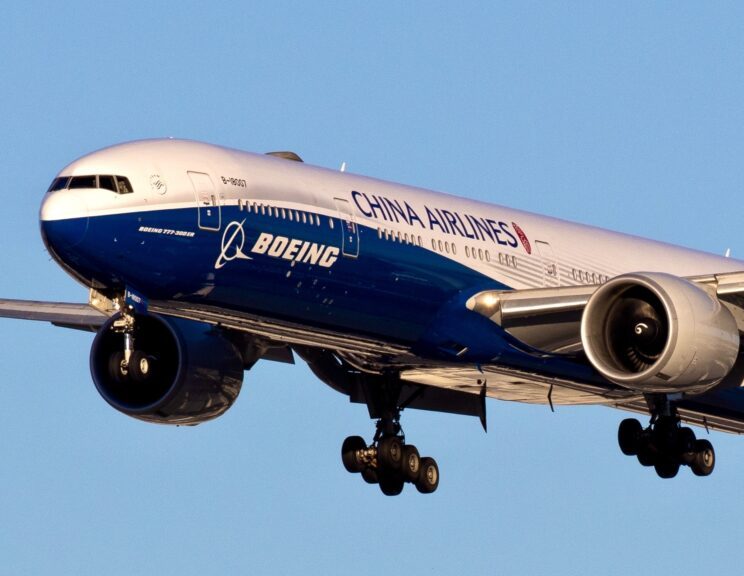
China Airlines Delays Aircraft Retirement Amid Boeing 787 Delivery Setbacks

China Airlines, Taiwan’s national carrier, has announced a postponement in the retirement of some of its older aircraft due to significant delays in the delivery of Boeing 787-9 jets. The deferral, which could trigger compensation from Boeing, marks a notable disruption in the airline’s fleet renewal strategy. The carrier, Taiwan’s oldest airline established in 1959, is undergoing a major fleet modernisation programme. In a procurement valued at nearly US$12 billion at list prices, the airline split long-haul aircraft orders between Boeing and Airbus last year. As part of the renewal, China Airlines ordered 24 Boeing 787 aircraft, comprising 18 of the 787-9 variant and six 787-10s, to serve regional and select long-haul routes. Chairman George Kao, who assumed the role in March, confirmed that delays—particularly in the 787-9 deliveries—have impacted plans to replace ageing Airbus A330s and Boeing 737-800s with 787-9s and A321neos. As a result, aircraft originally scheduled for retirement or lease return will continue in operation, with some leases now set to be extended. “We are at present being greatly impacted,” Kao told Reuters from the airline’s headquarters in Taoyuan, home to Taiwan’s primary international gateway. Boeing has yet to provide China Airlines with a definitive delivery schedule, though initial shipments are now expected to commence towards the end of 2025. Kao noted that the contract with Boeing includes provisions for compensation in the event of delivery delays attributed to supply chain issues. “This is written into the contract,” he said. “If it’s in the supply chain, the responsibility is Boeing’s, and Boeing has to provide some compensation. But if it’s not, then there is no compensation. It’s all recorded in the contract.” Boeing has not responded publicly to the developments. The airline is not alone in experiencing delivery challenges. Willie Walsh, Director General of the International Air Transport Association (IATA), recently described forecasted aircraft delivery delays through the remainder of the decade as “off-the-chart unacceptable.” Despite the disruption, Kao remains optimistic about China Airlines’ growth trajectory. The arrival of more fuel-efficient aircraft, such as the Boeing 777-9 and Airbus A350-1000—both ordered last year—will support expansion on routes to destinations including London and New York. Additionally, the opening of the new third terminal at Taoyuan International Airport later this year is expected to enhance capacity and passenger experience. Further fleet development is also under consideration for subsidiary Mandarin Airlines, which currently operates ATR-72 turboprops on domestic routes. Kao revealed plans to equip Mandarin with jet aircraft to strengthen regional operations from Taiwan’s southern and central regions. Discussions are underway with lessors, although specific aircraft models have not been disclosed. Competition in Taiwan’s aviation sector continues to intensify. In addition to long-standing rival EVA Air, China Airlines faces growing pressure from emerging player Starlux Airlines, which recently expanded its fleet with an order for 10 additional A350s. Kao, however, sees continued opportunity, citing Taiwan’s strategic geographic position as a competitive advantage for transit traffic. He noted that Taoyuan airport’s more manageable size offers a favourable alternative to larger or more politically complicated hubs such as Seoul Incheon, Tokyo, or Hong Kong. “Our passengers are not all Taiwanese; many are transit. Because Taiwan’s location, connecting the Pacific to all of Asia, is really very convenient,” Kao said. -Reuters

ESG, News

Dong Yang and BLT Forge Strategic Alliance to Propel ASEAN Smart Elevator Growth

Dong Yang Elevator (M) Sdn Bhd has entered into a strategic partnership with Brilliant Elevator Co. Ltd (BLT), the flagship brand of China’s Shenyang Yuanda Intelligent Industrial Group, marking a significant step in the advancement of smart elevator solutions and regional growth in Malaysia. This collaboration is a core component of Yuanda Group’s global expansion blueprint, which includes the establishment of a Southeast Asian regional logistics and smart service centre in Malaysia. The facility will consolidate functions such as warehouse logistics, spare parts distribution, intelligent maintenance, remote monitoring and customer service, improving response times and enhancing coordination across the region. BLT officially launched its brand and product portfolio in Malaysia during an event held on Tuesday in Shah Alam. The launch, which BLT described as a strategic milestone in its ASEAN market expansion, drew over 200 attendees, including government officials and professionals from the construction, development, engineering and maintenance sectors. Yeow Ewe Hor, Chief Executive Officer of Dong Yang Elevator, underscored the collaboration’s significance for the future of Malaysia’s urban infrastructure and construction ecosystem. He stated that the partnership will play a pivotal role in the country’s transformation into smart and sustainable cities. “As the driving force behind Malaysia’s urban progress, we aim to turn blueprints into communities and dreams into national landmarks,” Yeow said. “The vertical transportation industry is at a turning point, moving toward safer, greener and smarter systems. To thrive, we must address three central challenges: safety, sustainability and innovation.” Yeow added that Dong Yang has worked closely with BLT since 2008, selling more than 400 elevators and maintaining over 1,300 units across Malaysia. The company has actively adopted global standards, green technologies and intelligent maintenance systems to ensure high service quality and operational efficiency. He reaffirmed Dong Yang’s commitment to ongoing cooperation with government bodies such as the Public Works Department and the Department of Occupational Safety and Health to shape the intelligent vertical mobility landscape in the country. Founded in 2002, Dong Yang has established itself as a leading Malaysian supplier of elevators, escalators and home lifts. Liu Ruisheng, General Manager of International Sales at BLT, highlighted the company’s deep-rooted presence in Malaysia, which spans 18 years, and outlined its next phase of strategic development. “We plan to establish a regional logistics hub in Malaysia to leverage its geographic and industrial strengths. This will support our broader ambition to enhance global brand development and better serve Southeast Asia,” he said. BLT’s export business has demonstrated strong growth in recent years, with exports surpassing RMB580 million in 2024. The company now serves over 140 countries and regions, securing its position among China’s top elevator exporters. In a further display of its global ambitions, Yuanda Group has successfully launched a joint venture factory in Saudi Arabia, which has become a benchmark in high-end smart manufacturing. The group is set to begin operations at a new assembly plant in the United States this year, advancing its goal of building a comprehensive global platform for smart, digital and green vertical transportation systems. Saudi Arabia and Malaysia are central to this global strategy, serving as dual operational engines. Looking ahead, the group intends to roll out local assembly initiatives and talent development programmes in Malaysia, transitioning from a traditional equipment supplier model to a full-scale smart building solutions provider. The globalisation drive is already underway, with BLT’s Global Brand Tour reaching key markets such as Vietnam, Saudi Arabia and Mexico. Liu emphasised that international expansion extends beyond exporting products, encompassing brand systems, technological innovation and management expertise. “Malaysia will serve as our bridgehead into ASEAN. Our collaboration with Dong Yang will elevate us from being well-rooted to regionally leading,” he said. -The Star

News

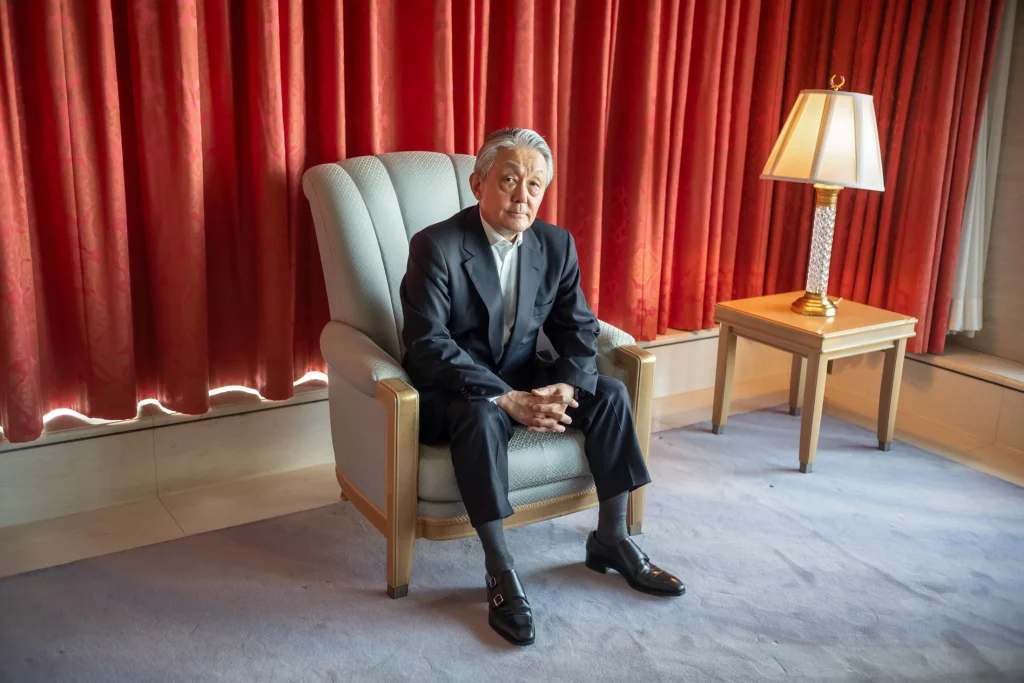
JPX CEO Hiromi Yamaji Reappointed

Hiromi Yamaji has been reappointed as Chief Executive Officer of Japan Exchange Group Inc (JPX), although shareholder support dropped to its lowest level on record amid ongoing governance concerns and underperformance of the company’s shares. At the annual general meeting held last week, 82.11% of shareholders voted in favour of Yamaji’s reappointment, according to a regulatory filing released yesterday. While the result still reflects a strong majority, it marks a significant decline from the 94.09% approval recorded in 2022 and the 88.88% support in 2023. The drop in support follows a challenging year for JPX, during which the company’s share price fell 18.6%, sharply underperforming the broader Topix index, which gained 1.6% over the same period. The decline in investor confidence has been further compounded by governance issues, including a high-profile insider trading case. In December, Japan’s securities watchdog filed a criminal complaint against a former Tokyo Stock Exchange employee—under JPX’s umbrella—and his father, alleging insider trading. The controversy prompted Institutional Shareholder Services (ISS), a prominent US proxy advisory firm, to recommend voting against Yamaji’s reappointment, citing governance failings and the need for accountability. Despite these setbacks, Yamaji will continue to lead JPX, tasked with restoring investor trust and addressing governance standards as scrutiny intensifies from both domestic and international stakeholders. -Bloomberg

News

Alibaba Merges Ele.me and Fliggy Into Core E-commerce Unit

Alibaba Group has announced the integration of its food delivery service Ele.me and online travel platform Fliggy into its principal e-commerce division. The move is part of a broader effort to streamline its operations in response to mounting market pressures and evolving consumer trends. The company described the restructuring as a “strategic upgrade” as it accelerates its transformation from a conventional e-commerce entity into a comprehensive, consumer-focused platform. “In the future, the company will increasingly optimise its business models and organisational structures from the user’s perspective to deliver richer, higher-quality consumer experiences,” Alibaba stated. The consolidation comes at a time of economic uncertainty in China, fuelled by a protracted property crisis and ongoing repercussions from shifting United States trade policies. These macroeconomic challenges have tempered consumer spending across the country. Meanwhile, competition within China’s e-commerce sector has intensified significantly. Industry players are locked in a sustained price war while simultaneously expanding into the fast-growing “instant retail” segment, which prioritises delivery speeds of 30 to 60 minutes in an effort to capture increasingly time-sensitive demand. Alibaba’s restructuring reflects a strategic shift in the company’s long-term vision, aimed at leveraging synergies across its consumer-facing platforms to bolster engagement, efficiency, and market competitiveness. -CNA

News

Japanese Megabanks and Global Lenders Scale Back Middle East Operations

Japanese financial institutions are re-evaluating their operational footprint in the Middle East, while JPMorgan Chase has imposed strict travel limitations for its employees in the region, following a sharp escalation in geopolitical tensions involving Iran. The United States formally entered the conflict over the weekend, launching strikes on three critical Iranian nuclear facilities, in a strategic alignment with Israel’s military objectives to neutralise Tehran’s nuclear capabilities. In retaliation, Iran has pledged a forceful response. Tensions reached new heights on Monday as Israeli forces targeted Evin prison in northern Tehran—widely seen as a powerful symbol of Iran’s regime. Israeli officials described it as the most intense bombing of the Iranian capital to date. The unfolding conflict threatens to undermine years of economic diversification efforts across the Gulf. Governments in the Middle East, including Saudi Arabia and the United Arab Emirates, have aggressively promoted themselves as regional financial centres, offering regulatory reforms and incentives to global banks and asset managers as part of long-term strategies to reduce dependence on hydrocarbons. In response to the deteriorating security landscape, Sumitomo Mitsui Financial Group has initiated the evacuation of staff from countries including Iran and Qatar, citing safety concerns. Mitsubishi UFJ Financial Group has also begun relocating family members of employees from Dubai and Riyadh, and is reviewing the option of discretionary staff withdrawals, according to a company spokesperson. Mizuho Financial Group is assessing a range of contingency measures, including the potential evacuation of personnel, while urging employees to exercise heightened caution. Wall Street banking giant JPMorgan Chase has restricted travel to and from the Middle East to essential trips only. According to a source familiar with the matter, the bank is offering case-by-case support to staff affected by the restrictions. Goldman Sachs, meanwhile, requested that employees in Israel begin working remotely as early as last week, in light of growing instability in the region. Bank of Singapore, a major Asian private lender, has suspended all non-essential travel for staff based at its Dubai International Financial Centre (DIFC) office. “The safety of our staff is our highest priority, and we stand ready to activate our business continuity plans while minimising the disruptions to clients,” said Ang Wee Khoon, Head of Risk Management at the DIFC branch. The decisions underscore how the rising conflict is prompting swift risk mitigation actions from global financial players with a significant presence in the Middle East. -Reuters

News

Hellobike Launches New Robotaxi Venture in Strategic Partnership with Ant Group and CATL

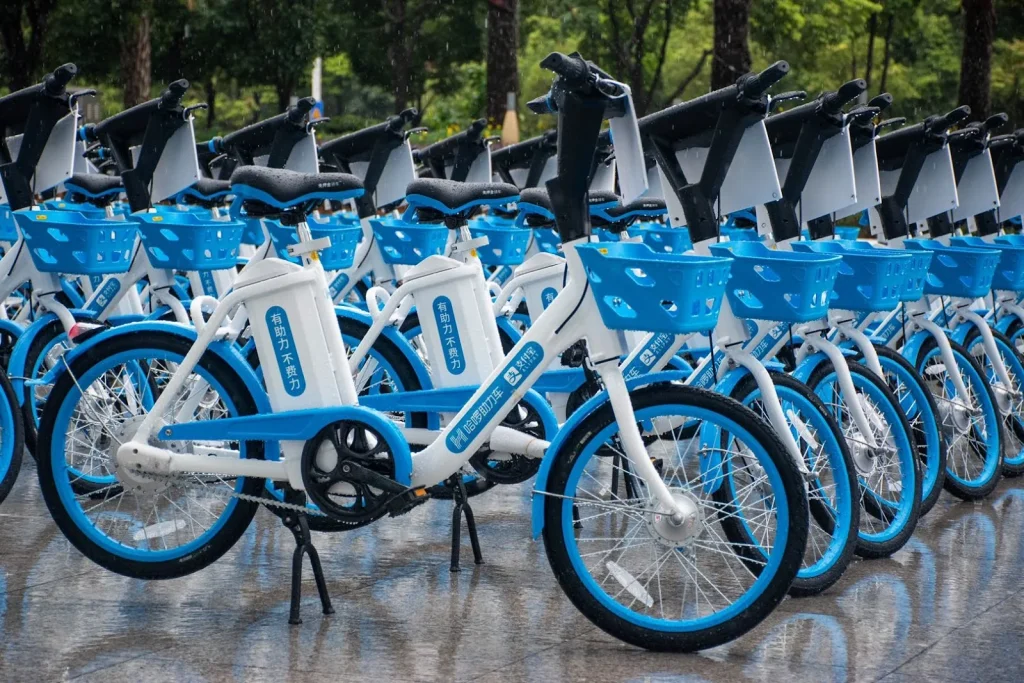
Hellobike, one of China’s leading bike-sharing platforms, has officially announced the establishment of a new robotaxi enterprise in collaboration with Ant Group and CATL, underscoring a strategic expansion into the autonomous mobility sector. According to a corporate statement released on Monday, the three companies have collectively committed over 3 billion yuan (approximately US$417.40 million or RM1.78 billion) as an initial capital investment in the newly formed venture. The company was formally registered in Shanghai on the same day and will concentrate on the development of level 4 autonomous driving technologies, as well as the safety applications and commercialisation of robotaxi services. This marks a significant milestone in China’s push towards advanced driverless transportation solutions, with Hellobike, Ant Group and CATL pooling expertise from mobility services, fintech, and battery technology respectively. The collaboration positions the new firm to play a pivotal role in shaping the next phase of smart urban mobility in China and beyond. -Reuters

News

Ho Chi Minh City Unveils Plan for International Financial Centre

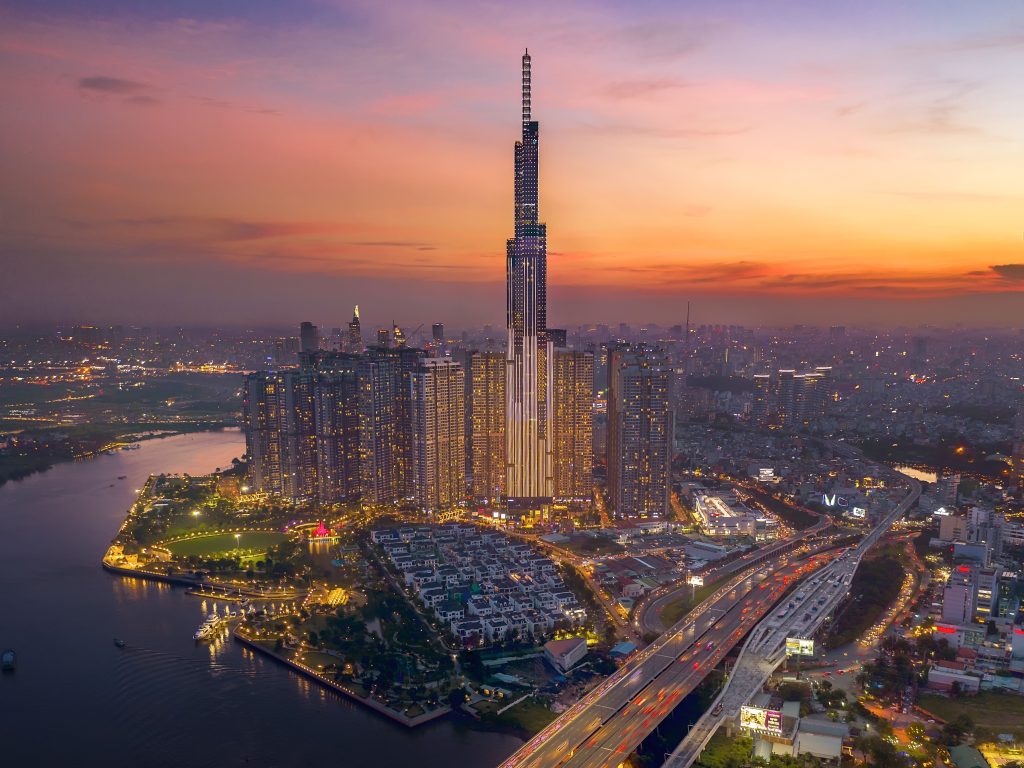
Ho Chi Minh City, Vietnam’s principal economic powerhouse, has announced a strategic plan to mobilise a total of 172 trillion dong (approximately US$6.6 billion) over the next five years to establish an international financial centre (IFC). This development marks a significant step in the city’s ambition to position itself as a global financial hub. The proposed IFC will be located across two key areas — District 1 and the Thu Thiem New Urban Area — encompassing a total area of 783 hectares. The initial phase will focus on the development of a 9.2-hectare core zone in Thu Thiem, situated on the eastern bank of the Saigon River directly opposite District 1. This area will serve as the administrative nucleus, housing key regulatory and governmental institutions. The city is currently seeking an investment of 14 trillion dong for this phase, in addition to a further two trillion dong from state revenue sources. At present, the site remains undeveloped, earmarked for foundational infrastructure including roads, electricity, water supply, telecommunications, and lighting. Thu Thiem, incorporated into the city’s master plan since 1996, spans 930 hectares, of which 770 hectares are designated for urban development and 160 hectares for resettlement. The area is projected to support a population exceeding 200,000. Nguyen Van Duoc, Chairman of the municipal People’s Committee, reaffirmed the city’s preparedness to assume the role of an IFC. “Ho Chi Minh City, as a major economic hub, recorded a gross regional domestic product (GRDP) of US$73.8 billion last year, accounting for 15.5% of Vietnam’s GDP,” he said. “The city also hosts over 50% of the nation’s fintech startups.” A 29-member steering committee, chaired by Party Secretary Nguyen Van Nen, has been established to oversee the centre’s development. While the concept of an IFC has been under consideration for several years, this initiative marks the most concrete progress to date. The draft proposal outlines a multi-faceted financial ecosystem, incorporating banking, money markets, capital markets, and derivatives trading. Special mechanisms and preferential policies are expected to attract financial institutions such as banks, investment funds, and service providers. There will also be dedicated trading platforms for securities, currencies, and commodities, with a focus on aligning fintech developments to international standards. In parallel with Ho Chi Minh City’s initiative, the central government is also planning an IFC in Da Nang, reinforcing a nationwide strategy to integrate Vietnam more deeply into global financial markets. Industry experts emphasise the importance of adopting international best practices, particularly in emerging sectors like fintech. However, they also caution that implementation must be meticulously phased and strategically aligned with each city’s distinct advantages. While IFCs are well-established globally, the concept remains relatively nascent in Vietnam. Nonetheless, successful execution could significantly enhance the country’s financial landscape by drawing foreign capital, expanding investment opportunities, and delivering high-quality financial services to both domestic and international enterprises. -Viet Nam News

News

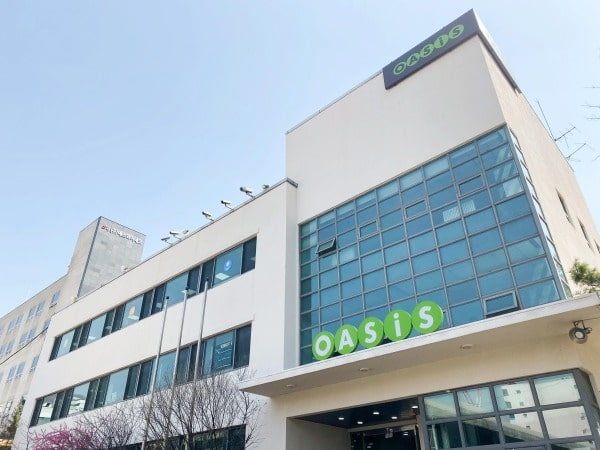
TMON Set to Resume Operations Following ₩18.1 Billion Acquisition by Oasis

Oasis, a leading fresh grocery delivery firm, announced on Monday the acquisition of e-commerce platform TMON for ₩11.6 billion (£6.5 million), marking a decisive move toward reviving the platform’s operations after a period of financial distress. The Seoul Bankruptcy Court formally approved Oasis’s rehabilitation plan for TMON, despite opposition from a majority of creditors at a recent meeting. The court cited the broader benefits to creditors, employees and related stakeholders in its decision to allow the acquisition to proceed. The transaction will be executed entirely through the issuance of new shares, with Oasis committing ₩11.6 billion in capital. In addition, the company has pledged a further ₩6.5 billion (£3.7 million) to address TMON’s outstanding obligations, including unpaid wages and severance payments. This brings the total acquisition cost to ₩18.1 billion (£10.2 million). Oasis, which operates the Oasis Market platform, emphasised its commitment to a long-term integration strategy, promising to retain TMON’s employees for at least five years. It further outlined plans to introduce a vendor payment system that disburses funds the day after a sale is confirmed and aims to implement the industry’s lowest commission rate. TMON will maintain its brand identity and continue operations as a standalone entity. In a statement, Oasis described the TMON revival as a “symbolic case demonstrating the strength of a homegrown platform that represented the first generation of e-commerce”. The full integration and recovery process is expected to take one to two months, though the official date for the relaunch of TMON’s services has yet to be announced. -Korea Joong Ang Daily

News

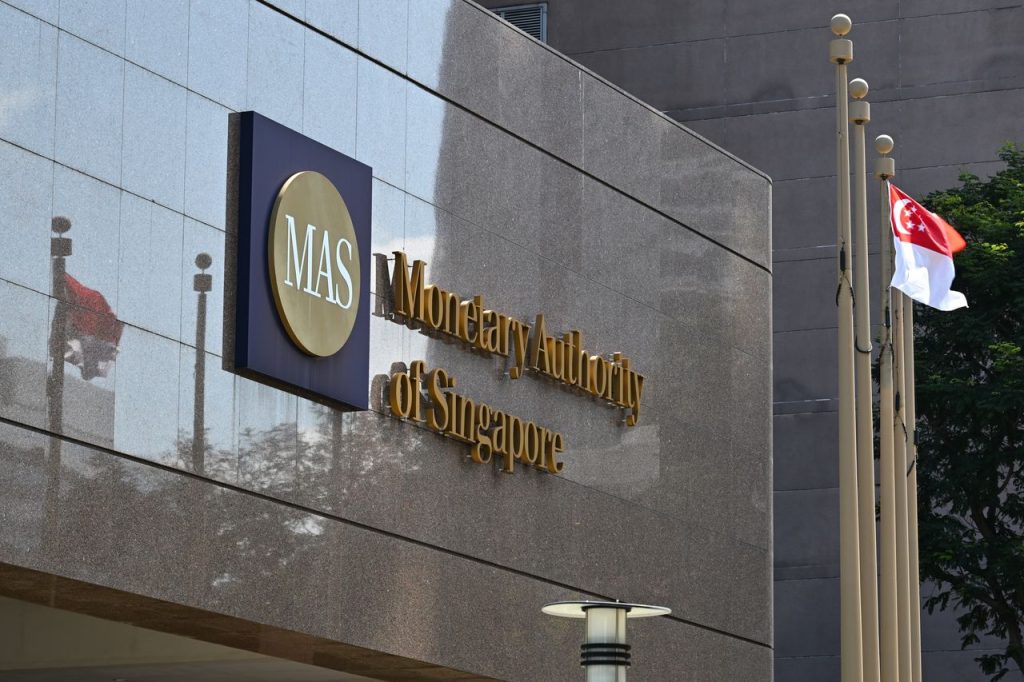
MAS Reaffirms Position on Digital Token Regulation

SINGAPORE : The Monetary Authority of Singapore (MAS) has reaffirmed its stance on upcoming regulatory changes affecting Digital Token Service Providers (DTSPs), emphasising that firms should have adequately prepared for the licensing requirements coming into force on 30 June. In a clarification issued on 6 June, following a consultation paper released on 30 May, MAS stated that DTSPs offering services exclusively to overseas clients—whether dealing in digital payment tokens such as cryptocurrencies or tokenised capital market products like digitalised securities—must obtain a licence by the end of the month or cease operations entirely. The authority underscored that the licensing threshold is deliberately stringent and that approvals will generally not be granted to such firms. MAS reiterated that DTSPs currently providing services to clients within Singapore are already under regulatory oversight and will continue to operate under existing frameworks. In contrast, providers handling utility or governance tokens remain outside the scope of the new requirements, as these types of tokens are not subject to the revised regime. The updated guidance follows MAS’ review of industry feedback on the May consultation, which identified firms serving only offshore clients as particularly susceptible to money laundering and terrorism financing threats due to their inherently cross-border, internet-based business models. MAS stressed that the objective of the new framework is to strengthen regulatory oversight, mitigate illicit financial activity, and uphold Singapore’s status as a reputable and forward-looking global hub for digital assets. Despite these intentions, the regulatory update has triggered unease within parts of the industry. Reports from Bloomberg indicate that several firms, including cryptocurrency exchanges Bitget and Bybit, are contemplating exiting Singapore, citing compliance hurdles and operational uncertainty. The regulatory changes have also been linked to job cuts and the relocation of staff. Industry sources estimate that over 500 professionals—from senior management to junior-level staff—across fintech and digital asset firms may relocate to jurisdictions such as the United Arab Emirates or Hong Kong, where the regulatory environment is perceived as more accommodating. In response to Bloomberg’s report, MAS noted that the licensing requirement should not come as a surprise. The central bank stated it has communicated its regulatory intentions clearly since 2022, and it does not anticipate the new rules will materially impact a significant number of entities operating in Singapore. -The Strait Times

News

Pierre Hermé to Launch Southeast Asia Flagship at Resorts World Sentosa

Luxury patisserie brand Pierre Hermé Paris will make its long-anticipated Southeast Asian debut with a flagship store at Resorts World Sentosa, Singapore, opening on 1 August. The store marks several international firsts for the brand, including the introduction of bubble tea and the first Pierre Hermé Paris Ice Cream Bar outside of Paris. Renowned for his artistry in pastry and dubbed the “Picasso of Pastry”, Pierre Hermé will bring his signature creations to Singapore, offering a full suite of confections including his iconic macarons—featuring Singapore-exclusive flavours—as well as a selection of pastries, viennoiseries, madeleines and cakes. Gift-worthy gourmet items such as jams, pralines, chocolates, spreads and powders will also be available. In a global first, the Singapore store will debut Pierre Hermé bubble tea, reimagined in the brand’s signature flavour profiles. These icy beverages, topped with tapioca pearls and fruit spheres, will be offered in flavours such as Ispahan (rose and lychee), Satine (orange and passionfruit), and the floral Jardin de Pierre tea blend (citrus, jasmine, rose and violet). Another international exclusive is the Pierre Hermé Paris Ice Cream Bar—making its debut outside the French capital. The bar will launch with 12 flavours, including new varieties developed specifically for the Singapore market, with further additions to follow. Among the new launches is a whimsical dessert named Trick the Eye, a mini peanut butter French toast-inspired pastry designed to surprise and delight. The store will also introduce the brand’s first Furoshiki Stand, featuring thematic Japanese wrapping cloths. Available in three sizes and three colours, these traditional wraps may be used as décor, gift packaging or accessories. Complementing the patisserie is La Table by Pierre Hermé, a full-service, all-day dining restaurant offering refined French cuisine. Signature dishes include Oeuf Mollet, Oignon Roscoff, Tarte Petit Pois, Filet de Bœuf, and Croque-Monsieur Volaille, reflecting the brand’s culinary excellence beyond patisserie. In the lead-up to the official opening, a pop-up store at Hotel Ora (Level 1) within Resorts World Sentosa is offering a curated selection of Pierre Hermé’s celebrated macarons. Pierre Hermé Paris Singapore officially opens on 1 August at WEAVE, Resorts World Sentosa, 26 Sentosa Gateway #01-234. -CNA

Scroll to Top

Subscribe
FREE Newsletter