international

Energy & Technology

Sechin Signals China’s Move Towards Energy Export Leadership

Rosneft Chief Executive Officer Igor Sechin stated that China is steadily advancing towards full energy independence and could emerge as a significant energy exporter in the foreseeable future. Speaking at the St. Petersburg International Economic Forum, Sechin emphasised China’s increasing influence in global energy dynamics, positioning it among the world’s foremost energy players. Sechin, a key figure in Russia’s energy landscape and close ally of President Vladimir Putin, remarked that the sweeping transformation of global energy markets is being driven by surging electricity demand, particularly across Asia and Africa, in tandem with rapid digitalisation. He noted that China, already the world’s largest crude oil importer, has been heavily investing in renewables, nuclear power and synthetic fuel technologies. “China, which has already ensured its energy security, is confidently moving towards complete energy independence, forming a stable energy balance based on its own resources,” Sechin said. He suggested that given China’s methodical approach, the country is poised to become a net energy exporter in the coming years. China currently leads global energy investment, accounting for approximately one-third of total global investment in the sector. It has also positioned itself at the forefront of nuclear energy development, underscoring a long-term strategic shift away from energy import dependency. Sechin highlighted the continued growth in electric vehicle sales as a key factor in the recent decline in motor fuel demand, warning that if this trend persists, it could significantly alter the balance of the global oil market. A major aspect of China’s energy independence strategy involves processing domestic coal resources into synthetic fuels and chemical products. According to Sechin, the country utilises around 40 million tonnes of coal annually for synthetic fuel production and over 260 million tonnes for ammonia and methanol manufacturing. Turning to global oil markets, Sechin described the OPEC+ decision to accelerate output increases as prescient, particularly in light of the ongoing geopolitical tensions between Israel and Iran. He suggested the coalition might bring forward planned production increases by approximately one year from the original schedule. He also issued a caution regarding the escalating US national debt, drawing historical parallels to the decline of past global powers including Habsburg Spain, the Ottoman Empire, and pre-revolutionary France. Sechin argued that the significant expansion of Western military-industrial spending is diverting capital away from productive sectors, a trend he views as an inadequate response to broader economic challenges facing both Europe and the United States. “There is always an asymmetrical answer,” he remarked, hinting at the emergence of alternative global economic strategies, with China at the forefront. Rosneft, which Sechin has led since 2012, is responsible for approximately 40% of Russia’s oil production, 14% of gas output, and 32% of refining capacity. The company is also Russia’s largest oil exporter to China, reflecting the deepening energy partnership between the two countries. -Reuters
News

China’s Rare Earth Magnet Exports Plunge 53% in May

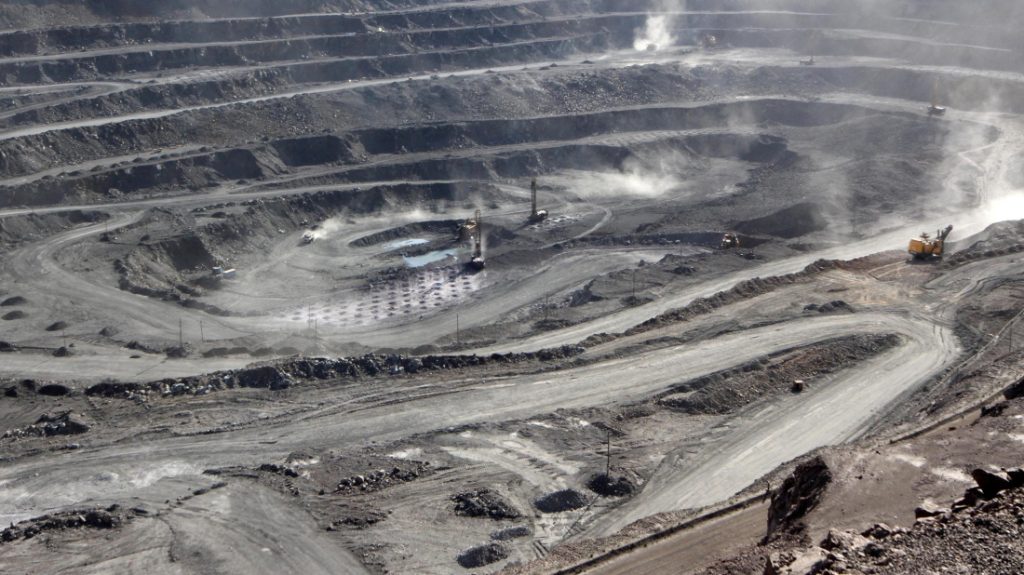
China’s rare earth magnet exports dropped by more than half in May, plunging to their lowest monthly volume in over five years, as stringent export controls continue to weigh on outbound shipments. According to data released by the General Administration of Customs, overseas shipments of rare earth permanent magnets fell to 1,238 tonnes in May, representing a 52.9% decline from April and marking the weakest monthly total since February 2020. On a year-on-year basis, exports were down a steep 74%. The significant decline comes amid tightened restrictions introduced in April, when Beijing imposed curbs on exports of seven medium-to-heavy rare earth products and selected magnet categories. The move, seen as a strategic response in ongoing geopolitical and trade dynamics, has disrupted critical global supply chains spanning the automotive, aerospace, semiconductor and defence industries. Despite a pledge earlier this month to accelerate export licence approvals—following a broader US-China agreement to ease trade tensions—industry insiders report that Chinese customs authorities remain cautious. Particular scrutiny is being placed on rare earth magnets due to classification challenges; a single customs code currently covers a wide range of magnet types, complicating the clearance process. Sources, speaking on condition of anonymity due to the sensitivity of the matter, noted that even lower-performance magnets used in consumer electronics and appliances are being delayed, given the regulatory ambiguity. The Ministry of Commerce confirmed on Thursday that “a certain number” of export licence applications had been approved, although further details were not disclosed. Leading Chinese magnet manufacturers JL MAG Rare-Earth and Innuovo Technology recently announced they had secured limited export permits for select clients, signalling that some progress is being made despite ongoing bottlenecks. Cumulatively, rare earth magnet exports from January to May fell by 14.5% year-on-year to 19,132 tonnes—the lowest level for this period since 2021. China is the world’s dominant supplier of rare earth magnets, accounting for over 90% of global output. The country’s tightening grip on outbound shipments underscores its strategic leverage over materials critical to high-tech manufacturing and clean energy transition globally. -Reuters

News

Cognizant Commits $183 Million to New Campus in Visakhapatnam, Targets 8,000 Jobs

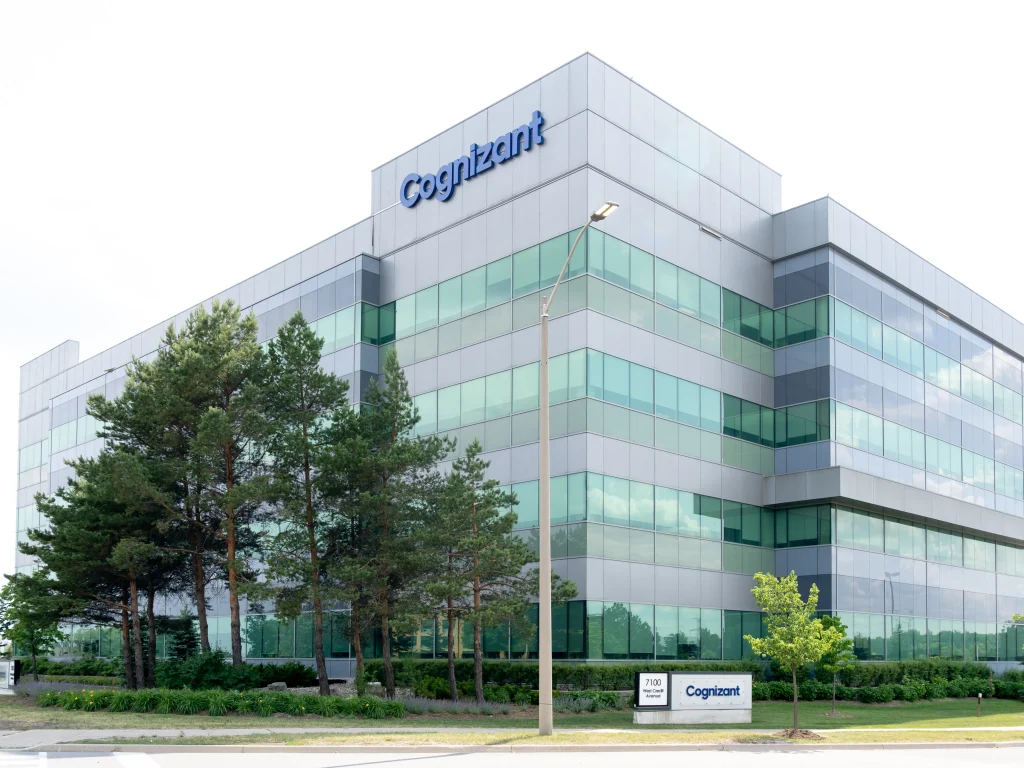
Cognizant Technology Solutions is set to invest ₹15.82 billion ($182.76 million) in the development of a new campus in Visakhapatnam, Andhra Pradesh. According to an official statement from the state government released on Friday, the campus is expected to generate approximately 8,000 jobs upon becoming operational in March 2029. The announcement underscores a growing trend among global IT service providers to expand into India’s tier-2 cities. Cognizant’s decision follows Tata Consultancy Services’ recent commitment to establish a ₹13.70 billion campus in the same city, projected to create 12,000 jobs. The initiative aligns with Cognizant’s broader strategy to reduce real estate expenses by shifting focus from major urban centres to emerging hubs. In May 2023, Chief Executive Ravi Kumar S revealed plans to relinquish 11 million square feet of office space globally, predominantly in India’s largest metropolitan areas, while investing in alternative locations like Visakhapatnam. This investment also comes at a time when the global IT sector, valued at $283 billion, continues to respond to economic pressures by streamlining operations. Companies are adopting measures such as asset monetisation and postponing salary adjustments to manage costs amid fluctuating demand. Despite these headwinds, Cognizant has recently reported positive momentum. In the previous quarter, the Teaneck, New Jersey-headquartered firm raised its annual revenue guidance and surpassed expectations, driven by growing interest in AI-enabled IT services. The company now anticipates full-year 2025 revenue in the range of $20.5 billion to $21.0 billion, up from the earlier forecast of $20.30 billion to $20.80 billion. Cognizant has not issued an official comment on the Visakhapatnam development at this time. -Reuters

Energy & Technology, News

JERA and Woodside Ink Seasonal LNG Deal to Secure Winter Energy Supply

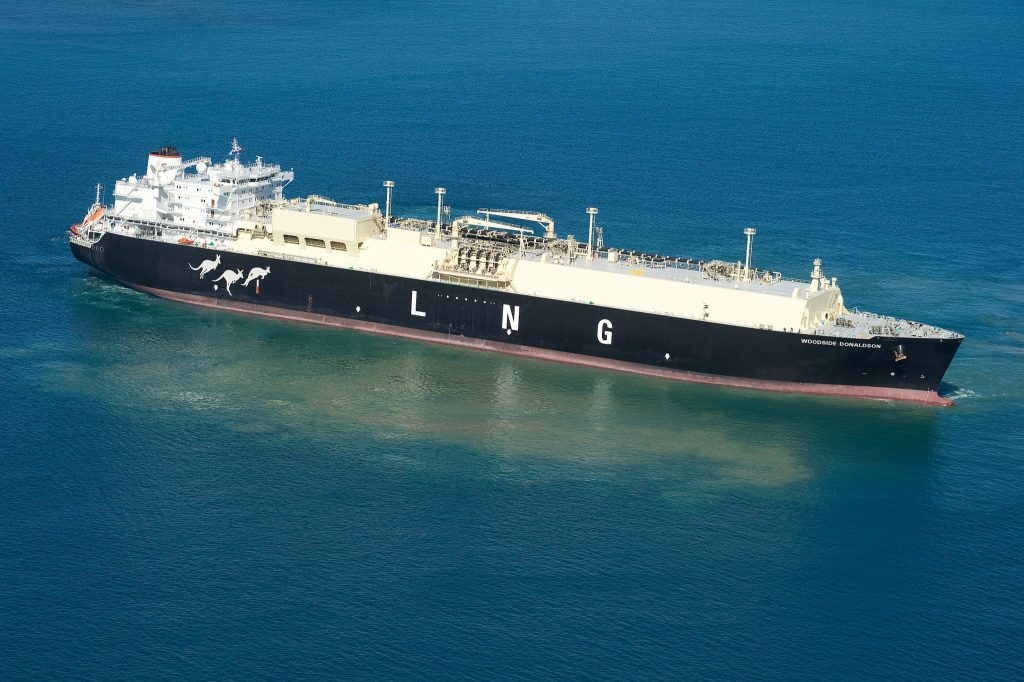
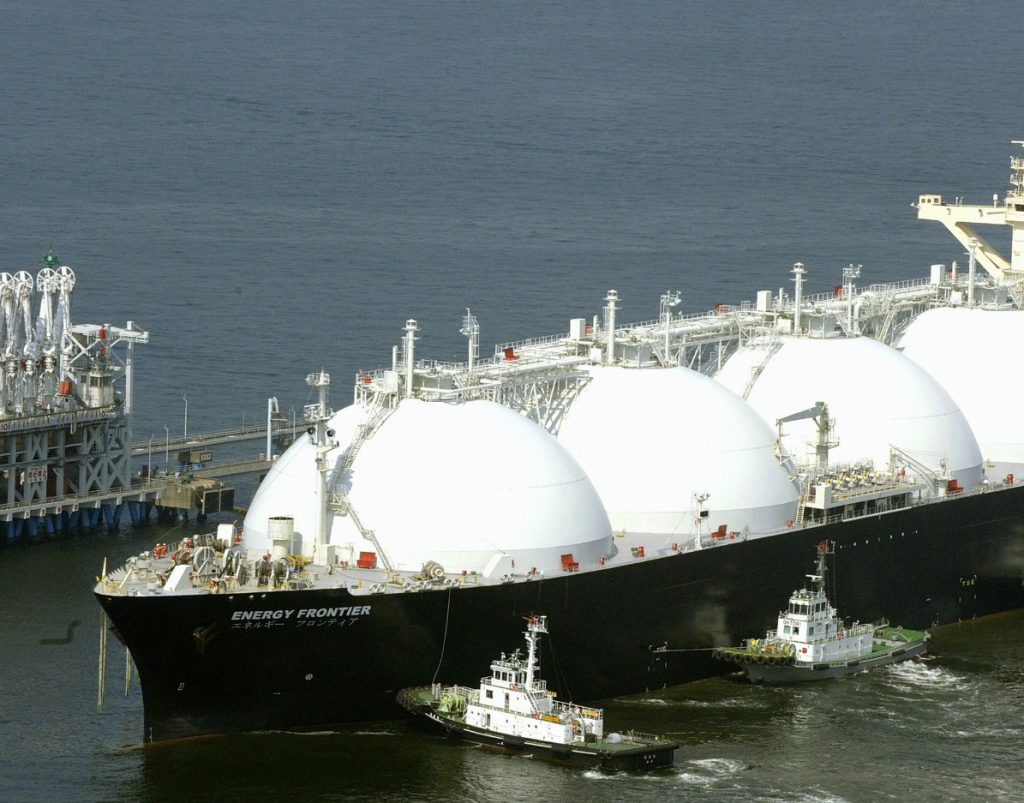
Japan’s largest power producer, JERA Co., has entered into a strategic agreement with Australian energy major Woodside Energy to secure liquefied natural gas (LNG) supplies specifically during the winter season, the companies confirmed on Friday. The Heads of Agreement was formalised at the LNG Producer-Consumer Conference held in Tokyo, an event co-hosted by Japan’s Ministry of Economy, Trade and Industry (METI) and the International Energy Agency. Under the terms of the deal, Woodside will deliver approximately 200,000 metric tonnes of LNG per year to JERA between December and February, beginning in fiscal year 2027. The supply arrangement will remain in place for five years. This seasonal supply model diverges from traditional annual term contracts and introduces a more flexible procurement strategy. Yuya Hasegawa, Director at METI, noted during a press conference that the structure of the agreement reflects a growing need for adaptability in response to changing climate conditions. “This arrangement allows JERA to avoid taking unnecessary shipments during milder-than-expected winters, offering a layer of operational efficiency,” Hasegawa stated. He further expressed the ministry’s expectation that other Japanese firms may explore similar supply models with alternative LNG providers, citing potential benefits to Japan’s long-term energy security. “If this type of agreement becomes more common, it could strengthen the country’s ability to maintain stable procurement,” he added. JERA, a joint venture between Tokyo Electric Power Company and Chubu Electric Power Company, remains Japan’s foremost LNG importer and a key player in the global energy landscape.

Energy & Technology

SK Group and Amazon to Invest US$5.11 Billion in South Korea’s Largest AI Data Centre

South Korea has formally announced a landmark investment of approximately 7 trillion won (US$5.11 billion or RM21.74 billion) for the construction of the country’s largest artificial intelligence (AI) data centre. The project is a collaboration between SK Group and Amazon Web Services (AWS), with AWS contributing US$4 billion towards the initiative, according to a statement released by the Ministry of Science on Friday. The data centre, set to be established in the southern industrial city of Ulsan, is scheduled to break ground in September. It is expected to be fully operational by 2029, with an initial capacity of 100 megawatts. The facility will serve as a strategic hub for AI development and infrastructure, underlining South Korea’s ambition to become a global leader in high-tech innovation. During a meeting attended by President Lee Jae-myung and several senior technology executives, SK Group Chairman Chey Tae-won revealed plans to eventually scale the facility’s capacity to one gigawatt. He emphasised the strategic importance of the data centre, aiming to position it as a global AI node capable of supporting domestic and international demand. “AI is crucial for South Korea’s growth,” Chey stated, reinforcing the group’s commitment to national digital competitiveness. President Lee added that the project sets a precedent for developing advanced technology infrastructure outside the capital region. “It may set a good example that South Korea’s high-tech industry is possible not only in the metropolitan area but also in the provinces,” he said. News of the investment fuelled a surge in AI-related equities on Friday, driven by increased policy optimism. SK Hynix rose by over 3%, Kakao recorded an 11% jump, and LG CNS gained 9%, helping to lift the benchmark Kospi Index above 3,000 points for the first time in three and a half years. The government’s confirmation follows earlier media speculation regarding the SK-AWS partnership to establish a data centre in the country. -Reuters

Energy & Technology

Baidu Targets Southeast Asia with Apollo Go Robotaxi Expansion

Baidu Inc. is preparing to introduce its Apollo Go robotaxi service in Singapore and Malaysia as early as this year, according to a source familiar with the plans. The move marks a significant step in the Chinese technology giant’s strategy to accelerate its global autonomous mobility footprint. The company is currently engaged in discussions with potential partners to determine optimal business models for the two Southeast Asian markets. The source, who requested anonymity due to the confidential nature of the discussions, noted that Baidu is considering collaborations with local mobility service providers, taxi firms, and third-party fleet operators. This aligns with CEO Robin Li’s previously stated preference for an asset-light expansion model. The development comes at a time when global competition in autonomous driving is intensifying. Tesla is expected to unveil its Cybercab robotaxi network in the coming days, with CEO Elon Musk heavily promoting autonomy as a cornerstone of the electric vehicle maker’s long-term growth. Meanwhile, other Chinese players such as Apollo Go, along with US-listed firms WeRide Inc. and Pony.ai Inc., are extending their reach into the Middle East, Europe and Southeast Asia. Although Baidu has not officially commented on the plans, the initiative was earlier reported by Dow Jones Newswires. Apollo Go has been scaling rapidly. The service has deployed more than 1,000 self-driving vehicles globally, the majority of which operate within China. As of the first quarter of 2025, Apollo Go had recorded 11 million rides, surpassing Alphabet’s Waymo, which reached 10 million paid rides by 23 May. Baidu is also eyeing expansion into Europe and Turkey, with ongoing discussions involving PostAuto, a subsidiary of Swiss Post, regarding the launch of robotaxi services in Switzerland. -Bloomberg

News

Vanzo Secures Taiwan Market Entry via Exclusive Watsons Distribution Agreement

Vanzo Holdings Bhd has announced that its wholly owned subsidiary, Vanzo Asia Sdn Bhd (VASB), has entered into a distribution agreement with Taiwan-based Xishangxi International Marketing Co Ltd (XIMCL), marking a significant step in its regional expansion strategy. Under the terms of the agreement, XIMCL will serve as the exclusive distributor of VASB’s products across Watsons retail channels in Taiwan, encompassing both physical outlets and e-commerce platforms. The partnership was disclosed in a recent filing with Bursa Malaysia. The agreement also grants VASB the authority to permit XIMCL to expand distribution to additional prominent retail segments, including pharmacies, supermarkets, minimarkets and convenience stores. Effective from 20 June 2025, the two-year agreement will run through to 19 June 2027. VASB’s products are expected to be available across more than 500 Watsons outlets in Taiwan beginning September 2025. Vanzo highlighted that the collaboration provides a direct pathway into Taiwan’s fast-moving consumer goods (FMCG) market via one of the country’s most recognisable health and beauty retail chains. The agreement is anticipated to significantly enhance VASB’s market visibility and retail penetration across Taiwan. -The Star

Energy & Technology, News

TDK Acquires US Smart Glasses Innovator SoftEye in Strategic AI-Driven Expansion

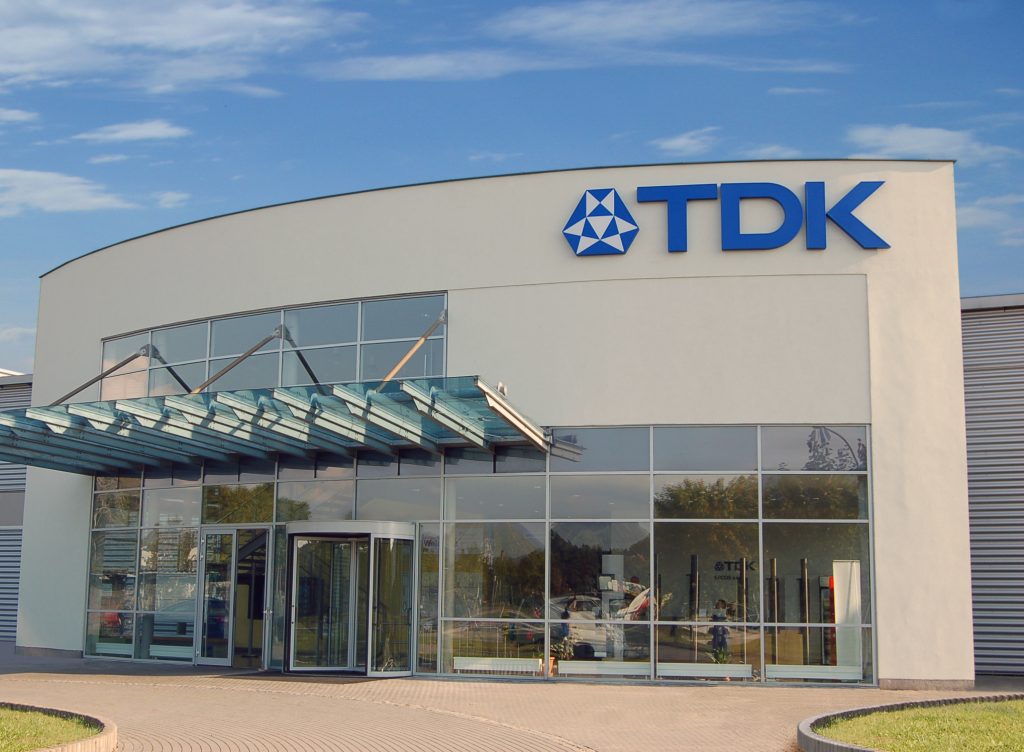
Tokyo: Japanese electronics manufacturer TDK Corporation has announced the acquisition of SoftEye, a US-based company specialising in software and hardware for smart glasses, as part of a broader strategy to capitalise on the growing intersection of artificial intelligence and next-generation wearable technologies. Headquartered in San Diego, California, SoftEye is known for its advanced eye-tracking and object recognition technologies. The company was founded by Te-Won Lee, who brings significant industry pedigree as a former executive at Samsung Electronics and Qualcomm. Although the financial terms of the transaction were not officially disclosed, a source familiar with the matter indicated the deal is valued at under $100 million. The acquisition marks a strategic move by TDK, which, having transitioned from its legacy as a cassette tape maker, has become a prominent supplier of electronic components and battery systems. The company already provides battery technology for smart glasses, aligning this acquisition with its existing capabilities and forward-looking growth plans. As the broader tech industry seeks to diversify hardware portfolios beyond smartphones, interest in smart glasses continues to surge. Meta, the parent company of Facebook, along with Alphabet’s Google and Snap Inc., are actively developing AI-integrated eyewear. Google showcased smart glasses at its recent developer conference, while Snap has announced plans to bring consumer-ready models to market in 2026. Qualcomm, a key player in mobile and wearable chipsets, also unveiled a new processor tailored for smart glasses earlier this month, further underscoring industry momentum. TDK’s acquisition of SoftEye positions the company at the forefront of this accelerating convergence of AI and wearable technology. -Reuters

News

Kakao Bank Gains Virtual Banking Licence in Thailand

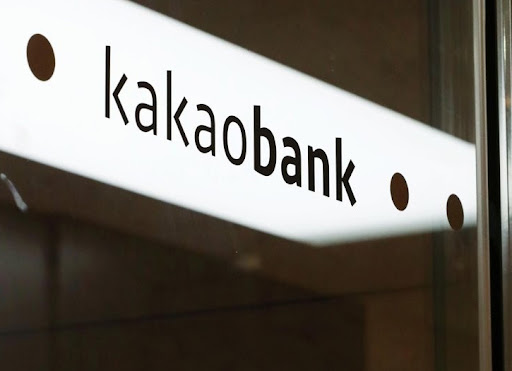
South Korean internet-only lender Kakao Bank has received official approval from the Thai government to operate a virtual bank, marking a significant step in its global expansion strategy and the first re-entry of a Korean bank into the Thai financial market in 25 years. The Ministry of Finance of Thailand has selected a consortium led by Kakao Bank and SCBX, one of Thailand’s leading financial groups, as one of three successful applicants licensed to establish a virtual banking presence in the country. The announcement places Kakao Bank at the forefront of Thailand’s digital banking evolution, which aims to provide comprehensive financial services entirely through online platforms without the need for traditional brick-and-mortar branches. Yoon Ho-young, Chief Executive Officer of Kakao Bank, described the licence as a pivotal milestone in the company’s growth strategy. “This licence is a crucial step in exploring new markets and a valuable opportunity to showcase the excellence of Korea’s digital finance technology,” he stated. The consortium was highly rated for its robust digital banking infrastructure, advanced technological expertise, and strong localisation strategies—factors that aligned closely with the Thai government’s vision for a digitally driven banking future. The virtual banking system in Thailand is scheduled to enter full-scale operations in the second half of 2026, following a one-year preparation period. Kakao Bank’s involvement is expected to serve as a strategic entry point not only for Korean financial institutions but also for broader Korean corporate interests looking to establish a foothold in the Thai market. -Yonhap

News

Foshan Haitian Climbs on Hong Kong Debut Following US$1.3 Billion IPO

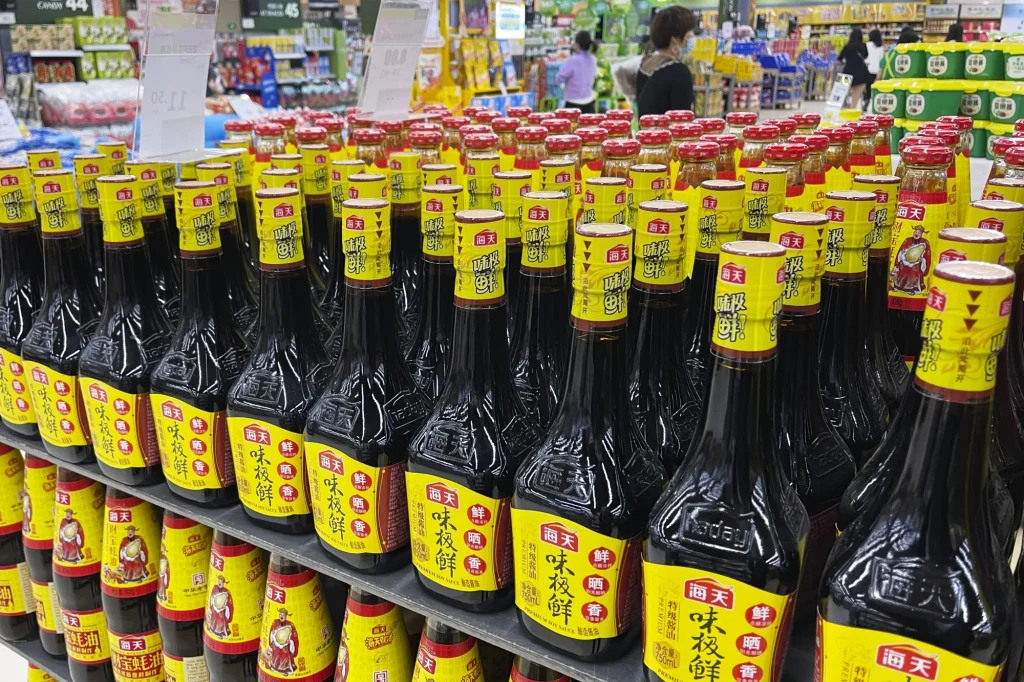
Shares in Foshan Haitian, China’s leading soy sauce manufacturer, made a modestly positive debut on the Hong Kong Stock Exchange on Thursday 19 June, following a US$1.3 billion initial public offering – one of the largest in the territory so far this year. The Guangdong-based company saw its shares rise as much as 4 per cent in early trading, before settling to close at HK$36.50, up 0.55 per cent from its listing price of HK$36.30. The listing price had been set at the upper end of its offer range. The performance was notably resilient in the context of a broader market decline, with the Hang Seng Index falling by 2 per cent on the day. Chairwoman Cheng Xue described the listing as “another important milestone in Haitian’s development history”. Established in 1955 as a small family-run workshop, Foshan Haitian has since grown into China’s largest condiments producer by volume for the past 28 consecutive years. The Hong Kong debut marks its second major market entry, following its Shanghai listing in 2014. The float attracted substantial interest from cornerstone investors, with Hillhouse Capital, Singapore’s sovereign wealth fund GIC, and Royal Bank of Canada’s Global Asset Management among those committing to US$595 million worth of shares. The company also exercised its greenshoe option, signalling robust investor appetite. Proceeds from the offering are earmarked for product development, production expansion, and international market penetration, particularly across Southeast Asia and Europe. The listing comes at a time of renewed momentum for Hong Kong’s capital markets, following years of subdued activity driven by pandemic-related disruptions, domestic economic stagnation in China, and increased geopolitical scrutiny. Recent high-profile listings, including battery giant CATL and pharmaceutical group Jiangsu Hengrui, have revived optimism around the city’s IPO prospects. Edward Au, Deloitte China’s southern region managing partner, noted that Hong Kong is “well-positioned to contend for the top position in the global IPO market in 2025”, though he cautioned that broader macroeconomic and geopolitical uncertainties could still present headwinds. Foshan Haitian’s debut follows Jiangsu Hengrui’s US$1.3 billion raise in May, one of the largest biopharmaceutical IPOs globally this year, and CATL’s US$4.6 billion listing — the biggest to date in 2025. According to Bloomberg data, IPOs and follow-on share sales in Hong Kong have so far generated US$26.5 billion as of mid-June, a substantial increase from US$3.8 billion over the same period last year. The Hong Kong Stock Exchange currently has dozens of pending applications from mainland Chinese firms seeking to list, underscoring the resurgence of confidence in the city’s equity markets. -AFP

Scroll to Top

Subscribe
FREE Newsletter