international

News

VinFast Launches First Dealership in California Amid Strategic Pivot

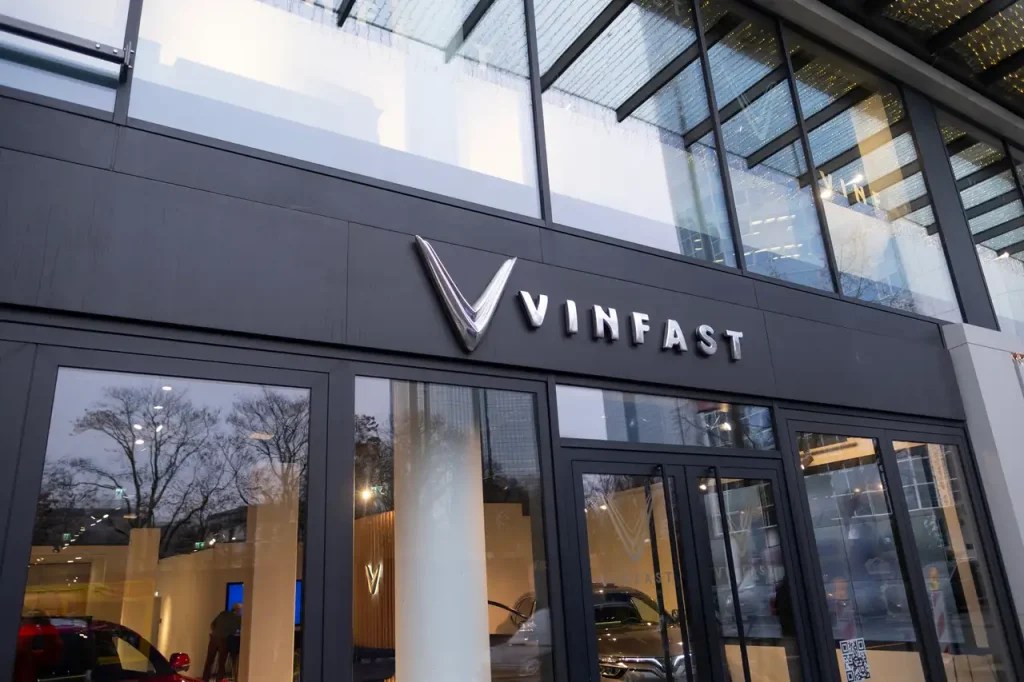
VinFast, the Vietnamese electric vehicle (EV) manufacturer backed by Vingroup, has announced the opening of its first dealership in San Diego, California, with operations set to commence later this month. This move signals a notable strategic shift as the company leans into a dealership model in an effort to bolster sales across the United States. Having initially pursued a direct-to-consumer sales strategy akin to that of Tesla, VinFast has reassessed its approach in light of a series of challenges, including tepid demand, intensifying competition and the implications of recently imposed U.S. tariffs on Chinese and Vietnamese goods. The company’s latest move underscores its renewed commitment to the American market despite these headwinds. VinFast confirmed it is actively seeking and evaluating additional dealership opportunities throughout California, reflecting a broader recalibration of its market entry strategy. Earlier this month, the company’s chair disclosed plans to introduce an electric bus to the U.S. market, further diversifying its product offering in the region. Concurrently, VinFast is in the process of scaling back its U.S. retail footprint by closing selected showrooms, with a renewed focus on expansion in Asian markets, including Indonesia and India. Shares in VinFast edged slightly higher following the announcement. -Reuters

News

HSBC Appoints Christopher Chua as Global Head of Mergers and Acquisitions

HSBC has announced the appointment of Christopher Chua as Global Head of Mergers and Acquisitions, effective immediately. Chua, a seasoned investment banker with more than two decades of experience, will continue to be based in Hong Kong. Previously serving as the bank’s Head of M&A for Asia, Chua takes the helm of the global M&A division following the departure of former global head Kamal Jabre, who left the firm last month to join JPMorgan. The appointment was confirmed by a company spokesperson and detailed in an internal memo reviewed by Reuters. Adam Bagshaw, HSBC’s Global Head of Capital Markets and Advisory, noted in the memo that Chua will lead the M&A franchise across Asia and the Middle East, regions where HSBC maintains a strong competitive edge and delivers significant client value. Chua joined HSBC in 2022 from Credit Suisse to lead its Asia M&A operations and has a proven track record advising multinational corporations on complex cross-border transactions. His promotion marks the latest senior leadership change as HSBC continues to reshape its global investment banking business with an increased focus on Asia and the Middle East. As part of its strategic refocus, the bank has scaled back its M&A and certain equity operations in Europe and the Americas earlier this year. This shift aligns with HSBC’s broader strategy to deepen its footprint in high-growth markets across Asia and the Middle East. In addition, Vikas Seth will chair the bank’s M&A business alongside his current responsibilities as Vice Chair of Corporate and Institutional Banking, where he oversees strategic client engagement. -Reuters

News

LG Energy Solution and Toyota Tsusho Establish US-Based Battery Recycling Joint Venture

LG Energy Solution, South Korea’s foremost battery manufacturer, has announced a strategic agreement with Toyota Tsusho Corporation, a trading affiliate of Japan’s Toyota Group, to establish a battery recycling joint venture in the United States. The new entity, named Green Metals Battery Innovations LLC, will be based in Winston-Salem, North Carolina. The facility will focus on the pre-processing of battery production scrap, dismantling and shredding material to extract black mass—a substance rich in valuable metals including nickel, cobalt, and lithium. Scrap generated during the production of electric vehicle batteries for Toyota Motor Corporation will be supplied by LG Energy Solution. The extracted black mass will subsequently undergo a separate post-processing phase to recover raw materials. These recovered inputs will then be recycled into the production of new battery materials. Construction of the facility is slated to begin later this year, with operations scheduled to commence in 2026. Once operational, the plant will possess an annual processing capacity of 13,500 tonnes of scrap—equivalent to more than 40,000 automotive batteries. LG Energy Solution underscored the strategic significance of the partnership with Toyota Tsusho, citing the latter’s advanced pre-processing technology and proven operational capability. The collaboration is expected to play a pivotal role in reinforcing the company’s battery recycling infrastructure across North America. “This joint venture will not only help secure a stable supply of key battery materials but also enhance the competitiveness of our recycling business in North America,” stated Kang Chang-beom, Chief Strategy Officer at LG Energy Solution. -Yonhap

News

GAM Holding Appoints Albert Saporta as CEO in Strategic Leadership Shift

GAM Holding AG has announced the appointment of Albert Saporta as its new Group Chief Executive Officer, effective 1 July 2025. The appointment marks a pivotal leadership change at the Zurich-listed asset manager, as the firm continues its strategic transformation. Saporta, a veteran of the investment management industry with over 40 years of experience, succeeds Elmar Zumbuehl, who has led the firm since October 2023. Zumbuehl will remain with GAM until the end of 2025 to ensure a smooth transition. A long-standing figure in global finance, Saporta brings deep expertise to the role. His career began at Paribas in Paris before he moved to Merrill Lynch in London, focusing on Japanese equity sales between 1985 and 1988. He subsequently joined UBS Securities and then IFM, a hedge fund backed by Jacob Rothschild’s St James’s Place and AIG. In 1995, he founded AIM&R, a Geneva-based hedge fund advisory and research firm, which he later sold to ABN Amro Bank in 2006. AIM&R was relaunched in 2011 and continues to serve hedge funds, pension schemes, real estate trading firms, and family offices globally. Saporta has served as GAM’s Global Head of Investments and Products since October 2023, a role in which he has contributed to the firm’s repositioning as a lean and scalable platform following a challenging period. “These leadership changes reflect that GAM has successfully transformed and is now well positioned for growth,” the company stated. GAM has experienced significant restructuring under Zumbuehl’s tenure. Following the collapse of a takeover bid by Liontrust Asset Management in 2023, the firm secured strategic funding support from investor group NewGAMe, including Rock Investment SAS, which committed up to CHF 100 million ($1.09 million) in capital. Zumbuehl subsequently led efforts to streamline GAM’s operations and divest non-core entities. “On behalf of the board of directors, I would like to express our deepest gratitude to Elmar for his dedicated service and the significant achievements he has accomplished during his many years at GAM,” said Antoine Spillmann, Chairman of the Board. “His leadership has been pivotal in steering the company through transformative changes and setting a solid foundation for future sustainable growth.” In tandem with the leadership transition, Tim Rainsford will return to GAM as Group Distribution Officer on 1 October. Rainsford was formerly CEO of Generali Investments Partners and most recently served as Chief Product and Distribution Officer at Generali Asset Management. He will oversee distribution efforts, with Rossen Djounov, Global Head of Client Solutions, remaining a key member of the leadership team and reporting directly to Rainsford.

News

Southeast Asia’s Low-Cost Airlines Ramp Up Expansion Despite Cost Pressures

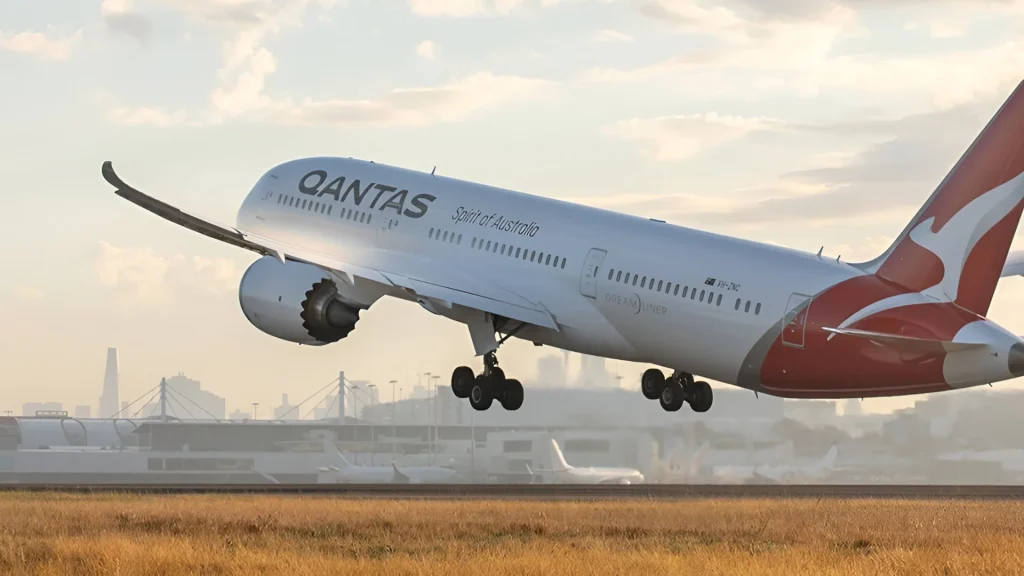
Southeast Asia’s largest low-cost carriers are pressing ahead with aggressive fleet expansion strategies, despite mounting cost pressures and increasingly fierce competition that have already prompted some players to retreat. The latest casualty is Jetstar Asia, Qantas Airways’ Singapore-based subsidiary, which will cease operations by the end of July after nearly two decades, citing unsustainable cost increases. The budget airline model has proliferated across Asia over the past twenty years, underpinned by rising disposable incomes and robust travel demand, particularly from Chinese tourists. Industry forecasts anticipate that air travel demand in Asia will outpace all other regions in the coming decades, further encouraging carriers such as Malaysia’s AirAsia and Vietnam’s VietJet Aviation to expand their already substantial aircraft orderbooks. However, profitability remains a challenge. According to the International Air Transport Association (IATA), Asia-Pacific carriers are forecast to post a net profit margin of just 1.9 per cent in 2024, well below the global average of 3.7 per cent. The region’s rapid post-pandemic capacity recovery has intensified fare competition, especially among price-sensitive leisure travellers. ForwardKeys data shows that international airfares across Asia fell 12.0 per cent year-on-year in 2024. AirAsia, Southeast Asia’s largest low-cost carrier, reported a 9.0 per cent drop in average fares in the first quarter, attributing the decline to increased capacity and the pass-through of savings from lower fuel costs. Yet cost headwinds are escalating. Labour, airport fees, and ground services have all become more expensive, while a global aircraft shortage has driven up leasing and maintenance expenses. Jetstar Asia cited double-digit increases in fuel, airport charges, and security fees at its Singapore hub as key factors behind its decision to exit the market. “The buffer is extremely thin, and with margins this low, any cost increase can affect an airline’s viability,” said Sheldon Hee, Vice-President for Asia-Pacific at IATA. Aviation intelligence provider OAG noted in a recent white paper that Asia-Pacific remains the most competitive global aviation market, where excess capacity has pushed fares to levels that threaten profitability. The report emphasised that aligning supply with demand, and managing cost-revenue dynamics, is now more critical than ever. Two-thirds of international seat capacity within Southeast Asia is now operated by budget carriers—double the global average—according to the CAPA – Centre for Aviation. Analysts suggest Qantas opted to redeploy Jetstar Asia’s fleet to more efficient markets in Australia and New Zealand, rather than continue absorbing losses in a saturated environment. Southeast Asia’s low-cost airline sector was already grappling with profitability pressures before the pandemic, a situation now compounded by structural cost increases. Smaller operators face particular difficulties. Jetstar Asia, with a fleet of 13 aircraft, lagged behind its regional competitors in scale. As of 31 March, Scoot (Singapore Airlines’ budget arm) operated 53 aircraft, AirAsia 225, VietJet 117 including its Thai unit, and Cebu Pacific 99. Each of these airlines has committed to further fleet expansion. VietJet, in a significant move announced this week at the Paris Airshow, signed a provisional agreement to acquire up to 150 additional Airbus narrow-body aircraft. This follows a recent order of 20 Airbus A330neo wide-bodies and builds on its existing commitment to purchase 200 Boeing 737 MAX jets. Meanwhile, AirAsia is pursuing additional fleet growth, with ongoing negotiations to acquire 50 to 70 long-range single-aisle aircraft and 100 regional jets. Chief Executive Tony Fernandes confirmed the group’s intention to use these jets to reach new destinations. “At the end of the day, it is go big or go home,” remarked Subhas Menon, Director-General of the Association of Asia Pacific Airlines, underscoring the prevailing mindset in an increasingly high-stakes environment. -Reuters

News

Samsung Heavy Terminates US$3.54 Billion Contracts with Russia’s Zvezda

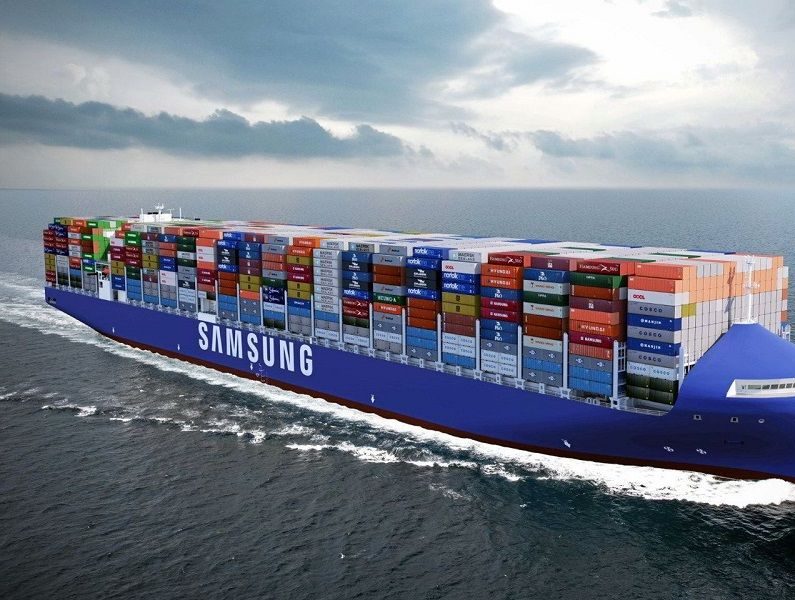
Samsung Heavy Industries has announced the cancellation of two major contracts with Russia’s Zvezda Shipbuilding Complex, collectively valued at 4.85 trillion won (approximately US$3.54 billion), citing what it describes as an “illegal termination” by the Russian shipowner. The South Korean shipbuilder disclosed in regulatory filings that it was formally notified by Zvezda in June 2024 of the unilateral cancellation of the agreements, with a demand for the return of advance payments already made. The contracts, awarded in 2020 and 2021, related to the supply of parts and blocks for 10 icebreaking LNG carriers and seven icebreaking shuttle tankers. In response to the termination, Samsung Heavy initiated arbitration proceedings in Singapore in July to contest the legality of the move, while simultaneously entering into discussions with Zvezda in an effort to resolve the dispute. Amid protracted geopolitical instability due to the ongoing Russia-Ukraine conflict, the outlook for contract fulfilment and broader business operations became increasingly uncertain. In light of these conditions, Samsung Heavy ultimately opted to terminate the contracts and pursue a claim for damages, a decision taken to safeguard its legal and financial interests. The company did not disclose the specific timeline or estimated financial impact of the damage claims, but emphasised its commitment to protecting shareholder value and maintaining legal integrity throughout the arbitration process. -Business Times

News

Japanese Investors Signal Growing Interest in JS-SEZ

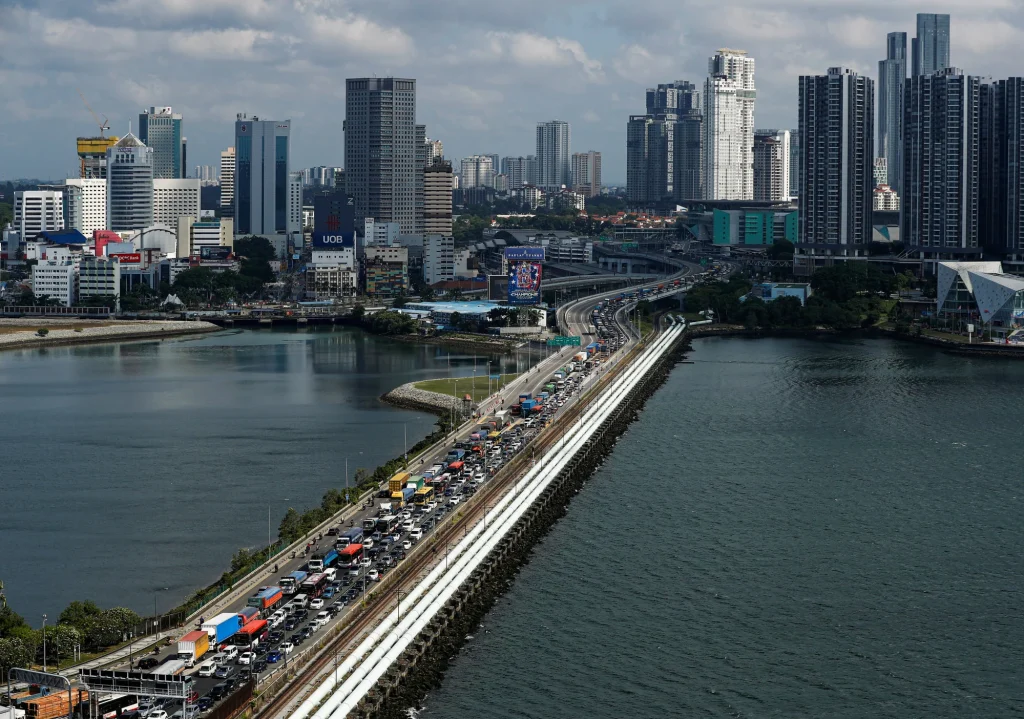
The Johor-Singapore Special Economic Zone (JS-SEZ) is drawing significant attention from Japanese investors, including major financial institutions, as interest in the strategically located zone continues to broaden. According to Iskandar Regional Development Authority (IRDA) chief executive Datuk Noorazam Osman, the Invest Malaysia Facilitation Centre Johor has begun receiving enquiries from Japanese firms in key growth sectors such as the digital economy, technology, and the electrical and electronics industry. “Some companies have already requested meetings with the Johor Menteri Besar, Datuk Onn Hafiz, which is a clear indicator of serious investor interest,” said Noorazam, speaking on the sidelines of the Nikkei Forum Medini Johor yesterday. He also noted that leading Japanese banks, including Mizuho Bank and Sumitomo Mitsui Banking Corporation, are actively exploring opportunities to support their clients’ expansion into the JS-SEZ. While Singaporean, Chinese and South Korean firms continue to form the core base of international interest, Noorazam added that interest from European markets is also on the rise. He believes the two-day forum, themed Driving Asia’s Innovation Hub, offers a strategic platform for foreign investors to assess JS-SEZ’s potential as a regional investment gateway into the ASEAN market. “With global uncertainties on the rise, investors are increasingly seeking stable and scalable entry points into new markets. JS-SEZ offers precisely that, as a hub linked closely with ASEAN,” he said. Noorazam also participated in a panel session titled Johor Focus: Building the Future with JS-SEZ, alongside Iskandar Investment Berhad president and chief executive officer, Datuk Idzham Mohd Hashim. The forum delved into key regional investment themes, including the energy transition, the evolving role of financial institutions in boosting foreign direct investment across ASEAN, and long-term sustainability. During a panel discussion, Affin Hwang Investment Bank’s head of research, Loong Chee Wei, outlined several concerns raised by prospective investors. These include the importance of robust government policies and the need to address talent shortages. “The government appears to be responding proactively, such as by mandating that investors provide job opportunities to locals,” he said. “There is also growing demand for modern, integrated industrial parks that offer essential infrastructure, such as workers’ dormitories. These facilities will be critical in attracting new industries.” Meanwhile, Malaysian Investment Development Authority (MIDA) deputy chief executive officer Sivasuriyamoorthy Sundra Raja indicated that environmental, social and governance (ESG) compliance is likely to become a requirement for both foreign and domestic investors. “Currently, ESG compliance is not mandatory for local companies. However, that may change. We are reviewing our incentive framework in the third quarter, and ESG will be included in the evaluation scorecard for tax incentives,” he said. He added that these measures could be applied to strategic industries such as steel manufacturing and that ESG compliance may soon be a prerequisite for obtaining manufacturing licences. The Nikkei Forum, expected to be officiated today by Prime Minister Datuk Seri Anwar Ibrahim, is set to host approximately 800 participants both on-site and online. -The Star

News

China’s Consumer Subsidy Drive Strains Provincial Budgets Amid Surge in Demand

Beijing is facing mounting pressure as its latest consumer stimulus campaign prompts overwhelming demand for subsidies, particularly in wealthier provinces. The government’s programme to boost household spending by subsidising select goods has led to a surge in retail sales, which recently recorded the highest growth in over a year. However, the initiative is testing the limits of local authorities’ financial capacities. The subsidy scheme, designed to incentivise trade-ins for home appliances and other select products, has quickly depleted allocated funds in several regions. Provinces such as Henan and the municipality of Chongqing have suspended the disbursement of subsidies and halted new applications, according to official statements and Chinese media reports. Meanwhile, Jiangsu and Guangdong have responded by imposing daily quotas to ration access to the programme. These interruptions reflect the broader challenges Beijing faces in restoring consumer confidence. Authorities have identified domestic consumption as the core engine for economic recovery in 2025, particularly as the economy braces for escalating trade tensions, including anticipated tariffs from the United States. To support this strategic pivot, the central government has doubled its issuance of ultra-long special sovereign bonds compared to last year, raising the budget for the cash-for-clunkers initiative to 300 billion yuan. Over half of these funds have already been distributed or are in the process of being allocated to local governments. “The rapid use of the subsidies suggests the programme is effective in expanding sales of the products it targets,” said Ding Shuang, Chief Economist for Greater China and North Asia at Standard Chartered. Nonetheless, the pace of uptake has raised questions about the sustainability of the programme. With some of China’s most affluent regions already exhausting their funds, the central government may need to reassess both the scale and structure of its stimulus mechanisms to avoid undermining its long-term fiscal and economic goals. -Bloomberg

Investment & Market Trends, News

Danantara and INA Announce Strategic Investment in Chandra Asri Expansion

JAKARTA: Indonesia’s state-owned asset management firm Danantara and sovereign wealth fund Indonesia Investment Authority (INA) have entered into a memorandum of understanding (MoU) to become strategic investors in the expansion of publicly listed petrochemical leader Chandra Asri Group. The agreement marks a significant milestone for Indonesia’s downstream industrial development, with the proposed joint investment in Chandra Asri’s upcoming Chlor Alkali and Ethylene Dichloride (CA-EDC) facilities projected to reach up to US$800 million. Pandu Sjahrir, Chief Investment Officer of Danantara, stated that the investment initiative aligns with the government’s broader agenda to enhance domestic downstream industries. He emphasised the chemical sector’s vital role across critical value chains, particularly in manufacturing and the ongoing energy transition, including applications in nickel processing and alumina refining. “This investment strengthens national resilience by reducing dependence on imports for essential products like caustic soda and Ethylene Dichloride,” Sjahrir said. Danantara, which was established in February, currently oversees 844 state-owned enterprises, positioning itself as a key driver of industrial transformation and strategic investment within the republic. -The Jakarta Post

News

Indonesia and Russia Consider Strategic Partnership Ahead of Prabowo-Putin Talks

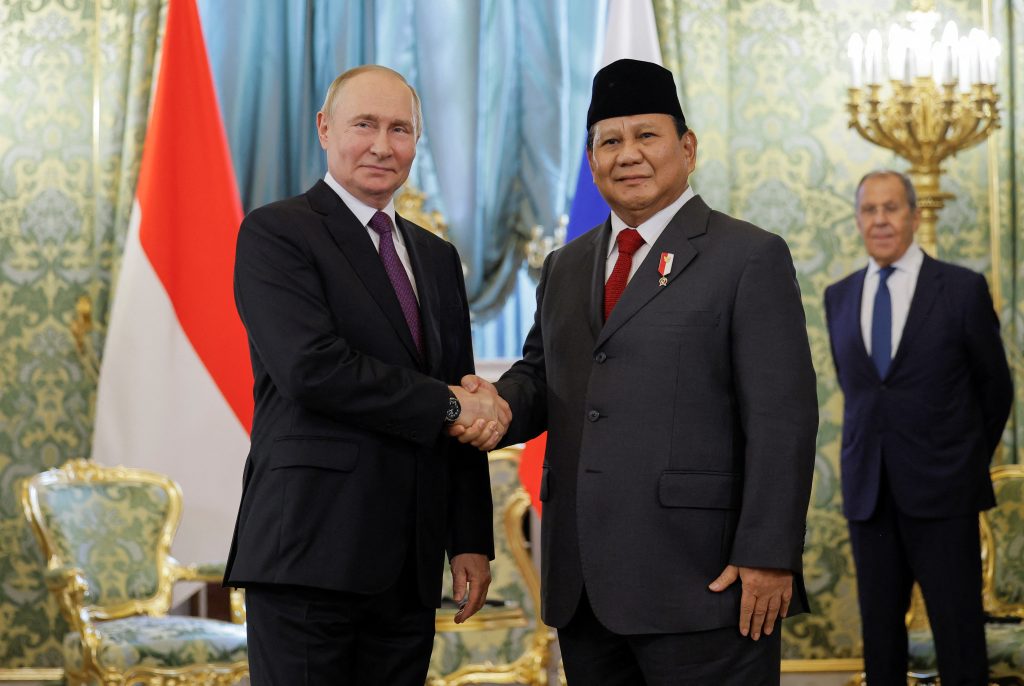
President Prabowo Subianto of Indonesia is set to meet with Russian President Vladimir Putin in St Petersburg later this week, as the two nations seek to strengthen bilateral relations, potentially advancing towards a strategic partnership. The engagement will coincide with Russia’s annual economic forum, where President Putin is expected to deliver a keynote address and host foreign dignitaries. Indonesia’s Foreign Minister, Sugiono, who goes by a single name, confirmed the upcoming dialogue and underlined Jakarta’s intention to deepen cooperation with Moscow across key sectors including trade, investment, security, energy and tourism. Speaking alongside Russian Foreign Minister Sergei Lavrov in Moscow, Sugiono noted the importance of formalising stronger ties between the two countries. “There is chemistry between both of the leaders,” Sugiono remarked, adding that both sides should explore elevating the relationship to the level of a strategic partnership. Lavrov, for his part, characterised the bilateral relationship as “trustworthy, friendly and constructive”, and welcomed the close diplomatic ties with Jakarta. The talks come at a time of growing international engagement for Indonesia, which became a full member of the BRICS grouping earlier this year. The Southeast Asian nation has been increasingly vocal about diversifying its global partnerships and reducing over-reliance on traditional Western alliances. Meanwhile, Indonesian authorities reiterated their position on regional security matters, having previously dismissed a 2023 report by defence publication Janes which suggested Russia had requested military aircraft basing rights in Papua, Indonesia’s easternmost province. The report had raised concern in neighbouring Australia, given Papua’s proximity—approximately 1,200 kilometres—to the northern Australian city of Darwin. -Reuters

Scroll to Top

Subscribe
FREE Newsletter