international

News

Philippine Central Bank Set to Cut Rates as Inflation Slows Sharply

The Bangko Sentral ng Pilipinas (BSP) is poised to lower its key interest rate on 19 June, with a majority of economists anticipating a 25 basis point reduction to 5.25 per cent, according to a Reuters survey conducted between 10 and 17 June. The expected move reflects a shift in sentiment since April, when most analysts forecast the central bank would hold rates steady. This anticipated easing comes as inflation in the Philippines slowed sharply to 1.3 per cent in May—its weakest reading in over five years and notably below the BSP’s 2 to 4 per cent target range. The cooling inflationary environment, coupled with underwhelming first-quarter growth despite increased public spending, has strengthened the case for monetary support. Of the 25 economists polled, 22 expect a 25 basis point cut this week, while three see rates remaining at the current level of 5.50 per cent. Economists suggest the BSP now has policy space to shift its focus toward growth support. “Progress on the inflation front opens the door for the BSP to consider another rate cut,” said Sarah Tan, economist at Moody’s Analytics. “Further, the recent stabilisation of the peso will provide an additional nudge to the decision-making process. Continued monetary easing would play a vital role in supporting the domestic economy amid a complex external environment.” Looking ahead, more than half of the 23 economists who shared longer-term projections anticipate a further cut of 25 basis points to 5.00 per cent by the end of the third quarter. The median forecast suggests a cumulative 50 basis points reduction this year, although views diverge beyond that, with no consensus on the policy stance for end-2025. Governor Eli Remolona had already indicated in April that further cuts were likely, reinforcing expectations for a more accommodative stance. Nonetheless, the policy trajectory may be complicated by external developments, particularly decisions by the US Federal Reserve, which is expected to maintain rates until at least September. “While downside risks to both growth and inflation suggest more cuts are needed, the Federal Reserve’s path will likely play an equally important role in determining the magnitude of rate cuts by the BSP,” said Shreya Sodhani, regional economist at Barclays. “With our US economists now looking for only one cut by the Federal Reserve this year, we think the BSP can ease only twice more while keeping its desired 100 basis point differential between its policy rate and the Fed funds rate.” -Reuters

Energy & Technology

Nissan Launches Next-Generation Leaf to Regain EV Market Share

TOKYO : Nissan has launched the third-generation Leaf, a cornerstone in the company’s renewed push to reclaim its standing in the electric vehicle (EV) market. Once a pioneer in mass-market EVs, the Japanese manufacturer has in recent years lagged behind its rivals, and the new model represents a critical step in its broader recovery strategy. The updated Leaf, revealed on Tuesday, will enter the United States market this autumn, with other regions to follow. However, its path to commercial success is likely to be challenging. Units sold in the U.S. will be manufactured at Nissan’s Tochigi facility in Japan, rendering them subject to import tariffs. Compounding the difficulty, American consumer interest in pure EVs has softened, with a growing preference emerging for hybrid alternatives – a segment in which Nissan lacks a current offering in the U.S. Industry analysts have flagged the timing of the launch as problematic. “There is a high possibility that this is going on sale at the worst possible time, given the imposition of tariffs and the Trump administration’s rollback of EV subsidies,” said Koji Endo of SBI Securities. “If the new Leaf doesn’t sell, it will mean big trouble for Nissan.” The price for the new model has not yet been disclosed. However, significant changes have been introduced. The Leaf has transitioned from its original hatchback styling to a crossover design, boasting a battery capacity increase of up to 25 per cent over the prior version. Nissan estimates that the top variant, equipped with a 75 kWh battery, will offer a maximum range of up to 303 miles under U.S. test conditions. Despite the impact of tariffs, a company spokesperson stated the pricing will remain competitive in the American market. Symbolically, the Leaf continues to occupy a pivotal position in Nissan’s EV narrative. Once the world’s best-selling electric vehicle, it was overtaken by Tesla in more recent years. The model, introduced under former chairman Carlos Ghosn, embodied Nissan’s early ambition to lead in electric mobility. To date, nearly 700,000 Leaf units have been sold globally. Chief Executive Ivan Espinosa now faces a balancing act: executing substantial cost reductions while simultaneously investing in product development. These efforts are intended to update Nissan’s ageing model portfolio and address its lack of hybrid offerings in key markets. Espinosa has already announced sweeping restructuring measures, including the closure of seven manufacturing plants and the elimination of 11,000 jobs. These cuts are part of a broader initiative that will reduce the company’s global workforce by approximately 20,000 positions, including reductions introduced under his predecessor. Nissan recorded a net loss of approximately $4.5 billion in the previous fiscal year and is currently contending with debt obligations totalling 596 billion yen (roughly $4.1 billion), due in the next financial year. Production of the new Leaf will also take place at Nissan’s Sunderland plant in the United Kingdom. While both the Tochigi and Sunderland sites are expected to remain operational, there is speculation that the Oppama plant – the original production location for the Leaf – could face closure. -Reuters

Lifestyle

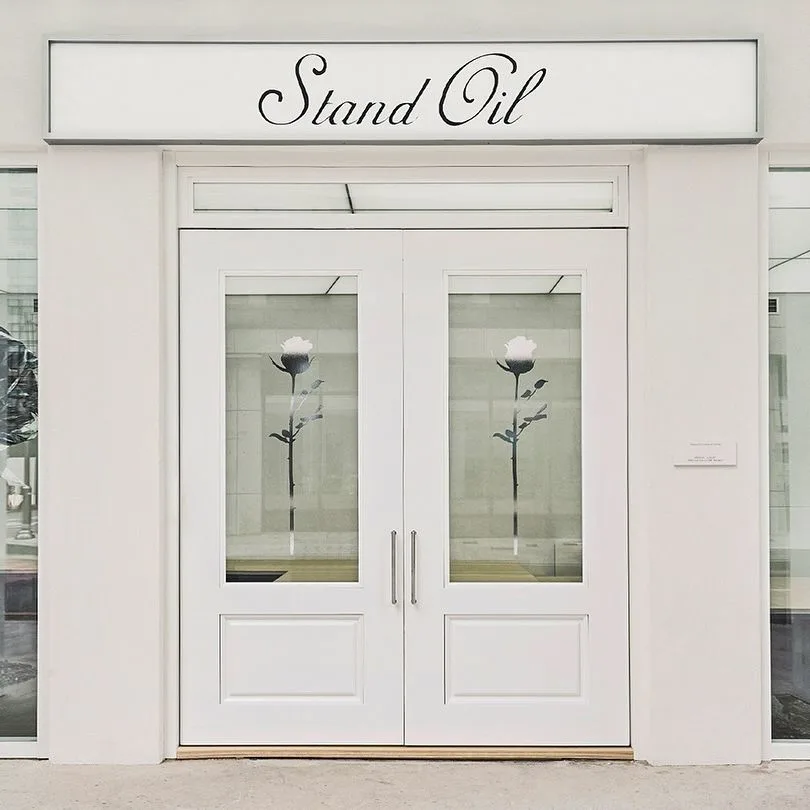
Korean Fashion Brand STAND OIL Launches First Hong Kong Pop-Up Featuring SS25 Collection

Hong Kong is set to welcome the debut of another prominent Korean fashion brand as STAND OIL unveils its first-ever physical retail presence in the region. Following the successful regional entries of Matin Kim and Mardi Mercredi, STAND OIL will open a six-week pop-up store at K11 Art Mall from 23 June to 3 August, offering local consumers an exclusive opportunity to explore its coveted accessories. The brand, known for its youthful and trend-forward designs, has rapidly gained popularity across Asia, bolstered by endorsements from leading K-pop figures including Yunjin of LE SSERAFIM, Joshua of SEVENTEEN, Red Velvet members Wendy and Seulgi, and Minji of NewJeans. Designed to reflect STAND OIL’s clean and modern aesthetic, the pop-up space features a minimalist layout with a bold colour palette of white and blue. The store will spotlight both established bestsellers and new launches, including the 2025 Spring/Summer Collection under the theme “Old School, New Memory”. The retro-inspired collection infuses classic sensibilities with a contemporary edge, appealing to both loyal followers and new consumers alike. Key items on display will include the brand’s signature styles: the Chubby Bag, a unique circular take on the bowling bag; the Baguette Bag, offering sleek practicality; and the Oblong Bag, a versatile rectangular design suitable for everyday use, including as a laptop carrier. A major highlight will be the official launch of the Fika Bag, a casual hobo silhouette featuring dual flap pockets and a flat-top structure, designed for both functionality and style. Adding an experiential element to the retail space, the pop-up will include a Gachapon Machine, offering guests the chance to win exclusive rewards upon spending HKD 800 or more. Prizes include branded accessories such as the Hug Teddy Bear gift set, the Jamamo Pearl Necklace, and the Cube Phone Charm. To mark the opening, a special Back-to-School Mailbox activation will take place on the first day of the pop-up. Attendees will be invited to write postcards addressed to their future selves, creating a unique and reflective experience to celebrate the upcoming academic season. -Lifestyle Asia

Lifestyle

Black Sheep Unveils Peng Leng Jeng: A Dai Pai Dong Summer Pop-Up in SoHo

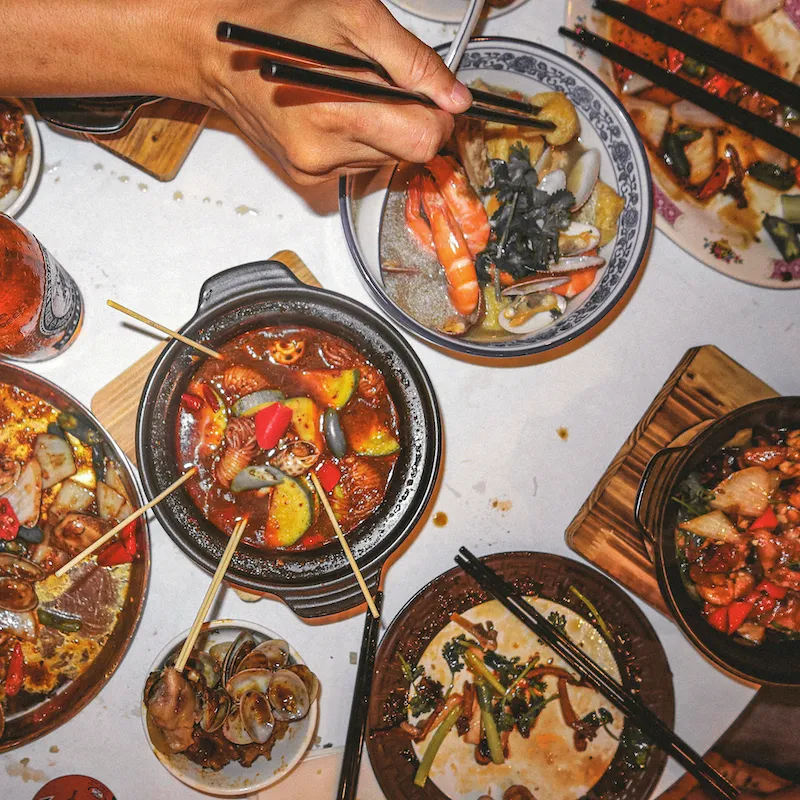
Renowned Hong Kong hospitality group Black Sheep is introducing Peng Leng Jeng, a limited-time dai pai dong concept set to bring authentic Cantonese street-side dining to SoHo from 18 June to 31 August. Located on Staunton Street, the summer pop-up pays homage to Hong Kong’s rapidly disappearing open-air food stalls, with fewer than 20 remaining in the city today. Peng Leng Jeng, a playful Cantonese slang term meaning “pretty, beautiful, good,” captures the spirit of these vibrant, no-frills eateries. The concept is led by Chef ArChan Chan and Jonathan Leung, both Kowloon natives who draw on their own cherished memories of family meals at dai pai dongs. Operating out of Black Sheep’s Team Canteen—historically a private dining space for staff—the pop-up reimagines the classic street food culture for a contemporary SoHo setting. The menu stays true to tradition, offering bold flavours and the distinctive wok hei or “breath of the wok”—a hallmark of Cantonese wok-fried dishes—achieved through custom high-heat burners. Signature offerings include Beef & Potato with Black Pepper and Honey Sauce (HKD 218), Black Bean & Chilli Clams (HKD 218), and Sweet & Sour Pork Ribs (HKD 168). Other notable items are the Typhoon Shelter Corn (HKD 98), Salt & Pepper Squid (HKD 168), and Oyster Omelette (HKD 168). Of particular note is the Stir Fry King (HKD 138), a technically demanding dish made with squid, garlic shoots, and peanut sprouts. Widely considered a benchmark for wok mastery, this dish showcases the culinary precision that defines Peng Leng Jeng’s kitchen. In addition to its signature stir-fries, the menu features a selection of cold starters, steamed plates, and traditional soups. Complementing the menu is a curated selection of alcoholic beverages, including Blue Girl Beer (HKD 78/640ml) and various soju options. For those seeking non-alcoholic alternatives, soft drinks, herbal teas, and water are also available. Peng Leng Jeng is set to offer a spirited, nostalgic dining experience that celebrates the cultural and culinary essence of Hong Kong’s dai pai dong legacy. The full menu and details can be found on Black Sheep’s official website. -Lifestyle Asia

News

Chow Tai Fook Launches HK$7.85 Billion Convertible Bond to Fund Expansion

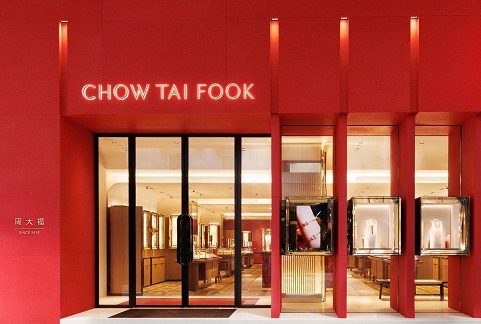
Chow Tai Fook Jewellery Group Ltd, led by Henry Cheng, is launching one of Hong Kong’s largest convertible bond issuances of the year, targeting HK$7.85 billion (approximately US$1 billion). The fundraising initiative arrives amid heightened scrutiny of another arm of the Cheng family’s business empire, New World Development Co, which is contending with a significant liquidity crisis. The proposed convertible bonds, denominated in Hong Kong dollars, are set to mature around the end of June 2030. According to transaction terms reviewed by Bloomberg News, the bonds will offer a coupon ranging from zero to 0.5%, payable on a semi-annual basis. The proceeds are earmarked for Chow Tai Fook’s jewellery operations and general working capital requirements, with no linkage to New World Development’s financial position. New World, one of Hong Kong’s most leveraged major developers, is currently managing liabilities exceeding HK$200 billion. In contrast, Chow Tai Fook has reported stronger-than-expected earnings and has been actively repositioning its brand identity towards premium market segments, aligning more closely with luxury names such as Tiffany & Co and Cartier, and moving away from its traditional image as a gold retailer. UBS Group AG, acting as the sole bookrunner, plans to execute a share placement to support investor hedging activities associated with the bond offering. As part of this arrangement, Chow Tai Fook intends to repurchase up to HK$1.57 billion worth of its own shares. The convertible bonds feature a conversion premium of between 35% and 45% over the clearing price established during the delta placement. Investors may convert the bonds from 30 June 2028 onwards. Additionally, a 90-day lock-up period has been imposed on the company. Prior to the announcement, Chow Tai Fook shares gained 6% to close at HK$13.72 on the Hong Kong Stock Exchange. The broader Asian market has experienced a surge in convertible bond activity this year. Just last week, Singapore-based Grab Holdings Ltd raised US$1.5 billion through a convertible bond deal, exceeding its initial fundraising target. Earlier in the month, Ping An Insurance (Group) Co of China Ltd completed a HK$11.8 billion convertible bond issuance. Both Chow Tai Fook and Ping An opted to denominate their bonds in Hong Kong dollars, even as the local currency approaches the weaker end of its official trading band against the US dollar. The move follows a decline in local interest rates to their lowest point in three years, significantly widening the rate gap with their US counterparts. -Bloomberg

News

Häagen-Dazs and Starbucks Reassess China Operations Amid Local Rivalry

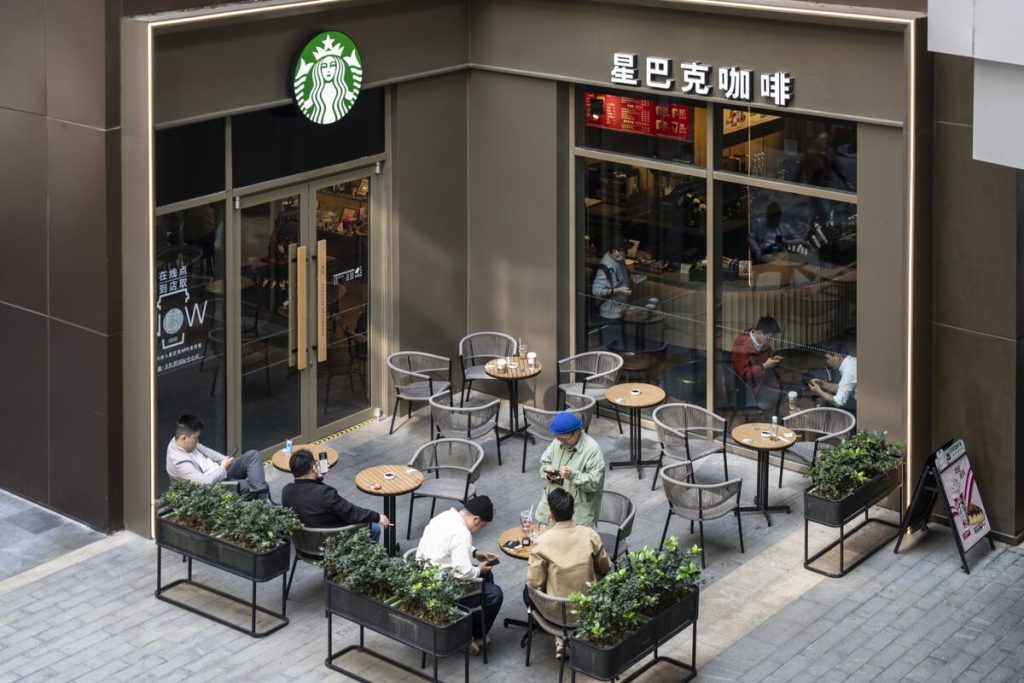
The consumer market in China has shifted markedly since the 1990s, when Western giants such as Häagen-Dazs and Starbucks first entered the country with premium offerings that were unfamiliar to local consumers. At the time, their novelty and aspirational branding allowed for rapid expansion and robust revenue growth. However, with evolving consumer behaviour and intensifying local competition, both companies are now reassessing their long-term strategies in the world’s second-largest economy—including potential business divestments. General Mills, the parent company of Häagen-Dazs, is exploring the sale of its more than 250 retail outlets in China. Starbucks Corporation, which operates over 7,750 locations across the country, is also reportedly testing market interest in its Chinese operations. French sporting goods retailer Decathlon SA has initiated the process of offloading approximately 30% of its local business. These moves reflect mounting pressure from agile Chinese competitors who possess a more intimate understanding of local market nuances. Established international names such as Apple Inc and Nike Inc are increasingly challenged by domestic brands including Huawei Technologies Co, Xiaomi Corp, Anta Sports Products Ltd and Li Ning Co, which have demonstrated a keen ability to adapt to changing consumer demands. China’s economic deceleration following the pandemic has further influenced consumer behaviour, with greater emphasis on value for money and emotional relevance—particularly among younger demographics. “Multinationals face competition from local rivals and shifting demands, especially younger generations prioritising value for money and emotional resonance,” said Chen Jie, Global Head of Mergers and Acquisitions at China International Capital Corp. “To survive and succeed, they must develop localised strategies.” In response, Western consumer brands are tailoring their offerings to align more closely with regional preferences. Häagen-Dazs and Starbucks have launched locally inspired products such as Lunar New Year mooncake ice cream and braised pork-flavoured lattes. In a marked strategic shift, Starbucks has also cut prices on tea-based and Frappuccino beverages in China—a notable departure from its US model, where it is consolidating its menu around core coffee offerings to drive efficiency. The trend extends beyond beverages. McDonald’s Corp has adapted its menu in China to include items like congee and luncheon meat burgers. Yum China Holdings Inc, operator of KFC and Pizza Hut in the region, has integrated Peking duck-style wraps, egg tarts, and durian pizzas into its offerings alongside traditional fast-food staples. Despite having established presences in the country, many multinational companies are now exploring new partnerships as a route to long-term sustainability. “In many cases, these brands have long operating histories in the country, and identifying Chinese partners who can bring skills, technology and capital is another form of localisation,” noted Richard Wong, Head of Asia Pacific M&A at Morgan Stanley. “MNCs continue to view China as a highly important market.” Ongoing economic uncertainty, geopolitical risks and global trade tensions have heightened the need for strategic flexibility. “With this backdrop, some are evaluating strategic options for their assets, including bringing in a minority partner or selling out entirely,” said Weiwen Han, Senior Partner at Bain & Co in Hong Kong. “This trend is particularly clear in sectors such as consumer and retail.” While Beijing has made boosting domestic consumption a key policy priority in pursuit of 5% GDP growth for 2025, recent gains in retail sales—May marked the fastest acceleration since December 2023—have not convinced economists that the momentum is sustainable. “The Chinese market is getting more mature, so there is no more low-hanging fruit with fast growth and development,” said Jean-Christophe Vallat, Managing Director and Head of Industrials and Consumer at BNP Paribas SA. He noted that Chinese consumers remain willing to indulge in small luxuries but are increasingly selective, favouring brands that can meet fast-changing local tastes. Toronto-based Restaurant Brands International Inc, owner of Burger King, is one such example. After acquiring full ownership of Burger King China in February, the company is now working with advisers to identify a new local strategic partner. “There’s a rising number of China operation carve-out deals, which involve introducing local strategic partners through equity restructuring,” added CICC’s Chen. “Such moves could potentially help multinational corporations thrive in China’s market and capture new growth opportunities.” -Bloomberg

News

B Lab Singapore Appoints New CEO After 18-Month Vacancy

B Lab Singapore has officially appointed Brian Selby as its new Chief Executive Officer, ending an 18-month leadership gap at the regional arm of the nonprofit responsible for the globally recognised B Corp certification. Selby brings over two decades of experience from his time at General Electric (GE), where he held senior leadership roles across Asia. His appointment is expected to strengthen B Lab’s mission to expand the B Corp movement across Southeast Asia, supporting businesses that balance profit and purpose. The CEO position at B Lab Singapore had remained vacant since late 2023, during which the organisation continued its operations under interim leadership. Selby’s arrival marks a significant step in driving corporate sustainability and ESG accountability in the region. B Lab’s B Corp certification is awarded to companies that meet high standards of social and environmental performance, transparency, and accountability. With increasing demand for responsible business practices, Selby’s leadership is seen as timely to accelerate B Lab’s influence in Asia.

News

Avinash Kasinathan Named Group Co-CEO at Innoterra

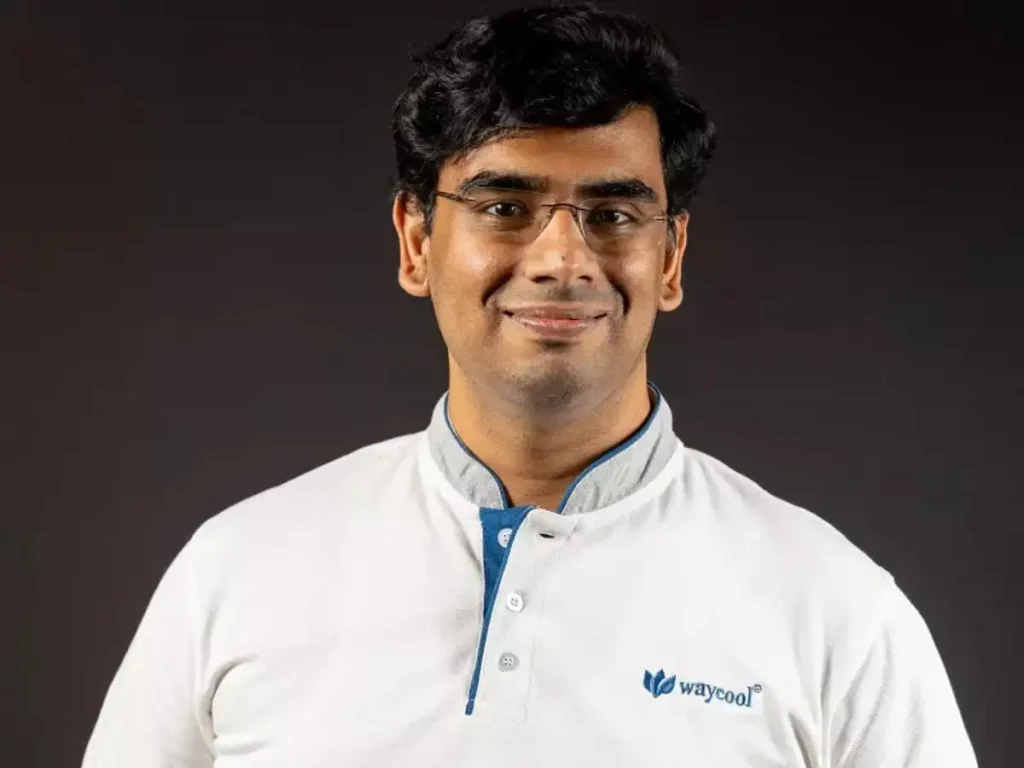
Innoterra, the Swiss-Indian food and agri-tech platform, has announced the appointment of Avinash Kasinathan as Group Co-Chief Executive Officer, effective immediately. He will serve alongside Group CEO Pascal Foehn, who has successfully led the company’s repositioning towards profitable growth and industry-leading unit economics in recent years. This strategic leadership move reflects Innoterra’s deepening focus on India as a central driver of innovation, growth, and sustainable agri-food systems. The appointment comes at a pivotal time, as the company sets its sights on a potential public listing within the next three years. Avinash Kasinathan, who most recently served as Head of India Businesses at Innoterra, will focus on scaling India’s role as a key growth and innovation hub within the company’s global operations. Under his leadership, the company’s India division has achieved significant milestones, including the strategic acquisition of Fasal’s fresh produce distribution business and a high-value partnership with Milky Mist, exceeding $40 million. India’s growing prominence in Innoterra’s global strategy is underscored by its potential as both a sourcing powerhouse and a centre for agri-tech innovation. The company is increasingly leveraging India’s dynamic ecosystem of startups, farmer producer organisations, and food and beverage players to drive digital supply chains, sustainable farming practices, and value-added innovations. Innoterra’s core focus on circular economies—fruits, dairy, and staples such as rice and spices—continues to guide its dual mandate of market growth and positive farmer impact. The company’s tech-enabled approach, powered by agronomists and food genetics experts, aims to enhance global food security while building inclusive market linkages across its 17-country footprint. Commenting on the leadership development, Pascal Foehn, Group CEO of Innoterra, stated: “Promoting Avinash Kasinathan to Group Co-CEO is one of the most gratifying decisions I’ve made as a leader. Avinash’s strong track record across agribusiness, digital platforms, and supply chain transformation, along with his vision and integrity, make him the ideal partner to co-lead our next growth phase. His leadership will be pivotal as we build on India’s strategic importance in our global roadmap.” Avinash Kasinathan added: “This is a defining moment for Innoterra. India is no longer just a sourcing hub — it’s where innovation, infrastructure, and sustainable food systems converge. As Group Co-CEO, my focus will be on cross-leveraging our strengths, accelerating our capital market readiness, and building bold, inclusive growth across circular economies. India’s agri-tech ecosystem, farmer networks, and digital transformation present unparalleled opportunities, and we are committed to making it a cornerstone of Innoterra’s next phase of growth.” Avinash began his career with McKinsey & Company and has since held multiple C-level roles in agri-tech. His appointment marks a significant step in Innoterra’s journey to become a globally integrated, farmer-centric, technology-led agri-food platform. -CXOtoday

Investment & Market Trends, News

China’s Biotech Stocks Surge 60% in 2025, Outperforming AI Sector

HONG KONG: China’s biotechnology sector has staged a remarkable comeback in 2025, emerging as one of the top-performing asset classes in Asia. The Hang Seng Biotech Index has advanced more than 60% since January, a surge that outpaces the 17% gain in China’s technology stocks — a rally previously driven by enthusiasm over DeepSeek’s artificial intelligence breakthrough. The sharp rebound in biotech equities has been fuelled by a wave of billion-dollar licensing agreements with foreign pharmaceutical giants, reinforcing China’s position as a growing hub for global drug innovation. Investor confidence has been buoyed by major deals, including Pfizer Inc’s agreement to pay US$1.25 billion to license an experimental cancer drug from China’s 3SBio Inc, alongside a US$100 million equity investment in the company. This was followed by Bristol-Myers Squibb Co’s announcement to pay up to US$11.5 billion to license a cancer therapy originally developed by China’s Biotheus Inc and sublicensed by Germany’s BioNTech SE. Notably, 3SBio’s stock has soared 283%, outperforming the Bloomberg global biotech benchmark, while RemeGen Co has risen over 270% amid interest from multinational pharmaceutical firms for potential licensing deals. “China biotech is no longer just an emerging story – unlike 10 years ago – it is now a disruptive force reshaping global drug innovation,” said Yiqi Liu, senior investment analyst at Exome Asset Management LLC. “The science is real, the economics are compelling, and the pipeline is starting to deliver.” The sector’s resurgence is further supported by a substantial uptick in mergers and acquisitions. In the first quarter of 2025, deal value involving Chinese biotech firms reached US$36.9 billion, double the figure recorded a year earlier. That volume represented over half of the US$67.5 billion in global deal activity in the industry during the same period. According to Dong Chen, chief Asia strategist at Pictet Wealth Management, “Chinese biotech companies are having their own DeepSeek moment.” He added that the sector likely has further upside potential. While trade tensions between the US and China have posed headwinds for many mainland companies, the biotech sector appears to be benefiting from a reverse brain drain, with top talent returning to China and enhancing domestic research capabilities. Nicholas Chui, Chinese equity fund manager at Franklin Templeton, notes this dynamic is strengthening local innovation pipelines. Jefferies remains optimistic, stating that the escalation in US tariffs is unlikely to hinder the progress of China’s biotech firms, whose international relevance continues to grow through strategic deal-making and compelling drug pipelines. -Bloomberg

News

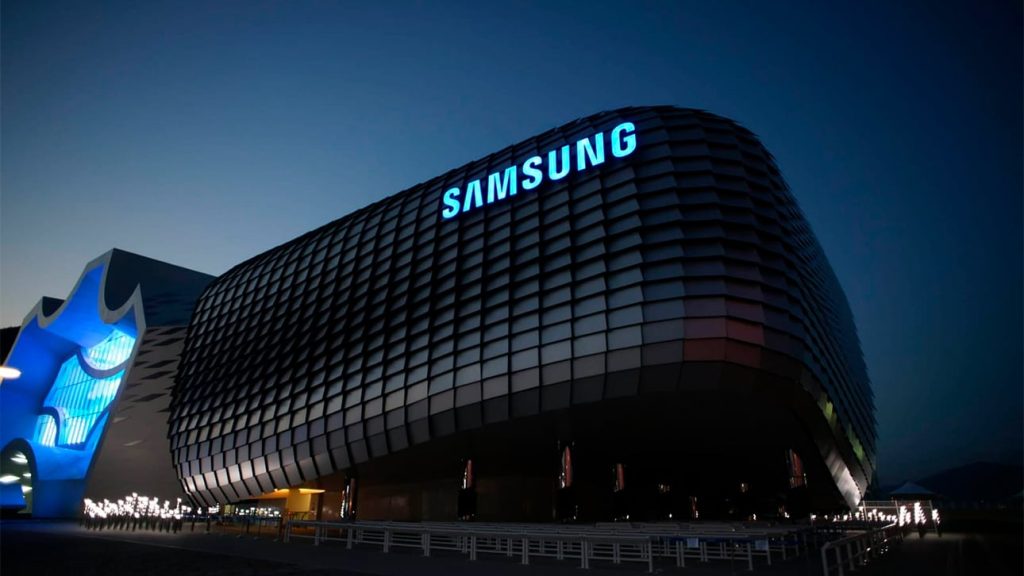
Samsung to Launch Health Data Hub for Direct Doctor Integration

Samsung Electronics is advancing its presence in the digital health sector with plans to develop a centralised hub that enables patients to share their health data directly with doctors between visits. This strategic move underscores the company’s intent to play a more integrated role in tech-driven healthcare, as competition intensifies across the industry. Dr Hon Pak, Head of Digital Health at Samsung, revealed in an interview that the initiative aims to address the communication gap that often arises following medical appointments. While clinicians may provide fitness and wellness recommendations during consultations, patients frequently struggle to retain or act upon this guidance. Samsung’s solution will consolidate data collected from wearable devices into a unified platform, simplifying how users track and follow medical advice. “There are a lot of innovations out there but it’s siloed,” Dr Pak explained. “We think there’s a responsibility and a potential for bringing the experience into an ecosystem so that the users have a more simple experience rather than having 10 different apps to manage your condition.” Although the health data hub remains under development, Samsung has unveiled a suite of new features for its smartwatch range. The updates, part of the One UI 8 software release, include tools to measure antioxidant levels and vascular load, alongside enhanced running coach and sleep management capabilities. These features will be available on recent models, including the Galaxy Watch 5, as part of a beta launch in the United States and South Korea later this month. The antioxidant feature allows users to place a fingertip on the watch’s sensors to obtain a reading, with personalised dietary suggestions such as incorporating antioxidant-rich foods like berries to help improve results. Meanwhile, the vascular load tool monitors pulse waves during sleep to assess arterial pressure, potentially aiding in early detection of stroke risk and cardiovascular conditions. In addition, the new running coach functionality analyses a user’s baseline performance to offer customised race training plans. Sleep enhancements will use multi-day data to determine and recommend optimal bedtimes, adding another layer of personalisation to Samsung’s health offering. This move reflects a broader evolution in the wearables market, where smartwatches are transitioning from secondary smartphone companions to sophisticated health and wellness devices. Competing brands such as Apple, Garmin and Google have also pushed boundaries in health monitoring, particularly in areas such as heart function and sleep analysis. Dr Pak noted that the industry-wide shift toward home-based care is being fuelled by a rise in chronic conditions, medical workforce shortages and escalating healthcare costs. “The burden is now on the patients and the families that have to provide that care,” he said. “So with that, we have to be in the home.” Currently, Samsung Health serves around 68 million monthly active users. Looking ahead, the company plans to expand its health sensor capabilities to additional devices including earbuds. Further developments are underway in non-invasive monitoring, such as cuffless blood pressure measurement and glucose tracking, although these remain several years from commercial deployment. -Bloomberg

Scroll to Top

Subscribe
FREE Newsletter