international

News

Thai Airways to Exit Debt Restructuring as Financial Recovery Gains Momentum

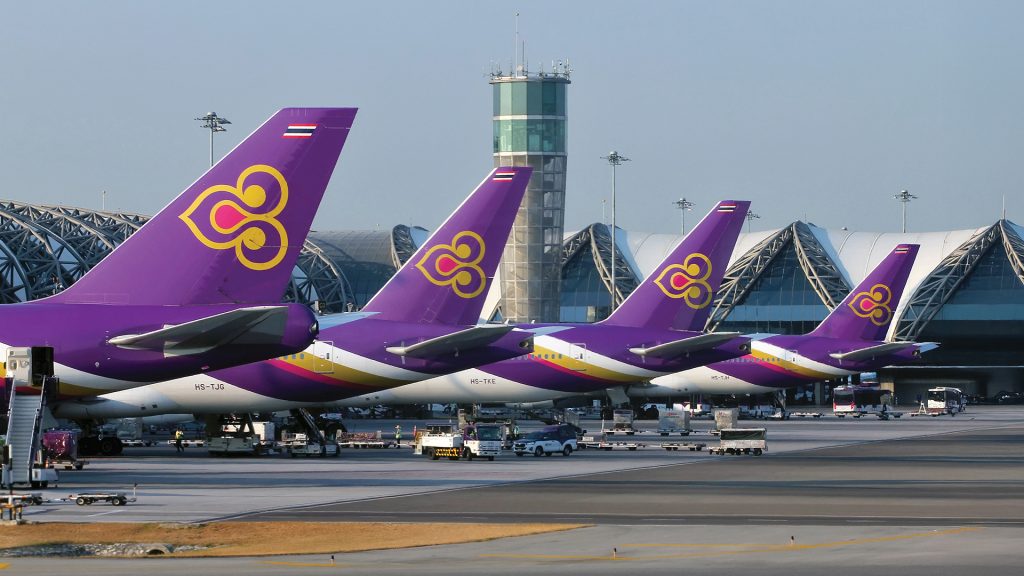
Thai Airways International has announced its formal exit from the court-supervised debt restructuring programme, with plans to resume trading on the stock exchange by early August. The move marks a significant milestone in the flag carrier’s recovery following years of financial turbulence. The national airline of Thailand entered bankruptcy-protected rehabilitation in 2020, a move that involved a sweeping reduction in operational costs including halving its workforce and scaling down its fleet. Since the beginning of 2023, Thai Airways has consistently reported operating profits every quarter—a notable shift from its prolonged period of losses dating back to 2012. As outlined in a court ruling, the airline held debt obligations totalling approximately 190 billion baht (US$5.86 billion or RM24.8 billion). Of this, 94 billion baht has already been repaid, with the balance to be settled progressively over the next ten years. In its official statement, Thai Airways reaffirmed its ambition to strengthen international aviation competitiveness and support Thailand’s positioning as a regional air travel hub. In a separate development, the company announced the appointment of Lavaron Sangsnit as its new chairman. -Reuters

News

Vietnam Strengthens Regulatory Framework to Advance Cashless Economy

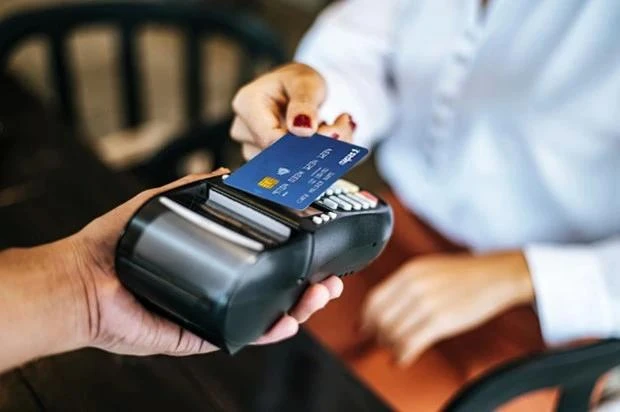
Vietnam is reinforcing its regulatory and policy infrastructure to foster cashless transactions, aligning with its broader vision of building a digitally driven economy. At a seminar held in Ho Chi Minh City on Saturday, Deputy Prime Minister Ho Duc Phoc underscored the increasing significance of non-cash payments across everyday transactions, including tuition fees, healthcare services and retail purchases. “Cashless transactions are pivotal for the expansion of eCommerce, accelerating payments and increasing transparency in financial operations,” Mr Phoc stated. “They not only improve financial accountability but also streamline public service delivery, enhance productivity and reduce overall societal costs.” Despite these advantages, he acknowledged the persistence of critical challenges, such as cybersecurity threats, online payment fraud and uneven digital infrastructure across regions. “Transaction security is a central issue that must be resolved,” he said, calling on the State Bank of Vietnam (SBV) to collaborate with relevant ministries to strengthen the regulatory framework, drive innovation in payment technologies and proactively manage emerging risks. He urged financial institutions, payment service providers and technology firms to enhance their product offerings and place greater emphasis on safeguarding consumer data. In addition, the Ministry of Finance and the Ministry of Industry and Trade were directed to support the use of cashless payments in public services, in a move designed to improve efficiency and access to digital platforms. Local authorities were also encouraged to devise practical measures to extend financial services to underserved populations, particularly in rural and remote areas. These efforts aim to make digital payment options more accessible to small enterprises and traditional markets. Le Anh Dung, Deputy Director of the SBV, highlighted the sharp rise in cashless transactions in recent years and stressed the urgency of bolstering payment security. “The SBV remains committed to enhancing the legal and technological foundations for digital payments,” Mr Dung affirmed. He noted that raising public awareness of cybercrime tactics was a vital component of securing digital ecosystems. The central bank, he added, plans to intensify cooperation with commercial banks and payment intermediaries to deploy advanced technological safeguards. A notable initiative involves the creation of systems capable of identifying counterfeit accounts and warning customers ahead of potentially fraudulent transfers. Deputy Minister of Industry and Trade Phan Thi Thang attributed the dynamic growth of Vietnam’s digital payment sector to the expanding diversity of payment channels, which continue to meet the evolving needs of consumers and businesses alike. “Today, Vietnamese citizens benefit from 24/7 fund transfers, mobile wallet capabilities and QR code-based payments,” she said. “The proliferation of these methods reflects the increasing maturity of the nation’s digital payment ecosystem, which is playing a transformative role in economic development.” -ANN

News

Gamuda JV Secures Nearly RM1 Billion Wireless Tram Deal in Taiwan

Gamuda Berhad, through its joint venture with Taiwanese partners MiTAC Information Technology Corp and Dong Pi, has entered into a framework agreement with Spanish rolling stock manufacturer Construcciones y Auxiliar de Ferrocarriles (CAF) for the procurement of up to 23 wireless trams for Taiwan’s New Taipei City. The contract, if fully exercised, could reach a total value of €200 million (approximately RM998 million). The state-of-the-art Urbos trams, which will operate entirely catenary-free, are slated for deployment on New Taipei’s Xidong and Keelung lines. These modern vehicles are among a rare class of trams globally capable of operating without traditional overhead power lines, relying instead on fast-charging capacitors that recharge at each stop. This innovation eliminates visual clutter from overhead wiring and enhances the aesthetic integration of urban transit systems. This marks Taiwan’s second catenary-free tram deployment, following the introduction of a similar system in Kaohsiung in 2015, also supplied by CAF. While other cities have explored wire-free tram operations—such as embedding power supplies underground or using slower-charging battery systems—the Urbos solution offers a more advanced, rapid-recharge alternative. In a statement published on CAF’s website, the company confirmed the inclusion of spare parts, depot equipment and a driver training simulator as part of the Xidong line project. Operated by New Taipei’s Rapid Transit Systems Department, the Xidong line will span 5.6 kilometres from Xizhi to Donghu via an elevated track. Main works are scheduled for completion by 2032. Gamuda leads the project delivery team with a 75% stake in the joint venture. In October 2024, the consortium was awarded a RM4.3 billion design-and-build contract for the Xidong line. The scope includes the construction of six stations and a dedicated tram depot. CAF noted that the partnership with Gamuda demonstrates both firms’ capability to deliver highly demanding transport infrastructure, underpinned by a robust track record and technical proficiency. “This award highlights the technological and industrial capabilities of CAF and the Malaysian construction group, reinforcing the trust placed in them by the Taiwanese authorities,” the company said. With a population nearing four million, New Taipei City is Taiwan’s largest municipality. The investment in wireless tram technology is part of a broader strategy to expand sustainable, rail-based public transport across the region. Each Urbos tram will accommodate up to 615 passengers and will feature barrier-free access for universal inclusivity. Elsewhere, Gamuda has reported strong progress on its Australian rail infrastructure projects. Two tunnel boring machines involved in the Sydney Metro West development have successfully reached the Clyde Metro junction caverns. With this milestone, tunnelling progress for the 24km twin rail tunnels has surpassed 80% as of the first quarter of 2025. -The Star

News

Nippon Steel Finalises $14.1bn US Steel Acquisition Amid Investor Concerns

After 18 months of intensive negotiations, regulatory obstacles, and high-level diplomacy, Nippon Steel Corporation has finally clinched its most ambitious acquisition to date: the $14.1 billion (£11.1 billion) purchase of United States Steel Corporation (US Steel), with formal approval granted late last week by former President Donald Trump. While this represents a significant strategic milestone for the Japanese steelmaker—its largest overseas acquisition to date—it also opens a new chapter of investor scrutiny, particularly around cost commitments and political concessions. Nippon Steel shares rose by as much as 5% on Monday, their strongest performance in over two weeks, reflecting cautious optimism in the wake of the deal’s approval. Under the agreement, Nippon Steel has pledged to invest a further $14 billion in the US market over the coming years. These investments will span modernisation of existing plants, new steel mill development, and infrastructure upgrades. Crucially, the deal also includes governance concessions to the US government, which will retain influence over major corporate decisions and secure board representation. Financing these commitments poses an immediate concern. The all-cash nature of the transaction and the scale of future investment obligations place pressure on Nippon Steel’s capital strategy. Investors will be closely monitoring how the company manages this without significantly diluting shareholder equity through new issuance. The valuation itself has also raised eyebrows. Nippon Steel agreed to pay $55 per share—representing a 142% premium on US Steel’s share price before it entered sale discussions in 2023. Given the American company’s historically underwhelming earnings performance, analysts at SMBC Nikko have highlighted the urgency for early and visible returns on investment. Investor dissent is already emerging. Singapore-based 3D Investment Partners has publicly urged shareholders to vote against the reappointment of Nippon Steel’s president and vice-chairman. The fund argues that the protracted pursuit of US Steel threatens to result in “irreversible” value erosion. The deal’s path to completion was anything but straightforward. In January, it faced vocal opposition from both the Biden and Trump administrations, concerned over the sale of a historic American industrial brand to a foreign entity. However, Trump has since reversed his stance, framing the agreement as a “partnership” that ensures US Steel remains domestically anchored while benefiting from substantial foreign capital investment. On Friday, Trump submitted a revised executive order, effectively overriding prior efforts to block the sale and allowing the transaction to move forward. Strategically, the acquisition provides Nippon Steel with critical access to the North American market. It is a calculated move to offset declining domestic demand and strengthen the company’s global competitiveness against Chinese producers. The merger will establish the world’s second-largest steelmaker by volume, positioning it as a robust rival to Nucor Corporation, which has long dominated the US steel landscape. The combined company is expected to bolster the US’s steelmaking capabilities in advanced sectors, particularly in producing steel essential for modernising the country’s electric grid—a key infrastructure focus. The deal has also been cast as a triumph for Trump-era trade policy, which has relied on tariffs to encourage domestic production and foreign investment in US manufacturing. With Japan and the US currently engaged in ongoing trade negotiations, this high-profile transaction could lend fresh impetus to those discussions. -Bloomberg

Property

Singapore Private Home Sales Decline to Five-Month Low

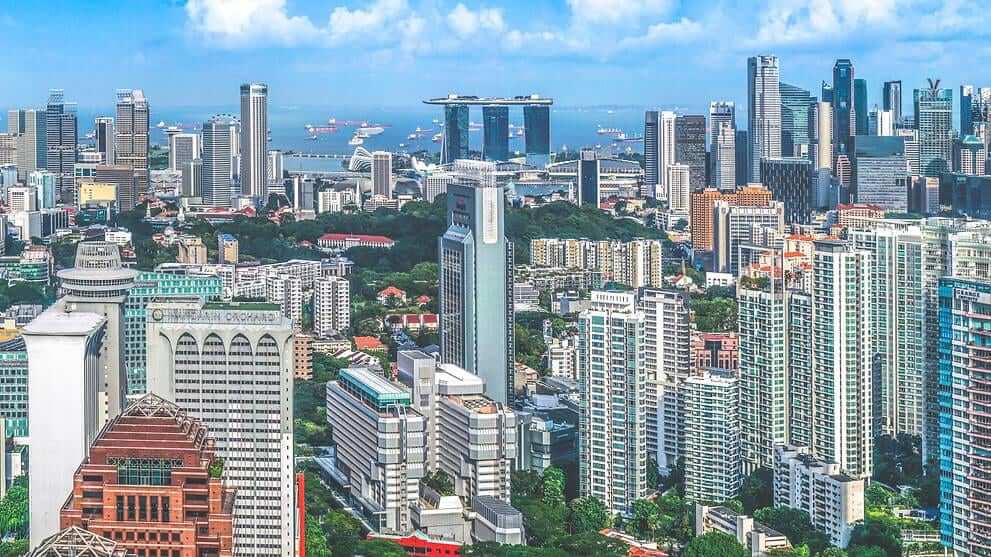
Private residential property sales in Singapore dropped to their lowest level in five months in May, as persistent global trade tensions continued to weigh on buyer sentiment and market confidence in the trade-reliant city-state. According to data released by the Urban Redevelopment Authority (URA) on Monday, developers sold just 311 new private residential units last month, marking the third consecutive monthly decline in sales. The subdued activity reflects broader concerns over global economic conditions and a more cautious market environment. The slowdown comes amid escalating global tariff threats, including moves by US President Donald Trump, which have contributed to growing fears of a downturn in international trade. Singapore’s economy contracted in the first quarter of the year, adding to domestic unease. In May, no major residential projects were launched for sale, underscoring the cautious approach developers are taking in the face of heightened uncertainty. The absence of new launches further constrained sales volumes. A recent first-quarter survey of senior real estate executives revealed that nearly 90 per cent viewed a global economic slowdown as the most significant risk to the property market. Concerns over potential job losses and a weakening domestic economy also featured prominently. Singapore may face increased recessionary risks due to the negative impact of tariffs on its export-driven economy, according to a recent report by Bloomberg Economics analyst Tamara Henderson. Reflecting the cautious sentiment, the government has reduced its land supply for private housing. In the second half of the year, land released for development is expected to yield approximately 4,725 private housing units — a six per cent decrease compared to the first half. Authorities have also placed a greater emphasis on the reserve list, where sites are only made available for tender if there is sufficient developer interest. The residential market is likely to remain sluggish through June, a traditionally quieter period due to school holidays. One development in eastern Singapore saw fewer than 10 per cent of its 107 freehold units sold during its launch weekend earlier this month. -Bloomberg

Energy & Technology, News

Abu Dhabi’s National Oil Company Tables US$18.7 Billion Takeover Offer for Santos

Abu Dhabi’s state-owned energy giant, the Abu Dhabi National Oil Company (ADNOC), has submitted a takeover offer for Australian energy company Santos, valuing the business at US$18.7 billion. Both firms confirmed the development on Monday. The proposed acquisition, led by ADNOC through its subsidiary XRG, marks a significant step in the UAE’s ambition to expand its global presence in gas and liquefied natural gas (LNG) markets. The offer of US$5.76 per share represents a 28% premium on Santos’ closing share price last Friday. Santos, headquartered in Adelaide, operates a diversified energy portfolio across Australia, Papua New Guinea, East Timor and the United States. It is one of the leading LNG suppliers to Australia and broader Asian markets. The company’s board has stated its intention to unanimously recommend the deal to shareholders, provided terms are finalised and no superior proposal emerges. Santos disclosed that this marks ADNOC’s third proposal, following two prior confidential bids made in March. Monday’s announcement referred to the offer as “final and non-binding”, subject to due diligence, regulatory approval and a binding agreement on terms. Following the news, Santos’ shares surged nearly 12% on the Australian Securities Exchange during early afternoon trading. The bidding consortium, alongside XRG, includes Abu Dhabi Development Holding Company and global investment firm Carlyle. In a statement, XRG said the acquisition would reinforce Santos’ legacy as a trusted energy provider while advancing regional and global energy security. “The proposed transaction is aligned with XRG’s strategy and ambition to build a leading integrated global gas and LNG business,” the group stated. ADNOC’s offer comes at a strategic juncture. Santos, which had previously engaged in merger discussions with Woodside Energy in an effort to become one of the world’s largest LNG exporters, ended those talks last year. The company has been the subject of takeover speculation for over two years. Analysts at E&P Financial Group described the timing of the bid as “opportune”, pointing to rising energy prices and Santos’ completion of major capital projects. The firm also suggested that ADNOC’s interest in LNG may not be limited to Santos, citing media reports linking the Middle Eastern company to BP’s LNG and gas operations. The consortium has committed to maintaining Santos’ corporate headquarters in Adelaide and to working with the current management team to accelerate growth, protect jobs and strengthen its operational base. Additionally, XRG underscored its intention to invest in low-carbon technologies, including carbon capture and storage, as well as low-emissions fuels, in support of decarbonisation across Australia, Asia Pacific and beyond. The deal remains subject to regulatory approval in Australia, Papua New Guinea and the United States. -AFP

Energy & Technology, News

LG Energy Solution Wins £575m EV Battery Deal with China’s Chery Automobile

LG Energy Solution Ltd., South Korea’s foremost battery manufacturer, has announced a significant agreement with China’s Chery Automobile Co. for the supply of advanced cylindrical electric vehicle (EV) batteries. Under the terms of the multi-year partnership, LG Energy Solution will deliver a total of 8 gigawatt-hours (GWh) of its next-generation 46-series cylindrical batteries over a six-year period. The company noted that this capacity would be sufficient to power approximately 120,000 electric vehicles. While the financial details of the agreement remain undisclosed, industry sources estimate the contract to be valued at approximately 1 trillion South Korean won, equivalent to around US$730 million. The supply of batteries is expected to commence in early 2026, with Chery planning to integrate the technology into its flagship electric models. The 46-series battery cells, developed using LG Energy Solution’s proprietary nickel-cobalt-manganese (NCM) chemistry, are recognised for their high energy density and production efficiency. These next-generation cylindrical cells reportedly offer more than five times the energy output of conventional battery types and demonstrate superior performance in low-temperature environments compared to lithium iron phosphate (LFP) counterparts. “This deal marks a pivotal step in scaling up global adoption of our new 46-series batteries and securing a dominant market leadership,” said Kim Dong-myung, Chief Executive Officer of LG Energy Solution. The collaboration is expected to expand further, with both companies aiming to apply the high-performance battery technology across a broader range of EV models within the Chery Group. -Yonhap

News

Nissan Signals Shift in Alliance with Plans to Sell Part of Renault Holding

Nissan Motor Co. is preparing to reduce its shareholding in long-standing partner Renault SA, according to Chief Executive Officer Ivan Espinosa in an interview with Nikkei. This move underscores a broader restructuring of the Franco-Japanese alliance, aimed at creating a more balanced and agile partnership amid ongoing industry headwinds. The Japanese automaker currently holds a 15% stake in Renault, though both companies announced in March that they had agreed to revise their minimum cross-shareholding requirements to 10%. Under the terms of the revised alliance agreement, any share sale must be coordinated between the two parties and is subject to a right of first refusal. A potential sale of a 5% stake in Renault could generate approximately ¥100 billion (equivalent to US$640 million or RM2.94 billion at prevailing market rates), according to Nikkei. The proceeds would be channelled into vehicle development initiatives, as Nissan adapts to increasingly competitive global market conditions. “We are bringing down our cross-shareholdings in order to invest in vehicles,” Espinosa was quoted as saying. The announcement coincides with news from Renault that its CEO, Luca de Meo, is stepping down to pursue opportunities outside the automotive sector, signalling further change within the alliance’s leadership structure. This latest development reflects a continuation of the realignment strategy initiated in 2023, which saw Renault begin a gradual divestment of its stake in Nissan. Those shares are currently held in a French trust as part of efforts to recalibrate the partnership and provide Nissan with a more equitable position within the alliance. -Reuters

News

MBK Partners Moves to Divest Homeplus Amid Restructuring Pressures

MBK Partners Ltd has initiated a sale process for South Korean retail chain Homeplus Co, as the firm seeks to avoid liquidation of the embattled grocer. The decision follows a strategic review that found the company’s liquidation value now exceeds its value as a going concern, according to a statement released by MBK Partners on Friday. Should a buyer be secured before the finalisation of the rehabilitation process—announced in March—MBK Partners will cancel its 2.5 trillion won (approximately RM7.77 billion) in Homeplus common shares without compensation. The move underscores a significant shift for the private equity firm, which acquired Homeplus in 2015 from UK-based Tesco plc for around US$6.1 billion (RM25.76 billion). At the time, the transaction represented the largest leveraged buyout in Asia. The latest development marks a sobering reversal for MBK Partners and its founder, billionaire Michael ByungJu Kim, highlighting the mounting operational and financial pressures in South Korea’s traditional retail sector. A successful sale could also help stabilise local credit markets, which were unsettled by MBK’s recent restructuring announcement. According to a Yonhap News report, the decision aligns with a recommendation from court-appointed accounting firm PricewaterhouseCoopers, which advised pursuing a sale as part of the rehabilitation process. MBK confirmed that proceeds from any transaction would be used to repay revolving debt. Despite the operational difficulties faced by Homeplus, MBK stated that the company’s assets still exceed liabilities by approximately 3.9 trillion won, supported largely by valuable real estate holdings. These assets have contributed to the retailer’s higher liquidation value. Homeplus has struggled in recent years to keep pace with shifts in consumer behaviour, particularly the rapid migration to online shopping and the impact of the Covid-19 pandemic. Over the past five years, the company has incurred losses exceeding US$1 billion, underscoring the deep structural challenges it faces. In a move that drew scrutiny, the company tapped the bond market in February to reinforce liquidity. This raised concerns among market analysts already wary of its deteriorating financial position. Authorities are currently investigating whether Homeplus, with MBK Partners’ awareness, issued short-term debt despite the prospect of a credit downgrade. MBK Partners has firmly denied any allegations of misconduct. -Bloomberg

News

China’s Factory Output Hits Six-Month Low as Retail Sales Defy Expectations

China’s industrial output experienced its weakest expansion in six months during May, even as retail sales delivered a stronger-than-anticipated performance, reflecting a complex economic landscape shaped by renewed trade tensions with the United States. According to figures released by the National Bureau of Statistics on Monday, industrial production grew by 5.8% year-on-year, decelerating from April’s 6.1% and falling short of market expectations of a 5.9% increase, as projected by a Reuters poll. This marks the slowest pace of industrial activity since November 2024. Conversely, retail sales, a key indicator of domestic consumption, rose 6.4% in May, up significantly from April’s 5.1% and surpassing forecasts of 5.0%. The uplift was largely driven by buoyant Labour Day holiday spending and a government-backed trade-in initiative for consumer goods. The early launch of the “618” online shopping festival—one of the country’s largest e-commerce events—also contributed to the sharp rise in consumption. Meanwhile, fixed asset investment grew by 3.7% in the first five months of 2025 compared with the same period last year. This was below the anticipated 3.9% and down from a 4.0% gain recorded between January and April, suggesting continued caution in capital expenditure amid ongoing trade uncertainties. The data follows an earlier report this month revealing that Chinese exports to the United States plummeted by 34.5% year-on-year in May—the steepest decline since February 2020—highlighting the mounting pressure from U.S. tariffs. President Donald Trump’s return to office in January reignited trade hostilities between the world’s two largest economies. Although the two sides reached a temporary agreement in Geneva last month, reducing many of the previously imposed triple-digit tariffs, new disputes over export controls have since disrupted key supply chains. Despite claiming a deal had been finalised, Trump confirmed last week that Chinese goods would continue to face a cumulative 55% tariff rate, including the 25% levies reinstated from his previous administration. A White House spokesperson clarified that this figure represents the combined effect of existing and modified tariffs under the new framework. In response, Beijing introduced a range of stimulus measures in May, including interest rate cuts and a substantial liquidity injection, in an effort to buffer the economy from the ongoing tariff impact. However, analysts remain sceptical about the near-term effectiveness of these policies and question whether they will be sufficient to achieve China’s GDP growth target of around 5% for the year. Economists at Citi noted that the current tariff truce may be inadequate to stimulate a meaningful recovery in manufacturing investment, given the broader uncertainties and persistent headwinds. While consumer activity has offered some encouragement, the underlying economic outlook remains clouded by geopolitical friction and persistent deflationary pressure, underlining the challenges China faces in sustaining momentum through the second half of the year. -Reuters

Scroll to Top

Subscribe
FREE Newsletter