international

Lifestyle

Mastercard-CrescentRating Global Muslim Travel Index Reveals Trends Shaping The Future of Halal Travel

As awareness of Muslim travelers’ needs grows, Halal travel is increasingly shaping how destinations design and deliver experiences. According to the newly released 2025 Mastercard-CrescentRating Global Muslim Travel Index (GMTI), international Muslim arrivals reached 176 million in 2024 – up 25% from 2023 – and are projected to grow to 245 million by 2030. By then, total travel spending is expected to reach US$230 billion, highlighting the growing influence and economic potential of this vibrant market. To stay competitive, travel and tourism stakeholders must adapt to the evolving needs of Muslim travelers, prioritizing purpose, inclusivity, and digital innovation. The 10th edition of the GMTI identifies the key trends and destination leaders shaping the future of Halal-friendly travel. Key Consumer Trends Impacting Halal Travel GMTI 2025 highlights five important trends shaping Muslim travel preferences today: Smart Apps for Halal Journeys: Muslim travelers are embracing digital tools that offer seamless access to faith-aligned services and personalized experiences. The Modern Female Muslim Traveler: Women are shaping the Halal travel sector in powerful ways, driving demand for safer, inclusive, and thoughtfully designed spaces. Muslim-friendly facilities: Destinations that offer alcohol-free environments, Halal-certified dining, prayer facilities, and gender-segregated pools and spas are becoming essential. Solo Travel Surge: Younger Muslim travelers are embracing solo adventures, favoring autonomy and personalized itineraries. Digital Detox Retreats: Inspired by Islamic values of mindfulness and balance, many travelers are seeking tech-free escapes rooted in nature and spirituality. Destinations Leading the Way in Muslim-Friendly Travel The GMTI 2025 highlights leading destinations around the world that are setting benchmarks in Muslim-friendly travel. Among Organization of Islamic Cooperation (OIC) destinations, Malaysia retains the top spot, recognized for its accessible Halal-friendly services and infrastructure. Türkiye, Saudi Arabia, and the United Arab Emirates (UAE) share the second spot, each offering a strong combination of cultural heritage, modern amenities, and dedicated efforts to enhance the Muslim travel experience. Indonesia also ranks highly, supported by its rich cultural appeal. Other notable destinations in the Gulf region include Qatar, Oman, and Kuwait, all of which continue to strengthen their offerings for Muslim travelers. Among non-OIC destinations, Singapore remains the leader – recognized for its emphasis on inclusivity and cultural sensitivity. Thailand and the Philippines are steadily emerging as rising Muslim-friendly destinations in Southeast Asia. Thailand offers warm hospitality and a growing range of Halal-certified services, while the Philippines is enhancing its capacity to serve Muslim travelers through better Halal food access and Muslim-friendly features at key tourist sites. The 10th edition of the Mastercard-CrescentRating GMTI offers timely, data-driven insights into the needs and behaviours of Muslim travelers — a fast-growing and increasingly influential segment of the global tourism market. Complementing these insights, Mastercard is advancing Malaysia’s tourism aspirations through its ongoing collaboration with Tourism Malaysia. Formalized through a Memorandum of Understanding (MoU) in March 2024, the collaboration focuses on supporting the digitalization of travel infrastructure, including the expansion of secure, seamless cross-border payment capabilities. These efforts align with national objectives to strengthen Malaysia’s position as a leading, future-ready tourism destination ahead of Visit Malaysia 2026. In addition, Hong Kong has emerged as standout non-OIC destination, ranking third in the GMTI 2025. The city has invested significantly in Muslim-friendly infrastructure, with 61 hotels accredited by CrescentRating and 153 restaurants Halal-certified by the Trustees of the Islamic Community Fund of Hong Kong. Hong Kong also received the Most Promising Muslim-Friendly Destination of the Year award, part of the Global Muslim Travel Index Awards.
Property

Loyang Valley Launches Third Collective Sale Attempt at Revised S$880 Million Reserve

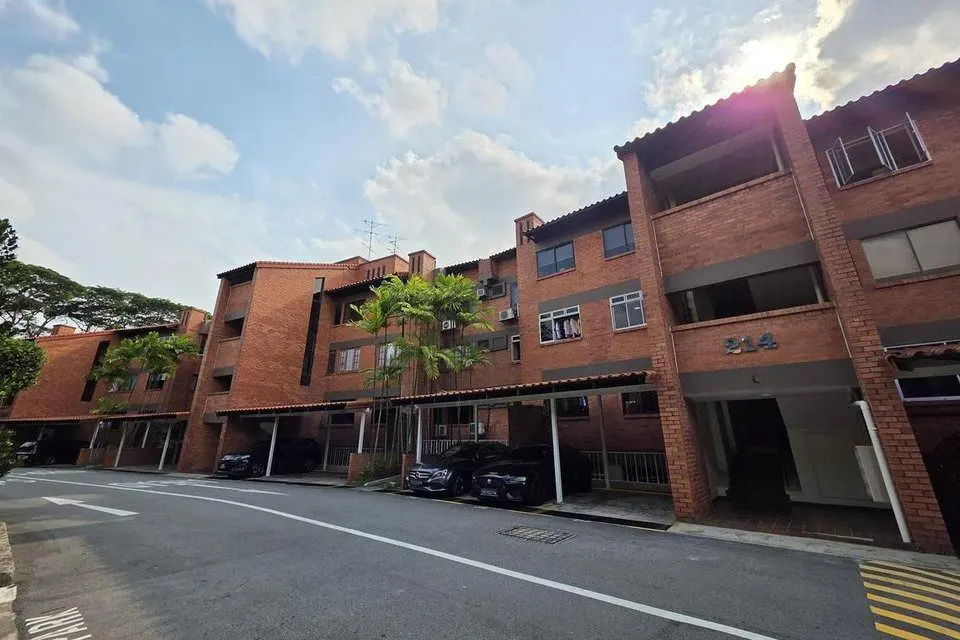
Loyang Valley, a resort-style condominium located in Changi, will be relaunched for collective sale on 8 July, this time with a reduced reserve price of S$880 million. The figure marks a S$100 million reduction from its previous asking price in 2022, which marketing agent Huttons Asia describes as “a realistic and achievable figure given current market conditions”. The 362-unit development, completed in 1985 and spanning 840,648 sq ft, sits on a 99-year leasehold site with 56 years remaining. The estate’s substantial land area and proximity to the upcoming Loyang MRT station on the Cross Island Line enhance its redevelopment potential, said Terence Lian, Head of Investment Sales at Huttons Asia. The project’s last tender closed without bids in December 2022 after the reserve price had been increased from an initially proposed S$880 million to S$980 million in response to demands for higher returns. This time, however, Lian and his team have secured the requisite 80% consensus among homeowners to proceed with the sale. Lian noted a significant shift in owner expectations, with many recognising the opportunity to unlock asset value in the face of lease decay, mounting maintenance costs, and considerations around legacy planning. He also cited the confirmed MRT connectivity as a catalyst for renewed interest. The revised reserve translates to potential payouts of approximately S$1.67 million for owners of the smallest two-bedroom units (1,001 sq ft), and up to S$3.9 million for the largest four-bedroom configurations. One long-term resident, who purchased a 1,500 sq ft unit for under S$300,000 in 1985, estimates he could receive over S$2 million. He plans to downsize, travel, and preserve the remainder of the proceeds. The potential easing of height restrictions around Changi Airport, while not yet officially confirmed, could further bolster developer interest. Details are expected to be clarified when the Urban Redevelopment Authority unveils the Draft Master Plan 2025 on 25 June, which will update zoning and gross plot ratio guidance. Under the current 2019 Master Plan, the site is zoned for residential use with a gross plot ratio of 1.6, allowing for approximately 1.35 million sq ft of gross floor area and an estimated 1,249 units, subject to planning approvals. Alan Cheong, Executive Director of Research and Consultancy at Savills Singapore, described the S$880 million reserve as reasonable, given the land size. However, he cautioned that developers would need to weigh the risks of launching a large-scale development of over 1,200 units. He suggested two supportive factors: first, a likely scarcity of new launches in the Loyang area until at least 2027, which could result in pent-up demand; second, the strategic location adjacent to the future MRT station, a feature developers could leverage to drive sales at higher prices. According to Lian, developer interest in sizeable leasehold sites in the east has been measured but is gradually increasing, aided by improvements in market conditions. He attributed the lack of traction in the 2022 tender to factors including rising interest rates, surging construction costs, and policy-related risks such as additional buyer’s stamp duties. These headwinds have since moderated. Easing interest rates, along with infrastructure upgrades like the upcoming Changi Airport Terminal 5, are expected to bolster confidence among developers and investors. Loyang Valley’s first collective sale attempt in 2018, priced at S$750 million, failed to secure sufficient backing. Its 2022 exercise saw greater support, driven by improved connectivity and heightened redevelopment awareness, but the high reserve remained a sticking point. With momentum now shifting and a more calibrated price expectation, homeowners remain cautiously optimistic that the third attempt may finally succeed. -The Strait Times

News, Uncategorized

Meta Collaborates with Singapore Banks to Launch Anti-Scam Intelligence Platform

Meta is set to roll out a shared intelligence platform with local banks in Singapore, marking a significant step forward in the company’s efforts to disrupt scam syndicates operating across digital platforms. This strategic initiative follows Meta’s ongoing efforts to forge deeper partnerships with Singapore’s law enforcement agencies, aiming to collectively dismantle organised scam operations that have caused considerable financial harm to victims. The intelligence platform, known as the Fraud Intelligence Reciprocal Exchange (Fire), was first introduced in the United Kingdom and Australia in 2024. Fire enables banks to share scam-related threat intelligence directly with Meta, the parent company of Facebook, Instagram and WhatsApp. In return, Meta can use this data to improve the detection and removal of fraudulent accounts and activity across its platforms. Clara Koh, Meta’s Head of Public Policy for Singapore and ASEAN, confirmed during a media briefing on 12 June that the company is preparing to expand the programme globally. The rollout will be facilitated through the Financial Services Information Sharing and Analysis Centre, a consortium that promotes cross-sector intelligence collaboration. Currently, scam victims on Meta’s platforms report incidents directly to the company. The implementation of Fire changes this dynamic, allowing financial institutions to provide Meta with intelligence on fraudulent actors and victims. This reciprocal exchange enhances Meta’s ability to proactively identify and dismantle scam operations through improved data analysis and AI-driven detection. Koh stated that several local banks in Singapore are already in discussions to join the programme, with further details expected in due course. She emphasised the platform’s value in enhancing Meta’s AI capabilities by leveraging behavioural signals and scam patterns to pre-empt fraudulent activity. A six-month pilot of Fire in the United Kingdom, in partnership with NatWest and Metro Bank, resulted in the takedown of approximately 20,000 scam accounts across 185 fraudulent web domains. The announcement was made during an anti-scam awareness event hosted by Meta at its Marina One office, where Koh participated in a panel alongside Superintendent Rosie Ann McIntyre from the Singapore Police Force’s Scam Public Education Office and Nicholas Khoo of the National Crime Prevention Council. The event also featured a collaboration with local content platform Eyeyah!, bringing together creators, police representatives and Meta to explore strategies for educating the public about online scams. A fireside chat discussed the role of digital content in promoting scam awareness and highlighted key red flags consumers should be alert to. Superintendent McIntyre advised the public to take a cautious approach when dealing with unsolicited communications, stressing the importance of not rushing to click links or transfer funds. She reiterated that hesitating and evaluating the legitimacy of a message can often prevent financial loss. Singapore saw a record loss of $1.1 billion to scams in 2024, with over $3.4 billion lost since 2019. E-commerce scams were the most prevalent scam type last year, with 11,665 reported cases resulting in losses of at least $17.5 million. Job scams and phishing scams were also major concerns, with losses totalling $156.2 million and $59.4 million respectively. Koh noted that while certain scams—such as those linked to major events or ticket sales—can be anticipated and pre-emptively addressed, others evolve too rapidly to predict. She cited evergreen scams, such as romance fraud and impersonation scams, as particularly challenging due to their ability to morph quickly in response to enforcement measures. Meta’s commitment, Koh said, extends beyond the digital sphere. She highlighted the human trafficking elements associated with scam compounds run by organised crime syndicates, adding that Meta aims to support real-world enforcement efforts. “As a platform, we want to do our best to tackle the issue as it manifests, but equally, we also want to take real-world action on the criminal syndicates that are operating these compounds,” Koh said. She stressed that a coordinated, cross-sector approach is essential to effectively counteract the ongoing threat of scams, noting that only by working collectively can meaningful progress be achieved in curbing these crimes. -The Strait Times

News

Shein Transport Emissions Surge 13.7% in 2024

Fast-fashion giant Shein reported a 13.7% increase in carbon emissions from transportation in 2024, according to its latest sustainability report released on Friday. The company also revised its 2023 emissions figure, which is now 18% higher than previously disclosed, following a recalculation of its reporting methodology. The report shows that emissions related to transporting goods to and between Shein facilities, as well as to customers — including returned items — reached 8.52 million tonnes of CO2 equivalent (CO2e) in 2024, up from a restated 7.49 million tonnes in 2023. The initial 2023 figure had been reported as 6.35 million tonnes. Shein’s logistics strategy relies heavily on air freight, enabling the company to ship low-cost garments directly from over 7,000 suppliers in China to consumers across global markets. This model, while key to its rapid delivery promise, is notably more carbon-intensive than the maritime routes preferred by traditional apparel retailers. In contrast, Inditex, the owner of Zara, reported 2.61 million tonnes of CO2e in transport emissions for its 2024 financial year — less than a third of Shein’s total. To address the environmental impact and mounting scrutiny, Shein said it has expanded its use of sea freight and trucking and plans to localise more of its production, packaging, and shipping operations. The company aims to reduce delivery times and shipping costs while mitigating emissions by operating closer to end markets. Shein has also broadened its sourcing network beyond China, developing supplier bases in Brazil and Turkey. This shift is partly driven by the imposition of steep tariffs on Chinese goods by the United States, which remains Shein’s largest market. In May, the Science-Based Targets Initiative approved Shein’s emissions reduction targets, which include a 25% reduction in Scope 3 (indirect) emissions by 2030, using 2023 as the baseline. As the company continues its global expansion, it is seeking to go public. Following regulatory challenges in China, Shein has shifted its focus from a proposed London listing to pursuing an initial public offering in Hong Kong. -Reuters

News

Boeing Forecasts Demand for 43,600 Aircraft by 2044

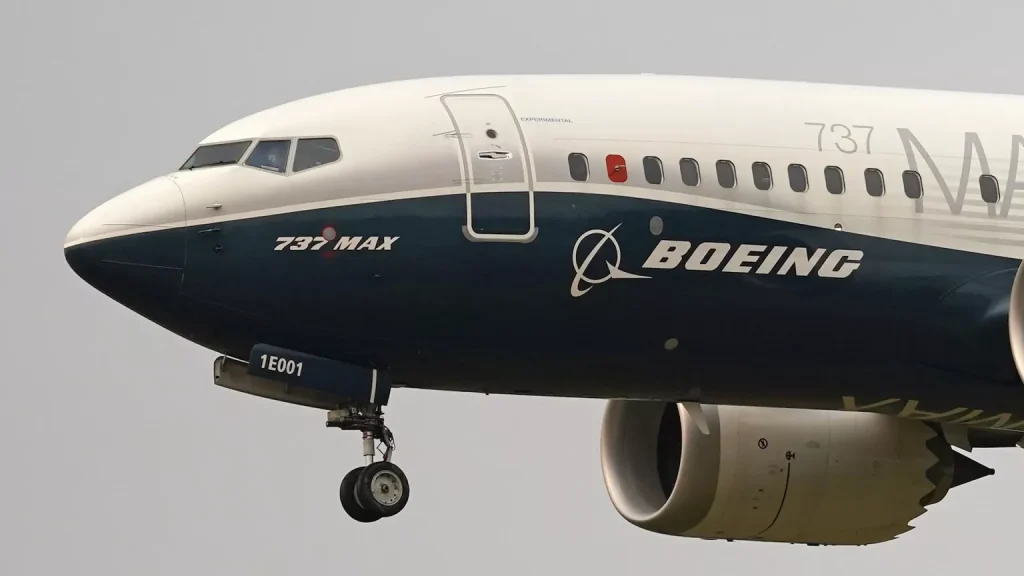
Boeing has forecast that airlines worldwide will require approximately 43,600 new aircraft over the next two decades, with growth led by emerging markets such as China and Southeast Asia where rising affluence is driving greater demand for air travel. The US-based aerospace manufacturer’s latest projection represents a slight downward revision from last year’s estimate of 43,975 new aircraft. The adjustment reflects a more cautious outlook on global economic growth amid persistent geopolitical and macroeconomic uncertainty. While international trade tensions and protectionist measures—particularly those implemented during the Trump administration—continue to challenge global markets, Boeing notes the aviation sector’s historic resilience. The industry has successfully navigated a range of crises, including the COVID-19 pandemic which temporarily grounded fleets worldwide. “Over the past 25 years, air travel has tripled while the global fleet has doubled,” said Darren Hulst, Vice President of Commercial Marketing at Boeing, during a media briefing on 10 June. “At the end of the day, our market has proven to be both resilient and a growth industry.” Boeing anticipates that the global commercial fleet will double in size, reaching 49,600 aircraft by 2044. This projection aligns with a similar forecast issued recently by European competitor Airbus SE. By that time, carriers in emerging economies are expected to operate more than half of the world’s jetliners—up from around 40% in 2024. Single-aisle aircraft are set to dominate this growth. Boeing forecasts these narrowbody jets will account for 72% of the global fleet by 2044, a notable increase from their current 66% share. Models such as Boeing’s 737 Max and Airbus’s A320neo family are expected to play a central role in this expansion. However, surging post-pandemic demand has outpaced the production capabilities of both manufacturers. Current manufacturing rates remain close to levels seen a decade ago, resulting in a significant shortfall of new aircraft. Boeing and Airbus have collectively produced approximately 1,500 fewer jets than originally planned—a gap that continues to widen. According to Hulst, closing this supply-demand imbalance will require both companies to recover to pre-pandemic delivery rates and exceed them over the medium term. “That probably takes at least until the end of the decade,” he added. -Bloomberg

Energy & Technology

Taiwan Tightens Technology Export Controls on Huawei and SMIC

Taiwan has formally imposed export restrictions on Chinese tech giants Huawei Technologies Co and Semiconductor Manufacturing International Corp (SMIC), significantly escalating regulatory pressure on two companies central to China’s ambitions in artificial intelligence chip development. The restrictions were outlined in an updated version of Taiwan’s strategic high-tech commodities entity list, published quietly on the website of the International Trade Administration. The list now includes Huawei, SMIC and a number of their subsidiaries, marking a notable policy shift by Taipei. Until now, Taiwanese authorities had refrained from targeting specific Chinese firms despite existing limitations on certain semiconductor technologies. Under the current regulatory framework, Taiwanese companies must obtain government approval before exporting any goods or technologies to entities listed. This move is expected to partially sever Huawei and SMIC’s access to critical materials, construction technologies and equipment required for building advanced AI semiconductor fabrication plants — similar to those produced by Taiwan Semiconductor Manufacturing Co (TSMC) for global leaders such as Nvidia Corp. In addition to the parent companies, several of Huawei’s overseas units located in Japan, Russia and Germany were also included in the latest update. Neither Huawei nor SMIC provided comment in response to media queries made outside regular business hours. The decision comes against the backdrop of growing geopolitical tensions and trade restrictions that have reshaped the global semiconductor landscape. Huawei and SMIC, both already subject to export limitations by the United States, have been at the centre of China’s push to reduce reliance on foreign chip technology. In 2023, Bloomberg News revealed that a number of Taiwanese firms were discreetly involved in supporting Huawei’s efforts to construct a network of chip plants in southern China. The latest Taiwanese restrictions are expected to hinder those developments. TSMC, which supplies key clients such as Apple Inc and Nvidia, halted shipments to Huawei in 2020 following US-imposed export restrictions. Despite facing numerous curbs, Huawei and SMIC attracted international attention last year when they unveiled a domestically produced seven-nanometre chip, a move that surprised many in Washington. The restrictions coincide with rising cross-strait tensions. Earlier this year, newly inaugurated Taiwanese President Lai Ching-te referred to China as a “foreign hostile force” and introduced new countermeasures aimed at curbing external interference. Beijing, which claims Taiwan as part of its territory, has reiterated its intent to unify with the self-governing island — by force if necessary. -Bloomberg

ESG

KJTS Group and Envicool Partner to Deliver Energy-Efficient Data Centre Cooling in ASEAN

KUALA LUMPUR : KJTS Group Berhad, through its specialised indirect subsidiary Green AI Sdn Bhd, has entered into a memorandum of understanding with Shenzhen Envicool Technology Co Ltd, a global leader in precision cooling technologies, to drive next-generation energy-efficient data centre infrastructure across the ASEAN region. In an official statement, KJTS announced that the agreement establishes a strategic partnership focused on delivering advanced cooling infrastructure for data centres. The collaboration will leverage Green AI’s project leadership and ownership capabilities alongside Envicool’s internationally recognised expertise in innovative temperature control systems. Headquartered in Shenzhen and listed on the Shenzhen Stock Exchange, Envicool is renowned for its cutting-edge cooling technologies and comprehensive experience in supporting high-performance, energy-optimised environments. Under the terms of the MoU, the two companies will cooperate on build-operate-transfer (BOT) and retrofit-operate-transfer (ROT) projects. Green AI will serve as the primary executor and asset custodian, while Envicool will provide proprietary technologies, design consultation, technical assistance and ongoing training. The partnership also intends to implement a performance-based operating model, ensuring measurable efficiency and energy savings, calculated in US dollars per tonne of refrigeration per hour (USD/RTh). This client-centric approach is expected to enhance transparency and accountability in cooling performance outcomes. KJTS described the alliance as a significant milestone in the Group’s strategic roadmap to meet rising regional demand for intelligent, sustainable data centre solutions. It added that the synergy between its project execution strengths and Envicool’s technological leadership would reinforce their competitive positioning and create lasting value for stakeholders. “This collaboration with Envicool represents a major step forward in KJTS’s and its subsidiaries’ regional strategy to deliver intelligent, low-carbon cooling solutions that meet the growing demands of the data centre industry,” the Group stated. “By leveraging our project delivery capabilities and Envicool’s global presence and track record as the leading data centre cooling provider in China to enhance the market positioning of the partnership, we are confident in our ability to create long-term value for clients while contributing to broader environmental goals.” -The Star

News

Vietnam to Raise Alcohol Tax to 90% by 2031 in Major Policy Shift

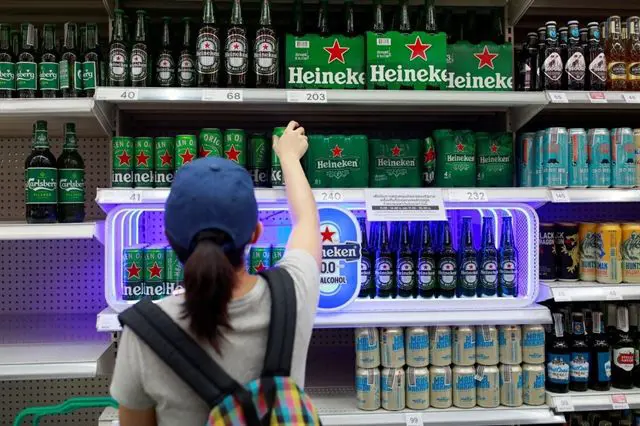
HANOI : Vietnam’s National Assembly has formally approved a staged increase in special consumption tax on alcoholic beverages, which will see the rate climb from the current 65% to 90% by 2031. The measure, passed on Saturday 14 June, reflects the government’s ongoing strategy to discourage alcohol consumption through fiscal policy, although the final rate is lower than the originally proposed ceiling of 100%. Under the new legislation, the excise tax on beer and high-strength spirits will be raised to 70% by 2027—one year later than previously anticipated—before incrementally increasing to 90% by 2031. The Ministry of Finance stated the move is intended to address public health concerns by curbing alcohol intake, particularly in light of the country’s growing consumption trends. Vietnam remains the second-largest beer market in Southeast Asia, according to a 2024 report by KPMG. However, the domestic industry has already come under pressure from tightening regulatory measures. A significant setback came in 2019, when the government introduced strict drink-driving laws that set a zero-alcohol threshold for motorists, which has contributed to declining demand. The industry—dominated by global brewers Heineken (Netherlands), Carlsberg (Denmark), and domestic players Sabeco and Habeco—has seen revenue fall for three consecutive years, according to the Vietnam Beer and Alcoholic Beverage Association. In response to deteriorating market conditions and the prospect of higher taxation, Heineken last year suspended operations at one of its facilities in the country. In a parallel development, legislators also approved a new sugar-sweetened beverage levy, targeting drinks containing more than 5g of sugar per 100ml. The levy is scheduled to take effect in 2027 at 8%, rising to 10% in 2028, in a move aligned with broader public health objectives. -Reuters

News

Vietnam Slashes Nearly 80,000 State Jobs in Historic Administrative Restructuring

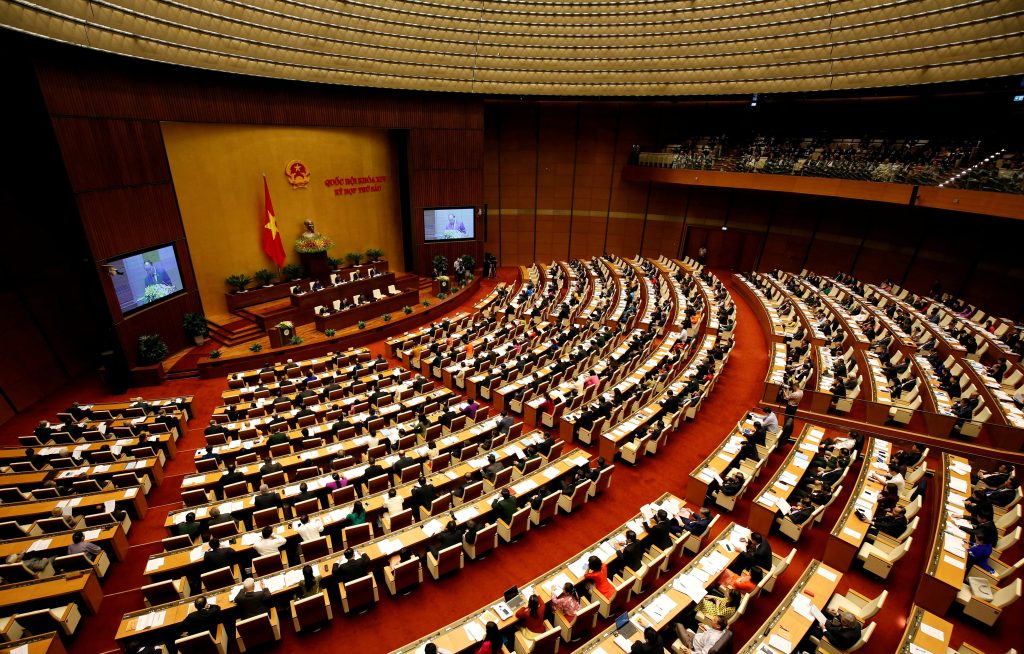
In an unprecedented move to streamline government operations and cut public expenditure, Vietnam’s National Assembly on 12 June approved plans to reduce the number of provinces and cities from 63 to 34, resulting in the elimination of nearly 80,000 state positions. The reform, hailed by officials as the most comprehensive administrative restructuring since the country’s founding in 1945, is part of a broader effort by the government to modernise governance and deliver what it calls “fast, stable and sustainable development.” The vote saw overwhelming approval with 461 in favour, just one opposing and three abstentions. This restructuring follows an earlier reform in February, which reduced the number of ministries and agencies from 30 to 22 and led to 23,000 job cuts. Together, the initiatives mark a significant shift in the structure and culture of public administration in the communist nation, where state employment has traditionally been considered secure and lifelong. Interior Minister Pham Thi Thanh Tra described the reform as a “revolution”, revealing that 79,339 officials will be affected—either retiring early or exiting public service. While the government has promised compensation, some long-serving officials expressed personal dismay at the abrupt end to their careers. One provincial officer, speaking anonymously, said he was “shocked and sad” to be leaving after more than three decades in the role. “I may receive some billion dong in compensation, but I am not happy,” he said, referring to a severance package of approximately US$38,000. “I don’t know what to do now, though I am still completely fit for work.” Among the broader population, reactions were mixed. While some supported the reforms for the promise of more efficient governance, others mourned the loss of regional identities. Nguyen Thang Loi, 52, from the soon-to-be merged Thai Binh province, said: “I fully support the decision, but it feels strange to say I now come from Hung Yen.” Communist Party General Secretary To Lam, the country’s most powerful political figure, emphasised the reform’s intent to reposition administrative bodies from “passive management to active service to the people.” The new leadership structures for the reconfigured provinces and cities will be announced by 30 June, with full operations scheduled to begin from July. Concurrently, the National Assembly is expected to pass a revised national constitution that will see the elimination of the district-level administration and the expansion of commune-level governance, reducing the existing three-tier administrative framework to two levels. The sweeping reforms come amid broader efforts to combat corruption and improve governance. Vietnam’s high-profile anti-graft campaign, dubbed the “blazing furnace,” has ensnared numerous senior officials since 2021, including two former presidents and three deputy prime ministers. Vietnam remains a key global manufacturing hub and posted 7.1 per cent GDP growth in 2024. It is targeting 8 per cent growth in 2025 as part of its long-term goal to reach middle-income country status by 2030. However, this growth trajectory faces external risks, including a threatened 46 per cent tariff on Vietnamese goods by the United States, prompting urgent trade negotiations. The reforms mark a dramatic shift from Vietnam’s traditionally cautious approach to political change, which has favoured stability to maintain investor confidence. The scale and speed of implementation under General Secretary Lam suggest a new phase of governance that prioritises structural efficiency, national competitiveness, and long-term economic ambition. -AFP

News, Property

Kallang Basin Swimming Complex and St Wilfred Sport Centre to Cease Operations in 2025

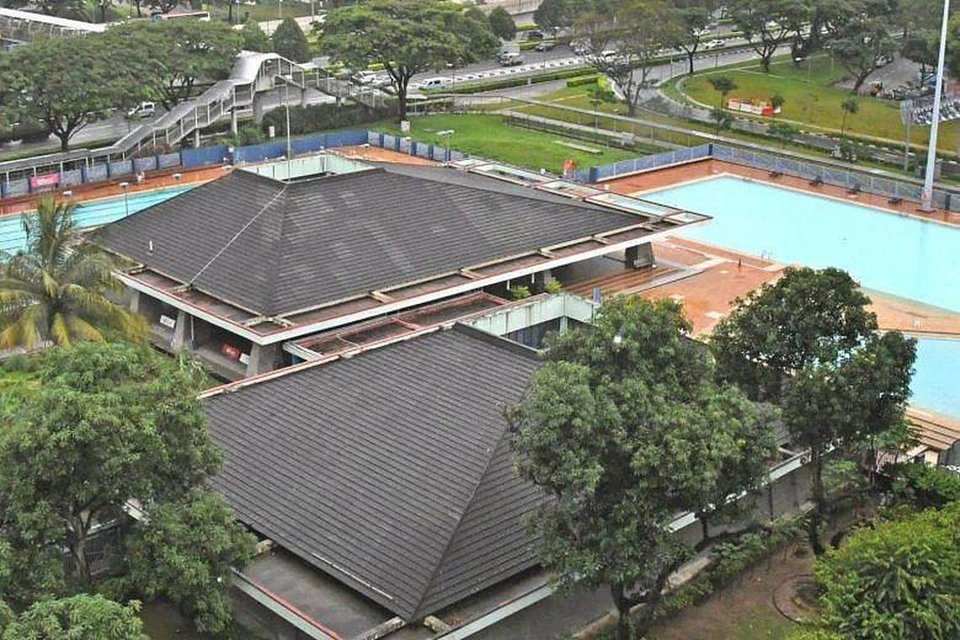
Two longstanding public sports facilities, the Kallang Basin Swimming Complex and the St Wilfred Sport Centre, will cease operations in the second half of 2025 as part of a broader redevelopment strategy. The move comes as Singapore continues to address heightened housing demand and explore more optimal land use near the city centre. In a joint statement released on 13 June, Sport Singapore (SportSG), the Housing & Development Board (HDB), and the Urban Redevelopment Authority (URA) confirmed that the leases on both facilities will expire next year. Kallang Basin Swimming Complex, located at 21 Geylang Bahru Lane, is set to close on 1 September 2025. The St Wilfred Sport Centre in Whampoa will follow on 1 October 2025. The Kallang Basin site currently includes a swimming pool and gym, while the St Wilfred facility comprises a tennis and squash centre and a football field. Authorities are studying the potential redevelopment of both locations for public housing. “This is part of our ongoing efforts to address the strong and broad-based demand for housing in recent years,” the agencies stated. “As part of our long-term planning efforts, the Government will also continue to develop and enhance sports infrastructure, working closely with the community to meet Singapore’s evolving lifestyle and recreational needs.” Upon closure of the two venues, residents will be able to access nearby alternatives. In Geylang Bahru, a new sports facility at Kolam Ayer is scheduled for completion by end-2025. Likewise, a new venue in Whampoa is expected to be operational within the same timeframe. Existing ActiveSG facilities will continue to support the community’s sporting needs. These include swimming complexes in Serangoon, Geylang East and Jalan Besar, as well as squash and tennis courts at Kallang ActiveSG Squash Centre, Burghley ActiveSG Squash and Tennis Centre, and Kallang Tennis Centre. Additional spaces under the Dual-Use Scheme—such as the indoor sports hall and field at Bendemeer Primary School and the football field at Bendemeer Secondary School—will remain accessible. The closures form part of the Government’s Sports Facilities Master Plan, which aims to rejuvenate and expand sports infrastructure. Since 2013, the number of ActiveSG facilities has increased by 30 per cent, with further developments under way, including the Farrer Park Town Play Field and the Punggol Regional Sport Centre. Commenting on the announcement, Eugene Lim, key executive officer at ERA Singapore, said the closures reflect logical land-use planning given the proximity of both sites to the city centre. “The Kallang Basin Swimming Complex, built in the 1980s, is relatively dated compared to newer sports complexes,” he said. “The same applies to the St Wilfred Sport Centre.” Lim added that Geylang Bahru, which contains numerous HDB blocks constructed in the 1970s, is in need of rejuvenation. The area’s future residential developments are likely to attract strong interest due to their location within walking distance of Geylang Bahru MRT station and nearby amenities such as the Geylang Bahru Market and Food Centre. He projected that upcoming Build-To-Order (BTO) projects on the site could fall under the Plus flat category, given the sites’ centrality. “The nearby sites have a plot ratio of 2.8. Assuming a similar ratio, we may see high-rise BTO flats up to 36 storeys. The development may feature a mix of two- to four-room flats, catering to various household profiles.” Regarding the St Wilfred site, Lim observed that the location’s proximity to St George’s Road—an area populated by 1980s-built HDB blocks—and its 10-minute walking distance to Boon Keng MRT station make it another prime candidate for Plus flats. Prime and Plus flats are typically closer to key amenities and subject to stricter resale rules, including a 10-year minimum occupation period and subsidy clawbacks. Nicholas Mak, chief research officer at property search platform Mogul.sg, concurred with the redevelopment plans, noting that there is sufficient availability of other sports facilities to serve the affected neighbourhoods. “The closure of these two facilities provides the Government with an opportunity to revitalise the area with a combination of public and private housing. The region is relatively aged and offers significant potential for land intensification,” Mak said. He further noted that the St Wilfred site similarly presents an opportunity for enhanced land use and community benefit through redevelopment. -The Strait Times

Scroll to Top

Subscribe
FREE Newsletter