international

News

SIA Group to Offer Career Opportunities for Jetstar Asia Staff Following Airline’s Closure

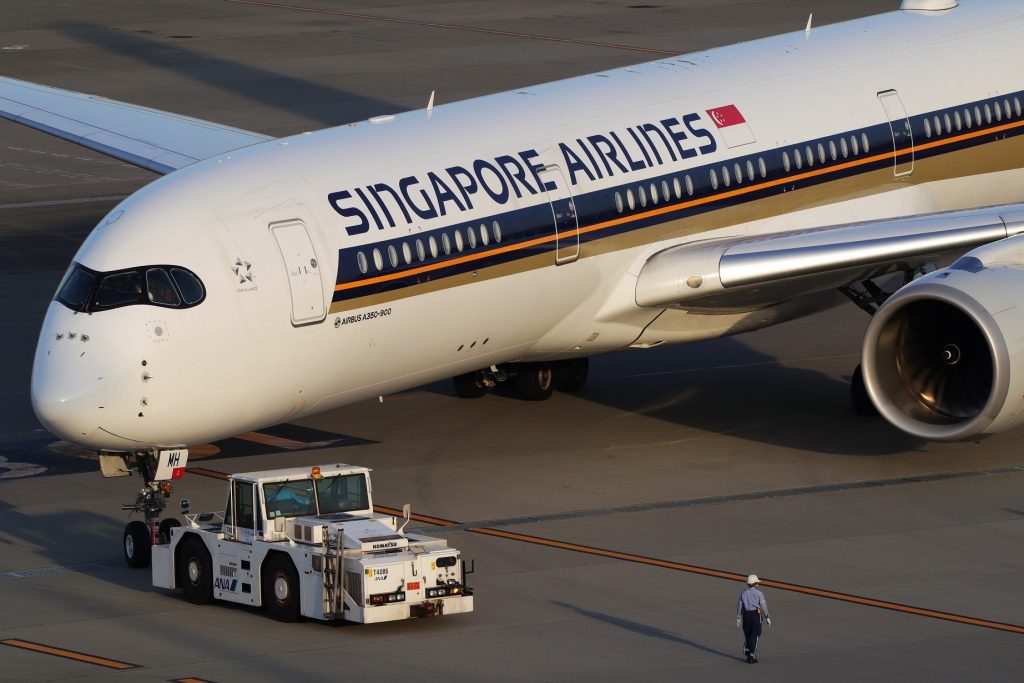
The Singapore Airlines (SIA) Group will be extending employment opportunities across its network to affected employees of Jetstar Asia, following the announcement that the Singapore-based budget airline will cease operations from 31 July. Approximately 500 staff based in Singapore are set to be retrenched as a result of the closure, announced by Jetstar Asia’s parent company Qantas on Wednesday. Rising supplier costs, elevated airport fees, and intensifying competition in the low-cost carrier segment were cited as contributing factors behind the decision. To support affected personnel, SIA Group is offering around 100 pilot positions and approximately 200 cabin crew roles across its carriers. A spokesperson for SIA stated on 13 June that the Group has been in close coordination with Jetstar Asia since the announcement and is committed to assisting employees through this transition. “We are creating a number of opportunities across our airlines, including positions for around 100 pilots and 200 cabin crew. Our aim is to support as many affected staff as possible in continuing their careers within the aviation sector,” the spokesperson said. SIA and Scoot representatives will be present at Jetstar Asia’s office from 17 to 19 June to meet with interested employees and provide further information on the available roles. “We understand that this is a time of uncertainty and are committed to providing the necessary support to help make the recruitment and onboarding process as smooth as possible,” the spokesperson added. The Group also expressed appreciation for the experience and professionalism of Jetstar Asia’s workforce and looks forward to welcoming successful candidates. The closure announcement came as a surprise to many Jetstar Asia employees, who expressed their shock at what they described as an “extreme” measure. Nonetheless, staff acknowledged the company’s comprehensive retrenchment package and transition support. Each affected employee will receive four weeks’ salary for every year of service, along with a bonus for the 2025 financial year, a special appreciation payment, and continued access to staff travel benefits equivalent to their tenure. The National Trades Union Congress (NTUC), in collaboration with the Singapore Manual and Mercantile Workers’ Union (SMMWU), is also engaged in efforts to assist the retrenched workers. Labour chief Ng Chee Meng confirmed that NTUC and its Employment and Employability Institute (e2i) will be stationed at Changi Airport Terminal 1 from next week to offer job placement services, career coaching, skills upgrading, and employability support—particularly targeting the aviation and aerospace sectors. Jetstar Asia will maintain flight operations over the next seven weeks before formally ceasing services at the end of July. -CNA
News

China’s LNG Imports Forecast to Decline in 2025

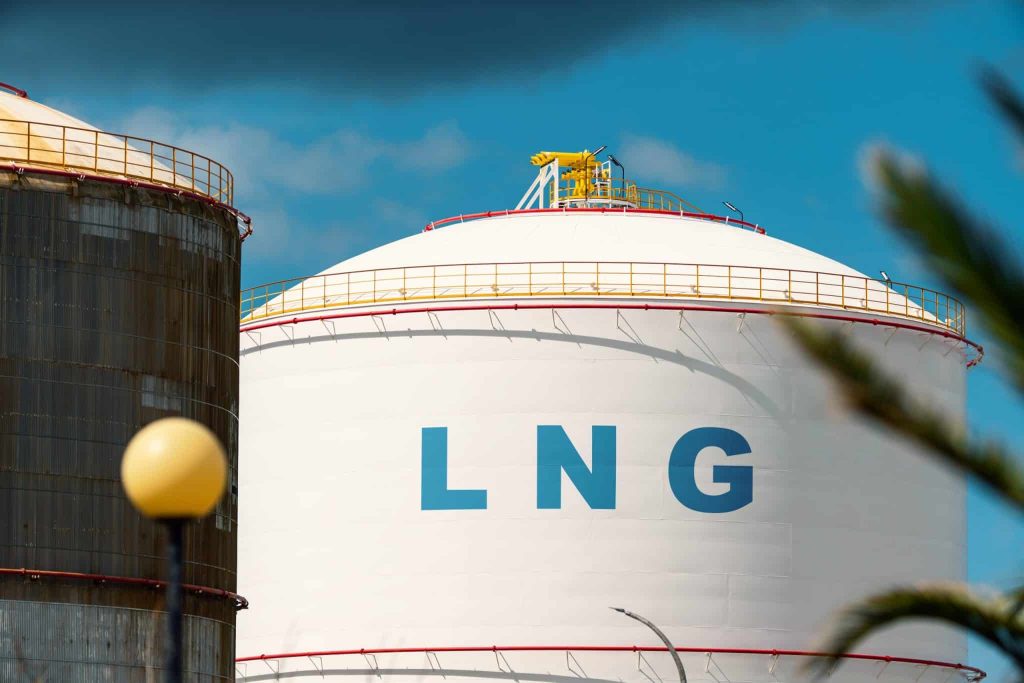
China’s liquefied natural gas (LNG) imports are projected to decline in 2025 for the first time in three years, according to revised outlooks from five independent research firms. The anticipated fall reflects subdued industrial activity and a strong supply of domestically produced and piped natural gas. The world’s largest LNG importer is now expected to reduce its purchases by between 6 per cent and 11 per cent from the 76.65 million metric tonnes imported in 2024. The downward revision marks a notable shift from earlier forecasts, which had anticipated a record year driven by Beijing’s economic stimulus measures. However, analysts now cite softer demand and increasing economic headwinds. Rystad Energy analyst Xiong Wei pointed to the compounding effects of US tariffs, which have weighed heavily on China’s export sector. “China’s consumer price index has also recorded year-on-year declines for several consecutive months, reflecting weak consumer confidence,” said Xiong. The contraction in demand has been exacerbated by a milder-than-expected winter and reduced industrial activity. Analysts at Rystad, Kpler and ICIS noted that Chinese consumers are increasingly turning to more cost-effective alternatives such as domestically produced gas and pipeline imports, diminishing the need for LNG shipments. This would mark only the second contraction in Chinese LNG imports since 2022, when pandemic-related restrictions significantly curtailed economic activity. According to Chinese customs data, LNG imports dropped to 20 million metric tonnes in the first four months of 2025, compared to nearly 29 million tonnes during the same period in 2024. “Even with a sharp rebound in the second half, it would not be sufficient to offset the weakness seen so far,” remarked Yuanda Wang, senior analyst at ICIS. Rystad estimates that natural gas consumption within the industrial and chemical sectors will fall by approximately 1 per cent this year. Typically, these sectors contribute an annual increase of 10 to 15 billion cubic metres in demand, according to Kpler analysts. The softness in demand is already reflected in import data, with major suppliers registering notable declines. Imports from Australia, Malaysia and Russia all fell by more than 20 per cent year-on-year between January and April, according to Chinese customs data. Australia, China’s leading LNG supplier in 2025, delivered 6.38 million tonnes in the first four months, a 24 per cent decrease compared to the same period in 2024. Kpler’s data indicates that the downturn was primarily seen in long-term contract volumes, while spot market purchases remained relatively stable. This emerging trend signals a rare retreat in what has otherwise been a trajectory of steady growth for China’s LNG market, raising broader questions around Asia’s energy demand outlook and global price stability. -Reuters

News

HKEX Expands Asian Growth Strategy as It Celebrates 25 Years as a Global Financial Hub

As Hong Kong Exchanges and Clearing Limited (HKEX) marks its 25th anniversary, the exchange has outlined a strategy to further cement its role as a bridge between Asia’s emerging businesses and the world’s capital markets. Chairman Carlson Tong Ka-shing confirmed the bourse’s intention to attract more secondary listings from across Asia, reaffirming Hong Kong’s pivotal position in connecting international and mainland Chinese capital. Currently linked with 20 global stock exchanges via mutual recognition agreements, HKEX has established channels for companies in Thailand, Indonesia, Singapore, Saudi Arabia and Abu Dhabi to sell additional shares in Hong Kong. “There is certainly interest among Asian companies to tap both global and Chinese funds in Hong Kong, indicating that the city can evolve into a major regional connector beyond its traditional role,” Tong stated in a recent interview following the World Federation of Exchanges board meeting in Singapore. So far this year, two Singapore-based firms have completed listings in Hong Kong, and a Thai coconut-water producer headquartered in Singapore is preparing to follow suit. The uptick in activity has elevated HKEX’s main board to the top of the global IPO league table. In the first five months of 2025, 27 companies raised US$9.96 billion—seven times the total for the same period last year. With over 160 companies currently in the IPO pipeline, the outlook remains robust. Tong noted that Hong Kong is “bucking the global trend” of subdued IPO volumes and increased privatisations, which have characterised other markets. He also revealed plans for substantial expansion in HKEX’s fixed income and currencies division. The move aims to strengthen Hong Kong’s status as a risk-management hub and support the internationalisation of the yuan. “Fixed-income products will have significant growth potential,” said Tong, referring to an array of instruments including derivatives for risk hedging and yuan-denominated offerings. HKEX was formed in 2000 through the merger of the city’s stock exchange, futures exchange and three clearing houses. Its history, however, traces back to the early days of securities trading in 1891. “HKEX has achieved a great deal in the past 25 years,” said Tong. “It has transformed from a largely domestic market into a superconnector between mainland China and global investors, offering a diversified suite of investment products—from equities and ETFs to commodities and derivatives.” Investor confidence has been richly rewarded. Since HKEX’s listing at HK$3.88, its stock has soared to HK$413.60 as of last Friday. Over the past quarter-century, the number of listed companies has tripled to 2,633, while total market capitalisation has increased ninefold to HK$42.76 trillion (US$5.48 trillion). Average daily turnover has surged 19-fold, reaching HK$242.3 billion in the first five months of 2025. Key to this expansion has been HKEX’s continuous adaptation of its listing framework. A pivotal reform came in 2018, allowing pre-revenue biopharmaceutical firms and companies with weighted voting rights to list. This enabled 360 so-called new-economy companies—including Alibaba Group Holding and Xiaomi—to raise a cumulative HK$1.03 trillion. Despite geopolitical headwinds, including the intensifying US-China trade conflict, Hong Kong’s markets have remained resilient. On 7 April, daily turnover peaked at a record HK$621 billion even as the Hang Seng Index tumbled 13.2 per cent following US tariff announcements. Tong, 70, has long been a prominent figure in Hong Kong’s capital markets. He previously chaired KPMG Asia-Pacific and served as chairman of the HKEX listing committee, where he oversaw landmark IPOs for entities such as the Industrial and Commercial Bank of China. As chairman of the Securities and Futures Commission from 2012 to 2018, he played a critical role in launching Stock Connect, facilitating cross-border trading with Shanghai and later Shenzhen. The programme has since expanded to include bonds, ETFs and derivatives. Appointed HKEX chairman in April 2024, Tong envisions a more community-connected future for the exchange. “HKEX is not merely a listed company—we have a public duty to ensure our markets support the real economy. We also want to give back and engage more with the people in our home market,” he said. To commemorate its silver jubilee, HKEX will host a citywide tour featuring the iconic listing ceremony gong between 20 June and 3 July. The HKEX Foundation, its philanthropic arm, will also deepen its support for local caregivers through a new three-year initiative. Since its launch in 2020, the foundation has allocated over HK$600 million to more than 130 community projects. A key source of the foundation’s funding is the unique stock code donation scheme, introduced in 1999, which allows companies to select preferred codes with a HK$3 million donation. The programme has raised over HK$1 billion to date, contributing to the foundation’s enduring impact on the city’s social landscape. -SCMP

News

XM Responds to the Possibility of Blocked Platform in Singapore

Global broker XM reassures clients in Singapore that “no action is required on their part” and their “funds remain safe”, following a recent announcement by the Monetary Authority of Singapore (MAS), that has led to internet service providers potentially blocking access to XM’s website from 20 June. MAS has determined that XM and other brokers had been offering leveraged financial products to Singapore’s residents without a local capital markets services license. XM has clarified that it is licensed and regulated by the Financial Services Commission (FSC) of Belize in the provision of online investment services globally, it’s also important to note that the website does not contain information specifically directed at persons residing in Singapore, and the company has no servers or physical presence in Singapore. Recognised globally for its reliability and professionalism, XM has been serving traders across more than 190 countries for over 15 years. With a client base exceeding 15 million, the broker has built a strong reputation by prioritising transparency, client satisfaction, and long-term relationships within the trading community. XM also adheres to strict rules and regulations and has robust security measures for protecting client funds and offering reliable platforms and services. While respecting the authority of MAS, XM emphasized its ongoing commitment to regulatory cooperation and transparency and it is currently assessing the implications of this development with legal advisors, to determine if any action is needed. Continued Access Under International Regulation XM’s platform is operated by XM Global Limited, which is regulated by the FSC. Under Singapore’s law, individuals may opt to use the trading services offered by regulated foreign brokers. This means trading accounts, payment methods, and all services will remain fully functional for Singapore-based clients after 20 June. “We remain fully committed to supporting our clients in Singapore”, an XM spokesperson said. “Our Customer Experience Team is available 24/7 to answer questions and we will ensure uninterrupted access to all trading services, regardless of any changes.”

ESG

ESG Roles Multiply as Green Building Sector Grows in China

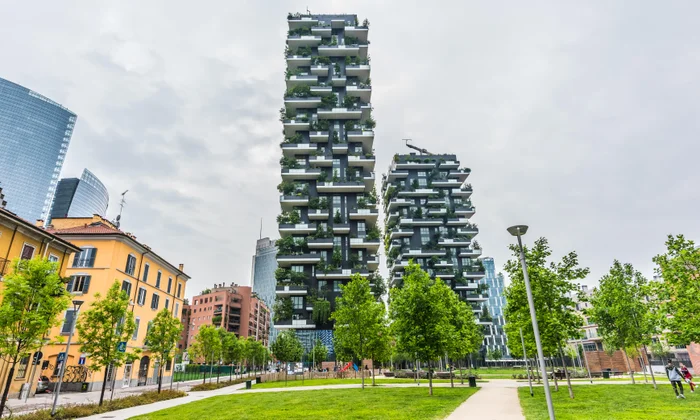
China’s green building sector is experiencing a significant upswing, with ESG-related roles proliferating across the market. The rapid development of this sunrise industry reflects a broader trend of sustainability integration within commercial real estate, driven by increasing environmental expectations and evolving investor priorities. According to job listings from Zhaopin.com, a leading Chinese recruitment portal, a search for “green building” roles under Beijing’s real estate category on 12 May revealed 232 active positions. Among these, the highest advertised monthly remuneration reaches up to RMB 40,000 (approximately USD 4,035), offered for the role of senior green building engineer. Green building consultants are also in demand, with salaries ranging from RMB 5,000 to RMB 10,000 per month. These professionals are essential across the entire building lifecycle—from materials selection and construction methodology to energy consumption testing, emissions control, equipment upgrades, and low-carbon operations management. Their expertise enables real estate assets to align with ESG goals while simultaneously enhancing operational efficiency. Alan Li, President of CBRE China, highlighted the increasing prominence of such roles amid China’s deepening commitment to carbon reduction. “As the era of carbon constraints fully arrives, carbon emissions may have a more direct impact on asset performance. In the field of commercial real estate, green buildings have become a new norm,” he stated, noting the pivotal role green building consultants play in enabling this transition. Li pointed out that the rising appeal of ESG-aligned roles stems from several economic advantages. Beyond reducing operating costs and unlocking access to green finance, ESG-certified buildings are increasingly linked to stronger rental performance. In CBRE’s latest tenant survey, 20 percent of respondents indicated they would consider requesting rental discounts if properties lacked green certification. Investment patterns are also shifting decisively towards ESG. According to CBRE, 91 percent of investors have incorporated or plan to incorporate ESG into their investment decision-making. Additionally, 71 percent are prepared to pay a premium for ESG-compliant assets, underlining the growing valuation advantage such assets command. Green building consultants provide value to both occupiers and landlords. For occupiers, they offer strategies to enhance energy efficiency, shift to renewable energy, refine workplace planning, decarbonise supply chains, and explore carbon offset initiatives. For landlords, consultants facilitate the adoption of intelligent building systems and green leases, clearly defining responsibilities and benefits associated with sustainable retrofitting. These mechanisms encourage more equitable cost-sharing and stronger commitment to decarbonisation from all parties. Looking ahead, Li anticipates a surge in demand over the next three to five years as green building standards become increasingly embedded within the real estate landscape. For professionals aiming to enter or grow within the field, foundational knowledge of carbon footprints, national and local policy standards, energy-efficiency technologies, and green finance tools will be crucial. CBRE, a global leader in real estate consultancy, currently manages over 46,500 buildings worldwide. The company has already delivered green building certification services for more than 20 million square metres of property across mainland China, reflecting its expansive role in steering sustainable transformation. -China Daily

News

Vietnam Targets Construction Sector Reform to Drive Economic Growth

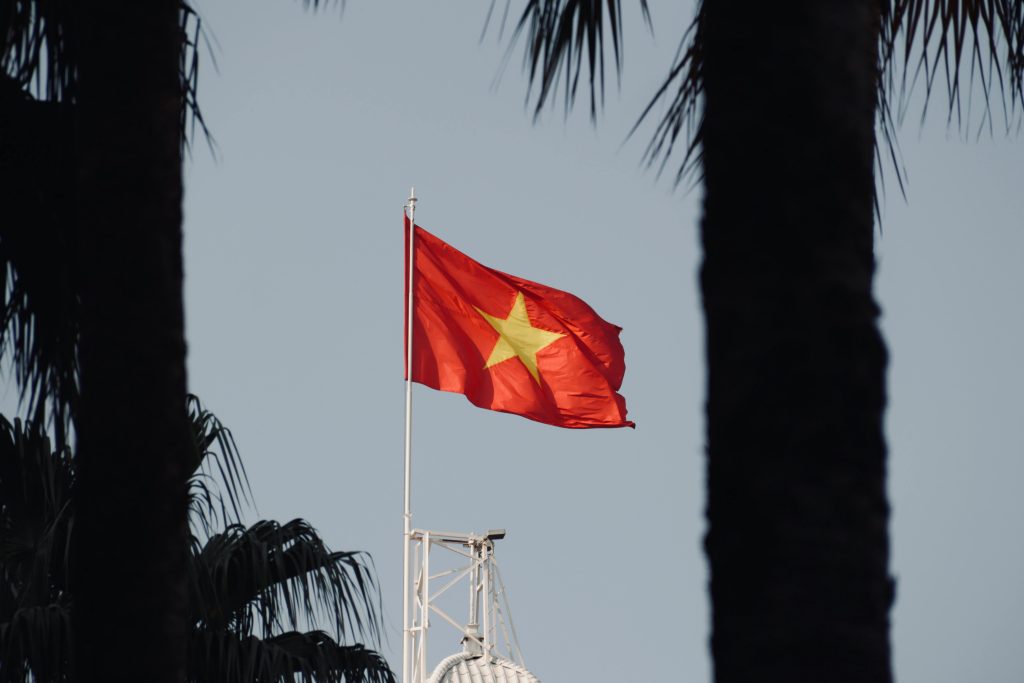
HANOI: Vietnam is poised to reform its construction permitting regime in a bid to streamline processes, lower costs, and revitalise investor confidence, as part of wider efforts to boost economic competitiveness. Industry experts have long pointed to burdensome administrative procedures—particularly the complexity and duration of securing construction permits—as a key deterrent for both domestic and international investors. Prolonged approval timelines, overlapping regulations and inconsistent enforcement across provinces have not only delayed project execution but also elevated operational costs and eroded trust in the system. The Ministry of Construction is now advancing a proposal to eliminate the permit requirement for projects that have already obtained detailed planning approval. The reform is intended to remove redundant checks, thereby accelerating development timelines and improving capital efficiency across the construction and real estate sectors. Mai Huu Tin, chairman of the Binh Duong Provincial Business Federation, noted that businesses are currently required to seek official permissions even for minor developments, describing the process as increasingly onerous. Le Huu Nghia, director of social housing developer Le Thanh Co, highlighted the inefficiency of repeated verifications of planning compliance across multiple stages—from feasibility studies to construction permitting. The issue extends well beyond housing. Trinh Tien Dung, general director of industrial builder Dai Dung Co, revealed that obtaining a factory construction licence within an industrial park can take up to 18 months—often longer than the build itself—resulting in heightened financial and operational risks. Beyond delays, enterprises often face opaque approval criteria, administrative inconsistency between provinces, and non-transparent costs. Trang Bui, general director of property consultancy Cushman & Wakefield Vietnam, remarked that these procedural disparities frequently compel companies to refile documentation, make repeated amendments, and absorb unnecessary delays. Eliminating the permit requirement could be transformative for the sector. Bui noted that such reform would allow developers to better manage project execution, reduce borrowing costs, and enhance capital allocation—all while maintaining regulatory compliance. Nguyen Thi Bich Ngoc, chief executive of property firm Sen Vang Co, estimated that removing the permitting stage could cut project preparation time by three to six months and lower investment costs by as much as 5 per cent, largely through the reduction of administrative overheads and the avoidance of procedural delays. However, she also stressed the importance of businesses enhancing internal governance and quality control frameworks in lieu of external approvals. Experts agree that the state’s role remains critical in ensuring the success of this transformation. Public access to planning data, the digitalisation of administrative processes, and the establishment of a centralised post-audit mechanism will be essential to uphold standards and safeguard public confidence. Giang Huynh, director of research at Savills Ho Chi Minh City, underlined that procedural reform, supported by digital transparency and audit infrastructure, could significantly improve operational efficiency, accelerate time-to-market, and optimise resource use. However, permit reform alone is unlikely to deliver systemic change. Stakeholders argue that longstanding challenges in land-use planning, valuation, and zoning regulation must also be addressed. These entrenched issues continue to hinder project development and constrain sectoral growth. As Vietnam advances this reform agenda, the integration of regulatory simplification, digital transformation and legal modernisation is expected to catalyse economic activity and enhance transparency across the construction and real estate markets. -Vietnam News

News

Volvo CE to Invest $264 Million in Global Expansion, Prioritising South Korean Facility

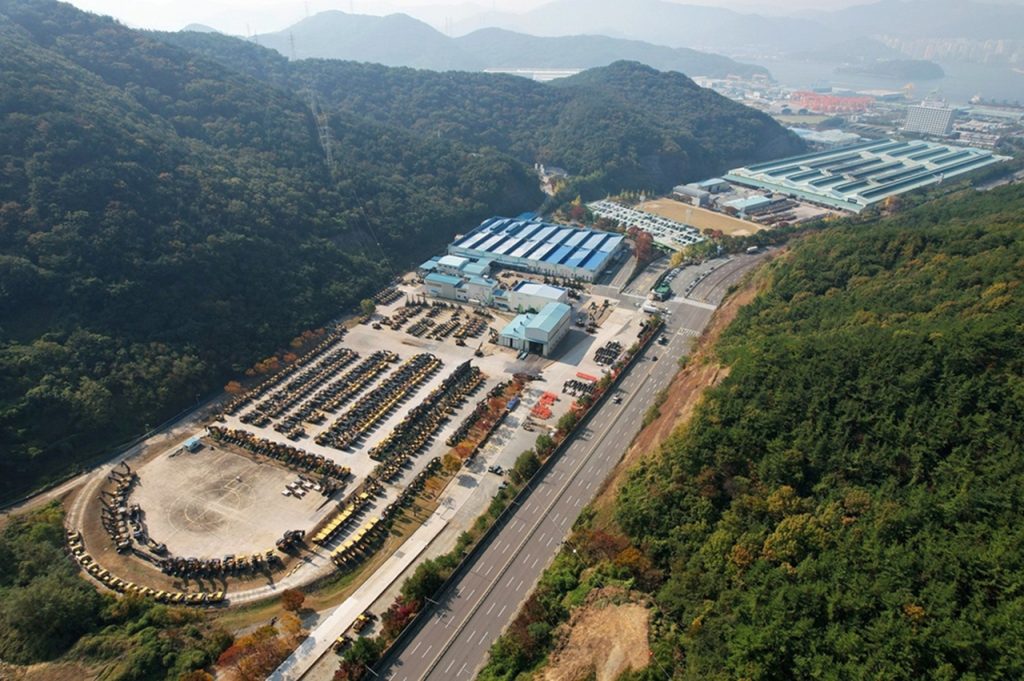
Volvo Construction Equipment (Volvo CE) has confirmed plans to expand and modernise its production facility in Changwon, South Gyeongsang Province, South Korea. The strategic move forms part of a broader global investment initiative designed to enhance the company’s crawler excavator production capacity and better serve growing international demand. The Swedish heavy machinery manufacturer will invest a total of USD 264 million across three key production hubs located in South Korea, Sweden and North America. While Volvo CE has not disclosed a detailed breakdown of the investment per location, it confirmed that the Changwon facility will receive the largest portion of the capital allocation. The investment at the Changwon site will be deployed over the coming years and will focus on increasing manufacturing capacity, improving supply chain resilience and enhancing the plant’s overall responsiveness to market demands. The upgraded facility is expected to play a central role in supporting global volumes and expanding Volvo CE’s operational capabilities in the Asia-Pacific region. Volvo CE highlighted Changwon’s continued importance within its international production network, citing the plant’s strategic competencies in manufacturing, product development and procurement. The facility, which exports more than 80 percent of its total output, currently holds the largest excavator production capacity across the entire Volvo Group. The broader investment plan will also include the establishment of a new excavator assembly line in Shippensburg, Pennsylvania, aimed at meeting the specific needs of the North American market. A decision regarding the Swedish component of the expansion, including the precise location, scope and timing, is expected later this year. By positioning production closer to its major markets, Volvo CE aims to bolster operational efficiency, reduce delivery lead times and offer more tailored solutions. This global expansion is also aligned with the company’s commitment to sustainability, with reduced transportation distances contributing to lower carbon emissions. Melker Jernberg, President of Volvo Construction Equipment, stated, “We understand the need to respond to growing demand and are excited to expand our facilities to serve customers better. This investment underscores our commitment to quality, innovation and competence, allowing us to deliver even greater value. This expansion demonstrates our efforts to respond to customer demand by investing in our crawler excavator business closer to key markets and customers.” -The Korea Herald

News

Zhejiang Sanhua Targets HK$8.12 Billion in Landmark Hong Kong Listing

Zhejiang Sanhua Intelligent Controls Co has launched its highly anticipated share offering in Hong Kong, aiming to raise up to HK$8.12 billion (US$1 billion), marking a significant milestone in the city’s capital markets revival. The Chinese air-conditioning and refrigeration components manufacturer began taking investor orders on Friday for 360 million shares, as detailed in its listing prospectus. Shares are being offered in a price range of HK$21.21 to HK$22.53 each, with the company retaining the option to increase the size of the offering. Founded in 1984, Sanhua has evolved into a global supplier of components for both household and industrial applications, including sophisticated cooling systems for data centres and thermal management systems used in vehicles. The company is also actively expanding into bionic robotics, a sector it plans to develop further using proceeds from the listing. Sanhua’s shares are scheduled to begin trading on 23 June. According to its prospectus, the company operates over 48 manufacturing facilities across China, India, Türkiye, and the United States. In 2024, it reported a net profit of 3.1 billion yuan (approximately US$433 million) on revenue totalling 27.9 billion yuan (US$3.9 billion), both figures reflecting year-on-year growth. Already listed in Shenzhen since 2005, Sanhua now joins a wave of mainland Chinese firms pursuing secondary listings in Hong Kong. These dual listings have been among the most active segments of the city’s equity markets in recent years. This move follows recent high-profile Hong Kong listings, including Contemporary Amperex Technology Co Ltd, which raised over US$5 billion in May, and Foshan Haitian Flavouring & Food Co, which began bookbuilding for a listing of up to US$1.2 billion this week, with shares expected to list on 19 June. Zhejiang Sanhua’s offering is jointly sponsored by China International Capital Corp and Huatai Securities Co. -Bloomberg

News

China-Backed Militia Secures New Rare Earth Supply Chain in Myanmar’s

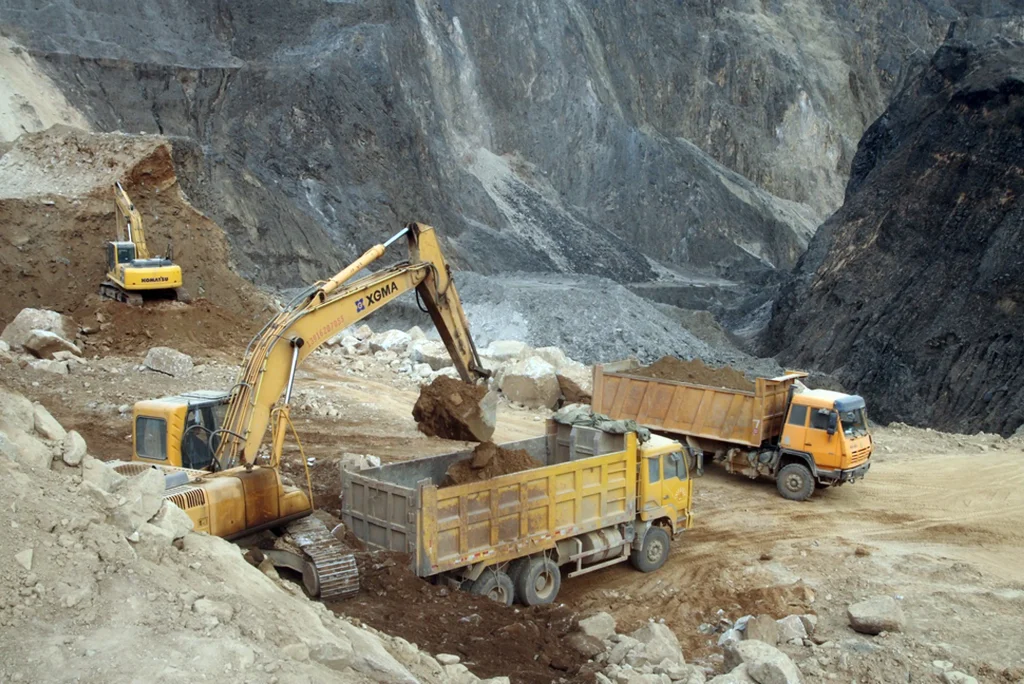
A Chinese-aligned militia is now safeguarding newly established rare earth mining operations in eastern Myanmar, as Beijing reinforces its dominance over the global supply of strategic minerals essential to the green energy transition and high-tech manufacturing. China already holds a near-monopoly on processing heavy rare earth elements—critical for magnets used in electric vehicles, wind turbines and medical devices—but it remains highly dependent on imports of the raw materials. In the first four months of 2025, Myanmar accounted for nearly half of China’s rare earth oxide and metal imports, according to Chinese customs data. However, access to key minerals such as dysprosium and terbium has faced disruption since a major rare earth mining belt in northern Myanmar’s Kachin State was seized by an armed group opposed to the country’s military junta, which Beijing supports. In response, new mining activity has emerged in Shan State, where Chinese miners are now developing deposits under the protection of the United Wa State Army (UWSA), one of Myanmar’s most powerful militias. Two individuals employed at one of the mines reported that over 100 workers are conducting continuous day-and-night operations, using chemical leaching techniques to extract heavy rare earths. Local residents also confirmed the movement of truckloads of material from the mines—located between Mong Hsat and Mong Yun—toward the Chinese border, roughly 200 kilometres away. Satellite imagery obtained by Reuters from Planet Labs and Maxar Technologies corroborates these claims, showing the rapid emergence of leaching pool facilities in Shan State from April 2023 to February 2025. One site had over a dozen pools by early 2025, while another, across the Kok River, had developed 20 pools within a year of initial clearing. The mines are protected by UWSA forces, according to four sources familiar with the operations, two of whom identified militia members by their uniforms. The UWSA also controls one of the world’s largest tin mines and maintains strong commercial and military ties with China, according to the United States Institute of Peace. While official mine ownership remains opaque due to Myanmar’s fragmented business registry system, at least one site is reportedly operated by a Chinese firm with Chinese-speaking management. A Chinese-language company logo was observed at one facility, according to a worker who spoke on condition of anonymity. Patrick Meehan, a lecturer at the University of Manchester who reviewed the satellite imagery, said the Shan mines appear to be the first significant rare earth sites in Myanmar outside of Kachin. “There is a whole belt of rare earths that extends through Kachin, Shan and into parts of Laos,” he said. Independent analyst David Merriman, Director of Research at consultancy Project Blue, confirmed that the infrastructure suggests ongoing production. He expects the Shan deposits to yield terbium and dysprosium—two of the most sought-after rare earth elements. Neha Mukherjee of Benchmark Mineral Intelligence noted that Chinese mining companies can operate in Myanmar at a fraction of the cost elsewhere, with production costs up to seven times lower than in comparable regions. “Margins are huge,” she stated, adding that Beijing’s tight control of extraction technology makes Chinese involvement essential. Prices for these strategic minerals reflect increasing volatility and global sensitivity. Terbium oxide prices have surged over 27% in the past six months, while dysprosium oxide has fluctuated sharply, rising approximately 1% over the same period, according to Shanghai Metals Market data. The rare earth trade has become an increasingly important strategic tool for Beijing amid continued trade tensions with Washington. Earlier this year, China imposed additional restrictions on the export of rare earth metals and magnets following renewed actions by the US administration. The UWSA plays a pivotal role in this equation. The group governs a region roughly the size of Belgium and is reportedly armed with Chinese-supplied weapons. With an estimated 30,000 to 35,000 personnel, it maintains a stable ceasefire with Myanmar’s junta, positioning the territory as a relatively secure zone for strategic resource extraction. “The UWSA functions as a key instrument for China to maintain strategic leverage along the Myanmar-China border,” said Ye Myo Hein, Senior Fellow at the Southeast Asia Peace Institute. Local human rights groups say UWSA security forces control access to the area and restrict movement without identification cards issued by the militia. With Kachin’s rare earth supply increasingly jeopardised by conflict, China’s pivot to Shan could provide it with continued leverage in global supply chains, which remain vital to the automotive, aerospace and semiconductor sectors. “Chinese companies and the Chinese government would see the Wa areas as being more stable than other parts of northern Burma,” said Jason Towers, Myanmar Country Director for the US Institute of Peace. Mukherjee concluded that Beijing’s strategic interest in rare earths is unlikely to wane. “They want to keep control of heavy rare earths in their hands. They use that as a strategic tool.” -Reuters

Energy & Technology

Japan JERA to Double US LNG Imports Under New 20-Year Supply Agreements

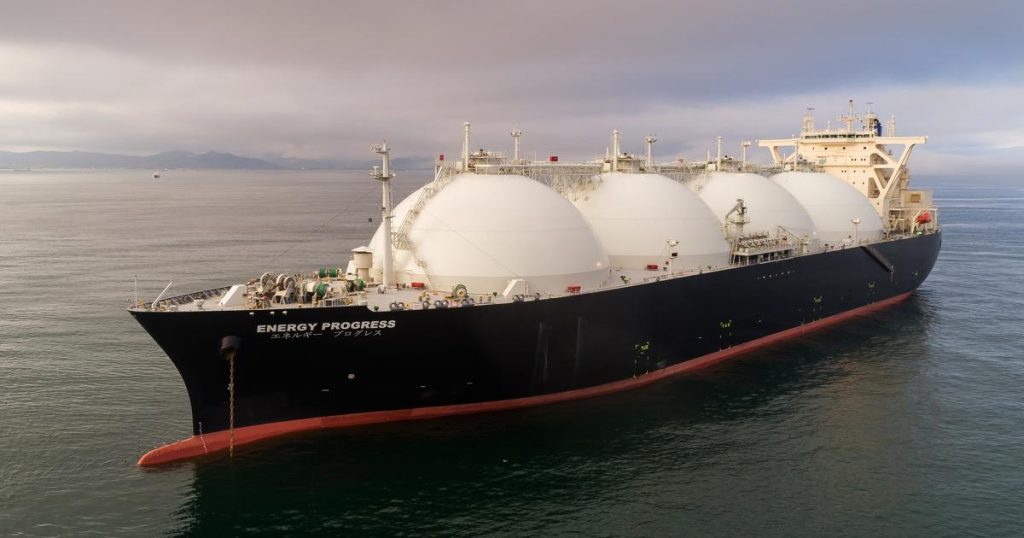
TOKYO: Japan’s largest power generation company, JERA Co., has announced it will significantly increase imports of liquefied natural gas (LNG) from the United States through a series of new long-term supply agreements, marking a key milestone in Japan’s efforts to enhance energy security amid evolving trade negotiations with Washington. The Tokyo-based utility confirmed it has signed 20-year contracts with four LNG projects based in Texas and Louisiana. The agreements are expected to enable JERA to procure an additional 5.5 million tonnes of LNG annually from the US, almost doubling its current import volume of 3.5 to 4 million tonnes. “These new arrangements further our long-term strategy to build a diversified and resilient LNG procurement portfolio, supporting the stable and secure supply of energy for Japan and broader Asia,” the company said in a statement. The development aligns with Japan’s ongoing discussions with the United States over trade and investment cooperation. Fuel and agricultural imports have been key bargaining chips as Japanese officials seek to ease punitive tariffs introduced under US President Donald Trump’s administration. The US Department of the Interior welcomed the LNG agreements, describing them as a landmark in President Trump’s drive to expand American energy exports. Interior Secretary Doug Burgum said the commitment would generate nearly a quarter of a trillion dollars in economic impact and support over 50,000 jobs in the US LNG sector. JERA, which supplies roughly 30% of Japan’s electricity, plays a critical role in the country’s energy landscape. Japan, one of the world’s most energy-dependent economies and the fifth-largest emitter of carbon dioxide globally, imported 65.9 million tonnes of LNG in 2024. While Australia remained Japan’s largest LNG supplier last year, accounting for 41.6% of imports, Malaysia provided 15.6%, Russia 9.3%, and the US 8.4%, according to figures from Japan’s Ministry of Economy, Trade and Industry. The strengthened LNG partnership with the US comes on the heels of Japanese Prime Minister Shigeru Ishiba’s February commitment to increase annual Japanese investment in the United States to US$1 trillion, signalling a broader shift in bilateral economic ties. -AFP

Scroll to Top

Subscribe
FREE Newsletter