international

News

Japan Plans Stricter Business Visa Rules as Chinese Applications Double

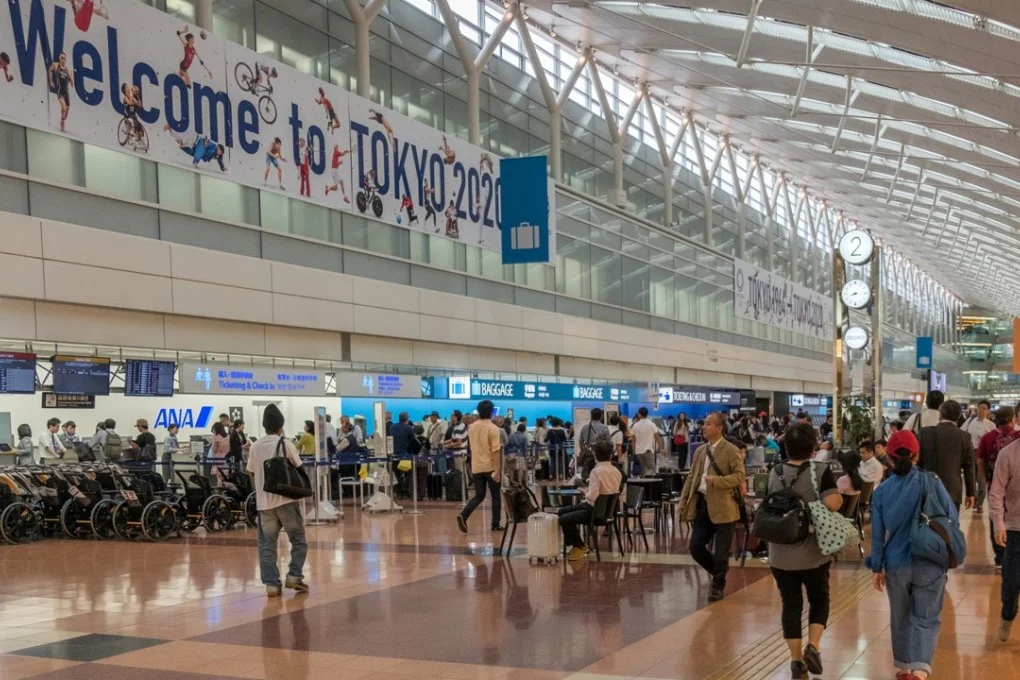
Japan is reviewing the conditions of its business manager visa, with proposals to raise the minimum capital requirement in an effort to tighten access to long-term residency via commercial routes. The move follows a notable surge in the number of Chinese nationals leveraging the scheme, which currently permits entry with an investment of ¥5 million (approximately US$34,700) or the employment of two full-time staff while maintaining a physical office within the country. The visa allows for stays of up to five years and extends eligibility to accompanying family members, a feature that has bolstered its appeal, particularly among affluent Chinese applicants. Crucially, the programme does not require specific qualifications in age, education, or language proficiency, further contributing to its popularity. According to the Immigration Services Agency, the number of Chinese nationals holding business manager visas has more than doubled from roughly 10,000 in 2015 to 20,551 by June 2024. Chinese citizens now account for over half of all visa holders under this category. Haruko Arimura, a senior lawmaker from the ruling Liberal Democratic Party, has publicly raised concerns over the programme’s accessibility, suggesting it serves as an “easy route to obtain permanent residency”. She warned that its current structure could pose risks to public safety and distort Japan’s business environment. Osaka prefecture has emerged as a hotspot for visa-linked business activities, where some private lodging companies appear to have been founded primarily to satisfy entry criteria, enabling their owners to relocate to Japan. In response, Japanese authorities have increased oversight, recently mandating that applicants demonstrate business viability—either through profitability or access to funding—within two years of arrival, according to Bloomberg. The current threshold of ¥5 million is considerably lower than that of comparable schemes in peer nations. For instance, South Korea’s equivalent visa demands a capital injection of 300 million won (around US$219,300). The Immigration Services Agency is expected to commence formal discussions within the fiscal year to amend visa regulations, aiming to better align the programme with its original objective of attracting skilled professionals. This reassessment is part of a broader tightening of immigration and residency policies in Japan. The government plans to introduce a digital framework to monitor travellers’ data, as per a draft proposal due this month. It also aims to eradicate illegal overstaying through enhanced enforcement and deportation measures, alongside a review of visa and immigration fees to bring them in line with global standards. Labour-related visa programmes, including the technical intern training scheme and the specified skilled worker system, are also undergoing structural reform. These revisions are expected to clarify eligible sectors and introduce defined intake targets. Japan’s foreign resident population reached an all-time high in 2024 for the third consecutive year, climbing 10 per cent year-on-year to approximately 3.8 million. Chinese nationals represent the largest demographic, numbering over 870,000, followed by Vietnamese and South Korean nationals, with 634,361 and 409,238 residents respectively. -SCMP

Investment & Market Trends

Bank of Korea Chief Warns of Property Price Surge Risk from Excessive Rate Cuts

The Governor of the Bank of Korea (BOK), Rhee Chang-yong, has cautioned against overly aggressive monetary easing, citing the potential for renewed property market inflation and heightened foreign exchange volatility. His remarks were delivered in a speech marking the central bank’s 75th anniversary. Rhee emphasised that while South Korea’s domestic economy remains subdued, excessive reliance on accommodative policy could have unintended consequences. “If we rely too much on economic stimulus policies out of urgency, there may be greater side effects later on. For example, if we cut the base interest rate excessively, there is a high risk that it will lead to a rise in real estate prices,” he stated. The warning follows the Bank of Korea’s recent decision to reduce its base interest rate by 25 basis points to 2.5 per cent on 29 May. The move, which was widely anticipated, marked the fourth rate cut in the current easing cycle. The central bank cited soft domestic consumption and the impact of US trade tariffs as key reasons behind the adjustment. The rate cut also aligns with the broader fiscal stance of the newly inaugurated President Lee Jae-myung, whose administration is preparing a second supplementary budget this year aimed at stimulating economic growth. Rhee further noted that currency market instability remains a concern, especially in light of the divergence between domestic and US interest rate trajectories. “The gap between domestic and foreign interest rates may widen further as the US Federal Reserve adjusts the pace of its interest rate cuts, and uncertainty surrounding the results of trade negotiations with major countries may increase, leading to increased volatility in the foreign exchange market,” he added. -Reuters

News

Theatre CEO Wins S$30,000 in Defamation Case Against Oxley Bizhub Management

SINGAPORE: The Chief Executive Officer of the Arts Theatre of Singapore, Mr Koh Chong Chiah, has been awarded S$30,000 in damages after successfully bringing a defamation suit against the Management Corporation Strata Title (MCST) of Oxley Bizhub, an industrial complex located along Ubi Road 1. In a judgment delivered on 11 June, District Judge Seah Chi-Ling found that a letter disseminated by the management corporation contained defamatory statements about Mr Koh, 71, a former senior banker and recipient of the Public Service Medal (PBM). The judge assessed the overall severity of the defamation as “moderately severe”, awarding less than the S$150,000 in general damages initially sought by Mr Koh and rejecting his claim for an additional S$100,000 in aggravated damages. Mr Koh, who leads the Chinese-language drama charity organisation, sued the MCST over a letter distributed in June 2021 to all subsidiary proprietors at Oxley Bizhub. The letter, which bore the MCST’s letterhead, also appeared to be addressed to several government agencies, including the Prime Minister’s Office, the People’s Association, and the Building and Construction Authority. The document accused Mr Koh of bullying, harassment, and the misuse of his PBM title to exert pressure on public agencies. It further alleged that he led a group dubbed the “Oxley Task Force” and that he had vandalised facilities within the building to discredit the management. An email referencing the same letter was subsequently circulated on 10 June 2021 from the management corporation’s email account, requesting support for a petition endorsing its contents. During the trial, six witnesses testified, including Mr Koh, two proprietors affiliated with the “Oxley Task Force”, a management council member, the current chairman, and a consultant from the managing agent. The judge ultimately found four of the five contested statements defamatory, concluding that they suggested unethical behaviour, misconduct and an abuse of public recognition. Judge Seah noted the MCST had initially raised, but later abandoned, defences including justification, fair comment and qualified privilege. While he concluded that the letter had been distributed to all subsidiary proprietors, there was insufficient evidence to prove it had also been sent to government agencies. The court found no confirmation from any recipients and no acknowledgements of receipt. In determining the quantum of damages, the judge identified the defamatory references to Mr Koh’s PBM status as aggravating. He highlighted how the MCST had “deliberately emphasised” Mr Koh’s honorary title by placing it in bold throughout the letter, thereby implying that Mr Koh had betrayed the values that the award symbolises. However, Judge Seah clarified that Mr Koh’s social standing, while enhanced by the PBM, did not place him in the same professional category as prior defamation claimants such as high-ranking executives or elected officials. The scope of publication was considered limited. Although Oxley Bizhub comprises 728 units, the actual number of unique recipients may have been fewer due to multiple unit ownership by some proprietors. The judge also accepted that the MCST’s primary intention was to seek government assistance in mediating its disputes with Mr Koh, rather than to maliciously defame him. The court acknowledged evidence that Mr Koh had submitted numerous complaints to public bodies over the years, with approximately 94 emails exchanged in 2019 alone between Mr Koh’s group and the management. Mr Koh’s claim for an injunction to prevent any future repetition of the statements was also denied, as there had been no republication of the material in the four years since its initial release. -CNA

News

Cuckoo International Slashes IPO Price by 16.3%

SINGAPORE : Cuckoo International has revised the pricing of its initial public offering (IPO) in Malaysia, reducing it by 16.3% to RM1.08 per share from the earlier proposed RM1.29, according to a recent filing with the stock exchange. The adjustment is expected to reduce the total value of the offering to approximately RM394 million, down from around RM471 million. The household goods manufacturer had initially planned to list on 30 April but deferred the launch by two months due to volatility in global financial markets. The IPO is now anticipated to conclude by 24 June. Cuckoo International is majority-owned by South Korea-listed Cuckoo Homesys, which holds a 62.5% stake, as outlined in the company’s IPO prospectus. In its draft submission, the firm indicated a substantial portion of the proceeds would be allocated towards acquiring inventory to support the expansion of its rental business. The company underscored the importance of adequate cash flow to finance product purchases and commission payments, both essential to sustaining growth in the segment. -The Star

News

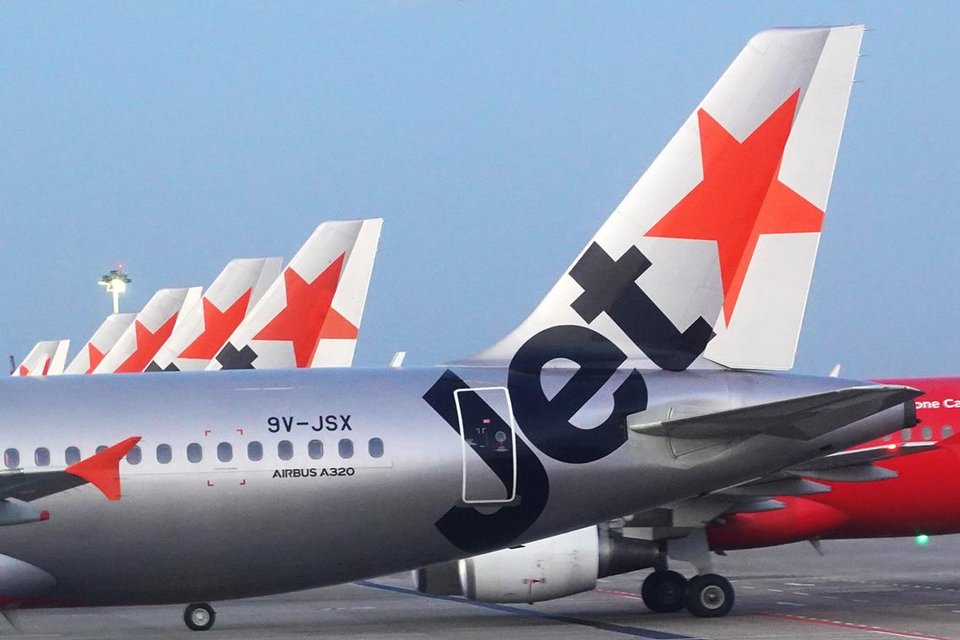
Jetstar Asia to Cease Operations by 31 July, Over 500 Jobs Affected

Qantas Group has announced it will shut down its Singapore-based low-cost carrier, Jetstar Asia, with the airline ceasing operations on 31 July 2025. The decision comes as the group grapples with surging supplier costs, escalating airport fees and intensifying competition within the Southeast Asian budget aviation market. Jetstar Asia will continue to operate flights over the next seven weeks before winding down. The closure affects 16 regional routes, with customers holding bookings on cancelled services offered full refunds. Where feasible, passengers will be re-accommodated on alternative airlines. A spokesperson confirmed that more than 500 employees will be impacted by the cessation of operations. Qantas stated that it is committed to supporting affected staff through redundancy benefits, career transition assistance, and by identifying redeployment opportunities within the Qantas Group and among regional airline partners. The airline currently serves destinations across Malaysia, Indonesia, Thailand, the Philippines, China, Sri Lanka, Japan and Australia, operating approximately 180 weekly flights. Its exit will lead to the termination of exclusive services on four routes: Broome, Labuan Bajo, Okinawa and Wuxi. Jetstar Asia’s fleet of 13 Airbus A320 aircraft will be progressively redeployed to support operations in Australia and New Zealand. Other Jetstar-branded carriers, including Jetstar Airways in Australia and New Zealand and Jetstar Japan, remain unaffected. Changi Airport Group (CAG), in response to the development, expressed regret over the airline’s withdrawal but acknowledged the commercial rationale behind the move. CAG affirmed its commitment to supporting passengers through the transition period and to mitigating disruption. The group is engaging with other carriers to maintain connectivity on affected routes, particularly those exclusively served by Jetstar Asia. In 2024, Jetstar Asia carried approximately 2.3 million passengers through Changi Airport, representing around 3% of the airport’s total passenger traffic. While the airline had expanded its fleet to 18 aircraft in 2019, this was scaled back during the COVID-19 pandemic, later stabilising at 13 aircraft. The Singapore Manual and Mercantile Workers’ Union (SMMWU), an affiliate of NTUC which has represented Jetstar Asia staff since 2009, is currently in discussions with management to ensure fair severance packages. The union is also providing job placement support and career advisory services across the aviation and aerospace sectors. The Qantas Group cited unsustainable cost increases as a primary factor in the closure, with supplier expenses rising by as much as 200% in some areas. Qantas Group CEO Vanessa Hudson acknowledged the contribution of the Jetstar Asia team over the past two decades and reaffirmed the group’s focus on its core markets. The closure is expected to result in a one-off financial impact of approximately A$175 million (US$114 million), with one-third recognised in the FY2025 results and the remainder in FY2026. However, the group noted that the exit will unlock A$500 million in capital to support its wider fleet renewal strategy. Jetstar Asia is forecast to record an underlying loss of A$35 million before interest and taxes in the current financial year. -Reuters

News

Toyota Chairman Akio Toyoda Under Scrutiny Over ¥4.7 Trillion Supplier Buyout

JAPAN: Toyota Motor Corporation chairman Akio Toyoda is set to face heightened scrutiny at the company’s annual general meeting on Thursday, amid shareholder concerns surrounding a ¥4.7 trillion (approximately US$33 billion or RM140 billion) deal to take a key group supplier private. This year’s AGM, commencing at 10:00am local time (01:00 GMT), marks the first in three years where Toyoda will not be opposed by leading shareholder proxy advisory firms. Both Glass Lewis and Institutional Shareholder Services have recommended shareholders support his re-election, reversing previous opposition over governance concerns. However, the spotlight is expected to fall on a contentious transaction that has triggered strong reaction among minority shareholders of Toyota Industries Corporation, a group company being taken private. At a separate shareholder meeting held on Tuesday, stakeholders of Toyota Industries voiced disapproval over the proposed deal, describing the offer as potentially detrimental to minority interests. The bid, structured as a multi-phase transaction, includes a proposed offer of ¥16,300 per share. While the pricing may appear favourable to Toyota Motor stakeholders, fund managers such as London-based Zennor Asset Management have raised concerns about fairness and transparency, especially with respect to the treatment of minority shareholders. Koichi Ito, president of Toyota Industries, defended the transaction during Tuesday’s nearly two-hour meeting – the longest in the company’s history – which saw a record number of shareholder questions. Ito insisted the decision was made with comprehensive consideration and not at the expense of minority investors. The deal outlines the creation of a new holding company, with Toyota Fudosan, an unlisted real estate business, contributing ¥180 billion. Akio Toyoda is expected to personally invest ¥1 billion, while Toyota Motor will contribute ¥700 billion in non-voting preferred shares. The transaction has attracted pushback from activist investor Oasis Management, which holds positions in both Toyota Motor and Toyota Industries and has indicated it will advocate for a higher acquisition price. Toyota Motor has justified the move as a strategic decision aimed at enabling closer collaboration within the Toyota Group, positioning Toyota Industries to operate free from the pressures of short-term financial performance. This, the company argues, supports its ongoing transformation into a comprehensive mobility company. Despite the easing of proxy opposition, Toyoda’s governance remains under watch. Shareholder backing for his reappointment has declined over the past three years, falling from 96% in 2022 to 72% in 2024 – the lowest ever for a Toyota board member. In an internal interview conducted last year, Toyoda acknowledged that his seat on the board could be at risk should support levels fall further. Toyota Industries, originally founded in 1926 as Toyoda Automatic Loom Works, was the company from which Toyota Motor later emerged following the creation of its automotive division. The group has remained closely intertwined since, both operationally and through significant cross-shareholdings. -Reuters

Upcoming Events

Own the World: Why the Global Property Expo Is a Must-Attend for Singaporeans Looking to Buy Homes Abroad

SINGAPORE: The Global Property Expo, organised by JLL (NYSE: JLL), will welcome prospective buyers to Singapore from 18 to 20 July 2025 at the Sands Expo & Convention Centre. This tailored international residential property forum will cater to guests from Singapore and across Southeast Asia interested in buying property abroad, whether to support their child’s overseas education, plan for retirement or generate long-term passive income. The JLL-organised Global Property Expo brings together a curated portfolio of residential developments from around the world, making cross-border property ownership more accessible and informed than ever before. Attendees will be able to explore investment opportunities across the United Kingdom, Australia, Japan, the UAE, Thailand, Vietnam Portugal and New Zealand, showcasing projects by leading developers, including, Far East Consortium, British Land, Escon, CPL, and Reignwood to name a few. More Than an Expo: Learn, Compare, and Invest Over the three days and two stages, visitors can attend expert-led talks and panel discussions covering everything from the fundamentals of buying property overseas to advanced strategies for wealth creation and portfolio diversification. Session highlights include: Residential Investment 101: A Beginner’s Guide Wealth Creation Through Real Estate What to look for in an Agent Residency by Investment: Property as Your Passport Bricks to Billions: Property as a Long-Term Wealth Engine The Art of Leverage: Financing Your International Property The Global Property Expo aims to demystify the complexities and simplify the process for many prospective buyers, purchasing property overseas. Whether you are interested in purchasing an apartment in London or Sydney for a university-bound child, a smart condo in Tokyo, or a beachfront retreat in Thailand or Indonesia, the Expo brings together the people who will smooth your path to acquisition: trusted developers, prop-tech innovators like Get Ground, and global real estate networks including the Leading Real Estate Companies of the World®. Why Attend? Compare properties side-by-side across multiple markets Get expert advice on financing, legalities, taxes, and rental management Access special promotions available only during the event Meet and speak directly with the developers and investment advisors Gain insights into how global real estate can support your personal wealth goals Admission is free and open to the public. Whether you are taking your first steps toward overseas property ownership or expanding an existing portfolio, Global Property Expo is the place to start your journey. Register now at www.globalpropertyexpo.com

News

Changi Airport Awards S$999 Million Contract for Terminal 5 Tunnel System Construction

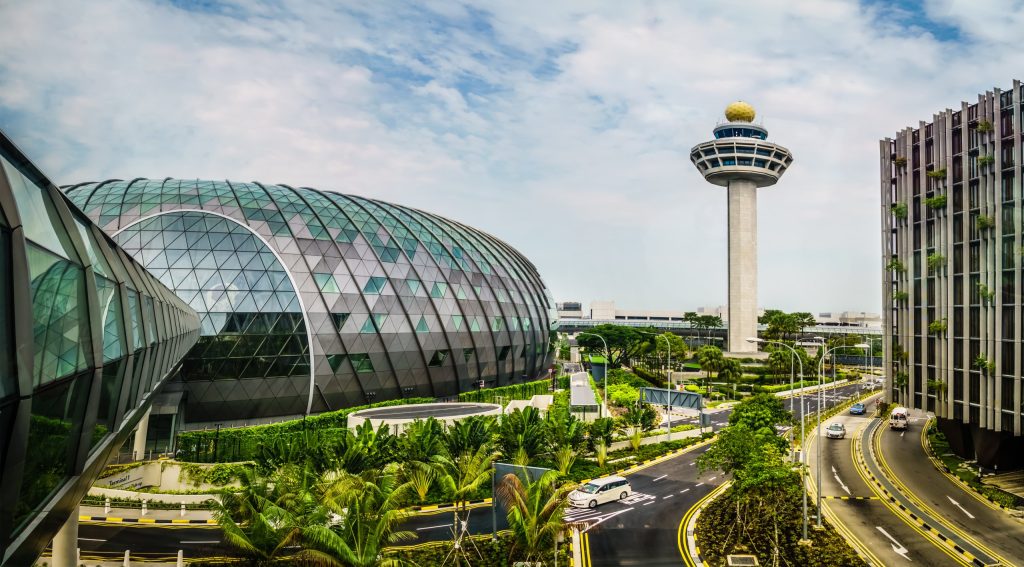
Singapore’s Changi Airport Group (CAG) has awarded a major construction contract valued at S$999 million to a joint venture between Japan’s Penta-Ocean Construction and Singapore’s Koh Brothers Building and Civil Engineering Contractor (KBCE). The agreement marks a significant milestone in the development of Terminal 5 (T5), a cornerstone of the Changi East expansion project. Announced on Tuesday (10 June), the contract covers the design and construction of underground tunnels that will form a vital part of the infrastructure supporting T5. This includes the development of two automated people-mover systems—reminiscent of the airport’s current Skytrain—as well as state-of-the-art baggage-handling systems to streamline passenger movement and luggage transfers across the terminal. The multi-year project, which follows the recent groundbreaking ceremony for T5, is expected to span over four years. The tunnels will also house a common services conduit for essential utilities such as electrical power, communication infrastructure, and water systems. In addition, the project scope includes the construction of a ventilation facility and built-in provisions for potential future underground expansion. Terminal 5, which is scheduled to be operational by the mid-2030s, is poised to be a transformative addition to Singapore’s air transport landscape. It will be equivalent in size to Terminals 1 through 4 combined and is designed to accommodate approximately 50 million passengers annually. Upon completion, it will expand Changi Airport’s overall capacity by more than 55 per cent—from 90 million to 140 million passengers per year. “This contract award represents a critical step forward in the realisation of Terminal 5 and the broader Changi East vision,” said Ong Chee Chiau, Managing Director for Changi East at CAG. “We are pleased to collaborate with Penta-Ocean Construction and KBCE, whose robust track records make them ideal partners for this project.” Penta-Ocean Construction has played an instrumental role in Changi Airport’s history, dating back to the 1970s with land reclamation works that enabled the original airport development. More recently, it undertook ground improvement and land preparation works from 2014 to 2020 in support of both T5 and the third runway extension. KBCE, a longstanding CAG partner, was previously involved in the construction of a stormwater retention pond—critical for flood prevention—and development works that facilitated three-runway operations, executed through a separate joint venture. The wider Changi East development spans 1,080 hectares and includes the construction of the third runway—expected to be operational by late 2027—alongside new cargo complexes and aviation support infrastructure. As passenger traffic across the Asia-Pacific region is projected to double by the 2040s, the added capacity at T5 is expected to position Singapore as a leading global aviation hub for decades to come. Prime Minister Lawrence Wong officiated the groundbreaking for T5 on 14 May, describing the endeavour as a “bold move” to ensure Singapore’s continued competitiveness as a key air transport node. Currently linked to over 170 cities, Changi aims to expand its global connectivity to more than 200 cities with the advent of T5. To support the expected surge in traffic, T5 will include a second control tower and an integrated ground transport centre—a first for Changi Airport—that will interconnect the Thomson-East Coast and Cross Island MRT lines, as well as bus, taxi, and other transport services. Construction is set to ramp up significantly in the coming years, with peak activity anticipated around 2029. -The Nation

News

DP World Confirms Interest in Backing Thailand’s 1 Trillion Baht Land Bridge Project

Dubai-based global logistics provider DP World has expressed its readiness to proceed with a landmark investment in Thailand’s land bridge initiative, according to a senior official at the country’s Ministry of Transport. A source within the ministry confirmed that Chayatan Phromsorn, the ministry’s permanent secretary, recently chaired a high-level meeting with DP World executives to discuss the company’s intention to participate in the project, which is valued at approximately 1 trillion baht. The meeting signified a continuation of earlier dialogues aimed at bolstering the Southern Economic Corridor and improving the strategic freight link between the Gulf of Thailand and the Andaman Sea. DP World has also requested further engagement with Transport Minister Suriya Jungrungreangkit, underlining its ongoing interest in aligning with Thailand’s long-term logistics and infrastructure vision. While no additional joint investment has been proposed at this stage, DP World is currently undertaking an in-depth analysis of the project’s technical and financial requirements. This evaluation is expected to inform the company’s investment strategy and commitment going forward. The project, overseen by the Office of Transport and Traffic Policy and Planning (OTP), is set to be implemented in four structured phases: Phase 1, valued at approximately 522 billion baht, will focus on the foundational infrastructure, including the development of Ranong Port (with a planned capacity of 6 million TEUs) and Chumphon Port (4 million TEUs), as well as a new railway line and a four-lane motorway. Construction is scheduled to commence in 2028 and conclude by 2030. Phase 2, estimated at 164 billion baht, will concentrate on expanding port capacities—Ranong Port to 12 million TEUs and Chumphon Port to 8 million TEUs—and upgrading the motorway to six lanes. This phase will begin in 2032 and conclude in 2033. Phase 3 will see an additional 228 billion baht invested to further increase port throughput, with Ranong Port targeted to handle 20 million TEUs and Chumphon Port 14 million TEUs by 2035. Construction will commence in 2034. The final phase, valued at 85.1 billion baht, aims to complete the expansion of Chumphon Port to 20 million TEUs and develop the Single Rail Transfer Operator (SRTO) facility. Work is scheduled to begin in 2036 and be finalised by 2038. The Transport Ministry’s confirmation of DP World’s involvement marks a significant step forward for one of Southeast Asia’s most ambitious infrastructure ventures, aimed at positioning Thailand as a critical logistics hub for regional and global trade. -The Nation

News

Singapore IPO Market Gains Traction Amid US$5 Billion Revival Effort

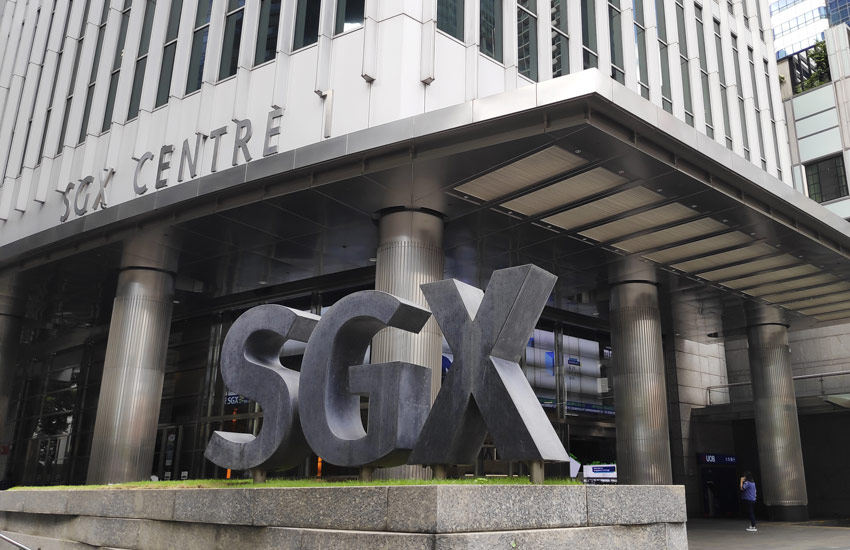
SINGAPORE: Corporate interest in listing on the Singapore Exchange (SGX) is witnessing a marked resurgence, driven by a US$5 billion capital infusion initiative aimed at breathing life into the local equities market. Several high-profile listings are already in progress. SAC Capital, a corporate finance advisory firm, is currently handling multiple deals, including the highly anticipated spin-off of Yangzijiang Maritime and the reverse takeover (RTO) involving Sincap and Skylink Apac—both targeted for SGX listing within 2025. This follows earlier announcements: SGX-listed Yangzijiang Financial in April revealed its intention to carve out its maritime business into a separately listed entity, while Sincap Group announced plans to acquire vehicle leasing firm Skylink for S$42.3 million via an RTO, effectively positioning Skylink for a public debut. SAC Capital’s Chief Executive, Ong Hwee Li, confirmed the firm is also advising two to three additional IPO candidates in sectors ranging from event management and real estate services to natural resources, with planned listings in 2026. “We are receiving more listing inquiries—around one to two per month—from companies in sectors such as construction, F&B, technology, and finance,” Ong said in an interview with The Straits Times. “There is clear renewed interest in IPOs.” According to Ong, SAC Capital’s IPO pipeline is now fully subscribed, buoyed by a noticeable uptick in investor participation during the book-building phase, compared with 2024. Book building is a key phase where investors indicate demand for shares at various price points, enabling advisers to determine optimal pricing ahead of listing. At the core of this revival is a Monetary Authority of Singapore (MAS)-led programme to deploy US$5 billion in seed capital to Singapore-based funds. These funds are mandated to invest in local equities outside of the benchmark Straits Times Index (STI), which currently tracks the performance of the top 30 largest and most liquid SGX-listed firms. Announced in February, this strategic capital deployment is part of broader measures to reinvigorate the domestic stock market and has attracted substantial interest from global fund managers. The MAS has indicated that shortlisted investment strategies will be finalised by September, with funds likely to be deployed before the end of 2025. This renewed institutional support appears to be catalysing broader listing interest. In early June, Bloomberg reported that Link REIT, a Hong Kong-based property trust, is exploring an SGX listing for a REIT comprising properties outside China and Hong Kong. Japan’s Nippon Telegraph and Telephone has also indicated plans to float its data centre REIT in Singapore, as disclosed in its May earnings report. Further strengthening the trend, Reuters reported in May that at least five firms from mainland China and Hong Kong are pursuing IPOs, dual listings, or share placements in Singapore over the next 12 to 18 months. These include a Chinese energy firm, a healthcare group, and a Shanghai-based biotech company. Meanwhile, SGX-HK dual-listed LHN Group revealed plans in April to spin off its co-living business, Coliwoo Group, for a mainboard listing on SGX. Centurion Corp also announced in January its exploration of a REIT listing tied to its worker and student accommodation portfolio. In the same month, US-based AvePoint, listed on Nasdaq, filed for a secondary SGX listing. If these plans materialise, they will provide a welcome lift to the SGX, which saw just four IPOs in 2024—marking an all-time low. To date, only one notable listing has taken place in 2025: automotive group Vin’s Holdings, currently trading at US$0.29, marginally below its IPO price of US$0.30. Ong noted that a critical factor in the long-term success of new listings lies in post-listing trading dynamics. Many IPOs, especially those listed on Catalist, often suffer from constrained liquidity due to tightly held share floats. While this limited availability may spur short-term price momentum, it often results in insufficient market depth once sentiment wanes. To enhance trading activity and shareholder diversity, SAC Capital actively promotes retail participation by allocating ATM tranches during IPOs. These tranches allow retail investors to subscribe via bank ATMs, a move Ong says encourages more frequent trading and a healthier post-listing market environment. -The Strait Times

Scroll to Top

Subscribe
FREE Newsletter