international

News

Amazon Launches Infrastructure Region in Taiwan

Amazon has officially launched the AWS Asia Pacific (Taipei) Region, significantly expanding its global cloud infrastructure footprint. The new region will enable developers, enterprises, startups, and organisations across various sectors—including education, entertainment, finance, healthcare, manufacturing, and the nonprofit space—to run applications with reduced latency and meet data residency requirements by hosting content within Taiwan. In support of this long-term initiative, Amazon has committed to investing more than USD 5 billion to build, connect, operate, and maintain its data centres in Taiwan. The launch marks a key milestone in Amazon Web Services’ (AWS) global infrastructure expansion, bringing the total to 117 Availability Zones across 37 regions worldwide. The Taipei Region comprises three Availability Zones, and AWS has plans to add 13 more zones and four additional regions in Chile, New Zealand, Saudi Arabia, and the AWS European Sovereign Cloud. Prasad Kalyanaraman, Vice President of Infrastructure Services at AWS, stated that the new region will empower organisations of all sizes to scale confidently using AWS’s extensive portfolio of cloud services. These include compute, storage, advanced analytics, and artificial intelligence, all while maintaining compliance with local regulations. Kalyanaraman added that the infrastructure is designed to deliver single-digit millisecond latency, enhancing user experiences and accelerating innovation. Taiwan’s Premier, Mr Jung-tai Cho, welcomed the investment, noting that it underscores Taiwan’s vital role in the global supply chain and reinforces the country’s collaboration with AWS. He expressed optimism that the initiative would support national efforts in digital transformation and foster innovation in cloud computing and emerging technologies. Amazon’s latest launch builds upon a decade of infrastructure development in Taiwan. Since 2014, AWS has introduced Amazon CloudFront edge locations and AWS Direct Connect sites in Taipei, in addition to launching AWS Outposts in 2020 and AWS Local Zones in 2022. The new Taipei Region is sovereign-by-design and aims to meet the most stringent requirements for security, reliability, and performance. The region will benefit local organisations such as TSMC, Acer, Trend Micro, Cathay Financial Holdings, Chunghwa Telecom, and Yahoo! TW Ecommerce, among others. AWS Partners in Taiwan include CKmates, eCloudvalley, Going Cloud, MetaAge Corporation, Netron Ltd., and NextLink Technology. Amazon is also investing in talent development through programmes like AWS Academy, AWS Educate, and AWS Skill Builder. To date, over 200,000 individuals in Taiwan have received cloud training, contributing to the nine million trained across Asia Pacific and Japan since 2017. AWS plans to further expand its local workforce to support the new region. The company continues to pursue its sustainability goals, with AWS data centres engineered for energy efficiency through innovations in design, purpose-built chips, and cooling technologies. A study by Accenture estimates AWS’s infrastructure is up to 4.1 times more energy-efficient than traditional on-premises data centres, with potential carbon footprint reductions of up to 99% when workloads are optimised on AWS. With the launch of the AWS Asia Pacific (Taipei) Region, customers across Asia Pacific can now leverage world-class infrastructure to meet increasing demand for secure, reliable, and low-latency cloud services, helping drive growth, efficiency, and innovation in a digitally transforming region. -BusinessWire


ESG

Singaporean Firms Target Renewable Energy Investments in the Philippines

Singaporean companies are exploring opportunities to invest in renewable energy projects in the Philippines, Prime Minister Lawrence Wong confirmed during his official visit to Manila. Speaking at a joint press briefing with Philippine President Ferdinand Marcos Jr following their bilateral discussions on Wednesday, Prime Minister Wong highlighted a mutual commitment to enhancing cooperation in the clean energy sector. “We agreed on the importance of expanding our collaboration in renewable energy,” Wong said, underlining the city-state’s strategic interest in the Philippines’ evolving energy landscape. President Marcos reaffirmed Singapore’s role as a key partner in the country’s energy transition, emphasising ongoing efforts to broaden the Philippines’ energy mix. He also noted that the two nations are working towards a bilateral agreement focused on health cooperation, indicating broader collaboration beyond the energy sector. The Philippines continues to position itself as a major player in Southeast Asia’s clean energy transition. The government has introduced policy reforms and eased restrictions on investment to attract both local and international investors into the renewable energy space. -Bloomberg

News

BYD Plans Major South African Expansion with Dealership Network Set to Triple

Chinese electric vehicle manufacturer BYD is set to significantly expand its footprint in South Africa, with plans to nearly triple its dealership network by next year, as part of a broader strategy to strengthen its position in Africa’s largest automotive market. The company, which made its South African debut in 2023 with the launch of its battery electric ATTO 3 model, currently operates approximately 13 dealerships across the country. According to Steve Chang, General Manager of BYD Auto South Africa, that number is expected to increase to 20 by the end of this year, with further growth to between 30 and 35 dealerships targeted for 2025. This strategic expansion comes amid increasing competition in South Africa’s emerging new energy vehicle (NEV) segment, where other Chinese automakers such as GAC, Chery, and GWM are also gaining traction. The market is witnessing a gradual shift towards electrification, driven by rising consumer interest and a broader global transition towards sustainable mobility. BYD currently offers six models to South African consumers, with a dual-powertrain approach that includes both hybrid and fully electric vehicles. Its latest additions to the market — the plug-in hybrid Shark pick-up, the hybrid SEALION 6, and the fully electric SEALION 7 SUV — were introduced in April, enhancing the brand’s appeal across a diverse customer base. The expanded dealership network is expected to bolster brand visibility and accessibility across South Africa, a country that remains in the early stages of electrified vehicle adoption. According to the National Association of Automobile Manufacturers of South Africa (NAAMSA), sales of new energy vehicles more than doubled in 2024, reaching 15,611 units compared to 7,782 units the previous year. Despite this growth, NEVs still account for a relatively small share of overall car sales. Chang emphasised BYD’s commitment to being a long-term player in the market, stating the company’s intention to educate consumers and lay the groundwork for broader adoption. “We want to educate and cultivate the market of South Africa and make sure that the South African consumers can catch up with the rest of the world,” he said. He acknowledged that the uptake of electric vehicles in Africa remains slow when compared to other emerging markets, due in part to challenges such as limited charging infrastructure, unstable electricity supply, and high import duties on electric vehicles relative to traditional combustion-engine cars. Nevertheless, BYD remains optimistic. “South Africa is actually one of the most important automotive markets in the southern hemisphere. It’s probably the biggest market in all of Africa, so it’s a market that we have to look at and see how we can develop,” Chang added. With a growing model line-up and a strengthened retail presence, BYD is positioning itself to play a key role in shaping the future of electric mobility in South Africa. -Reuters

News

China Launches Five-Year Multi-Entry ASEAN Visa to Deepen Regional Business Ties

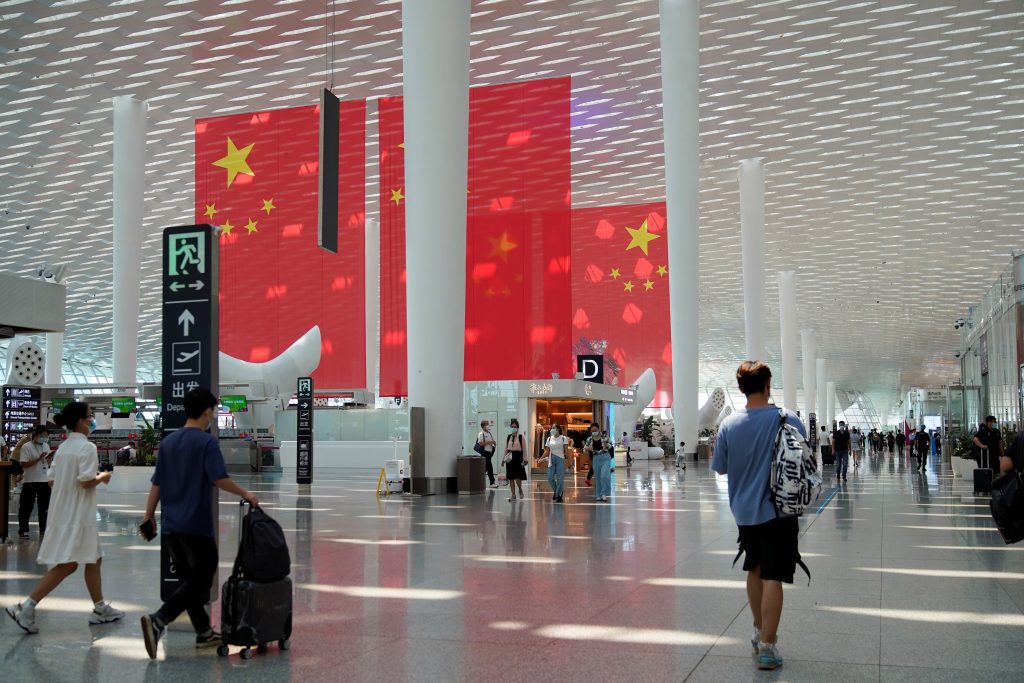
China has officially introduced a new multiple-entry visa scheme tailored for business travellers from the 10 ASEAN member nations, as well as ASEAN observer Timor-Leste, the Ministry of Foreign Affairs announced on Tuesday, 3 June. The initiative, dubbed the “ASEAN visa”, enables eligible individuals from Southeast Asian countries to enter China multiple times over a five-year period, with each stay permitting a duration of up to 180 days. The visa also extends to accompanying spouses and children. The ASEAN countries covered under this new arrangement include Indonesia, Malaysia, the Philippines, Singapore, Thailand, Brunei, Vietnam, Laos, Myanmar, and Cambodia. Timor-Leste, a formal observer of ASEAN, is also included. This strategic move comes amid China’s broader efforts to facilitate regional travel and deepen cross-border economic engagement. “With frequent visits between the people of China and Southeast Asian countries, the new scheme aims to further facilitate cross-border travel in the region,” said Foreign Ministry spokesperson Lin Jian during a press briefing. The ASEAN visa complements several bilateral visa-free agreements already in place. China currently maintains reciprocal visa-free travel arrangements with Singapore, Thailand and Malaysia, allowing citizens to visit each other’s countries for up to 30 days without a visa. These agreements have contributed to a surge in regional mobility since their respective inceptions, including the Singapore-China visa-free policy that commenced in February last year. This latest scheme builds upon the “Lancang-Mekong visa”, which was introduced in November 2024. That programme provides five-year multiple-entry business visas, with a stay of up to 180 days, for nationals from Cambodia, Laos, Myanmar, Thailand and Vietnam—five countries along the Mekong River. In a broader effort to boost inbound tourism and international engagement, China has expanded its visa-free access globally. As of 1 June, a pilot policy has been implemented granting unilateral visa-free entry to citizens from several Latin American countries, including Brazil, Argentina, Chile, Peru and Uruguay. Additionally, visa-free entry has recently been extended to all member states of the Gulf Cooperation Council (GCC). China reported a significant uptick in foreign arrivals in early 2025, with over 9 million international visitors recorded in the first quarter—a year-on-year increase exceeding 40%, according to official figures. “The growing list of nations granted visa-free entry into the country reflects China’s strong commitment to advancing high-level opening up,” Lin said. “The continuous optimisation of measures to facilitate cross-border personnel exchanges underscores China’s concrete efforts to help build an open world economy.” He added that China remains committed to refining its entry policies and expanding the number of countries eligible for visa-free travel, as part of a wider strategy to attract global visitors and promote its rich array of products and services. -CNA

News

K-Beauty Startups Expand US Retail Presence Amid Tariff Concerns

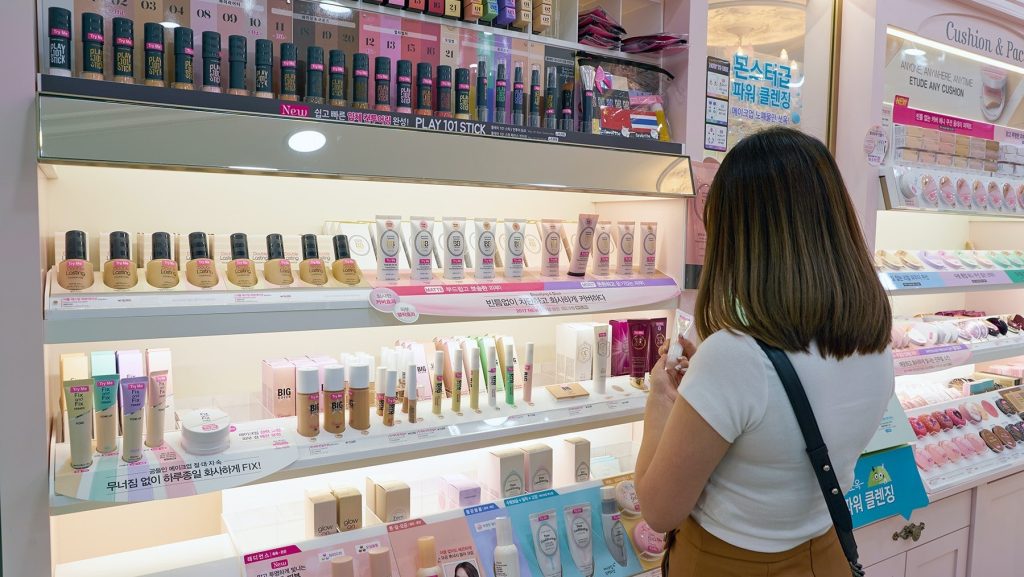
South Korean beauty startups, buoyed by robust online sales in the United States, are accelerating their physical retail expansion in the world’s largest consumer market, betting that strong brand appeal and quality will outweigh rising tariff concerns. Emerging brands such as Tirtir, d’Alba, Torriden, and Beauty of Joseon are in discussions with major US retailers to stock their products in physical stores, according to company executives interviewed by Reuters. This strategic pivot underscores the confidence K-beauty players have in their ability to maintain momentum in a dynamic and highly competitive market. Korean beauty products, widely recognised for their quality, affordability and savvy digital marketing, have risen on the back of South Korea’s wider cultural influence — often referred to as the ‘K-wave’. Music, film, and television successes like BTS and Parasite have paved the way for consumer interest in Korean lifestyle exports. “In the US, interest in South Korea had already been growing. Korean cosmetics entered at the right moment. The quality is high, but prices remain competitive against legacy luxury brands like Estée Lauder and L’Oréal,” said An Byung-Jun, CEO of Tirtir. Tirtir saw its US profile surge last year following the viral popularity of its cushion foundation tailored for darker skin tones. The product is slated to be available at select Ulta Beauty stores this summer. An added that the company is targeting a twofold increase in US sales this year. Retailers including Sephora, Ulta Beauty, Costco, and Target are currently engaged in talks with Korean cosmetics firms to expand their offerings to physical store locations, according to more than a dozen industry sources including executives, CEOs, and market analysts. Many Korean brands remain optimistic that they can weather tariff headwinds more effectively than global peers, due in part to their lean operational models. A significant number outsource manufacturing to firms like Cosmax and Kolmar—often referred to as the “Foxconns of fast beauty”—to minimise production costs. In 2024, South Korea surpassed Germany to become the world’s third-largest exporter of beauty products, following only France and the United States. Export volume accounted for 80% of the nation’s $13 billion cosmetics output, largely propelled by e-commerce channels. The growing interest is also visible at the consumer level. “They go straight to the point to fix what your skin needs,” said 25-year-old Yuliet Mendosa, a US tourist in Seoul and fan of K-pop group BTS, while browsing an Olive Young store. Expanding Amid Global Trade Uncertainty The US expansion effort comes amid ongoing global trade uncertainty triggered by the tariff regime introduced under former President Donald Trump. While this has raised concerns among exporters, Korean executives maintain that solid demand and brand equity will offset potential losses. Olive Young, South Korea’s leading beauty retailer, is preparing to open its first US store in Los Angeles later this year, confirmed Jin Se-hoon, Executive Vice President of the company’s global platform business. “California is currently the largest customer base for our global online platform,” Jin stated, acknowledging that tariffs are a concern but not a deal-breaker. The US market push also reflects a strategic pivot following a downturn in exports to China, previously the largest overseas destination for Korean beauty products. This decline has been attributed to escalating geopolitical tensions and intensified market competition. Skincare label d’Alba—owned by newly listed d’Alba Global—is currently negotiating with Costco, Ulta Beauty and Target to expand its physical presence. The brand is known for its vegan-certified mist serums and sunscreens. Meanwhile, luxury retailer Sephora, part of LVMH, is preparing to introduce two Korean brands—Torriden and Beauty of Joseon—into its US stores this summer, according to a company spokesperson. While the current 10% tariff is “endurable,” Tirtir’s CEO An noted that a proposed 25% levy expected in July may prompt slight price adjustments. The South Korean government is actively pursuing tariff exemptions in bilateral trade discussions with Washington. Jung Jun-ho, strategy team leader at The Founders—maker of skincare line Anua—believes Korean brands retain an edge. “Our operating profit margin was over 30% last year, giving us flexibility to absorb cost increases,” he said. Anua products became available in Ulta Beauty stores this year. Digital Success Sets the Stage for Physical Growth In 2024, South Korea overtook France as the top exporter of cosmetics to the United States, according to official statistics. The shift was driven largely by surging e-commerce sales, especially through platforms such as Amazon. Market data from Euromonitor reveals that the five top-performing Korean cosmetics brands in US e-commerce—including Beauty of Joseon, Medicube and Biodance—have collectively recorded an average online sales growth of 71% over the past two years. In comparison, the top five French brands posted only 15% growth, while the overall US market expanded by 21%. Social media continues to be a powerful driver of this growth. “A single viral TikTok post or influencer endorsement can turn a product into an international bestseller before it’s even sold overseas,” said South Korea-based beauty marketer Odile Monod. Nonetheless, experts warn that long-term success will hinge on building offline visibility and in-store availability. Jason Kim, CEO of cosmetics distributor Silicon2, said that physical retail presence is now crucial for brand sustainability. Some early signs of market saturation are beginning to emerge. COSRX, a startup now under cosmetics giant AmorePacific, is reportedly seeing sales growth flatten amid intensifying competition and the rise of lower-cost alternatives. Still, investor sentiment remains positive. Shares of d’Alba Global have more than doubled since their market debut last month. “The K-beauty wave is powerful,” said Kim. “But indie brands must prepare for the challenges ahead.”

News

Citigroup to Cut 3,500 Tech Jobs in China Amid Global Restructuring Drive

HONG KONG : Citigroup Inc has confirmed plans to reduce its workforce by approximately 3,500 employees across its two China-based technology centres in Shanghai and Dalian. The move forms part of a broader global restructuring strategy aimed at streamlining technology operations and enhancing risk and data management. The reduction, primarily affecting full-time positions, is expected to be finalised by the beginning of the fourth quarter of 2025. While the bank has not disclosed how many roles will be relocated, it noted that some functions will transition to other Citi technology hubs globally. The decision follows an earlier reduction of around 200 information technology contractor roles in China, as first reported in May. In March, Citi internally announced a significant shift away from contractor reliance, revealing plans to onboard thousands of new full-time IT employees. This came in the wake of regulatory scrutiny and penalties relating to data governance and operational controls. Citi’s latest move reflects similar workforce adjustments across other markets, including the United States, Indonesia, the Philippines, and Poland, under its enterprise-wide transformation initiative. The technology and services division in China plays a critical role in delivering financial technology and operational support to Citi’s global businesses. Despite the planned headcount reduction, the bank reaffirmed its long-term commitment to the Chinese market. “Citi continues to pursue the establishment of a wholly owned securities and futures company in China,” said Marc Luet, Head of Banking for Japan, Asia North, and Australia. He further emphasised Citi’s dedication to serving both its corporate and institutional clients in China, supporting their cross-border requirements, and enabling international clients’ operations within the country. Following the reduction, Citi will maintain an approximate workforce of 2,000 in China, including several hundred within its technology unit, according to a source familiar with the matter. -Reuters

News

Grab Enters Taxi Market with GrabCab, Targets Dormant Licence Holders

Grab’s newest venture into the taxi sector, GrabCab, is set to launch in Singapore this July with an initial fleet of 40 hybrid vehicles, marking the ride-hailing giant’s official entry into the traditional street-hail market. Rather than competing directly with existing taxi companies for drivers, GrabCab is targeting a largely untapped pool: new and inactive Taxi Driver’s Vocational Licence (TDVL) holders. The company, a subsidiary of Grab Rentals and sister to GrabCar, announced on Wednesday that driver recruitment efforts have already garnered interest from between 700 and 800 individuals. Of these, approximately 400 to 500 drivers are currently being shortlisted based on their possession of a valid TDVL. GrabCab is not pursuing drivers from rival firms, said Mr Victor Sim, Head of GrabCab and GrabRentals. “There’s a very big pool of drivers that we believe we want to reactivate, that we can reactivate with our benefits and offerings … that’s a big focus for us,” he stated. The company will begin appointment scheduling for pre-registered drivers from 5 June, with open registration commencing on 9 June. This move follows GrabCab’s approval as Singapore’s sixth licensed taxi operator, as announced by the Land Transport Authority (LTA) in April. The entrance of GrabCab—alongside established names such as CityCab, CDG, Prime, Strides, and Trans-cab—is expected to broaden options for both drivers and commuters, thereby bolstering the supply of taxis. At launch, GrabCab will operate a fully green fleet comprised exclusively of low- and zero-emission hybrid Toyota Prius cars in a distinctive dark green livery. In line with regulatory standards, each vehicle will be equipped with a Mobile Data Terminal (MDT), commonly known as a taxi meter, showing fares and driver details. The Grab app will integrate seamlessly with the MDT via a QR code scan at the start of each shift, syncing trip data across both systems and the taxi’s rooftop indicator. Drivers will have the flexibility to toggle between street-hail and ride-hail assignments through the Grab app. From the commuter’s perspective, fares will remain consistent with current market rates. The starting fare will be S$4.60 for standard 4-seaters, and S$4.80 for both 4-seater electric vehicles and 6-seater cars. Fare increments will follow a structure of S$0.26 every 400m up to 10km, and every 350m thereafter, along with 45-second waiting charges. Although GrabCab has been granted a three-year grace period to scale its operations to a minimum of 800 taxis, Mr Sim confirmed that the company does not intend to wait until the final year to reach that benchmark. “We want to scale up corresponding to driver demand … we will do it sustainably,” he said. Additional driver-oriented features include a relief matching system within the Grab app to ease the process of finding substitute drivers during shift changes. Among the range of benefits GrabCab drivers can expect is a safe driving bonus of S$1,000 awarded annually for those with no at-fault accidents. A performance-based “GrabStreak” incentive will reward drivers with an additional 1 per cent bonus on monthly fares for completing between 500 to 700 trips. Fuel discounts will also be available—up to 40 per cent at Caltex stations and up to 25 per cent at electric charging partners including SP, Charge+, Volt, and Shell. Medical leave entitlements include 14 days for the first 100 drivers and up to S$500 in medical credits, with extended medical and hospitalisation coverage also in place. Drivers will benefit from the ability to cash out fares instantly via the app. Rental fees for vehicles will start competitively at S$117 per day, aligning with rates across the sector. Furthermore, the first 100 drivers to commit will receive welcome bonuses of S$1,888 for a 12-month term or S$3,888 for a 36-month term. GrabCab is also covering up to S$400 in TDVL application costs, which includes training, application, and medical examination expenses. Responding to industry speculation that GrabCab could disrupt the existing operator ecosystem, Mr Sim reiterated that the company’s intent is not to poach drivers but to address a national supply shortage. “If the driver is already driving with another taxi company, and he comes to us … we are not going to turn him away,” he said. “But at the end of the day, it’s back to our acquisition plan—our focus is on new TDVL holders and TDVL holders that have gone dormant.” He added that ride-hailing demand is projected to grow significantly in the coming years, creating a need for more consistent and reliable transport options. “When you think about taxis, you think of a sunset industry … so it seems counterintuitive for Grab to launch a taxi business,” Mr Sim said. However, he emphasised that taxis remain relevant, particularly during high-demand periods like post-concert surges, where Grab’s current platform struggles to ensure consistent supply. New regulatory measures introduced earlier this year are also expected to level the competitive playing field between ride-hail and taxi operators. These include allowances for taxi companies to convert used vehicles into taxis, provided they are less than five years old. Importantly, GrabCab’s launch does not signal a shift in focus away from other taxi partnerships within the Grab ecosystem. Mr Sim confirmed that the platform will continue to support bookings with other taxi companies and has no intention of prioritising GrabCab rides over existing partners. “Our aim here is to grow the pie, not to split the pie, or take some away from (other operators),” he concluded. -CNA

News

Komeito to Propose 5% Food Tax Cut in Bid to Tackle Japan’s Cost-of-Living Crisis

TOKYO : Japan’s junior coalition partner, Komeito, is poised to unveil a proposal to reduce the consumption tax rate on food items from the current 8% to 5%, as part of its campaign platform for the upcoming upper house election in July, according to a report by the Yomiuri Shimbun. The full pledge is expected to be formally announced on Friday. The initiative aims to provide immediate relief to households grappling with rising living expenses, with the party also set to advocate for direct cash payments. A Komeito official, speaking on condition of anonymity, confirmed to Reuters that the proposed tax cut would feature prominently in the party’s policy platform. Unlike previous fiscal stimulus plans that relied heavily on debt issuance, Komeito intends to finance the proposed measures through anticipated gains in tax revenues. A draft of the campaign pledge, obtained by Yomiuri, suggests that the party is seeking to maintain fiscal discipline amid a challenging economic backdrop. Currently, Japan imposes a consumption tax of 8% on food and 10% on other goods and services. Revenues from the tax are primarily allocated to support the nation’s ballooning social welfare costs, exacerbated by a rapidly ageing population. Komeito’s proposal could increase pressure on Prime Minister Shigeru Ishiba and the ruling Liberal Democratic Party (LDP) to take additional fiscal action ahead of the election. While the LDP has so far resisted calls—particularly from opposition parties—to reduce the consumption tax, citing concerns over fiscal sustainability, the introduction of such a measure by a coalition partner may compel a policy reconsideration. Government finances remain a key concern, especially as the Bank of Japan signals a potential upward shift in interest rates. Rising yields on super-long-term government bonds last month reflect investor unease over Japan’s towering public debt burden and the increasing cost of servicing it. -Reuters

Property

CDL to Sell US$2.1 Billion South Beach Stake to IOI Properties to Reduce Debt

City Developments Ltd (CDL) has agreed to offload its majority interest in one of Singapore’s most recognizable office developments, as part of efforts to cut debt and restore investor confidence in the aftermath of a high-profile family dispute.   According to a person familiar with the matter, CDL will divest its 50.1% stake in the South Beach development to its current minority partner, IOI Properties Group Bhd. The Malaysian property developer will become the sole owner of the prime commercial asset once the deal is finalized. “The deal values the complex at about S$2.75 billion (US$2.1 billion),” the source said, requesting anonymity due to the private nature of the information. A representative from IOI declined to comment on the transaction, and CDL did not immediately respond to an emailed inquiry. CDL’s shares rose approximately 1.6% prior to a trading halt early Wednesday, pending an official announcement. The planned divestment comes amid mounting pressure on CDL to pare down its asset portfolio following internal turbulence that split the Kwek family—Singapore’s wealthiest clan. Though ties have since been mended between CDL Chairman Kwek Leng Beng and his son, CEO Sherman Kwek, the episode shook investor sentiment. In April, Sherman Kwek acknowledged the damage to shareholder confidence and emphasized that “reducing the growing debt load is a priority.” The sale will contribute significantly to CDL’s goal of exceeding last year’s asset disposal total of around S$600 million, which fell short of its original S$1 billion divestment target. South Beach, located in Singapore’s central business district, is a mixed-use development comprising a 34-story office tower, a 45-story JW Marriott Hotel, and accompanying retail space. Designed by the acclaimed Norman Foster-led architecture firm, the site has seen several changes in ownership over the years. CDL originally acquired the land parcel in 2007 for nearly S$1.69 billion, alongside two international partners—Dubai World Corp and El-Ad Group Ltd. The global financial crisis delayed construction, prompting the partners to exit, with IOI later acquiring a minority stake in 2011. A 2023 biography noted that the elder Kwek had resisted granting IOI an equal stake at the time, determined to retain control over the project. IOI’s acquisition of South Beach will further entrench its presence in Singapore’s property market. The Malaysia-listed firm, controlled by the Lee family—whose fortune stems from the palm oil industry—also owns residential developments and the newly launched IOI Central Boulevard Towers, a prominent office complex in the city center. Despite its prestige, South Beach has faced some leasing headwinds. Major tenant Meta Platforms Inc vacated seven floors in the office tower last year. As of March, occupancy stood at 92.4%, down from 94.4% at the end of 2024. -Bloomberg

News

Thailand Urged to Build Innovation Ecosystem as Key Growth Engine

Senior business leaders and policy experts are calling for Thailand to accelerate the development of a robust innovation ecosystem capable of producing rapid, tangible results to revitalise economic growth.   Speaking at a recent Thailand Science Research and Innovation (TSRI) dinner talk under the theme “Igniting Thailand’s GDP through the STI Fund”, Kris Chantanotoke, Chairman of the TSRI Board and Chief Executive of Siam Commercial Bank, emphasised that innovation should not be reduced to mere technological advancement. Rather, it must be embedded within a cohesive innovation system underpinned by clear goals, strategic collaboration and economic relevance. “Innovation is not just about technology — it’s about creating an effective system that can drive economic transformation,” Mr Kris stated. He warned that Thailand’s economy remains vulnerable and is unlikely to achieve GDP growth beyond 2% annually in the foreseeable future. Strategic Reorientation Needed Mr Kris highlighted a critical misalignment in Thailand’s current research and development strategy, which focuses primarily on inputs such as publication volume and aims to raise R&D spending to 2% of GDP by 2027. In contrast, other nations like Canada are targeting economic impact directly, with plans to generate US$50 billion in value through leadership in artificial intelligence over a decade. “Research activity is booming like mushrooms, but the application of innovation to solve real-world problems remains limited,” he said. “We need to move from disbursing funds to designing systems that drive real economic results.” He advocated a sharper focus on high-potential sectors aligned with Thailand’s strengths in natural resources and skilled labour. These include medical tourism and wellness, automotive, electronics, and food and agriculture — each with its own value chain that can deliver measurable outcomes. Mr Kris also pointed to external headwinds, including trade tensions and falling tourism, which are undermining the country’s economic base. Thailand remains heavily reliant on exports to the United States, which account for 18% of total trade, while household debt levels remain elevated. In terms of innovation output, Mr Kris cited a stark contrast in patent activity: Thailand registered only 11 resident patent applications per million people in 2023, compared with 274 in Singapore, 1,079 in China, 1,839 in Japan and 3,696 in South Korea. Enhancing Investment and Talent Ecosystems Kobsak Pootrakool, Executive Vice-President of Bangkok Bank, echoed the call for structural reform, urging Thailand to leverage its geographical location, infrastructure, and integrated supply chains to attract greater investment flows into Southeast Asia. He called for the development of a new talent ecosystem geared towards emerging sectors, particularly semiconductors, while also attracting foreign experts. This should be accompanied by continued investment in physical and digital infrastructure, modernisation of supply chains, regulatory reform, and improved ease of doing business. Mr Kobsak also emphasised the importance of upgrading traditional sectors and creating new strategic industries, including fintech, agritech, and climate technology. Delivering Real-World Impact Somkiat Tangkitvanich, President of the Thailand Development Research Institute, cautioned that reliance on export-led growth is increasingly unsustainable amid global protectionism, citing shifts in U.S. trade policy. He stressed that innovation must now become the engine of economic opportunity. He urged researchers to pursue projects that are both economically and commercially viable, citing examples from Japanese universities that, while not globally top-ranked, produce impactful research such as genetic profiling for athletes, matcha green tea innovation, and marine biology breakthroughs. “To deliver impact, research must produce results in a timely manner,” Mr Somkiat said. He called for rigorous assessments of market potential, technological feasibility, and financial viability — including revenue and profitability forecasts. Sompong Klaiyananwasuang, Director of TSRI, reiterated the organisation’s commitment to serving as a national platform that bridges academic research with practical application, ensuring that innovation drives measurable, sustainable progress. -Bangkok Post

Scroll to Top

Subscribe
FREE Newsletter