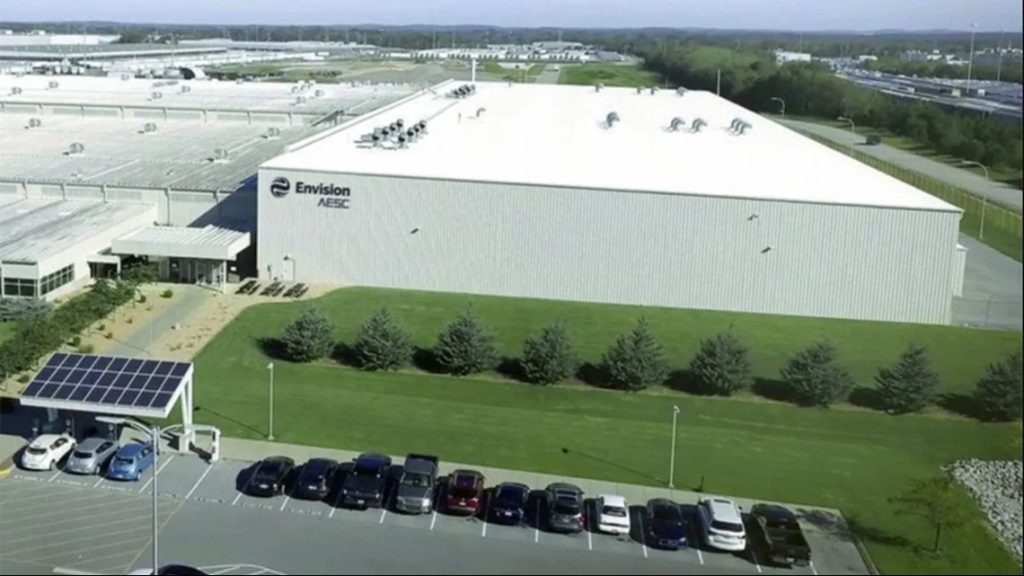
AESC, a Japanese battery manufacturer, has announced a temporary halt to construction of its $1.6 billion electric vehicle (EV) battery plant in Florence, South Carolina, citing ongoing policy and market uncertainty in the United States. The company, which is a key supplier for BMW’s EV production, did not elaborate on the specific challenges it is facing. However, South Carolina Governor Henry McMaster pointed to concerns over the potential loss of federal tax incentives for EV buyers, the broader impact of shifting EV-related subsidies, and tariff uncertainties under the trade policies proposed by former President Donald Trump. “What we’re doing is urging caution — let things play out because all of these changes are taking place,” Governor McMaster stated. AESC confirmed the decision in a corporate statement issued on Thursday, noting that while construction will pause, the company remains committed to its long-term investment in the state. “Due to policy and market uncertainty, we are pausing construction at our South Carolina facility at this time,” the statement read. The company has already invested $1 billion in the project and reaffirmed its commitment to invest a total of $1.6 billion and to create 1,600 jobs. AESC did not specify a timeline for when construction would resume. In addition to its operations in Japan, AESC maintains battery production facilities in China, the United Kingdom, France, Spain, and Germany. In the United States, it currently operates a plant in Tennessee and is developing another in Kentucky. The company did not report any disruptions at these other locations. The South Carolina plant is designed to supply battery cells to BMW, which is building a battery assembly facility near its automotive manufacturing hub in Greer. BMW confirmed that its plans to open the plant in 2026 remain unchanged despite the construction delay by AESC. This is not the first adjustment to AESC’s plans in the region. The company had initially announced a second facility on the Florence site, but later revised its projections, stating that a single plant would suffice to meet BMW’s demand. As a result, South Carolina officials rescinded $111 million in state assistance tied to the now-cancelled second plant. Nevertheless, AESC is still receiving significant support from the state, including $135 million in grants from the South Carolina Department of Commerce and $121 million in bonds. The department confirmed that the temporary pause in construction would not affect the current incentive agreements. South Carolina has aggressively pursued EV investment in recent years. Volkswagen-owned Scout Motors is planning a $4 billion facility in the state, which is expected to generate 10,000 jobs and begin production of new electric SUVs by 2027. The state’s economic strategy has long relied on attracting foreign manufacturers such as BMW, Michelin, and Samsung, which have collectively contributed to a significant economic upswing over the past two decades. However, renewed concerns around the potential imposition of high tariffs by the Trump administration are creating a sense of unease regarding the future stability of these partnerships. Governor McMaster sought to allay concerns, noting ongoing discussions between state leaders and federal officials. “I think the goal of the president and the administration is to have robust economic growth and prosperity, and there is no doubt there has to be changes made in our international trade posture, and President Trump is addressing that,” he told reporters. -Japan Today