international

Energy & Technology

Meta Set to Invest Over US$10 Billion in Scale AI to Strengthen Data Capabilities

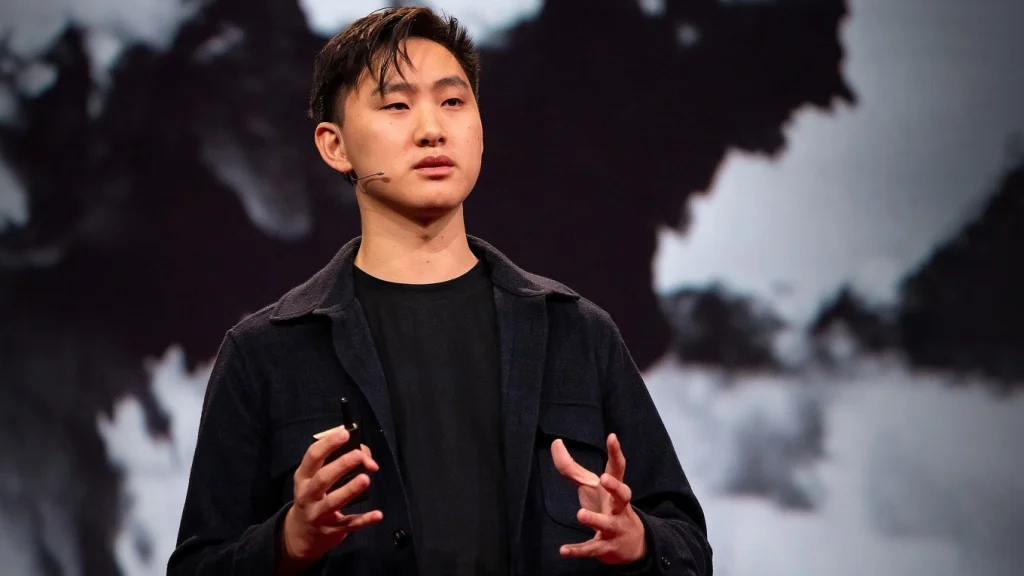
Meta Platforms Inc is reportedly preparing a multibillion-dollar investment in Scale AI, a leading data infrastructure firm at the heart of artificial intelligence (AI) development. The potential deal, which may exceed US$10 billion (RM42.35 billion), would mark one of the largest private funding rounds in history and solidify Scale’s position as a cornerstone of the AI ecosystem. Founded by 28-year-old Alexandr Wang, Scale AI has become a critical player in the AI supply chain, focusing on one of the three foundational elements of the technology—data—alongside computing power and talent. Wang, who recently testified before Congress, urged US lawmakers to support a national AI data reserve, ensure sufficient energy for data centres, and avoid a fragmented state-level regulatory landscape. His influence in both technological and policy circles is rapidly growing. Although less widely known than OpenAI’s Sam Altman, Wang shares a similar trajectory. Both founded their companies nearly a decade ago and foresaw the coming wave of AI innovation. Like OpenAI, which secured a landmark investment from Microsoft, Scale has emerged as a pivotal enabler of next-generation AI. The company, most recently valued at US$14 billion in 2024, had already attracted Meta’s backing during a prior funding round. Scale’s evolution reflects the broader transformation of the AI sector. Originally focused on labelling images for autonomous vehicles, the company now curates vast volumes of textual data that underpin large language models such as ChatGPT. These models require immense datasets to train algorithms capable of emulating human reasoning. While Scale has faced criticism over its labour practices—particularly its reliance on low-paid contractors in countries like Kenya and the Philippines—Wang has defended the firm’s compensation levels, stating in 2019 that workers were paid within the 60th to 70th percentile of local wages. More recently, a spokesperson noted that the US Department of Labor had closed an investigation into the company’s labour practices. As synthetic, AI-generated data becomes more prevalent, Scale has adapted by enlisting highly qualified contributors. The company now employs professionals with PhDs, MBAs, law degrees and other advanced qualifications to guide AI through reinforcement learning techniques. These experts construct complex problem sets that help improve model performance in domains such as medicine, law, and international tax compliance. By early 2025, 12% of Scale’s workforce involved in model refinement held PhDs in fields like molecular biology, while over 40% held postgraduate degrees in various disciplines. The strategic use of expert-led training is helping Scale address the growing demand for sophisticated, human-like AI capabilities, particularly in the wake of the Chinese firm DeepSeek’s emergence as a major competitor in early 2025. Revenue at Scale has soared alongside the industry’s expansion. The company generated approximately US$870 million in 2024 and is projecting to more than double that figure to US$2 billion this year, according to Bloomberg News. Scale has also strengthened its ties with the US government, particularly in the defence sector. Wang, known for his strong stance on US-China tech competition, has become increasingly engaged with lawmakers concerned about national security. Michael Kratsios, a former Scale executive, now advises President Donald Trump on AI policy, underscoring Scale’s influence in Washington. For Meta, a deeper partnership with Scale represents both a technological and strategic advantage, allowing it to compete more effectively with rivals like OpenAI and Google while also expanding its footprint in defence-related AI. For Wang, the investment signifies a symbolic milestone. He once recounted that his entrepreneurial aspirations were fuelled by The Social Network, the film chronicling Facebook’s early days—bringing the Meta connection full circle. -Bloomberg
News

BYD Sparks Industry Reckoning Amid Mounting Pressure on China’s EV Sector

The escalating price war in China’s electric vehicle (EV) market, driven largely by industry leader BYD Co., is triggering profound repercussions, prompting mounting concern from Beijing. As market forces shift and overcapacity intensifies, the sector faces a period of painful realignment, with authorities scrambling to stabilise a rapidly deteriorating competitive landscape. Despite Chinese regulators’ efforts to curb further price erosion, analysts caution that softening demand and excessive production capacity—currently operating at just 49.5% according to data from the Gasgoo Automotive Research Institute—will severely compress margins even for top-tier brands and potentially eliminate weaker competitors altogether. The number of EV manufacturers has already begun to decline, yet the market remains oversaturated. Beijing has responded with rare direct intervention, criticising what it terms “rat race competition” and summoning major automaker executives to a meeting last week. However, past attempts to temper the price spiral have faltered. BYD, which stands to benefit most from market consolidation, has seen a dramatic market value drop of $21.5 billion since its share price peak in late May, underscoring investor unease. John Murphy, senior automotive analyst at Bank of America, described the situation in China as “disturbing,” highlighting the dangerous combination of weak demand and steep discounting. He predicted a wave of industry consolidation as companies seek to rationalise capacity and survive a volatile pricing environment. Relentless price competition is eroding profit margins, weakening brand equity, and pushing even financially robust players into unsustainable positions. The Communist Party’s People’s Daily has warned that a race to the bottom in pricing and quality could tarnish the global perception of Chinese-made cars, just as brands like BYD, Geely, Zeekr and Xpeng are beginning to earn international recognition. From the consumer standpoint, falling prices may appear advantageous, but they conceal longer-term risks. The unpredictability of pricing is undermining buyer confidence, with complaints surfacing on Chinese social media about the futility of buying now when cheaper deals may appear in weeks. Additionally, pressure to cut costs may lead to compromises in vehicle safety, quality, and after-sales service. At the recent meeting in Beijing, automakers were urged to “self-regulate,” with explicit instructions not to sell below cost or engage in excessive discounting, according to individuals familiar with the discussions. Officials also addressed the controversial practice of selling zero-mileage vehicles into the second-hand market—a tactic viewed as an artificial boost to reported sales figures. Chinese carmakers have embraced price cutting more aggressively than their foreign rivals. Murphy suggested that U.S. automakers might be better off exiting the market altogether, citing the high risks involved. “Tesla probably needs to be there to compete with those companies and understand what’s going on, but there’s a lot of risk there for them,” he said. There is little ambiguity about who is leading the price cuts. “It’s obvious to everyone that the biggest player is doing this,” said Jochen Siebert, managing director at JSC Automotive. He accused BYD of attempting to monopolise the market by undercutting rivals, raising red flags over dumping practices, supply chain pressures, and dealership sustainability. An April report from consultancy AlixPartners highlighted a wave of emerging competition among new energy vehicle manufacturers. In 2024, the industry witnessed its first recorded brand consolidation, with 16 NEV-focused companies exiting the market and only 13 launching. “The Chinese automotive market, despite its vast scale, is expanding at a slower rate,” noted Ron Zheng, partner at Roland Berger. “Capturing market share must now take precedence.” The turbulence is affecting firms across the spectrum. Jiyue Auto, backed by Geely and Baidu, began cutting production and seeking fresh capital barely a year after launching its first vehicle. AlixPartners consultant Zhang Yichao noted that smaller players may not have the luxury of staying out of a price war once leaders like BYD make aggressive moves. He also pointed out that low production utilisation, exacerbated by export challenges, is fuelling competition. As China looks abroad to absorb its surplus capacity, export markets offer limited relief. “The U.S. market is completely closed, and Japan and Korea may soon follow suit if they see a wave of Chinese imports,” Siebert said. “Russia, the largest export destination last year, is becoming increasingly difficult. Southeast Asia, too, no longer presents viable opportunities.” Cost pressures are raising alarm about supply chain financing practices. A late-2024 demand by BYD for supplier price reductions drew scrutiny over the company’s financial health. GMT Research reported BYD’s actual net debt at 323 billion yuan ($45 billion), vastly exceeding the 27.7 billion yuan officially recorded as of June 2024. The financial strain is also rippling through the dealership ecosystem. Since April, two dealership groups selling BYD vehicles in separate provinces have collapsed. This is not the first time Beijing has attempted to impose a ceasefire. In mid-2023, 16 major automakers—including Tesla, BYD, and Geely—signed a pledge brokered by the China Association of Automobile Manufacturers (CAAM) to refrain from abnormal pricing. Yet within days, CAAM retracted one of the key clauses, citing antitrust concerns, and discounting resumed unabated. As the price war deepens, China’s electric vehicle market appears headed for a transformative reckoning, with only the most agile and well-capitalised players likely to emerge intact. -Bloomberg

News

Singapore to Block Octa and XM Platforms for Breaching Financial Regulations

Singapore authorities have announced that access to the websites of two overseas online trading platforms, Octa and XM, will be blocked from 20 June following regulatory breaches. The decision was disclosed in a joint statement by the Singapore Police Force and the Monetary Authority of Singapore (MAS) on Friday, 6 June. Both platforms were found to be offering financial trading services, including leveraged foreign exchange, commodities, indices, and equities trading, to Singapore-based customers without the required licences under the Securities and Futures Act (SFA). These activities constitute a direct contravention of the Act. According to the authorities, a Capital Markets Services (CMS) licence is mandatory for any entity conducting business in capital market products within Singapore. Investigations revealed that Octa and XM not only provided unauthorised trading services but also actively marketed them to individuals in Singapore. Octa is operated by Octa Markets and Uni Fin Invest, reportedly incorporated in the Union of Comoros and Mauritius, respectively. XM is operated by XM Global, which is purportedly based in Belize. None of these entities holds the necessary authorisation to deal in capital markets products and are therefore not permitted to offer such services to Singapore persons. The joint statement emphasised that this prohibition applies even to entities based outside Singapore if their services are solicited to Singapore residents or if there is a significant number of Singapore-based users. The content available on the platforms’ websites has been deemed prohibited under Singapore’s Internet Code of Practice. Consequently, from 20 June onwards, users in Singapore will be unable to access Octa and XM through local Internet Access Service Providers. Consumers with active accounts will lose access to these platforms via Singapore-based networks. The MAS and the police have urged the public to engage only with licensed financial service providers listed in MAS’ Financial Institutions Directory. They warned that unregulated trading platforms, particularly those headquartered overseas, present a higher risk of fraud due to the lack of transparency and difficulty in verifying the legitimacy of their operations. Such platforms often offer limited avenues for dispute resolution and may require customers to make payments via credit or debit cards, thereby increasing the risk of unauthorised transactions. The authorities confirmed that they will continue coordinated efforts to restrict access to unlicensed foreign trading services. In a statement to CNA on Monday, Octa acknowledged the regulatory requirements and affirmed its intention to comply. The platform stated that it is working towards establishing a legally compliant presence in the regions it serves and is engaging with regulators, legal counsel, and other relevant stakeholders to align with local legislation. Octa added that it adheres to international policies designed to protect client funds and prevent illicit activities, and is currently prioritising the security of its Singaporean clients’ assets. -CNA

News

Money20/20’s Vision for Asia: Inclusive, Open, and Interconnected

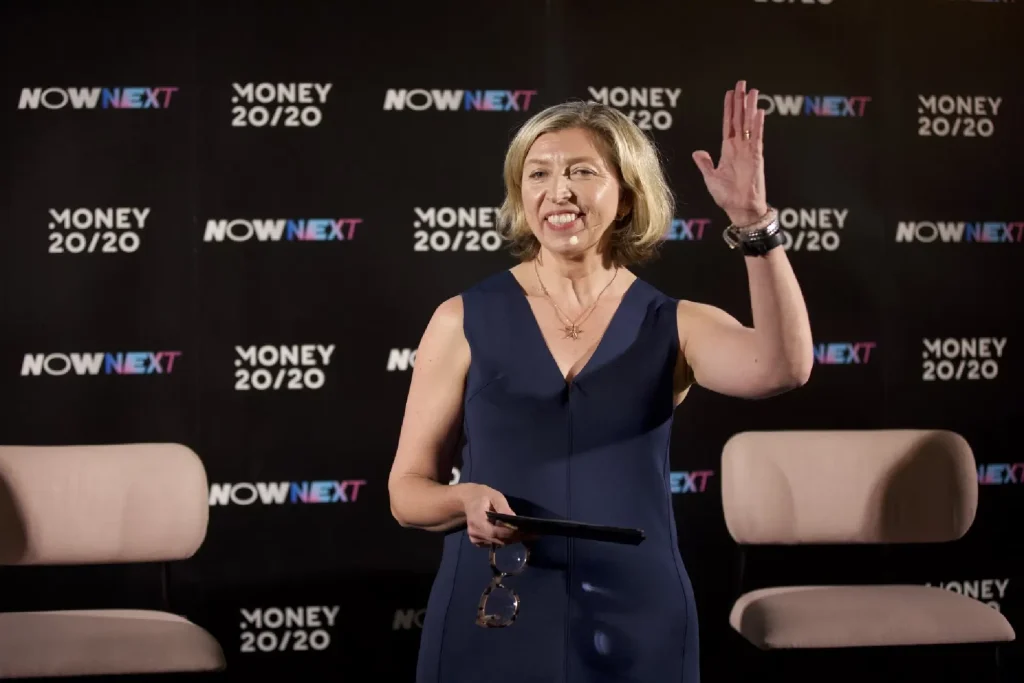
The financial landscape in Asia is shifting rapidly—and at the heart of this transformation lies the evolution of cloud-based payments. Tracey Davies, Global President of Money20/20, shares how Asia’s fintech ecosystem is scaling, innovating, and pushing the boundaries of digital finance while grappling with fragmentation, inclusion, and security.   “Asia’s cloud payments ecosystem is evolving fast,” Davies observes. “Mobile wallets are booming in Southeast Asia, and real-time payment systems like Singapore’s PayNow and Thailand’s PromptPay are now mainstream.” She points to regional initiatives such as Project Nexus and QR code interoperability frameworks as pivotal in boosting cross-border connectivity. While growth is undeniable—digital payments are projected to account for 94% of Southeast Asia’s e-commerce transactions by 2028—scalability remains uneven. “Markets like Singapore are leading, while others are still ramping up,” Davies explains. “Scalability is improving, but fragmentation across markets is still a key challenge.” That fragmentation, rooted in regulatory diversity, is a hurdle that fintech players must navigate carefully. “Scaling cloud payments responsibly in Asia really comes down to collaboration and adaptability,” she says. With progressive regulatory sandboxes in places like Singapore contrasted against stricter environments in emerging markets, Davies believes the way forward lies in “building regional partnerships” and “adopting common standards like open banking APIs or dynamic QR codes to bridge the gaps.” Money20/20’s expansion into Asia has placed Davies in a unique position to observe the trends shaping the fintech community. One theme, she says, is crystal clear: “AI is dominating. Around 80% of financial institutions in APAC are using it for things like fraud detection and personalisation.” She also notes the rapid embedding of fintech into e-commerce platforms and super-apps like Gojek and Grab, while security innovations—such as biometric authentication—are becoming a focus. “Companies like Visa and Tencent are trialling palm and facial recognition tech,” she adds. But technology alone doesn’t guarantee financial inclusion. Davies underscores the region’s persistent gaps: “Southeast Asia still has around 290 million unbanked individuals.” She believes bridging this divide requires a multi-layered approach. “AI-driven credit scoring can bridge the gap by leveraging non-traditional data sources like telco usage to evaluate creditworthiness,” she says. She also highlights the role of government-backed digital ID systems such as Malaysia’s MyDIGITAL in simplifying KYC processes and boosting trust. Above all, she stresses that “collaborations with local fintechs are essential to lower onboarding costs and ensure solutions are contextually relevant.” Banks and traditional players, too, are feeling the push toward transformation. For leaders overseeing digital infrastructure shifts, Davies has clear advice: “The starting point should be modular architecture, cloud-native, and API-first platforms that allow for greater agility and faster innovation.” Emphasising the need to reskill workforces for long-term growth, she adds: “There’s a growing need for expertise in AI, cybersecurity, and cloud engineering.” Security remains a critical concern—and one Davies believes must evolve in tandem with innovation. “Balancing innovation with trust starts by embedding AI-driven defences into cloud infrastructure,” she notes. “Tools like Gen AI can detect and respond to threats in real time, making security more proactive than reactive.” On a regional level, she sees promise in “shared frameworks for threat intelligence,” particularly those developing under ASEAN cybersecurity initiatives. Beyond the technological and structural shifts, Davies is passionate about driving social change in fintech leadership. Through initiatives like RiseUp and Do.Better.Together, Money20/20 champions gender equity and inclusion. “RiseUp is particularly resonating with the industry as it addresses the crucial need for diverse leadership in Asia’s rapidly growing fintech sector,” she shares. The programme connects participants with mentorship, content, and a global network. “We are helping them create tangible pathways for career advancement and professional growth,” she says. There’s progress—but the journey is far from complete. “The representation of women in fintech leadership has shown positive growth, increasing from just 4% in 2010 to around 30% today,” Davies explains. Still, she calls for “more systematic and sustainable changes,” including industry benchmarks, accountability measures, and visibility for successful female leaders who can act as role models. As Money20/20 Asia solidifies its presence in the region, its mission remains clear. “Our long-term vision is to help shape a more inclusive, open, and connected financial future across Asia,” Davies says. Impact isn’t measured merely by conference attendance. “We measure impact by the partnerships formed, deals initiated, and ideas brought to life. It’s about moving from conversation to action.” So what’s next for Asia’s cloud payments ecosystem? Davies offers a bold forecast: “By 2030, we’ll see a unified cross-border payment network emerge across ASEAN+ markets, powered by blockchain and CBDCs. This will enable real-time settlements, slash transaction costs, and most importantly bring more SMEs into the regional digital economy in a way that simply hasn’t been possible before.” From innovation to inclusion, Davies’s outlook reveals a region not only on the cusp of transformation—but actively leading it.

The Executives

Izzana Salleh to Succeed as CPOPC Secretary General with Dr Musdhalifah Machmud as Deputy from June 2025

The Council of Palm Oil Producing Countries (CPOPC) has announced the appointment of Izzana Salleh as its next Secretary General, with Dr Musdhalifah Machmud named Deputy Secretary General. Their three-year terms will commence in June 2025 and run until May 2028. The leadership transition was unveiled during a press conference at the CPOPC Secretariat in Jakarta, signalling a new chapter as the organisation accelerates its global advocacy for sustainability, equity, and collaboration within the palm oil sector. Speaking virtually from Kuala Lumpur, Izzana expressed her commitment to strengthening regional cooperation, aligning sustainability standards, and elevating the role of smallholders in global value chains. “I’m honoured to lead CPOPC at a time when the voices of producing countries must be stronger than ever,” she said. “We will ensure palm oil, as responsibly and sustainably produced by our member countries, is recognised globally as a force for good, while supporting livelihoods, food and energy security, and climate action.” Izzana brings a wealth of experience in policy and international engagement. A graduate of Harvard University, she is a trustee of the Malaysian Palm Oil Council, founder of RISE Human Capital, and co-founder of the global mentorship network Girls for Girls. Her appointment follows the tenure of Dr Rizal Affandi Lukman, who, alongside Deputy Secretary General Datuk Nageeb Wahab, played a critical role in expanding CPOPC’s international presence. Their leadership was instrumental in navigating complex negotiations with the European Union, redefining strategic priorities, and promoting sustainable practices while defending the rights of smallholders. “This is not the end, but a continuation,” Dr Rizal said. “I’m confident that with the leadership of Izzana and Musdhalifah, CPOPC will move forward with renewed energy to meet the challenges and opportunities ahead.” Established in 2015 by Indonesia and Malaysia, CPOPC has grown to include Honduras and Papua New Guinea as full members. Observer countries include Colombia, Ghana, Nigeria, and the Democratic Republic of the Congo. Collectively, these nations account for nearly 89 per cent of global palm oil production, positioning the council as a key player in shaping international policy and sustainability frameworks. -Bernama

News

Yageo Commits to Technology Safeguards in Pursuit of Shibaura Acquisition

Taipei/Tokyo: Taiwan’s Yageo Corporation has committed to implementing stringent technology protection measures should its acquisition of Japan’s Shibaura Electronics be successful. The announcement comes in response to growing concerns in Japan surrounding the implications of the deal on national security. Chairman Pierre Chen, speaking to reporters in Taipei on Saturday, confirmed that the company is scheduled to meet Shibaura representatives in Tokyo in mid-June to explore avenues for potential cooperation. Yageo, the world’s largest manufacturer of chip resistors, initiated an unsolicited tender offer for Shibaura Electronics in February. The Japanese firm is recognised for its expertise in thermistor technology, which complements Yageo’s existing portfolio. The initial offer of ¥4,300 per share valued Shibaura at over ¥65 billion (approximately $450 million). Shibaura declined the offer and instead aligned with Japanese components supplier Minebea Mitsumi, sparking a bidding war. Yageo has since raised its offer to ¥6,200 per share, while Shibaura’s stock closed at ¥6,100 on Friday. Chen outlined Yageo’s strategy to inject capital and enhance research and development capabilities in Japan. He also signalled plans for increased investment to expand Shibaura’s local facilities. Addressing Japan’s national security concerns, Chen emphasised Yageo’s commitment to strict controls to prevent any leakage of sensitive technology. He also noted that discussions with Japan’s Ministry of Economy, Trade and Industry have been progressing smoothly. The acquisition, if successful, would fill a critical gap in Yageo’s thermistor offerings, strengthening its ability to serve global customers. The integration would also facilitate Shibaura’s expansion into international markets, according to Chen. Yageo aims to reduce the operational complexity faced by major clients, including Apple and Nvidia, by offering a more comprehensive suite of components and solutions. In addition to leading the global chip resistor market, Yageo is the third-largest producer of multilayer ceramic capacitors and supplies essential components for Apple’s iPhones, Nvidia’s AI servers, and Tesla’s electric vehicles. -Reuters

News

Mark Tucker to Rejoin AIA as Chairman After Leading HSBC Through Strategic Overhaul

Mark Tucker, Chairman of HSBC Holdings, is set to step down from the bank and return to the insurance sector as Chairman of AIA Group, marking the end of a transformative tenure at one of the world’s largest financial institutions. The move, announced by both companies on Friday, will see Tucker formally exit HSBC by 30 September and assume his new role at the Hong Kong-headquartered AIA on 1 October. Tucker previously served as Chief Executive and President of AIA between 2010 and 2017, a period during which he led the company through a successful public listing and established his reputation as a seasoned leader in the insurance industry. His return to AIA comes at a pivotal time as the insurer intensifies its focus on growth in mainland China and Hong Kong, while also maintaining a significant presence across 18 other Asian markets including Thailand, Singapore, Malaysia, Indonesia, South Korea, and a joint venture in India. During his eight-year term at HSBC, Tucker steered the Asia-focused bank through a period of intense geopolitical tension and sweeping internal restructuring. He played a central role in strategic decisions amid increasingly complex dynamics between China, the United States and the United Kingdom. Under his leadership, HSBC underwent significant cost-cutting measures and reshaped its operations to sharpen its focus on Asia, where the bank continues to generate the majority of its revenues and profits. Tucker, who joined HSBC in 2017 as its first externally appointed Chairman, worked with four Chief Executives and was instrumental in the selection of three. His tenure was marked by efforts to expand the bank’s footprint in China and counter pressure from major shareholders such as Ping An Insurance, which in 2023 advocated for a spin-off of HSBC’s Asian operations—a proposal later rejected at the bank’s annual meeting. His succession plan at HSBC is already in motion. Brendan Nelson, Chair of the Group Audit Committee and a former KPMG partner, will serve as Interim Chairman from 1 October. Nelson brings extensive experience from previous roles as an independent non-executive director on UK-listed boards, including BP and NatWest. The bank’s Senior Independent Director, Ann Godbehere, confirmed that the search for a permanent chairman is actively underway. Tucker will remain available as a strategic adviser to Group Chief Executive Georges Elhedery and the board throughout the transition. Tucker will succeed Edmund Sze-Wing Tse as Chairman of AIA. His deep expertise in Asia and the insurance sector is expected to strengthen AIA’s competitive position, particularly in its core markets of Hong Kong and China. Market reaction to the announcement was mixed, with AIA shares gaining 1.8% while HSBC’s Hong Kong-listed shares dipped by 0.3%. The broader Hang Seng Index declined by 0.2%. Tucker’s departure coincides with his nearing the end of the UK corporate governance code’s recommended nine-year term limit for board chairs, making the timing of his transition aligned with governance best practices. -Reuters

News

Jakarta Moves to Finalise EU Trade Agreement Amid US Tariff Pressures

JAKARTA: Indonesia has announced its intention to conclude its free trade agreement negotiations with the European Union by the end of June, marking the possible end of nearly a decade of discussions. Chief Economic Minister Airlangga Hartarto revealed the development following a high-level meeting with European Commissioner for Trade Maros Sefcovic in Brussels on Tuesday. “Indonesia and the European Union have agreed to conclude outstanding issues and we are ready to announce a conclusion of substantial negotiations by the end of June 2025,” Airlangga stated. However, he did not elaborate on the specific terms or progress achieved in the latest round of talks. EU Ambassador to Indonesia Denis Chaibi responded by noting that “negotiations are ongoing and substance will determine timing,” and assured that further details would be shared once a formal outcome is reached. The European Union is currently Indonesia’s fifth-largest trading partner, with bilateral trade totalling US$30.1 billion in 2024. Indonesia recorded a trade surplus of US$4.5 billion during that period, underscoring the strategic importance of the agreement. Negotiations have previously encountered challenges, particularly regarding EU regulations on products linked to deforestation, which could impact key Indonesian exports such as palm oil. Disputes have also arisen over Jakarta’s policy on the export ban of raw minerals. Indonesia is accelerating its trade negotiations to diversify export markets in the face of growing trade uncertainties with the United States. The country is currently subject to a 32 per cent tariff rate under measures introduced by the Trump administration aimed at addressing global trade imbalances. These “reciprocal” tariffs are presently paused until July. -Reuters

News

OCBC Offers S$900 Million to Fully Acquire Great Eastern in Delisting Proposal

Great Eastern has announced its proposal to delist from the Singapore Exchange, following an acquisition offer from its majority shareholder, Oversea-Chinese Banking Corporation (OCBC), amounting to S$900 million (approximately US$700 million). The move was disclosed in a joint statement and official filings on Friday, 6 June. OCBC, Singapore’s second-largest lender, is seeking to acquire the remaining 6.28 per cent stake in Great Eastern that it does not already own. The offer, priced at S$30.15 per share, represents a 17.8 per cent premium over a previous offer made in May 2024 at S$25.60 per share. At this revised price, Great Eastern is valued at S$14.27 billion. Trading in Great Eastern shares has been suspended since 15 July 2024 after the company’s public float fell below 10 per cent, triggered by OCBC’s earlier acquisition of an 11.56 per cent stake. As of this latest development, OCBC holds a 93.72 per cent interest in the insurer. However, this still falls short of the ownership threshold required to initiate a compulsory acquisition or effect a delisting without minority shareholder approval. According to the joint statement, EY, acting as the independent financial adviser, has assessed the latest offer to be both fair and reasonable. OCBC has stated that it does not intend to revise the terms of the offer. This marks OCBC’s fourth attempt to fully acquire Great Eastern, with previous bids dating back to 2004. Great Eastern’s proposed delisting is subject to at least 75 per cent approval from minority shareholders. OCBC will abstain from voting on the proposal. In the event that the delisting does not proceed, the company intends to seek shareholder approval for an alternative solution to restore its public float. This would involve a one-for-one bonus issue of new shares, comprising both listed shares with voting rights and non-listed shares without voting rights. Should the bonus issue proceed, OCBC plans to receive the non-voting shares. This would result in a reduction of its shareholding in Great Eastern to 88.19 per cent, thereby facilitating the restoration of public float and a resumption of trading activity. Two entities controlled by Lee Thor Seng and his sons, members of the OCBC founding family, collectively hold nearly 2 per cent of Great Eastern, making them the second-largest shareholders. Other shareholders include Wong Hong Sun and Wong Hong Yen, who together own about 1 per cent, and Palliser Capital, which holds a 0.27 per cent stake and has criticised the offer as unfavourable to shareholders. The Securities Investors Association (Singapore), or SIAS, acknowledged that the revised offer price represents a material increase from the earlier bid. David Gerald, SIAS founder, president and CEO, noted that the final decision now lies with shareholders. However, he expressed disappointment that those who had accepted the initial offer of S$25.60 would not receive any further compensation, having lost the opportunity to realise full value for their holdings. Mr Gerald also highlighted the uncertainty faced by shareholders during the prolonged trading suspension, which has severely restricted their ability to make investment decisions or exit their positions. He urged regulatory bodies to refine existing rules to offer stronger protections for investors in similar scenarios. SIAS is preparing to engage with both Great Eastern and its shareholders to clarify the implications of the proposed resolutions. The organisation has encouraged investors to evaluate the offer based on their individual circumstances and investment goals, noting that the measures put forward aim to bring the insurer back into compliance with Singapore Exchange listing requirements. -Reuters

News

Singapore Firm With China Ties Lays Off 300 Employees Following US Sanctions

A Singapore-based cargo inspection company with ties to China has entered liquidation proceedings and laid off hundreds of employees following its inclusion in a recent round of United States sanctions targeting companies involved in illicit Iranian oil shipments. CCIC Singapore, a wholly-owned subsidiary of Beijing-headquartered China Certification & Inspection Group (CCIC), was among 15 entities blacklisted by the US on 13 May. The firm is alleged to have assisted in obscuring the origin of Iranian oil destined for China, including through document falsification and inspection of sanctioned shipments. According to employees affected by the layoffs, staff across all departments were informed of their termination on 30 May, with immediate effect the following day. The company, which reportedly employed over 400 staff across Singapore and Malaysia, had more than 300 personnel based in Singapore alone. Employees disclosed to CNA that the company had delayed payment of May salaries, citing pending liquidation. Retrenchment notices provided to staff indicated that severance packages would be calculated at two weeks’ salary per year of service. Surveyors, in particular, expressed concern, as their income is heavily reliant on overtime and allowances, with junior staff reportedly earning under S$1,000 per month and senior surveyors between S$1,000 and S$1,500. The firm is not unionised. Several affected individuals have sought assistance from the National Trades Union Congress (NTUC) and the Tripartite Alliance for Dispute Management (TADM). In a statement responding to media queries, Ms Marilyn Chew, Executive Secretary of the Shipbuilding and Marine Engineering Employees’ Union (SMEEU), confirmed CCIC Singapore’s non-union status. Nonetheless, NTUC’s affiliated unions, including SMEEU, are extending support to affected workers. This support includes facilitating claims through TADM and offering access to NTUC’s Employment and Employability Institute (e2i), which provides job matching, career coaching, and skills upgrading. Additional resources include the SkillsFuture Jobseeker Support Scheme, offering up to S$6,000 over six months, contingent on participation in job-seeking activities, as well as the Union Training Assistance Programme to subsidise training costs. CNA has reached out to CCIC Singapore, its parent company in China, and Singapore’s Ministry of Trade and Industry for further comment. Details of US Sanctions and Alleged Violations CCIC Singapore, established in 1989 and registered at Singapore Science Park, counts major energy companies such as Shell, BP, Total, and Exxon Mobil among its clients. Its parent organisation, CCIC, is a Chinese state-owned enterprise under the supervision of the State Council’s State-Owned Assets Supervision and Administration Commission. The US Treasury Department sanctioned the company for allegedly helping Iranian military-linked entity Sepehr Energy conduct oil shipments to China. In 2024, CCIC Singapore is reported to have inspected a 2 million-barrel transfer of Iranian oil and likely falsified documents to present sanctioned cargo as Malaysian crude. The US government asserts that proceeds from Iran’s illicit oil trade support ballistic missile development, drone production, and terrorism financing. The imposed sanctions freeze any US-linked assets and prohibit business interactions with US entities or the financial system. Companies majority-owned by sanctioned entities are also automatically blocked. Employee Discontent Over Communication and Support Displaced workers said they were unaware of the company’s alleged violations until clients began cancelling job orders shortly after the sanctions were announced. Employees voiced frustration over inconsistent internal messaging and the absence of leadership engagement during the crisis. Internal communications show that on 14 May, employees received an email stating that CCIC’s headquarters was committed to supporting operations, with plans to establish a new entity under which staff would be transferred with no disruption to roles or pay. This was followed by another email a day later instructing staff to disregard the earlier message, citing an “internal restructuring initiative” but maintaining that salaries and claims would be honoured. On 16 May, department heads were asked to identify key staff as the company began preparations for downsizing. They were informed that frozen bank accounts meant retrenchment benefits could not be paid. By 23 May, employees were notified that salary disbursement would also be delayed and that the managing director was heading to Beijing for high-level discussions. Retrenchment notices were formally issued on 30 May, indicating that benefits would only be fully paid upon completion of the liquidation process, estimated to conclude by 30 June 2026. Employees have questioned why the firm’s Singapore-based assets could not be liquidated to meet payroll obligations and criticised the lack of support from the parent company in China. One employee expressed disappointment in the leadership, saying, “When your children are in trouble, rightfully, the parents should rescue them. Why aren’t the HQ rescuing us?” -CNA

Scroll to Top

Subscribe
FREE Newsletter