international

News

Philippine Government Orders Takedown of AirAsia Move for ‘Criminal’ Fare Hikes

The Philippine government has ordered a suspension of ticket sales via AirAsia Move, the digital booking platform affiliated with Capital A Berhad and Philippines AirAsia, following allegations of excessive and illegal airfare pricing. The Civil Aeronautics Board (CAB), under the Department of Transportation (DOTr), issued a cease-and-desist order after multiple reports indicated that the platform charged fares significantly above regulatory ceilings. The move comes amid ongoing transport disruptions in Tacloban City, where the temporary closure of a critical bridge has affected road accessibility. Transportation Secretary Vince Dizon, speaking at a press briefing on Monday, confirmed that enforcement agencies have been instructed to take down the AirAsia Move website and initiate legal proceedings. “We will enforce the full weight of the law on online platforms that exploit consumers,” Dizon stated. “We intend to pursue criminal economic sabotage charges against the operators.” Government data revealed that over the weekend, AirAsia Move listed a one-way ticket from Manila to Tacloban City via Philippine Airlines at PHP 77,000 (approximately USD 1,380 or MYR 5,874)—more than three times the price available directly from the airline’s official website. AirAsia Move attributed the incident to “temporary data synchronisation issues with flight pricing partners” and stated that it had immediately raised the matter with its third-party pricing provider. The platform also confirmed it had taken prompt corrective action. Despite the company’s response, regulators remain firm that such pricing breaches represent a serious violation of national fare policies. “What AirAsia Move is doing is criminal,” Dizon said. “This level of pricing is simply unacceptable.” -Bloomberg

News

Hanwha Ocean Partners with Lloyd’s Register to Strengthen Naval Vessel Certification

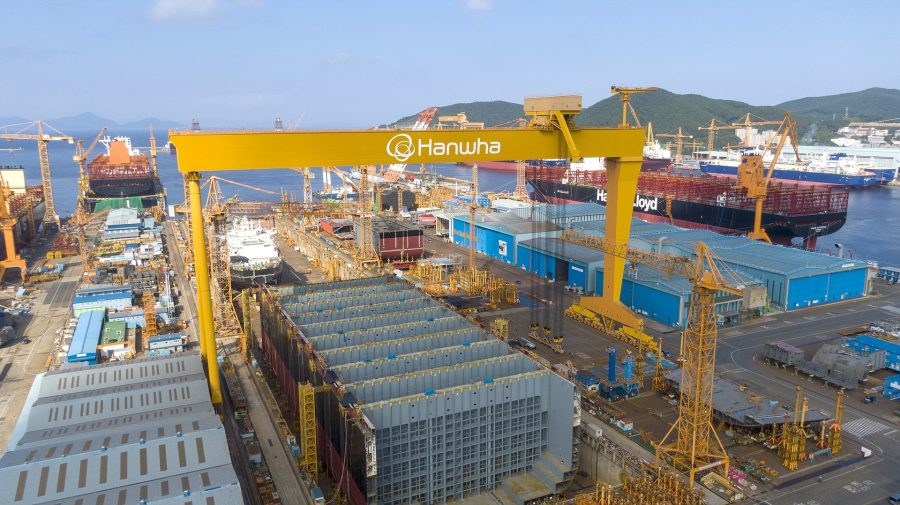
SEOUL: Hanwha Ocean Co., a leading South Korean shipbuilder, has entered into a strategic partnership with British classification society Lloyd’s Register (LR), aiming to strengthen its position in the European naval defence sector. The memorandum of understanding (MoU) was signed on Friday at the International Maritime Defense Industry Exhibition (MADEX) 2025 in Busan. The agreement forms part of Hanwha Ocean’s broader strategy to enhance global competitiveness and compliance with international naval certification standards. The collaboration will enable Hanwha Ocean to integrate LR’s classification requirements—including those aligned with NATO technical standards—from the earliest stages of ship design. By doing so, the company aims to reinforce the safety and credibility of its naval vessels, positioning itself more competitively for contracts from major global navies. Lloyd’s Register, recognised as one of the world’s top three classification societies, brings to the partnership robust expertise in regulatory interpretation, quality assurance, and certification methodologies. The agreement also outlines cooperation on design reviews, quality control protocols, and joint technical marketing campaigns targeting overseas naval clients and governmental bodies. “Through this collaboration with LR, we aim to accelerate our entry into overseas naval markets, particularly in Europe,” Hanwha Ocean stated. -Yonhap

Investment & Market Trends, News

US-China Trade Tensions Spark 2-Month Low in Hong Kong Equities

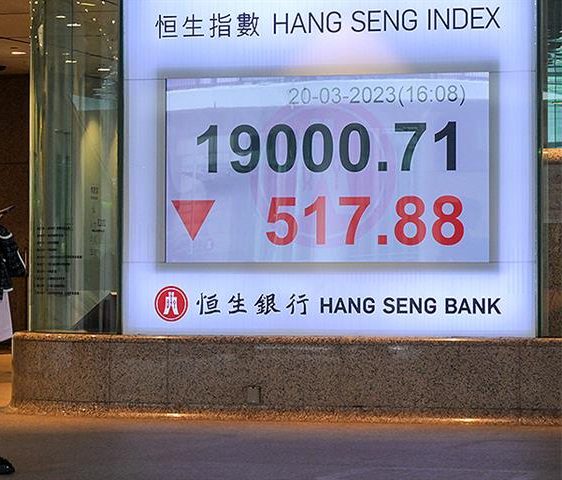
Hong Kong’s equity markets suffered their steepest decline in nearly two months on Monday, driven by renewed geopolitical friction between the United States and China and underwhelming property sector data. The downturn highlights mounting investor unease over the fragile state of global trade relations and domestic economic headwinds. The Hang Seng Index dropped 2.2 per cent to 22,778.45 by the midday trading break, marking its largest single-session loss since 7 April. The Hang Seng Tech Index also declined by 2.4 per cent. Mainland Chinese markets remained closed for the Dragon Boat Festival and are scheduled to resume trading on Tuesday. Market breadth was broadly negative, with 78 of the Hang Seng’s 83 constituents recording losses. Notably, electric vehicle manufacturers led the retreat: Li Auto fell 4.2 per cent to HK$107.60, while BYD declined 3.2 per cent to HK$380.20. Kuaishou Technology, a leading short-video platform, dropped 3.7 per cent to HK$51.35, and Anta Sports Products fell 3.5 per cent to HK$92.15. Conversely, casino operators defied the broader market trend. Sands China gained 1.2 per cent to HK$15.60, and Galaxy Entertainment Group rose 0.8 per cent to HK$33.65. Their uptick came after gaming revenue in Macau climbed 5 per cent year-on-year in May, reaching its highest level since January 2020. The sell-off followed comments from former US President Donald Trump, who accused China of breaching a significant portion of the trade tariff agreement, although he provided no specifics. Market sentiment was further dampened by Washington’s escalating measures targeting China, including export controls on AI-related chips and proposed visa restrictions for Chinese students. Beijing responded on Monday, accusing the US of violating prior commitments made during Geneva talks. “If the US insists on acting unilaterally and continues to harm China’s interests, China will resolutely take strong measures to safeguard its legitimate rights,” a spokesperson from China’s Ministry of Commerce stated. Analysts at Nomura, including Jing Wang, noted that the recent escalation could cast a shadow over trade discussions during the current 90-day truce period. They also warned that the ongoing strategic decoupling between the two nations appears to be accelerating. In the property sector, new figures showed that sales among China’s top 100 developers rose 3.5 per cent month-on-month in May, according to data from China Real Estate Information Corporation. Despite the uptick, the performance fell short of expectations, particularly given that May is typically a strong month for property transactions. Elsewhere across the Asia-Pacific region, Japan’s Nikkei 225 declined 1.6 per cent, while South Korea’s Kospi and Australia’s S&P/ASX 200 each registered losses of 0.3 per cent. -South China Morning Post

News

South Korea Moves to Minimise Impact of Doubling US Steel Tariffs

SEOUL: South Korea’s Ministry of Trade, Industry and Energy has announced its intention to actively engage with US counterparts to address the planned increase in steel tariffs, seeking to cushion the domestic industry from a potential 50% levy on exports to the United States. This response follows US President Donald Trump’s declaration on Friday to double tariffs on imported steel and aluminium—from 25% to 50%—effective Wednesday. The move intensifies global trade tensions and places additional strain on major steel-exporting nations. South Korea, ranked the fourth-largest steel exporter to the US in 2024 after Canada, Mexico, and Brazil, is particularly exposed to these tariff hikes. In an official statement, the ministry confirmed it convened an emergency session with executives from leading domestic steel manufacturers, including POSCO and Hyundai Steel, to formulate a coordinated response. Investor sentiment was immediately affected. On Monday, POSCO and Hyundai Steel shares each declined by 3%, while SeAH Steel Corp saw a sharper fall of 6.3% in early trading. An industry executive, speaking anonymously, noted that exporters have intentionally limited steel shipments to the US to avoid regulatory scrutiny despite favourable price dynamics. “If US steel prices do not rise further, these tariffs will become a substantial burden on Korean exporters,” the executive remarked. Despite the risks, South Korea’s steel exports to the US rose 12% year-on-year in April, reflecting continued demand amid elevated prices. Steel and aluminium tariffs were among the first trade measures reinstated by President Trump upon returning to office, with the initial 25% duties reimposed on 12 March. The US tariffs have driven up domestic steel prices, with downstream effects across sectors such as automotive manufacturing, home appliances, and construction. Trade Talk As a key strategic ally, South Korea has requested tariff exemptions on steel, automotive products, and other key exports during ongoing negotiations with Washington. In April, Seoul agreed to present a trade package before the conclusion of a 90-day tariff suspension in July. However, progress has been impeded by a lack of political leadership in Seoul. Amid these discussions, Hyundai Steel in late March announced plans to build a US$5.8 billion manufacturing facility in Louisiana, a move widely interpreted as an effort to mitigate tariff exposure. The plant is scheduled for completion in 2029. In April, rival firm POSCO entered into a preliminary agreement to take an equity stake in the same project. The South Korean government reiterated its commitment to protect national industrial interests and minimise trade disruption, stating that it will maintain close consultation with both domestic industry stakeholders and US officials in the coming weeks. -Reuters

News

Imports Surge 21.84% as Indonesia’s Trade Surplus Narrows Sharply

Indonesia recorded a significant contraction in its trade surplus in April, registering just $160 million—the smallest monthly surplus since April 2020—according to data released by the national statistics bureau on Monday. This figure came in sharply below market expectations, with a Reuters poll of analysts forecasting a surplus of $3.04 billion. The downturn was primarily driven by a surge in imports, which rose 21.84% year-on-year to $20.59 billion. This increase, far exceeding the median estimate of 7.75%, was led predominantly by capital goods. Exports, meanwhile, rose 5.76% on an annual basis to $20.74 billion, aligning with consensus forecasts. However, the performance was weighed down by a more than 20% drop in mining product shipments, notably due to subdued coal prices. Indonesia, Southeast Asia’s largest economy, has maintained a monthly trade surplus for five consecutive years. April’s surplus, however, marks the narrowest in that timeframe, falling from $4.33 billion in March. Exports to the United States reached $2.08 billion in April, though partially impacted by a 10% tariff imposed by Washington earlier that month. Indonesia is currently in discussions with the United States to negotiate a reduction in the tariff, which is slated to increase further in July. Barra Kukuh Mamia, an economist at Bank Central Asia, attributed the higher-than-expected import figures to increased inflows from China and Singapore. “These figures reflect temporary disruptions linked to the Trump-era tariffs, which may normalise in May following the suspension of tariffs on Chinese goods,” he noted. In a separate development, the bureau reported that Indonesia’s annual inflation rate eased to 1.60% in May, down from 1.95% in April and below the Reuters poll forecast of 1.94%. Core inflation also moderated slightly, registering at 2.4% versus expectations of 2.5%. The May headline inflation rate is near the lower bound of Bank Indonesia’s 1.5%–3.5% target range. With inflationary pressures subdued, the central bank has taken the opportunity to reduce interest rates three times since September. A key factor behind the easing inflation is a notable increase in rice output. Production for the January–July period is projected to reach 21.76 million metric tonnes, reflecting a near 15% year-on-year rise, the bureau said. -Reuters

News

Hyundai Capital Australia Launches Kia Finance

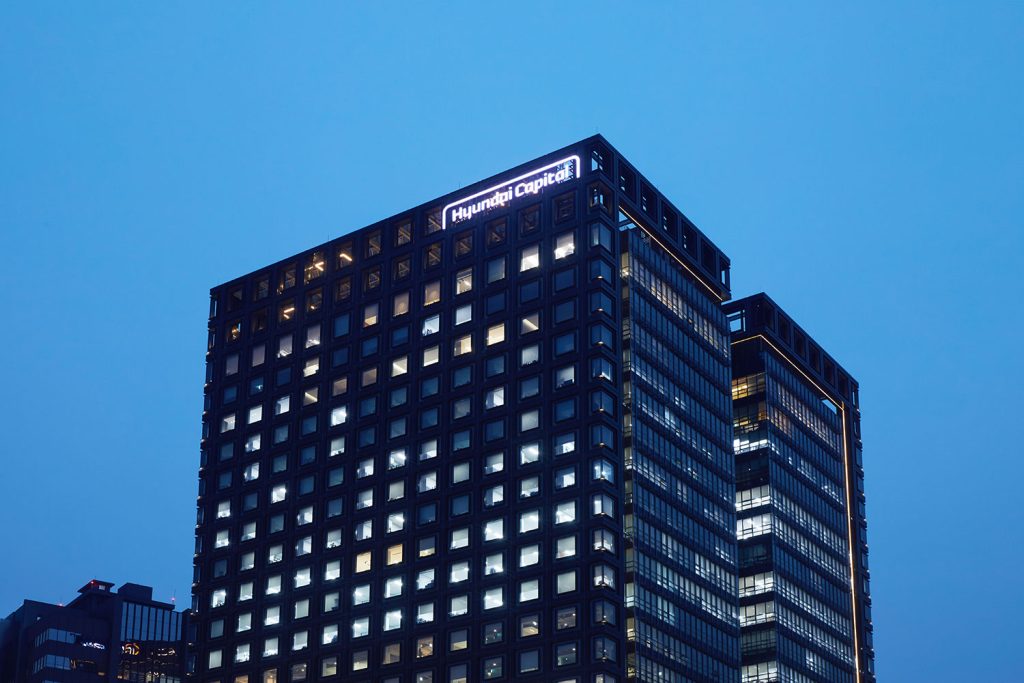
SEOUL: Hyundai Capital Services announced today that its Australian subsidiary Hyundai Capital Australia Pty. Ltd. (“HCAU” or the “Company”) launched Kia Finance and has commenced offering finance solutions for Kia customers in Australia. Last year, HCAU commenced operations in the Australian market with the launch of Genesis Finance in October, followed by Hyundai Finance in November. With the introductions of Kia Finance, HCAU now delivers comprehensive automotive finance across all three Hyundai Motor Group brands – Hyundai, Genesis, and Kia. The company is committed to supporting vehicle sales through a broad range of business initiatives, offering tailored financial solutions such as retail finance for personal and business customers, alongside stable and reliable commercial funding for dealer partners. A key offering from HCAU is the Guaranteed Future Value* (GFV) product, designed to make vehicle ownership more accessible through lower monthly repayments. HCAU secures the minimum resale value of the vehicle upfront, allowing the customer to defer this amount and make repayments based only on the balance. At the end of the loan term, customers have the flexibility to choose from the following options: 1. Trade-in: the vehicle’s value is used towards paying out the loan. If the trade-in value is higher than the GFV, the positive equity can be used towards a new vehicle. 2. Keep: pay the GFV amount to own the vehicle outright. 3. Return: return the vehicle with no further payments, provided the customer is not in default and the vehicle meets the agreed kilometre and fair wear and tear conditions. Furthermore, HCAU offers competitive interest rates to customers, leveraging the strong global credit rating of the Hyundai Motor Group. In March, the Company received an initial credit rating of ‘A-‘ with a stable outlook from S&P Global Ratings (“S&P”), a notable achievement for a relatively new entrant to the market. This rating strengthens HCAU’s funding capacity in Australia, enabling it to continue delivering highly competitive interest rates to customers while supporting sustainable growth. “With the launch of Kia Finance, HCAU is now able to offer a comprehensive range of automotive finance solutions for all Hyundai Motor Group vehicles in Australia,” said Donglim Shin, Chief Executive Officer of HCAU. He added, “HCAU will actively engage in a wide range of customer-centric marketing initiatives in partnership with Kia, Hyundai Motor and Genesis to ensure more customers can enjoy an exceptional ownership experience through our flexible finance options. *The Guaranteed Future Value (GFV) is the minimum future value of your in-stock new or approved demo Hyundai, Genesis or Kia set out in your contract. At the end of the term, you can sell your car to us, and we will pay the GFV which will be put against your final payment, provided you’re not in default under your contract and subject to fair wear and tear requirements and agreed kilometres being met. Finance is for approved applicants only. Terms, conditions, fees, charges and lending criteria applies. Hyundai Capital Australia Pty Ltd (ABN 42 611 226 316), Australian Credit Licence 554051. -PR Newswire

ESG

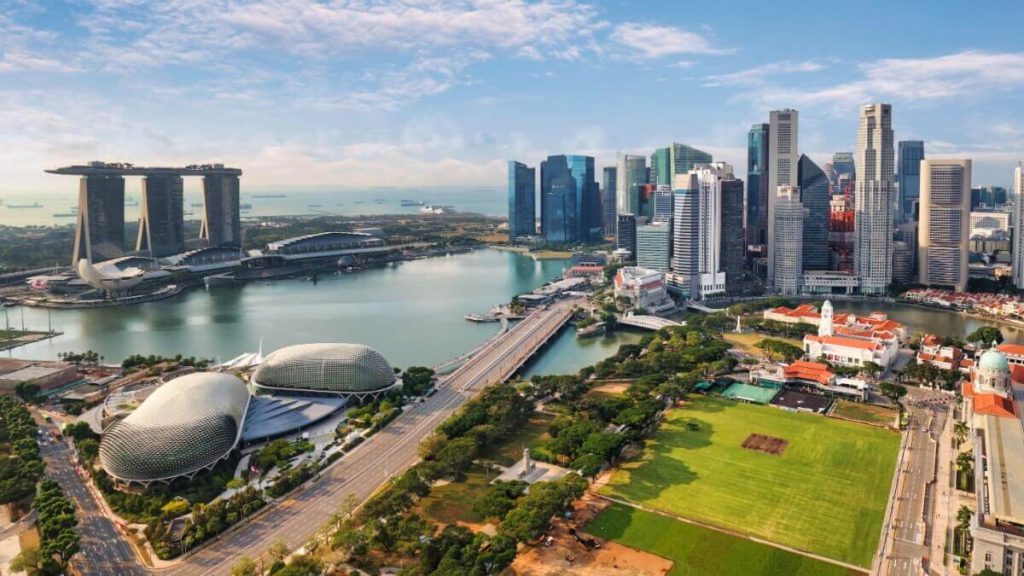
Singapore Signals Market Support with 2025 Carbon Credit Offset Rollover

Carbon tax-liable companies in Singapore will be permitted to carry forward unused carbon offset allowances from 2024 into 2025, the National Environment Agency (NEA) announced, citing a limited supply of international carbon credits. Currently, firms subject to the carbon tax may offset up to 5 per cent of their emissions annually using eligible carbon credits. Under the new provision, companies that do not utilise this allowance in 2024 may apply it in full to 2025—effectively enabling them to offset up to 10 per cent of their emissions next year. This temporary concession affects approximately 50 major industrial facilities across Singapore’s manufacturing, power, water, and waste sectors. These facilities, each emitting over 25,000 tonnes of greenhouse gases annually, have been subject to a carbon tax of S$25 per tonne since 2024—an increase from the S$5 rate in place between 2019 and 2023. The tax is scheduled to rise to S$45 per tonne in 2026 and 2027, with a target of S$50–S$80 per tonne by 2030. The NEA explained that the carry-forward policy was implemented in light of the “constrained supply of international carbon credits for emissions year 2024.” Although Singapore has signed carbon trading agreements with seven countries—including Ghana, Paraguay, and Bhutan—no carbon credits have yet materialised from these partnerships. Additional negotiations are ongoing with more than 15 other countries, including Malaysia, the Philippines, and Sri Lanka. The effectiveness of the measure, however, has prompted questions among climate policy observers. Melissa Low, research fellow at the NUS Centre for Nature-based Climate Solutions, questioned whether further rollovers might be allowed if credit shortages persist, and what this might imply for the integrity of the carbon tax mechanism. “What does it mean for the effectiveness of the carbon tax if companies are allowed to offset up to 10 per cent of their emissions with carbon credits, on top of the allowances?” she asked. Senior research fellow Kim Jeong Won of the NUS Energy Studies Institute expressed concern over potential tax avoidance if repeated rollovers lead companies to bank credits strategically for future use when tax rates are higher. “The percentage carried over would need to be adjusted to prevent this,” she said. Industry stakeholders are also closely watching the market implications of the move. Rueban Manokara, global lead of the carbon finance and markets task force at the World Wide Fund for Nature, noted that the rollover might assure market participants that anticipated demand from major emitters has not disappeared. However, he cautioned that “other market implications of the rollover are still unclear,” including whether credit prices might rise due to improving sentiment. Singapore’s government has been pursuing large-scale procurement of carbon credits as part of its net zero strategy. In September 2024, it invited proposals for nature-based carbon projects capable of delivering a minimum of 500,000 credits each. Concurrently, the government and Ghana called for carbon project developers to submit applications under their bilateral agreement. More than 10 projects have reportedly received preliminary approval, including initiatives in sustainable agriculture and clean household energy, though full validation and authorisation remain pending. These developments follow earlier government support for large emitters. In 2024, rebates of up to 76 per cent were offered on carbon tax liabilities for refiners and petrochemical firms to help manage the transition to higher carbon costs while maintaining competitiveness. It remains to be clarified whether the 2024 offset limit will be calculated based on emissions from 2024 or 2025. ST has contacted the NEA for further comment. -The Business Times


News

Bangladesh Opens Trial Against Ex-PM Sheikh Hasina

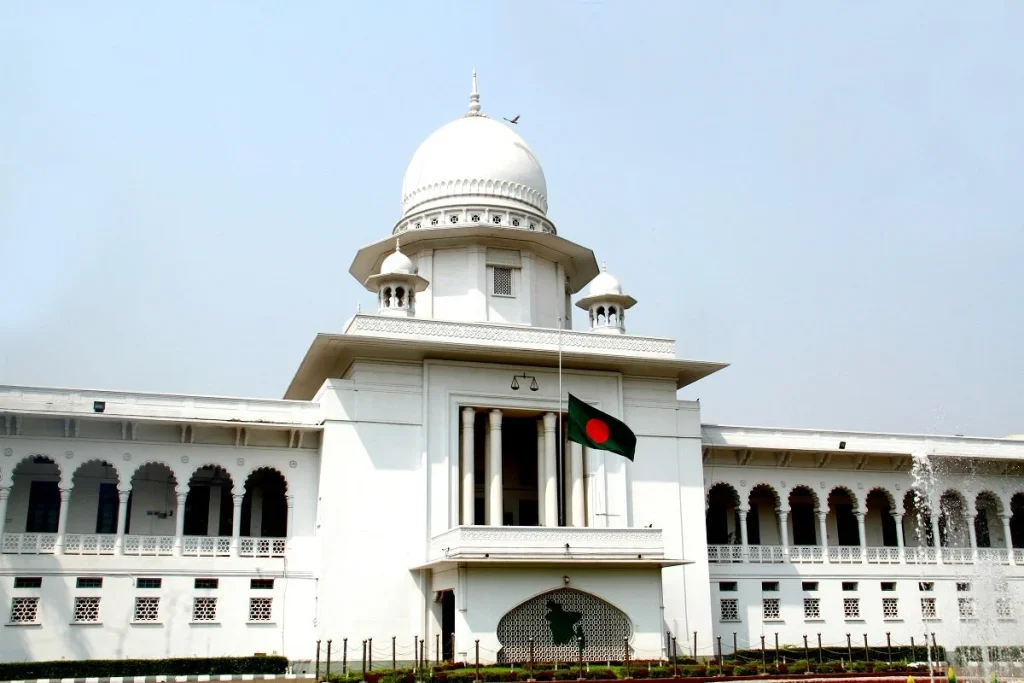
Legal proceedings have commenced against fugitive former Bangladeshi Prime Minister Sheikh Hasina, who stands accused of orchestrating a coordinated and systematic campaign against widespread protests during her administration’s final months in office. At the opening of the trial held by Bangladesh’s domestic International Crimes Tribunal (ICT) on Sunday, Chief Prosecutor Mohammad Tajul Islam alleged that Hasina, 77, directed a state-wide crackdown between July and August 2024 that led to the deaths of nearly 1,400 civilians. According to the United Nations, the fatalities occurred during a brutal campaign aimed at silencing anti-government dissent. “In reviewing the evidence, we determined it was a deliberate, widespread, and systematic attack,” stated Islam, outlining charges including abetment, incitement, complicity, facilitation, conspiracy, and failure to prevent mass murder. Islam claimed that Hasina deployed law enforcement and armed affiliates of her now-prohibited Awami League party to suppress the student-led uprising. Hasina, who fled to India via helicopter in August 2024 following the collapse of her 15-year tenure, has dismissed the allegations as politically motivated. She currently remains in self-imposed exile in New Delhi, defying an arrest warrant and formal extradition request from Dhaka. The ICT is also prosecuting key figures from Hasina’s former administration, including ex-Interior Minister Asaduzzaman Khan Kamal and former police chief Chowdhury Abdullah Al-Mamun. Both are implicated in the wider investigation into the suppression of protests. These prosecutions align with demands from several political factions contending for influence in Bangladesh’s transitional government, which has pledged to hold elections by June 2026. On 12 May, Prosecutor Islam confirmed that Hasina faces at least five charges related to the July 2024 events. The prosecution’s case includes extensive evidence such as video recordings, intercepted phone calls, drone and helicopter movement logs, and testimonies from victims and eyewitnesses. Formal charges are expected to be confirmed imminently, following the prosecution’s submission of the case dossier last month. The ICT opened its first trial related to the 2024 protests on 25 May, in which eight police officers face charges for crimes against humanity following the deaths of six protesters on 5 August—the same day Hasina fled the country. Four of the officers are in custody, while four are being tried in absentia. Ironically, the ICT was originally established in 2009 under Hasina’s leadership to investigate war crimes dating back to Bangladesh’s 1971 independence. The tribunal has since drawn criticism for allegedly being used to marginalise political opposition, with several high-profile convictions viewed by international observers as politically motivated. -Al Jazeera

News

New Route–New Airline Scheme Targets Growth in Thai Regional Aviation

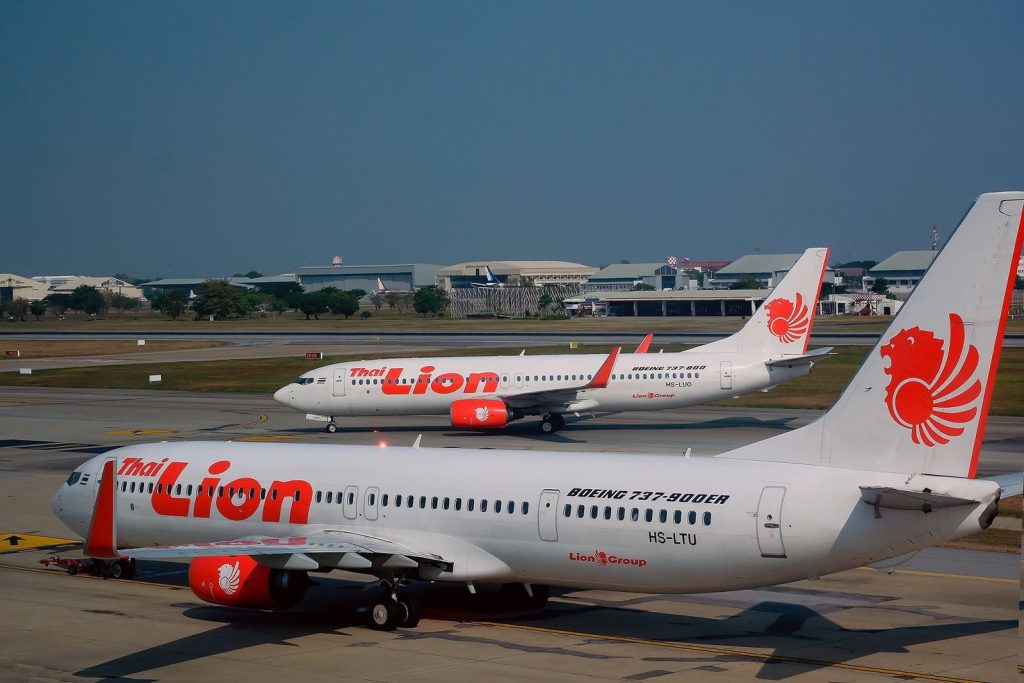
Thailand’s Ministry of Transport has unveiled concrete measures under its “New Route–New Airline” initiative, aiming to stimulate aviation-led tourism in the nation’s secondary cities by offering financial incentives to carriers. Deputy Transport Minister Manaporn Charoensri recently confirmed that the policy forms part of broader infrastructure development goals set by the government. The initiative, led by the Department of Airports (DoA), is designed to attract increased airline traffic to lesser-known destinations, ultimately enhancing the accessibility and appeal of these regions to both tourists and investors. “The measure will incentivise carriers to introduce more routes to airports operated by the DoA in secondary cities,” said Ms Manaporn. She added that the policy is expected to increase travel options for passengers while boosting healthy competition among domestic airlines, both in terms of pricing and service quality. Ms Manaporn also noted that reducing route concentration and breaking the current service monopolies will benefit the sector at large by expanding market access to additional carriers. DoA Director-General Danai Raungsorn highlighted that a central element of the policy is a 50% reduction in landing fees and service charges for qualifying airlines. This discount will apply for one year to carriers introducing new routes to secondary destinations. Eligibility criteria require that the routes be either entirely new or reinstated within the past year following a suspension. Furthermore, airlines launching operations at designated DoA airports for the first time—or resuming service after a year-long hiatus—will receive a similar 50% discount on service charges for a period of three months. Carriers must formally apply for this approval through the DoA. Thai LionAir will be the first to pilot the scheme this month, with two new domestic routes. The U-Tapao–Udon Thani–U-Tapao service will commence on 11 June, followed by the Don Muang–Nakhon Phanom–Don Muang route on 19 June. The government expects that enhanced air connectivity will significantly increase tourism flows and investment interest in emerging urban centres across the country. -Bangkok Post

Investment & Market Trends, News

Apple Faces Further iPhone Shipment Decline in China as Huawei Gains Market Share

Apple Inc. is projected to face yet another year of declining iPhone shipments in China, as mounting competition from domestic brands—particularly Huawei Technologies—continues to erode its market share in the world’s largest smartphone market, according to new data from IDC. The US tech giant’s shipments in China are forecast to fall by 1.9% in 2025, driven by Huawei’s renewed momentum in the premium segment and a broader economic slowdown affecting consumer spending. IDC’s report, published Thursday, also attributes the decline to Apple’s exclusion from a major government subsidy initiative, which favours consumer electronics priced below 6,000 yuan (approx. US$818)—a threshold that disqualifies most iPhone models. By contrast, China’s overall smartphone market is projected to expand by 3% in 2025, buoyed by demand for Android devices that benefit directly from the government’s consumer stimulus policies. The data highlights the intensifying challenges Apple faces in maintaining its foothold in China, its second-largest market after the United States. The competitive landscape has shifted rapidly, particularly with Chinese manufacturers leading the charge in integrating artificial intelligence (AI) capabilities into their devices. Apple, meanwhile, is still awaiting regulatory clearance to introduce its own AI-driven service, Apple Intelligence, in the Chinese market. For the fiscal quarter ending 29 March 2025, Apple reported a 2.25% year-on-year decline in revenue from the Greater China region—which includes mainland China, Hong Kong, and Taiwan. This follows an 8% revenue drop for the fiscal year ending 28 September 2024, and a 2% decline the previous year, further underlining the company’s diminishing momentum in the region. In the first quarter of 2025, iPhone shipments in China plunged 9% year-on-year, making Apple the only brand among the top five vendors to post a decline, according to IDC. In sharp contrast, Xiaomi’s shipments surged 39.9%, and Huawei recorded a 10% increase during the same period. Sales figures echoed the trend. According to Counterpoint Research, iPhone sales declined 7.7% year-on-year in the first quarter, while Huawei saw its handset sales jump 28.5%. Despite these headwinds, there are signs of short-term reprieve. Deep discounts during China’s upcoming 618 shopping festival—the nation’s largest retail event outside of Singles’ Day—may help bolster iPhone sales. Moreover, the anticipated launch of the iPhone 17 series in September, expected to feature substantial hardware upgrades, could provide renewed momentum for Apple in the Chinese market. -South China Morning Post

Scroll to Top

Subscribe
FREE Newsletter