international

News

Universal Studios Japan CEO Eyes Major Expansion Ahead of 25th Anniversary

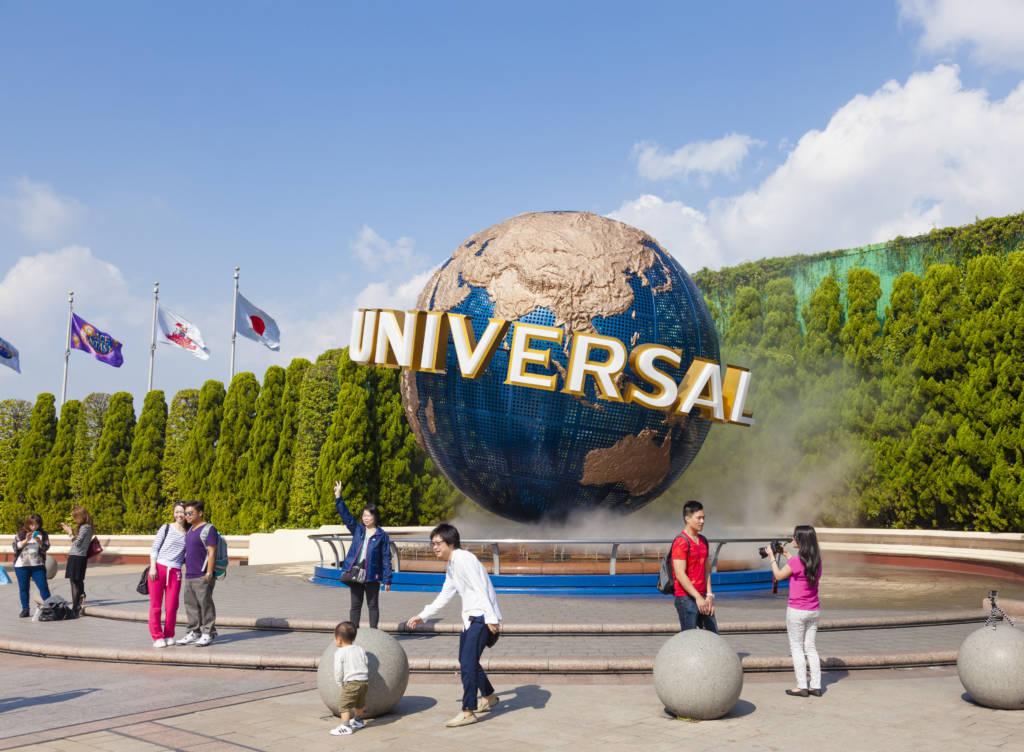
OSAKA: Universal Studios Japan’s newly appointed Chief Executive Officer, Taku Murayama, has unveiled his strategic vision to further expand the park’s themed attractions, following the sustained success of areas such as Super Nintendo World. Mr Murayama, 53, officially took the helm at USJ LLC, the operating company behind the Osaka-based theme park, on Sunday. With the park’s 25th anniversary approaching in 2026, he emphasised a market-aligned development strategy: “We will develop in accordance with the market,” he stated. Universal Studios Japan has seen a resurgence in popularity since the launch of The Wizarding World of Harry Potter in 2014. Building on this momentum, the park expanded its Nintendo-themed offerings last year with the debut of the world’s first attraction area based on the iconic Donkey Kong series. The move was aimed at drawing an increasingly international audience while maintaining strong domestic appeal. Murayama, a Tokyo native and a long-serving member of USJ since 2000, holds a master’s degree from a United States university. He highlighted the World Expo, which opened in Osaka in April, as a significant catalyst for regional growth and synergy with the theme park. “The Expo is an extremely good touchstone for the development of the area,” he remarked. In addition, Murayama expressed a commitment to fostering collaboration with nearby integrated resort projects—including casino developments—currently underway adjacent to the park. “I want to help enliven Osaka together,” he said, pointing to mutual benefits in visitor attraction. Acknowledging ongoing labour shortages in Japan’s service sector, the new CEO affirmed a dual approach of technological integration and workplace enhancement: “We will actively adopt digital services and operate efficiently,” he stated, adding that improving the employee work environment remains a key priority. Murayama succeeds JL Bonnier, who had led the organisation since 2015. -Kyodo News
News

South Korea’s May Exports Slip 1.3% as US-China Tariffs Take Toll

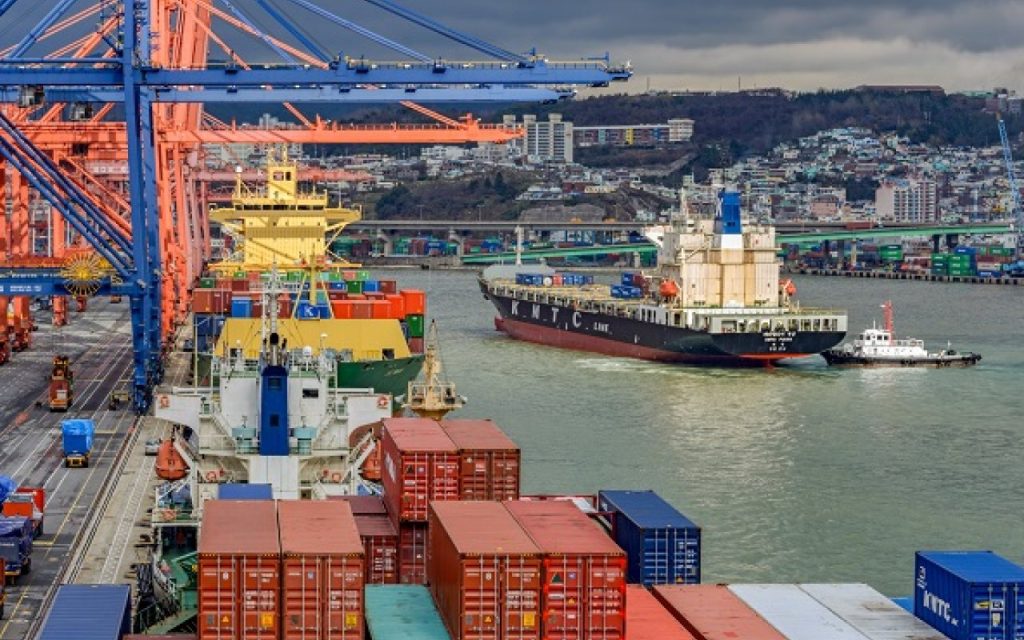
SEOUL: South Korea recorded its first decline in exports in four months during May, as geopolitical trade tensions weighed heavily on shipments to its two largest markets—the United States and China. According to official government data released on Sunday, outbound shipments from Asia’s fourth-largest economy fell 1.3% year-on-year to $57.27 billion. Industry and Trade Minister Ahn Duk-geun attributed the downturn to the ongoing global trade conflict, intensified by U.S. President Donald Trump’s aggressive tariff policies. “Declines in exports to both the United States and China, the two biggest markets, suggest U.S. tariff measures are having an impact on the global economy as well as our exports,” he stated. Despite the overall decrease, the contraction was less severe than market expectations. A Reuters poll of economists had projected a 2.7% decline. On a working-day adjusted basis, exports actually rose by 1.0%. The setback comes shortly after Washington and Beijing reached a 90-day truce in mid-May, aimed at unwinding reciprocal tariffs. However, the fragile détente was called into question following President Trump’s recent accusations that China violated the terms of the agreement. The President also threatened to double global tariffs on steel and aluminium to 50%, raising fresh concerns across global supply chains. South Korea’s exports to the United States fell sharply by 8.1%, while shipments to China dropped 8.4%. In contrast, exports to the European Union saw a modest increase of 4.0%, and shipments to Taiwan surged 49.6%. Exports to Southeast Asia declined slightly by 1.3%. The technology sector remained a bright spot, with semiconductor exports rising 21.2% due to continued global demand for high-end memory chips. However, the automotive sector faced headwinds, with vehicle exports falling 4.4%, impacted by US tariffs and operational adjustments following Hyundai Motor’s launch of its new manufacturing facility in Georgia, United States. On the import side, South Korea recorded a 5.3% decline, bringing the total to $50.33 billion for May. This resulted in a trade surplus of $6.94 billion, the highest monthly surplus since June 2024. -Reuters

Investment & Market Trends, News

Suzuki Allocates Over Rp 1 Trillion for Fronx Development in Indonesia

Jakarta: Suzuki, the Japanese automotive giant, has invested more than Rp 1 trillion (approximately $61 million) in the development of its latest vehicle, the Fronx, in Indonesia. This strategic investment signals a robust commitment to local manufacturing and hybrid technology advancement in one of Southeast Asia’s most dynamic automotive markets. The Fronx, which is offered in both petrol and hybrid variants, is being assembled domestically with a local content level of around 60 percent, according to Suzuki Indomobil Motor (SIM), the brand’s manufacturing arm in Indonesia. The new model is available in a range of trims, including the GL, priced at Rp 259 million for the manual version and Rp 271 million for the automatic; the GX at Rp 276 million (MT) and Rp 293.3 million (AT); and the premium GSX variant, offered exclusively in automatic transmission at Rp 319.9 million. SIM Executive Director Shodiq Wicaksono confirmed the significant investment during the Fronx’s official launch in Jakarta, noting that “over Rp 1 trillion has been allocated solely for component procurement,” with overall development costs exceeding that amount. The Cikarang plant in West Java has been designated as the sole global production hub for the Fronx, which is positioned as a strategic global model under Suzuki Motor Corporation. The facility currently operates on a single production shift and manufactures the Ertiga, XL7, and Fronx models, with a maximum annual capacity of 108,000 units. Minoru Amano, President Director of Suzuki Indomobil Sales, emphasised that the investment seeks to elevate the Cikarang facility into a world-class production and export base. Amano noted that by exceeding regulatory local content thresholds for low-emission vehicles, Suzuki aims to bolster its contributions to Indonesia’s national economy and industrial development. He described the Fronx as a cornerstone of Suzuki’s future strategy in Indonesia, targeting monthly sales of 2,000 units. “The Fronx is not just a new model. It represents a new pillar for our business in Indonesia,” Amano stated. Deputy Industry Minister Faisol Riza praised Suzuki’s ongoing commitment and highlighted the Fronx launch as a milestone for Indonesia’s automotive sector. He underscored its relevance in strengthening the country’s role in the global automotive supply chain and advancing sustainable vehicle adoption. “This launch marks Suzuki’s strong commitment to the Indonesian market and demonstrates international confidence in the country’s automotive potential,” Riza commented. The Fronx follows the momentum of Suzuki’s previous hybrid models, including the Ertiga Hybrid and XL7 Hybrid. Government officials expressed optimism that the new model will cater to both domestic and international markets, reinforcing Indonesia’s position as a rising automotive production hub. Last year, Suzuki Indomobil Motor manufactured 73,000 vehicles, securing its place among the top five car manufacturers in Indonesia. -Jakarta Globe

Investment & Market Trends

Japan Expands Strategic Investment in Africa

Japan is intensifying efforts to support its private sector in expanding operations across Africa, a region where the country has traditionally been perceived primarily as a donor. This renewed focus aligns with Japan’s broader strategic intent to diversify its global economic partnerships and reduce reliance on China. Takehiko Matsuo, Vice-Minister for International Affairs at Japan’s Ministry of Economy, Trade and Industry, highlighted this shift during a recent visit to Abidjan, Ivory Coast’s commercial capital. “The mindset of Japanese business leaders has changed dramatically. They are now much more proactive about expanding their business globally,” Matsuo said. “Africa is one of the destinations where we expect Japanese companies to grow their presence.” Japan’s private sector had previously exhibited caution on overseas ventures, constrained by a domestic economy that endured three decades of deflation. However, the economic landscape is evolving. Recent data show that consumer prices have consistently met or exceeded the Bank of Japan’s 2% inflation target for three consecutive years, encouraging greater risk appetite among Japanese corporations. This change is mirrored in Japan’s international investment profile. The country’s net external assets reached a record high in 2024, with the United States and the United Kingdom remaining key destinations for foreign direct investment. However, Africa currently receives only about 0.5% of Japan’s foreign direct investments. The timing of Japan’s renewed engagement is also significant for Africa. With geopolitical shifts, including the return of President Donald Trump to the White House and the subsequent reduction in US aid, mobilising private sector capital has become increasingly critical for the continent. Japan’s efforts could offer mutual benefits. According to research by Goldman Sachs, Africa’s demographic and economic trajectory suggests that by 2050, one in four people globally will be African. By 2075, six of the world’s largest economies may be in the Global South, including Nigeria. Japan is prioritising strategic sectors such as critical minerals, base metals, and rare earths, all essential to reducing its dependence on Chinese imports. “We are pretty much depending on Chinese companies,” Matsuo noted. “I’m not saying that we cannot work with Chinese companies, but only depending on one country may be causing some vulnerability.” Evidence of Japan’s commitment is already emerging. Trading conglomerate Mitsui & Co. was the top bidder for a stake in First Quantum Minerals Ltd.’s Zambian copper mines, according to Bloomberg. In parallel, Japanese firms are exploring opportunities in technology-driven services and green innovation. Fujifilm is developing preventive medical care services suitable for regions with limited health insurance coverage. Toyota Tsusho is investigating automotive recycling systems, while Hitachi Construction Machinery is introducing hybrid dump trucks for environmentally friendly mining operations. Japanese investors are also showing interest in green hydrogen and ammonia, technologies seen as vital to decarbonising industrial sectors. The Japanese government is fostering broader collaboration through new initiatives, including a programme launched this month to link Japanese and African startups and drive innovation. In terms of development aid, Japan remains a major contributor. In 2022, it was the third-largest provider of overseas development assistance to sub-Saharan Africa among OECD members, disbursing $1.68 billion in gross aid. Unlike the US or the UK, Japan has not signalled any reduction in its aid commitments. Matsuo underscored this commitment by highlighting the upcoming Tokyo International Conference on African Development (TICAD), scheduled for August in Yokohama. “This year, we will have the biggest meeting for collaboration between Japan and African countries,” he said. “In that sense, we are rather making efforts to expand our cooperation.” -Japan Times

News

Nestlé Files 577 Million Baht Trademark Lawsuit Against Former Thai Partners

Nestlé has initiated legal proceedings in Thailand against former business partners Prayudh Mahagitsiri and Chalermchai Mahagitsiri, seeking damages amounting to 577 million baht over alleged infringement of the Nescafé trademark. The lawsuit, disclosed in a company statement dated 30 May, centres on financial losses incurred during an eight-day suspension of Nescafé product sales. The disruption followed an emergency injunction issued by the Minburi Civil Court on 3 April, which temporarily prohibited Nestlé from manufacturing, outsourcing, distributing, or importing Nescafé-branded instant coffee in the Thai market. Subsequently, the Central Intellectual Property and International Trade Court reaffirmed Nestlé (Thai) Ltd’s exclusive rights to use the “Nescafé” and “เนสกาแฟ” trademarks within Thailand. On 28 May, a mediation session was held at the same court involving both parties; however, no agreement was reached. The court has scheduled a trial and dispute resolution session for 9 June. The dispute stems from the dissolution of Quality Coffee Product Ltd (QCP), a joint venture equally owned by Nestlé and the Mahagitsiri family. On 14 March, Nestlé submitted a petition to the Southern Bangkok Civil Court seeking the liquidation of QCP. The move was aimed at enabling each shareholder group to retrieve its respective share and proceed independently, as continued disagreement had stalled decision-making on QCP’s future. In addition to the liquidation request, Nestlé asked the court to appoint an administrator to manage QCP’s financial responsibilities and protect company assets until a final ruling is delivered. The Southern Bangkok Civil Court completed the examination of three plaintiff witnesses on 19 May and has scheduled the hearing of defendant witnesses for 26 June. Despite the temporary halt, Nescafé distribution resumed in April. According to Ekkapong Chokchaiwitut, Chief Executive of Mother Marketing Plc, which operates Mother Supermarket and Mother Marché in southern Thailand, sales quickly returned to normal levels. Nonetheless, the broader market saw a decline, attributed to the low tourism season. Milin Veraratanaroj, Chairman of Tang Ngee Soon Superstore, one of the largest traditional wholesale chains in Udon Thani, confirmed that rapid restocking of Nescafé products helped prevent a significant shift in consumer preference towards rival brands. He speculated that Nestlé Thailand may have sourced products from countries such as Vietnam to offset production concerns amid the anticipated termination of QCP. Commenting on the ongoing litigation, Mr Milin noted that Nestlé may exercise caution in distributing or importing large volumes of product until the legal proceedings are resolved. -Bangkok Post

Energy & Technology, News

China Expands Global Space-Earth Observation Network with Thai-Based Telescope

China has inaugurated its first overseas next-generation radio telescope in Chiang Mai, northern Thailand, marking a significant milestone in international scientific cooperation and enhancing global Earth observation infrastructure. The 13-metre radio antenna, a joint development between the Shanghai Astronomical Observatory and the National Astronomical Research Institute of Thailand, was officially unveiled on 16 May. This advanced telescope is part of China’s broader initiative to expand its global scientific footprint. It will operate in tandem with a second telescope currently under construction in Songkhla, southern Thailand. Once operational, the two stations will strengthen capabilities in deep-space tracking and high-precision Earth monitoring. These developments are expected to contribute to improved GPS accuracy, enhanced climate research, and more precise earthquake forecasting. Ding Chibiao, Vice-President of the Chinese Academy of Sciences, hailed the Chiang Mai telescope as a “role model of scientific cooperation between China and Thailand”. Speaking at the inauguration ceremony, Ding emphasised the significance of the telescope’s launch, coinciding with the 50th anniversary of diplomatic relations between the two nations. Supachai Pathumnakul, Permanent Secretary of Thailand’s Ministry of Higher Education, Science, Research and Innovation, highlighted the project as a testament to the deepening scientific partnership between the two countries. He noted its potential to deliver high-quality data that will support global research initiatives. The collaborative effort began in 2017 with a memorandum of understanding, though construction and activation were delayed due to the Covid-19 pandemic. The telescope successfully captured its first signal in August 2023, and by April 2024 had completed a 24-hour observation session. The data collected met the required precision benchmarks and contributed valuable information on Earth’s rotational dynamics. Technically, the telescope is equipped with a fast slewing antenna capable of quickly shifting between observation targets. It also features dual-frequency receivers to minimise atmospheric interference, alongside high-speed data acquisition and recording systems. These capabilities enable real-time processing of large data volumes, ensuring continuous, highly accurate monitoring of both space and Earth-based phenomena. Both Thai telescopes will operate using Very Long Baseline Interferometry (VLBI), a method that links radio telescopes over vast distances to function as a single, Earth-sized antenna. By analysing the timing of radio signals arriving at each station, scientists can determine their positions with millimetre-level accuracy, supporting detailed observation of celestial movements and tectonic plate shifts. Unlike traditional VLBI systems, which were constrained by lower bandwidths and slower measurements, this new generation of stations offers rapid, uninterrupted monitoring with significantly enhanced precision. These systems are designed to meet the advanced requirements of modern geodesy and space science. The Chiang Mai facility is now integrated into China’s VLBI network, which includes the Tianma-13 and Seshan-13 stations in Shanghai and the Urumqi-13 station in Xinjiang. Each site operates a 13-metre new-generation antenna, forming a cohesive and advanced scientific network. Collectively, they participate in global initiatives under the International VLBI Service, alongside over 30 active stations across Asia, Europe, North America, and other regions. -South China Morning Post

Investment & Market Trends, News

41% of Japanese Rice Farmers Anticipate Price Decline in 2026

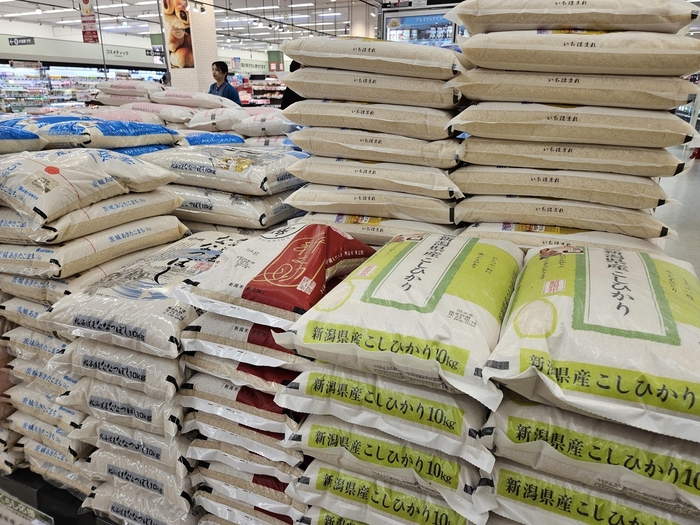
A recent survey conducted by the Japan Agricultural Corporations Association has revealed growing concern among large-scale rice farmers regarding the future of rice pricing. According to the results, 41.0 per cent of respondents expect the retail price of rice harvested in 2026 to be lower than that of the 2025 crop, while only 22.9 per cent anticipate higher prices. In contrast, 72.3 per cent expect prices for 2025 rice to surpass those of the 2024 harvest. The online survey was carried out between 12 and 19 May, receiving feedback from 188 members of the association. The findings come at a time when rice prices in Japan have surged to record levels, leading the government to intervene by releasing stockpiled rice to the market in an effort to stabilise consumer prices. Retailers began selling this rice to consumers on Saturday for the first time. At a press conference, Association Chairman Kazushi Saito voiced concerns over the sustainability of current price levels, warning that a potential price collapse in 2026 could significantly impact farm management. He attributed the risk to increased domestic production and the availability of cheaper imported rice. Regarding the 2024 crop, 53.7 per cent of farmers stated that current prices are excessively high. In terms of producer prices, the most frequently reported range was between ¥20,001 and ¥25,000 per 60 kilograms, as cited by 45.2 per cent of respondents. When compared to 2023 prices, the largest segment—38.3 per cent—indicated that current prices have risen by ¥5,001 to ¥10,000, while 5.0 per cent reported an increase of ¥15,001 to ¥20,000. Farmers also highlighted a number of operational challenges, including elevated costs for construction and machinery, labour shortages, and the looming threat of a price downturn driven by overproduction. -Japan Times

Energy & Technology

Arctech to Supply 175 MW of Solar Trackers for ACME’s Green Hydrogen Project in Duqm, Oman

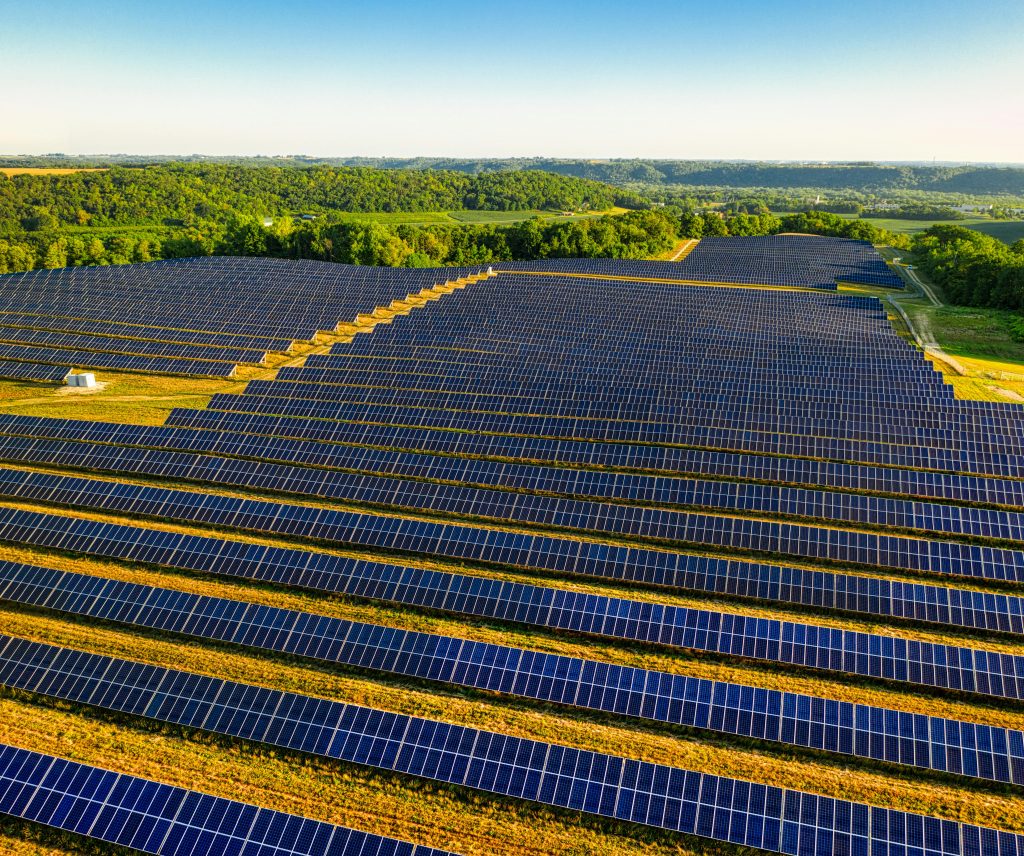
OMAN : Arctech, the global leader in solar tracking, racking, and BIPV solutions, has signed a strategic contract with ACME Cleantech Solutions Pvt. Ltd. a pure play fully integrated Renewable Energy Company in India with a diversified portfolio across solar, wind, hybrid and FDRE projects to supply 175 MWp of solar trackers for the 300 MTPD Green Ammonia Project in Duqm, Oman.   The project is located near the southeastern coast of Oman, a region characterized by coastal desert conditions including sandy soils, high wind speeds (up to 55 m/s), C5-level corrosion exposure, extreme temperatures and high levels of solar radiation, with an annual average of around 5,764 KWh/m2. The area’s favourable climate, with high solar insolation, has made it a prime location for utility-scale solar projects. Arctech will deploy its Signature 1P Single Axis Solar Tracking System Skyline II, engineered for harsh environments, to support the solar PV component powering one of the first large-scale green hydrogen production facilities in the region. The trackers will be delivered in phases starting from July 2025. In recent years, Oman Power and Water Procurement Company (OPWP) has introduced renewable energy initiatives such as a new Concentrated Solar Power (CSP) project in Duqm. OPWP is actively working toward a diverse energy mix, aligning with the national target of sourcing 35–39% of electricity from renewables by 2040. This new partnership reinforces Oman’s long-term vision and positions the Duqm region as a central hub in the global energy transition. This milestone collaboration underscores Arctech’s growing role in enabling renewable energy megaprojects worldwide. The Oman installation is a flagship initiative in industrial decarbonization—integrating solar power with next-gen hydrogen fuel technologies, setting new benchmarks in clean energy integration. Moreover, Arctech has an extensive track record of experience in numerous GW-scale large projects across the globe, which instils confidence in this partnership. “We are pleased to partner with Arctech for our 300 MTPD Green Hydrogen project in Duqm, Oman. This collaboration marks an important milestone in our green hydrogen journey, and we are confident that Arctech’s advanced tracking solutions and project execution capabilities will support us in achieving optimal energy efficiency and reliability under challenging coastal and high-wind site conditions,” said by Vipin Aggarwal, VP of Procurement in Green Hydrogen and International Business. -PR Newswire

News

Japan Commits US$1.1 Billion in Budget and Infrastructure Aid to Bangladesh

DHAKA: Japan has pledged US$1.063 billion in support to Bangladesh, encompassing budget assistance, railway infrastructure upgrades, and educational grants, according to a statement from Dhaka. The announcement comes during a visit to Tokyo by Bangladesh’s interim leader, Nobel Peace laureate Muhammad Yunus, who met with Japanese Prime Minister Shigeru Ishiba to strengthen bilateral relations. The aid package includes a US$418 million development policy loan aimed at supporting economic reforms and enhancing climate resilience. An additional US$641 million will go towards upgrading a key railway line, while US$4.2 million has been allocated as grants for Bangladeshi students to pursue higher education in Japan. Yunus assumed interim leadership in August 2024 following mass student-led protests that led to the departure of former prime minister Sheikh Hasina.

News

Saudi’s Acwa Power Eyes US$10 Billion in Malaysian Renewable Projects

RIYADH: Saudi Arabia’s Acwa Power Co has signed non-binding agreements with Malaysian partners to explore up to US$10 billion in investments by 2040, focused on renewable energy, green hydrogen, and advanced water solutions. The agreements include plans to jointly develop approximately 13GW of power generation capacity and conduct feasibility studies for floating solar farms and large-scale water desalination projects. State-owned utility Tenaga Nasional Bhd is among the Malaysian parties involved. The initiative aligns with Malaysia’s ambition to increase renewable energy capacity to 70% by mid-century, phase out coal by 2044, and achieve net zero by 2050. Acwa’s partnership was formalised through an MoU with the Malaysian Investment Development Authority. As Malaysia continues its transition from coal and gas to cleaner energy sources, the collaboration signals growing foreign investor interest in the country’s decarbonisation pathway. Acwa Power is one of the world’s leading private water desalination companies and a key player in sustainable energy infrastructure.

Scroll to Top

Subscribe
FREE Newsletter