international

News

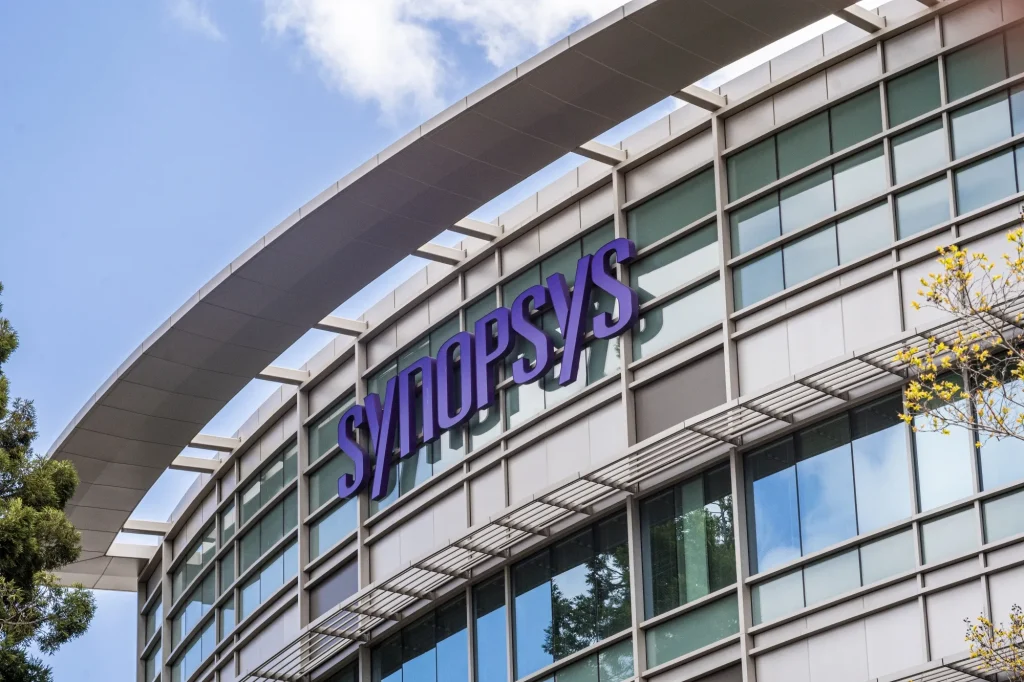
Synopsys Halts China Sales Amid New US Export Restrictions

BEIJING: US semiconductor software giant Synopsys has suspended all product sales, services, and new orders in China, following new export restrictions issued by the US Department of Commerce’s Bureau of Industry and Security. According to an internal letter seen by Reuters, the company has halted fulfilment and access to its support platform SolvNetPlus for Chinese customers, including employees of global clients based in China and military-related users globally. The restrictions, effective immediately, impact electronic design automation (EDA) tools and other semiconductor-related products. The move comes after Synopsys received formal notice of the restrictions on May 28 and subsequently withdrew its financial forecasts for the year. Alongside Cadence and Siemens EDA, Synopsys controls a majority of China’s EDA software market—critical tools used in chip design for everything from smartphones to vehicles. The suspension poses a significant setback for China’s semiconductor sector, which relies heavily on advanced US software. Chinese design firms like Brite Semiconductor, Zhuhai Jieli, and VeriSilicon are among the users of Synopsys tools. Synopsys declined to comment on the development.–REUTERS

News

Brazil Sues China’s BYD Over Alleged Slave-Like Conditions at Construction Site

RIO DE JANEIRO: Brazilian prosecutors have filed a civil suit against Chinese electric vehicle giant BYD and two of its contractors, alleging human trafficking and “slavery-like” labour conditions involving 220 Chinese workers at a construction site in Bahia. Authorities found degrading conditions at BYD’s under-construction plant in Camaçari—its largest electric vehicle facility outside Asia—including workers living without mattresses, sharing bathrooms among 31 people, and suffering visible sun-related skin damage from long work hours. Reports also cite passport confiscations, withheld wages of up to 70%, and surveillance by armed guards. Brazil’s Labour Prosecutor’s Office (MPT) is seeking R$257 million (US$45.3 million) in collective moral damages, in addition to compensation for affected individuals. The lawsuit follows failed negotiations for a conduct adjustment agreement. BYD has since cut ties with Jinjiang, the contractor overseeing the site. However, Jinjiang denies the allegations. China’s foreign ministry stated that it expects its companies to operate legally and protect workers’ rights.-AFP

News

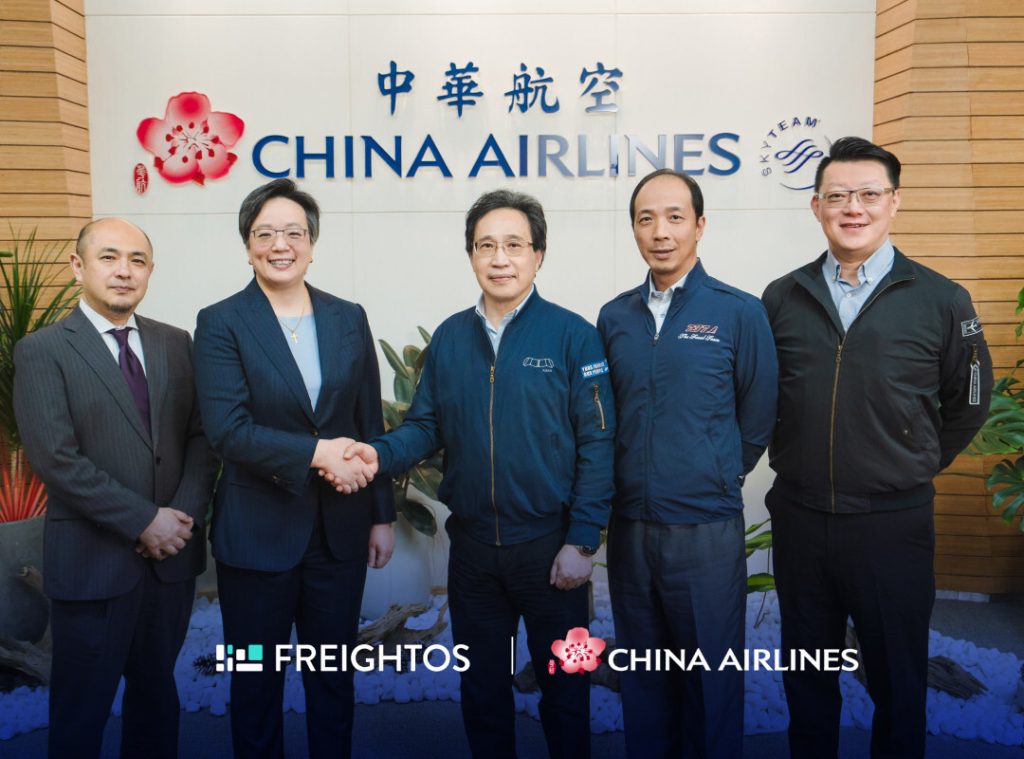
China Airlines Joins Freightos’ WebCargo Platform

BARCELONA: China Airlines has partnered with Freightos to launch digital air cargo bookings on the WebCargo and 7LFreight platforms, enabling instant access to rates, capacity and eBookings across major global trade lanes. Starting next week, freight forwarders will be able to digitally book shipments on China Airlines’ network of 85 aircraft serving 192 destinations in 29 countries. The integration supports bookings from key hubs in the US, Canada, Europe, Greater China, and Southeast Asia. The collaboration comes as the industry grapples with market volatility, offering a solution for faster, more transparent transactions. China Airlines joins other major carriers embracing digital transformation to meet growing demand for real-time logistics solutions. “This marks a pivotal step in our strategy to enhance service for our forwarder partners and simplify air cargo operations,” said Eddy Liu, Senior Vice President of China Airlines. Freightos CEO Zvi Schreiber noted the move will help keep global trade flowing amid tariff uncertainties, reinforcing digitalisation as a key enabler of supply chain resilience.

News

SingWealth Enters Hong Kong with New Insurance Brokerage Licence

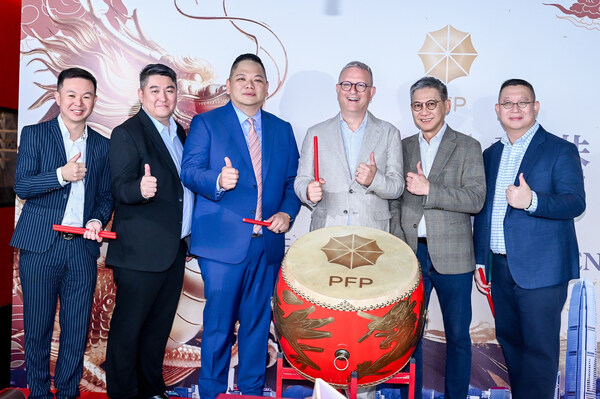
SINGAPORE / HONG KONG: SingWealth Holdings has officially expanded into Hong Kong SAR with the launch of PFPFA HK Limited, following its successful acquisition of an insurance brokerage licence. This marks a key milestone in the group’s regional growth strategy and commitment to delivering integrated wealth management solutions across Asia. The grand launch, held at Gonpachi Restaurant in Tsim Sha Tsui, was attended by senior leaders from SingWealth Holdings and PFP Group Services. Among them were Director Jeffrey Chow and Non-Executive Chairman Peter Huber, who emphasised the group’s “Think Global, Act Local” approach and its focus on providing high-quality, client-centric financial services. PFPFA HK Limited will now offer SingWealth’s full suite of services to clients in the Greater Bay Area, underscoring the firm’s ambition to strengthen its footprint in Asia’s key financial markets.

News

Big BYD Dealer in Shandong Shuts Down

KUALA LUMPUR: A major BYD car dealer in eastern China, Qiancheng Holdings, has gone out of business, with more than 20 outlets in cities like Jinan and Weifang shuttered, according to state-owned Jinan Times. The closure has affected over 1,000 customers who are still owed warranty and after-sales support. Qiancheng, which once recorded an annual turnover of ¥3 billion and employed 1,200 staff, cited recent dealer policy changes by BYD as a key factor in a letter dated 17 April, stating the adjustments severely strained its cash flow. However, BYD attributed the collapse to Qiancheng’s aggressive expansion strategy, while affirming it is providing support to the dealer. The development underscores rising pressures in China’s competitive EV market, where shifting consumer demand, tighter margins, and a pivot towards direct selling are squeezing traditional dealerships.

News

Google Begins Direct Online Sales of Pixel Devices in India

NEW DELHI:  In a strategic shift aimed at deepening its footprint in India’s premium smartphone market, Google has officially launched direct online sales of its Pixel-branded hardware in the country. Starting Thursday, Indian consumers can now purchase Pixel phones, watches, and earbuds directly from the official Google Store, marking the tech giant’s first direct-to-consumer e-commerce move in the South Asian market. The decision places Google in direct competition with Apple, which already operates its own online and physical stores in India. The move comes ahead of Google’s anticipated launch of its first-ever brick-and-mortar outlets in the country, following reports earlier this year that the company was finalising store locations. Until now, Google devices were available in India through authorised third-party retailers and on Flipkart, a Walmart-owned e-commerce platform. The direct online sales channel will give Google greater control over customer experience, pricing, and brand positioning—elements that have been key to Apple’s success in India and globally. Retail Expansion on the Horizon Google’s retail ambitions mirror the approach taken by Apple, whose physical stores have become iconic venues for showcasing premium tech. Apple currently operates retail outlets in Mumbai and New Delhi, with more planned. Google is expected to follow suit as it seeks to build a strong offline presence in one of the world’s fastest-growing digital economies. According to a February report by Reuters, the Alphabet-owned firm is close to finalising locations for its first retail stores outside the United States. Premium Market Challenge Despite its global popularity, Google’s Pixel line has struggled to gain a significant share in India’s competitive premium smartphone segment. Market research firm Counterpoint estimates that Apple held a dominant 55% share of India’s premium smartphone market (phones priced above $520) in 2024, while Pixel accounted for just 2%. However, Google appears committed to growing its presence. The company has recently begun manufacturing Pixel smartphones in India, a move expected to boost local availability and potentially lower prices through reduced import costs. Currently, Pixel devices in India are priced from approximately $360 to $1,900, while Apple’s iPhones range from $520 to $2,100. A Market Ripe for Growth India is home to roughly 712 million smartphone users and continues to be one of the most attractive growth markets for global tech companies. With a rising middle class, increasing digital adoption, and government support for local manufacturing, India offers considerable opportunities for brands looking to scale. By launching direct sales and exploring retail store openings, Google is positioning itself for a stronger competitive stance in India’s evolving premium device ecosystem.–REUTERS

News

Thai PM Tables US$115 Billion Budget to Counter Tepid Economic Growth

BANGKOK: Thai Prime Minister Paetongtarn Shinawatra on Wednesday proposed a 3.78 trillion baht (US$115.5 billion) budget for the 2026 fiscal year to parliament, in a bid to stimulate Southeast Asia’s second-largest economy as it grapples with sluggish growth and looming external risks—chief among them, steep US tariffs. The draft budget bill, which will be debated over the next four days, represents a 0.7% increase in government spending from the previous fiscal year and aims to narrow the deficit to 860 billion baht, or 4.3% of GDP, down from 4.5% in the current financial year ending September 2025. “The deficit budget policy is aimed at maintaining economic stability, including supporting a recovery and promoting growth at an appropriate level,” the bill reads, signalling the administration’s intention to carefully balance stimulus with fiscal responsibility. The proposed budget assumes GDP growth between 2.3% and 3.3% in both 2025 and 2026, with inflation forecast to remain muted, ranging between 0.5% and 1.5%. These targets come as Thailand continues to lag behind regional peers. In 2024, the economy expanded by just 2.5%, and in the first quarter of 2025, it recorded year-on-year growth of 3.1%. However, the National Economic and Social Development Council (NESDC) recently downgraded its full-year outlook to between 1.3% and 2.3%, citing external headwinds. One of the most pressing concerns is the expiration of a US tariff moratorium, which could result in a 36% tariff on Thai exports to the United States—Thailand’s largest export market—if a deal is not struck by July. While the baseline US tariff rate stands at 10% under current provisions, Thai goods could be significantly disadvantaged if negotiations fail. The budget does not yet factor in the potential fallout from these tariffs, raising questions among analysts about whether the fiscal planning is adequately forward-looking. Economists suggest that any significant disruption to export performance could force the government to revise spending or introduce supplementary measures later in the year. Despite these uncertainties, the bill is expected to pass in parliament, although political tensions within the ruling coalition may complicate proceedings. The Pheu Thai-led government is facing growing friction with its largest partner, the Bhumjaithai Party, particularly over the controversial casino bill, which seeks to legalise gambling within integrated entertainment complexes to drive tourism and generate new revenue streams. Disagreements have also emerged over constitutional reform and cannabis policy. The latter remains a contentious topic since cannabis was decriminalised in 2022, with growing calls—especially from conservative factions—for tighter regulation on its sale and use. A failure to pass the budget would have significant political ramifications. Under Thai constitutional law, Prime Minister Paetongtarn could either resign and allow parliament to select a new leader or dissolve the lower house and call for a snap election—moves that could unsettle markets and delay economic policymaking. The government’s commitment to deficit financing to spur economic momentum may be necessary, but it also comes at a time when global financial conditions are tightening and investor sentiment remains cautious. Analysts are watching closely to see how the administration navigates external shocks, internal policy divisions, and the broader challenge of accelerating structural reform in an economy long dependent on tourism and exports. As parliament begins debate, all eyes will be on whether the government can secure enough political support to implement its budget vision—and if so, whether it will be enough to steer Thailand’s economy toward more resilient and inclusive growth in the years ahead.

ESG

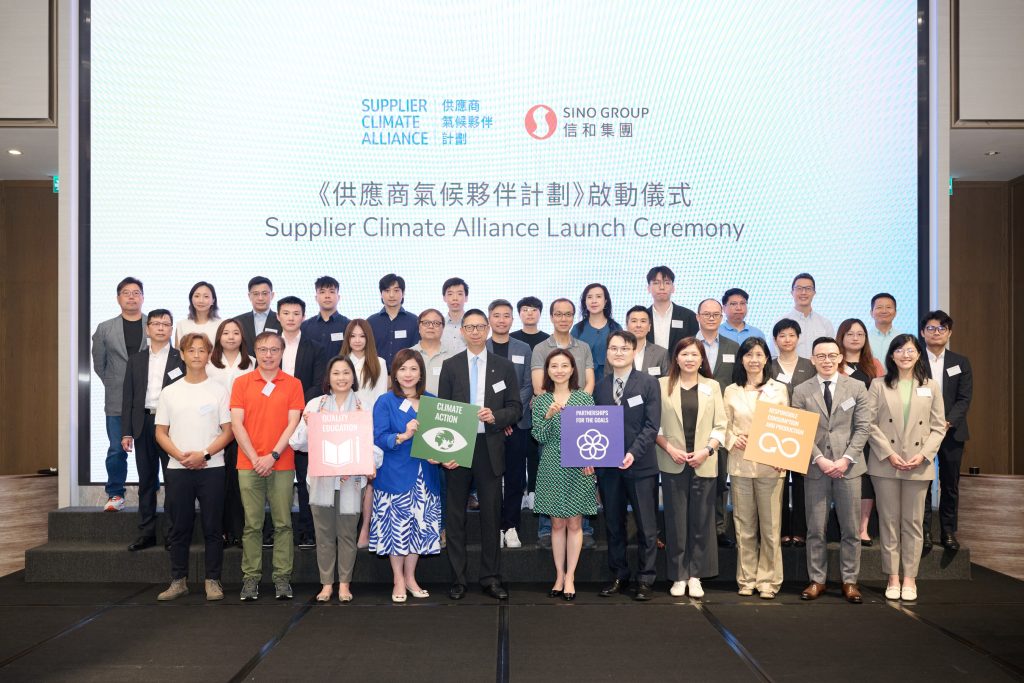
Sino Group Launches Supplier Climate Alliance to Strengthen Green Supply Chain

HONG KONG: Sino Group has officially launched the ‘Supplier Climate Alliance’, a pioneering initiative aimed at promoting sustainability and climate resilience across its supply chain. As one of the first locally-driven programmes of its kind, the Alliance is designed to raise climate awareness among suppliers, foster cross-sector collaboration, and encourage carbon management and greenhouse gas disclosure practices within the broader business community. Launched on 28 May 2025, the initiative is spearheaded by Sino Group in partnership with SGS Hong Kong Limited, which serves as a Strategic Partner to support the professional verification of carbon data. The Alliance also includes contributions from Knowledge Partners such as the Centre for Civil Society and Governance of The University of Hong Kong, Ernst & Young, the SME Sustainability Society, and the World Wide Fund for Nature Hong Kong. Together, these organisations will provide technical expertise, share insights on carbon reduction strategies, and help suppliers improve their sustainability reporting capabilities. The launch event featured a thematic panel discussion and brought together over 50 supplier representatives from various sectors, signalling the strong interest among local businesses in adopting sustainable practices. Notable attendees included Arthur Lee, Commissioner for Climate Change at the Environment and Ecology Bureau of the HKSAR Government; Paul Chow, Group General Counsel and Group Chief Sustainability Officer at Hong Kong Exchanges and Clearing Limited; Miranda Kwan, Director of Business Assurance at SGS Hong Kong Limited; and Cindy Chow, Chief Financial Officer and Associate Director (Finance) at Sino Group. In his address, Arthur Lee praised the initiative for aligning with Hong Kong’s broader climate goals. He emphasised that early green transformation would not only enable companies to contribute positively to society but also allow them to gain a competitive edge in the future low-carbon economy. He expressed hope that more suppliers would join the movement and contribute to Hong Kong’s path towards carbon neutrality by 2050 and the national “3060 Dual Carbon Targets”. Cindy Chow echoed these sentiments, underlining the importance of collaboration in addressing climate change. She noted that while Sino Group remains committed to enhancing its own climate resilience, it recognises the need to work closely with suppliers and partners to collectively build a more sustainable city. Chow thanked government agencies and business leaders for their continued support and called for a unified effort in implementing meaningful carbon reduction actions. To that end, the Supplier Climate Alliance will offer participating suppliers a range of learning and development opportunities. These include knowledge exchange sessions, professional training on carbon data collection, and workshops focused on best practices in emissions management. Experiential activities such as ‘Farm Together’ urban farming workshops, snorkelling sessions focused on coral restoration, and visits to innovation hubs like Sino Inno Lab and The Spark are also planned. These programmes aim to deepen participants’ understanding of climate issues and inspire them to integrate sustainability into their business operations. As of the launch, approximately 40 suppliers have joined the Alliance, with over half having signed the Carbon Management Pledge. This commitment aligns with Sino Group’s ‘Sustainability Vision 2030’ and underscores the importance of reducing Scope 3 emissions—those indirectly generated across the value chain. Through this pledge, suppliers commit to enhancing climate-related disclosures and adopting more rigorous carbon management standards. SGS Hong Kong, which plays a key role in verifying carbon data under the Alliance, also acknowledged Sino Group’s early leadership in sustainable procurement. Miranda Kwan highlighted that Sino Group was among the first local developers to achieve ISO 20400:2017 certification for sustainable procurement practices—an international standard that integrates environmental and social responsibility into supply chain management. Beyond the Supplier Climate Alliance, Sino Group continues to embed sustainability across its operations and community outreach efforts. Its recent ‘Sino Sustainability Month’ saw over 200 employees participate in various educational and hands-on activities, including ESG trend seminars, eco-factory visits, and food waste upcycling workshops. These events further reinforce the Group’s commitment to creating lasting environmental impact by engaging stakeholders at all levels. As businesses around the world look to align with ESG standards and national climate targets, Sino Group’s Supplier Climate Alliance sets a precedent for inclusive, collaborative climate action. By empowering its supply chain partners with tools, knowledge, and accountability mechanisms, Sino Group is building not only a greener future for Hong Kong, but also a more resilient and responsible business ecosystem.

News

TotalEnergies and RGE Partner to Develop Major Solar and Storage Project in Indonesia

JAKARTA/ SINGAPORE: In a landmark collaboration to boost Southeast Asia’s renewable energy ambitions, TotalEnergies and RGE have entered into a Co-Investment Agreement to jointly develop a utility-scale solar photovoltaic (PV) power plant and battery energy storage system (BESS) in Indonesia’s Riau Province. The agreement was formalised through their 50:50 joint venture, Singa Renewables (Singa), and marks a significant step towards enhancing regional energy security and sustainability. Signed at the Presidential Palace in Jakarta and witnessed by Indonesian President Prabowo Subianto and French President Emmanuel Macron, the agreement highlights high-level bilateral support for the project. The development will be rolled out in phases, delivering green electricity for domestic and cross-border consumption. “Our utility-scale project underscores TotalEnergies’ commitment to supporting the region’s energy transition while ensuring energy security,” said Helle Kristoffersen, President Asia and Member of the Executive Committee, TotalEnergies. “This initiative will contribute meaningfully to the ASEAN Power Grid vision.” Imelda Tanoto, Managing Director at RGE, added, “This collaboration is closely aligned with Indonesia’s National Transformation Strategy (Asta Cita), supporting green energy self-sufficiency and value-added services for its bio-based industries. Beyond decarbonisation, it will help create skilled local jobs and drive long-term economic value.” Driving Green Industry and Regional Integration Once completed, the project will: Supply clean energy to green industrial complexes in Riau Province, supporting Indonesia’s decarbonisation and economic growth goals. Export solar energy to Singapore, strengthening regional renewable energy cooperation and contributing to ASEAN’s clean energy agenda. Catalysing Economic and Workforce Transformation The initiative is expected to: Position Indonesia as a renewable energy hub, building local expertise in solar, energy storage, engineering, and grid integration. Enhance regional energy integration by supporting ASEAN’s cross-border clean energy ambitions. With robust governmental backing and a strong commitment to sustainable development, the TotalEnergies-RGE partnership represents a bold move towards transforming Southeast Asia’s energy landscape.

News

Toyota Becomes Top Shareholder in Joby with US$250m Investment

TOKYO: Toyota Motor Corp has invested US$250 million in Joby Aviation Inc, making it the largest shareholder in the US-based air taxi developer with a 15.3% stake. The funding marks the first half of a previously announced US$500 million commitment to the electric vertical takeoff and landing (eVTOL) company. The investment, originally set to close in 2024, is part of Toyota’s total pledged funding of US$894 million in Joby. The second tranche is expected later this year. The move strengthens Toyota’s position in the emerging urban air mobility sector. “This milestone further cements the collaboration and alignment between our two companies,” said Tetsuo Ogawa, CEO of Toyota North America. Joby shares rose 3.5% to US$7.12 in after-hours trading following the announcement. The stock is down roughly 15% year-to-date. Joby is among several firms developing battery-powered eVTOL aircraft for short-range urban travel. The company has shifted its commercial launch target to early 2026 in Dubai, pending regulatory approvals from the US FAA and global authorities. Toyota began backing Joby in 2020, following an earlier investment by its venture capital arm in 2018.

Scroll to Top

Subscribe
FREE Newsletter