international

Energy & Technology, News

Cebu Pacific Leases Jets to Saudi’s Flyadeal During Off-Peak Season

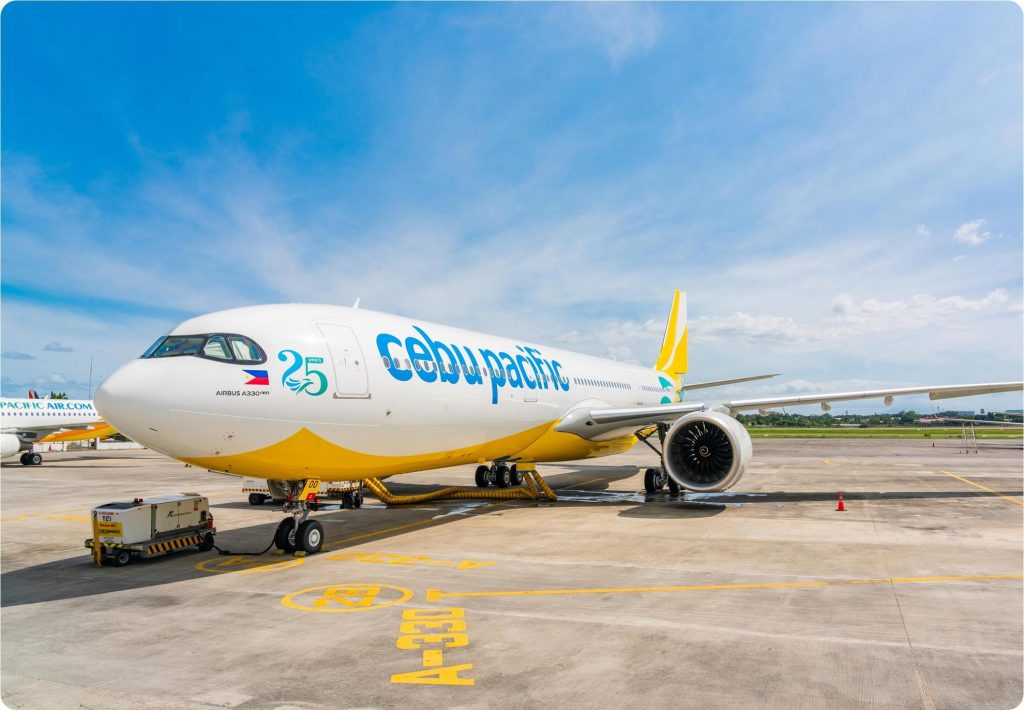
MANILA: Philippine budget airline Cebu Pacific has entered into a short-term wet lease agreement with Saudi low-cost carrier flyadeal, leasing two Airbus A320 aircraft along with pilots, cabin crew and maintenance services. The move is aimed at monetising excess capacity during the Philippines’ traditionally lean travel period in July and August. Under the agreement, Cebu Pacific will deploy the aircraft to flyadeal during the Saudi summer travel peak. The wet lease arrangement allows flyadeal to scale its operations in the high-demand period without the immediate need for additional aircraft or crew recruitment. “We have this natural symbiosis where my peak is not his and vice versa,” said Steven Greenway, CEO of flyadeal, during a joint press briefing. Michael Szucs, CEO of Cebu Pacific, noted that the deal marks a first for the airline, which has historically never leased out its aircraft. However, he signalled that more such agreements could follow as the airline continues to expand its fleet. “We’re testing the waters,” Szucs said. Cebu Pacific had last year placed an order for at least 70 Airbus A321neo aircraft to strengthen its long-term fleet requirements. The new aircraft will gradually be added to its network in the coming years, opening the door for further leasing opportunities during the airline’s off-peak seasons. The partnership also aligns with flyadeal’s broader regional ambitions. The Saudi budget carrier, a subsidiary of Saudia Group, has been ramping up its long-haul operations, recently ordering 10 Airbus A330neo wide-body jets. The airline expects three of the 10 aircraft to be in service by July 2027, with two more arriving later that year. “Southeast Asia is our key destination for these aircraft,” Greenway added in an interview, identifying the Philippines, Malaysia and Indonesia as high-potential markets. “Obviously, the Philippines is interesting because of our partnership with Cebu Pacific.” Flyadeal also views the Philippines as a key market to capture travel demand to and from the Gulf region, especially among overseas Filipino workers and Muslim pilgrims travelling to Saudi Arabia for the annual Haj pilgrimage. The agreement represents a strategic use of underutilised assets for Cebu Pacific while offering flyadeal operational flexibility in its growth trajectory. It also underscores the increasing collaboration between budget carriers as they seek to optimise fleet use and expand into new markets amid ongoing global recovery in the aviation sector.–REUTERS

News

Nissan plans US$7b funding with UK govt backing

Nissan Motor Co is undertaking an ambitious capital-raising initiative valued at over ¥1 trillion (approximately US$7 billion or RM29 billion), as it confronts a looming debt maturity crisis and accelerates a sweeping restructuring programme. Internal documents reviewed by Bloomberg reveal the automaker’s strategy encompasses a hybrid approach—issuing convertible securities, initiating asset divestitures, and securing sovereign-backed syndicated financing. The Yokohama-based manufacturer plans to issue up to ¥630 billion in convertible bonds and high-yield notes denominated in US dollars and euros. A significant tranche of the financing effort includes a £1 billion (US$1.4 billion) syndicated loan facility underwritten by UK Export Finance (UKEF)—a critical endorsement signalling confidence from the British government in Nissan’s strategic footprint within the UK’s post-Brexit automotive landscape. Nissan is also eyeing the disposal of non-core assets to bolster liquidity. This includes partial divestments in long-held equity positions in French partner Renault SA and Japanese battery maker AESC Group Ltd, alongside manufacturing plants in South Africa and Mexico. In Japan and the US, key real estate—most notably its Yokohama headquarters—are being considered for sale-and-leaseback transactions. Market response has been swift, with Nissan’s shares rallying up to 4.6% in Tokyo, reflecting investor optimism despite the underlying financial distress. Financial Stress and Leadership Response These fundraising efforts come as Nissan grapples with acute financial headwinds. Internal forecasts indicate the company’s automotive division could see cash reserves dwindle to near zero by March 2026, should US tariffs persist and no additional liquidity be injected. The fiscal pressure is compounded by US$5.6 billion in debt maturing next year—Nissan’s largest obligation since at least 1996. CEO Ivan Espinosa, who assumed leadership earlier this year, has acknowledged the urgent need to re-establish fiscal sustainability. While asserting that the group maintains a liquidity buffer of approximately ¥2.2 trillion, Espinosa is pursuing aggressive restructuring to avert further deterioration. This includes a drastic reduction of 20,000 jobs and the shuttering of seven out of 17 global plants by 2028, with two major closures in Japan’s Oppama and Hiratsuka regions already in motion. Should prevailing tariffs remain, the automaker could incur an operating loss of up to ¥450 billion for FY2025—its largest operational deficit on record. Even in a best-case scenario without tariffs, the projected loss stands at ¥300 billion, underscoring systemic inefficiencies and a pressing need for transformation. UK Strategic Investments and Export Leverage Central to Nissan’s recovery blueprint is its UK manufacturing hub in Sunderland, the country’s largest automotive production facility. The carmaker has pledged £2 billion to scale electric vehicle production at the site. The UKEF-backed loan, therefore, not only provides liquidity but also safeguards British employment and supports decarbonisation objectives aligned with national policy. AESC, once a Nissan subsidiary and now under Chinese majority ownership, has committed to constructing a second battery plant in Sunderland. This move aligns with UK government priorities to secure local EV supply chains amid intensifying geopolitical tensions and trade barriers. Recent developments, including the UK-US trade agreement, could offer Nissan critical relief if exports from Sunderland are exempted from US tariffs. This is particularly salient given the Trump administration’s 25% import tax on foreign-made vehicles—effective since April—and its disproportionate impact on export-heavy manufacturers like Nissan. Credit Ratings and Liquidity Position Despite the proposed funding initiatives, Nissan’s financial credibility remains under scrutiny. Credit rating agencies have downgraded the company’s status to junk territory amid persistent negative cash flow and uncertain profit outlooks. Although the company reports ¥2.1 trillion in untapped credit facilities, its capacity to withstand prolonged macroeconomic shocks is tenuous without material operational improvement. The success of Nissan’s funding strategy, much of which is still pending board approval, will be pivotal in determining whether the automaker can navigate its current inflection point. Industry analysts will be closely monitoring the company’s execution of asset disposals, cost rationalisation measures, and progress on strategic alliances—especially following the collapse of merger talks with Honda Motor Co earlier this year. In the broader context, Nissan’s situation reflects the existential challenges facing legacy automakers amid the global shift to electrification, trade realignment, and evolving capital markets. The next 12 months will be critical—not only for Nissan’s survival but also for Japan’s automotive sector, which remains a bellwether for industrial resilience in a volatile global economy.–BLOOMBERG

Investment & Market Trends

PDD Holdings Profit Plunges 47%

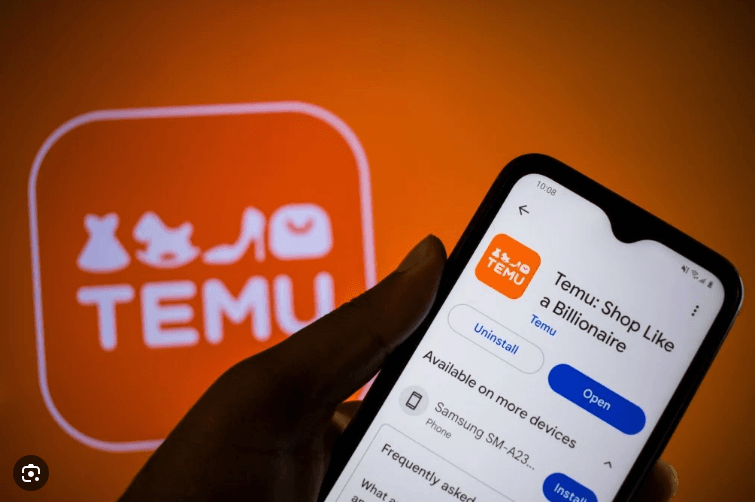
PDD Holdings, the Chinese e-commerce giant behind Temu and Pinduoduo, reported a 47% year-on-year drop in net profit for the first quarter to 14.74 billion yuan (US$2.05 billion), falling significantly short of analyst expectations. Revenue also missed estimates, coming in at 95.67 billion yuan against a projected 102.51 billion yuan. The company attributed the steep profit decline to tighter margins, driven by US tariffs, heightened promotional spending, and a challenging macroeconomic environment. Shares listed in the US plunged over 17% following the announcement. Domestically, PDD’s budget-focused Pinduoduo platform is grappling with intensified competition and sluggish consumer spending, exacerbated by China’s prolonged property sector downturn. Internationally, Temu faces uncertainty amid escalating US-China trade tensions, despite a recent temporary easing of tariffs under the “de minimis” rule. Analysts pointed to elevated advertising and promotion costs as necessary investments in merchant support and long-term ecosystem health, though they weighed heavily on short-term profitability. Chairman and Co-CEO Chen Lei reaffirmed the company’s global strategy, noting efforts to maintain low prices and ensure supply chain stability by partnering with local merchants.

Energy & Technology

US Solar Makers Spot Tariff Loophole for Southeast Asian Competitors

NEW YORK: US solar manufacturers are calling on the US International Trade Commission (ITC) to close a tariff loophole that could allow millions of dollars’ worth of solar equipment from Southeast Asia to enter the country duty-free before new tariffs are implemented. The ITC recently ruled that solar imports from Cambodia, Malaysia, Thailand, and Vietnam — which collectively dominate the US market — are harming domestic producers. This decision paves the way for tariffs ranging from 34% to 3,521%, depending on the country and manufacturer involved. While the agency stated it would publish the ruling by June 30, the American Alliance for Solar Manufacturing has filed a petition urging the decision be finalised by June 2. The industry group warned that delaying publication could enable companies to flood the US with low-cost panels before the duties take effect. “If the ruling is published after June 2, there is a real risk that millions in equipment could bypass the new tariffs,” the alliance said in its petition. The push adds a new dimension to a long-running campaign by US-based solar manufacturers to improve their global competitiveness and protect domestic manufacturing. According to Wood Mackenzie, developers stockpiled between 40GW and 50GW of solar panels by the end of last year in anticipation of the duties. The ITC has declined to comment on the petition. Companies such as Hanwha Q Cells and First Solar Inc. have attributed the influx of cheap imports from Southeast Asia as a major challenge in sustaining domestic operations, despite federal tax incentives aimed at bolstering clean energy manufacturing. In 2024, the US imported US$12.9 billion in solar equipment from the four Southeast Asian countries, making up nearly 80% of total US solar imports, according to BloombergNEF. These new duties are distinct from broader tariffs introduced during the Trump administration, which sought to counter trade imbalances across multiple sectors.–BLOOMBERG

Energy & Technology

Unilab Taps RISE with SAP on AWS to Drive Digital Transformation

SAP today announced that Unilab, Inc., the Philippines’ largest pharmaceutical and healthcare company, has embarked on a strategic business transformation initiative powered by RISE with SAP—a comprehensive transformation journey to help enterprises transition to cloud ERP and unlock the full potential of SAP Business Suite. More than just a technology upgrade, this transformation will enable Unilab to reimagine its business processes with AI-powered enterprise applications. As Unilab commemorates its 80th anniversary in 2025, the company is preparing for the future by leveraging SAP S/4HANA Cloud – offered as part of RISE with SAP – to drive standardisation, operational efficiency, and economies of scale. Having implemented SAP ERP Central Component (SAP ECC) since 2005 to support its operations in the Philippines, Unilab’s next 20-year vision is to ensure long-term competitiveness while optimising operations across markets. To further strengthen its operations, Unilab is adopting RISE with SAP on Amazon Web Services (AWS) to enhance decision-making and operational efficiency. This transition will modernise its core ERP systems and introduce new solution components and capabilities powered by SAP Business Suite, including SAP Business AI and SAP Business Technology Platform (SAP BTP)—equipping Unilab with the agility to better navigate the complexities of the pharmaceutical industry. Additionally, Unilab is streamlining its supply chain and manufacturing processes, and integrating more automation and data analytics to drive greater efficiency. “Twenty years ago, we were running on multiple tech platforms, but it was a much simpler business back then,” said Sebastian Frederick Baquiran, President and CEO, Unilab, Inc. “Today, not only does Unilab Group have a strong product business in pharmaceuticals, we now have a significant and growing healthcare service business. It is our vision to be the champions of healthcare and life sciences in this part of the world… and this moment presents a golden opportunity to further streamline and enhance our processes and policies.” “Unilab’s adoption of RISE with SAP on AWS underscores how leading organisations in the Philippines are embracing innovation and cloud technology to tackle complex industry challenges,” said Jill Santos, Managing Director, SAP Philippines. “By modernising its core systems with SAP S/4HANA Cloud and leveraging the standardised framework and proven transformation methodology offered in RISE with SAP, Unilab is building a future-ready enterprise—one that is more agile, operationally efficient, and competitive in the evolving pharmaceutical landscape.”

News

McDonald’s to Accelerate Store Expansion in China

McDonald’s Corporation is doubling down on its expansion in China, reaffirming confidence in its largest international market despite global economic headwinds and a 1% decline in worldwide comparable sales for the first quarter of 2025. Speaking during the company’s earnings call, Chief Financial Officer Ian Borden highlighted China as a bright spot in an otherwise mixed global landscape. “In China, our performance remained stable, driven by an increase in delivery share, the success of Big Bites, Value meals and strong performance in chicken,” Borden said. Echoing that optimism, Chairman and CEO Chris Kempczinski noted that McDonald’s continues to demonstrate enduring brand value, particularly in times of economic uncertainty. China is set to play a central role in the company’s international growth strategy. Out of the 2,200 new stores McDonald’s plans to open globally this year, nearly 1,000 will be located in China, according to figures reported by Shanghai-based business media outlet Yicai. That expansion would represent nearly half of the company’s global franchised openings in 2025. McDonald’s currently operates more than 7,000 restaurants across China, with over half situated in third- to fifth-tier cities. Since 2017, its China operations have been managed by a consortium led by CITIC Capital. The company’s highly localised supply chain — with over 90% of ingredients such as chicken and potatoes sourced within China — has helped shield the business from external disruptions, including recent US-China trade tensions. “Our localised model has been key to navigating market challenges,” said Gu Lei, Chief Impact Officer of McDonald’s China. “More than 90 percent of our ingredients such as chicken and potatoes are produced, processed and procured within China.” In response to changing consumer behaviour, the company launched its “Value Year” campaign in 2025. The initiative features Big Mac promotions, a “Mix and Match 1+1” offer, a refreshed membership rewards programme, and an exclusive Gold Card offering, all designed to enhance value perception without compromising on quality. “Chinese consumers are not just chasing low prices, they’re looking for quality and experience at a reasonable price,” Gu said, citing a survey of over 40,000 young consumers. McDonald’s has also broadened its store formats to match local preferences, including an increase in drive-throughs, smart pickup counters, family-oriented dining spaces, and mobile McCafe carts — all aimed at boosting accessibility and engagement. “McDonald’s localisation strategy has proven highly effective,” said Zhu Danpeng, an independent food and beverage analyst. “The company has deeply tapped into Chinese dietary culture and consumer habits through a localised operating system and consistent product innovation.” “In today’s uncertain global economic climate, consumers are increasingly drawn to brands that deliver strong value for money — an area where McDonald’s continues to excel,” Zhu added. — China Daily / ANN

News

Japan Unveils US$15.5 Bil Relief Plan for SMEs Hit by US Tariffs

TOKYO: The Japanese government has announced a sweeping ¥2.2 trillion (US$15.5 billion) economic support package to protect small and medium-sized enterprises (SMEs) from the adverse effects of US-imposed tariffs, including steep levies on cars, steel, and aluminium. The measures, revealed today by Chief Cabinet Secretary Yoshimasa Hayashi, aim to safeguard the backbone of Japan’s economy through corporate financing support and eased loan conditions via a government-backed lending institution. “We will provide full support for small and medium-sized enterprises affected by the US tariffs,” Hayashi said during a press conference. The aid comes amid heightened trade tensions with Washington, following a series of tariff hikes introduced by US President Donald Trump. Japan, a key American ally, currently faces a baseline 10% tariff on most exports to the US, as well as harsher duties of up to 25% on automotive products — a vital sector which accounts for approximately 8% of all Japanese employment. In early April, Trump announced a new 24% “reciprocal” tariff specifically targeting Japanese goods, but temporarily paused enforcement until early July. Negotiations are ongoing, with Japan’s tariffs envoy expected to return to Washington this week for a fourth round of bilateral talks. Prime Minister Shigeru Ishiba is aiming to secure a breakthrough agreement during his upcoming meeting with President Trump at the Group of Seven (G7) summit in Canada next month. Economic Headwinds and Political Stakes The relief plan arrives at a precarious time for the world’s fourth-largest economy, which contracted by 0.2% in the first quarter of 2025. The downturn, driven by export pressures and rising costs, has amplified scrutiny of Ishiba’s leadership ahead of Japan’s upper house elections scheduled for July. In a bid to shield households from surging living expenses, the government will also allocate an additional ¥288 billion to subsidise electricity and gas bills from July to September — the peak period for air conditioning usage due to Japan’s sweltering summer temperatures. According to Hayashi, this initiative is expected to reduce utility costs by approximately ¥3,000 per family over the three-month period. Targeted Grants and Energy Cost Mitigation Beyond household relief, the package includes plans to expand special grants for institutions such as hospitals and small businesses, allowing them to manage energy costs not covered by existing assistance programmes. This move complements broader efforts to offset the ripple effects of inflation and maintain economic stability in the face of mounting external pressures. With tariff talks continuing and domestic sentiment wavering, Japan’s comprehensive relief measures reflect a strategic attempt to cushion its economy while maintaining diplomatic channels with Washington. As both nations prepare for high-level discussions in Canada, all eyes are on whether Tokyo can negotiate a rollback of the tariffs — a potential lifeline for the thousands of SMEs now struggling to absorb higher operational costs.

News

China’s Industrial Sector Posts Steady Profit Growth in April Despite Trade Uncertainty

China’s industrial sector continued to demonstrate resilience in April, with profits expanding despite escalating trade tensions with the United States and persistent deflationary pressures domestically, according to official data released on Tuesday. The National Bureau of Statistics (NBS) reported that industrial profits grew by 1.4% year-on-year during the January to April period, reaching 2.1 trillion yuan (US$292.28 billion). This represents an acceleration from the 0.8% gain recorded in the first quarter, which had marked a turnaround from a 0.3% decline over the first two months of the year. On a monthly basis, April saw a 3% increase in industrial profits, up from a 2.6% rise in March, indicating a sustained recovery in the sector. These developments come against the backdrop of renewed trade friction between the world’s two largest economies. In April, US President Donald Trump announced sweeping “reciprocal tariffs,” exempting most countries but imposing levies of 145% specifically on Chinese imports. The tit-for-tat measures have reignited concerns over the future of China’s export-driven recovery, with analysts warning that a 50% drop in exports to the United States could result in up to 16 million job losses if the recent truce between Beijing and Washington fails to solidify into a more permanent arrangement. Recent economic data has presented a mixed outlook. While export figures have surpassed expectations, factory output and retail sales have exhibited signs of deceleration. Concurrently, factory-gate prices registered their steepest decline in six months during April, contracting for the 31st consecutive month. This trend has heightened fears of deflation and added further pressure on corporate profit margins. In response, Chinese authorities have reiterated their commitment to reinforcing economic stability. Earlier this month, Beijing unveiled a broad stimulus package aimed at invigorating growth, which includes interest rate reductions and substantial liquidity injections. In addition, policymakers and major e-commerce platforms have pledged increased support for exporters affected by tariffs, encouraging them to shift focus towards domestic markets. Performance among different types of enterprises varied during the first four months of the year. State-owned firms saw profits decline by 4.4%, while private-sector enterprises recorded a 4.3% increase. Foreign-invested firms posted a modest 2.5% gain, according to the NBS breakdown. The NBS data covers industrial companies with annual revenues of at least 20 million yuan from their core operations. -Reuters

News

Doosan Enerbility Signs $248 Million Supply Contracts

Doosan Enerbility has signed contracts valued at approximately 340 billion won (USD 248 million) to supply core equipment for two combined-cycle gas turbine (CCGT) power plant expansion projects in Saudi Arabia. The contracts were finalised with an engineering, procurement and construction (EPC) consortium led by Spain’s Técnicas Reunidas and Egypt’s Orascom Construction. The two facilities, each designed to generate 2,900 megawatts, will be constructed in phases through to 2028. Under the agreement, Doosan Enerbility will provide two turbines and two generators per site, including one 650-megawatt unit and one 540-megawatt unit for each plant. The equipment will be delivered to the Ghazlan 2 Expansion and Hajr Expansion power plants, both situated approximately 400 kilometres northeast of Riyadh. “We have continued to win orders based on the trust and technological prowess we have built up in the Middle East for over 40 years,” said Sohn Seung-woo, Head of the Power Service Business Group at Doosan Enerbility. “We will do our best to further increase customer trust through the timely delivery of high-quality products for this project and win follow-up orders for upcoming projects.” Doosan Enerbility has seen significant momentum in the global CCGT market, having secured orders for 7.3 gigawatts of ultra-large steam turbines over the past five years, representing 33.1 percent of the global total of 22.1 gigawatts. Since last year alone, nine turbine units have been contracted for Saudi Arabia. -Korea JoongAng Daily

Scroll to Top

Subscribe
FREE Newsletter