international

Energy & Technology, News

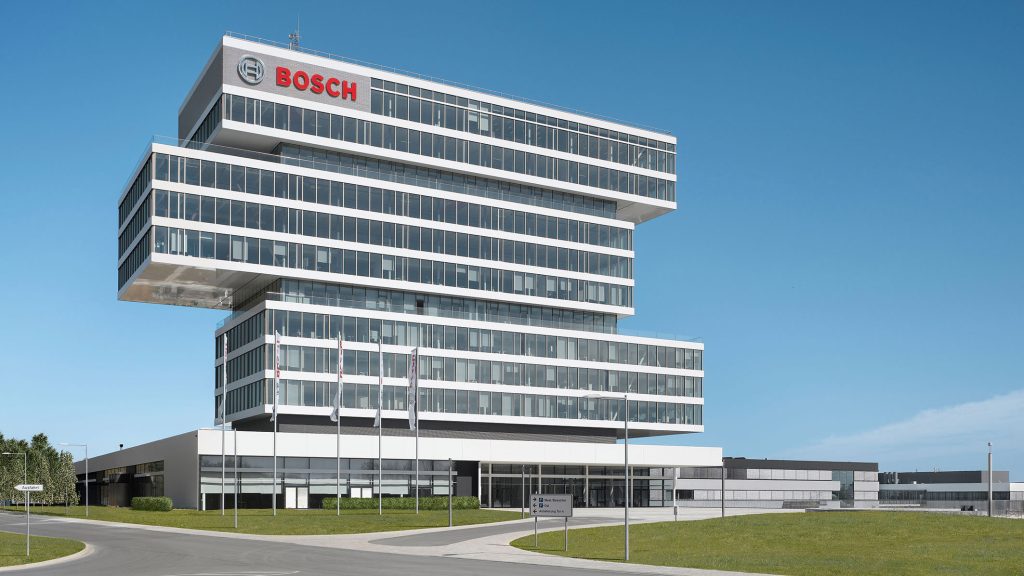
Bosch Addresses Challenges in EV Adoption as Southeast Asia Gears Up for the Future

Electric vehicles (EVs) are steadily becoming a mainstream transport option in Southeast Asia, with increasing numbers of consumers embracing cleaner alternatives. According to Mr Vijay Ratnaparkhe, President of Bosch Southeast Asia, the region has witnessed a notable rise in EV adoption, climbing from 9 per cent in 2023 to 13 per cent in 2024. In Singapore, the shift has been particularly significant, with one-third of new vehicle registrations in 2024 being electric, compared to nearly one in five the previous year, and just over one in ten in 2022. Despite this encouraging trend, progress has not been as rapid as initially anticipated. Mr Ratnaparkhe noted that key challenges persist—specifically around cost, battery performance, resale value, and the accessibility of charging infrastructure. In response, global technology supplier Bosch continues to support the region’s transition to electric mobility by addressing infrastructure gaps and working to dispel prevailing misconceptions surrounding EVs. Southeast Asia’s geographical diversity and infrastructure development present a complex combination of challenges and opportunities. While certain markets have benefited from swift EV uptake thanks to government incentives, others lag due to infrastructure constraints and consumer uncertainty. One of the most pressing barriers remains the limited availability of reliable and accessible charging networks. Without sufficient charging stations, many prospective drivers experience “range anxiety”—the concern that their vehicle might deplete its battery before locating a charging point. Mr Ratnaparkhe explained that while early EV models had limited driving ranges, the latest generation of vehicles has seen considerable improvement. “Thanks to ever-improving range prediction and navigation systems showing available charging stations, EV drivers can now clearly understand how far their battery will take them and where nearby charging stations are,” he said. “By continually assessing the driver’s surroundings, the vehicle can provide precise range calculations, minimising anxiety. With advances in battery technology and more efficient components—such as the use of silicon carbide in inverters—EVs will continue to achieve greater distances on a single charge.” Another area of concern is long-term battery health and the associated impact on resale value. Cost-conscious consumers in the region often take into account long-term maintenance expenses and future asset value when considering a switch to EVs. Many continue to favour hybrid vehicles as a more familiar and less risky investment, especially in light of concerns surrounding battery degradation. To address this, Bosch has introduced a battery certification service to help evaluate the condition and residual value of batteries in used EVs. This initiative is designed to increase consumer confidence in the second-hand EV market. Despite the growing popularity of EVs, persistent myths remain. A common misconception involves concerns over EV performance in wet weather or during floods—scenarios often encountered in the region. “EVs are designed and tested to resist water damage, just like combustion cars,” said Mr Ratnaparkhe. “The battery pack is well insulated and reinforced with shielding, while the high-voltage cables connecting the battery to the motors are also insulated. Electric and hybrid vehicles include fail-safe systems that automatically shut down electrical components in the event of a collision or short circuit. While it is never advisable to drive through floodwaters, concerns over EV safety in such situations are largely unfounded.” Cost remains another perceived barrier. Mr Ratnaparkhe noted that while tariffs continue to influence supply chain dynamics, the overall cost of EV ownership is becoming more competitive. Thanks to economies of scale and advancements in battery technology, the upfront cost of EVs is falling. In addition, tax incentives and exemptions from road taxes in certain countries are helping to close the price gap between EVs and traditional vehicles. With continued technological innovation and robust government support across the region, EV ownership is becoming an increasingly viable and environmentally responsible choice. Bosch’s internal data indicates that EVs produce between 20 and 30 per cent less carbon dioxide over their lifecycle compared to equivalent petrol or diesel vehicles—taking into account manufacturing, usage, and recycling phases. Looking ahead to 2030, the company anticipates even greater environmental advantages, with new EVs expected to emit approximately 40 per cent less carbon dioxide than their conventional counterparts. Mr Ratnaparkhe remains optimistic about the acceleration of EV adoption in Southeast Asia. A broader range of models, increased competition from new entrants, and decreasing battery costs are contributing to a more attractive EV market. In addition, younger, environmentally conscious consumers are playing a pivotal role in driving demand. Meanwhile, artificial intelligence is further enhancing the EV experience, enabling real-time analytics, predictive maintenance, and personalised driving features. “Software will play an increasingly important role in shaping the future of mobility,” said Mr Ratnaparkhe. “With new hardware and software solutions, we are helping to make mobility safer, more efficient, and more sustainable.”

News

Japan Targets Rice Price Relief with ¥2,000 per 5kg Cap

TOKYO: Japan’s government will slash the price of stockpiled rice to ¥2,000 (approximately US$14) per 5kg, in a decisive move to ease pressure on consumers facing steep price hikes for the staple grain, the Ministry of Agriculture announced on Monday. The initiative will see 300,000 metric tonnes of government-held rice released to retailers under discretionary contracts, as part of a broader strategy to swiftly stabilise prices ahead of the upper house election in July. The scheme follows a pledge by newly appointed Agriculture Minister Shinjiro Koizumi to accelerate rice distribution. Rice prices have roughly doubled compared to last year, driven by climate-induced crop damage, extreme summer heat, and a resurgence in tourism boosting domestic demand. The spike has posed a political risk for Prime Minister Shigeru Ishiba, whose administration is contending with a record-low approval rating. To further ease supply bottlenecks and reduce consumer costs, the government will cover transportation expenses to ensure the rice reaches retail shelves by early June. The targeted price of ¥2,000 per 5kg is roughly half the current average retail price, according to market data. Japan may also consider expanding distribution beyond retailers depending on market conditions, signalling a more flexible approach to stabilisation efforts. “The price of rice has about doubled compared to last year. We felt continuing the same way as before would not meet the people’s expectations,” said Minister Koizumi during a briefing with farm ministry officials. “We will dispel the public concerns about rice prices with even greater speed and a greater sense of urgency,” he added. As part of a push for private sector involvement, Koizumi met with Rakuten Group CEO Hiroshi Mikitani on Friday, who expressed support for the initiative, indicating that online platforms could play a key role in rapid distribution. The government’s stockpiling policy typically mandates replenishment of released rice, but authorities have decided against repurchasing this batch, acknowledging that restocking could sustain inflated market prices. Earlier in March, Japan released 210,000 metric tonnes of rice through two public auctions to combat rising costs. However, distribution inefficiencies meant only 7% of that stock had reached retailers by late April, prompting criticism of the system’s sluggishness. The latest strategy aims to bypass the previous multi-layered supply chain and deliver rice more directly and efficiently to consumers in need.

News

France, Vietnam Ink Airbus and Satellite Deals as Macron Visits Hanoi

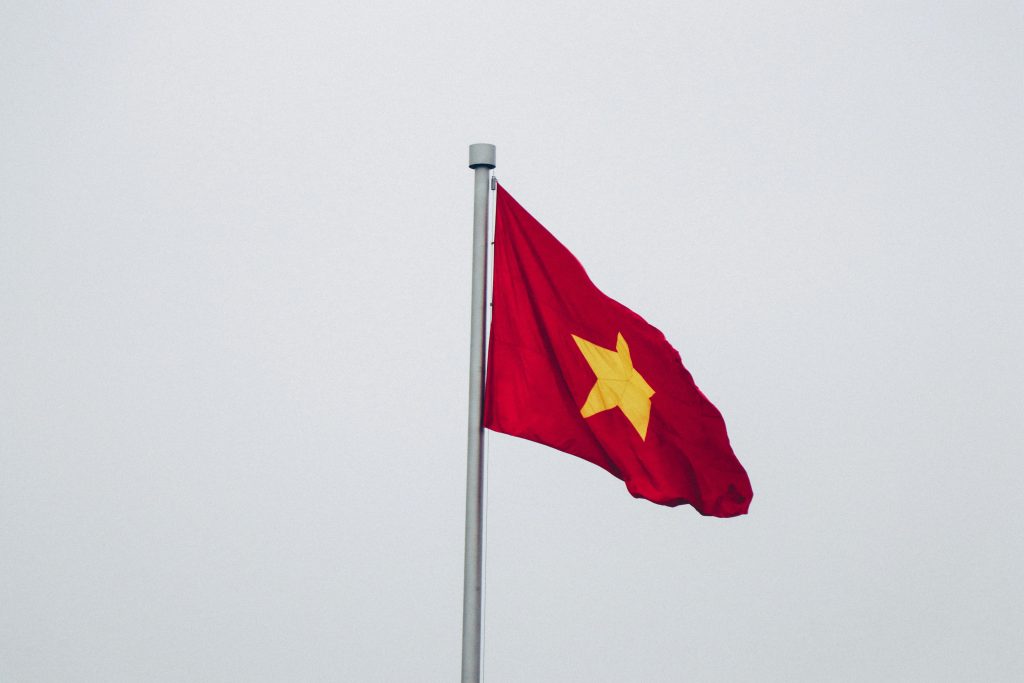
HANOI: France and Vietnam signed a series of strategic agreements on Monday, including a significant deal for 20 Airbus aircraft, as French President Emmanuel Macron embarked on his first official visit to Hanoi. The visit, aimed at deepening bilateral ties, comes amid rising global trade tensions and concerns over US tariffs. Macron’s three-day visit marks the first by a French president to Vietnam in nearly a decade. It follows heightened trade friction between the European Union and the United States, sparked by US President Donald Trump’s recent threat to impose 50% tariffs on EU goods starting in June. The deals signed during Macron’s visit include cooperation in aviation, nuclear energy, rail transport, space technology, and pharmaceuticals. These agreements were confirmed in official documents reviewed by Reuters. Among the highlights is a contract for 20 Airbus A330neo wide-body aircraft between European planemaker Airbus and Vietnamese budget airline VietJet. This builds on a previous agreement for 20 similar jets inked last year. Airbus currently supplies 86% of Vietnam’s commercial aircraft fleet, according to aviation data provider Cirium. Vietnam also signed a separate deal with Airbus Defence to advance collaboration on earth-observation satellites, reaffirming discussions that have been ongoing since Vietnam launched its current satellite in 2013, developed by Airbus’ predecessor EADS. The visit underscores France’s ambitions to maintain its presence and influence in Southeast Asia, particularly in light of Vietnam’s growing economic reliance on US trade. Vietnam is reportedly considering the purchase of at least 250 Boeing aircraft for its national carrier and VietJet to help narrow its trade surplus with the US and ease tariff pressures. European officials have cautioned Hanoi against making trade concessions to Washington that could come at the expense of its existing partnerships, particularly with the EU, which maintains a free trade agreement with Vietnam. During a joint press appearance with Vietnamese President Luong Cuong, Macron reaffirmed France’s commitment to freedom of navigation in the South China Sea, an issue critical to Vietnam amid ongoing maritime tensions with China. Macron also highlighted the strengthening of defence cooperation, including partnerships in information-sharing, cyber security, and counter-terrorism. President Cuong added that the collaboration extends to the defence industry and strategic intelligence. The agreements reflect a broader effort by both nations to elevate ties, which were officially upgraded to Vietnam’s highest diplomatic status in 2024. Following his Vietnam stop, Macron is set to continue his Southeast Asian tour with visits to Indonesia and Singapore, aiming to bolster France’s engagement in the region.

News

Japan Offers LNG, Shipbuilding Expertise to Ease US Tariff Talks

Japan is considering a range of financial and technical offerings—from investment in an Alaskan LNG pipeline to advanced shipbuilding capabilities—as it aims to secure a tariff deal with the US ahead of the mid-June deadline. Prime Minister Shigeru Ishiba said Tokyo will highlight its strength in ice-breaker construction amid rising Arctic security concerns, while also offering support in maintaining US naval vessels operating in the Asia-Pacific. His remarks came as trade negotiator Ryosei Akazawa returned from a third round of talks with US officials in Washington. Speaking in Tokyo, Akazawa said the goal is to finalise a comprehensive agreement before the planned bilateral meeting between Ishiba and US President Donald Trump at next month’s G7 summit in Canada. “There were concrete discussions on trade expansion, non-tariff measures, and economic security cooperation,” Ishiba said on Sunday. “Progress was made. We will continue the discussions with the G7 summit in mind.” The urgency is fuelled by economic concerns at home, with US tariffs threatening to push Japan into a technical recession ahead of the July upper house election. Trump had earlier called Ishiba to express willingness to meet in Canada, underscoring the high-level focus on resolving trade tensions. Akazawa, who is expected to return to Washington later this week to meet US Treasury Secretary Scott Bessent, reiterated that Japan is pushing for a single-package deal that includes the removal of the 25% tariff on Japanese automobiles. “Negotiating piece by piece could lead to misjudgements,” he said in parliament. “We are prioritising a comprehensive agreement.” He noted that tariffs are already having a significant impact, particularly on automakers. Subaru Corp, based in Gunma prefecture, may face US$2.5 billion in tariff costs unless mitigated. Despite the mid-June target, Akazawa cautioned against rigid deadlines. “Setting fixed timelines can lead to concessions,” he said. “We will negotiate firmly, protecting national interests.” Tokyo is also showcasing its investment contributions to the US economy. Reports suggest Japan could join a US$44 billion Alaska LNG project as part of the trade package, though concerns remain about the project’s scale. Separately, SoftBank’s Masayoshi Son has proposed a US-Japan sovereign wealth fund focused on technology and infrastructure. The atmosphere around negotiations has been buoyed by Trump’s unexpected endorsement of a partnership between US Steel Corp and Japan’s Nippon Steel Corp. Analysts believe this could positively influence trade talks, though details remain unclear. “This is very positive for trust-building,” said Kurt Tong, former US diplomat in Asia and now managing partner at the Asia Group. “But ultimately, the standoff over auto tariffs remains the key hurdle.” The proposed timeline aligned with the G7 summit could give Japan leverage, particularly if it secures relief on auto tariffs—a top priority as it heads into elections. Trump’s tariff regime has imposed a 25% levy on Japanese autos, steel and aluminium, and a 10% general tariff. Without a deal, tariffs could rise further to 24% in early July. Auto exports represent about a third of Japan’s shipments to the US, and the sector employs roughly 8% of the Japanese workforce. In April, a decline in US-bound auto exports raised concerns of a recession after Q1 economic contraction.–BLOOMBERG

News

BYD’s Hong Kong Shares Hit Record Premium Over Mainland Counterparts

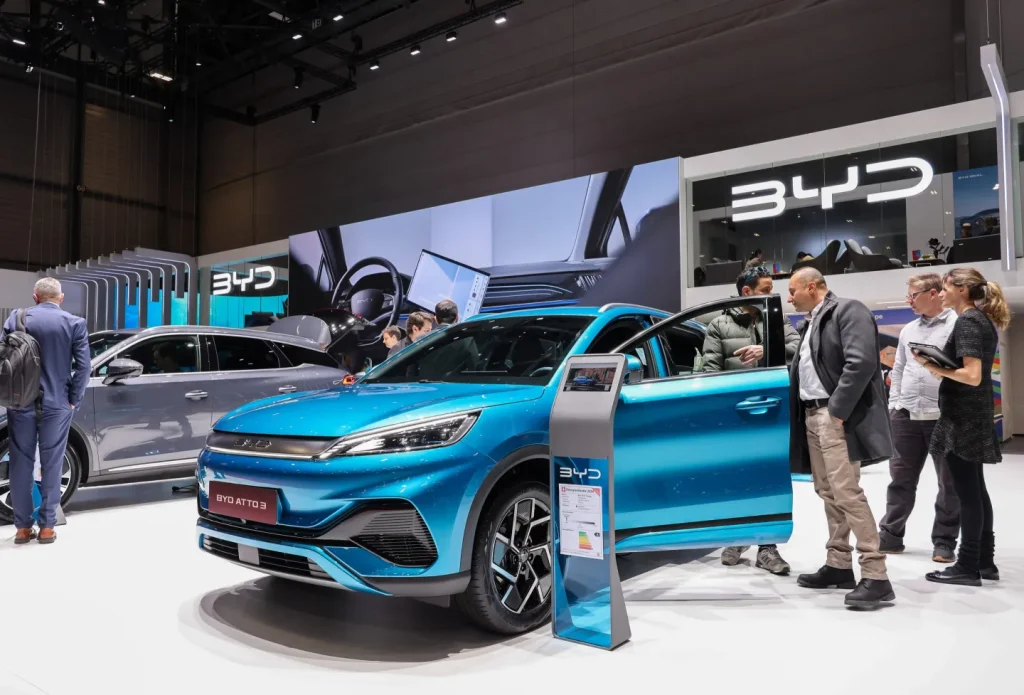
HONG KONG: Shares of BYD Co. surged as much as 4.4% in Hong Kong this week, pushing their premium over the company’s Shenzhen-listed stock to a record high, highlighting rising confidence among foreign investors in the Chinese electric vehicle giant. The Hong Kong-listed stock is now trading at a more than 5% premium to its mainland counterpart, after adjusting for currency conversion, according to Bloomberg data. The surge comes amid market enthusiasm following Contemporary Amperex Technology Co.‘s highly anticipated public debut. The widening gap between BYD’s dual listings is particularly notable, as mainland A-shares generally trade at a 33% premium to their Hong Kong equivalents, according to the Hang Seng Stock Connect China AH Premium Index. The trend reflects BYD’s status as a favoured stock among global investors, especially at a time when dual-listed companies typically see stronger valuations onshore. Analysts say the premium is further supported by stronger offshore liquidity and the company’s position as a “quality core holding” for international portfolios. “While the mainland’s overall premium over Hong Kong shares is likely to persist, select names like BYD and China Merchants Bank are showing inverse trends due to foreign investor interest,” noted James Wang, strategist at UBS AG. The performance underscores foreign investors’ growing conviction in BYD’s long-term prospects, positioning the automaker as a rare standout in a mixed market for Chinese equities.–BLOOMBERG

News

LNG PCC 2025 to be Co-Located with Japan Energy Summit & Exhibition

TOKYO: The Ministry of Economy, Trade and Industry (METI) of Japan, in cooperation with the International Energy Agency (IEA), has announced that the LNG Producer-Consumer Conference (LNG PCC) 2025 will be held on 20 June 2025, in collaboration with the Japan Energy Summit & Exhibition. The event will take place at Tokyo Big Sight, East Hall 7, coinciding with the final day of the three-day summit. Launched in 2012, the LNG PCC has served as a crucial platform to foster dialogue between liquefied natural gas (LNG) producers and consumers. The co-location with the Japan Energy Summit & Exhibition, organised by dmg events, is set to elevate the conference’s global impact by bringing together key stakeholders to shape the future of LNG markets, investment strategies, and energy policies. “The collaboration of LNG PCC with the Japan Energy Summit & Exhibition provides an exceptional platform for high-level dialogue and investment mobilisation,” said Christopher Hudson, President of dmg events. “This partnership will deepen global cooperation to ensure LNG remains a competitive, secure, and cleaner energy source supporting the world’s economic growth.” The event is expected to attract a high-level audience of energy ministers, corporate executives, LNG buyers, traders, and infrastructure developers—further positioning Japan as a central hub for LNG trade and policy dialogue. LNG PCC 2025 will be open exclusively to invited stakeholders. More information can be found at https://lngpcc.go.jp. For full access to the Japan Energy Summit & Exhibition—including the Strategic Summit, Technical Conference, and exhibitor list—registration is available at www.japanenergyevent.com.

ESG

PGE and UGM Advance Sustainable Farming with Geothermal-Based Katrili Booster

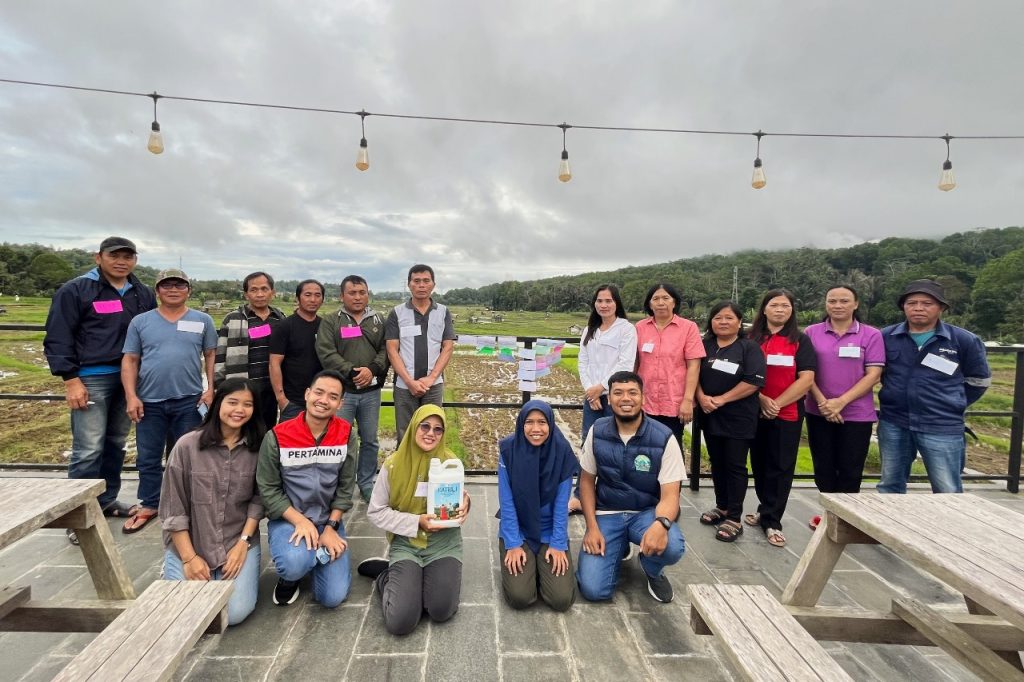
LAHENDONG: As the country with the second-largest geothermal reserves in the world after the United States, Indonesia holds immense potential in the renewable energy space. But beyond clean electricity, geothermal energy offers another powerful possibility—sustainable agriculture. PT Pertamina Geothermal Energy Tbk (PGE) (IDX: PGEO), in collaboration with Universitas Gadjah Mada (UGM), has harnessed this potential to develop the Katrili booster—an eco-friendly agricultural solution made from silica, a geothermal by-product. This innovation is not just a scientific breakthrough but a meaningful step toward strengthening food security and empowering local farming communities. “We are committed to creating real, lasting benefits for communities around our operations,” said Novi Purwono, General Manager of PGE’s Lahendong Area. “In Lahendong, farming is a major source of livelihood. When we saw the potential of geothermal by-products in agriculture, we knew we had a chance to make a bigger impact.” From By-Product to Breakthrough The origins of Katrili can be traced back to 2020 during the Covid-19 pandemic. While visiting PGE’s Geothermal Working Area (WKP) in Lahendong, Ir. Pri Utami, M.Sc., Ph.D., IPM—a geothermal expert from UGM—took samples of geothermal production residue for testing. She discovered that the silica-rich substance bore similarities to volcanic ash, long used to enrich soil. “I saw something promising in the material,” said Pri Utami. “Silica was the primary component, but there were also other valuable minerals. That’s when the idea of converting it into a plant booster began to take shape.” Pri teamed up with Dr.rer.nat. Ronny Martien, a nanotechnology expert from UGM’s Faculty of Pharmacy, to refine the material into a form suitable for agriculture. With rigorous research and development, they created the Katrili booster, a product designed to nourish plants while reducing reliance on conventional chemical inputs. Empowering Farmers through Knowledge and Access Introducing a new product to farmers required more than just innovation—it demanded education. UGM and PGE adopted a participatory, voluntary approach, training farmers on how to use the booster effectively. “Katrili works differently from typical boosters or fertilisers. Like medicine, it has to be used properly to show results,” explained Dr. Ngadisih, a soil and water conservation expert from UGM’s Faculty of Agricultural Technology. Beyond Lahendong, Katrili has also been introduced in other regions across Java, including Wonosobo and Magelang, through UGM’s Community Service Program (KKN). The booster combines silica with chitosan, a compound derived from shrimp and crab shell waste—an abundant resource in Indonesia. Together, they strengthen plant cell walls, boost resistance to pests, and improve water retention. Results on the Ground Two farmers from Tonsewer Village, Minahasa—Rommie and Danni—began using Katrili in 2024 on their tomato crops. They quickly noticed a difference. “The fruits were larger, ripened more evenly, and had fewer problems with rot. The plants also coped better with unpredictable weather, especially when used alongside regular fertilisers,” shared Danni. For Rommie, the experience carries a deeper meaning. “The Katrili booster was developed using materials from our own homeland. That makes us proud. We hope this programme continues to grow so more farmers can benefit.” The name “Katrili” itself is inspired by a traditional Minahasan dance that symbolises harmony and gratitude—values reflected in the programme’s impact. A Community Celebration To celebrate this success and further promote sustainable farming, PGE and UGM will host the Panen Raya Katrili (Katrili Harvest Festival) on Monday, 26 May in Lahendong. The event will feature local farming groups from the Minahasa Protestant Church Synod (KGPM) and the Evangelical Christian Church in Minahasa (GMIM). Visitors will enjoy a community harvest, traditional cuisine, and a performance of the Katrili dance.

News

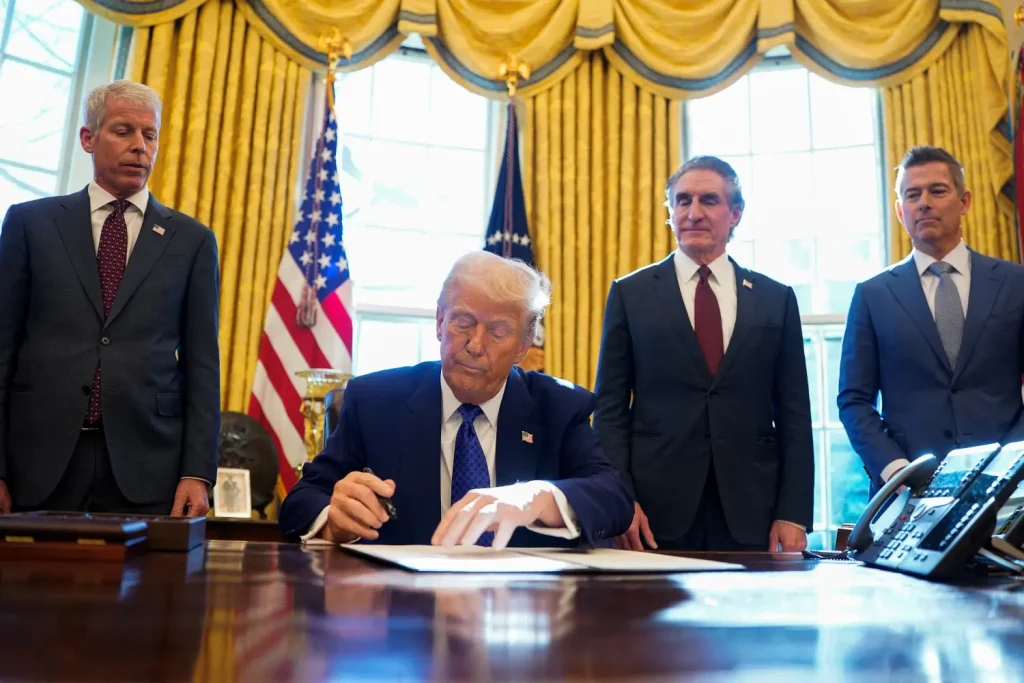
Trump Supports New ‘Partnership’ Between US Steel and Nippon Steel

WASHINGTON: US President Donald Trump has endorsed a new “partnership” between US Steel and Japan’s Nippon Steel, reversing his previous opposition to the takeover plan. Trump’s support has sent US Steel’s share price soaring, climbing more than 21% after his endorsement. Trump confirmed that US Steel, headquartered in Pennsylvania, will remain an American company, maintaining its headquarters in Pittsburgh. He emphasized that the partnership would create 70,000 jobs and contribute $14 billion to the US economy. The details of the arrangement remain unclear, but the announcement signals a shift in the ongoing dispute over foreign ownership of the critical steel company. In December 2023, US Steel and Nippon Steel announced a $14.9 billion merger, which faced significant opposition from unions concerned about foreign control. While Nippon Steel has expressed support for Trump’s leadership and commitment to US workers, the United Steelworkers’ Union remains cautious, citing concerns over potential erosion of domestic steel capacity and job security. The deal has faced delays, with the Biden administration previously blocking the merger over national security concerns, a move that led to legal challenges. Trump has now called for a review of the transaction by the Committee on Foreign Investment in the United States (CFIUS), tasked with evaluating the security implications of foreign investments in US companies.–AFP

News

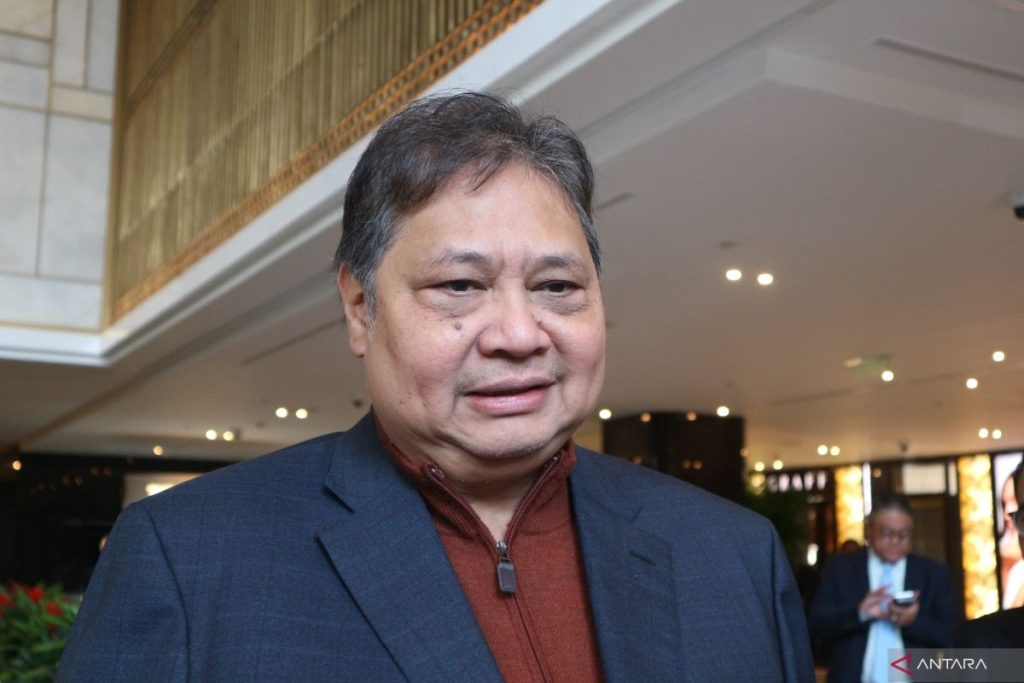
Indonesia to Unveil Stimulus Measures to Boost Consumer Spending

JAKARTA: Indonesia is set to announce economic stimulus measures on June 5 to spur consumer spending and revive economic activity. Chief Economic Minister Airlangga Hartarto confirmed that the initiatives aim to boost economic growth, targeting a 5% growth rate for the upcoming quarter. The stimulus package, designed to stimulate consumption, includes a 50% reduction in electricity bills for 79 million households and food aid for 18 million low-income households in June and July. Cash transfers will also be provided for low-income workers, alongside discounted work accident insurance for employees in labour-intensive industries. In an effort to boost tourism, the government will offer discounts on airfare, train, and sea transportation during the school holidays, as well as reduced toll rates for 110 million users in June and July. These measures come after Indonesia’s first-quarter GDP growth slowed to 4.87%, the weakest in over three years. The government is aiming to recover and maintain momentum through these targeted interventions.

News

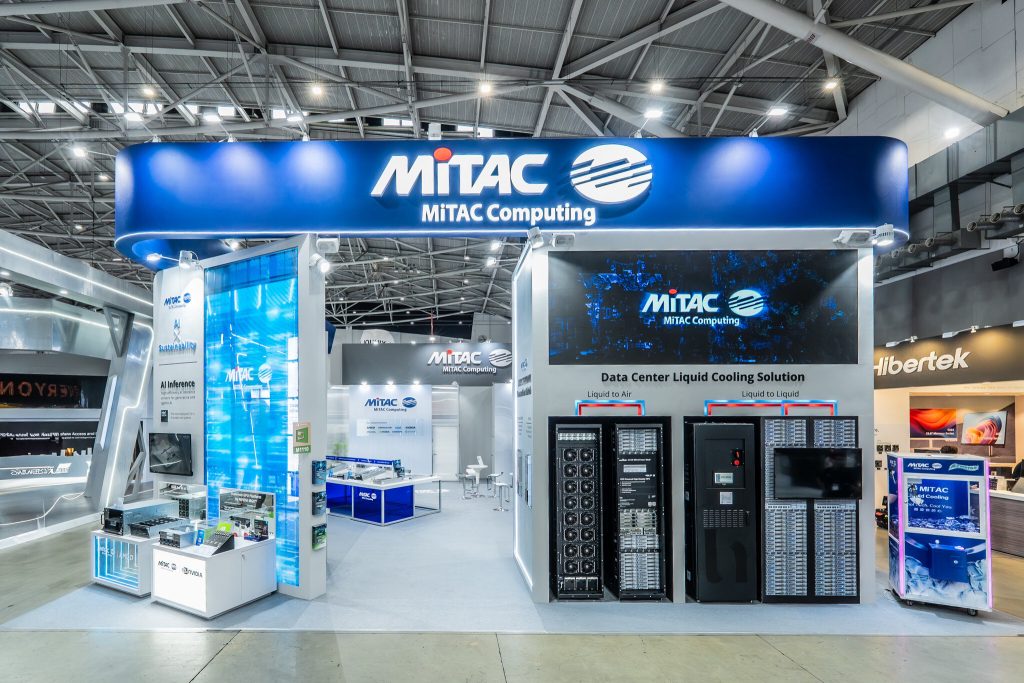
MiTAC Unveils AI and Cooling Solutions at COMPUTEX 2025

TAIPEI: MiTAC Computing Technology Corp., a subsidiary of MiTAC Holdings, revealed its ambitious vision at COMPUTEX 2025, positioning itself as a comprehensive AI and data center innovator. Moving beyond hardware provision, MiTAC is introducing full-spectrum solutions designed for AI training, high-performance computing (HPC), and data center infrastructure, including cutting-edge liquid cooling and GPU management technologies. Sustainable AI Infrastructure Rick Hwang, President of MiTAC Computing, highlighted the company’s shift towards open innovation, with a focus on AI and sustainability. MiTAC’s commitment to global tech partnerships and alignment with Open Compute Project (OCP) standards is evident in their latest offerings, which aim to improve computing performance, energy efficiency, and operational sustainability. AI-Powered Servers and Cooling Solutions At the event, MiTAC showcased its next-gen AI inference servers, including the MiTAC G4527G6 (MGX™ 4U), featuring eight NVIDIA RTX PRO™ 6000 Blackwell server GPUs and Intel® Xeon® 6767P processors. Additionally, the MiTAC G8825Z5 (8U) integrates two AMD EPYC™ 9005 series processors with eight AMD Instinct™ 350 series GPUs, optimized for AI and large language models. MiTAC also unveiled full-rack liquid cooling systems, including Liquid-to-Air and Liquid-to-Liquid options, engineered for AI and HPC workloads. These systems provide over 2000 kW of cooling power, addressing the thermal demands of modern data centers. Partnering for Next-Gen Performance MiTAC’s long-standing partnership with AMD was also spotlighted. The companies continue to launch high-performance server platforms integrating AMD EPYC™ processors with AMD Instinct™ GPUs, aimed at meeting the rising demands of AI computing. Together, they are developing solutions that combine high-performance, low power consumption, and intelligent management, aligning with the needs of next-generation data centers. MiTAC’s new offerings aim to empower businesses in AI, HPC, and cloud computing sectors, paving the way for sustainable and efficient data centers globally.

Scroll to Top

Subscribe
FREE Newsletter