international

News

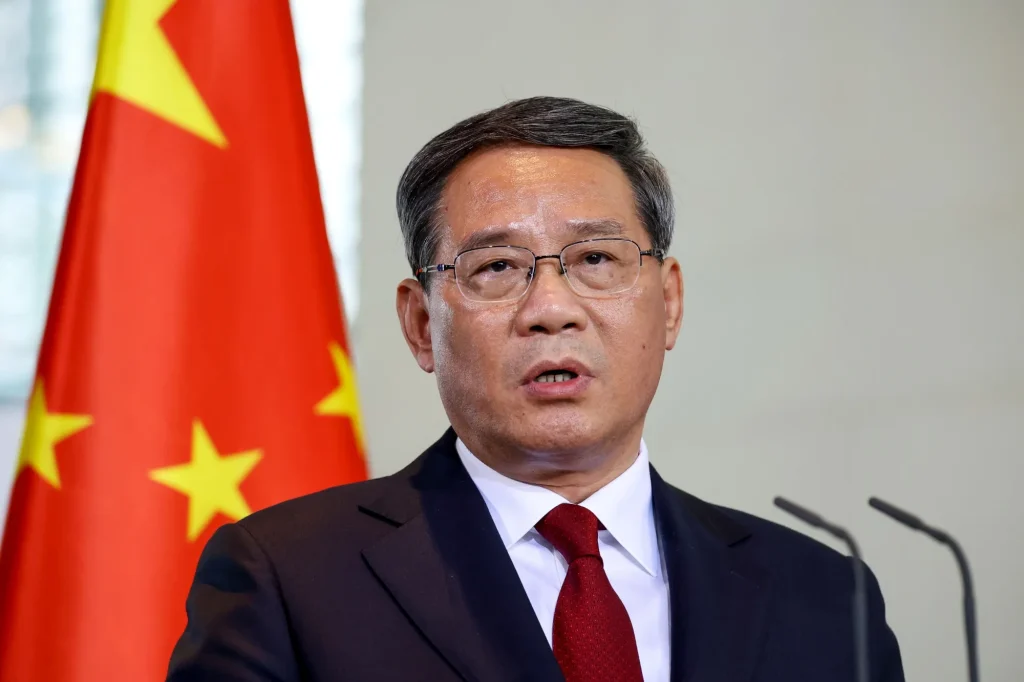
China, Indonesia to Promote ‘True Multilateralism’, Says Premier Li

SHANGHAI: Chinese Premier Li Qiang has reaffirmed China’s commitment to working with Indonesia to advance “true multilateralism”, during his visit to Jakarta on Saturday, according to China’s state-run Xinhua news agency. Li, who arrived in Indonesia for a two-day visit, stressed the importance of deepening cooperation between China and Southeast Asia’s largest economy, especially in the face of shifting global trade dynamics. The visit comes as China increases regional engagement following a wave of tariff hikes announced earlier this year by US President Donald Trump. While some levies have been delayed, the US and China recently agreed to suspend select tariffs. Indonesia, heavily reliant on China as its main trading partner, has offered concessions to the US in hopes of avoiding similar duties. At a business event attended by Li, Indonesian President Prabowo Subianto said Jakarta sees Beijing as a crucial partner for industrial and technological development, and underlined the strategic significance of their relationship for regional stability. He also praised China’s advocacy for developing nations and its firm opposition to “imperialism” and “colonialism”. Prabowo and Li are scheduled to hold bilateral talks on Sunday to explore ways to further strengthen Indonesia-China ties, according to Indonesian investment minister Rosan Roeslani. Li will continue his regional tour with a visit to Malaysia, where he will participate in the ASEAN-GCC-China Summit in Kuala Lumpur.

News

Vietnam Orders Messaging App Telegram to Be Blocked

HANOI: Vietnam’s Ministry of Technology has instructed telecommunication service providers to block the messaging app Telegram, following allegations of its failure to cooperate in combating crimes committed by its users. The directive, issued on May 21, ordered telecom companies to take action and report back to the ministry by June 2. The ministry’s move was made on behalf of the country’s cybersecurity department, following reports by the police that 68% of the 9,600 Telegram channels and groups in Vietnam were involved in illegal activities, including fraud, drug trafficking, and suspected terrorism. The document also noted that Telegram had not shared user data with the government when requested for criminal investigations. As of May 23, Telegram remained accessible in Vietnam, but the government is pushing for measures to block its operations within the country. Telegram, a free-to-use platform with nearly one billion global users, has faced scrutiny globally over its security and data practices. In Vietnam, the Communist Party strictly controls media and has frequently urged tech companies like Facebook, YouTube, and TikTok to help censor content that is seen as anti-government or harmful. Telegram is accused of not adhering to local laws that require social media platforms to monitor, remove, and block illegal content. The platform has also been linked to opposition groups that have used it to spread anti-government materials. Telegram and the Vietnamese Ministry of Technology did not immediately respond to requests for comment. — Reuters

News

Advisory Firm Glass Lewis Backs Toyota Chairman Re-election

TOKYO: Advisory firm Glass Lewis has recommended that shareholders re-elect Toyota Motor Corporation Chairman Akio Toyoda at the company’s upcoming annual general meeting in June. This marks a significant shift for Glass Lewis, as it had previously recommended against Toyoda’s re-election for the past two years, citing governance concerns. Toyoda, the grandson of Toyota’s founder and a former CEO, has faced increasing scrutiny over his leadership. In recent years, Toyoda’s shareholder support has waned. He was re-elected to the board in 2024 with 72% of shareholder votes, a sharp decline from 85% in 2023 and 96% in 2022. In a July 2024 interview with Toyota’s official news outlet, Toyoda acknowledged that his position on the board could be at risk if shareholder backing continued to decline. He noted that 2024 marked the lowest support for any director in Toyota’s history. In addition to Glass Lewis, proxy adviser Institutional Shareholder Services (ISS) has also endorsed Toyoda’s re-election this year, reversing its stance from the previous year when it recommended voting against him. — Reuters

News

Dave & Buster’s Enters the Philippines with First Location at Opus Mall, Manila

MANILA: Dave & Buster’s, the popular American entertainment and dining brand, has officially broken ground on its inaugural location in the Philippines. Set to open at the bustling Opus Mall in Manila, the venue will offer locals a first taste of the brand’s signature mix of cutting-edge arcade games, American cuisine, and dynamic sports viewing. The groundbreaking ceremony marked a key moment in Dave & Buster’s international expansion and was hosted in collaboration with its local franchise partner, The Bistro Group. Company executives, local officials, and community leaders attended the event, signalling strong anticipation for the brand’s debut in Southeast Asia. “This is more than a groundbreaking—it’s a landmark moment in our international story,” said Antonio Bautista, Chief International Development Officer at Dave & Buster’s. “With the strength of our partnership with The Bistro Group, we’re bringing an exciting new concept to Manila that delivers fun, flavour, and unforgettable experiences.” Jean Paul Manuud, President of The Bistro Group, echoed the sentiment: “Dave & Buster’s is a game-changing brand. We’re proud to launch this first-of-its-kind experience in the Philippines where great food, cutting-edge games, and community come together.” The Manila flagship will blend the brand’s renowned American fare with local culinary influences, feature a wide selection of state-of-the-art games, and provide flexible spaces for private events and major sports viewing. This debut in the Philippines forms part of a broader multi-unit development strategy in the region. Dave & Buster’s has already announced additional international locations set to open in 2025, including its second venue in India, as well as new outlets in Australia, Mexico, and the Dominican Republic. The brand currently operates more than 220 locations across North America and is actively expanding across five continents.

News

Myntra Expands Beyond Borders with Launch of Myntra Global in Singapore

BENGALURU: Indian fashion e-commerce giant Myntra is taking its first steps into international retail with the launch of Myntra Global in Singapore. The platform will offer curated selections of trendy, made-in-India fashion and lifestyle products, primarily targeting the city-state’s sizeable Indian diaspora of approximately 650,000. This strategic move marks a significant milestone for Myntra, which has built an 18-year legacy as a leading player in India’s fashion and lifestyle e-commerce space. The new venture also aligns with the Indian government’s broader vision of promoting Indian-made products on a global scale. “Myntra Global is a milestone moment,” said Nandita Sinha, CEO of Myntra. “With our experience in serving millions of fashion-conscious customers and our strong brand partnerships, we aim to bring the vibrancy of Indian fashion to Indians abroad, beginning with Singapore.” The new platform launches with around 35,000 styles from 100 popular Indian brands across apparel, footwear, home décor, and accessories. Shoppers in Singapore will have access to labels such as Aurelia, Global Desi, Libas, Rustorange, House of Pataudi, Chumbak, The Label Life, and many more. Myntra had already observed organic traction from Singapore, with about 30,000 users accessing its Indian platform prior to the official launch. The company is now aiming to formalise that interest with a seamless digital shopping experience through Myntra Global, accessible via mobile web and desktop. Orders will be fulfilled in an estimated 4–7 days using third-party cross-border logistics providers. The move not only reinforces Myntra’s intent to serve global consumers, but also promises a growth runway for Indian fashion brands aspiring to expand beyond the domestic market.

Property

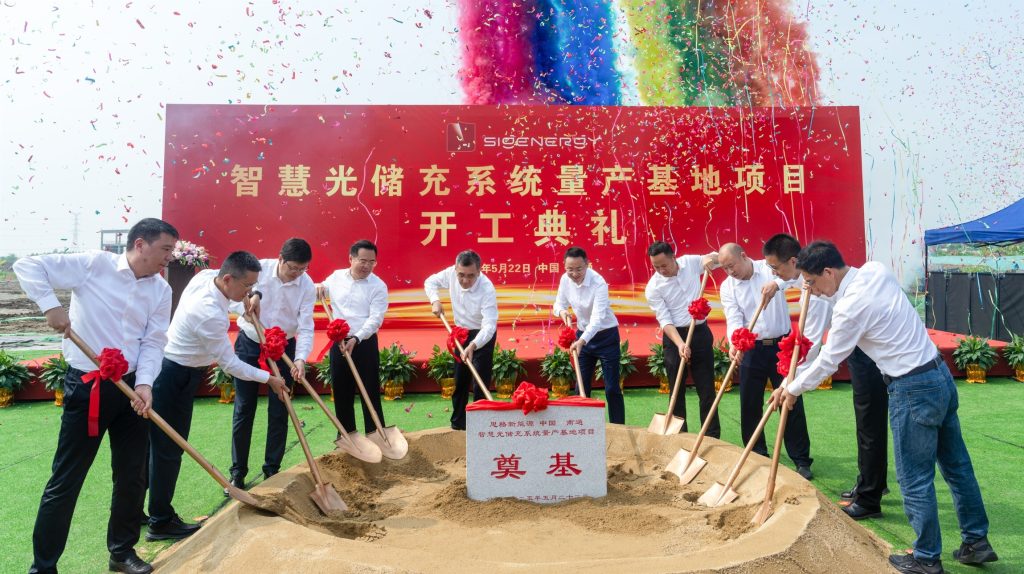
Sigenergy Breaks Ground on Smart Manufacturing Hub

NANTONG: Sigenergy Technology Co., Ltd. has commenced construction of a new smart manufacturing hub, reinforcing its global production network and supply chain capabilities. The facility, a key pillar of the company’s international expansion strategy, will be dedicated to the large-scale production of inverters, battery packs, and energy gateways. Spanning 115 acres with a built-up area of 115,000 square metres, the hub is expected to contribute over 300,000 units annually to Sigenergy’s production output once operational. “This groundbreaking marks a major milestone in our strategic roadmap,” said Tony Xu, Founder and CEO of Sigenergy. “It underscores our commitment to scaling clean energy technology and supporting global customers with smarter and more efficient solutions.” The announcement follows a strong year for the company. In March 2025, Sigenergy topped Australia’s battery market with a 17.4% share of blended capacity, according to SunWiz, and claimed the leading global position in the stackable all-in-one Distributed Energy Storage System (DESS) segment with a 24.3% market share, per Frost & Sullivan. Designed as a next-generation smart factory, the new facility will integrate R&D, logistics, and operations under a fully digitalised, closed-loop system. It will offer end-to-end product traceability, ensuring high standards of efficiency, quality, and transparency. Sustainability is central to the site’s construction and operations, aligning with green building standards and low-carbon manufacturing principles. This latest investment highlights Sigenergy’s focus on delivering intelligent energy solutions while setting a benchmark for environmentally responsible manufacturing in the energy storage sector.

News

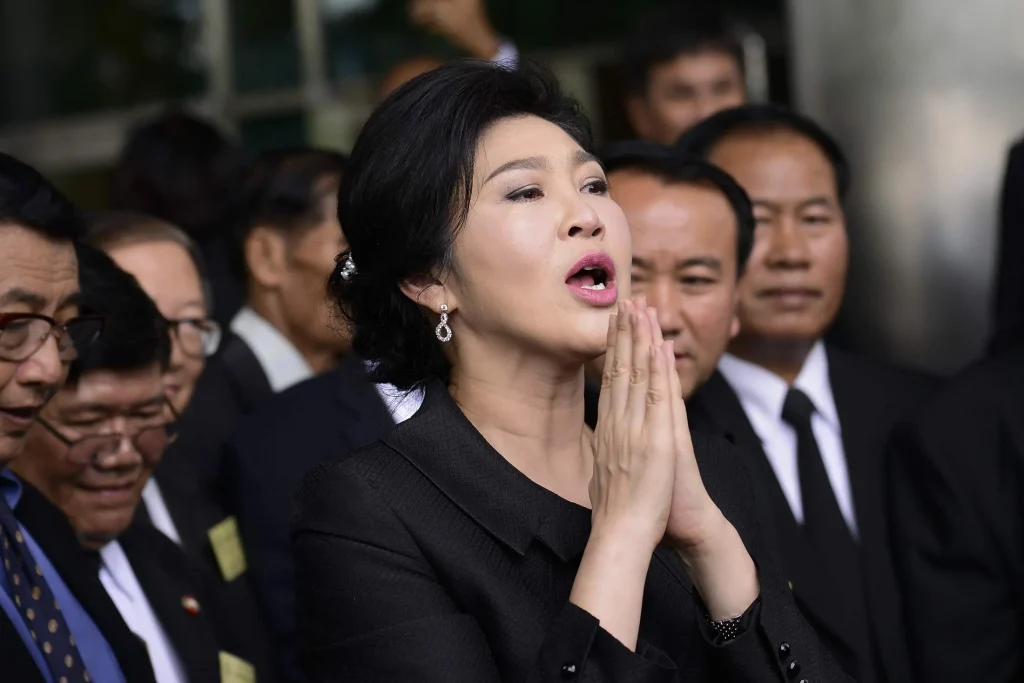
Thailand’s Ex-PM Yingluck Ordered to Pay US$305 Million Over Rice Scheme

BANGKOK: Thailand’s Supreme Administrative Court has ordered former prime minister Yingluck Shinawatra to pay 10 billion baht (approximately US$305 million) in damages over losses incurred by a controversial rice subsidy programme implemented during her tenure. The ruling follows Yingluck’s appeal against a prior order requiring her to pay 35 billion baht. The court determined that while the previous figure exceeded her legal liability, she was still responsible for significant losses caused by gross negligence in overseeing the scheme. Launched under her Pheu Thai-led administration, the rice pledging programme paid farmers up to 50% above market prices. The populist initiative was politically popular but financially unsustainable, resulting in billions of dollars in losses and surplus rice stockpiles. Yingluck, who fled the country in 2017 to avoid a five-year prison sentence for negligence, called the latest order “excessive” and vowed to continue fighting for justice. “Even if I repaid it my entire life, it would never be enough,” she said via social media. The verdict comes as the Shinawatra family regains political influence, with the Pheu Thai party returning to power and Yingluck’s brother, Thaksin Shinawatra, having recently returned from self-imposed exile. The Shinawatras maintain the charges against them are politically motivated, rooted in longstanding tensions with Thailand’s conservative establishment.–REUTERS

The Executives

Infobip on Building Seamless Omnichannel Experiences Across Asia

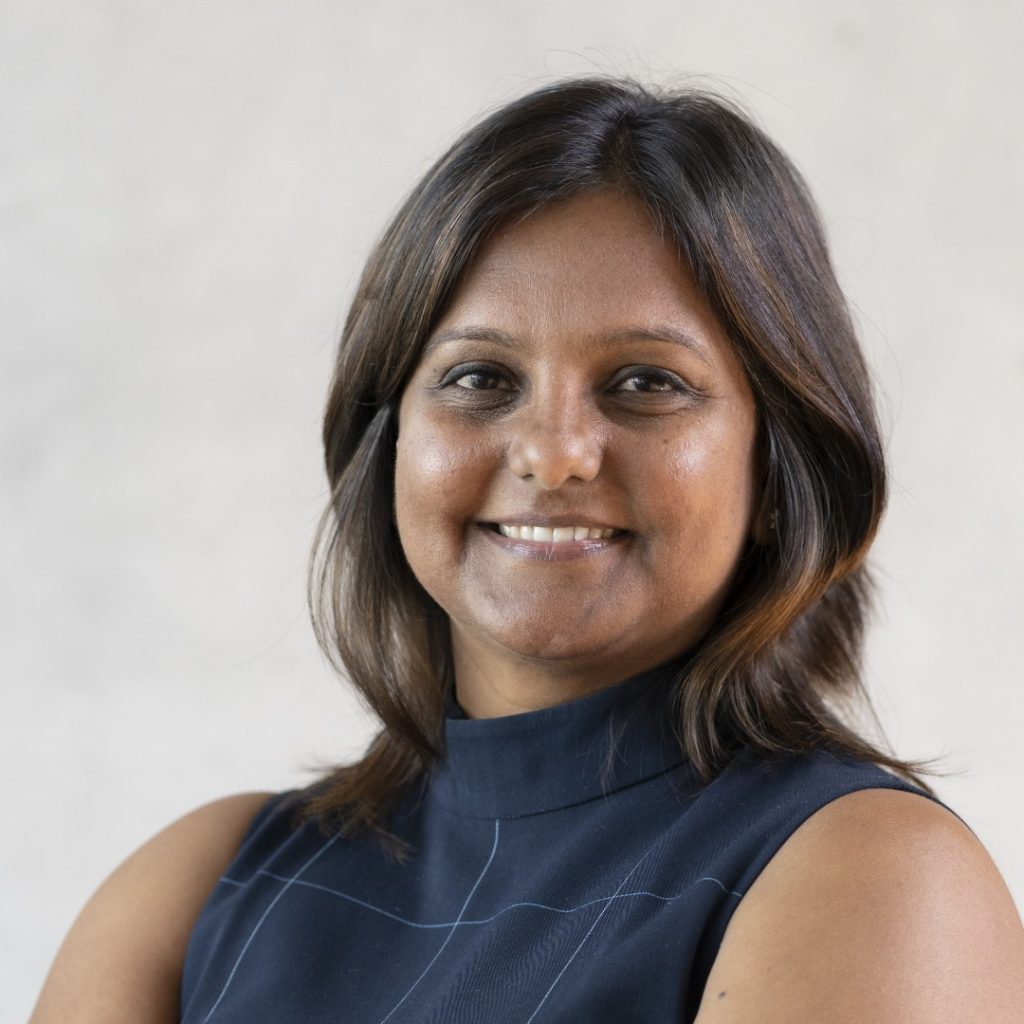
Despite Asia’s fragmented digital landscape and varying levels of technological maturity, one truth remains constant: consumers expect meaningful, seamless, and personalised communication from brands. As businesses strive to meet these rising expectations, Infobip, a global cloud communications platform—has emerged as a strategic enabler. In an email interview with The Exchange Asia, Harsha Solanki, VP General Manager Asia (India, APAC & Eurasia) at Infobip, sheds light on the region’s challenges and how the company is helping brands unify customer experiences through omnichannel engagement and AI-powered transformation. The Omnichannel Gap in Asia “Customers are expecting brands to have conversations with them digitally, on various channels, and avoiding call centres as much as possible,” says Solanki. While many businesses understand this shift, most struggle to implement it effectively. On average, brands use about six channels—ranging from SMS and WhatsApp to live chat and social media—but only 33% have these channels strategically integrated. The core issue lies in disjointed systems and siloed data. “Only 36% of brands have fully integrated software and tools,” she reveals. Without unified infrastructure, businesses are unable to deliver consistent and high-quality customer experiences—ultimately affecting loyalty and operational efficiency. A successful omnichannel strategy requires more than just channel presence; it needs a solid foundation. Tools like journey builders and customer data platforms are essential to capturing insights across touchpoints and delivering personalised journeys. Legacy systems remain one of the largest obstacles in Asia, especially in developing markets. However, Infobip addresses this head-on with a cloud-first, API-driven approach. “Infobip provides cloud-based solutions that integrate with legacy systems without requiring a complete overhaul,” explains Solanki. Through its Communications Platform as a Service (CPaaS) model, the company empowers brands to modernise gradually—layering AI-powered automation and cloud-based contact centres on top of existing workflows. From Super App Integration to Human-AI Harmony Asia’s digital economy is heavily influenced by super apps like WeChat, Grab and Gojek. Instead of viewing them as competition, Infobip sees these platforms as partners. “We help businesses integrate with super apps like WhatsApp, enabling conversational commerce and support directly within those ecosystems,” says Solanki. But as AI adoption accelerates, so does the challenge of balancing automation with empathy. While AI drives speed and efficiency, human judgement still plays a vital role—especially in emotionally nuanced interactions. “At Infobip, we never lose sight of what truly matters: human connection,” she adds. “The future of CX isn’t human versus machine—it’s human plus machine.” To support this hybrid future, Infobip has launched its AI Hub and partnered with Microsoft to embed generative AI across its suite of customer engagement tools. The AI Hub allows brands to build conversational journeys for support, sales, and marketing—integrating with platforms like Salesforce and HubSpot. An example of this in action is digital insurer LAQO, which used Infobip’s GPT-enabled chatbot to provide round-the-clock support. This not only ensured faster, personalised responses but also allowed human agents to focus on complex queries. Despite AI’s rapid progress, Solanki insists humans will remain central to customer experience. “Even the most advanced AI still needs human oversight. AI handles repetitive tasks and surfaces insights, while humans bring empathy and creativity. Together, they build stronger relationships.” One mistake many companies make is deploying AI without a clear strategy. “Many brands struggle with fragmented channels, disjointed data, and poorly executed use cases,” she warns. Infobip takes a consultative approach—guiding clients through every stage of implementation, offering pre-built tools and robust APIs to ensure integration is seamless and scalable. Operating across vastly different markets—from China’s closed ecosystem to WhatsApp-reliant Southeast Asia—Infobip leans on local knowledge to tailor its solutions. “Channel popularity varies greatly. It’s critical to work with a platform provider who understands local preferences,” says Solanki. Whether it’s Viber in the Philippines or RCS in India, Infobip helps businesses identify the best-fit channels through a combination of global insight and local expertise. Proving ROI in a Price-Sensitive Region With Asia’s reputation for cost-consciousness, Infobip places strong emphasis on proving tangible returns. “We don’t just provide tools—we help businesses use them in ways that increase efficiency, reduce manual work, and ultimately lead to higher satisfaction and loyalty,” Solanki notes. This focus on long-term value helps businesses look beyond initial costs to the measurable benefits of higher conversions, better retention, and lower support expenses. Building Trust in a Tighter Regulatory Climate As data privacy regulations tighten across Asia, Infobip ensures compliance without sacrificing personalisation. “We prioritise data security and operate within strict regulatory frameworks while enabling businesses to deliver relevant and secure customer experiences,” says Solanki. With global infrastructure, enterprise-grade encryption, and local data hosting, Infobip balances privacy with performance. In Asia’s rapidly evolving digital landscape, customer engagement is no longer a choice—it’s a differentiator. Infobip’s ability to integrate legacy systems, unify communication channels, and humanise AI makes it a key partner for businesses aiming to create seamless and meaningful customer journeys across the region. As Solanki puts it, “With the right blend of intelligent automation and authentic human care, we can deliver experiences that are both efficient and deeply meaningful.”

News

ADB Appoints Seong-Wook Kim as Chief Partnership Officer

MANILA: The Asian Development Bank (ADB) has appointed Seong-Wook Kim as its new Chief Partnership Officer, tasked with leading resource mobilisation and strategic engagement through the Office of the President. In this role, Kim will spearhead ADB’s partnerships with the global development community, including engagement at key international forums and outreach to potential new member countries. His leadership will be central to deepening collaboration with development partners and enhancing the bank’s development impact across Asia and the Pacific. “As ADB expands its role in an evolving development landscape, effective partnerships are more critical than ever,” said ADB President Masato Kanda. “Mr. Kim’s extensive diplomatic and multilateral experience positions him well to drive our strategic collaborations.” Commenting on his appointment, Kim said, “I am honoured to join ADB and contribute to its mission by strengthening partnerships that accelerate sustainable development across the region.” A national of the Republic of Korea, Kim brings over three decades of experience at the Ministry of Economy and Finance, having served as Deputy Minister for International Affairs and in various key roles involving the G20 and ASEAN+3 Finance processes. He has also represented the region as Executive Director at both the World Bank and International Monetary Fund. Kim holds a Master’s in Public Administration from Harvard Kennedy School and a Bachelor’s in Economics from Seoul National University. Founded in 1966, ADB is a multilateral development bank owned by 69 members, including 50 from the Asia-Pacific region. It supports inclusive and sustainable development through financing, knowledge-sharing, and strategic partnerships.

News

Vietnam says more tariff negotiations with US needed

HANOI: The United States and Vietnam have concluded a second round of trade negotiations on tariffs and agreed to continue the talks to address unresolved issues, Vietnam’s trade ministry said in a statement on Thursday (May 22). The second round of talks took place in Washington on May 19-22 involving Vietnam’s Trade Minister Nguyen Hong Dien and the US Trade Representative Jamieson Greer, the Vietnamese ministry said on its website showing pictures of meetings. “At the end of the negotiation round, Vietnam and the United States made positive progress, identifying groups of issues on which consensus was close, and groups of issues that needed further discussion to reach consensus in the coming time,” the statement said, without elaborating. It noted that talks will need to continue in early June. The US Trade Representative did not immediately reply to a request for comment outside of US business hours. Vietnam heavily relies on exports to the US and faces one of the highest “reciprocal” tariff rates set by the White House at 46 per cent. Those duties have been paused globally by Washington until July.–REUTERS

Scroll to Top

Subscribe
FREE Newsletter