international

News

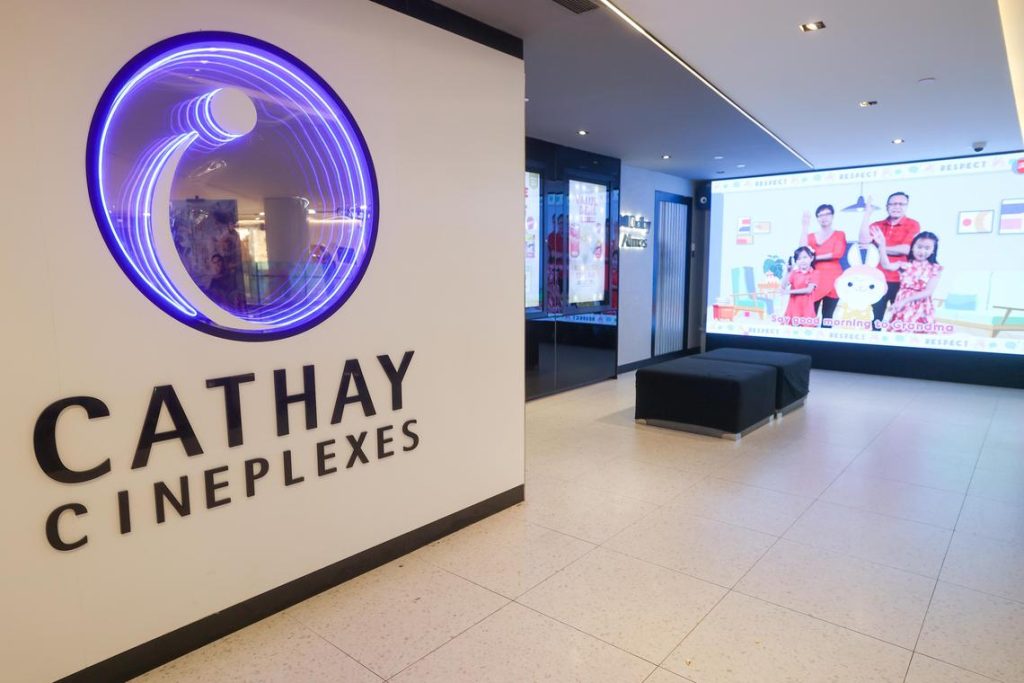
Cathay Cineplexes Hit with Fresh S$7.6 Million Demand Amid Widening Debt Crisis

The financial challenges engulfing Cathay Cineplexes continue to intensify, as a new statutory demand has surfaced for a payment of approximately S$7.56 million by the end of July. This latest demand adds to a string of debt-related pressures confronting the cinema operator and its parent company, mm2 Asia Ltd. In a regulatory filing on Wednesday, mm2 Asia—listed on the Singapore Exchange’s Mainboard—disclosed that it had received a statutory demand from legal representatives of Linkwasha Holdings. The creditor is a related entity of Cathay Organisation, which previously sold Cathay Cineplexes to mm2 Asia. The demand stems from a S$30 million loan extended by Linkwasha in 2017 to partially finance mm2 Asia’s S$230 million acquisition of Cathay Cineplexes. Despite facing significant disruptions in its cinema operations due to the pandemic, mm2 Asia said it has been servicing the debt, and has since repaid the majority of the loan. As of 7 July, the outstanding balance stood at S$7,550,500, inclusive of interest. Linkwasha, formerly known as Orchard Bowling and Cathay Bowl, has required repayment of the full amount by 28 July. Failing that, mm2 Asia must either secure or compound the debt to Linkwasha’s reasonable satisfaction by the same date. Non-compliance may result in the company being deemed unable to meet its financial obligations under Singapore’s insolvency framework. The entertainment group has indicated that it is seeking legal counsel and plans to engage with Linkwasha to explore available options while continuing its ongoing fund-raising efforts. The demand from Linkwasha comes amid a cascade of other repayment deadlines confronting the company this month. Lendlease Global Commercial REIT, the landlord of Cathay Cineplexes’ shuttered Jem outlet, is seeking S$3.45 million in rental arrears by 22 July. These developments follow earlier revelations in February, when mm2 Asia disclosed that landlords of its Century Square and Causeway Point outlets had issued letters of demand for approximately S$2.7 million in unpaid rent and associated costs. At the time, Executive Chairman Melvin Ang said discussions regarding repayment arrangements were underway. He also conveyed optimism about the sector’s recovery, pointing to a promising pipeline of Hollywood releases. Nevertheless, the financial strain has forced Cathay Cineplexes to reduce its footprint. In late February, the operator closed its West Mall outlet upon lease expiry. Its Jem location was also shuttered on 27 March following a termination notice issued by the landlord. These closures and persistent cash flow difficulties have weighed heavily on mm2 Asia’s financial health. On 19 May, the company sought and was subsequently granted an extension to file its FY2025 financial statements and accompanying disclosures. The group cited intense resource pressure caused by creditor demands, which affected its ability to finalise its accounts and audit processes. It also highlighted difficulties in meeting audit fee obligations due to unexpected cash demands arising from landlord claims on bank guarantees, amounting to approximately S$2 million. As at May, mm2 Asia reported total arrears to landlords of about S$10.26 million, of which approximately S$3.07 million was backed by corporate guarantees. The group attributed these liabilities to the closure of underperforming locations during the post-pandemic recovery and continued liquidity constraints within its cinema operations. In a bid to reinforce its balance sheet, mm2 Asia announced a proposed placement of 1.875 billion new shares on 4 July at a minimum issue price of 0.8 Singapore cent per share. If fully subscribed, the placement is expected to yield S$14 million in net proceeds—S$7.5 million of which will be allocated to debt repayments, with the remaining S$6.5 million designated for working capital purposes. Shares of mm2 Asia closed flat at S$0.007 on Wednesday. -CNA

News

ShopBack Secures Major Payment Institution Licence from MAS

ShopBack, a leading loyalty and rewards platform headquartered in Singapore, has been granted a Major Payment Institution (MPI) licence by the Monetary Authority of Singapore (MAS). The regulatory milestone enables the company to significantly enhance its payment capabilities and expand its merchant network, both locally and across regional markets. The MPI licence allows ShopBack to operate a broader range of payment services without being subject to transaction volume limits. These services include account issuance, domestic money transfers and merchant acquisition. The formal oversight also reinforces trust in the platform’s ability to deliver secure and compliant financial solutions. ShopBack has facilitated over 500,000 transactions daily, capitalising on rising demand from cost-conscious consumers seeking cashback rewards for online and in-store purchases. Since launching ShopBack Pay in 2022, the company has extended its capabilities to support seamless payments at both digital and physical merchants. With its MPI status, ShopBack will enable merchants to accept direct payments from users, thereby streamlining settlement processes and strengthening merchant relationships. The company also aims to leverage the licence to accelerate the integration of emerging payment technologies. “This major payment institution licence marks a foundational milestone for ShopBack,” said Huang Huanmin, Acting Chief Financial Officer and Chief of Staff. “It reflects MAS’ trust in our ability to operate responsibly and gives us the infrastructure to scale ShopBack Pay in a way that’s smarter, faster and more secure.” ShopBack joins other MPI-licensed operators such as GrabPay, ShopeePay and the Singapore branch of OKX, a global crypto exchange. The company, co-founded in 2014 by Henry Chan and Joel Leong during their time at the National University of Singapore, continues to evolve its payments ecosystem as it grows across Asia Pacific. -The Strait Times

ESG

Japan’s ¥275 Trillion Pension Fund Deepens ESG Commitments

Japan’s Government Pension Investment Fund (GPIF), the world’s largest pension fund with assets totalling US$1.7 trillion (approximately ¥275 trillion or RM7.2 trillion), is strengthening its commitment to environmental, social and governance (ESG) investments. This move comes as many global asset managers reduce their exposure to sustainability-focused strategies. At the end of March, the GPIF reported ¥18.2 trillion (US$126 billion or RM532.6 billion) in assets tracking ESG indices, accounting for 14.7% of its equity portfolio. This marks an increase  from ¥17.8 trillion in ESG-linked assets recorded a year earlier, according to documents released on Friday. Despite broad market challenges, including a weakening dollar and declines in domestic asset valuations that contributed to a quarterly loss, the fund reaffirmed its ESG strategy. Global ESG funds have faced significant outflows amid mounting investor scepticism, underwhelming performance, increasing regulatory complexity, and political pushback, particularly from the administration of former US President Donald Trump. In contrast, the GPIF—alongside Norway’s US$1.9 trillion sovereign wealth fund—remains one of the few institutional investors actively maintaining and growing its ESG positions. The outlook for ESG investing in Japan remains positive. Bloomberg Intelligence notes that the GPIF’s sustained interest in sustainability-linked assets, combined with the Tokyo Stock Exchange’s ongoing corporate governance reforms, are expected to support ESG momentum throughout the remainder of the year. -Bloomberg

News

Apple Names Sabih Khan Chief Operating Officer

Apple Inc. has announced the appointment of long-serving executive Sabih Khan as its new Chief Operating Officer, marking a significant step in the company’s carefully structured leadership succession. Khan, currently serving as Senior Vice President of Operations, is set to assume the role later this month. A veteran of the tech giant with a tenure spanning three decades, Khan joined Apple in 1995 after beginning his career at GE Plastics, where he held roles including applications development engineer and key account technical leader. His extensive experience across global supply chain operations has been instrumental in supporting Apple’s product launches and scaling its operations. Khan succeeds Jeff Williams, who has held the COO position since 2015. While stepping aside from the operations role, Williams will continue to report to Chief Executive Officer Tim Cook and will remain responsible for overseeing the Apple Watch and the company’s design team. Upon Williams’ anticipated retirement later this year, Apple confirmed the design team will report directly to Cook. The move underscores Apple’s focus on leadership continuity and operational stability, with Khan’s promotion reflecting a long-planned transition at the highest levels of the organisation. -Reuters

News

Hershey Names Kirk Tanner as Incoming President and CEO

The Hershey Company has announced the appointment of Kirk Tanner as its next President and Chief Executive Officer, effective 18 August. Tanner, who currently serves as President and CEO of Wendy’s Co., will succeed Michele Buck, who previously disclosed her plans to step down from the role next year. In a statement issued on Tuesday, the confectionery giant described Tanner as a seasoned executive with a robust track record in leading global businesses. Hershey highlighted his extensive experience in the snacks and beverages sector, along with his leadership in mergers and acquisitions, product innovation, and corporate governance. “With a track record of driving growth in complex global businesses, Kirk brings a focused, results-driven mindset,” the company said. “His deep experience in snacks, beverages, M&A and innovation, combined with public company CEO and board roles, makes him well suited to lead Hershey into the future.” Tanner’s leadership at Wendy’s has been marked by strategic expansion and operational efficiency, qualities Hershey appears poised to leverage as it continues evolving its global footprint. Wendy’s has begun the process of identifying Tanner’s permanent successor and has appointed Chief Financial Officer Ken Cook as interim CEO. -Bloomberg

News

Boeing Sees Highest Aircraft Deliveries in 18 Months as Chinese Exports Resume

Boeing Co marked a significant recovery milestone in June, delivering 60 aircraft—its highest monthly total in a year and a half—fuelled by operational improvements and a resumption of jet exports to China. The US aerospace group delivered 42 units of its 737 MAX narrowbody jet, the most since the start of 2024, when a near-catastrophic incident prompted a sharp downturn in its commercial operations. Of the total June deliveries, eight aircraft were shipped to China, reflecting a diplomatic de-escalation between President Donald Trump and Chinese President Xi Jinping on trade-related tensions. Over the second quarter, Boeing delivered 150 aircraft, bringing its year-to-date total to 280 commercial jets. The company also reported 668 gross orders in the first half of 2025, set against 43 cancellations or conversions, highlighting a rebound in demand amid easing supply chain pressures. June’s performance brought Boeing into close contention with its chief rival Airbus SE, which delivered 63 aircraft in the same month. Airbus also logged 203 gross orders in June, some linked to high-profile commitments secured during the Paris Air Show. Boeing has struggled to match Airbus in both deliveries and sales over recent years, as it contended with a series of high-profile setbacks. However, recent momentum has shifted in Boeing’s favour, with Airbus facing production challenges tied to engine shortages and supplier disruptions. The US manufacturer has slowly regained stability in its production lines, aided in part by an excess inventory built up following a labour strike in late 2024 and a temporary reduction in production speed earlier this year. The decision to decelerate assembly allowed Boeing to address quality-control issues that came to a head after a door plug panel detached mid-flight on a 737 MAX. Despite recent progress, Boeing’s safety record came under renewed scrutiny in June following the crash of a 787 Dreamliner operated by Air India, which occurred seconds after take-off just days before the Paris Air Show. In response, Boeing cancelled public appearances by Chief Executive Officer Kelly Ortberg and withheld any formal order announcements at the event, citing respect for the victims. Nevertheless, Boeing’s June sales figures underscored robust underlying demand. The company recorded 116 gross orders for the month, including 42 orders for the 737 MAX and 30 for the 787 Dreamliner, both placed by unidentified customers. -Bloomberg

News

China Yuchai Launches Equity Incentive Plan to Reward and Retain Key Talent

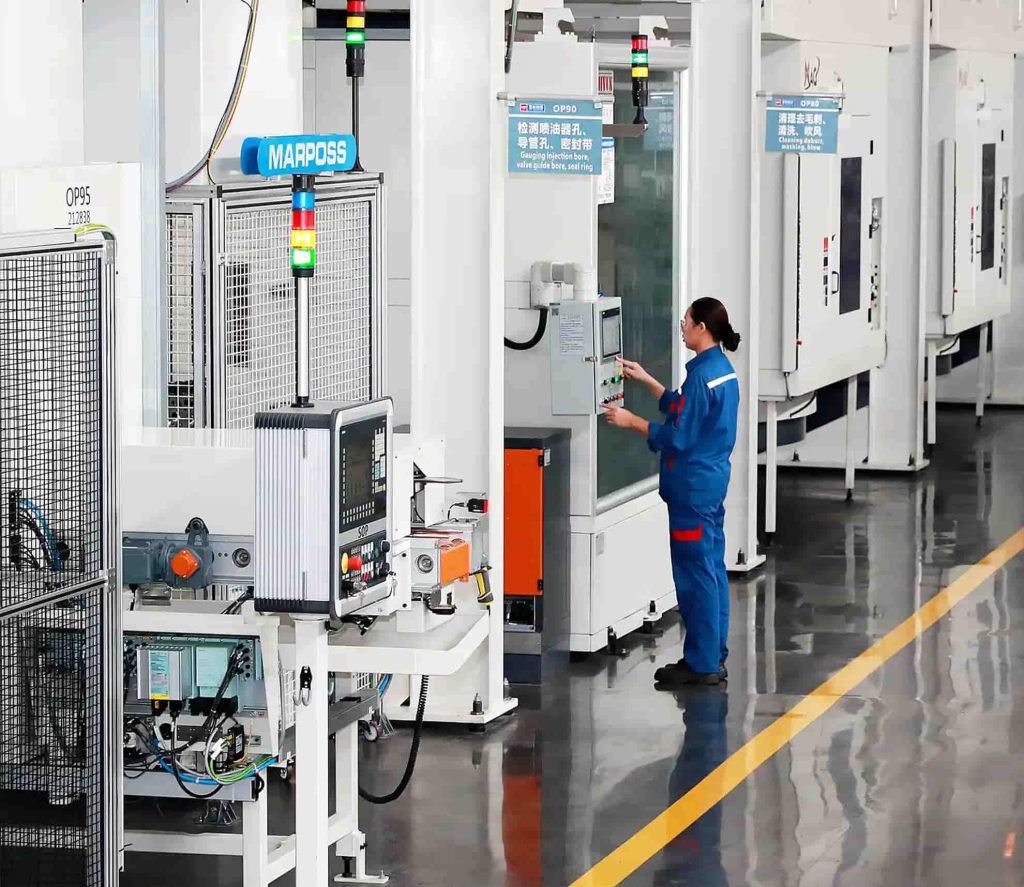
China Yuchai International, a 48.7%-owned subsidiary of Singapore-listed Hong Leong Asia and listed on the New York Stock Exchange, has announced the implementation of an equity incentive plan aimed at strengthening talent retention and employee engagement across the organisation. Approved during China Yuchai’s Annual General Meeting on 8 July, the plan comprises 1.8 million ordinary shares priced at 10 US cents (approximately 13 Singapore cents) each. The total share pool represents 4.58% of the company’s enlarged share capital and falls under the classification of a share scheme in accordance with Rule 843 of the Singapore Exchange’s listing manual. The equity incentive plan is designed to foster long-term dedication and loyalty among employees, particularly those holding positions of significant responsibility. The company noted that the scheme is intended to reward, retain and motivate employees whose contributions are deemed vital to the ongoing success of the group. Eligible employees may receive one or more of the following award types: share options, restricted stock, or stock payments. The plan will be overseen by China Yuchai’s compensation committee, which will determine the award recipients, the timing and volume of awards, and all associated terms and conditions. Individual awards are capped at a maximum of 300,000 shares per employee per calendar year. The plan is scheduled to conclude on 16 May 2035, ten years from the date of board adoption. The exercise price of any option granted under the plan will not be set below the fair market value of China Yuchai’s shares on the date of grant, nor below the par value of 10 US cents per share. The purchase price of restricted stock and stock payments will be determined at the discretion of the compensation committee. As of 9.57am Singapore time, Hong Leong Asia shares were trading unchanged at $1.63. China Yuchai shares closed 5 US cents higher, or 0.21% up, at US$24.36 on the NYSE on 8 July. -The Edge

Energy & Technology

Philippines Exceeds Digital Payment Target with 57.4% of Retail Transactions in 2024

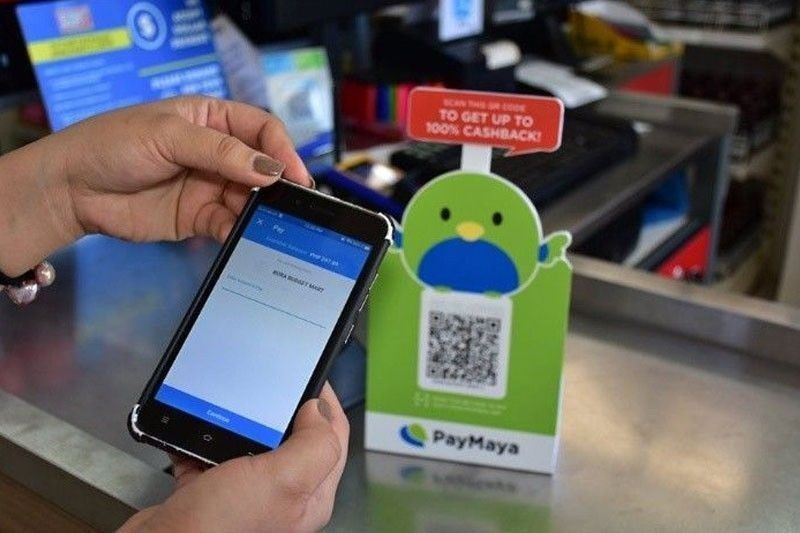
Nearly 60% of retail payment transactions in the Philippines were conducted through digital channels in 2024, according to the Bangko Sentral ng Pilipinas (BSP), marking a significant milestone in the country’s transition to a cash-lite economy. The shift has not only exceeded government targets but also signalled broadening public trust in digital financial services. Official data from the BSP revealed that digital payments accounted for 57.4% of total retail transaction volumes last year, rising 4.6 percentage points from the 2023 level of 52.8%. This outperformed the national target of converting between 52% and 54% of retail transactions to digital by 2024. In terms of transaction value, digital payments reached US$136 billion monthly on average, comprising 59% of the country’s total retail payment value. BSP Governor Eli Remolona Jr attributed the continued growth to an increasing adoption of interoperable payment systems, mobile banking platforms and e-wallets, which have expanded access to financial services. “These figures reflect the continued shift towards digital channels and the growing trust of Filipinos in using digital financial services,” Remolona commented. “We continue to promote enabling technologies that serve as bridges to greater financial inclusion.” Data from the Bank of International Settlements supports the broader economic impact of such a shift, suggesting that a one percentage point increase in digital payment usage correlates with a 0.10 percentage point rise in GDP per capita and a 0.06 percentage point reduction in informal employment. The BSP’s report highlighted that 97.2% of government transactions were executed digitally, representing the most cash-lite segment among the central bank’s three primary use-cases. Nearly all payments related to government activities—including capital transfers, procurement, payroll and social welfare disbursements—were processed electronically. Among individual users, the share of digital payments climbed to 72.2%, accompanied by a decline in the use of cash. The most notable driver of growth in digital retail payments continued to be transactions between businesses and consumers, with 66.4% of merchant payments processed electronically. Person-to-person electronic fund transfers also expanded their share, contributing 20.6% of total digital transaction volume, up from 19.3% in 2023. Meanwhile, business-to-business transactions represented 6.2% of digital volumes, reflecting what the central bank described as modest growth. BSP Deputy Governor Mamerto Tangonan reaffirmed the institution’s commitment to maintaining consumer protection and systemic stability as the payments landscape evolves. He stressed that the regulator’s approach to innovation would remain vigilant and adaptive. “Even as we pursue this goal, we are cognisant of the risks,” said Tangonan, who leads the central bank’s payments and currency management sector. “Safety in payments, whether digital, physical or cross-border, is non-negotiable. We are committed to having a regulatory environment that is vigilant, agile and informed—one that works alongside innovation, not to stifle it, but to guide its responsible use.” The BSP’s next milestone is to digitise between 60% and 70% of retail payments by 2028.

News

OCBC Expands Entrepreneur Loan Scheme to US$4 Billion Across Region

OCBC Bank is scaling up its financing initiative for serial entrepreneurs, targeting S$5 billion (US$4 billion) in lending by 2028 as it expands the scheme beyond Singapore into Malaysia, Indonesia and Hong Kong. Launched in 2019, the programme is designed specifically for entrepreneurs managing multiple early-stage businesses. It stands apart from conventional lending by evaluating the creditworthiness of the entrepreneur and their portfolio of businesses collectively, rather than assessing each company in isolation. To date, the bank has disbursed S$1.5 billion to over 1,800 business founders in Singapore and Malaysia. The expansion reflects OCBC’s confidence in the resilience of serial entrepreneurs, even amid global trade uncertainties. The scheme went live in Malaysia in early July following a nine-month pilot and is scheduled to launch in Hong Kong in 2025, followed by Indonesia. Anna Chang, OCBC’s head of middle market and services, global commercial banking, said entrepreneurs running multiple ventures are statistically 30% less likely to default compared to single-venture business owners, based on the bank’s internal portfolio data. Financing is available only to companies where the so-called “key man” holds a majority stake. Loan guarantees are limited to the borrowing entity, and tenures range from four to 18 years depending on collateralisation. One in three new companies incorporated in Singapore is founded by an entrepreneur who already owns at least one business. In Malaysia, nearly half of OCBC’s small business clients are serial entrepreneurs. The bank is also offering tailored financial solutions for high-growth sectors such as healthcare, education, and food and beverage—areas where serial founders are most active. Linus Goh, OCBC’s head of global commercial banking, said the holistic approach allows the bank to better assess risk and deepen its relationship with clients. “When you have the whole relationship together, the key man tends to be very upfront,” he noted. Entrepreneurs such as Adam Piperdy, founder of the Unearthed Group, have seen tangible gains under the initiative. Piperdy, who operates nine companies in the events sector, cited faster financing and fewer administrative hurdles as key advantages. His firm, known for managing the Orchard Road Christmas Festival, has reported over 30% revenue growth annually for the past two years and has increased its event count nine-fold from 2020 to 2024. Expansion into Malaysia, Thailand, Vietnam and Indonesia is planned within the next 12 months. For Lionel Lee, director at Westpoint Transit, the bank’s support enabled the acquisition of 30 new buses last year and accelerated the company’s hiring plans. Lee, who oversees five family-run firms in the logistics and transport sector, said the bank’s proactive interest in his expansion goals offered a financial foundation that was previously lacking. -The Strait Times

Energy & Technology

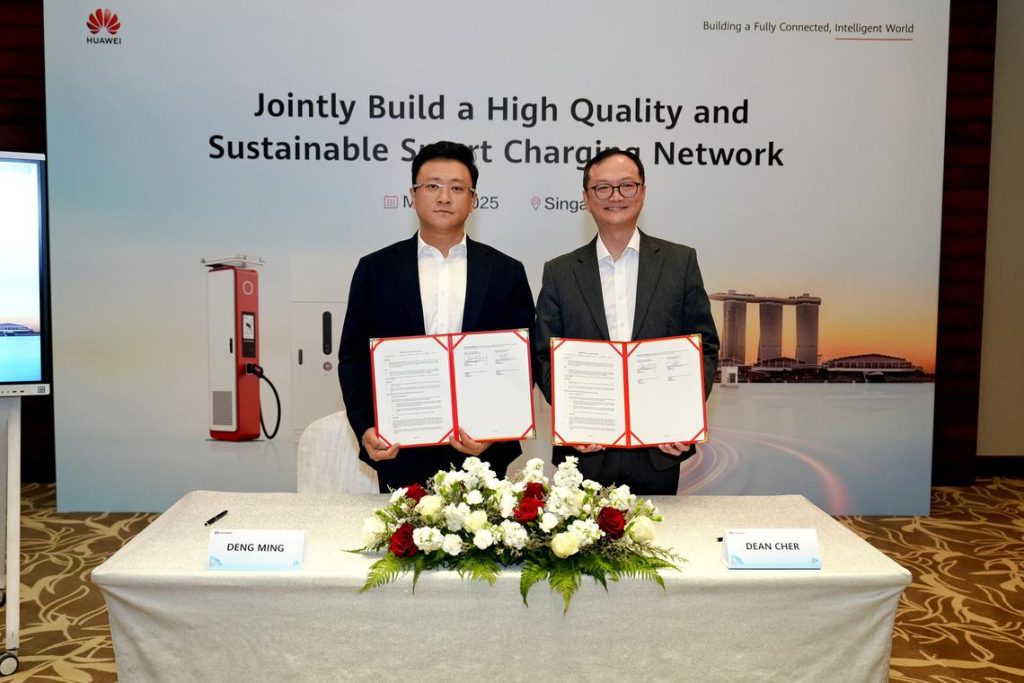
SP Mobility and Huawei to Deliver Singapore’s Fastest Public EV Charger by Q4 2025

SP Mobility, a subsidiary of SP Group, and Huawei are set to introduce Singapore’s fastest public electric vehicle (EV) charger at Temasek Polytechnic, with deployment scheduled for the fourth quarter of 2025. The ultra-fast charger, boasting a maximum power output of 480kW, is capable of delivering over 200km of driving range in just five minutes. It will be equipped with at least four charging points and will incorporate an integrated energy storage system to ease reliance on grid power during peak periods. Huawei’s proprietary liquid-cooling technology underpins the solution, offering advanced thermal management to ensure consistent performance, enhanced safety, and energy efficiency with minimal maintenance requirements. This rollout follows a memorandum of understanding (MoU) signed between Huawei and SP Mobility, aimed at co-developing and expanding high-powered charging infrastructure across the island. Both parties will also collaborate on a technical level to accelerate the development and implementation of fast and ultra-fast charging systems. The deployment comes amid a surge in EV adoption in Singapore. According to the Land Transport Authority (LTA), electric vehicles accounted for 40% of all new car sales in the first quarter of 2025 — a record high that underscores the urgent demand for rapid and accessible charging infrastructure. Beyond addressing the needs of passenger EVs, the initiative will also cater to commercial vehicle segments such as logistics fleets and private buses, which typically require higher charging capacity due to extended operational hours and greater travel distances. SP Mobility is additionally working with Goldbell Group to provide tailored charging solutions for heavy vehicle and logistics operators. Dean Cher, Managing Director for Mobility at SP Group, commented: “SP Mobility is focused on enabling faster, reliable and more rewarding charging experiences, especially for fleet and commercial users. By partnering with Huawei, we look forward to collaborating on other cutting-edge EV charging technology and scaling up ultra-fast charging deployments to support the electrification of heavy vehicle segments.” Maxi Wang, Chief Executive Officer of Huawei International, said: “Huawei is delighted to partner with SP Mobility to support Singapore’s journey towards carbon neutrality. Designed to meet fleet operators’ demands, Huawei’s ultra-fast chargers are highly reliable, efficient, and easily scalable to accommodate future needs. We remain dedicated to providing cutting-edge technology and services, empowering our local partners to create commercial value, accelerate sustainable development, and contribute to a greener, cleaner Singapore in line with the nation’s 2040 EV vision.” The Temasek Polytechnic deployment is the first to be launched under Huawei’s broader collaboration with EV-Electric (EVe) Charging, a Land Transport Authority subsidiary. This initiative supports the national agenda to expand the EV charging network significantly. Huawei first partnered with EVe in 2024 to help develop the country’s largest public EV charging network. -The Edge

Scroll to Top

Subscribe
FREE Newsletter