international

Investment & Market Trends

Xiaomi Sets Sights on Home Appliance Market Following EV Momentum

Xiaomi Corporation is expanding its reach into the global home appliances sector, building on the momentum generated from its electric vehicle (EV) debut and longstanding disruption in the smartphone industry. The Beijing-based firm is now targeting a top-three position in the home appliance space within three years, signalling an aggressive new chapter in its diversification strategy. Following the launch of its first electric vehicle in March 2024, Xiaomi surprised many industry observers with a stronger-than-expected market entry. Now, with the EV segment projected to break even this year, the company is focusing on another sector with entrenched incumbents – home appliances. Xiaomi’s ambitions are partly buoyed by Beijing’s extensive consumption stimulus, including increased subsidies aimed at boosting domestic spending. The company’s home appliance growth figures are already gaining attention. In the first quarter of 2025, its large home-appliance segment posted nearly 114 per cent year-on-year growth. Air conditioner and refrigerator shipments surged 65 per cent, while washing machine shipments doubled, according to Xiaomi’s May filing to the Hong Kong stock exchange. Executives are reportedly aiming to secure a top-three ranking in China’s home appliance market by 2027. In 2024, Xiaomi’s large appliance revenue rose over 56 per cent – a significant outperformance compared with Midea’s 9 per cent growth, Haier’s sub-4 per cent rise, and Gree’s more than 4 per cent decline. The scale of the opportunity is considerable. Midea, China’s leading appliance maker, valued the domestic home appliance market at over 854 billion yuan (approximately US$119 billion) in 2023, representing 36.5 per cent of global market share. From 2023 to 2027, China’s market is projected to grow at a compound annual rate exceeding 5 per cent, outpacing both the United States (c.2 per cent) and Europe (1.4 per cent). Xiaomi’s global ambitions are also becoming clearer. In March 2025, the company announced plans to roll out its large home appliances internationally, focusing on connected living ecosystems. Around the same period, it opened its first retail store in Japan, with intentions to introduce refrigerators and washing machines in the second half of the year, according to local media reports. Xiaomi’s push into the sector aligns with broader government policy. Chinese authorities have earmarked 162 billion yuan of a 300 billion yuan stimulus package to subsidise purchases of home appliances, smartphones and EVs – doubling last year’s figure. These measures contributed to retail sales of consumer goods reaching 4.1 trillion yuan in May 2025, a 6.4 per cent year-on-year increase. Home appliance sales alone surged 53 per cent. Nonetheless, concerns remain regarding the sustainability of this growth. Analysts have cautioned that subsidies may be front-loading demand, creating uncertainty about future momentum. HSBC, in a recent note, adopted a “slightly more conservative” outlook for Xiaomi’s Internet-of-Things division in the second half, though it acknowledged the segment’s resilience and flagged potential for further government support. Despite Xiaomi’s rapid ascent, its market scale still trails major incumbents. S&P Global Ratings estimated the company’s large appliance revenue at 20.8 billion yuan in 2024 – less than 10 per cent of Haier’s, under 6 per cent of Midea’s, and below 14 per cent of Gree’s. Historically reliant on online distribution, Xiaomi is actively building a stronger offline presence. As of March 2025, the company operated over 16,000 stores in China, with a target of reaching 20,000 by the end of next year. “Xiaomi is likely to grow its market share over time, but we do not expect it to pose a material threat to incumbents like Midea and Haier, who have a proven track record in premium product development and global expansion,” said Dan Baker, Senior Equity Analyst at Morningstar. S&P’s Cathy Lai noted that Xiaomi is expected to win market share from smaller, low-end rivals with weaker distribution networks. However, she pointed out that the company still lacks key advantages in supply chain depth and in-house manufacturing. Unlike competitors Midea, Haier and Gree – all of which operate integrated manufacturing and research facilities – Xiaomi continues to outsource most of its large appliance production. Still, recent moves suggest change is underway: the company has established its own factory to support future growth and cost efficiency. “Over the long term, if Xiaomi builds out its manufacturing capabilities and sharpens its product differentiation, it could significantly improve its competitiveness,” Lai added. Xiaomi’s brand strength remains a core asset, particularly among younger consumers. Chris Pereira, CEO of Singapore-based brand consultancy iMpact, highlighted the company’s narrative-driven marketing as a differentiator. “Xiaomi has succeeded in positioning home appliances as part of a broader smart living experience,” Pereira said. “While legacy players dominate in supply chain and product credibility, Xiaomi’s storytelling, fast product iteration, and community-driven approach offer it a strong platform to challenge across the consumer electronics landscape.” -SCMP

News

HSBC, Manulife and BOC Life Lead Push into Hong Kong’s Expanding Silver Economy

Major financial institutions including HSBC, Manulife and BOC Life are increasingly targeting Hong Kong’s ageing population with specialised retirement investment solutions designed to deliver consistent income streams. This trend aligns with the government’s broader strategy to capitalise on the expanding opportunities within the so-called silver economy. HSBC, the city’s largest bank, recently launched five post-retirement funds offering a non-guaranteed target dividend payout rate of 6 per cent annually—substantially higher than its current time deposit rates, which range between 2 and 3 per cent depending on tenure. The bank plans to expand its retirement-focused offerings further in the second half of 2025. Sami Abouzahr, Head of Wealth and Premier Solutions at HSBC Hong Kong, highlighted the rationale behind the initiative. “In light of the growing importance of addressing longevity risk in Hong Kong, we have developed a specialised suite of post-retirement funds designed to provide customers with a predictable monthly income stream while safeguarding the long-term value of their retirement assets,” he said. He added that the newly launched funds are aligned with the government’s silver economy initiative, aimed at helping the elderly better plan their financial future. These products feature competitive management fees of 1 per cent, although the fund manager retains discretion to adjust the dividend payout or utilise part of the principal for distributions. Hong Kong’s demographic trajectory underscores the urgency for such offerings. Government data indicates that residents aged 65 and above accounted for 22 per cent of the city’s 7.5 million population in 2023, with that proportion projected to rise to 31 per cent by 2036. Manulife, the city’s largest pension provider, also offers retirement-oriented products. Its annuity plan enables policyholders to receive monthly payments for 25 years, with additional benefits for those diagnosed with dementia. BOC Life, a subsidiary of Bank of China (Hong Kong), provides another suite of retirement solutions, including a plan that pays a non-guaranteed lifelong monthly income after just two years of premium payments. The company’s RetireCation programme, launched late last year, allows customers to live and travel in 18 mainland Chinese cities—including nine within the Greater Bay Area—while enjoying retirement income benefits. Wilson Tang, Chief Executive Officer of BOC Life, reported that the initiative has had a significant impact. “Since the launch of the new product, the annualised premium of the new product has exceeded HK$1.4 billion, becoming our new growth driver in 2025,” he said. Deputy Chief Secretary for Administration Warner Cheuk Wing-hing, who heads a dedicated task force on the silver economy, highlighted the sector’s considerable economic significance. In 2024, residents aged 60 and above were responsible for approximately HK$342 billion in spending, equating to around 11 per cent of Hong Kong’s GDP. This figure is projected to rise to HK$496 billion by 2034, according to government estimates. The shift has prompted increasing engagement from the financial services sector. “As Hong Kong develops the silver economy, an increasing number of financial firms have been racing to offer retirement solutions for people to have a regular income after retirement,” said Kenrick Chung, Chief Corporate Solutions Officer at Bay Insurance Brokers. However, Chung cautioned investors to carefully evaluate the terms of such products. “Many of these retirement funds do not have a guaranteed rate, and investors may eventually lose money if the market does not perform well,” he said. He recommended that retirees seeking stability consider products with guaranteed payouts, such as annuity plans offered by the Hong Kong Mortgage Corporation (HKMC). HKMC’s government-backed annuity scheme, launched in 2018, provides lifelong monthly payments with an internal rate of return of around 4 per cent. Since inception, approximately 40,000 residents over 60 have invested HK$23 billion in the programme. -SCMP

News

Singapore Government to Disburse S$1.5 Billion in GST Vouchers to Over 1.5 Million Citizens

More than 1.5 million Singaporeans are set to receive cash payouts of up to S$850 in August under the Government’s Goods and Services Tax Voucher (GSTV) scheme, according to an announcement by the Ministry of Finance (MOF) on Monday, 7 July. In a move aimed at preserving the inclusivity of the scheme, the assessable income threshold for GSTV – Cash has been raised from S$34,000 to S$39,000. This adjustment reflects the improved earnings of lower- and middle-income Singaporeans, while ensuring continued access to the financial support programme. Singaporeans aged 21 and above with assessable incomes of up to S$39,000 and residing in properties with an annual value of up to S$21,000 will receive S$850 in cash. Those living in homes with annual values between S$21,000 and S$31,000 will receive S$450. Additionally, approximately 690,000 eligible Singaporean seniors will benefit from GSTV – MediSave, receiving top-ups ranging from S$150 to S$450 to their MediSave accounts. Eligible individuals who have previously enrolled in the GSTV – Cash and GSTV – MediSave schemes will receive their benefits automatically from 6 August. Notifications confirming the disbursement will be sent via SMS or letter. Singaporeans may verify their eligibility through the official govbenefits website. The total amount to be disbursed in this year’s GSTV exercise is expected to reach S$1.5 billion, reinforcing the Government’s commitment to supporting households amidst the evolving economic landscape. -CNA

Energy & Technology

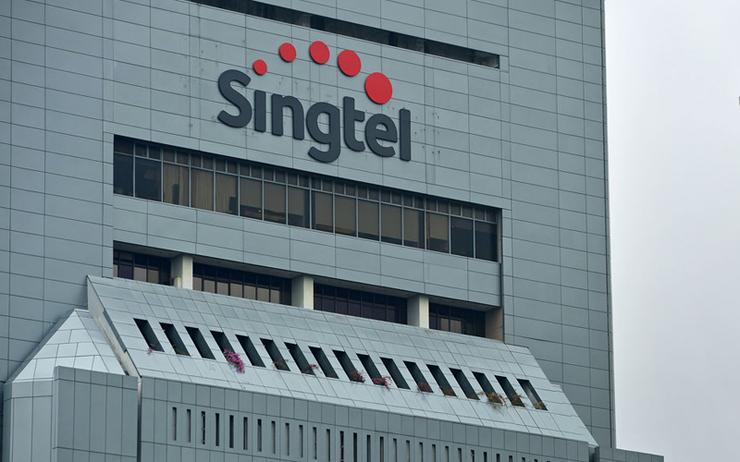
Singtel and Lendlease Launch $3 Billion AI-Enabled 5G+ Comcentre in Singapore

Singtel and Lendlease have officially commenced construction on the redevelopment of Singtel’s Comcentre, a landmark project that is poised to become Singapore’s first AI-enabled, 5G+ connected building. Scheduled for completion in 2028, the $3 billion development will feature more than 110,000 square metres of gross floor area distributed across two 20-storey Grade A office towers. In addition to state-of-the-art workspaces, the Comcentre will offer 20,000 square metres of retail and lifestyle amenities, including Singtel’s new flagship store, food and beverage outlets, medical suites, a gym, and an auditorium. It will also house the largest elevated urban park in central Singapore. The redevelopment is set to be a pioneering example of digital infrastructure. Powered by Singtel’s dedicated 5G+ connectivity through network slicing technology, the building will support seamless integration of artificial intelligence, IoT sensors, and building systems. These capabilities are designed to enable predictive operations, resource optimisation, and enhanced security for tenants. Smart infrastructure throughout the building will adapt dynamically to environmental conditions, while digitally-enabled spaces will support the evolving needs of work and retail. Speaking at the groundbreaking ceremony, Singtel Group CEO Yuen Kuan Moon stated that the new Comcentre represents a showcase for how “advanced connectivity, data and intelligent systems can transform the way people work, live and engage with their environment.” Carbon-Neutral Development and Triple Sustainability Certifications The Comcentre is designed to be carbon-neutral across its lifecycle—from planning and construction to full operational capability—leveraging cutting-edge digital and smart building technologies. Once completed, it is expected to be the first development in Singapore and Asia to achieve a ‘Triple Certification.’ Targets include the International Living Future Institute’s Zero Carbon certification, the WELL v2 Core Platinum Certification from the International WELL Building Institute, and the distinction of being Singapore’s first Green Mark Platinum (Zero Energy) high-rise commercial building, under the Building and Construction Authority’s (BCA) sustainability framework. The project will meet all five of BCA’s sustainability badges. The building is projected to deliver 70% energy savings compared to the Green Mark 2005 baseline. This translates to a reduction of approximately 12 million kWh annually—enough to power over 3,750 three-room HDB flats. Lendlease Group CEO and Managing Director Tony Lombardo described the Comcentre as “a world-class asset” that “sets a new benchmark for sustainable and connected living in Singapore and beyond.” Sustainability efforts include the installation of 1,000 kWp of on-site renewable energy through rooftop and building-integrated photovoltaic panels. A high-efficiency dual-temperature chiller plant will be supported by a hybrid cooling system that incorporates Active Chilled Beam and Variable Air Volume technology, enhancing energy efficiency. Additional features will comprise a low heat gain façade with high-performing glazing, smart lighting systems equipped with daylight and occupancy sensors, and high-efficiency lifts with regenerative drive technology. The building will also support electric vehicle (EV) adoption with infrastructure enabling up to 30% of parking lots to accommodate EV charging. Water conservation is another key focus. The development aims to reduce potable water usage by 69%—equivalent to 25 Olympic-sized swimming pools—through initiatives such as rainwater harvesting, NEWater for flushing, and intelligent water monitoring systems. Innovative Construction and Collaborative Contracting Model The project will deploy a digital-first construction approach, utilising 19 Integrated Digital Delivery (IDD) use cases. These include digital design verification, virtual coordination, real-time asset monitoring, and digital operations to enhance precision, reduce rework, and drive construction efficiencies. Advanced building methods are expected to reduce on-site labour by up to 30% and shorten delivery timelines by as much as 20%, according to a joint statement by Singtel and Lendlease. Minister for National Development Chee Hong Tat, who attended the ceremony, noted that the Comcentre also serves as a forerunner in construction contracting. The project employs an open-book payment model with gain-share and a Guaranteed Maximum Price, a significant departure from conventional lump sum contracting. This approach, rarely seen in Singapore’s private sector, incentivises collaboration and continuous innovation by allowing cost savings to be shared between developer and builder. Minister Chee described the Comcentre as “a model of how sustainability, technology and collaboration can come together to redefine and transform our built environment for future generations.” As of 12pm, shares in Singtel were trading six cents higher, or 1.54% up, at $3.96. -The Edge

News

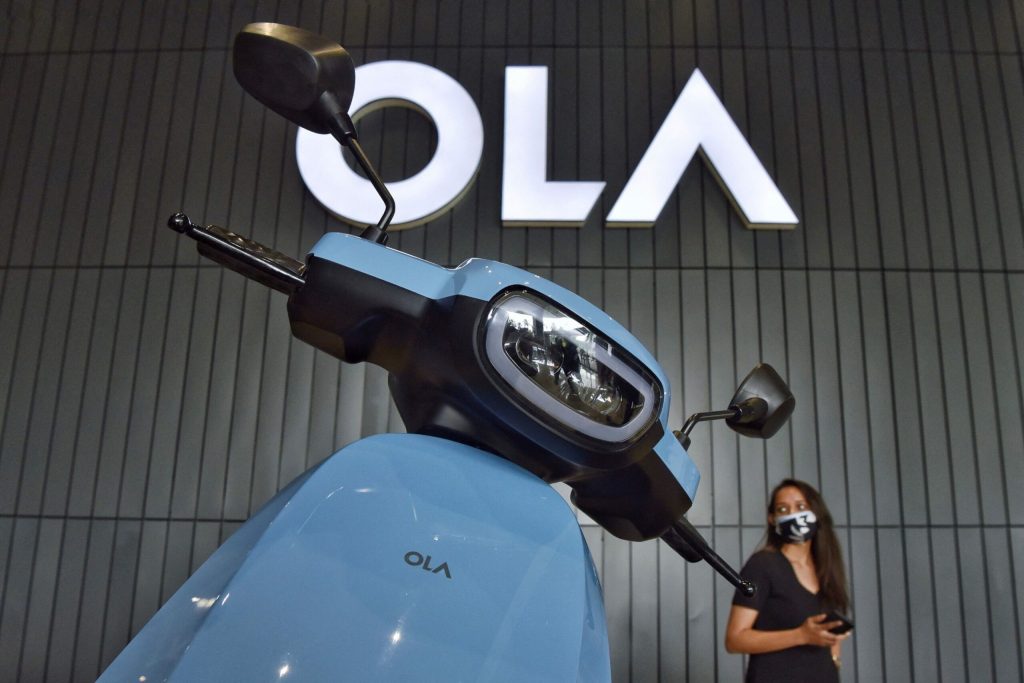
SoftBank-Backed Ola Struggles to Recover

Three years ago, Ola Electric Mobility Ltd. was riding a wave of optimism as its electric scooters gained traction across India’s extensive two-wheeler market. At the centre of this surge was co-founder Bhavish Aggarwal, a billionaire entrepreneur who, at the time, was dividing his schedule between India and the United Kingdom. In Coventry, the historic automotive hub of the UK, Aggarwal launched an R&D facility staffed with designers formerly associated with high-end marques such as Jaguar and Aston Martin. The vision was bold: to develop a homegrown electric car and solidify Ola’s ambition to become the Tesla of India. That vehicle never materialised. Instead, the spotlight turned to Ola’s scooters, which began appearing in viral social media posts—some engulfed in flames, others with critical parts malfunctioning. Over the past three years, those early technical failures have cascaded into widening financial losses, increasing regulatory pressure and a shrinking market footprint. The company, backed by Japan’s SoftBank Group Corp., has come to exemplify the risks of overcapitalisation and speed-to-market strategies that outpace product readiness. Less than 12 months after its high-profile listing, Ola has emerged as 2025’s worst-performing stock on India’s BSE 500 and NIFTY Midcap 100 indices. Shares have dropped nearly 52% this year, prompting the 39-year-old CEO into urgent damage-control efforts. “Building in India takes patience, focus and constant iteration—especially when you’re trying to create a new category,” remarked Kunal Khattar, founder of early-stage investment firm AdvantEdge. “Too much capital before product-market fit can do more harm than good.” Ola declined to comment for this article. Post-IPO Reckoning for India’s Startups Ola’s current predicament is indicative of broader challenges facing India’s once-lauded startup ecosystem. Many companies that thrived during the funding boom until early 2022 have since seen their valuations slashed or business models falter. Byju’s, the prominent edtech firm, is now engulfed in legal disputes and a liquidity crisis. PharmEasy has suffered a near-90% drop in valuation, and Oyo’s long-anticipated IPO has encountered repeated delays. Meanwhile, BluSmart—India’s largest EV-only ride-hailing service—halted operations abruptly earlier this year. Six years ago, a $250 million seed investment from SoftBank transformed Ola into India’s first EV unicorn, despite having no commercial product at the time. Matrix Partners India and Tiger Global were among the early backers, encouraged by Aggarwal’s prior success with Ola Cabs. Ola Electric promised one million EVs on Indian roads by 2022 and the construction of a gigafactory with an annual production capacity of 10 million e-scooters. In 2020, Aggarwal acquired Dutch startup Etergo BV for €3.75 million to access its AppScooter blueprint—though it had never been commercially deployed. Initial deliveries of the reworked model, the Ola S1, commenced just over a year later. However, the product was launched at scale without full adaptation to India’s infrastructure and climate, leading to widespread quality issues. Engineering Shortfalls and Quality Concerns According to multiple sources familiar with the matter, Ola’s early scooters were hastily modified from Etergo’s designs, originally intended for European city usage at modest speeds. Ola doubled their performance specifications, added heavier batteries and overhauled software—without adequate durability testing. The flaws became evident by mid-2022, with reports of battery fires and substandard parts surfacing across Indian media. Internally, cost-cutting and makeshift fixes were preferred over long-term solutions, say former employees. At its peak last year, Ola was managing 80,000 customer complaints per month and facing extensive warranty-related losses. Production issues plagued the launch of the S1 Air model in 2023, with reports of structural defects, ill-fitted frames and inconsistent finish quality. Aggarwal spent weeks on the manufacturing floor in Krishnagiri—drawing parallels to Tesla’s so-called “production hell” in 2017—in an attempt to stabilise output. Although a second generation of scooters was launched, cost-driven engineering changes introduced new problems. Cheaper hub motors, for example, have proven vulnerable during India’s monsoon season. Ola’s market share has plummeted from 46% in June 2024 to below 20% in mid-2025, according to government registration data. Mounting Financial and Reputational Pressures The company’s losses for the year ending 31 March surged 43% to ₹22.5 billion, according to Kotak Institutional Equities. Ola’s standing as an Original Equipment Manufacturer (OEM) has been further damaged by regulatory scrutiny, including showroom raids and show-cause notices for non-compliance with Indian transportation norms. Aggarwal’s social media presence has also been counterproductive. Public exchanges, including one with a local comedian and premature declarations of showroom expansions, have drawn the ire of regulators. Investors have responded accordingly. In June, Hyundai Motor Co. and Kia Corp. offloaded a combined 136 million Ola shares, while Matrix Partners and SoftBank have trimmed their stakes since the company’s August listing. In an effort to strengthen the balance sheet, Ola’s board approved a ₹17 billion loan in May. However, Aggarwal has reportedly paid ₹200 million to cover a collateral top-up after the stock slump impacted his pledged shares—8% of his stake is currently encumbered. Internally, cost-cutting measures have intensified. Over 1,000 employees and contractors were let go earlier this year, with further undisclosed layoffs and attrition following. Entire departments, such as product planning, have been eliminated. Vendor payments and bonuses are reportedly months overdue. Pivot to the Ola Roadster and New AI Venture Hoping to revive growth, Ola has launched a premium electric motorcycle, the Roadster. Deliveries began in May, though only a small number have reached customers. As of February, the order count remained under 2,000. Production has been hampered by tooling delays and a charging system flaw, according to internal sources. While Ola Electric battles declining investor confidence, Aggarwal is simultaneously investing in a new artificial intelligence venture, Krutrim, which reached a $1 billion valuation in 2024 following a funding round involving Matrix Partners. In a February post, he announced ₹20 billion in capital raised, with plans to secure ₹100 billion more by 2026. Promising to build an indigenous AI computing stack for India, Aggarwal claimed Krutrim would “innovate alongside the world” and compete with global leaders in the sector. For Ola, however, the urgency to restore credibility and turn a profit remains critical. Time is no

News

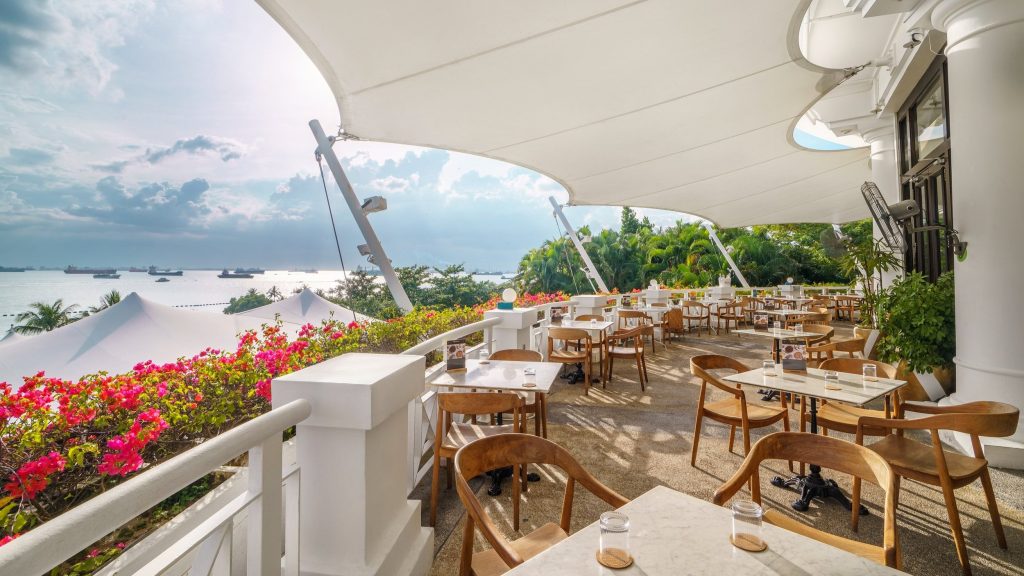
Sentosa’s Iconic Clifftop Restaurant Panamericana Shuts Down

Panamericana, the acclaimed clifftop restaurant situated at Sentosa Golf Club, has ceased operations following prolonged financial challenges. The closure was confirmed on Thursday, 3 July, via a series of social media posts, marking the end of the establishment’s six-year run. The restaurant, known for its panoramic views of the South China Sea and its farm-to-fire cuisine, addressed its patrons directly on Instagram. “To our Panamericana family, given the recent rumours and uncertainty, we want to take a moment to address our current situation with openness and respect for everyone involved,” the post read. Despite efforts to navigate economic headwinds—including strategic pivots, cost-cutting measures and a steadfast commitment to the brand—the business was unable to regain financial stability. As a result, the management has begun the process of winding down operations. “This has been an incredibly difficult decision, and one we have not taken lightly,” the statement continued. Management further confirmed that the restaurant’s assets would be liquidated to settle outstanding staff salaries and supplier payments. Panamericana also took the opportunity to pay tribute to its team, acknowledging their contributions during the restaurant’s tenure. “We want to express our deepest gratitude to our incredible team. You have been the heart and soul of Panamericana, and your loyalty, passion, and resilience have meant the world to us.” Concluding their announcement, the team expressed pride in what the brand had come to represent. Panamericana first opened its doors in April 2018 and quickly became a distinctive player in Singapore’s dining scene, thanks to its focus on premium meats, seafood and an elevated dining experience overlooking the Straits of Singapore. -CNA

News

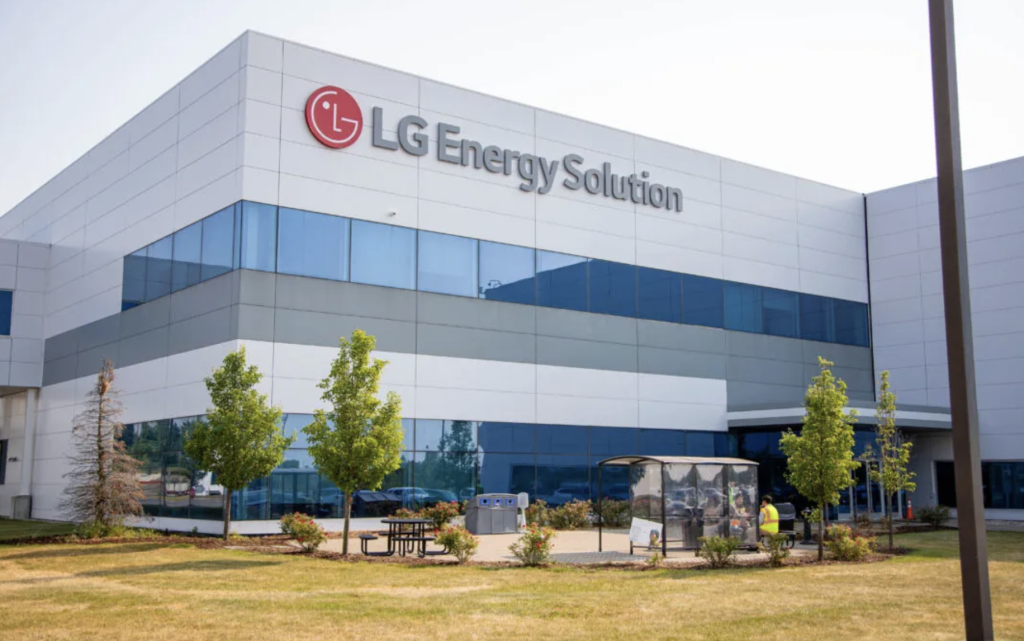
LG Energy Solution Reports Surge in Q2 Operating Profit Driven by Robust U.S. Demand

LG Energy Solution Ltd. (LGES), South Korea’s leading battery manufacturer, announced a sharp increase in its second-quarter operating profit, underpinned by strong demand from the United States despite a broader downturn in global electric vehicle (EV) sales. In a regulatory filing on Monday, the company estimated an operating profit of 492.2 billion won (approximately US$361.2 million) for the quarter ending June, more than doubling the 195.3 billion won recorded in the same period last year. A spokesperson for LGES attributed the improved performance to a rise in battery shipments to key clients in the U.S. market, including Hyundai Motor, Kia, and General Motors. Despite the notable increase in profit, revenue declined 9.7 percent year-on-year to 5.56 trillion won, down from 6.16 trillion won, reflecting the impact of a general slowdown in EV sales globally. The company is expected to release its final earnings report for the second quarter later this month. -Yonhap

Investment & Market Trends

FWD’s Global Share Offering Significantly Over-Subscribed Ahead of HKEX Listing

FWD Group announced on 4 July that its Hong Kong and international share offerings have both been significantly over-subscribed, in a strong show of investor confidence ahead of its listing on the Hong Kong Stock Exchange (HKEX). The Hong Kong public offering attracted 61,689 valid applications, representing demand for approximately 339.2 million shares. This equates to around 37.1 times the 9.1 million shares initially made available under the Hong Kong public tranche. Given that the over-subscription exceeded 15 times but remained below the 50-times threshold, FWD has reallocated 18.3 million shares from the international offering to meet local demand. As a result, the final number of shares under the Hong Kong public offering has increased to 27.4 million, representing 30% of the total shares available under the global offering, prior to any exercise of the over-allotment option. The international tranche was similarly well received, resulting in an over-allocation of 13.7 million shares and attracting participation from 129 placees. Following the reallocation, the total number of international offer shares stands at 63.9 million. Consequently, FWD has granted the over-allotment option to the international underwriters, which allows the joint representatives to purchase up to an additional 13.7 million shares to cover any over-allocation. This option is exercisable at any point from the effective date of the international underwriting agreement until 30 days after the close of applications under the Hong Kong public offering. FWD had previously announced on 26 June its intention to offer 91.3 million shares at an indicative offer price of HK$38 (approximately US$6.16) per share. This followed the company’s re-filing to list on the HKEX in May this year. Should the over-allotment option be fully exercised, FWD is expected to raise gross proceeds of approximately HK$3.99 billion (US$512 million). In the absence of this exercise, the group anticipates gross proceeds of around HK$3.47 billion (US$445 million). FWD shares are scheduled to begin trading on the HKEX on 7 July, with a board lot size of 100 shares. -The Edge

Energy & Technology, News

Nanofilm to Acquire Temasek’s 35% Stake in Hydrogen JV Sydrogen for US$15 Million

Nanofilm Technologies International has announced a definitive agreement to acquire the remaining 35% interest in Sydrogen Energy, its hydrogen-focused joint venture with Temasek Holdings, for a total consideration of US$15 million. The transaction will see Nanofilm assume full ownership of Sydrogen, enhancing its strategic oversight and operational control over the subsidiary. The divested stake is currently held by Temasek through its investment entity, Venezio Investments. The deal will be executed in two phases: the first tranche, representing 11.67% of Sydrogen’s existing share capital, is expected to complete in November 2025, while the second tranche of 23.33% is scheduled for completion in November 2026. The acquisition remains subject to shareholder approval. Sydrogen Energy was established in July 2021 as part of Nanofilm’s strategic entry into the hydrogen economy. Nanofilm’s initial commitment to the venture was up to US$140 million, comprising a cash injection of up to US$21 million, the transfer of its hydrogen energy business, and the licensing of associated intellectual property for a 65% equity stake. Temasek contributed cash to take up the remaining 35% stake. In a corporate announcement dated 5 July, Nanofilm stated that the full acquisition of Sydrogen Energy “underscores Nanofilm’s long-term conviction in the hydrogen economy and its growth potential.” The company noted that the venture has already made strong inroads in key international markets such as China. Sydrogen’s high-performance offerings, including the SydroDIAMOND coatings and the recently introduced SydroPEARL solution for electrolysers, are reported to be in alignment with increasing global demand for durable, cost-effective hydrogen technologies. Shi Xu, Executive Chairman and Group CEO of Nanofilm, commented that the acquisition marks a pivotal step in advancing the company’s hydrogen strategy. “By making Sydrogen Energy a wholly owned subsidiary, we can better align its activities with our broader corporate strategy and accelerate innovation in sustainable energy solutions.” Gian Yi-Hsen, CEO of Sydrogen Energy, emphasised that the new ownership structure would provide Sydrogen with the agility to capture emerging opportunities across the hydrogen value chain. “As a Singapore-headquartered company with strong industrial foundations, Sydrogen Energy is uniquely positioned to serve as a key contributor to Asia’s hydrogen innovation hubs, while also addressing developments across global markets, including China and the Singapore maritime sector,” he said. In its most recent business update for the first quarter of FY2025, Sydrogen reported a 158% year-on-year increase in revenue. Despite accounting for just 1% of Nanofilm’s total revenue — largely driven by its coatings business for the consumer electronics sector — the subsidiary’s growth underscores the potential of hydrogen-related solutions in the company’s diversification efforts. Shares in Nanofilm closed at 64 cents on 4 July, down 3.79% for the day and 17.53% lower on a year-to-date basis. -The Edge

News

Hon Hai Reports 15.8% Sales Growth Amid Sustained AI and iPhone Demand

Hon Hai Precision Industry Co posted a 15.8% increase in quarterly sales, driven by sustained demand for AI servers and Apple’s iPhone range. The Taiwanese manufacturing giant, widely known as Foxconn, reported revenue of NT$1.8 trillion (approximately US$62 billion) for the three months ending June, broadly in line with analysts’ forecasts. The company, which serves as Apple Inc.’s primary iPhone assembler and produces AI server infrastructure using Nvidia Corp’s accelerators, signalled optimism for the remainder of the year. It expects third-quarter sales to register both sequential and year-on-year growth. Analysts at GF Securities Co, led by Jeff Pu, noted ahead of the announcement that demand within the AI supply chain remains resilient, supported by ongoing investment from major cloud service providers. They also pointed to potential upside in Hon Hai’s iPhone production volumes, as customers seek faster shipments to mitigate the risk of upcoming trade tariffs. In China, research firm Counterpoint observed an 8% rise in Apple smartphone sales during the second quarter, underpinned by strong demand for the iPhone 16 Pro and Pro Max models. Despite positive sales performance, Hon Hai continues to navigate significant geopolitical headwinds. The company lowered its full-year revenue guidance in May due to concerns over escalating US-China trade tensions. The situation has been further complicated by US President Donald Trump’s announcement of a 20% surtax on goods produced in Vietnam and a 40% levy on items trans-shipped through the country. Vietnam has long served as a key production hub for Hon Hai and its subsidiaries. As global trade dynamics evolve, Hon Hai is actively seeking to diversify its manufacturing base while responding to unpredictable policy shifts across key markets. -Bloomberg

Scroll to Top

Subscribe
FREE Newsletter