Malaysia

Energy & Technology, News

PETRONAS Signs 11 MoUs to Elevate Malaysia’s Oil & Gas Capabilities

Kuala Lumpur — PETRONAS is setting a bold new trajectory for Malaysia’s oil and gas services and equipment (OGSE) sector. In a strategic move to future-proof the industry, the national oil and gas corporation—through Malaysia Petroleum Management (MPM)—has signed 11 memoranda of understanding (MoUs) with key industry players to enhance local capabilities and transform the nation’s energy infrastructure. These MoUs support two cornerstone initiatives: yard transformation and productivity enhancement, and skilled trade development—a clear reflection of PETRONAS’ vision to modernise and revitalise the OGSE ecosystem. “This is not merely about upgrading facilities—it’s about cultivating a future-ready workforce and positioning Malaysia as a high-performance hub for oil and gas services,” said Datuk Ir Bacho Pilong, Senior Vice President of MPM. As part of the yard transformation programme, PETRONAS has collaborated with five prominent local fabrication contractors: Brooke Holding, Ocean Might, Muhibbah Engineering, Malaysia Marine and Heavy Engineering, and Sapura Fabrication. The initiative aims to revitalise domestic fabrication yards and elevate operational efficiency. Complementing this, six additional MoUs were signed under the Skilled Trade Champion initiative, focusing on technical upskilling and capacity-building with partners including Pan-Malaysia maintenance and commissioning contractors and the Malaysia Offshore Support Vessel Owners’ Association. In tandem with its domestic strategy, PETRONAS is also strengthening its regional presence. Its subsidiary, PETRONAS LNG Ltd (PLL), recently completed its first liquefied natural gas (LNG) delivery to Vietnam, signifying the commencement of a strategic energy partnership with PetroVietnam Gas (PV Gas). The LNG cargo, dispatched from the PETRONAS LNG Complex in Bintulu, Sarawak, was delivered to the Thi Vai LNG Terminal in Vietnam’s Ba Ria-Vung Tau Province, aboard the Seri Ayu, a vessel chartered from PETRONAS’ shipping arm, MISC Berhad. Shamsairi Ibrahim, Vice President of LNG Marketing and Trading at PETRONAS, affirmed: “This collaboration underscores our commitment to supporting Vietnam’s energy needs while strengthening regional energy security.”

Uncategorized

PETRONAS Signs 11 MoUs to Elevate Malaysia’s Oil & Gas Capabilities

Kuala Lumpur : PETRONAS is setting a bold new trajectory for Malaysia’s oil and gas services and equipment (OGSE) sector. In a strategic move to future-proof the industry, the national oil and gas corporation—through Malaysia Petroleum Management (MPM)—has signed 11 memoranda of understanding (MoUs) with key industry players to enhance local capabilities and transform the nation’s energy infrastructure. These MoUs support two cornerstone initiatives: yard transformation and productivity enhancement, and skilled trade development—a clear reflection of PETRONAS’ vision to modernise and revitalise the OGSE ecosystem. “This is not merely about upgrading facilities—it’s about cultivating a future-ready workforce and positioning Malaysia as a high-performance hub for oil and gas services,” said Datuk Ir Bacho Pilong, Senior Vice President of MPM. As part of the yard transformation programme, PETRONAS has collaborated with five prominent local fabrication contractors: Brooke Holding, Ocean Might, Muhibbah Engineering, Malaysia Marine and Heavy Engineering, and Sapura Fabrication. The initiative aims to revitalise domestic fabrication yards and elevate operational efficiency. Complementing this, six additional MoUs were signed under the Skilled Trade Champion initiative, focusing on technical upskilling and capacity-building with partners including Pan-Malaysia maintenance and commissioning contractors and the Malaysia Offshore Support Vessel Owners’ Association. In tandem with its domestic strategy, PETRONAS is also strengthening its regional presence. Its subsidiary, PETRONAS LNG Ltd (PLL), recently completed its first liquefied natural gas (LNG) delivery to Vietnam, signifying the commencement of a strategic energy partnership with PetroVietnam Gas (PV Gas). The LNG cargo, dispatched from the PETRONAS LNG Complex in Bintulu, Sarawak, was delivered to the Thi Vai LNG Terminal in Vietnam’s Ba Ria-Vung Tau Province, aboard the Seri Ayu, a vessel chartered from PETRONAS’ shipping arm, MISC Berhad. Shamsairi Ibrahim, Vice President of LNG Marketing and Trading at PETRONAS, affirmed: “This collaboration underscores our commitment to supporting Vietnam’s energy needs while strengthening regional energy security.”

News

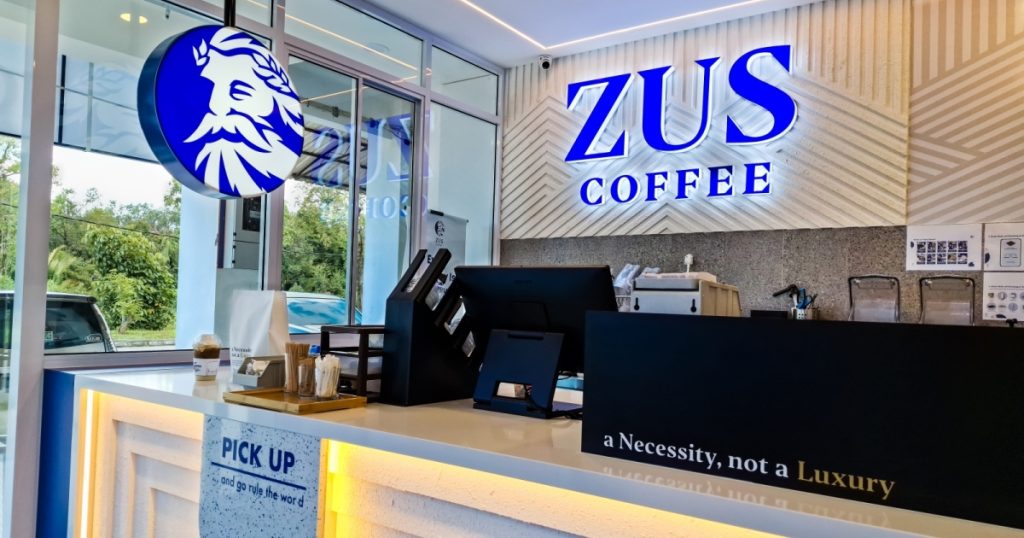
ZUS Coffee to Launch Nearly 200 New Outlets Across Southeast Asia

KUALA LUMPUR:  ZUS Coffee is ramping up its regional presence with plans to open nearly 200 new outlets across Southeast Asia this year, solidifying its status as a major player in the regional coffee market. The expansion includes 107 new stores in Malaysia—where the brand already leads as the largest coffee chain—and approximately 80 new locations in the Philippines, according to Chief Operating Officer Venon Tian in an interview with Bloomberg. ZUS Coffee will also add six stores in Singapore and make its debut in Thailand and Indonesia in 2025. This aggressive growth trajectory comes after a milestone achievement in early 2024, when ZUS overtook Starbucks to become Malaysia’s largest coffee chain, boasting 743 outlets nationwide compared to Starbucks’ 320. Backed by Filipino billionaire Frank Lao, ZUS has made inroads into the Philippines with around 120 stores and currently operates four outlets in Singapore, in addition to a franchise presence in Brunei. Tian attributes ZUS’s momentum to its hyperlocal strategy, offering tailor-made flavours designed to appeal to regional palates. “It’s about how we make quality coffee accessible to most people,” he said. Financially, the brand is on a strong footing. Net income tripled to RM37 million in 2024, underpinned by a business model that proved resilient during the pandemic. Initially launched in 2019 as a delivery-focused kiosk, ZUS leveraged its proprietary app and strong digital presence to scale rapidly. “Covid accelerated our business model,” Tian noted, highlighting how lockdowns helped propel app-based sales and delivery services. As ZUS continues its Southeast Asia expansion, its strategy remains rooted in localised flavours, tech-enabled convenience, and a value-driven approach—a blend that appears to be winning over coffee lovers across the region.

ESG

PepsiCo Spotlights Sustainable Innovation with 2025 Greenhouse Finalists

KUALA LUMPUR:  PepsiCo has announced the 10 startup finalists for the third edition of its Greenhouse Accelerator Program in Asia Pacific — a bold initiative to fast-track innovation across sustainable agriculture, the circular economy, and climate action. These early-stage startups will benefit from expert mentorship, access to PepsiCo’s networks, and the opportunity to pilot their solutions in real-world market conditions, helping scale commercially viable innovations that can strengthen resilience and sustainability across the food and beverage value chain. GHAC has grown into a key platform for advancing sustainable innovation across Asia Pacific. Each edition sharpens its focus on regional priorities — from promoting regenerative farming practices and increasing soil efficiency to scaling low-carbon solutions in packaging and logistics. What sets the program apart is its partnership-driven model, enabling entrepreneurs to refine their solutions alongside PepsiCo experts, pilot in real-world settings, and explore practical pathways to scale within the food and beverage value chain. “Now in its third edition, the Greenhouse Accelerator is becoming a powerful platform for surfacing promising ideas that respond to some of the most urgent sustainability challenges in Asia Pacific,” said Anne Tse, Chief Executive Officer, PepsiCo Asia Pacific (APAC). “From climate resilience to circular packaging and smarter agriculture, we’re seeing bold thinking that is both locally grounded and globally relevant. We’re excited to back these early-stage innovators and learn from them as we explore ways to scale practical solutions across our value chain. Each edition strengthens our ecosystem of changemakers, and we look forward to what this year’s finalists will unlock—not just during the program but well beyond it.” Meet the 2025 Greenhouse Accelerator APAC Finalists (Details in Appendix 1.0 below): Calyx.eco (Australia) Endua (Australia) Beijing AIForce Technology Co. Ltd. (China) Beijing Phabuilder Biotechnology Co. Ltd. (China) Guangdong Databeyond Technology Co. Ltd. (China) Service Enviro SCAD Inc. (China) Shanghai Electric Group Co. Ltd. Central Academe (China) Bali Waste Cycle (CV Bakti Bumi Berseri) (Indonesia) Circular Unite (Singapore) DEEGOLABs Inc (South Korea) Despite their varied focus areas — from waste management and agriculture to renewable packaging and clean energy — this year’s startups are united by a shared commitment to innovation and system-level change. The 2025 cohort demonstrates how emerging technologies — including AI-powered lifecycle assessments, precision agriculture, mobile recycling, and molten salt energy storage — are being applied to reduce environmental footprint and improve sustainability outcomes across traditional systems. These startups are building practical, scalable tools that reduce environmental pressure and help accelerate resource-efficient progress across sectors like food, energy, and waste.   Many of this year’s finalists also hope to tackle social and economic challenges through inclusive job creation and community empowerment. Hailing from Australia, China, Indonesia, Singapore, and South Korea, the finalists will each receive a USD20,000 grant and gain access to PepsiCo’s global ecosystem of experts and go-to-market resources. Finalists will also benefit from tailored mentorship and learning modules from PepsiCo executives and leading business acceleration specialists to help overcome growth challenges, refine business strategies, and scale up their market-ready solutions. At the end of the program, the winning startup will be awarded an additional USD100,000 to scale its innovation further.   Since its launch, GHAC has awarded over USD1 million in grants, launched 16 pilots across APAC, and contributed to pilots and innovation partnerships that have taken place across more than 11 manufacturing sites and farms. Globally, the Greenhouse Accelerator has supported 112 companies and engaged more than 200 mentors. Approximately 80% of participating startups have successfully secured additional incremental funding following the program, underscoring its impact in accelerating sustainable innovation. Standouts include 2024 and 2023 program winners Alternō and Powered Carbon, along with finalists X-Centric and Enwise, who are partnering with PepsiCo beyond the accelerator program. PepsiCo recognises that the long-term success of its business is closely tied to the health of the planet, resilient food systems, and thriving communities. Over the past two years, GHAC has expanded its innovation ecosystem — welcoming new strategic partners and deepening its reach across the region. As a collaborative platform, the program brings together entrepreneurs, corporations, and communities to scale solutions that drive meaningful environmental and commercial impact. This edition is made possible with the support of partners, including Suntory PepsiCo Beverages Thailand, Suntory PepsiCo Beverages Vietnam, GC Ventures, Circulate Capital, CM Venture Capital, GRC Sino GreenFund, and Plug and Play — extending the program’s role in shaping a growing regional network of innovators.

News

CelcomDigi Appoints Grey, GrowthOps, and M&C Saatchi to Lead Brand Evolution

KUALA LUMPUR: CelcomDigi Berhad has appointed Grey (Malaysia), GrowthOps Asia, and M&C Saatchi as its new brand agency partners, as the company enters a transformative phase aimed at accelerating growth and enhancing customer-centric innovation. The three agencies were selected for their robust strategic acumen, creative capabilities, and agile execution, aligned with CelcomDigi’s commitment to future-focused, tech-driven marketing solutions. The collaboration will support key business areas as the company sharpens its strategic positioning in a rapidly evolving digital landscape. “This collaboration comes at a pivotal time, as digitalisation and emerging technologies reshape how we operate,” said a CelcomDigi spokesperson. “We are excited to work with our new agency partners to realise our vision of becoming a customer-driven, strategy-led, best-in-class solutions provider.” The company underscored its commitment to developing competencies in artificial intelligence (AI) and advanced technologies, with a focus on transforming its people, processes, and organisational structure to remain competitive. CelcomDigi also expressed gratitude to its outgoing agency partners, acknowledging their contributions and long-standing support in building the company’s brand over the years.

News

Malaysia and China Extend Visa-Free Travel Agreement for Five Years

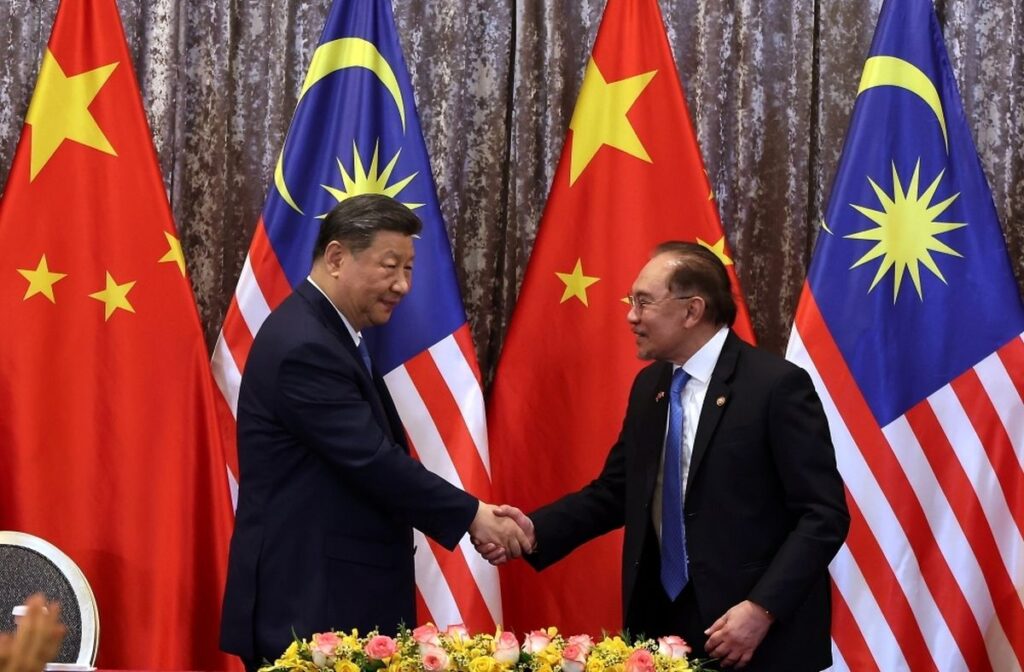
Malaysia and China have agreed to extend their mutual visa-free travel arrangement for another five years, a move hailed by policymakers and industry leaders as a boost to bilateral relations and economic recovery through tourism. The announcement followed Chinese President Xi Jinping’s state visit to Malaysia on April 16, during which 31 memoranda of understanding (MOUs) were signed. Under the extended agreement, Chinese nationals may now stay in Malaysia for up to 90 days without a visa, with reciprocal privileges granted to Malaysian travellers entering China. This marks a significant enhancement from earlier arrangements, when Malaysians were only eligible for 15-day visa-free stays in China. “We agreed to extend it for another five years, with an option to renew for a further five years once it ends,” said Home Affairs Minister Saifuddin Nasution Ismail, during a press briefing on April 22. The move is part of Malaysia’s broader visa liberalisation strategy that came into effect in December 2023, aimed at bolstering tourism and international business engagement. Chinese tourists remain Malaysia’s largest source of international visitors, followed by India, Singapore, and Thailand. As of April this year, nearly 900,000 Chinese tourists have visited Malaysia, compared to 4 million recorded throughout 2024. “Tourism continues to be a key contributor to the national economy, given its immediate impact compared to other forms of investment,” Saifuddin noted. Industry Reaction: Clarity and Confidence The tourism industry has welcomed the news as a stabilising measure that allows for long-term planning. “There is now stability for the industry to plan ahead and boost efforts to attract more Chinese tourists,” said Nigel Wong, President of the Malaysian Association of Tour and Travel Agents. Wong pointed out that the travel demands of Chinese tourists are evolving, with growing interest in experiential tourism, such as culinary adventures, cultural heritage, and ecotourism. The extension is also expected to support the country’s Visit Malaysia 2026 campaign, which targets 35.6 million international arrivals and RM147.1 billion (US$33 billion) in tourism receipts. “The visa-free arrangement will tie in well with Visit Malaysia 2026 and beyond,” said Mint Leong, President of the Malaysian Inbound Tourism Association. “It also enhances Malaysia’s appeal for business events and travellers, offering a competitive advantage in the region,” she added. Broader Economic Impact Industry leaders believe the visa exemption will have positive knock-on effects across hospitality, retail, and services. “With fewer travel hurdles, Chinese tourists will likely spend more on accommodation, dining, and local goods,” said Koong Lin Loong, Treasurer-General of the Associated Chinese Chambers of Commerce and Industry. In contrast, regional competitors such as Thailand have seen declining Chinese arrivals amid safety and economic concerns. The Bangkok Post recently reported a significant drop in Chinese tourist entries, with numbers falling to 5,833 on April 16, well below the average of 15,000 to 20,000 daily. The Malaysian government’s continued visa liberalisation efforts position the country as a safe, accessible, and attractive destination amid regional competition. The move also comes as Singapore and China initiated a similar 30-day mutual visa-free entry agreement in January, reflecting a wider trend of travel facilitation in the region.–CNA

News

Instapay and Mastercard Boost Cross-Border Payment Access for Malaysia’s Migrant Workforce

KUALA LUMPUR: Instapay Technologies has partnered with Mastercard to enhance cross-border payment solutions for over three million migrant workers in Malaysia, leveraging Mastercard Move to deliver near real-time remittance services to more than 180 countries in over 150 currencies. This strategic collaboration aligns with ongoing efforts to improve financial inclusion and equitable access for Malaysia’s large migrant workforce, which includes individuals from Indonesia, Nepal, Bangladesh, India, the Philippines, and Pakistan. With the launch of Mastercard Move, users will benefit from secure and efficient transfers to bank accounts, digital wallets, and cash pickup points, alongside transparent tracking of fees and delivery times. Instapay will roll out these capabilities to individual users in Q2 2025, with plans to extend services to corporate clients in the future. “This collaboration enables us to leverage Mastercard’s global payment infrastructure and cross-border capabilities to deliver an enhanced, more cost-effective remittance experience,” said Rajnish Kumar, Co-founder and CEO of Instapay Technologies. “Our focus is on using technology to reduce transaction costs and provide accessible solutions for underserved communities,” he added. Mastercard Move, a comprehensive money movement portfolio, offers a fast and secure channel for cross-border transactions through both card and non-card networks. It integrates advanced cybersecurity and fraud protection, providing greater transparency and confidence to users — particularly those relying on these services to support families in their home countries. “Migrant workers play a vital role in supporting economies and families across borders. With Mastercard Move, we are equipping them with fast, transparent, and secure tools to manage their finances efficiently,” said Beena Pothen, Country Manager for Malaysia & Brunei at Mastercard. Instapay’s digital financial platform is designed to address the needs of unbanked workers, offering products such as prepaid Mastercard cards, remittance services, and salary crediting accounts. As a licensed e-money issuer, the company is driving ESG-aligned outcomes by fostering financial inclusion, economic resilience, and digital empowerment for underserved populations. Through this partnership, Instapay and Mastercard reaffirm their commitment to building an inclusive financial ecosystem that meets the evolving needs of migrant communities and supports broader socio-economic development across Southeast Asia.

ESG

Malaysia Eyes Strategic ESG Partnerships in Energy Sector During Turkiye Visit

ISTANBUL: Malaysia is encouraging its leading corporations to explore strategic investments abroad as part of a broader effort to strengthen environmental sustainability, foster international collaboration, and enhance national energy resilience. Deputy Prime Minister and Minister of Energy Transition and Water Transformation, Datuk Seri Fadillah Yusof, highlighted the importance of leveraging foreign partnerships to advance technological capabilities and environmental goals. Speaking during his working visit to Turkiye, he pointed to Tenaga Nasional Berhad’s (TNB) ongoing investment in Gama Enerji A.S. as a model for impactful international cooperation. “Although TNB is not the majority shareholder, it is actively involved in Gama’s management, demonstrating how Malaysian firms can gain valuable expertise and scale globally,” said Fadillah. The visit aligns with Malaysia’s energy transition roadmap, where clean and reliable energy plays a pivotal role. Fadillah also engaged with Turkish floating power plant operator Karpowership—an international energy firm known for its mobile power solutions—to explore potential collaboration in addressing electricity shortages in regions such as Sabah. “Karpowership’s floating energy vessels offer flexible power generation using gas and LPG. They are particularly relevant to Malaysia’s eastern regions, where energy access can be limited,” he said, emphasising that the visit is exploratory in nature, not yet a formal commitment. The Deputy Prime Minister added that these overseas engagements are not solely commercial in nature but are strategic steps towards building a sustainable and future-ready energy ecosystem in Malaysia. “We want our companies to return not just with profits, but with knowledge, innovation, and technical capabilities that strengthen our local industries,” he noted. Malaysia’s Ambassador to Turkiye, Sazali Mustafa Kamal, and TNB’s Chief of New Energy, Mohd Zarihi Mohd Hashim, were also part of the delegation. Following his engagements in Turkiye, Fadillah is set to lead the Malaysian delegation to the Summit on the Future of Energy Security in London (April 24–25), co-hosted by the International Energy Agency (IEA) and the Government of the United Kingdom. The summit will convene global leaders to address pressing challenges in energy equity, security, and decarbonisation. The Deputy Prime Minister’s mission underscores Malaysia’s intent to not only secure energy supply but also to do so responsibly, with clear alignment to Environmental, Social, and Governance (ESG) principles.

News

Uganda Seeks Malaysian Investment in Energy and Mineral Sectors

KUALA LUMPUR:  Uganda is actively courting Malaysian investors to explore opportunities within its energy and mineral sectors, with a particular focus on oil refining, critical minerals, and clean energy infrastructure. Speaking at the Uganda: The Pearl of Africa Business Forum and Expo 2025, Uganda’s Minister for Energy and Mineral Development, Ruth Nankabirwa, emphasised her country’s readiness to facilitate foreign investment through a robust legal framework and state support. “You will not be left to deal with landowners alone—the minerals belong to the government, even if the land is privately owned,” said Nankabirwa, underscoring the government’s commitment to easing investment challenges. Uganda discovered commercial oil reserves in 2006, and two development areas are now underway. The Lake Albert basin is projected to produce 40,000 barrels of crude oil per day, while the Tilenga project in Northern Uganda is expected to yield 190,000 barrels per day. The minister also highlighted Uganda’s reserves of rare earth elements, gold, iron ore, and copper, noting that legislation prohibits the export of raw minerals without local value addition.“We want to industrialise domestically. That’s why we’re inviting investors who are prepared to process and partner with us locally,” she said. Nankabirwa identified Malaysia’s expertise in palm oil, downstream processing, and solar energy as strategic areas for collaboration.“If you are interested in solar development or partnering with regional electricity distributors, we are open to it. We want to walk this journey with you,” she added. Uganda’s electricity supply, which is over 86% derived from hydropower, is stable and well-suited for industrial operations, according to the minister. Also speaking at the forum, Finance Minister Matia Kasaija assured potential investors of Uganda’s political stability and investment-friendly policies.“If you choose to invest in Uganda, you will find clear and supportive laws that protect your capital. You can also exit freely, with full repatriation of your investment and profits,” he said. The forum was also attended by Bright Rwamirama, State Minister for Animal Industry, and Mulimba John, State Minister for Foreign Affairs (Regional Cooperation). The two-day event, organised by the High Commission of the Republic of Uganda in Malaysia in collaboration with the Word-One Business Federation, aims to position Uganda as a high-potential investment destination through networking, knowledge sharing, and the showcasing of its resource-rich landscape.–BERNAMA

News

Malaysia’s Inflation Cools to 1.4% in March

KUALA LUMPUR:  Malaysia’s consumer inflation rate eased to 1.4% year-on-year in March 2025, marking the slowest pace of price growth since early 2021, as gains in several non-food categories moderated, according to data released by the Department of Statistics Malaysia (DOSM). The Consumer Price Index (CPI) stood at 134.1 points in March, compared to 132.2 in the same month a year earlier, Chief Statistician Datuk Seri Dr Mohd Uzir Mahidin said in a statement. “The softer inflation print was primarily driven by a slower increase in prices for personal care, social protection and miscellaneous goods and services, which rose 3.6% in March, down from 3.7% in February,” he said. The restaurant and accommodation services segment also saw a notable deceleration, with inflation cooling to 2.9% from 3.5% the previous month. Similarly, price gains in housing, utilities, and fuel slowed to 1.9% (February: 2.3%), while the alcoholic beverages and tobacco category edged up 0.8% (February: 0.9%). Furnishings and household maintenance posted a marginal 0.2% increase. Some sectors, however, recorded higher year-on-year inflation. These included education, which rose 2.2%, and recreation, sport, and culture at 1.7%. Inflation in food and non-alcoholic beverages, insurance and financial services, health, and transport remained unchanged from February, at 2.5%, 1.5%, 1.0%, and 0.7% respectively. On the downside, information and communication, as well as clothing and footwear, continued to register deflation, with prices falling by 5.4% and 0.2% respectively. The moderation in headline inflation aligns with recent central bank projections, suggesting that price pressures remain manageable amid a mixed economic environment.–BERNAMA

Scroll to Top

Subscribe
FREE Newsletter