Author name: admin

News

Kinergy Advancement on Aggressive Expansion Mode

KUALA LUMPUR: Kinergy Advancement Berhad (KAB), a leader in sustainable energy solutions, continues its upward trajectory, highlighted by its record-breaking Profit After Tax (PAT) in FY2023, substantial orders nearing RM1 billion by the year’s end, and a doubling of its concession assets within just one year. With pending tenders totaling RM3 billion, KAB is poised for even greater growth in FY2024. In FY2023, KAB achieved a pivotal milestone with the completion of its rebranding effort, unveiling a new name and logo that embody its steadfast commitment to sustainable energy solutions (SES). This strategic repositioning, initiated in 2018, underscores KAB’s dedication to SES, enhancing its profile and influence in the regional energy sector. The SES division remains the primary engine of growth for KAB, encompassing Clean Energy Generation (CE), Renewable Energy Generation (RE), and Energy-Efficient (EE) solutions. With twenty-seven projects under management and expanding operations across Southeast Asia, including Thailand, Indonesia, and the Philippines, KAB is solidifying its presence in the region. Of significant note is the increase in concession assets from six to fourteen as of December 31, 2023, encompassing a diverse range of energy solutions such as co-generation plants, waste heat recovery facilities, solar PV systems, a biogas plant, and a mini-hydro plant. Dato’ Lai Keng Onn, Executive Deputy Chairman cum Group Managing Director of KAB, expressed confidence in the strategic shift towards SES, emphasizing its alignment with Malaysia’s National Energy Transition Roadmap and broader sustainability objectives. FY2023 marked substantial gains for KAB, with FY2024 projected to witness further advancements, including the completion of the 52.0 MW gas engine power plant project at the Sipitang Oil & Gas Industrial Park, a joint venture with PETRONAS Gas Berhad. Additionally, strategic collaborations such as the MoU with LCS Holdings Co., Ltd for a 20.0 MW solar farm development in the Philippines and the proposed acquisition of shares in Tunjang Tenaga Sdn. Bhd. for a 9.6 MW hydro plant in Malaysia underscore KAB’s commitment to renewable energy and energy efficiency initiatives. Financially, KAB’s performance in FY2023 demonstrated significant growth, with revenue reaching RM199.4 million, a 6.6% increase from the previous year, and a record-breaking Profit After Tax of RM27.6 million, marking an impressive 862.6% rise. With a robust order book nearing RM1 billion and pending tenders totaling RM3 billion, KAB’s focus on high-margin SES projects ensures continued profitability and sustainability.
Investment & Market Trends, News

Opportune Time for M’sian Businesses to Collaborate With Saudi Arabia – Tengku Zafrul

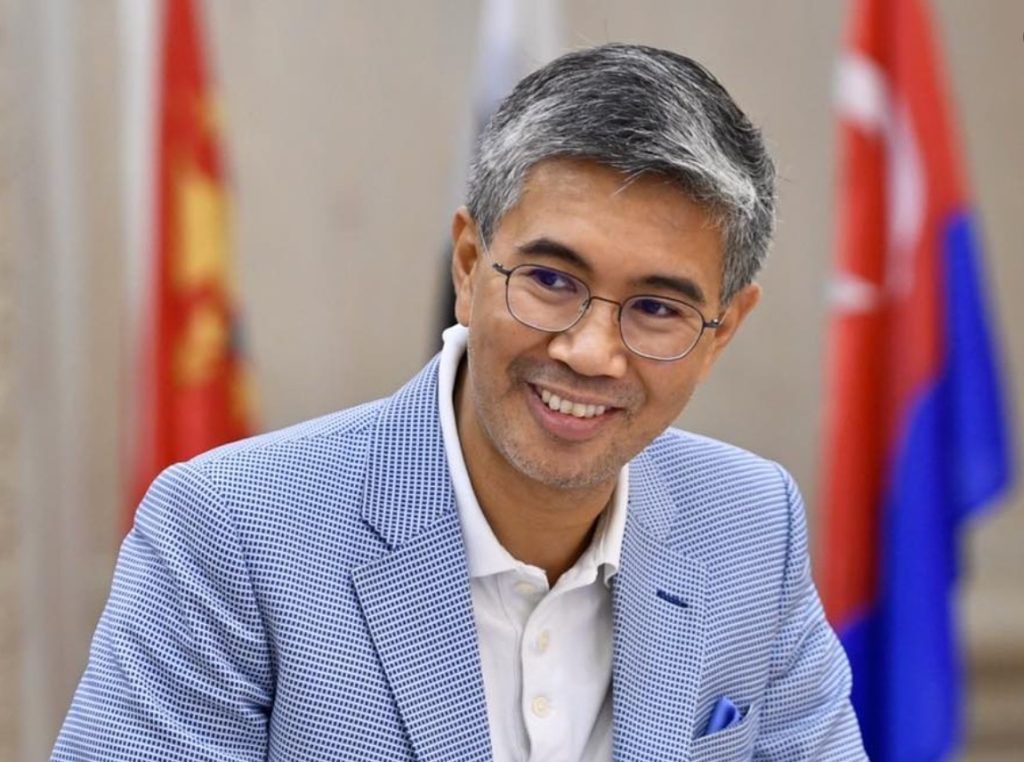
KUALA LUMPUR: The Ministry of Investment, Trade and Industry (MITI) is calling for local companies to establish investment partnerships with companies from Saudi Arabia, especially those in the services sector. Its minister Tengku Datuk Seri Zafrul Abdul Aziz said that Saudi Arabia is inviting Malaysian companies to bolster bilateral trade and investment relationships with the country, which is in line with the Saudi Vision 2030 plan. “We have expertise in diverse sectors, including electrical and electronics, tourism, logistics and facility management. “This opens up opportunities for Malaysian companies to expand their business into the country,” he said after a dinner reception in honour of the Saudi Arabian delegation’s visit to Malaysia. In this regard, Tengku Zafrul said the Malaysia-Saudi Business Council has been established to boost business-to-business activities between the 2 countries. Meanwhile, Saudi Arabia’s Minister of Commerce Dr Majid Abdullah Alkassabi said that it is important to build connections and discover the multitude of opportunities available. “We are preparing a comprehensive plan…a cooperation plan based on Saudi Crown Prince Mohammed Salman’s direction to prepare a joint plan and to enhance the bilateral trade cooperation,” Majib said. In October of last year when MITI facilitated Prime Minister Datuk Seri Anwar Ibrahim’s w-day visit to the United Arab Emirates (UAE), a total of RM40.6 billion worth of investment commitments were made for Malaysia in sectors such as renewable energy, aerospace and logistics. The investments included a commitment by Abu Dhabi Future Energy Company PJSC (Masdar) to invest up to RM37.8 billion to develop renewable energy projects with a 10GW capacity in Malaysia. To that end, the minister said MITI’s strategic collaboration with Masdar and UAE International Investment Council (UAEIIC) will pave the way for Malaysia’s pursuit of new technology that prioritises low-carbon, green manufacturing and circular economy solutions. Meanwhile, the Malaysian Investment Development Authority (MIDA) and the UAEIIC also agreed to strengthen their existing collaboration to enhance Malaysia-UAE sustainable economic cooperation to increase sustainable investment flows between both countries.

News

Najman Isa Named as CEO Role at RHB Islamic International Asset Management

KUALA LUMPUR: Effective April 8, 2024, RHB Banking Group has appointed Mohd Najman Md Isa as the Chief Executive Officer (CEO) and Chief Investment Officer of RHB Islamic International Asset Management Bhd (RHBIIAM). Najman brings extensive experience to his new role, having spent six years at Sumitomo Mitsui DS Asset Management Hong Kong as the lead equity portfolio manager for selected Asia Pacific ex-Japan equity mandates and lead analyst for the financials sector of emerging Asia ex-China markets. Prior to that, he served as the lead portfolio manager for selected Shariah Asia ex-Japan and Shariah Asean equity mandates at Eastspring Investments Malaysia, following a five-year tenure at Aberdeen Asset Management as a generalist for Asean equities and co-manager of various Shariah equity mandates. Najman is a distinguished graduate of the University of Melbourne, Australia, holding a double degree in civil engineering (first class honours) and commerce. Additionally, he is a Chartered Financial Analyst (CFA) charter holder and holds a Capital Markets Services Representative’s Licence (CMSRL) for the regulated activity of fund management, underscoring his qualifications and preparedness for the CEO role. RHBIIAM, a wholly-owned subsidiary of RHB Asset Management Sdn Bhd, is licensed to conduct Islamic fund management activities and dealing in securities restricted to unit trust products.

Investment & Market Trends, News

Google Updates Malaysia on Progress Regarding Areas of Expansion

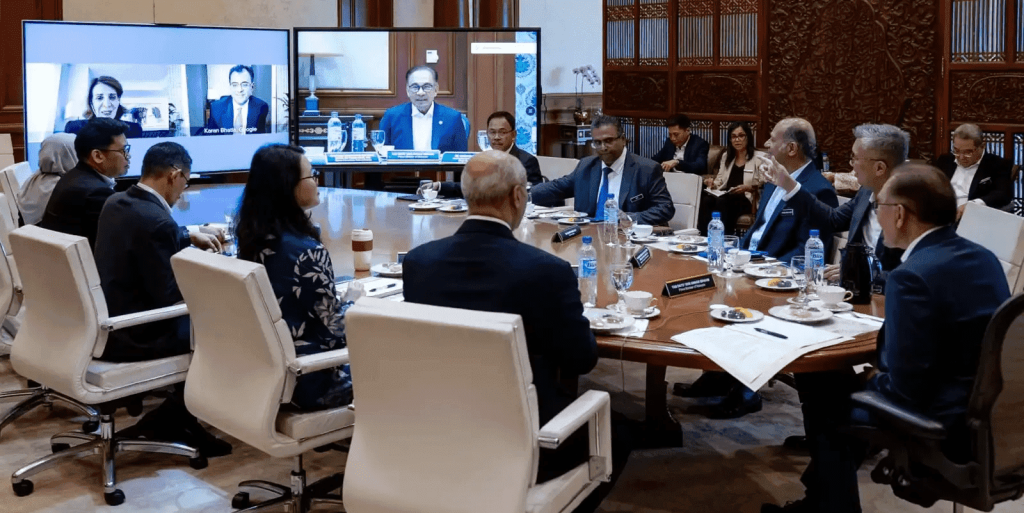
KUALA LUMPUR: Prime Minister Datuk Seri Anwar Ibrahim recently held an online conference with Alphabet & Google President and Chief Investment Officer Ruth Porat, where the Prime Minister mentioned that the meeting was a follow-up to their meeting in the US last year. During the conference, Porat informed on the progress of the framework areas that Alphabet & Google can expand in Malaysia based on his previous explanation regarding the mission and focus of the Malaysian government. “Alphabet & Google very much welcomed the leadership, commitment and support of technology and AI related to the education, health and agriculture sectors. “I emphasised that these efforts must eventually bring comprehensive economic and social benefits without leaving out any group or community, especially in terms of technology literacy,” she said. With that, Anwar expressed his hopes the efforts will bear fruit particularly in launching the national technology transition planning and creating job opportunities. In the previous meeting in San Francisco, Anwar met with tech giants such as Google, Enovix Corporation, Microsoft and TikTok (through its parent company, ByteDance) which ended up in pledges of greater investments in Malaysia. At the time, Google revealed plans to invest in Malaysia’s digital competitiveness, including infrastructure and AI innovation programmes. The initiative is expected to see both parties getting together to help businesses advance their digital competitiveness through skilled programmes, investment in digital infrastructure, responsible AI innovation and cloud-first policies. Additionally, Enovix Cooperation had planned to set up a high tech silicon battery producing plant in Penang, which was expected to begin operations in April of this year.

News

Shell in Talks to Sell Malaysia Fuel Stations to Saudi Aramco, sources say

SINGAPORE: Shell is currently in discussions with Saudi Aramco regarding the potential sale of its gas station business in Malaysia, which stands as the country’s second-largest network. The talks, according to four industry sources familiar with the matter, could result in a deal valued at up to $1 billion. Although Shell and Saudi Aramco have declined to comment on the negotiations, it’s noteworthy that Malaysia holds significant importance for Shell. The London-based energy giant wholly owns approximately 950 fuel stations across Malaysia, trailing only behind the state-owned Petronas in terms of network size. These discussions, initiated in late 2023, are progressing, with the possibility of finalizing a deal in the near future, as suggested by one insider. Estimated to be between 4 billion to 5 billion ringgit ($844 million to $1.06 billion) in value, the potential deal aligns with Shell’s strategic decision to concentrate on its most profitable ventures under CEO Wael Sawan’s leadership. Beyond fuel stations, Shell is engaged in various operations in Malaysia, including the sale of industrial lubricants and offshore production of crude oil and natural gas. Additionally, it has stakes in two liquefied natural gas (LNG) ventures. This proposed sale is part of Shell’s broader divestment strategy, aiming to shed 500 gas stations this year and next, alongside the ongoing process of selling its Singapore refinery and petrochemical complex. Notably, the move to sell its Malaysia fuel stations mirrors its decision to divest its Bukom Island refinery in Singapore, which supplies the Malaysian network. While Saudi Aramco doesn’t currently operate fuel stations in Malaysia, it holds a 50% stake in the Pengerang refinery in Johor, a joint venture with Petronas. Aramco’s operations extend to petrol stations in Saudi Arabia and other regions, including joint ventures with major players like TotalEnergies and South Korea’s S-Oil Corp.–REUTERS

Events

Bursa Malaysia Brings Flagship Investment Fair to Sabah

KUALA LUMPUR: Bursa Malaysia Berhad will host its flagship Bursa Marketplace Fair 2024 at Suria Sabah Shopping Mall in Kota Kinabalu on May 11-12, 2024. The fair, officiated by Datuk Seri Panglima Haji Hajiji bin Haji Noor, Chief Minister of Sabah, aims to promote financial literacy and investing opportunities offered by Bursa Malaysia. Highlights include talks, activities, and booths by the Securities Commission Malaysia and participating brokers. The event will feature presentations by Keyfield International Berhad and Optimax Holdings Berhad. Despite a large population in Sabah, only a small percentage have opened CDS accounts, highlighting untapped investor potential. Datuk Muhamad Umar Swift, CEO of Bursa Malaysia, emphasizes the importance of enhancing financial literacy and increasing retail investor participation. The fair offers opportunities to explore digital tools and platforms such as Burmon Trader, Bursa Anywhere app, MyBursa, and Bursa Gold Dinar. This marks the first time the event is held in East Malaysia and is expected to draw over 2,000 attendees. The event is free and open to the public, with registration available online or on-site. Visit https://www.bursamarketplace.com/bursamarketplace-fair/ for more information.

Energy & Technology, Investment & Market Trends

Huawei Launches F5G-A Products and Solutions to Enable Industrial Intelligence in APAC

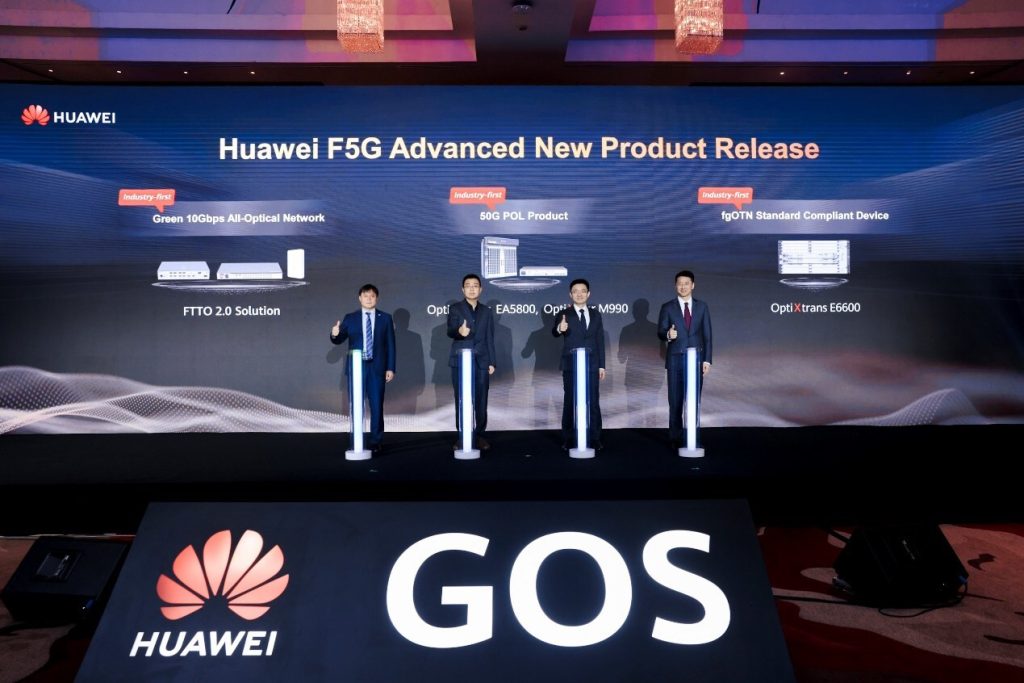
BANGKOK: During the recent Global Optical Summit (GOS) that was organised by Huawei in Bangkok, Huawei launched a series of F5G Advanced (F5G-A) products and solutions for the Asia Pacific region, and initiated OptiX Club member recruitment event worldwide, enabling industrial intelligence within the region. In the opening speech, Huawei Technologies Co Ltd Optical Business Product Line President Bob Chen said, “Optical connectivity and sensing have been the cornerstones of intelligent industry transformation. “Industrial intelligence brings 3 trends to the optical industry: fibre-in copper-out, fgOTN-in SDH-out, and optical-sensing-in hard-work-out. Huawei has been deeply engaged in the industry and continuously explores innovative optical technologies to enable industrial intelligence.” Meanwhile, Huawei President of Enterprise Optical Business Domain Gavin Gu said “Industrial intelligence brings three new trends to the optical industry. F5G-A shows us a clear technology evolution roadmap for these trends. I believe that with the joint efforts of customers, partners, and Huawei, we will achieve win-win results in industrial intelligence.” Homes and campuses are embracing “fibre-in copper-out”, with copper cables needing to be replaced by optical fibres. Home broadband technologies are developing from fibre to the home (FTTH) to fibre to the room (FTTR), providing the ultimate experience for home digital life. Against this backdrop, Huawei launched the ISP’s all-optical target network for the FTTR era. For “fiber-in copper-out” on campus networks, Huawei launched the next-generation FTTO 2.0 Solution, in which Huawei uses XGS-PON Pro and Wi-Fi 7 technologies to upgrade bandwidth, networking, and O&M, achieving 12.5/25G to rooms and 10G to APs so as to build a green 10 Gbps all-optical campus. In addition, Huawei launched the industry’s first 50G POL solution for commercial use, satisfying the requirements of high-performance campus scenarios. For “fgOTN-in SDH-out” in the electric power and transportation industries, Huawei launched the industry’s first all-optical communication network solution that supports fgOTN standards, building a solid and reliable communication network for the industry. In the third trend of “optical-sensing-in hard-work-out”, intelligent remote operation is leveraged to drastically reduce the amount of manual onsite workload, enabling employees to move from outdoor sites to offices in scenarios including smart transportation and perimeter inspection. Huawei integrates sensing capabilities of vision, radar, and optical fibres with the advanced intelligent model to build an industry-leading multi-dimensional sensing solution, facilitating production and operations. At the summit, Huawei released Installation Process and Construction Guidance for Passive Optical LAN and fgOTN Technical white paper to further empower customers and partners, promote industry standardization of all-optical networks, and accelerate application implementation. Huawei also announced the initiation of the OptiX Club member recruitment event worldwide. By building industry technical communities, Huawei aims to promote regional industry data intelligence.

News

Airbus Reiterates Commitment to Malaysia’s Defence Industry

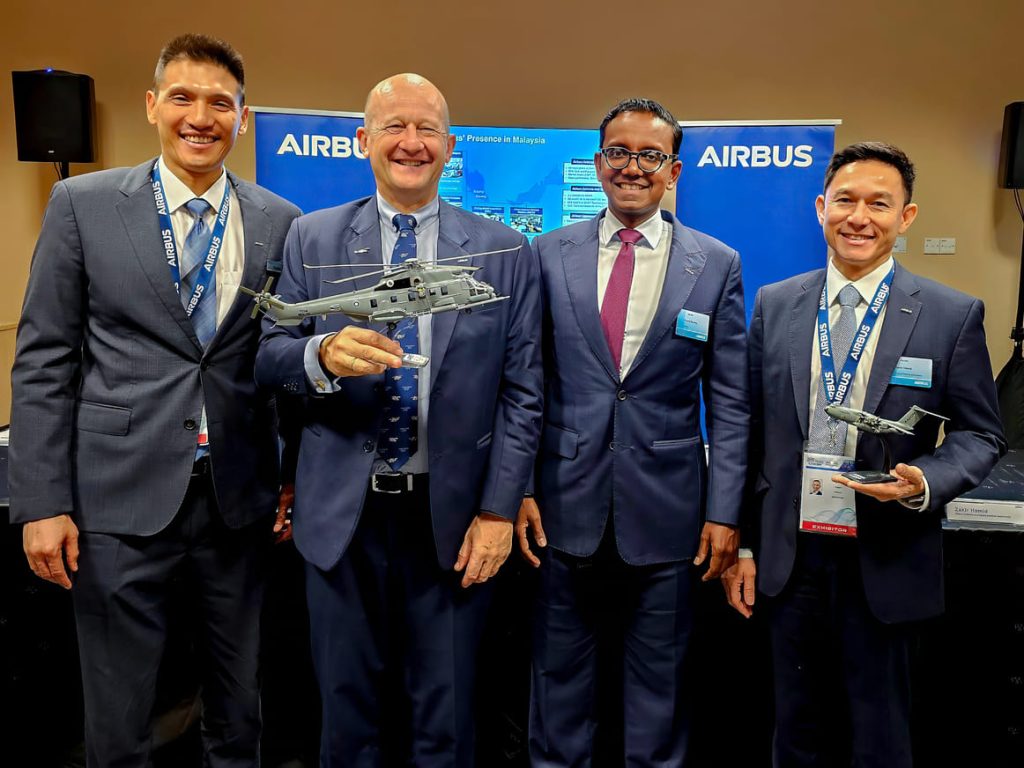
KUALA LUMPUR: Airbus reiterates Malaysia’s significance as a crucial market for its military helicopters, defense, and Space sectors, underscoring its unwavering commitment to fortifying its established foothold within the country. During discussions at the Defence Services Asia exhibition, Airbus executives emphasized Malaysia’s pivotal role as a primary clientele across its commercial aircraft, helicopter, defense, and Space divisions. As a strategic ally to Malaysia, Airbus has fostered robust industrial collaborations that have contributed substantially to the local economy. The aerospace giant aims to further enhance existing partnerships and investments within the local framework. This initiative includes the establishment of a third helicopter full flight simulator in Subang, slated to commence operations in 2026. Acknowledging Malaysia’s escalating demand for new helicopter assets to bolster national defense and security, Airbus is aligning its capabilities to accommodate this surge. The versatile H225M helicopters stand ready to fulfill various mission requirements, including special operations, combat search and rescue, and tactical transport. Notably, the Royal Malaysian Air Force (RMAF) currently operates 12 H225Ms for both military and humanitarian missions. With a focus on replacing aging assets, particularly in roles like law enforcement, Airbus advocates the H135 as an optimal solution. This model, widely acclaimed globally, boasts over 1,500 units in service, including approximately 200 deployed for law enforcement purposes worldwide. Furthermore, Airbus anticipates addressing the region’s escalating demand for enhanced capabilities and the modernization of military transports. The company stands prepared to furnish Malaysia with a robust mixed fleet comprising A400M and C295 aircraft, capable of meeting both strategic and tactical needs. Currently, the RMAF operates four A400M aircraft for strategic airlift, while the C295 complements the A400M, fulfilling tactical airlift requirements. In the realm of Space, Airbus’ enduring partnership with the Malaysian Space Agency (MYSA) has flourished since 1998, encompassing satellite imagery, systems, and services. Malaysia boasts unique infrastructure enabling the reception of telemetry from SPOT, Pléiades, and TerraSAR-X satellites. Additionally, Airbus-built satellites MEASAT-3b and MEASAT-3d deliver broadband connectivity to remote areas lacking terrestrial networks. Addressing maritime security concerns, Airbus collaborates with the Malaysian Maritime Enforcement Agency (MMEA) through its STYRIS coastal surveillance solution, supporting vital surveillance operations along the Straits of Malacca and East Malaysia for the past 15 years. Anand Stanley, President of Airbus Asia-Pacific, expressed optimism regarding the enduring partnership with Malaysian stakeholders. As the aerospace sector in the region continues to flourish, Airbus is committed to expanding its local footprint and fostering deeper collaborations.

ESG, News

FENC Uncaps Major Success with Global Sustainable Expansion in Recycled Polyester

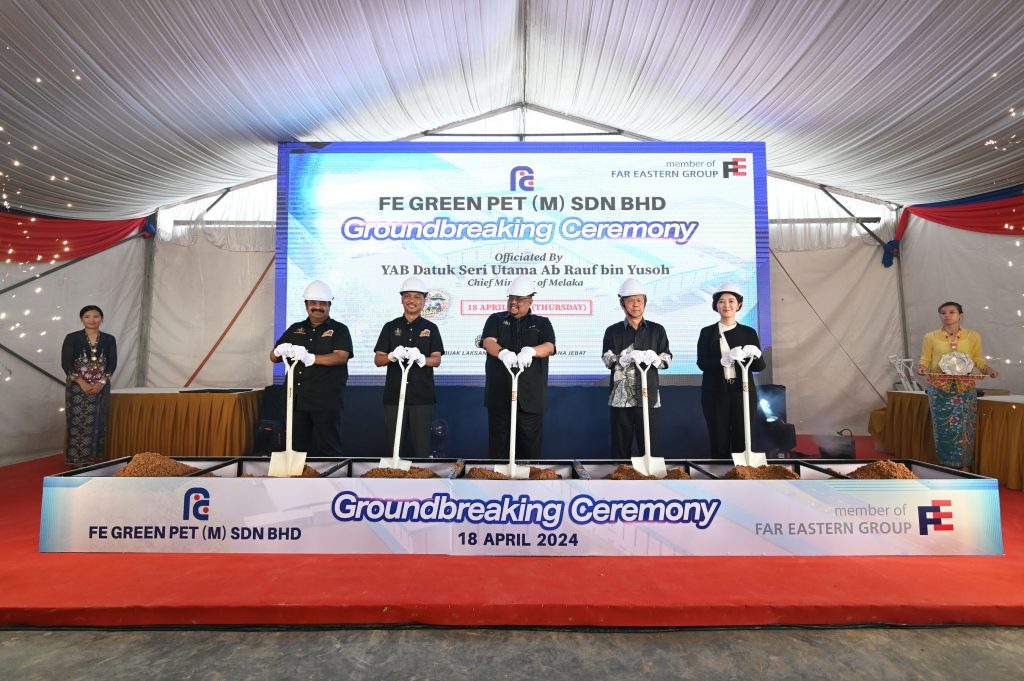
TAIPEI: Boasting the world’s largest production of food-grade recycled polyester, FENC oversees a seamlessly integrated production and sales system spanning from recycled feedstock to end-product applications. Through FENC’s vast recycling capacity, FENC recycles over 22 billion pieces of post-consumer recycled polyethylene terephthalate (PET) bottles into high-quality sustainable products. The company creates value from waste, repurposing the bottles into food and non-food packaging, hygienic materials, automotive textiles, home furnishings, sports apparel, footwear and more. Partnerships with world-class brand clientele like Coca-Cola, Pepsi, Suntory, Fiji Water, F&N, Asahi, L’Oreal, Unilever, P&G, Nike, adidas, and lululemon are testaments to both the company’s cutting-edge recycling technology and its unwavering commitment to the circular economy. FENC’s footprint in recycled polyester production stretches across Taiwan, Mainland China, Japan, the US, and Southeast Asia. To bolster its leadership and propel the polyester sector towards greener pastures, FENC is actively expanding its capacity for high-value food-grade recycled polyester. Notably, the newly inaugurated Kansai plant in Japan, complementing the existing Kanto facility, is poised to solidify FENC’s dominance in Japan’s recycled polyester market. Furthermore, the imminent launch of Vietnam’s recycling plant in the latter half of 2024 not only contributes to local recycling infrastructure but also advances Vietnam’s circular economy agenda. Meanwhile, in Malaysia, FENC broke ground on an expansion project for its recycled polyester factory in Melaka. Scheduled for production by the end of 2025, this expansion will create a fully integrated upstream-downstream operation with the existing bottle manufacturing plant, thus enhancing value creation along the supply chain. Across the Pacific, FENC’s US plant completed its capacity expansion in the first half of 2024, injecting renewed vitality into the nation’s circular economy. For over three decades, FENC has championed the circular economy. With agile production and sales strategies, it has secured regional supply chain advantages within the recycled polyester sector, fostering sustainable development across the industry landscape. In 2023, FENC earned widespread acclaim for its exemplary Environmental, Social, and Governance (ESG) performance, topping the Minderoo Foundation’s global plastics circularity evaluation, ranking among the top 2.5% in the global chemical industry according to Sustainalytics’ ESG risk ratings, and securing a spot in the top 5 of Taiwanese listed companies in FTSE Russell’s ESG Ratings.

News

No signs of abating for South Malaysia Industries boardroom tussle

KUALA LUMPUR: The current management tussle in South Malaysia Industries Bhd (SMI) shows no signs of abating, with the board appointing Leow Thang Fong as chief executive officer (CEO) even after shareholders voted against his continuation as a director of the company during the annual general meeting (AGM) on March 27, 2024. This move will likely fuel the company’s ongoing management turmoil, raising questions about corporate governance and shareholder influence in critical decision-making processes. During the AGM, a majority, or 51.2 per cent of shareholders, expressed their lack of confidence in Leow’s leadership by voting against him. Despite the decisive vote, SMI’s board reinstated Leow in a more senior executive position, prompting concerns about the board’s regard for shareholder democracy. A major shareholder of SMI, wishing to remain anonymous, expressed deep worry about Leow’s recent appointment as CEO, especially since the majority of shareholders rejected him at the AGM. “This move not only undermines the shareholders’ vote but also raises serious questions about the board’s commitment to transparency and good governance. “We believe in the importance of aligning leadership with shareholder interests and are currently evaluating our options to ensure that the company adheres to the highest standards of corporate governance,” the shareholder told The Exchange Asia. Though lawful, the decision raises questions about conventional corporate governance norms and could worry investors about the integrity of governance practices within SMI, the company said in a statement. Further, the decision can potentially undermine investor confidence, possibly discouraging foreign investment in Malaysia, as investors highly prioritise transparency and robust governance in market operations. To recap the background, Honsin Apparel Sdn Bhd (HASB), a subsidiary of Techbase Industries Bhd, owns a 7.5 per cent stake in SMI and has actively advocated for governance reforms within the company. HASB has been engaged in continuous legal battles with SMI, seeking to instigate improvements in governance and management practices. In October 2023, HASB secured a legal victory allowing them to convene an extraordinary general meeting (EGM). However, SMI thwarted this effort by obtaining a judicial stay, delaying the EGM. These recent developments highlight a more significant concern regarding the possible exploitation of shareholder rights by current directors within SMI. SMI’s response to this appointment’s aftermath has the potential to establish significant precedents for corporate governance norms in Malaysia. Investors and governance experts are closely monitoring this situation to see its implications. On March 21, SMI announced its decision to postpone plans for directorial changes following a significant shareholder’s move to seek a temporary court order. According to an exchange filing, SMI promptly convened an emergency board meeting on March 20 after receiving a writ of summons and notice of application for an interim injunction from Mah Sau Cheong. Legal advisors cautioned the company against potential contempt of court if it were to act before a court ruling. “The board, in alignment with the advice from legal counsel, has determined it prudent for SMI to maintain its current state and await the court’s decision before proceeding with the proposed changes,” SMI said in a statement. Mah has applied for a temporary court injunction to block SMI from presenting resolutions by HASB and Chong Fu Shen at its annual general meeting on March 27 and at any subsequent general meetings. Furthermore, he has requested that Datuk Au Yee Boon and any affiliated entities refrain from initiating resolutions to dismiss or appoint new directors until the lawsuit is fully and conclusively resolved. HASB has previously served notice to SMI, indicating its desire to nominate Hong Zheng Hong and Tan Eng Gooi as directors at the upcoming AGM on March 27. However, SMI announced that it opposes this proposal. In addition to HASB, another minor shareholder, Chong Fu Shen, has expressed a similar intention to nominate himself, Lum U-Jun, Chong Fu Chih, and Loo Choo Hong as directors. Asian PAC Holdings Bhd (APH) is SMI’s largest shareholder, holding a direct stake of 2.25 per cent and an indirect shareholding of 9.3 per cent. Mah, on the other hand, holds the largest share in APH, with a 32 per cent stake and a direct interest of 7.65 per cent in SMI. HASB’s notice of intent comes amidst a series of ongoing legal disputes with SMI, stemming from its joint efforts with HIQ Media (M) Sdn Bhd to gain control of the listed company’s boardroom since February last year.

Scroll to Top

Subscribe
FREE Newsletter