Author name: admin

News

HE Group Posted FY23 Revenue Of RM204.4Mil, Declares 0.4 Sen Dividend

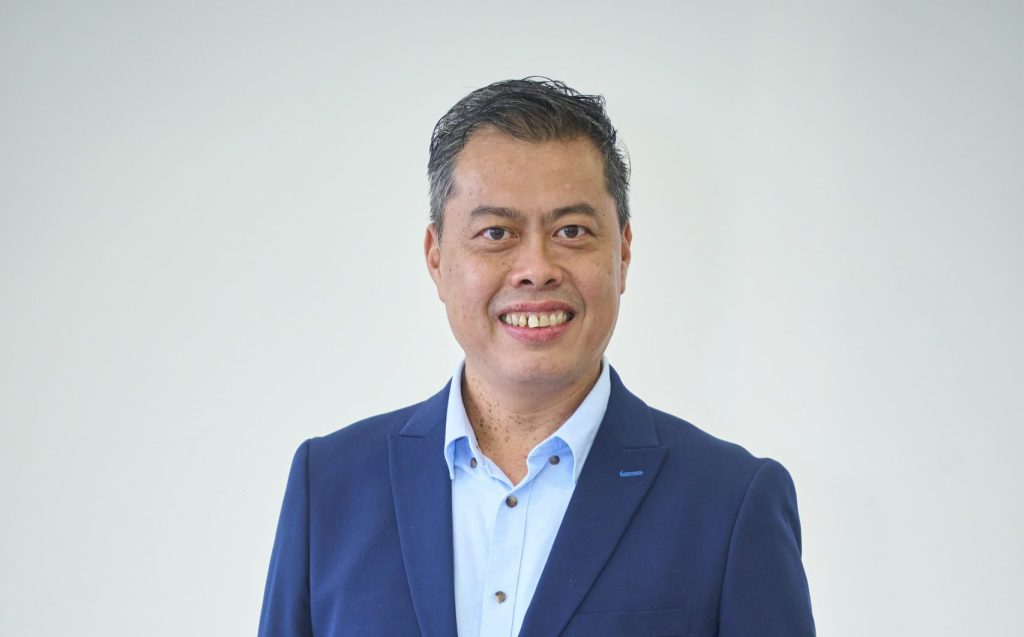
KUALA LUMPUR: Newly-listed electrical engineering service provider HE Group Bhd (HGB) registered revenue of RM44.2 million for the fourth quarter (Q4) ended December 31, 2023 (FY23), lower by 44.0 per cent lower from RM78.9 million posted in the third quarter (Q3) FY23. The decrease was mainly attributed to the completion of certain projects in Q3 FY23. In tandem with reduced total revenue, profit before tax (PBT) also decreased by RM1.4 million or 28.9 per cent to RM3.4 million for Q4 FY23. This is the second interim financial report announced in compliance with the ACE market listing requirements of Bursa Malaysia. There are no comparative figures for the preceding corresponding quarter as no interim financial report was prepared for the comparative quarter concerned. For the quarter, the power distribution system and electrical equipment hook-up and retrofitting segments, which carry higher profit margins, contributed 70.3 per cent of revenue in Q4 FY23 compared to 59.2 per cent in Q3 FY23. Hence, the PBT margin increased to 7.7 per cent from 6.1 per cent due to the favourable project mix. For the full year, the company posted a revenue of RM204.4 million in FY23, mainly derived from the power distribution system and other building systems and works segments, contributing to RM133.4 million and RM59.9 million. These segments accounted for 65.3 per cent and 29.3 per cent of the total revenue, respectively. Additionally, these segments fuelled profitability, with PBT reaching RM14.8 million for FY23. The board have proposed a final single-tier dividend of 0.4 sen per ordinary share, amounting to approximately RM1.8 million for FY23. This translates to a dividend payout of 16.1 per cent. The proposed dividend is subject to shareholders’ approval at the upcoming annual general meeting. HGB managing director Haw Chee Seng said the company remains confident in its prospects as it focuses on executing the projects and actively participates in tenders to replenish the order book. HGB kicked off the new financial year ending December 31, 2024 (FY24) on a good note by securing a contract worth RM34.8 million. Its wholly-owned subsidiary, Hexatech Engineering Sdn Bhd on January 30, 2024, accepted a new work order from a Germany-based manufacturer of semiconductor components. The project involves designing, supplying, installing, testing and commissioning a low-voltage distribution system and is expected to be completed by April 30, 2024. HGB sees significant growth potential in the power distribution systems industry, driven by the strategic alignment of the government’s recently launched New Industrial Master Plan 2030 (NIMP) with the company’s core competencies. The NIMP prioritises development in key sectors such as electrical and electronics and medical devices, where a substantial portion of HGB’s major clients operate. This targeted growth within these sectors is expected to generate substantial demand for HGB’s power distribution systems solutions, translating to the potential for sustained earnings growth in the coming years.

Energy & Technology

Global Aviation Biofuel Market To Reach US$51.23 Billion By 2028

KUALA LUMPUR: The global aviation biofuel market will reach US$51.23 billion by 2028 from $32.64 billion in 2022, with an expected compounded annual growth rate (CAGR) of 7.64 per cent. According to the Research and Markets report, the global aviation biofuel market is gaining significant attention as the aviation industry seeks to reduce its carbon footprint and mitigate the environmental impact of air travel. The report said several factors drive the market for aviation biofuel. Firstly, there is a growing awareness of the need to reduce greenhouse gas emissions in the aviation sector. Biofuels offer a way to achieve this goal by providing a more sustainable and environmentally friendly fuel option. Governments and regulatory bodies are also playing a crucial role in promoting the use of biofuels through incentives, mandates, and policies that encourage the adoption of sustainable aviation fuels. To note, the aviation biofuel, also known as sustainable aviation fuel (SAF), is derived from renewable sources such as biomass, cooking oil, algae, and other organic materials. It is considered a viable alternative to traditional jet fuel due to its lower carbon emissions and potential for reducing dependence on fossil fuels. Another factor driving the growth of the aviation biofuel market is the increasing demand for air travel. As the global population continues to grow and economies develop, the demand for air transportation is expected to rise. This, in turn, will lead to higher aviation fuel consumption. Biofuels offer a way to meet this growing demand while reducing the carbon emissions associated with air travel, the report noted. Further, technological advancements and research and development efforts are also contributing to the growth of the aviation biofuel market. Scientists and engineers are continuously working on improving the production processes, feedstock options, and overall efficiency of biofuels. This has led to developing advanced biofuel technologies that offer higher energy density, better performance, and compatibility with existing aircraft engines. However, the Research and Markets report noted that the aviation biofuel market still faces several challenges. One of the main challenges is the scalability of production. Scaling up biofuel production to meet the demands of the aviation industry requires significant investment in infrastructure, feedstock cultivation, and refining facilities. Additionally, biofuel costs are currently higher than traditional jet fuel, making it less economically viable for widespread adoption. “Despite these challenges, the global aviation biofuel market is expected to grow in the coming years. “The increasing focus on sustainability, coupled with government support and technological advancements, will drive the adoption of biofuels in the aviation industry,” the report noted. Continued research and development efforts and collaborations between industry stakeholders will be crucial in overcoming the challenges and realising the full potential of aviation biofuels in reducing carbon emissions and creating a more sustainable aviation sector, it said.

Property

Radium Development Positive In Sustained Growth Trajectory

KUALA LUMPUR: Property developer Radium Development Bhd (RDB) posted a net profit of RM7.89 million for the fourth quarter (Q4) ended December 31, 2023 (FY23) while profit before tax stood at RM15.77 million. Despite a minor revenue dip due to ongoing projects such as R Suites Chancery Residences, Vista Adesa @ Desa Timur, and Radium Adesa @ Desa East Residences, RDB showcased a strong PBT for the quarter. Additionally, the company maintained an impressive gross gearing ratio of 0.05 times, reflecting its financial stability and strategic management amidst project dynamics. Furthermore, Radium Global Sdn Bhd (RGSB), a subsidiary of RDB, recently acquired land at Old  Klang Road in June 2023, signalling the company’s commitment to growth and enhancing shareholder value. The launch of this project is expected in the first half of 2024. “We are confident in our company’s sustained growth trajectory, with a focus on launching and selling two new projects in 2023: R Suites Chancery Residences in Ampang, with an estimated gross development value (GDV) of RM500 million, and Vista Adesa @ Desa Timur and Radium Adesa @ Desa East Residences in Sungai Besi, with an estimated GDV of RM1 billion,” RDB group managing director Datuk Gary Gan Kah Siong said in a statement. Moreover, RM109.3 million from the initial public offering (IPO) proceeds have been allocated to develop a 145-room boutique hotel seamlessly integrated into a mixed-development project in Ampang, Kuala Lumpur. This strategic move aims to tap into a rejuvenated revenue stream from Kuala Lumpur’s tourism sector, complementing the company’s existing property development portfolio. Vista Adesa, launched in May 2023, has achieved a take-up rate of nearly 60 per cent, equivalent to a GDV of approximately RM219 million. Similarly, Radium Adesa, launched in  June 2023, has garnered a take-up rate of 78 per cent, representing a GDV of RM447 million. “The Vista Adesa project aligns with the government’s strategic objective of enhancing homeownership among Malaysians. “The project encompasses the provision of economical residential units valued at  up to RM300,000, comprehensively financed through the housing credit guarantee corporation (HCGS) loan programme,” said Gary Gan. On November 28, 2023, RDB formalised a Strategic Partnership Agreement with  MyCharge EV Sdn Bhd (MCSB) to integrate electric vehicle (EV) chargers across current and future developments. The company plans to install EV chargers at Vista Sentul Residences in March  2024. “Aligning with the evolving landscape of environmentally conscious businesses, our partnership with MCSB represents a significant step. “Additionally, the company is actively exploring new avenues to diversify our revenue streams,” said Gary Gan. RDB’s performance and strategic initiatives demonstrate its resilience  and forward-thinking approach in the property development sector.

News

Muar Ban Lee’s Growth Prospects Positive Amid El Nino Concerns

KUALA LUMPUR: Muar Ban Lee Group Bhd (MBL) is poised to navigate the challenges the looming El Niño poses with strategic business diversification plans. The company is adopting technological advancements in palm kernel oil processing and ventures into the biogas sector, showcasing its resilience and potential as a critical player in the evolving market. The expected rise in palm oil prices allows MBL to increase revenue from its core operations. The company’s involvement in biogas aligns with the global trend towards renewable energy and offers an alternative application for palm oil, potentially reducing production risks associated with El Niño. “MBL’s investment in modern technology is a game-changer, enhancing our efficiency and yield in palm kernel oil processing. “This strategic move positions us to maximise our resources and maintain a competitive edge, especially in times of reduced production,” MBL’s top management representative said in a statement. Further, the spokesperson said the anticipated global upswing in palm oil demand, driven by biogas, positions MBL favourably. As biogas gains prominence in the energy sector, MBL’s involvement could lead to new revenue streams and market opportunities. MBL’s venture into biogas marks a strategic move, aligning with the global shift towards renewable energy. By converting palm oil production waste into energy, MBL addresses environmental concerns and taps into a burgeoning market. This diversification also provides a buffer against the volatility of palm oil prices and production levels. Furthermore, MBL’s strategic divestiture of a 51.0 per cent stake in Indonesia-based PT Serdang Jaya Perdana for RM11.0 million has streamlined its financial portfolio, boosting cash flow and overall financial stability. By shedding a low-yield asset, this divestment refocuses the company’s efforts on more lucrative ventures. Post-divestment, MBL’s revenue normalised to RM74.58 million in the third quarter (Q3) FY23, with its core manufacturing business contributing RM51.97 million. Meanwhile, profit after tax jumped 62.5 per cent quarter-on-quarter (QoQ) to RM4.98 million, driven by heightened demand in its manufacturing division. Regarding the business outlook, a substantial order book and a favourable business climate could boost earnings in the near term. MBL’s success is underpinned by its diverse product and service offerings in the palm oil industry, notably its commitment to sustainability. Initiatives like the empty fruit bunch (EFB) biogas plants and palm oil mill effluent (POME) water treatment systems exemplify MBL’s dedication to environmental stewardship, turning waste products into energy and managing wastewater efficiently. The shift towards renewable energy is crucial to MBL’s robust earnings growth prospects. This transition aligns with global environmental goals and presents lucrative opportunities for the company. “A deliberate and strategic shift in our asset portfolio has not only strengthened our financial footing but also allowed us to channel our resources towards more profitable and sustainable ventures,” a senior executive at MBL said. Aside from the growth potential, MBL’s diversified revenue streams enhance its earnings resilience and stability. MBL’s automotive division, for instance, contributed approximately RM28.18 million in revenue during Q3. Additionally, MBL’s plantation segment, though in its early stages with an immature durian plantation yet to yield revenue, represents a promising avenue for long-term growth. From an investment perspective, MBL presents an attractive valuation. The company’s net asset per share, at 95 sen, is significantly higher than its current share price of around 45 sen. Before the COVID-19 pandemic, MBL had a strong track record of dividend payouts, suggesting potential future dividends as business normalises. However, challenges loom on the horizon, particularly concerning the impact of El Niño. This climatic phenomenon risks palm oil production, potentially affecting supply and prices. MBL must navigate these uncertainties, which could affect production volumes and revenue. The company’s response to these challenges will be crucial in maintaining its growth trajectory and fulfilling its commitments to shareholders and clients. “We are acutely aware of the challenges ahead. Our strategy is to stay nimble, adapt quickly, and leverage our technological and market strengths to weather these uncertainties,” the senior executive said. While MBL is positioned for success with its diversified business model, technological advancements, and commitment to sustainability, it must remain vigilant and adaptive to overcome the challenges posed by El Niño and other market fluctuations. This proactive approach will be vital in sustaining its growth and upholding its reputation in the industry.

News

KL To Host UIA2024 Forum, To Draw 3,000 Delegates

KUALA LUMPUR: In a significant nod to its burgeoning status as a global hub for sustainable urban development, Kuala Lumpur has been chosen to host the prestigious UIA2024 International Forum (UIA2024) from 15 to 19 November 2024 at the Kuala Lumpur Convention Centre. This landmark event, expected to draw more than 3,000 delegates, underscores the city’s commitment to fostering diverse, inclusive, and sustainable urban environments. Organised jointly by the Pertubuhan Akitek Malaysia (PAM) and Dewan Bandaraya Kuala Lumpur (DBKL), the UIA2024 is set to be a transformative gathering. It will bring together architects, urban planners, policymakers, and enthusiasts from around the globe to engage in  critical discussions under the theme of DiverseCity for Humanity and Sustainable Growth. This theme reflects modern cities’ complex challenges, emphasising the need for strategies that prioritise human well-being alongside environmental stewardship. The forum is anticipated to generate a significant economic impact, with an estimated RM43.4 million in benefits and up to RM18.5 million in visitor expenditures, bolstering the Malaysian economy. DBKL project implementation and building maintenance department director Hanum Ain  Zainal said Kuala Lumpur is steadfast in its journey to emerge as a global frontrunner in crafting resilient, inclusive, and habitable urban landscapes. “The UIA2024 International Forum Kuala Lumpur offers a golden opportunity for us to exchange insights, absorb global best practices, and cultivate partnerships that will propel us towards achieving our collective aspirations,” she said in a statement. PAM president Ar Abu Zarim Abu Bakar said hosting the UIA2024 in Malaysia is significant for sharing cultural diversity experiences and a powerful way to promote dialogue, understanding, and appreciation for the diverse cultural contexts in which architecture operates. “It has the potential to inspire positive change, foster collaboration, and contribute to advancing architecture as a socially responsible and culturally responsive profession,” he said. The theme DiverCity, reflects Malaysia’s unique cultural diversity and commitment to environmental stewardship. It highlights the importance of inclusive and sustainable urban development practices that prioritise the well-being of communities and the environment. The forum also aligns closely with the United Nations Sustainable Development Goals (SDGs), particularly goals related to reducing inequalities, gender equality, peace and justice and strong institutions. Architects and urban planners play a crucial role in advancing these global agendas through innovative design and planning solutions that address global issues such as social inequality and cultural preservation. The successful bid by the Malaysian delegation, presented in a hybrid format at the UIA 148th Council Meeting and extraordinary general assembly in Madrid, Spain, included prominent figures from the architectural and urban planning sectors. The team responsible for this achievement includes UIA2024 convener Datuk Ar Ezumi Harzani Ismail, PAM past president Ar Sarly Adre Sarkum, past deputy president Ar Alice Leong, Nusantara Academy of Development director Ar Ahmad Najib Ariffin, Malaysia Convention & Exhibition Bureau (MyCEB) chief operating officer Noor Ahmad Hamid, along with 16 other delegation members, including PAM and UIA former president Tan Sri Ar Esa Mohamed. Supported by the Ministry of Tourism, Arts and Culture (MOTAC), MyCEB, ARCHIDEX, and other partners, UIA2024 is set to be a transformative event that highlights Kuala Lumpur’s advancements and shapes the future of sustainable urban development globally.

News

Powerwell PBT Soared More Than Seven Times To RM12.03mil In Q3 FY24, Marking A Significant Financial Milestone

KUALA LUMPUR: Powerwell Holdings Bhd (PHB) posted a profit before tax (PBT) of  RM12.03 million for the third quarter (Q3) ended December 31, 2023 (FY24), a seven-fold jump from RM1.61 million posted in the same quarter last year. This leap in profitability was mainly due to the higher gross profit margin realised from key projects, particularly in the data centres, solar power plant project and semiconductor plant project, underlining the strong performance and growth trajectory in these sectors. The gross margin for PHB improved to 26.6 per cent in Q3 FY24 compared to 12.8 per cent in the same quarter a year ago. Accompanying this substantial increase in profitability, PHB also recorded a notable 49.9 per cent increase in revenue for Q3 FY24, reaching RM67.48 million, compared to RM45.03 million in Q3 FY23. The revenue growth was primarily driven by higher sales from Bangladesh due to project sales from the successful deliveries of the solar power plant and garment and yarn projects. Aside from that, the company also achieved a milestone entry into the Australian market in Q3. Meanwhile, Malaysia saw a reduction in project sales in Q3 FY24 as the semiconductor plant is nearing its completion. This decline was offset by the uptick in sales in high-value projects such as commercial properties and data centre projects. PHB executive director Catherine Wong Yoke Yen said Q3 performance reflects the strength and resilience of the company’s strategic initiatives and the team’s hard work. “We are particularly proud of our expansion into new markets and the successful delivery of high-value projects, which have significantly contributed to our growth,” she said in a statement. On PHB’s overseas expansion, Wong said the successful delivery of low-voltage switchboards to a factory in Australia reflects the company’s ability to deliver projects internationally. PHB also saw strong growth in Bangladesh, supported by successful deliveries of projects, including those in the solar power plant and garment and yarn projects. The year-to-date performance echoed this positive trend, with revenue of RM132.90 million, up from RM101.42 million. Meanwhile, PBT jumped more than three times to RM17.73 million during the first nine months of FY24, from RM4.98 million in the same quarter last year. “Looking forward, we are focused on sustaining our growth momentum while continuing to explore new opportunities for expansion and enhancing shareholder value. “PHB will leverage its market strengths, diversify its offerings and capitalise on opportunities in infrastructure and renewable energy sectors. “We believe our strong fundamentals, as seen by our improving balance sheet and resilient earnings growth, track record, commitment to timely project delivery and adaptability, position us well for future success despite the current uncertain global economic climate,” Wong said. The company’s declaration of its second single-tier dividend of 1.4 sen per ordinary share for the financial year ending March 31, 2024, supports the positive outlook, reflecting confidence in its financial health and future prospects. This brings the total dividend for the first nine months of FY24 to 2 sen per ordinary share.

News

30% Club Malaysia Appoints PwC’s Nurul A’in Abdul Latif As New Chair

KUALA LUMPUR: The 30% Club Malaysia has appointed Nurul A’in Abdul Latif as its new Chair. Nurul A’in is currently the executive chair and an assurance partner at PwC Malaysia. In this role, Nurul A’in will lead the drive to advance women leaders on corporate boards and management teams in Malaysia. 30% Club Malaysia founding chair Tan Sri Zarinah Anwar welcomed Nurul A’in as the new chair and expressed confidence that she will continue to drive the club’s mission with vigour and determination, refining strategies for achieving gender balance in boardrooms while fostering a culture of inclusivity. “This partnership with PwC Malaysia as our new corporate sponsor underscores the vital role that local corporations play in advancing diversity, equity, and inclusion (DEI) initiatives. “Our journey towards achieving true parity is a long one. Our campaign favours aspirational stretch targets, viewing sustainable change as a collective endeavour that demands holistic solutions at every stage of the talent lifecycle,” Zarina said in a statement. Based on data provided by the Securities Commission Malaysia, as of January 1, 2024, women hold 30.9 per cent of board seats in the top 100 public-listed companies (PLCs) and 25.6 per cent of seats in all PLCs on Bursa Malaysia. “Since our inception in 2015, we have embarked on a dedicated journey towards DEI to enhance female representation on boards and management of Malaysian PLCs. “The achievement of the 30 per cent minimum threshold for the top 100 PLCs in June 2023 is a significant milestone, providing greater impetus to our drive for parity in the boardroom. “The 30 per cent is not a ceiling. It is the minimum, a tipping point towards achieving true parity in boardrooms and C-suites, recognising talented and competent women by ensuring an equal playing field,” said Zarina. Nurul A’in said promoting inclusion and diversity has always been an important part of PwC’s values and strategy. “I am honoured to take on this role at 30% Club Malaysia and work alongside the many volunteer advocates to garner support from business leaders in Malaysia, in the mission to continue improving inclusivity on company boards and senior management levels. “With the global allocation of capital towards quality, diverse and inclusive companies, Malaysia needs to be well-positioned to promote the investability of our leading listed companies. “The case for inclusion and diversity on boards and senior management goes beyond financial returns. Today’s companies are faced with the pressure to transform, driven by technological disruption, environmental, social and governance (ESG) considerations and rapidly changing consumer preferences. “Diversity, especially at decision-making levels, makes room for the range of perspectives, experience and knowledge needed to differentiate themselves for long-term business sustainability,” she said. Central to addressing the challenges that women directors face in gaining visibility in the board circles is the 30% Club Malaysia’s Board Mentoring Scheme (BMS). Established in collaboration with PwC Malaysia in 2017, the BMS has provided invaluable guidance to 106 senior women leaders across eight cohorts. 41 per cent of mentees have secured board roles in PLCs, SMEs, and industry associations to date. “While we have achieved 30% of women in the top 100 PLCs, we need to close this gap for PLCs in Malaysia overall. “However, it’s incredibly important women who take on positions on boards are willing and able to contribute positively to organisations’ growth. “I look forward to driving greater engagement with business leaders to be advocates for gender parity in their own networks, mobilise greater collective action across public and private institutions to build a more inclusive business environment, and expand our quality, board-ready women pipeline for our PLCs,” Nurul A’in said. The 30% Club Malaysia is committed to driving top-down collective action, galvanising stakeholders across sectors with corporate advocates and partners’ support to accelerate progress towards a more inclusive future.

News

Visa Unveils Revamped Singapore Innovation Center, Advancing Global Strategy In Smarter Payments

KUALA LUMPUR: Visa, a world leader in payments, today announced the opening of its transformed Singapore Innovation Center, a dedicated space for partners, clients and businesses in Asia Pacific. The centre enables stakeholders to engage with Visa technologists to co-create payment solutions ahead of demand as the payments landscape evolves rapidly,  delivering scalable innovation and addressing the biggest challenges and opportunities in digital payments in the region. Visa president Asia Pacific Stephen Karpin said Visa is bringing ideas to life in a way that’s truly unique to the Singapore Innovation Center, a dynamic hub where it transforms innovative concepts into practical solutions. “We are dedicated to helping businesses discover valuable insights early so they continue to stay ahead in the rapidly digitalising payments landscape. “By combining our expertise with cutting-edge technology and solution architecture, we work alongside our partners to materialise solutions that address payment challenges, driving real business value and growth for our clients,” he said in a statement. The Visa Singapore Innovation Center represents Visa’s vision of shaping tomorrow’s payment possibilities. Showcasing technologies like artificial intelligence (AI) in retail and payments, and reimagining modern credentials for enhanced security and convenience, it also serves as a springboard for thought leadership in decentralised and embedded finance, offering tailored solutions for businesses and fostering innovative collaborations with startups. Singapore Economic Development Board chairman Png Cheong Boon said the Visa Singapore Innovation Center deepens the longstanding partnership between Visa and Singapore and enables Visa to tap into the country’s vibrant innovation ecosystem to develop new solutions and create new business opportunities for the global market. “We look forward to strengthening and expanding this close partnership with Visa and also hope to encourage more global companies to undertake such activities in Singapore,” he said. Visa’s Singapore Innovation Center is at the forefront of developing advanced payment technologies, focusing on delivering significant business benefits.

Energy & Technology

Maxis, Huawei Showcase First 5.5G Technology Trial In Malaysia, SEA

KUALA LUMPUR: Maxis Bhd and Chinese multinational technology corporation Huawei Technologies Co Ltd have successfully staged the first 5G-Advanced technology trial in Malaysia and Southeast Asia. The 5G-Advanced Trial Showcase included a live speed test to demonstrate 5G-Advanced’s capabilities to achieve ultra-fast peak speeds of up to 8Gbps. 5G-Advanced, also known as 5.5G, promises up to 10 times improvement in speed, connected devices, and latency compared to 5G. The event was officiated by Communications Minister Fahmi Fadzil. Also present was the Malaysian Communications and Multimedia Commission (MCMC) chairman Tan Sri Mohamad Salim Fateh Din. The event was held at KLCC The Place the first venue in the country to host a 5.5G technology trial. “This 5.5G trial demonstrates the potential of Malaysia’s telecommunications sector in contributing meaningfully to advancing our communications connectivity. “We hope more industry players will pioneer innovative technologies to help Malaysian enterprises move up the value chain through next-generation commercial and industrial solutions. “This will position Malaysia as a front-runner in telecommunications globally,” Mohamad Salim said. The showcase highlighted the potential of 5G-Advanced technology through next-generation connectivity and digital solutions, leveraging its ultra-high speeds, greater capacity for simultaneously connected devices, and ultra-reliable low latency. The demonstration booths featured interactive applications of the technology, including low latency live streaming of various Kuala Lumpur city centre views, live 3D content, and immersive augmented reality (AR) experiences. Maxis chief executive officer Goh Seow Eng said the telecommunication company is proud to have achieved a first for the nation and Southeast Asia with its 5.5G trial. “The potential of this technology is immense as it can power intelligent solutions across industries and economies. “We look forward to exploring this technology and developing solutions that will benefit industries and enterprises and advance our nation’s digital ambition,” he said. Huawei Technologies (Malaysia) Sdn Bhd chief executive officer Simon Sun said as a leading global information, communication and technology (ICT) player and an advocate for end-to-end 5.5G solutions, Huawei has been working on research and development (R&D) and verification of key 5.5G technologies and business cases. “Today, we bring the latest 5.5G technology and launch Malaysia’s first 5.5G showcase. “This will show the world that Malaysia leads the region in digital infrastructure, proving its enabling environment and digital facilities are among the best to attract and retain foreign investments. “Huawei Malaysia is firmly committed to walking alongside the nation in its digital transformation journey,” he said. 5.5G’s advanced capabilities can support digitalisation, automation, and the Internet of Things (IoT) across many sectors. These capabilities will facilitate the digital upgrade of core industries such as high-end manufacturing, automotive and smart transportation, and enable visual communication through 3D and extended reality (XR). In addition, 5G-Advanced will support the development of affordable IoT solutions. Following the event, the 5.5G trial will be showcased on the global stage as part of the Malaysia Pavilion supported by the MCMC at this year’s Mobile World Congress (MWC), which will be held on 26-29 February 2024 in Barcelona, Spain. Maxis is one of the leading Malaysian companies that will be representing the nation at MWC 2024, the world’s largest and most influential connectivity event.

Energy & Technology

Taiwan-Based Starlux Airlines Orders A350F, A330NEO

KUALA LUMPUR: Taiwan-based Starlux Airlines has placed a firm order for five all-new Airbus A350F freighters and three more Airbus A330neo widebody aircraft. Starlux Airlines chief executive officer Glenn Chai said the airline has continuously nurtured the cargo market since its inception, capitalising on the strategic advantages offered by Taiwan’s geographical location. With this order, he said that Starlux will become the first Taiwanese airline to operate the next-generation A350F widebody freighter. “In an era of climate change, the A350F has unbeatable efficiency in terms of fuel burn, CO2 emissions, and economics, offering significant energy-saving and carbon reduction benefits. “It meets customer requirements for carbon reduction and aligns with Starlux’s environmental, social, and corporate governance (ESG) plan to achieve zero emissions by 2050. “Additionally, the three new A330neos will strengthen our fleet advantage and provide greater flexibility for passenger operations,” he said in a statement. The agreement was signed at the Singapore Airshow by Starlux chairman KW Chang and Airbus chief executive officer of commercial aircraft business Christian Scherer. “We love working with Starlux Airlines in building and strengthening its fleet. Operating the latest generation Airbus single-aisle and widebody aircraft brings the airline enormous benefits. “It significantly reduces fuel consumption and carbon emission and offers unrivalled levels of technical commonality, benefits in maintenance and training. “The A350F, the only new generation large freighter, will fit seamlessly into this all-Airbus fleet and enable Starlux Airlines to compete effectively with the leading players in key cargo markets,” Airbus executive vice president of sales, commercial aircraft Benoît de Saint-Exupéry said. Starlux Airlines operates an all-Airbus passenger fleet that already includes the A350-900, A330neo and A321neo. Starlux Cargo will operate the A350F on some of the world’s busiest cargo routes. Currently under development, the A350F can carry a payload of up to 111 tonnes and fly up to 4,700 nautical miles/8,700 kilometres at a significantly lower cost than any other freighter available today. The A350F will enable Starlux Cargo to serve all heavy cargo markets worldwide. Powered by the latest Rolls-Royce Trent-XWB97 engines, the aircraft will reduce fuel consumption and carbon emissions by up to 40 per cent compared to the older 747F and is at least 20 per cent more efficient than its competitor. The A350F features the industry’s largest main deck cargo door, with fuselage length and capacity optimised around the industry’s standard pallets and containers. Over 70 per cent of the airframe is made of advanced materials, resulting in a 46-tonne lighter take-off weight than the competing derivative. The A350F is also the only freighter aircraft that will fully meet the International Civil Aviation Organization’s (ICAO) enhanced CO₂ emissions standards, coming into effect in 2027. Meanwhile, the additional order for the A330neo will see Starlux Airlines continue to build one of the most modern and efficient passenger fleets, offering the highest levels of in-flight comfort. The incremental order will boost its A330neo fleet from four to seven, with the aircraft features a premium two-class cabin comprising 28 business-class seats and 269 economy-class seats. Airbus widebody aircraft are especially popular with airlines in the Asia-Pacific, with nearly 900 in-service and 190 to be delivered. At the end of January, the latest generation A350 family had secured over 1,200 orders from 57 customers worldwide, including 50 for the A350F from nine leading cargo airlines. In the mid-size category, the A330neo family continues to gain momentum, with nearly 300 firm orders from 28 customers.

Scroll to Top

Subscribe
FREE Newsletter