Author name: exchangemsia_admin

Energy & Technology

HE Group Lands RM86 Million Substation Project In Selangor

Electrical engineering service provider, HE Group Berhad (“HE Group” or the “Company”) through its wholly-owned subsidiary, Hexatech Engineering Sdn. Bhd., has accepted a Letter of Award totalling approximately RM86 million for the construction of a substation in Selangor. Under the scope, HE Group will construct a 132 kilovolts/33 kilovolts substation, with completion targeted by 31 October 2027. This contract is expected to contribute positively to the Company’s financial performance over its duration. Following the latest award, HE Group’s order book stood at approximately RM150 million as at 11 May 2026, providing the Group with a steady pipeline of works and earnings visibility. Managing Director of HE Group, Mr. Haw Chee Seng said, “This contract further strengthens our track record in undertaking power distribution system and substation related works, particularly involving critical electrical infrastructure. With multiple projects currently in hand, the latest award enhances our earnings visibility as we continue to pursue opportunities in high growth end-user industries. “At the same time, we are progressively expanding our exposure towards industries supported by long-term structural growth trends, particularly data centres, semiconductors, and renewable energy related infrastructure. Malaysia’s growing position as a regional digital and technology hub, alongside ongoing investments into the semiconductor supply chain and energy transition initiatives, provides a strong platform for us to secure further contracts in these segments,” he concluded.

News

MCMC And Huawei Malaysia Strengthen Digital Leadership Through Training Programme

The Malaysian Communications and Multimedia Commission (MCMC) and Huawei Technologies (Malaysia) Sdn. Bhd. (Huawei Malaysia) today celebrated 126 graduates from the second and third cohorts of the Digital Leadership Excellence (DLE) Programme, reinforcing efforts to strengthen Malaysia’s digital leadership capacity across government, academia and industry. Chairman of MCMC, Tan Sri Mohamad Salim Fateh Din and CEO of Huawei Malaysia, Simon Sun (centre) at the Digital Leadership Excellence (DLE) Programme Graduation Ceremony, with them are (L to R) Vice President of Huawei Asia Pacific Enterprise Sales Dept, Zac Chow; MCMC Commission Members, Prof. Dr Mohamad Salmi Mohd Sohod and Dato’ Sri Dr. Chee Hong Leong; MCMC Managing Director, Abdul Karim Fakir Ali; Senior Advisor, International Affairs of MCMC, Tan Sri Dato’ Sri Mohd Annuar Zaini; MCMC Commission Member, ⁠General (Rtd) Tan Sri Dato’ Sri Zulkifeli Mohd Zin and Deputy CEO of Enterprise Business Group, Huawei Malaysia, Du Xianjun. The second and third cohorts completed the four-month intensive hybrid learning programme in 2025, with 60 senior leaders completing the programme in June, followed by a further 66 in October. Together with the inaugural cohort in 2024, which produced 50 graduates, the DLE Programme has now trained a total of 176 digital leaders nationwide. The fourth cohort is currently underway, while the fifth cohort is expected to conclude by the end of the year, bringing the programme closer to its target of training 300 digital leaders by 2026. The graduation ceremony saw the graduates receive their scrolls from MCMC Chairman, Tan Sri Mohamad Salim Fateh Din, and Huawei Malaysia CEO, Mr Simon Sun. MCMC recognises the importance of partnerships such as the DLE Programme in strengthening Malaysia’s digital leadership capacity and supporting responsible, impactful digital transformation. Initiatives such as DLE help strengthen cross-sector collaboration and equip leaders with the skills and perspectives needed to navigate an increasingly digital future. MCMC remains supportive of collaborative efforts that help translate national ambitions into meaningful outcomes for the country. “At its core, digital transformation calls for leaders who can look beyond technology itself and focus on how it can solve real problems, strengthen organisations or institutions and improve lives. This is the purpose of the Digital Leadership Excellence Programme,” said Huawei Malaysia CEO Mr Simon Sun at the graduation event. The programme focuses on applied leadership development, collaboration and immersive exposure to emerging technologies including 5G, artificial intelligence, cloud computing, big data, green technology and cybersecurity. Graduate Mohd Saiful Nizam bin Rahimi, Lead for Information and Application Architecture at Tenaga Nasional Berhad, described DLE as “an incredible opportunity to exchange ideas with industry peers, thought leaders and Huawei’s global experts”. He added, “The discussions and case studies inspired me to think more strategically about how technology can be leveraged to drive meaningful impact in our organisations and ecosystems.” From academia, senior lecturer at Universiti Sains Malaysia, Dr Norilmi Amilia from Cohort 2 said the initiative demonstrated how “true digital leadership starts with collaboration”, adding that DLE “unites minds to move nations forward.” From the industry sector, Danny Chan Tzu Zhung, Director of Regional Telecommunication Media and Technology Sector Specialist (Head) at CIMB Investment Bank said, “I shifted from passive supporter to active change-maker. DLE isn’t just a programme – it’s a movement uniting sectors to empower others.” Graduates also completed capstone projects addressing national priorities such as education, healthcare, talent development, financial security, agriculture and social inclusion, reflecting the DLE Programme’s emphasis on practical, solution-oriented leadership. Inspired by Prime Minister Dato’ Seri Anwar Ibrahim’s call for stronger digital leadership capabilities during the 2023 Malaysia ICT Summit hosted by Huawei Malaysia, the DLE Programme supports Malaysia’s aspirations for a resilient, inclusive and future-ready digital economy. The continued collaboration between MCMC and Huawei Malaysia through the DLE Programme reflects a shared commitment to nurturing future-ready leaders and supporting Malaysia’s long-term digital transformation agenda.

ESG

Dutch Lady Partners Pekat To Boost Renewable Energy Efforts

Dutch Lady Milk Industries Berhad (DLMI) has entered into a long-term Power Purchase Agreement (PPA) with Pekat Solar Sdn Bhd, a wholly-owned subsidiary of Pekat Group Berhad (Pekat), to accelerate its transition to renewable energy through the deployment of a rooftop solar system at its DLMI@Enstek manufacturing facility. Under the agreement, Pekat will design, install, own and operate the system, while DLMI will purchase the electricity generated. This model allows DLMI to adopt renewable energy without upfront capital investment, while enhancing cost predictability and long-term operational efficiency. The project will involve the construction and installation of solar panels across key buildings at the site, including the Distribution Centre (DC), Administration Building and Employee Parking area. Once operational, the system is expected to generate approximately 4.9 million kWh of renewable electricity annually, offsetting up to 24% of the plant’s total electricity consumption. Construction is expected to commence in June 2026, with operations projected to begin in December 2026. The project will run under a 15-year agreement, strengthening DLMI’s ability to manage energy cost volatility while supporting long-term business continuity. This initiative supports DLMI’s target to achieve a 30% reduction in emissions and energy intensity by 2030. It also aligns with Malaysia’s National Energy Transition Roadmap (NETR), reinforcing the private sector’s role in advancing the country’s renewable energy ambitions. DLMI Managing Director Veronika Utami said: “At DLMI, our responsibility goes beyond nourishing Malaysians with quality and nutritious dairy products. It also means doing so in a way that is sustainable for the future. “This partnership reflects a deliberate step in strengthening how we operate, reducing our environmental footprint while ensuring resilience in a changing energy landscape.” Pekat Group Chief Executive Officer Tai Yee Chee said: “This partnership with DLMI is more than a solar installation — it is a testament to what is possible when industry leaders take decisive action in building a more resilient and sustainable Malaysia. “Pekat is honoured to support DLMI in reducing its carbon footprint and driving energy cost efficiency. Together, we are demonstrating that sustainability and operational excellence are not trade-offs, but complementary pursuits that define the future of Malaysian manufacturing.” This collaboration reflects DLMI’s continued focus on strengthening its operations while building greater resilience into its business. As energy remains a critical input in manufacturing, initiatives like this position DLMI to take a more structured and forward-looking approach to powering its facilities. The company remains focused on delivering consistent quality and value to Malaysian consumers while ensuring its operations are fit for the long term.

Property

International Workplace Group Expands Flexible Workspace Presence In TTDI

International Workplace Group (IWG), the world’s largest platform for work and parent company of brands including Regus, HQ, Signature and Spaces, is strengthening its presence in Malaysia with the launch of a new Spaces centre at Republik TTDI in Taman Tun Dr Ismail, Kuala Lumpur. (L-R): Subha Thurairaja, Partner Sales Manager, IWG; Nik Ashman, Executive Director, Nik Ariff, Executive Director, and Datuk Abdul Ghani, Director, Kuala Sentral Point Sdn Bhd; and Vijayakumar Tangarasan, Country Head for Malaysia, Singapore and Brunei, IWG at the launch of Spaces Republik TTDI. The new centre is the result of a strategic partnership with Kuala Sentral Point Sdn Bhd, representing a pioneering shift for the local property landscape. By leveraging IWG’s global platform, Kuala Sentral Point is introducing a new way of working to the TTDI area, transforming its property into a hub for flexibility, creativity and collaboration. Spanning 24,700 sq ft, Spaces Republik TTDI offers a versatile mix of private offices, collaborative coworking areas, professional meeting rooms and dedicated creative zones. Designed to cater to a diverse range of industries — from professional services to creative arts and technology — the centre supports tailored workspace solutions, allowing businesses of all types and sizes to configure their workspace environment according to specific operational needs. Strategically located in the heart of TTDI, the centre provides seamless access to the Damansara-Puchong Highway (LDP) and is just a short walk from the TTDI MRT station. It is also in close proximity to major commercial hubs across the Klang Valley, making it a prime destination for companies of all sizes. This opening follows a year of significant growth for IWG in 2025, marked by its highest-ever revenue and the addition of 1,132 new centre signings and 782 openings globally. This growth is mirrored in Malaysia, where IWG now operates 48 centres across its four brands — Signature, HQ, Regus and Spaces — including 35 locations within Kuala Lumpur and Selangor alone. Mark Dixon, CEO and Founder of International Workplace Group PLC, commented: “We are establishing a stronger and much-needed footprint with this latest opening. As an important business hub, TTDI is a fantastic place for us to boost our expansion plans. “We are very pleased to work in partnership with Kuala Sentral Point Sdn Bhd to develop the Spaces brand under a management agreement that will add a cutting-edge workspace to their building. “This new opening comes at a time when more and more companies are discovering that flexible and platform working is incredibly popular with employees, improving their work-life balance and satisfaction, while also providing a multitude of benefits to companies. “Our workplace model is proven to increase productivity and allows for a business to scale up or down at significantly reduced costs while providing access to thousands of locations.” Vijayakumar Tangarasan, IWG Country Head for Malaysia, Singapore and Brunei, said: “We continue to see strong demand for high-quality flexible workspace solutions, particularly in well-connected neighbourhoods like TTDI. “With its accessibility and established business community, Republik TTDI offers an attractive environment for companies that are looking to balance convenience with a more dynamic way of working.” As hybrid working becomes a permanent fixture of the corporate landscape, research underscores its advantages. Studies conducted by IWG in collaboration with workplace consultancy Arup indicate that hybrid models can boost productivity by up to 11% while significantly optimising operational costs. Industry projections suggest that up to 30% of all office space could be flexible by 2030. Nik Ashman, Executive Director of Kuala Sentral Point Sdn Bhd, added: “We are excited to welcome IWG’s Spaces brand to Republik TTDI as part of our vision to create a dynamic and connected business community. “This partnership introduces a new way of working to the area — one that blends flexibility, creativity and convenience for businesses looking to grow and collaborate.” Through its global network of over 5,000 locations across more than 120 countries, IWG continues to lead the transition toward a more scalable and adaptable workspace ecosystem. For more information, visit International Workplace Group

ESG

CelcomDigi Seeks High-Calibre Young Malaysians For Its Young Talent Programme

CelcomDigi Berhad (“CelcomDigi”) has opened applications for the second cohort of the CelcomDigi Young Talent Programme (YTP), a structured two-year career acceleration initiative designed to develop high-potential Malaysian talents into future digital leaders. As part of the company’s commitment to advancing Malaysia’s digital ambitions, CelcomDigi YTP is designed to develop talent with strong technical depth, business acumen and leadership capabilities. The programme is intended for individuals who are ready to be challenged early in their careers and contribute to customer-centric, data-driven and commercially impactful outcomes in a dynamic telco-tech environment. Azmi Ujang, CelcomDigi Chief Human Resources Officer, said: “The pace of digital transformation today requires a different kind of talent — individuals who are technically strong, commercially aware, adaptable, and able to continuously learn and evolve in a dynamic environment. “Through CelcomDigi YTP, we are intentionally building a pipeline of digital talent who can help shape how technology creates meaningful impact for customers, businesses and the nation. “Unlike a conventional graduate programme, CelcomDigi YTP is designed as an accelerated platform for young talent to build deep expertise, gain meaningful exposure to real business challenges, and develop alongside teams driving some of CelcomDigi’s most important transformation priorities.” Applications Open for Second CelcomDigi YTP Intake Following strong interest in its inaugural intake, which attracted close to 3,600 applications for just 20 placements, the company is once again seeking exceptional young Malaysians who are ready to thrive in fast-moving environments and contribute to real business impact. Applications are open from May 13 to July 3, 2026 for Malaysian graduates and young professionals with less than two years of working experience. Successful applicants will undergo structured rotations across one of five specialised competency streams: Cloud Engineering Cybersecurity Data & Business Analytics Digital Product Development AI & Automation Throughout the two-year journey, participants will work alongside experienced teams and leaders on real-world business challenges and technology solutions supporting CelcomDigi’s ongoing transformation as a 5G- and AI-enabled company. CelcomDigi YTP is part of the company’s broader talent development effort under CD:NXT — the company’s long-term strategic initiative aimed at building a future-ready digital workforce for Malaysia. Through continued investment in high-potential young Malaysians, CelcomDigi aims to strengthen the nation’s capabilities in key areas such as AI, technology, data and analytics, while supporting the country’s long-term digital growth and competitiveness. Interested candidates can apply and find out more at CelcomDigi Young Talent Programme

Energy & Technology

Yiked Bina To Support Kedah Connectivity Rollout Under Tanjung Digital Appointment

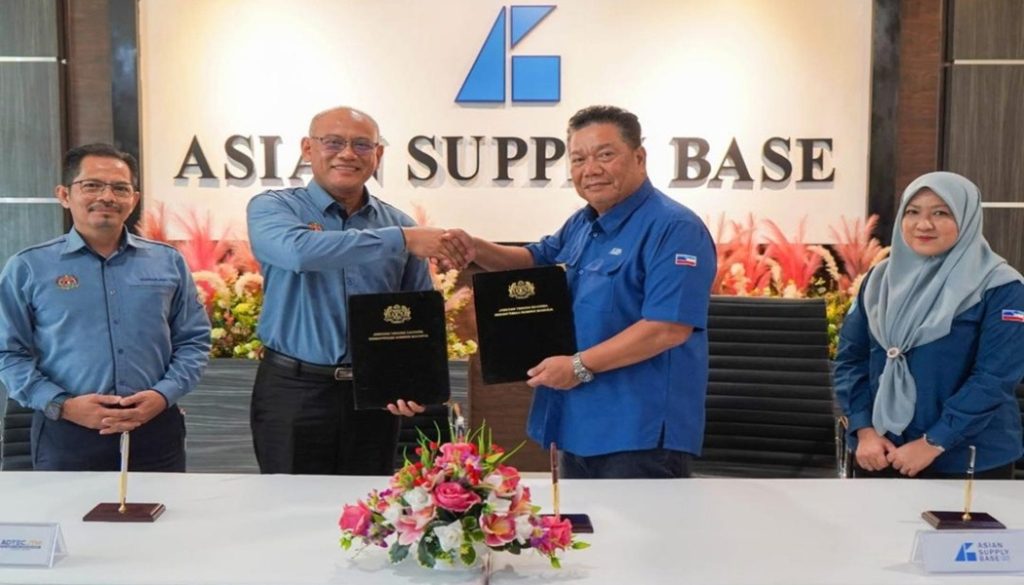
In a move to advance Kedah’s digital infrastructure and connectivity agenda, EDOTCO Malaysia subsidiaries Tanjung Digital Sdn Bhd (TDSB) and Yiked Bina Sdn Bhd (Yiked Bina) today formalised a Telecommunications Infrastructure Deployment Agreement with the Kedah State Government. Under the agreement, TDSB has been appointed as a State Deployment Partner for 15 years, working closely with the State Secretary of Kedah (Incorporated) (SSK), which serves as the One Stop Agency (OSA), to streamline and coordinate telecommunications infrastructure development across the state. The signing of the Telecommunications Infrastructure Deployment Agreement of Tanjung Digital Sdn. Bhd. and Yiked Bina Sdn. Bhd. featuring (from left) Hasnul Hamdi, Manager of YBSB; Datuk Azam, BOD of Tanjung Digital; Dato’ Balan, BOD of Tanjung Digital; Gayan Koralage, Director of Malaysia Business, EDOTCO; Mohd Isham Ishak, Director of YBSB; and Lt. Khirul Annuar, Head of In-Building Solutions. Yiked Bina, a licensed Network Facilities Provider (NFP) and wholly-owned subsidiary of TDSB, will lead on-ground deployment, expanding coverage and enabling faster delivery of connectivity infrastructure for Mobile Network Operator (MNO) partners across both urban centres and underserved areas. To date, Yiked Bina has delivered close to 500 telecommunications sites in Kedah, achieving a tenancy ratio of 2.49x — a strong indicator of growing data demand and the need for scalable infrastructure. The company has doubled its tenancies over the past three years, with a significant proportion of sites already 5G-enabled to support industrial growth, enterprise connectivity and tourism development. Leveraging EDOTCO Group’s regional expertise and operational scale, Yiked Bina is applying data-driven planning and digital analytics to identify coverage gaps and optimise deployment rollout, ensuring more targeted and efficient expansion. The company has also introduced one of Malaysia’s first biochar-based telecommunications poles, advancing sustainable and low-carbon infrastructure development. Gayan Koralage, Director of EDOTCO Malaysia Business, said: “Kedah’s strategic position within the Northern Corridor Economic Region — supported by industrial parks, tourism hubs such as Langkawi, cross-border trade access and national fibre routes — places it at the centre of Malaysia’s next phase of growth. “Strengthening digital infrastructure is fundamental to unlocking that potential — enabling investments, supporting industries and ensuring that communities across the state can participate meaningfully in the digital economy.” This appointment reinforces EDOTCO Malaysia’s and Yiked Bina’s commitment to supporting RMK13 and national connectivity targets, including improving network quality, expanding coverage and meeting MCMC’s coverage performance ambitions.

Investment & Market Trends

Johor Faces Skills And Salary Mismatch As JS-SEZ Growth Accelerates

A new workforce study released ahead of the Johor-Singapore Special Economic Zone (JS-SEZ) Masterplan announcement reveals a growing disconnect in Johor’s labour market. As the state prepares to move up the value chain, expectations for income are rising faster than workforce readiness. The findings suggest that the success of JS-SEZ will depend not only on investment and infrastructure, but also on whether workforce capability and expectations can be brought back into alignment. While 45% of Johor’s workforce is already capable of driving adoption, a significant portion remains in transition, with uneven exposure to advanced tools and limited readiness for higher-value roles. At the same time, income expectations remain anchored around a relatively narrow band, with many workers defining a “good life” within modest salary thresholds, even as the state’s economic ambitions continue to rise. This creates a structural tension — a workforce that is operationally strong, but not yet uniformly prepared for the type of growth it increasingly expects. “The narrative has been that Johor needs more talent. What this data shows is more nuanced — the talent already exists, but it is not yet aligned to where the economy is heading,” said See Toh Wai Yu, CEO of Central Force International. “What we are now seeing is a widening gap between expectations and readiness, and that gap will ultimately shape how far and how fast Johor can move.” Readiness Concentrated in Certain Areas The study also highlights a geographic imbalance across the state. Johor Bahru stands out as the most digitally prepared district, with a concentration of talent capable of supporting advanced services and technology-enabled industries. In contrast, districts outside the urban core are dominated by technically skilled and trainable workers, but with more limited exposure to AI and advanced digital tools. This creates a structural divide where execution capability is strong, but readiness for rapid innovation remains more limited. Transformation Must Follow Readiness The findings suggest that Johor’s primary challenge is not capability, but how transformation is sequenced. Advancing too quickly into high-value sectors in areas that are not yet ready risks slowing productivity gains and widening inequality. “The biggest risk is not that Johor moves too slowly — it’s that we move too uniformly. Transformation must follow readiness,” said Wai Yu. “If we mismatch ambition with capability, we risk creating friction instead of momentum.” Income Expectations Reflect Wider Economic Perceptions Beyond skills, the study points to a deeper structural issue in how workers evaluate opportunity. A majority of Johoreans indicated that RM3,000 or below is sufficient for a “good life”, while only a small minority associated it with incomes above RM5,000. This perception remains consistent even among higher earners, suggesting that expectations are shaped less by individual earning potential and more by how Johor is collectively perceived as an economy. Johor is therefore viewed as stable and affordable, but not necessarily aspirational, which may limit how quickly workforce expectations evolve alongside higher-value economic activity. Implications for JS-SEZ As Malaysia approaches the JS-SEZ Masterplan announcement, the findings reposition workforce alignment as a key determinant of success. Johor enters this phase with a strong execution base and a sizable pool of trainable talent. However, unlocking higher-value growth will depend on how effectively capability, expectations and investment are aligned. In this context, the success of the JS-SEZ may depend less on how fast Johor moves, and more on whether it moves in the right sequence — ensuring that ambition does not outpace readiness. The lite report is available at: Central Force International Central Force International is a member of the American Association for Public Opinion Research (AAPOR) Transparency Initiative and is currently the only Malaysian research organisation participating in the initiative.

News

Asia School Of Business Vaults Into Financial Times World’s Top 100 For Executive Education

ASIA SCHOOL OF BUSINESS VAULTS INTO FINANCIAL TIMES WORLD’S TOP 100 FOR EXECUTIVE EDUCATION The historic debut recognises ASB’s mission to deliver world-class education built in Asia, for Asia and beyond. The Asia School of Business (ASB) has achieved a historic milestone by debuting at 94th globally in the prestigious Financial Times (FT) Executive Education Custom Rankings. In its very first year of participation, ASB is the first business school in Malaysia to enter this definitive global ranking. This landmark achievement reflects the deep trust placed in ASB by diverse corporate partners and underscores the School’s commitment to executive learning engineered specifically for Asia’s unique leadership and organisational transformations. Delivering Tangible Business Value The FT methodology relies heavily on direct stakeholder sentiment, with client and participant feedback accounting for 80% of the overall ranking across dimensions like programme design, teaching methods, and value for money. Professor Joseph Cherian, CEO, President, Dean and Distinguished Professor of Asia School of Business, expressed his enthusiasm: “Securing a position among the world’s top 100 custom executive education providers in our inaugural debut is an extraordinary honour for the Asia School of Business, and a significant milestone that elevates Malaysia’s presence in global business education. With the Financial Times methodology placing an immense 80% weight on client feedback, this ranking directly validates the genuine trust, real-world value, and transformational impact our corporate partners experience with us.” Strategic Excellence Across Five Pillars ASB’s executive education programmes are uniquely structured to address the most pressing challenges of the modern economy. The School’s curriculum is anchored by five strategic pillars designed to empower leaders with a 360-degree perspective on regional and global shifts: Corporate Governance & Finance: Enhancing the skills of directors to effectively fulfil their fiduciary duties, with a focus on board-level risk management, strategy, and succession planning. Leadership & Management: Equipping busy executives and high-potential managers across industries with the practical tools and insights needed to lead effectively in today’s complex world. Technology: Immersing participants in the dynamic digital landscape, covering pivotal fields like AI and cybersecurity to understand how technology is reshaping global industries. Geopolitics: Examining the interplay between global policies and economics, enabling leaders to anticipate geopolitical shifts and adapt strategies for resilient growth. Sustainability: Moving beyond the buzzwords to help organisations strike a vital balance between profits and sustainable growth, progress, and future-minded impact. Global Inquiry, Local Heart This global recognition validates ASB’s defining ethos: Global Inquiry, Local Heart. Unlike traditional regional outposts, ASB operates as a homegrown executive education powerhouse built inside the region, significantly enhanced by the integration and legacy of the ICLIF Leadership and Governance Centre in 2020. “Our capability has been built deeply and institutionally over the years to design executive education that answers to Asian market dynamics while staying globally connected,” added Professor Cherian. “This recognition builds on ASB’s broader trajectory of international benchmarking, including our AACSB accreditation and growing global engagement. Moving forward, this milestone will catalyse our next phase of growth as we strengthen client listening mechanisms and expand our international footprint.” A Comprehensive Educational Ecosystem Building upon this momentum, ASB continues to shape global knowledge from Asia for the world. Beyond executive education, the School offers premier postgraduate degrees including the Master in Central Banking (MCB), MBA, Executive MBA (EMBA), and Agile Continuous Education (Micro-Credential) programmes (ACE). Driven by its signature Action Learning methodology, ASB ensures graduates possess rigorous real-world capabilities, backed by robust career services that successfully place students in top-tier global and regional organisations.

The Executives

SME Corp. Malaysia Appoints Datuk Teng Chang Khim As New Chairman

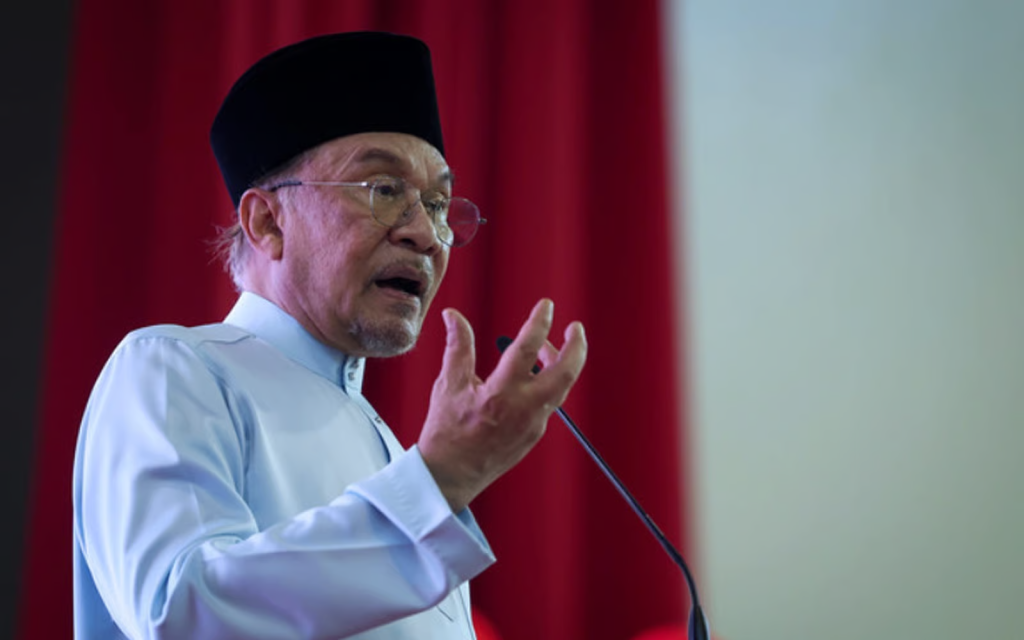
SME Corp. Malaysia has announced the appointment of Datuk Teng Chang Khim as its new chairman, effective May 18, 2026. The appointment was made by Entrepreneur and Cooperatives Development Minister Steven Sim Chee Keong. Datuk Teng holds a Law degree from the University of London and a Master of Business Administration (MBA) from Perdana University. He previously served on the board of Selangor State Development Corporation (PKNS) and brings extensive experience in business, investment and industry development. He has also served as a board member of the Selangor Information Technology and Digital Economy Corporation (SIDEC) and Invest Selangor Berhad. The former Speaker of the Selangor State Legislative Assembly has significant experience in SME development through his previous roles as Selangor executive councillor overseeing portfolios including Investment, Small and Medium Industries, Trade and Transport from 2014 to 2018, as well as Industry and Trade from 2018 to 2023. Throughout his career, he also served as chairman of the Selangor Information and Digital Economy Council, vice chairman of the Selangor Halal Industry Council, and organising chairman of the Selangor International Business Summit (SIBS). SME Corp. Malaysia welcomed the appointment and reaffirmed its commitment to strengthening micro, small and medium enterprises (MSMEs) in Malaysia, particularly through scaling-up initiatives under the 13th Malaysia Plan (RMK13). At the same time, the agency expressed its appreciation to former chairman Tan Sri Datuk Seri Panglima Bernard Giluk Dompok for his leadership and contributions since assuming the role on April 1, 2023.

The Executives

How MBA Career Support Helped Kickstart My Entrepreneurship Journey

Thomas Maddison has used the impact-focused ASB MBA to begin his entrepreneurial journey. Through building key skills, expanding your network, and providing tailored career support, an MBA can equip you with the tools to become an entrepreneur. An MBA can drive your career in a new direction—allowing you to change industry, function, location, or all three. As many as 35% of global MBA applicants list achieving such career changes as their reason for going to business school. But for others, the benefits of studying an MBA go beyond career impact. When Thomas Maddison enrolled in an MBA at Asia School of Business (ASB) after a period working in Australia’s mining sector, his aims included expanding his network and experiencing a new culture, alongside gaining opportunities outside his industry. Since graduating in 2025, Thomas has embarked on an entrepreneurial journey. He is currently in the early stages of developing a solution to help MBA graduates work on their leadership capabilities and be better prepared to secure jobs. We spoke to Thomas about how the MBA has helped kickstart his journey to becoming an entrepreneur. What is the entrepreneurial toolkit? From building a network of likeminded professionals to strengthening your problem-solving and strategic thinking skills, an MBA can help build various tools necessary when launching your own startup. More than a quarter (29%) of learners pursue business education to become entrepreneurs, according to our 2025 Prospective Students Survey. “The MBA has definitely helped me in my entrepreneurship journey,” says Thomas. “One of the main ways being that my customers are MBA students, so it’s massively helpful to have just come out of a cohort.” Thomas cites key advantages that have come from his MBA network. For example, through getting to know potential buyers and CEOs throughout the program, he has learned how they think and work—which he feels is an advantage when developing ideas. As his entrepreneurial journey develops, Thomas feels the skills he built during his MBA have prepared him for the various challenges this will bring. “Some things really stuck out to me, which have helped me come to some big realizations,” says Thomas. “Once I get to the more advanced stages—we did things like financial modeling during the MBA, so I already have the experience.” How can career development resources benefit entrepreneurs? An MBA helps build a range of hard skills, such as technical literacy and data analysis, though soft skills are increasingly important in business—helping professionals manage teams and navigate challenges. Research suggests that skills such as problem-solving and strategic thinking, as well as interpersonal skills such as communication, emotional intelligence, and adaptability, will increase in importance in the coming years. For Thomas, the ASB Career Development Office (CDO) has been invaluable in helping him work in these areas. While the CDO provides students with a range of resources such as interview preparation, and access to employers, it also offers career coaching, individual mentoring, and workshops. “There are some hard skills the CDO helps teach, like how to create a strong resume, but the soft skills are really important—how to prove it, how to show it, how to story tell,” explains Thomas. “I can’t thank the CDO enough for the energy they put into the students, introducing us to their networks, and just being willing to take a bet on us,” he adds. How can you make the most of MBA career support? With a range of career development resources available, it’s important to be able to prioritize and determine which elements will be most helpful to you and your career progression. For Thomas, the focus has been on progressing in his entrepreneurial journey, however he feels his approach can be applied across other career paths. He advises to seriously consider how career resources can provide the greatest benefit for achieving your goals. “I did one or two steps, then I would come back and reevaluate. It wasn’t always linear, but that’s how I managed all the resources that were available to me,” he explains. Having a clear idea of his goals when entering the program helped Thomas develop a targeted approach. He suggests evaluating your strengths and weaknesses before the program begins to understand where you need the most support. “I knew what I wanted to do quite early on, which helped me use the resources to get to the next step,” he continues. Although programs like the ASB MBA typically offer various forms of career support, having career goals in mind and being proactive upon entering the program will enable you to make the most of these resources. “Be prepared to actually get tested in the first few months,” says Thomas. “Ask for feedback, ask your classmates, ask faculty, ask CEOs who have observed you, so you know what you really need to work on.”

Scroll to Top

Subscribe
FREE Newsletter