Author name: theexchangeasia admin

Investment & Market Trends

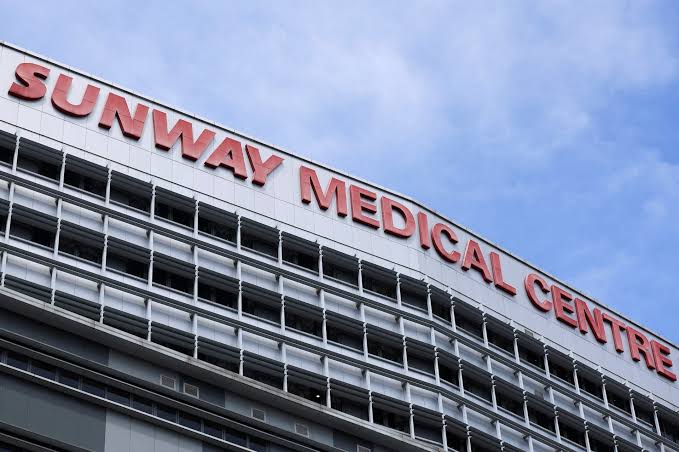
Sunway Healthcare Expands Johor Presence With RM45 Million Iskandar Puteri Land Deal

Sunway Healthcare Holdings Bhd is expanding its presence in Johor through the acquisition of four freehold land parcels in Sunway City Iskandar Puteri for RM45.37 million, as the healthcare group moves forward with its regional growth strategy. The acquisition involves a total land area of approximately 9.918 acres and will support the company’s plans to strengthen its healthcare footprint in the southern region of Malaysia. The transaction is carried out through a sale and purchase agreement between Sunway Healthcare’s 99.9%-owned subsidiary, Sunway Medical Centre Sdn Bhd, and three Sunway Group entities — Sunway Marketplace Sdn Bhd, Sunway Parkview Sdn Bhd and Sunway Iskandar Sdn Bhd. The land purchase forms part of Sunway Healthcare’s broader expansion plans, following its earlier announcement to develop a 410-bed hospital in Iskandar Puteri with an estimated investment cost of RM781.6 million. Sunway Healthcare said the proposed acquisition aligns with its strategy to expand its network of tertiary hospitals and increase access to specialised healthcare services across Malaysia. “The proposed acquisition is in line with the group’s overall strategy to expand its network of tertiary hospitals,” the company said. The group added that the development would extend its healthcare presence into Johor while addressing the growing demand for advanced medical services in the southern region. “The proposed development expands the group’s footprint into the state of Johor, capturing unmet demand for tertiary healthcare in the southern region,” it said. The transaction is classified as a related-party transaction due to the involvement of companies within the wider Sunway Group. Sunway Marketplace Sdn Bhd and Sunway Parkview Sdn Bhd are wholly owned subsidiaries of Sunway Iskandar Sdn Bhd, which operates as a joint venture company under Sunway City Sdn Bhd. Sunway City is a subsidiary of Sunway Bhd (KL:SUNWAY), which is also a major shareholder of Sunway Healthcare. The proposed acquisition is expected to be completed by the second quarter of 2027, with no shareholders’ approval required for the transaction. Funding for the acquisition will come from a combination of internal funds and bank borrowings. Sunway Healthcare continues to strengthen its position as one of Malaysia’s leading private healthcare operators. As of the end of March, the company’s total licensed beds had increased to 1,805 beds, while overall bed capacity stood at 1,982 beds across its healthcare network. The Johor expansion reflects the growing demand for quality private healthcare services driven by population growth, economic development and increasing healthcare needs in the southern region. As Iskandar Puteri continues to develop as a key economic and residential hub, Sunway Healthcare’s investment is expected to enhance healthcare accessibility while supporting the company’s long-term growth ambitions. At market close on Wednesday, Sunway Healthcare shares declined three sen or 1.54% to RM1.92, giving the company a market capitalisation of approximately RM22.1 billion.

The Executives

The Smart Living Movement

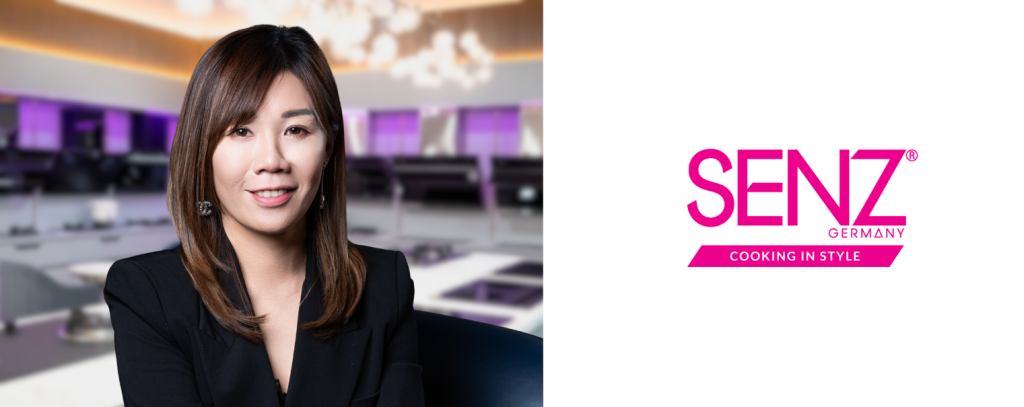
There was a time when a kitchen was judged by the strength of its stove or the size of its refrigerator. Today, it has become something far more personal. It is where families reconnect after long days, where wellness begins with the meals prepared, and increasingly, where technology quietly works in the background to make everyday living healthier, safer and more intuitive. Modern homeowners are no longer simply purchasing appliances—they are investing in lifestyles that reflect convenience, sustainability and peace of mind. This changing mindset has given rise to what many in the industry now recognise as the smart living movement. At the forefront of this evolution is SENZ Marketing (M) Sdn. Bhd., a proudly Malaysian brand that has steadily transformed itself into one of the country’s most recognised names in innovative kitchen and lifestyle appliances. Rather than competing solely on price or product specifications, SENZ has built its business around a simple yet increasingly relevant philosophy: technology should improve the way people live, not complicate it. Founder and Managing Director of SENZ Marketing (M) Sdn. Bhd. – Datin Katherine Leong Hong Yin. Since its establishment, the company has developed an extensive portfolio spanning its Classic, Premium and flagship Premium X Series, catering to everyone from first-home buyers and growing families to discerning homeowners seeking premium, technology-driven living. Along the way, the company has earned national recognition as a Malaysia Book of Records holder and multiple SOBA award winner, including accolades for Best Brand and Best in Customer Service. Perhaps even more telling is the confidence it has earned from consumers, reflected in more than 1,700 five-star Google Reviews—the highest rating within Malaysia’s kitchen appliance sector. For SENZ, however, the product itself is only part of the story. The company believes one of the greatest frustrations facing homeowners begins after they have already made a purchase. Whether navigating confusing user manuals, waiting weeks for warranty claims or struggling to reach customer support, many consumers have experienced what the company describes as the “after-sales trap”—a gap that continues to undermine confidence across the industry. Instead of accepting this as the norm, SENZ chose to redesign the ownership experience. Every appliance is equipped with a universal QR code that instantly connects users to an extensive digital library of instructional videos covering operation, self-installation and preventative maintenance. Rather than forcing customers to decipher lengthy manuals, the company offers immediate access to practical visual guidance that empowers homeowners from the moment their appliance enters the home. When technical support is required, customers are connected directly to SENZ’s dedicated in-house service infrastructure, eliminating many of the lengthy processes traditionally associated with warranty claims and repairs. It is a customer-first approach that reflects a broader belief that premium service should continue long after the purchase has been made. That philosophy emerged from an opportunity the company recognised early in its journey. Malaysia’s appliance market had long been divided between premium international brands offering advanced technology at higher price points and lower-cost alternatives that often lacked innovation, safety certifications or dependable after-sales support. SENZ saw an opportunity to bridge this divide by developing high-performance, space-saving appliances engineered specifically for Malaysian homes, lifestyles and cooking habits. As consumer expectations evolved, the challenge shifted from simply delivering better products to creating a complete ownership ecosystem built around reliability and transparency. Rather than outsourcing customer support, SENZ invested heavily in building its own integrated operations hub in Puchong, housing warehousing, quality control and technical repair facilities under one roof. This operational independence has enabled the company to maintain greater consistency while responding more efficiently to customers’ needs. While many businesses define growth through expansion alone, SENZ views progress through a different lens. Its ambition is not simply to increase sales volumes, but to strengthen the ecosystem surrounding its business. Today, the company supports a nationwide network of more than 200 authorised dealers, providing warehouse facilities that ease inventory pressures, digital marketing assets that strengthen local visibility and business support designed to improve profitability across the network. Equally deliberate are the opportunities it chooses not to pursue. In an increasingly price-driven market, SENZ has resisted the temptation to compete through low-cost, uncertified products that may compromise quality or long-term brand value. Instead, it continues investing in engineering, customer support and innovation, believing that sustainable growth is built on trust rather than short-term gains. As the organisation has grown beyond RM17 million in revenue, leadership has naturally evolved alongside it. The transition required moving away from founder-led decision-making towards a more structured, data-driven organisation. Departmental leadership, cross-functional accountability and digital management systems have replaced manual oversight, allowing teams greater autonomy while maintaining consistency across every aspect of the business. Technology now plays a central role behind the scenes as well. Digital warehouse management systems monitor inventory accuracy, while proprietary field service applications enable technicians to document repairs and maintenance in real time, reinforcing accountability throughout the customer journey. For SENZ, scaling has reinforced an important lesson—that sustainable businesses are built not through tighter control, but through stronger systems that empower people to perform at their best. Many of these investments remain invisible to consumers. Customers see beautifully designed appliances displayed in showrooms. What they rarely see is the operational framework supporting every purchase—from stringent quality control and responsive customer care to seven-day unconditional return policies, complimentary cleaning services and digital service verification designed to provide confidence long after installation. These behind-the-scenes investments have become one of the company’s greatest competitive advantages, transforming after-sales support from an operational necessity into a defining brand experience. The company’s vision for the future reflects a broader shift taking place across modern households. Tomorrow’s kitchens will no longer be defined simply by cooking performance. They will become healthier, more connected environments where technology actively contributes to family wellbeing. Products such as SENZ’s AIGuard Series, designed to monitor kitchen air quality, and its InfinityZone Anywhere Cooker, which offers greater flexibility for modern cooking, illustrate the direction the company believes the industry is heading. Achieving this vision requires

The Executives

Curating Business Beyond the Boardroom

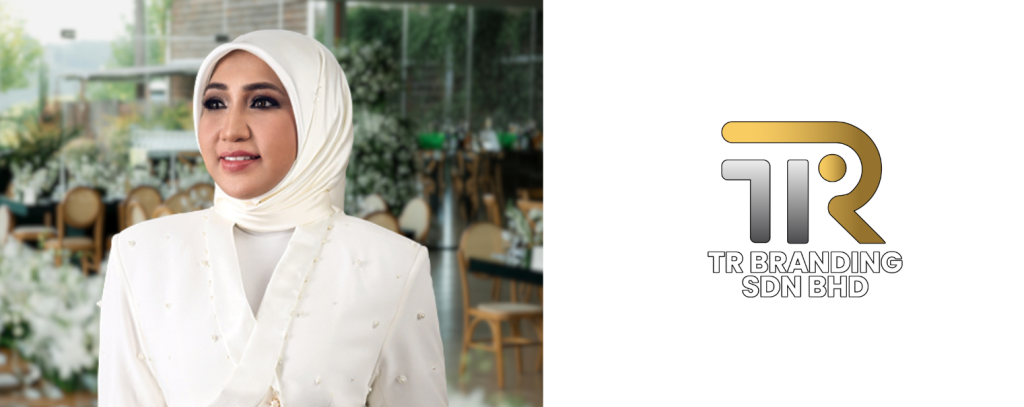
Business has never been built solely in boardrooms. Some of the most meaningful partnerships begin over coffee between conference sessions. New ideas are sparked during networking receptions. Trust is strengthened through shared experiences, while conversations that begin at an industry forum often evolve into collaborations that shape businesses, industries and even communities. Managing Director and Founder of TR Branding Sdn Bhd –  Juliahayyu Mohamad. As the business world becomes increasingly connected, organisations are recognising that every interaction is an opportunity to communicate who they are, what they stand for and the relationships they hope to build. Events are no longer simply gatherings—they have become strategic platforms for storytelling, engagement and influence. It is within this evolving landscape that Tr Branding Sdn. Bhd. has established its place. Since its inception in 2015, the Malaysian consultancy has quietly redefined what clients should expect from an event and communications partner. Rather than focusing solely on logistics or production, the company approaches every project as an opportunity to create experiences that strengthen brands, connect people and deliver meaningful outcomes beyond the occasion itself. Founded by two lifelong friends whose professional backgrounds couldn’t have been more different—one rooted in engineering and operational precision, the other in media and international marketing—Tr Branding was built on the idea that creativity and structure should never exist independently. Together, they envisioned a company capable of delivering complete solutions, bringing together event management, branding, public relations, creative design, logistics, marketing and strategic consultancy under a single roof. That integrated philosophy has since become the company’s defining strength. Today, Tr Branding works across both the public and private sectors, delivering everything from corporate conferences and product launches to ministerial dinners, government initiatives and regional community programmes. Yet the company sees itself as far more than an event organiser. Its role begins well before invitations are sent and continues long after the final guest has departed. Every project starts with a simple question: What is the client truly trying to achieve? Sometimes the objective is visibility. Sometimes it is stakeholder engagement. Other times it is about strengthening public confidence, celebrating milestones or creating environments where meaningful conversations can naturally unfold. Understanding that objective shapes every creative and strategic decision that follows. This perspective reflects a broader shift taking place across the industry. Modern organisations increasingly seek partners capable of managing not only an event, but the entire experience surrounding it. Branding, publicity, media engagement, digital communications, creative storytelling and audience engagement have become just as important as venue selection or programme management. Recognising this change early allowed Tr Branding to position itself as a strategic advisor rather than simply a service provider, helping clients navigate the wider business and communications landscape while delivering experiences aligned with their long-term objectives. Behind this approach is a leadership philosophy grounded in authenticity. Entering an industry historically dominated by men, particularly in leadership and project management roles, the company’s founder believed there was room for a different style of leadership—one that values empathy alongside execution, collaboration alongside accountability, and relationships alongside results. That mindset continues to shape the company’s culture today. Attention to detail, thoughtful communication and genuine partnership have become central to the way Tr Branding works with clients, suppliers and stakeholders alike. Rather than viewing projects as isolated assignments, the team invests time in understanding each organisation’s broader vision, often contributing ideas, identifying opportunities and refining concepts long before implementation begins. As the business has grown, so too has its understanding of success. While commercial performance remains essential, growth is measured through a much broader lens—one that includes the development of people, positive community impact and the ability to remain relevant within a rapidly changing industry. Continuous learning, embracing emerging technologies and nurturing future talent are viewed as investments that strengthen both the business and its clients. Equally important is remaining true to the principles that define the organisation. As a Muslim-owned business, Tr Branding believes sustainable success should never require compromising personal values or corporate integrity. Instead, it has built a reputation for balancing commercial ambition with purpose, believing that long-term trust is one of the most valuable assets any business can cultivate. Growth, however, has also brought greater complexity. As client expectations continue to evolve, delivering increasingly ambitious projects while balancing budgets, timelines and operational realities requires a different kind of leadership. Rather than centralising every decision, the company has focused on building empowered teams capable of solving problems collectively and taking ownership of their responsibilities. It is a leadership style founded on trust. Employees are encouraged to contribute ideas openly, collaborate across disciplines and develop solutions together, reflecting the belief that exceptional experiences are never created by one individual but through the collective efforts of an engaged and committed team. Much of this work remains invisible to the people attending the events themselves. Guests may notice seamless registration, carefully designed spaces or flawlessly timed programmes, but they rarely see the countless hours spent refining concepts, anticipating challenges, coordinating stakeholders and shaping every interaction to ensure the experience feels effortless. Beyond execution, the company also works closely with clients on communications strategy, media exposure, social media visibility and post-event evaluation. Success is therefore measured not by applause at the end of an event, but by the conversations that continue afterwards, the relationships that are strengthened and the long-term value created for the organisations involved. Looking ahead, Tr Branding is preparing for a future where experiences increasingly extend beyond physical venues. The company is investing in digital and hybrid event capabilities, including live streaming, virtual engagement and technology-driven audience experiences, while continuing to strengthen its team’s expertise through professional development and exposure to global best practices. At the same time, it is expanding its regional ambitions, building on projects already delivered in countries such as Thailand and Indonesia with the goal of bringing Malaysian creativity and event management excellence to a wider international audience. Ultimately, Tr Branding’s story is not simply about organising successful events. It is about understanding that in today’s

Energy & Technology

TDA Strengthens Sabah’s TVET, Renewable Energy Talent Development

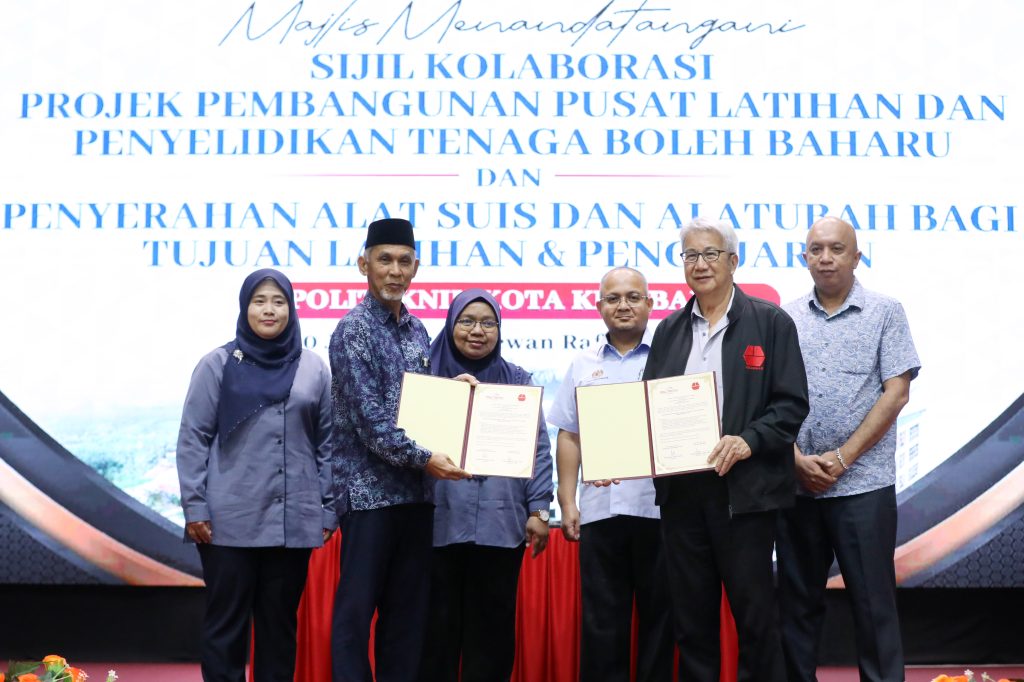
Technology Depository Agency Bhd (TDA) has launched two initiatives under the PMU Beaufort Project to strengthen technical and vocational education and training (TVET) and renewable energy skills development in Sabah.  Rear row, from left: YBrs. Dr Asnizah Sahekhaini, Deputy Director, Collaboration and Community Division; YBhg. Datuk Dr Kok Tiong Chee, Managing Director of Unimekar Sdn. Bhd.; YBrs. Mareena Mahpudz, Deputy Secretary General (Energy), Ministry of Energy Transition and Water Transformation; YBrs. Azhar Abdul Aziz, Deputy Under Secretary, Government Procurement Division, Ministry of Finance Malaysia; YBrs. Md. Nor Halim, Director of Politeknik Kota Kinabalu; and YBrs. Azrizal Marzaki, Senior Director of TDA Berhad, at the signing ceremony of the Collaboration Agreement for the Development of a Renewable Energy Training and Research Centre. It includes the contribution of electrical equipment for teaching and research, alongside the establishment of a Renewable Energy Training and Research Centre at Politeknik Kota Kinabalu.  The initiatives are implemented under the Ministry of Finance Malaysia’s Industrial Collaboration Program (ICP), which is monitored by TDA to support technology transfer, talent development and local industry capabilities through selected government procurement projects. TDA chairman Tan Sri Liew Yun Fah said the programme showed how government procurement could create wider benefits beyond infrastructure development. “The Industrial Collaboration Program ensures that strategic government procurement creates sustainable national value through technology transfer, talent development and knowledge sharing. “By strengthening collaboration between government, industry and academia, ICP contributes towards building a competitive local workforce capable of supporting Malaysia’s transition to a high value, technology driven economy,” he said. The initiatives are carried out with the Ministry of Energy Transition and Water Transformation (PETRA), ICP provider Unimekar Sdn Bhd, Universiti Malaysia Sabah (UMS) and Politeknik Kota Kinabalu. Under the programme, transformer and switchgear equipment will be provided to UMS and Politeknik Kota Kinabalu for teaching and research purposes. The equipment will be converted into training models to help students understand the internal components, engineering principles and operational functions of high voltage electrical systems through practical learning. The collaboration also includes training modules developed by engineering professionals and academic institutions to equip graduates with skills aligned with industry requirements. The programme also includes the establishment of a Renewable Energy Training and Research Centre at Politeknik Kota Kinabalu with an investment of RM156,000. The centre will be Sabah’s first facility to offer the Off Grid Photovoltaic (OGPV) System Design Certification recognised by the Sustainable Energy Development Authority Malaysia and the Energy Commission of Sabah. The facility is expected to accommodate about 30 participants per training session, including students, lecturers and industry practitioners, while supporting professional certification programmes, renewable energy research, continuous skills enhancement and upskilling and reskilling programmes for the energy sector. The PMU Beaufort ICP supports efforts to strengthen local talent, technology transfer and industry participation through government procurement projects, in line with the aspirations of Malaysia MADANI.

The Executives

Inside The Business Of Industrial Progress

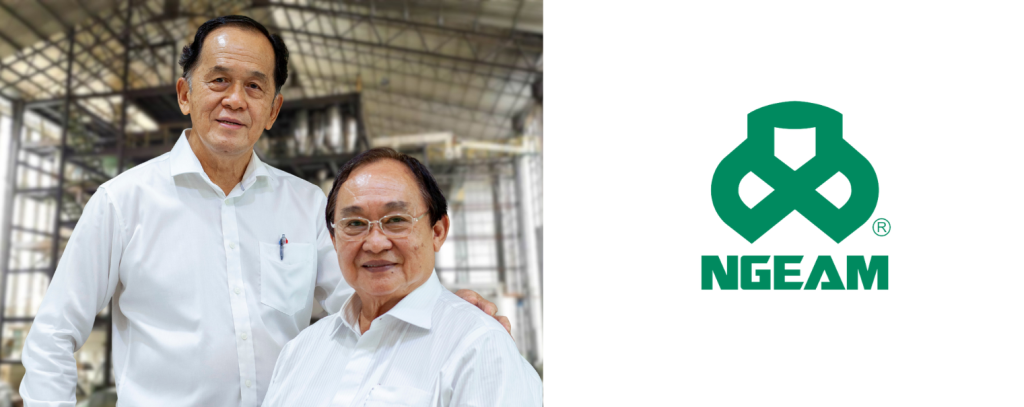
The world’s most important industries rarely make headlines. Few people think about the engineering systems that manufacture fertilisers to support food production, the equipment that keeps feedmills operating around the clock, or the industrial machinery quietly powering factories behind the products we use every day. Yet without these unseen foundations, supply chains would stall, production lines would stop, and economic growth would slow. Founders of NGEAM Engineering Works Sdn. Bhd. – Ngeam Thong Kwong and Ngeam Chong Kwai. Industrial progress has never been built on visibility. It has been built by companies that solve problems long before they become crises. For nearly five decades, NGEAM Engineering Works Sdn. Bhd. has been one of those companies. From Machinery Repair Workshop to Integrated Engineering Partner Established in 1977 by two brothers as a modest machinery repair workshop, NGEAM has evolved into one of Malaysia’s integrated engineering and manufacturing companies, operating from a 26,000-square-metre facility in Shah Alam. Today, the company provides complete industrial solutions that span engineering design, manufacturing, machining, fabrication, installation, commissioning, maintenance, spare parts and plant upgrading—supporting customers across Malaysia, Indonesia, ASEAN and selected international markets. Yet describing NGEAM as simply an engineering company only tells part of the story. Its real business begins where many others end. Solving Industrial Challenges Beyond Equipment Every industrial plant faces challenges that cannot be solved by purchasing equipment alone. Production bottlenecks, ageing machinery, recurring downtime, inefficient plant layouts and rising maintenance costs are issues that demand more than standardised solutions. They require an understanding of how an entire operation functions—not only on paper, but in the realities of daily production. That is precisely where NGEAM has built its reputation. Rather than approaching projects from the perspective of fabrication alone, the company begins by understanding the customer’s operational challenges before designing practical engineering solutions tailored to each environment. Whether supporting fertiliser processing plants, feedmill systems or industrial manufacturing facilities, its objective remains consistent: helping customers improve productivity while ensuring their operations remain reliable over the long term. Engineering Built on Real-World Experience This philosophy is deeply rooted in the company’s origins. Long before NGEAM became a manufacturer, it repaired machinery. That experience offered something many engineering businesses never have the opportunity to develop—a firsthand understanding of why machines fail, what causes recurring breakdowns and how production teams interact with equipment under real operating conditions. Those lessons continue to influence the way the business designs and manufactures today. Because engineering is rarely about creating the most complex machine. It is about creating the most appropriate solution. Developing Specialised Industrial Capabilities Over the years, that practical approach has allowed NGEAM to develop expertise across three specialised industrial platforms: fertiliser processing systems, feedmill and bulk material handling solutions, and custom-built engineering fabrication, including pressure vessels and industrial equipment. Together, these capabilities allow customers to engage a single partner from concept development through manufacturing, installation and ongoing operational support, simplifying what is often a highly complex project lifecycle. Adapting to a Changing Industrial Landscape The market itself has changed considerably since the company’s early years. Manufacturers today are under increasing pressure to improve efficiency, reduce operational costs and maximise productivity while navigating evolving compliance requirements and growing customer expectations. Purchasing equipment is no longer enough. Businesses increasingly seek long-term engineering partners capable of providing technical expertise, quality assurance, documentation, commissioning, maintenance and responsive after-sales support. Recognising this shift early enabled NGEAM to expand beyond traditional fabrication into a fully integrated engineering platform—one capable of supporting customers before, during and long after project completion. Growth Through Capability and Long-Term Value The company’s approach to growth reflects the same long-term thinking. For NGEAM, success is not measured solely by larger facilities or higher project volumes. Growth means continuously strengthening engineering capabilities, investing in skilled people, improving manufacturing systems and delivering projects with greater consistency and reliability. Equally important is helping customers grow by improving plant efficiency, reducing downtime and increasing production capacity. It is a deliberate strategy that explains why the company has chosen not to compete as a low-cost fabricator. Instead, it continues to focus on customised engineering solutions where technical expertise, quality and long-term customer relationships create greater value than competing on price alone. Strengthening Systems for Future Growth As the organisation has expanded, leadership has faced a different challenge altogether. Scaling an engineering business is not simply about acquiring larger factories or additional machinery. It is about building an organisation capable of managing increasingly complex projects while maintaining the same standards of quality that established its reputation. To support that transition, NGEAM has strengthened its internal operations through lean manufacturing principles, Toyota Production System (TPS) methodologies, SAP Business One, Microsoft 365 and SharePoint integration, improving project visibility, document control and operational discipline across the business. At the same time, significant emphasis has been placed on developing engineers, supervisors, machinists, welders and technicians, recognising that technical expertise remains one of the company’s most valuable assets. The Invisible Strength Behind Every Project Many of these investments remain invisible to those outside the business. Customers see completed machinery and commissioned plants. What they do not see is the integrated network of engineers, designers, fabricators, machinists, quality specialists and project teams working together behind every solution. Nor do they see the company’s continued involvement after installation through maintenance support, spare parts, troubleshooting, process optimisation and capacity upgrades. For NGEAM, the completion of a project is never viewed as the end of the relationship. It is often the beginning of a much longer partnership. That commitment has become one of the company’s defining strengths, reinforcing customer confidence across industries where reliability is measured not in months, but in decades. Driving Responsible Industrial Development Alongside operational excellence, the company continues to strengthen its commitment to responsible industrial development. Recent investments include a 400-kilowatt solar photovoltaic system at its manufacturing facility, reducing dependence on conventional energy sources while supporting lower carbon emissions. Complementing these efforts are internationally recognised management systems, including ISO 9001:2015 for quality management and ISO 14001:2015 for environmental management, alongside

The Executives

Built To Last: How Kim Heng Industries Is Shaping The Future Of Malaysian Furniture Manufacturing

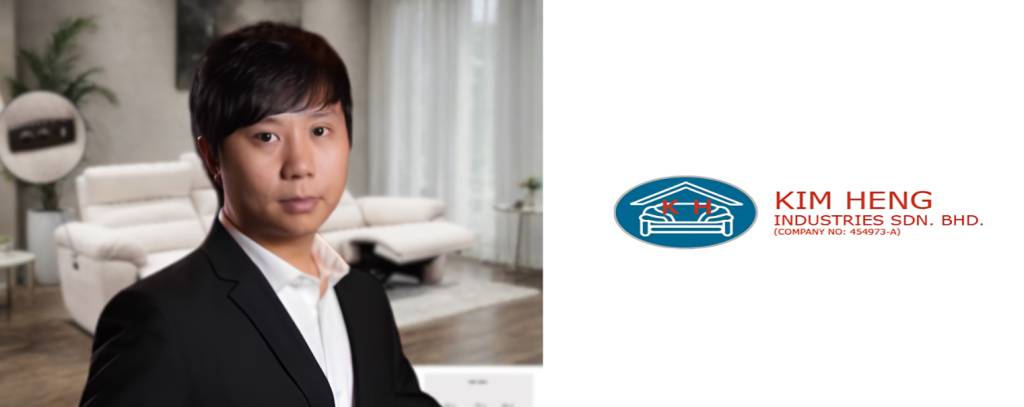
For more than four decades, Kim Heng Industries Sdn. Bhd. has quietly built a reputation as one of Malaysia’s most established sofa manufacturers. Founded in 1982 and headquartered in Batu Pahat, Johor, the company has evolved from a traditional furniture manufacturer into an internationally recognised exporter, supplying premium upholstered furniture to customers across Asia, North America, Africa and Oceania. Behind its continued growth lies a philosophy that has remained remarkably consistent: quality craftsmanship, customer commitment and continuous improvement. While many manufacturers compete primarily on price, Kim Heng has focused on building long-term customer relationships through dependable manufacturing, flexible customisation and reliable after-sales support—qualities that have enabled the company to remain competitive in an increasingly demanding global furniture market. CEO of Kim Heng Industries Sdn Bhd – Jack Lau. Today, the company manufactures an extensive range of sofas, motion recliners and upholstered beds using premium leather, fabric and synthetic upholstery materials. Complementing its manufacturing operations is its retail showroom under the Nucca brand, showcasing the company’s flagship NICOLLO product collections while providing a direct connection with end consumers. As both manufacturer and brand owner, Kim Heng has positioned itself to better understand changing customer preferences while maintaining greater control over product quality and customer experience. Its international footprint continues to expand, with exports reaching markets including Singapore, the United States, Canada, Australia, Taiwan, Indonesia, Thailand, the Philippines, the Maldives, Mauritius, South Africa and several emerging markets. This growing global presence reflects not only increasing demand for Malaysian-made furniture but also the company’s ability to balance international design trends with manufacturing excellence. At the heart of Kim Heng’s product strategy is continuous innovation. The company has recently introduced several new collections designed to address evolving consumer lifestyles. The NCS Series focuses on enhanced comfort through high-density memory foam and ergonomic support, responding to increasing consumer demand for wellness-oriented furniture that promotes everyday comfort. Meanwhile, the NVT Series, inspired by minimalist Muji aesthetics, reflects the growing preference for clean, contemporary interiors that combine simplicity with timeless functionality. Rather than following trends, Kim Heng believes successful product development begins with understanding how people live. Today’s consumers increasingly seek furniture that complements flexible living spaces while offering greater comfort, durability and personal expression. This has made customisation one of the company’s defining strengths. Customers are offered flexibility across materials, colours, dimensions and seating configurations, allowing furniture to be tailored to individual lifestyles and interior requirements. Combined with responsive warranty support and repair services, this customer-centric approach has become one of the defining characteristics of the NICOLLO brand, strengthening customer loyalty long after the initial purchase. While product innovation remains central to the company’s growth strategy, Kim Heng recognises that sustainable success depends equally on operational excellence. In recent years, the company has invested significantly in cultivating a Lean manufacturing culture aimed at improving productivity, reducing waste and enhancing manufacturing efficiency. Rather than pursuing aggressive expansion, management has prioritised strengthening internal systems, refining production workflows and standardising operating procedures to ensure consistent quality as demand continues to grow. This disciplined approach reflects the company’s broader philosophy towards growth. For Kim Heng, growth is measured not simply by increasing sales volumes, but by creating a stronger business capable of delivering consistent quality, operational resilience and long-term customer trust. Expansion into new markets remains important, particularly in Australia, South Africa and Taiwan, but not at the expense of manufacturing standards or organisational stability. This measured mindset has become increasingly important as the business scales. As operations grow, maintaining product consistency, coordinating larger workforces and ensuring seamless communication across departments become more complex than simply increasing production capacity. To address these challenges, the company has strengthened cross-functional collaboration, enhanced workflow systems and placed greater emphasis on employee development and continuous improvement. Leadership has likewise evolved, placing greater focus on empowering teams, improving organisational alignment and embracing data-driven decision-making to support future growth. Digital transformation is also becoming an increasingly important component of Kim Heng’s long-term strategy. Recognising the opportunities presented by Industry 4.0, the company is actively exploring artificial intelligence solutions to enhance production scheduling, manufacturing planning and delivery route optimisation. While its existing production planning systems remain effective, management views AI not as a replacement for experience, but as a powerful tool to improve operational efficiency, resource utilisation and customer responsiveness. Equally important is the company’s commitment to responsible manufacturing. Over the past year, Kim Heng has continued strengthening its sustainability journey through practical initiatives rather than symbolic commitments. Alongside its Lean manufacturing programme, the company has invested in a solar panel system that officially commenced operations this year, reducing reliance on conventional energy sources while supporting cleaner manufacturing operations. At the same time, continued investment in process improvement, material utilisation and durable product design reflects a broader commitment to reducing waste and extending product lifecycles. Rather than encouraging frequent replacement, the company focuses on producing furniture built to endure, supported by comprehensive after-sales service that reinforces long-term customer confidence. Many of Kim Heng’s greatest competitive strengths, however, remain largely invisible to the marketplace. Beyond its products lies an operational culture built on decades of manufacturing expertise, disciplined quality control and close coordination across departments. The company’s ability to deliver customised solutions while maintaining consistent quality and reliable lead times is the result of years of continuous refinement, strong problem-solving capabilities and a workforce committed to operational excellence. Equally significant is its emphasis on building lasting customer relationships. Instead of pursuing short-term transactions, Kim Heng continues to invest in responsive after-sales support, operational flexibility and continuous improvement, reinforcing its position as a trusted long-term partner for retailers, distributors and consumers alike. As global furniture markets continue to evolve, Kim Heng Industries is demonstrating that sustainable manufacturing success is built not on rapid expansion alone, but on consistency, adaptability and an unwavering commitment to quality. By combining traditional craftsmanship with Lean manufacturing, digital innovation and responsible business practices, the company is positioning itself to compete confidently on the international stage while strengthening the reputation of Malaysian furniture manufacturing

The Executives

Inside A Modern Automotive Business: EBM Motor

Malaysia’s automotive industry is undergoing a significant transformation. Rising vehicle prices, evolving consumer expectations, stricter financing requirements and the emergence of electric mobility are reshaping how people buy, own and experience vehicles. Within this changing landscape, the used car market has become increasingly important, offering practical mobility solutions for consumers seeking affordability without compromising reliability. Among the businesses navigating this evolution is EBM Motor Sdn. Bhd., a Johor Bahru-based automotive company that has steadily built its reputation on one principle: trust. Rather than simply selling pre-owned vehicles, the company has focused on creating a transparent and customer-centric automotive experience that removes much of the uncertainty traditionally associated with buying a used car. Founders of EMB Motor Sdn Bhd – Ng Wee Sern and Ng Wei Chiang. Founded by brothers Ng Wee Sern and Ng Wei Chiang, who together bring more than two decades of experience from established automotive brands including Perodua and Toyota, EBM Motor has grown rapidly into one of Johor’s recognised automotive retailers. Operating from Taman Anggerik Emas, the company specialises in the wholesale and retail of quality pre-owned, reconditioned and selected new vehicles, supported by a comprehensive range of services including vehicle trade-ins, financing through more than ten banking partners, insurance, warranty protection, PUSPAKOM inspections and after-sales support. Today, EBM Motor serves a broad customer base comprising local Malaysians, first-time car buyers, working professionals, families and Singaporean customers seeking reliable cross-border mobility. Supported by an extensive broker network, strategic industry partnerships and a strong digital presence, the company continues to strengthen its position within Malaysia’s increasingly competitive automotive sector. Its recognition under the CIMB Pearl Dealer Program 2025 further reflects the company’s growing credibility within the industry. While many automotive businesses focus on transactions, EBM Motor has built its business around solving a much broader challenge—helping consumers gain access to dependable mobility with confidence. In today’s economic environment, owning a reliable vehicle directly impacts a person’s ability to work, support their family, operate a business or commute efficiently between Johor Bahru and Singapore. At the same time, rising new car prices and tighter lending conditions have made purchasing brand-new vehicles increasingly difficult for many households. Recognising these realities, the company has developed a business model centred on making quality vehicles more accessible through careful sourcing, professional refurbishment, transparent pricing and flexible financing solutions. Every stage of the purchasing journey is designed to reduce uncertainty, giving customers confidence that the vehicle they are buying is properly prepared, fairly priced and supported long after delivery. This emphasis on trust originated from a gap the founders identified when entering the industry. Although demand for pre-owned vehicles was strong, many buyers remained hesitant due to concerns over hidden defects, inconsistent pricing and poor after-sales support. Rather than competing purely on price, EBM Motor differentiated itself by building a structured buying experience that combined vehicle inspections, refurbishment, financing guidance, warranty protection and clear communication throughout the purchasing process. As consumer behaviour evolved, so too did the company’s strategy. Today’s buyers are digitally connected, researching vehicles online, comparing prices, reading reviews and expecting greater transparency from automotive retailers. In response, EBM Motor has expanded its digital marketing capabilities, strengthened financing partnerships and invested in AI-driven customer engagement tools, blending traditional relationship-based service with modern retail practices. The company is also positioning itself for the future of mobility. While electric vehicles and hybrid technologies continue gaining momentum, EBM Motor has adopted a measured approach, carefully studying the emerging used EV market before expanding aggressively into the segment. Rather than following industry trends without preparation, management believes long-term success depends on understanding customer readiness, resale values, after-sales requirements and operational capabilities before making significant investments. Closer to home, the rapid economic development surrounding Johor Bahru is creating further opportunities. Infrastructure projects such as the Johor-Singapore Special Economic Zone (JS-SEZ) and the Rapid Transit System (RTS) Link are expected to increase cross-border activity and transportation demand, reinforcing the company’s confidence in the region’s long-term growth potential. As EBM Motor continues to expand, its definition of growth remains firmly rooted in sustainability rather than scale alone. Success is measured not only by the number of vehicles sold, but by the strength of customer relationships, operational discipline and the company’s ability to consistently deliver quality experiences. This philosophy has influenced many of its business decisions. Instead of pursuing rapid expansion or competing solely on pricing, the company has concentrated on improving inventory quality, strengthening refurbishment standards, expanding financing solutions and investing in digital systems that enhance both operational efficiency and customer engagement. Repeat customers, referrals and long-term reputation are viewed as stronger indicators of success than short-term sales figures. Growth has also required significant internal transformation. As operations became more complex, the founders recognised the need to evolve from hands-on operators into leaders focused on building systems and empowering teams. Greater emphasis is now placed on departmental coordination, staff development, workflow standardisation and data-driven decision-making, ensuring the business can scale without compromising service quality or customer satisfaction. Much of EBM Motor’s competitive advantage, however, remains largely unseen by customers. Behind every completed sale lies extensive coordination between suppliers, financial institutions, insurance providers, warranty partners, refurbishment teams and administrative staff. The company’s ability to manage these moving parts efficiently has become one of its greatest operational strengths, enabling customers to enjoy a smoother, more transparent buying experience. Equally important is its market intelligence. Through close collaboration with suppliers, brokers and financing partners, EBM Motor continuously monitors customer preferences, pricing movements and loan approval trends, allowing it to source inventory more strategically while providing practical advice tailored to each customer’s circumstances. Responsible growth also extends to how the company approaches sustainability. Over the past 12 to 18 months, EBM Motor has deliberately prioritised proper vehicle refurbishment, responsible stock selection and warranty protection instead of simply increasing sales volumes. While these decisions require additional investment in quality control, manpower and operational resources, they also extend vehicle lifecycles, reduce unnecessary waste and provide customers with affordable, dependable alternatives to purchasing new

Lifestyle

How Bonda Learning Centre Is Redefining Early Childhood Education

As conversations around education continue to evolve, parents are increasingly looking beyond academic achievement. Emotional wellbeing, developmental support, and character-building have become equally important in preparing children for the future. Founder and CEO of Bonda Learning Centre Sdn. Bhd. – Dr. Nur Adillah binti Ramly. Responding to this shift is Bonda Learning Centre Sdn. Bhd., an organisation that has evolved from a preschool provider into a comprehensive early childhood education and intervention ecosystem dedicated to supporting children, families, and educators. Today, Bonda’s integrated approach extends beyond traditional preschool education to include playschool and childcare services, educator training, curriculum development, and one of its fastest-growing offerings—the Early Intervention Programme (EIP). Designed to support children with Autism Spectrum Disorder (ASD), ADHD, speech delays, Down Syndrome, dyslexia, sensory processing challenges, and other developmental needs, the programme combines structured intervention, therapy integration, and personalised developmental support within a single ecosystem. Rather than viewing education and child development as separate disciplines, Bonda believes both must work together to help every child reach their fullest potential. Building Stronger Foundations for Children and Families What truly sets Bonda apart is its commitment to supporting families during the most important stage of a child’s development. As parents navigate demanding careers alongside the increasing complexities of raising children, the need for trusted educational guidance and developmental support has never been greater. Bonda’s philosophy goes beyond delivering quality education. It emphasises emotional nurturing, character development, and personalised support for both typically developing children and those with developmental challenges. By doing so, the organisation addresses a broader societal need—helping nurture healthier, more confident, and future-ready generations from the earliest years of life. Filling a Critical Gap in Early Childhood Education Bonda’s vision was shaped by recognising a significant gap within the education landscape. While many early childhood centres focused primarily on academic learning, relatively few offered a holistic ecosystem that integrated education, emotional development, values, and early intervention within a single framework. At the same time, awareness of developmental delays and special educational needs remained relatively low, particularly outside major urban centres, leaving many families without timely access to structured intervention services. Rather than viewing this as simply a business opportunity, Bonda saw the chance to make a meaningful social impact. As parents became more informed and expectations evolved, the organisation’s long-standing belief that children need more than academic excellence has become increasingly relevant. Prioritising Quality Over Rapid Expansion This philosophy continues to guide Bonda’s long-term strategy. Instead of pursuing rapid growth, the organisation has prioritised investments that strengthen educational quality and long-term sustainability. Significant emphasis has been placed on educator development, curriculum enhancement, operational excellence, and intervention capabilities, reflecting the belief that quality should never be compromised in early childhood education. Every expansion decision is carefully assessed against Bonda’s ability to maintain consistent educational standards, organisational values, and developmental outcomes across all its centres. International engagements in Japan, Kazakhstan, Uzbekistan, Dubai, Manila, and Jakarta have further reinforced the organisation’s conviction that while education systems can expand globally, they should continue to preserve strong local values and cultural identity. Measuring Success Through Impact For Bonda, growth has never been measured by the number of centres it operates. Instead, success is defined by the quality of lives it touches and the trust it earns from children, parents, and educators. The organisation has consciously chosen not to pursue aggressive expansion if it risks compromising educational standards, organisational culture, or educator readiness. In Bonda’s view, sustainable growth means strengthening systems, preserving trust, and delivering meaningful long-term value rather than focusing solely on short-term commercial gains. Strengthening Leadership for Sustainable Growth As the organisation has expanded, maintaining consistency across every branch has become one of its greatest leadership priorities. Unlike product-based businesses, education depends fundamentally on human relationships, trust, and emotional development. Opening new centres is only the beginning. Ensuring every child receives the same standard of care, developmental support, and educational experience requires continuous investment in teacher development, leadership training, operational systems, and organisational culture. Recognising this, Bonda has steadily evolved from a founder-led organisation into one supported by a stronger leadership structure capable of sustaining long-term growth while preserving the values that define the brand. Investing in People Before Scale Bonda’s commitment to responsible growth has also influenced its recent business decisions. Over the past 12 to 18 months, despite rising operational costs, the organisation has continued investing significantly in educator capability, intervention quality, and internal training programmes. At the same time, it has become increasingly selective about expansion opportunities, believing that sustainable success begins with investing in people before pursuing scale. For Bonda, long-term success is measured by its ability to continue delivering meaningful developmental outcomes for children and families for years to come. Looking Ahead Bonda’s ambition extends far beyond becoming a larger education provider. The organisation aims to strengthen its national presence through strategic expansion, franchise development, curriculum innovation, educator training, and enhanced Early Intervention capabilities, while positioning itself as a Malaysian-grown education brand that contributes to international conversations on early childhood development and inclusive education. Achieving this vision will require continued investment in leadership, digitalisation, research collaboration, operational excellence, and talent development. Ultimately, Bonda is focused on building more than a successful organisation. It is building a lasting institution dedicated to shaping future generations in Malaysia and beyond through quality education, inclusive development, and lifelong learning.

Energy & Technology

Why Resilience Has Become A Business Strategy

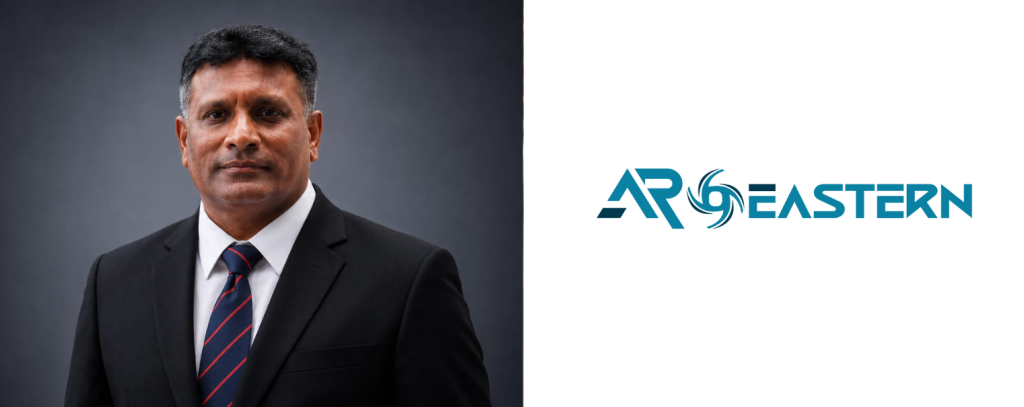
For years, businesses measured success by one defining factor: speed. Faster growth, faster expansion, and faster digital transformation became the benchmarks of competitive advantage. Organisations that moved quickly were often viewed as those most likely to succeed. Managing Director of AR Eastern Sdn Bhd – Dato’ (Major Retd.) Ir. Mathialagan Chellappan. Today, however, the business landscape has changed. In an environment shaped by geopolitical uncertainty, cyber threats, supply chain disruptions, rapidly evolving technologies, and increasing expectations around operational continuity, resilience has become just as important—if not more important—than speed. The question facing today’s business leaders is no longer simply, “How fast can we grow?” Instead, it has become, “How prepared are we when the unexpected happens?” Resilience is no longer a contingency plan hidden within a risk register. It has evolved into a strategic business advantage. The Critical Role of Reliable Communication Few industries understand the importance of resilience better than the defence, aerospace, and secure communications sectors. When communication systems fail, decision-making slows. When information cannot be transmitted securely, operations become vulnerable. In mission-critical environments where every second counts, resilient communication systems become the invisible foundation that enables successful outcomes. This philosophy sits at the heart of AR Eastern Sdn. Bhd. Established in 2016 and headquartered in Shah Alam, AR Eastern has steadily built its reputation as one of Malaysia’s leading engineering companies specialising in advanced defence, aerospace, and secure communications. While widely recognised for its X-Band Secure Satellite Communication (SATCOM) capabilities supporting the Malaysian Armed Forces and the Royal Malaysia Police, the company’s expertise extends far beyond satellite communications. Its services include systems integration, engineering support, maintenance, procurement, and technical consultancy—helping organisations maintain secure, reliable, and uninterrupted operations in environments where communication is essential to mission success. Solving the Challenge of Operational Continuity What makes AR Eastern particularly relevant today is not simply the technology it provides, but the business challenge it addresses. Reliable communication has become one of the most overlooked forms of organisational resilience. Whether coordinating emergency response, supporting national security operations, or managing complex field deployments, organisations increasingly depend on information moving securely, efficiently, and without interruption. Modern operations are no longer confined to offices or fixed infrastructure. Teams now operate across remote locations, multiple jurisdictions, and increasingly complex digital environments where maintaining connectivity often determines whether operations continue or come to a standstill. AR Eastern focuses on ensuring those connections remain intact. Rather than supplying standalone communication equipment, the company develops integrated ecosystems that combine secure satellite communications, military-grade networks, systems integration, and long-term operational support. Its objective is straightforward: helping organisations remain connected regardless of geography, infrastructure limitations, or operational complexity. Building Confidence Through Partnership Technology itself is becoming increasingly accessible. What organisations value today is confidence. Confidence that systems will continue operating under pressure. Confidence that technical support will remain available when circumstances change. Confidence that partners remain accountable throughout an entire project lifecycle instead of disengaging once implementation is complete. Increasingly, competitive advantage is measured not only by the products organisations purchase, but also by the resilience those long-term partnerships create. AR Eastern recognised this shift early. When the company entered Malaysia’s defence and security sector, few local organisations possessed the capability to deliver secure X-Band satellite communication solutions together with the specialised engineering expertise required for highly sensitive operations. As customer expectations evolved, however, so did the company’s role. Today, secure communications are no longer viewed as standalone systems. They form part of larger operational ecosystems requiring interoperability across land, air, and maritime environments, stronger cybersecurity, rapid deployment capabilities, and continuous technical support. In response, AR Eastern has evolved from a technology provider into a strategic engineering partner, supporting customers through systems integration, maintenance, training, and operational consultancy alongside communication infrastructure. Investing in People and Capability Growth within highly specialised industries presents a unique challenge: talent. Expertise in defence communications, aerospace engineering, and secure network integration cannot be developed overnight. Building these capabilities requires years of technical experience, mentorship, and continuous learning. Recognising this reality, AR Eastern has prioritised succession planning, technical training, and collaborative partnerships with both Malaysian and international industry players. Rather than focusing solely on project delivery, the company’s leadership has concentrated on building long-term capability—ensuring the organisation possesses the expertise required not only for today’s operational demands but also for the challenges of tomorrow. The Strength Behind the Systems Some of AR Eastern’s greatest strengths remain largely invisible. Clients naturally see sophisticated communication systems, technical specifications, and successful project execution. What they experience—but seldom see—is the organisational discipline supporting those outcomes. This includes financial stability that enables long-term project commitments, responsive after-sales support that maintains mission readiness, technical teams capable of adapting quickly to changing operational requirements, and a corporate culture built around accountability rather than transactions. These qualities rarely appear in marketing materials, yet they often determine whether critical systems continue performing when customers need them most. For organisations operating in defence and public safety, these unseen capabilities are just as important as the technology itself. Creating Long-Term Industry Value The same long-term perspective also shapes AR Eastern’s growth strategy. Over the past 18 months, the company has deliberately prioritised capability development over short-term commercial returns, investing in strategic collaborations with international partners to strengthen technical expertise and facilitate knowledge transfer within Malaysia. While this approach requires greater investment and longer implementation timelines, it reflects a commitment to building lasting competitiveness by developing people, strengthening local capability, and contributing to a more resilient industry ecosystem. By embedding advanced expertise locally, AR Eastern supports not only its own future growth but also the continued development of Malaysia’s defence and engineering sectors. Looking Ahead The modern business environment increasingly rewards organisations that anticipate disruption rather than merely react to it. Resilience now influences investment decisions, leadership strategies, talent development, and technology adoption. It shapes the partnerships organisations build and the capabilities they continue to strengthen. The companies that thrive over the coming decade may not necessarily be those that move the fastest. They will be those

Energy & Technology

Thailand Develops US$700 Million EV Plan To Replace 80,000 Vehicles

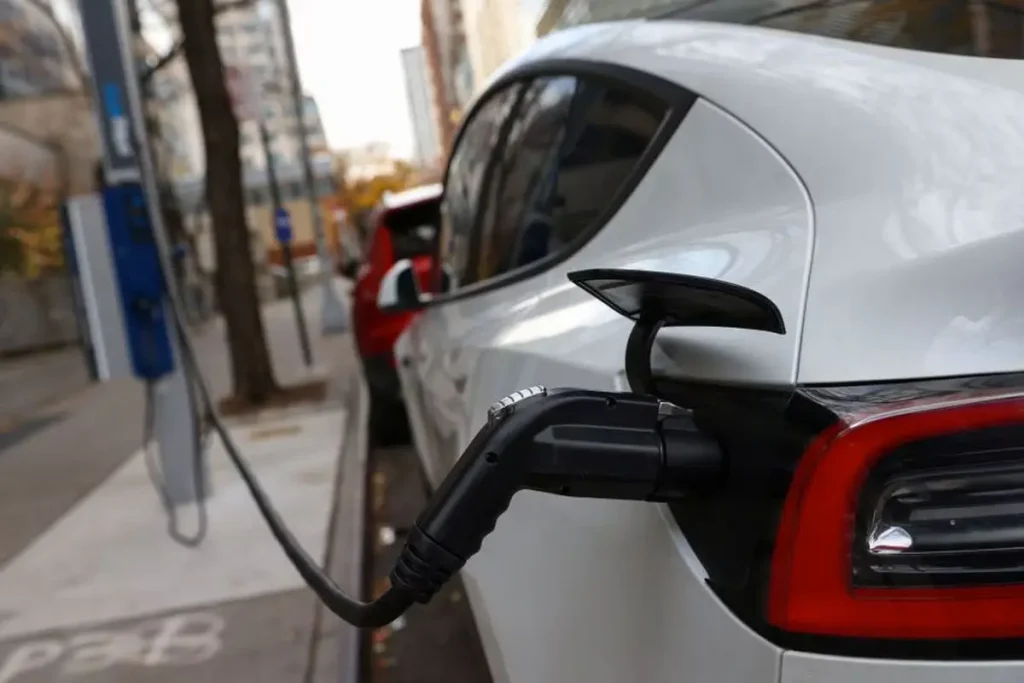
Thailand is reassessing whether its proposed EV support programme should be expanded beyond commercial transport vehicles to include all vehicle categories, Deputy Transport Minister Siripong Angkasakulkiat said. Discussions on broadening the initiative have gained momentum after Thailand’s Constitutional Court ruled that the government’s 400 billion baht (US$11.9 billion) emergency borrowing plan was lawful, allowing further spending initiatives to proceed. The cabinet had approved the borrowing plan in May, though opposition lawmakers challenged its legality shortly after. The Transport Ministry submitted the EV proposal to a committee chaired by the Finance Ministry. Support measures could include subsidies, low-interest financing and tax incentives for eligible vehicles being replaced based on specific age requirements, Siripong said. The committee, established under the emergency borrowing framework, is responsible for approving projects and managing support measures related to economic relief and the country’s energy transition. According to the Federation of Thai Industries (FTI), Thailand recorded 621,166 domestic vehicle sales in 2025, including 120,301 passenger EVs. Motorcycle sales reached around 1.7 million units during the same period. Business Groups Call for Focus on Locally Made EVs Thailand’s successive governments have introduced various tax incentives and investment policies to promote EV manufacturing and adoption, aiming to preserve the country’s position as a major automotive hub in the region. These efforts have attracted more than US$4 billion in investments, including commitments from Chinese automakers such as BYD and Great Wall Motor. However, with the current EV support policy set to expire in 2027, industry groups have warned of potential challenges ahead for the sector. Surapong Paisitpattanapong, spokesperson for the FTI’s Automotive Industry Club, said future incentives should prioritise EVs manufactured locally with a significant proportion of domestically sourced components. “More domestic EV production means more jobs, higher incomes and greater tax revenue, creating benefits for businesses, consumers and the government,” Surapong said. Siamnat Panassorn, vice president of the Electric Vehicle Association of Thailand, also called for any EV trade-in programme to focus on locally produced vehicles. “We would like to promote EV motorcycles and public buses, as these are vehicles that typically contribute higher emissions,” he said. Government Eyes Support for Taxis and Pickup Trucks Siripong said the programme aims to accelerate EV adoption across multiple vehicle categories while improving public access to cleaner and safer transportation technologies. “There will definitely be something this year, but we need to finalise the details first,” he said, adding that discussions are expected to continue for another month. For taxi drivers whose vehicles will reach the 10-year age limit next year, the government is considering financing assistance for EV replacements. The proposed support could reduce daily loan repayments to 500 baht (US$15) from around 700 baht over a five-year period. Other electric vehicle categories, including minibuses, vans, buses, tuk-tuks and heavy-duty transport vehicles, would receive different levels of support, depending on the final policy structure. Finance Minister Ekniti Nitithanprapas said the programme could also support new vehicle purchases, EV replacements for pickup trucks, and the transition to vehicles capable of using B20 biodiesel through low-interest loans and subsidies. Pickup trucks remain a crucial part of Thailand’s automotive industry, accounting for more than 60% of total vehicle production and supporting a wide ecosystem of local suppliers, manufacturing employment and parts production.

Scroll to Top

Subscribe
FREE Newsletter