Author name: theexchangeasia admin

Investment & Market Trends

CTOS To Divest 10% Stake In Juris Technologies For RM50 Million

CTOS Digital Bhd has proposed to sell a 10% equity stake in Juris Technologies Sdn Bhd to Natsoft (M) Sdn Bhd for RM50 million in cash, as part of its strategy to optimise its investment portfolio and sharpen its focus on its core business operations. According to a filing with Bursa Malaysia, CTOS entered into a Share Sale Agreement (SSA) with Natsoft on July 22, involving the disposal of 100,000 ordinary shares, representing 10% of Juris Technologies’ issued and paid-up share capital. Upon completion of the transaction, CTOS’ shareholding in Juris Technologies will decrease from 49% to 39%, while Natsoft, the software developer’s founding and majority shareholder, will increase its stake. CTOS said the proposed disposal aligns with its long-term strategy of monetising non-core investments that offer limited strategic influence and operational synergies. “The proposed disposal is consistent with CTOS’ strategy to optimise its investment portfolio by monetising a non-core asset with limited strategic synergies and influence,” the company said. The group noted that while Juris Technologies remains a valuable investment, its minority stake provides limited strategic control over the company’s operations. By unlocking the value of the investment, CTOS will be able to redeploy capital towards initiatives that are more closely aligned with its core credit reporting, digital solutions and data analytics businesses. The disposal price of RM50 million was agreed on a willing buyer-willing seller basis and reflects an overall equity valuation of RM500 million for Juris Technologies. CTOS said the valuation was determined after considering the market value of comparable companies operating in similar sectors. The transaction is expected to be completed by the end of July 2026, subject to the fulfilment of the completion obligations outlined in the Share Sale Agreement. CTOS acknowledged that the completion of the deal remains subject to the agreed terms and conditions under the SSA. Should any of the completion obligations not be fulfilled, the transaction could be delayed or terminated in accordance with the agreement. Nevertheless, the company said it will take all reasonable steps to ensure the conditions are met promptly to facilitate a smooth completion of the disposal. The proposed sale does not require shareholders’ approval or approval from any regulatory authorities. It is also not conditional upon any other corporate proposals undertaken or planned by the company. As the transaction will be settled entirely in cash, CTOS said it will not affect the company’s share capital, nor will it result in the issuance of new shares or changes to the shareholdings of its substantial shareholders. Following a review of the transaction, the board concluded that the proposed disposal is in the best interests of both the company and its shareholders. “The board, having considered all aspects of the proposed disposal, is of the opinion that the proposed disposal is in the best interest of CTOS and its shareholders,” the company said. The move reflects CTOS’ continued efforts to streamline its investment portfolio, improve capital efficiency and strengthen its focus on businesses that offer greater strategic value and long-term growth potential.

The Executives

Rebuilding The Workforce Behind Malaysia’s Economy

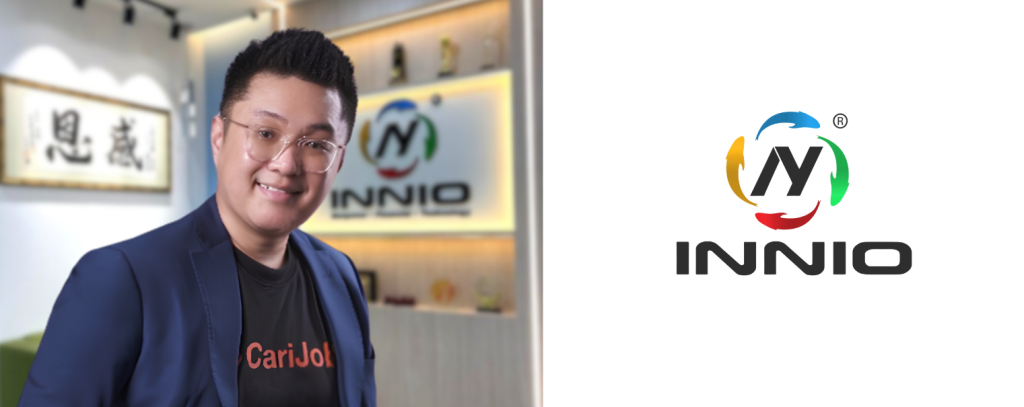
Every economy is built on a workforce. Yet while conversations around talent often focus on executives, professionals and knowledge workers, a far larger segment quietly keeps industries moving every day. Factory operators, warehouse staff, logistics crews, retail associates, kitchen teams and frontline service workers form the operational backbone of businesses across the country. Ironically, they have also been among the most overlooked. For decades, recruitment for the mass workforce has remained fragmented, heavily transactional and largely underserved by technology. Employers have struggled to secure reliable manpower, while job seekers have often found themselves navigating disconnected systems that prioritise placements over long-term opportunities. Founder of INNIO Group – Kong Chin Meng. For INNIO Group, this gap represents far more than a recruitment challenge. It is an opportunity to rethink how the workforce ecosystem should function. Rather than operating as a conventional manpower provider, the Malaysian company has built an integrated platform that connects workforce sourcing, recruitment, deployment and financial wellbeing into one connected ecosystem—bringing together manpower outsourcing, foreign worker recruitment, AI-powered hiring technology and earned wage access under a single operating model. Looking Beyond Recruitment The biggest workforce challenge facing employers today is not finding candidates. It is finding people who stay. For businesses operating in manufacturing, logistics, retail, food and beverage, and other labour-intensive industries, recruitment has become only one part of a much larger equation. Retention, workforce stability and operational continuity have become equally important. INNIO Group recognised this reality long before it became a widespread business conversation. Its founders had spent years working alongside employers facing recurring manpower shortages, high staff turnover and inconsistent recruitment standards. Time after time, businesses were presented with lists of candidates when what they actually needed were dependable employees capable of remaining with the organisation long after their first day of work. That observation fundamentally reshaped the company’s direction. Rather than focusing on recruitment as a one-off transaction, INNIO Group began building an integrated workforce infrastructure designed to support employers throughout the entire employment lifecycle. Building a Connected Workforce Platform The company’s operating model reflects that broader ambition. Its manpower outsourcing and licensed foreign worker recruitment business provide the operational foundation. Sitting alongside these services is CariJob, an AI-powered recruitment platform developed specifically for the mass workforce and fresh graduates—segments traditionally overlooked by mainstream job portals designed primarily for white-collar professionals. Completing the ecosystem is PaydayNow, an earned wage access platform that extends support beyond recruitment by improving financial flexibility and workforce engagement. Together, these businesses create an integrated platform where employers can source talent, deploy workers and strengthen retention through a single ecosystem rather than multiple disconnected service providers. It is a model designed not simply to fill vacancies, but to improve the overall experience for both employers and employees. Solving the Right Problem As Malaysia’s labour market continues to evolve, the questions employers are asking have changed. The conversation has shifted from: “Can you fill this position?” to: “Can you help us build a more stable workforce?” This distinction has become increasingly important. Recruitment alone no longer delivers competitive advantage. Businesses now require workforce intelligence, stronger compliance, improved employee experience and better long-term retention strategies. Recognising this transition, INNIO Group has continued investing in technology that moves beyond candidate matching. By integrating operational data, AI capabilities and workforce management into a connected platform, the company is creating solutions designed to improve hiring decisions while supporting employers long after recruitment has been completed. The result is a business focused not on transactions, but on workforce infrastructure. Growth Through Discipline Many fast-growing companies measure success by revenue or headcount. INNIO Group measures it differently. Its ambitions are defined through recurring employer relationships, platform engagement and sustainable profitability. By the end of 2026, the group aims to serve 2,000 active employer clients across its manpower outsourcing and CariJob businesses, establish a nationwide network of 100 distribution agents and support 10,000 workers through PaydayNow. Equally significant are the opportunities the company has consciously chosen not to pursue. Rather than expanding aggressively into new markets or chasing low-margin recruitment contracts, leadership has prioritised strengthening its Malaysian foundation first. Growth, in this context, is measured not by speed but by resilience—building a business capable of sustaining long-term value regardless of changing economic conditions. Scaling a Business, Strengthening Leadership As organisations expand, leadership inevitably changes. For INNIO Group, scaling has required a deliberate transition from founder-led decision making towards building a stronger organisational structure capable of supporting long-term growth. One of the defining developments has been the operational partnership between the company’s co-founders. While leadership responsibilities were once closely intertwined, responsibilities have evolved into clearly defined roles across finance, governance, recruitment operations and strategic development. This separation has allowed the organisation to move faster while strengthening accountability across the business. At the same time, dedicated teams have been established across product development, artificial intelligence, enterprise sales and operational delivery, reducing dependence on individual decision-makers and creating systems capable of supporting larger-scale growth. It reflects a reality shared by many scaling businesses: sustainable organisations are built through strong systems rather than individual effort alone. Building Beyond Malaysia While Malaysia remains the company’s immediate priority, the long-term vision extends considerably further. Many of the workforce challenges experienced domestically are shared by neighbouring economies across Southeast Asia, creating opportunities for technology-driven workforce platforms capable of addressing similar structural issues. INNIO Group sees its future in becoming more than a manpower company. Its ambition is to build a regional employer-and-workforce platform powered by technology, data and stronger governance, beginning with Malaysia before expanding into neighbouring markets such as Singapore and Indonesia. Alongside this expansion, the company continues strengthening its AI capabilities through CariJob, where proprietary AI modules are being developed to improve candidate matching, onboarding and long-term workforce retention. As industries become increasingly digital and labour markets continue to evolve, the companies creating lasting impact will not simply connect people with jobs. They will build the systems that allow businesses and workers to grow together. That is the future INNIO Group

Energy & Technology

Petronas Unit Signs Agreement With Japan’s Hokuriku Electric To Renew LNG Supply Deal

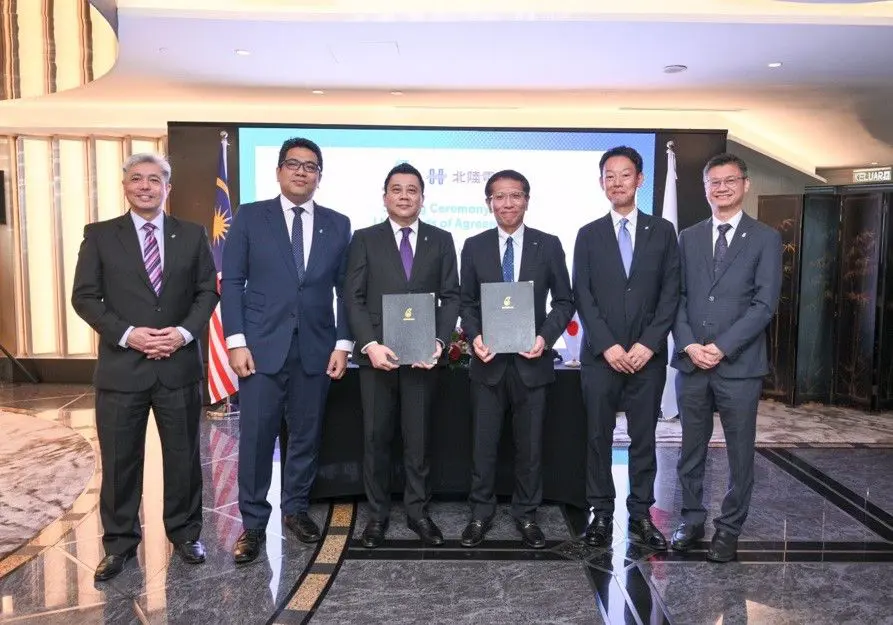
Petroliam Nasional Bhd (Petronas) subsidiary Petronas LNG Ltd (PLL) has signed a Heads of Agreement (HoA) with Japan’s Hokuriku Electric Power Company to negotiate the renewal of a long-term liquefied natural gas (LNG) supply agreement. Under the proposed arrangement, PLL is expected to continue supplying up to 0.54 million tonnes per annum (MTPA) of LNG to Hokuriku Electric for a further 10-year period beginning in 2028. Petronas said the HoA represents another milestone in the long-standing partnership between both companies, reflecting the trust, reliability and strategic importance of their relationship built over the years. “The HoA marks another milestone in the longstanding partnership between Petronas and Hokuriku Electric. It reflects the mutual confidence built over the years and underscores the continued trust, reliability and strategic importance of the Petronas-Hokuriku Electric relationship,” the company said. The agreement was signed in Kuala Lumpur on July 14, 2026 by PLL chief executive officer Rosdi Ab Rahman and Hokuriku Electric president Koji Matsuda. On the same day, both parties also entered into a Memorandum of Understanding (MoU) to explore strategic collaboration in carbon-neutral initiatives. According to Petronas, the MoU reflects a shared commitment to developing a more resilient LNG supply chain while exploring opportunities in next-generation energy solutions, including hydrogen, ammonia, renewable energy, carbon capture and storage (CCS), and carbon capture utilisation and storage (CCUS) technologies. Petronas executive vice president and chief executive officer of its Gas and Maritime business Datuk Adit Zulkifli said the company remains committed to supporting Hokuriku Electric’s energy security, operational resilience and transition towards a lower-carbon future. “Beyond LNG, the MoU on carbon-neutral collaboration underscores our shared ambition to explore new opportunities that can create long-term value for both parties,” he said. Petronas highlighted that PLL has been the sole LNG supplier to Hokuriku Electric since the current LNG sale and purchase agreement began in 2018, providing LNG for the utility’s LNG-fired power generation facilities at the Toyama-Shinko Thermal Power Station. The proposed renewal is expected to ensure continuity of LNG supply beyond the existing contract period while further strengthening Petronas’ position as a reliable long-term LNG partner for Japanese energy companies.

Investment & Market Trends

RCI Calls For Forensic Audit Of 14 Tabung Haji Investments

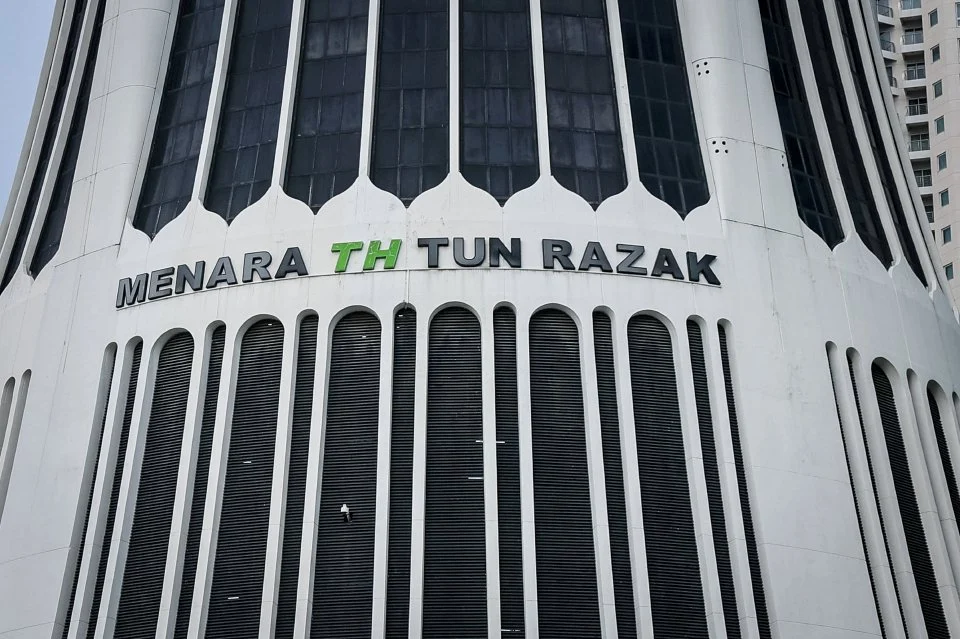
The Royal Commission of Inquiry (RCI) into the management and operations of Lembaga Tabung Haji (TH) has recommended a forensic audit on 14 past investment decisions that led to significant asset impairments at the Islamic pilgrimage fund. The recommendation was made following the RCI’s investigation into TH’s management practices between 2014 and 2020, with the identified investments highlighted in a report released today. The 14 investments proposed for further forensic review include: PT TH Indo Plantations Emrail Sdn Bhd Wellspring Worldwide Ltd Deru Semangat Sdn Bhd Trurich Resources Sdn Bhd Abraj Sdn Bhd Putrajaya Perdana Bhd Al-Rawda Real Estates Development & Project Management Co Ltd Alfareeda Residential Fund TH Plantations Bhd TH Properties Sdn Bhd Alam Maritim Resources / TH Marine TH Hotel & Residences Sdn Bhd FGV Bhd The RCI said investment transactions that remain subject to court cases or arbitration proceedings should continue to be closely monitored by TH’s management and board to ensure the processes are managed effectively and deliver the best possible outcomes for the institution. It also recommended strengthening out-of-court settlements and arbitration processes to enable disputes to be resolved more efficiently while protecting TH’s interests. The commission emphasised that TH’s investment management and profit distribution functions must continue to operate independently and professionally. It noted that both fund management and haj management should remain under the same entity due to the element of cross-subsidisation currently practised by TH. The RCI further proposed that TH’s investment management function remain within the organisation as a dedicated department, potentially named “Dana Haji”, which would oversee TH’s investments while being regulated by the Securities Commission Malaysia. The commission also advised TH to focus on fund management activities and avoid involvement in high-risk investments, particularly those categorised as strategic investments. Meanwhile, the RCI urged Urusharta Jamaah Sdn Bhd (UJSB) to consider early redemption of sukuk issued following the transfer of assets from TH to UJSB. The report stated that TH assets were transferred to UJSB at a value of RM19.9 billion, despite having a market value of RM9.7 billion at the time, representing a premium of RM10.2 billion above market value. As part of the asset transfer arrangement, UJSB issued fully subscribed zero-coupon Sukuk Murabahah, comprising: Sukuk Series 1: RM10 billion Sukuk Series 2: RM9.6 billion Cash payment: RM300 million The RCI noted that income generated from UJSB’s sukuk contributed nearly 26% of TH’s annual income and accounted for more than one-third of the annual profits distributed to depositors. It warned that any failure or constraints in UJSB meeting its obligations could pose a major risk to TH’s financial position and potentially create wider implications for Malaysia’s financial ecosystem. “The government must give serious attention by ensuring an annual allocation of RM1.73 billion is provided, as agreed by the Cabinet, for the early redemption of UJSB’s sukuk,” the RCI said. The commission was also informed that UJSB is currently in discussions with the Ministry of Finance (MOF) to seek consideration for a government guarantee and has begun negotiations with TH on the terms of a new Government Guaranteed Sukuk.

Investment & Market Trends

The Business Behind Global Food Demand

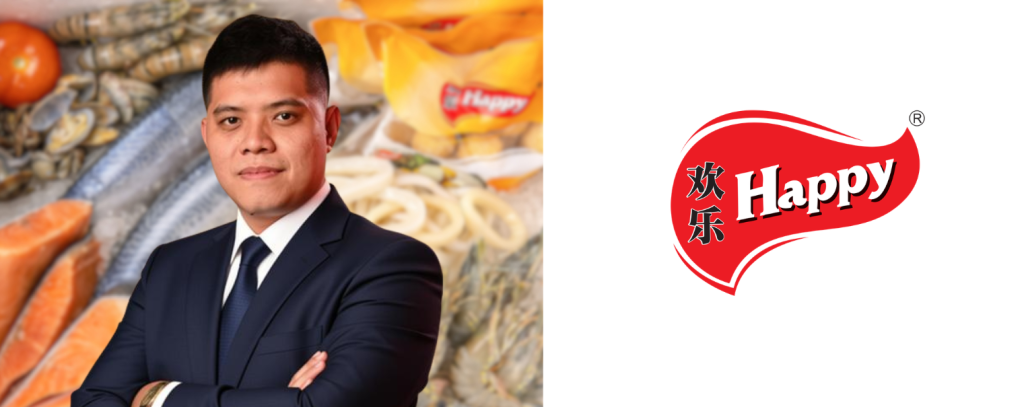
The global food industry is no longer driven by production alone. Today’s consumers expect more than quality ingredients. They demand convenience, consistency, food safety and products that fit increasingly fast-paced lifestyles. At the same time, restaurants, retailers and distributors are under growing pressure to secure reliable supply chains while meeting ever-higher expectations for freshness and product quality. For food manufacturers, this has fundamentally changed the rules of the industry. Success is no longer determined simply by what is produced, but by the ability to create value beyond the product itself. It is this shift that has shaped the company’s evolution. Backed by more than two decades of expertise in research and development, sourcing, trading and food processing, the business has expanded into a diversified manufacturer of value-added fishball products, ready-to-use instant pastes, frozen seafood and premium fresh durian. Today, it is also recognised as one of the pioneering Malaysian companies to export fresh durian to China via air freight, reflecting a business built around innovation, quality and international opportunity.   Beyond Manufacturing Food manufacturing has traditionally focused on efficiency and scale. Today, the challenge is much broader. Consumers expect authentic flavours that remain consistent from one purchase to the next. Food service operators require dependable supply, while international buyers demand strict quality assurance, food safety and traceability throughout the supply chain. Meeting these expectations requires more than processing food. It requires understanding how consumer behaviour is changing. The company has responded by developing value-added food solutions that simplify preparation without compromising taste, freshness or reliability. Whether producing premium fishball products, frozen seafood, instant cooking pastes or exporting fresh durian, every product is designed to address a common challenge: making quality food more accessible in an increasingly complex market. The objective is not simply to manufacture food. It is to help businesses and consumers enjoy greater convenience while maintaining the authenticity that defines Malaysian cuisine.   Responding to a New Generation of Consumers Changing lifestyles continue to reshape food consumption around the world. Time has become one of the most valuable commodities, driving growing demand for products that reduce preparation without sacrificing quality. Restaurants, retailers and households alike are increasingly seeking solutions that offer consistency, convenience and confidence in every purchase. Recognising this shift early, the company invested in advanced food processing methods, freezing technology and quality control systems capable of preserving flavour, freshness and food safety across a wide range of products. These investments have enabled the business to bridge the gap between traditional food preferences and modern consumer expectations. For customers, the value lies not only in the products themselves, but in the assurance that every order delivers the same standard of quality regardless of where it is consumed.   Creating Value Beyond the Supply Chain As global food supply chains become increasingly interconnected, manufacturers are expected to contribute more than production capacity. They must become trusted partners capable of delivering reliability, consistency and long-term value. Rather than competing primarily on price, the company has focused on strengthening operational efficiency, product differentiation and manufacturing capability. Investments in automation and production systems have helped improve productivity while ensuring product quality remains uncompromised as demand continues to grow. This approach is particularly important within value-added food categories, where customer expectations increasingly extend beyond taste to include convenience, safety and dependable performance. By continually improving operational capabilities, the company is building resilience that supports both domestic growth and international expansion.   Bringing Malaysian Products to the World Perhaps one of the company’s most significant milestones has been its entry into the international fresh durian market. In 2024, it became one of Malaysia’s pioneering companies exporting fresh durian to China via air freight, opening new opportunities within one of Asia’s fastest-growing premium food markets. Exporting fresh produce, however, requires far more than meeting demand. Maintaining product integrity depends on precise cold chain management, reliable sourcing, careful handling and efficient logistics from farm to destination. Recognising these challenges, the company continues strengthening supplier relationships while investing in premium positioning, ensuring Malaysian produce competes on quality, consistency and trust rather than price alone. The success of this business reflects a broader ambition: creating greater international recognition for Malaysian food products through disciplined execution and uncompromising quality standards.   Growth Built on Stronger Foundations For many businesses, growth is measured by larger facilities or higher production volumes. For this company, growth is equally about building stronger capabilities. Every investment in manufacturing technology, food safety systems, operational efficiency and product development strengthens its ability to serve customers over the long term. As markets continue evolving, maintaining consistency becomes increasingly important. Customers expect the same quality whether purchasing frozen seafood, fishball products, instant cooking pastes or premium fresh durian, and sustaining that trust requires continuous improvement across every aspect of the business. Growth, therefore, is not simply about becoming bigger. It is about becoming more reliable, more efficient and more valuable within the global food ecosystem.   Looking Towards the Next Chapter The next phase of the company’s journey is centred on moving further up the value chain. Rather than focusing solely on increasing production capacity, leadership is prioritising product innovation, stronger brand positioning and deeper market penetration across both domestic and international markets. Opportunities continue to emerge within premium frozen seafood, ready-to-use food solutions, value-added fishball products and fresh durian exports, driven by consumers seeking greater convenience without compromising quality. Supporting this ambition requires continuous investment in automation, technology, quality management systems and talent development, ensuring the organisation remains agile while preserving the standards that have underpinned its success. As global demand for trusted food solutions continues to grow, manufacturers capable of combining operational excellence with innovation will define the next generation of the industry. That is the path this company has chosen—one that extends well beyond manufacturing itself. By creating value-added food solutions, strengthening supply chain reliability and bringing Malaysian products to international markets, it is contributing to a food industry where quality, trust and innovation remain the most important ingredients for sustainable growth.

ESG

Air Selangor Makes History With RM200 Million World’s First Blue Sukuk Issuance

Pengurusan Air Selangor Sdn Bhd has successfully priced the world’s first blue sukuk and Malaysia’s first blue bond/sukuk issuance, with a total nominal value of RM200 million. The Blue SRI Sukuk Kelestarian carries a 15-year tenure and will be issued under Air Selangor’s RM20 billion Islamic medium-term notes programme. In a joint statement, Air Selangor and CIMB Group Holdings Bhd said the landmark issuance marks a major milestone in the development of sustainable water financing within Malaysia’s capital market. The companies said the issuance reflects Air Selangor’s commitment to securing sustainable financing for projects that deliver measurable environmental benefits, particularly in strengthening water infrastructure and supporting long-term resource management. Air Selangor chief executive officer Adam Saffian Ghazali said building resilient water infrastructure requires long-term investment supported by innovative and sustainable financing solutions. “This world’s first blue sukuk reflects our commitment to advancing innovative financing solutions that strengthen water security, protect natural resources and create long-term value for the communities we serve,” he said. Meanwhile, CIMB Investment Bank chief executive officer Nor Masliza Sulaiman said the successful issuance highlights CIMB’s role as a capital markets arranger and sustainability partner. “We hope this landmark issuance will accelerate the adoption of blue finance across Malaysia and the region, supporting greater mobilisation of capital towards water security, environmental resilience and sustainable development,” she said. CIMB Investment Bank served as the sole sustainability structuring adviser and sole lead manager for the transaction. The blue sukuk issuance represents a significant step forward in Malaysia’s sustainable finance landscape, creating a new avenue for funding projects focused on water security, environmental protection and long-term climate resilience.

Energy & Technology

How One Company Is Building More Than Fire Safety

There are industries that only make headlines when something goes wrong. Fire safety is one of them. For decades, it has largely been viewed as a regulatory obligation—an essential component of buildings and businesses that quietly exists in the background. Yet as industries become more technologically advanced and operational risks continue to evolve, the role of fire protection is changing. It is no longer just about complying with regulations; it is about safeguarding business continuity, protecting people and enabling organisations to operate with confidence. For FIRE FIGHTER INDUSTRY SDN BHD, this shift has defined the company’s journey. Established more than four decades ago, the business has grown from a specialist in fire protection into one of Malaysia’s leading providers of integrated fire safety solutions. Managing Director, Executive Director/ Chief Innovation Officer of Fire Fighter Industry Sdn Bhd – Michelle Hah & Brian Soo. Today, its expertise spans the manufacturing of portable fire extinguishers, active and passive fire protection systems, consultation, maintenance, certified fire safety training and specialised solutions for emerging technologies, serving everyone from property developers and manufacturers to educational institutions and homeowners. But perhaps the company’s biggest transformation has not been what it sells—it is how it thinks about the role fire safety should play in modern society. Moving Beyond the Compliance Mindset Many businesses still approach fire safety as a project requirement or statutory obligation. The challenge with that mindset is simple: compliance alone does not create resilience. FIRE FIGHTER INDUSTRY believes the real value of fire protection lies in prevention, preparedness and confidence. Every fire that never occurs, every business interruption that is avoided and every life protected represents the true success of the industry. That philosophy has shaped the company’s evolution into a full-service provider capable of supporting clients throughout the entire lifecycle of a building. Beyond supplying equipment, the business designs, installs, tests, commissions and maintains integrated fire protection systems while ensuring compliance with BOMBA requirements and evolving industry standards. Rather than seeing projects as isolated transactions, the company focuses on building long-term partnerships that strengthen operational resilience for its clients. Preparing for Risks That Didn’t Exist Yesterday Technology is changing the way businesses operate. Electric vehicles are becoming increasingly common. Solar energy systems are being installed across commercial and residential developments. Lithium battery storage is powering everything from logistics operations to manufacturing facilities. While these innovations represent significant progress, they also introduce entirely new categories of fire risks. Recognising these shifts early, FIRE FIGHTER INDUSTRY invested heavily in research, product development and specialised fire protection solutions designed specifically for emerging technologies. Its in-house research and development capabilities, together with partnerships involving leading international manufacturers and Malaysian universities such as Universiti Kebangsaan Malaysia and Management & Science University, allow the company to stay ahead of changing industry demands. This forward-looking approach reflects a broader business philosophy: anticipating tomorrow’s challenges rather than simply responding to today’s. Making Fire Safety More Accessible Innovation is not always about sophisticated technology. Sometimes, it is about changing perception. For many years, fire safety remained something associated almost exclusively with commercial buildings and industrial facilities. Residential preparedness rarely received the same level of attention until an incident occurred. FIRE FIGHTER INDUSTRY has worked to bridge that gap. By expanding into e-commerce, developing consumer-focused fire safety products and creating educational content across digital platforms, the company has made fire protection more accessible to households throughout Malaysia. It has also introduced creatively designed fire extinguishers through collaborations with artists and brands, transforming what was traditionally viewed as a purely functional product into one that encourages greater visibility and awareness within homes. Alongside these initiatives, the company continues delivering fire safety training programmes for businesses, government agencies, residential communities and non-government organisations, reinforcing the belief that awareness remains one of the most effective forms of protection. Defining Growth Differently For many organisations, growth is measured by revenue, expansion or market share. For FIRE FIGHTER INDUSTRY, growth is measured by capability. Its strategic priorities focus on strengthening technical expertise, expanding research and development, improving service quality and building internal systems that enable the organisation to perform consistently as it grows. Equally important is what the company chooses not to pursue. Leadership has deliberately avoided growth that compromises workmanship, technical integrity or customer trust for short-term commercial gains. In an industry where every installation carries significant responsibility, maintaining quality remains non-negotiable. This long-term perspective has become one of the company’s defining characteristics, allowing it to balance experience with innovation while preparing the next generation of talent to lead the industry forward. Building an Organisation That Learns Growth brings complexity. As project portfolios expand and teams become larger, maintaining consistency across workmanship, communication and customer experience becomes increasingly challenging. To meet that challenge, FIRE FIGHTER INDUSTRY has strengthened its operating model through ISO-based systems, enhanced standard operating procedures, digital project management tools and stronger quality control frameworks. At the same time, the organisation continues investing heavily in internal training and knowledge sharing. Rather than allowing technical expertise to remain concentrated within a small number of individuals, leadership believes knowledge should flow throughout the organisation, enabling teams to respond faster, make better decisions and adapt more effectively as technologies continue evolving. It is an approach that reflects the realities of modern business, where continuous learning has become as valuable as technical experience itself. Building for Generations, Not Just Growth After successfully navigating more than fifty years of industry evolution, FIRE FIGHTER INDUSTRY is now focused on a far bigger ambition than simply expanding its business. Its vision is to contribute towards a future where fire safety is integrated into the way organisations operate, communities prepare and industries innovate. Achieving that requires continuous investment in research, workforce development, technical capability, sustainability initiatives and public education—creating stronger foundations not only for the company, but for the wider ecosystem it serves. In today’s business landscape, resilience is increasingly shaped by an organisation’s ability to anticipate change before it becomes disruption. As new technologies emerge and operational risks become more complex,

The Executives

IJM Chairman Krishnan Tan Announces Retirement

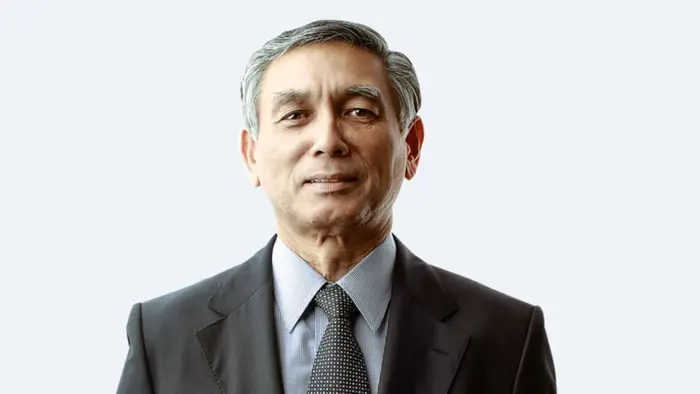
IJM Corp Bhd has confirmed that the upcoming retirement of its chairman Tan Sri Krishnan Tan is part of a long-planned leadership transition, with the company’s strategy, management direction and business priorities remaining unchanged. In a statement, IJM said Tan had previously indicated that his current board term would be his final one. His decision not to seek re-election at the company’s upcoming Annual General Meeting (AGM) reflects an orderly succession process for the group. “The group’s strategy, management team and business priorities remain unchanged as IJM continues executing its long-term growth plans,” the company said. Tan will officially step down as chairman following the conclusion of IJM’s AGM scheduled for Aug 27, marking the end of an approximately 42-year association with the company. During his extensive tenure, Tan played a key role in shaping IJM’s growth and transformation into one of Malaysia’s leading diversified construction and infrastructure groups. The company said he contributed significantly through various leadership positions as IJM expanded its presence and capabilities over the decades. In his final chairman’s statement published in IJM’s annual report, Tan reflected on his career with the group with a sense of pride and appreciation. “Having had the privilege of participating in the acquisition and merger of the companies that formed IJM, and subsequently serving as its chief executive officer and chairman over the past four decades, I look back with immense pride and gratitude at what we have built together,” he said. Tan added that he was confident IJM was well-positioned to enter its next phase of growth. His final year as chairman was particularly significant due to two major developments — the conditional voluntary takeover offer by Sunway Bhd in January 2026 and the subsequent scrutiny following allegations circulated on social media. The proposed takeover attempt ultimately did not proceed after Sunway failed to obtain acceptances exceeding 50% of IJM’s shares. “Having spent much of my career evaluating acquisitions rather than being the subject of one, the experience served as a sobering reminder of the need to be nimble and dynamic given the rigour of a fast-evolving business environment and that of the capital markets,” Tan said. Tan also addressed the challenges arising from what he described as “malicious and unfounded” allegations circulated online, which placed both IJM and his personal reputation under public scrutiny. He said the Malaysian Anti-Corruption Commission’s decision to take no further action, together with confirmation that the proposed acquisition process complied with legal and regulatory requirements, reaffirmed confidence in the group’s governance standards. Tan further stated that claims involving RM2.5 billion in alleged money laundering linked to IJM were found to be without basis, while the United Kingdom’s Serious Fraud Office confirmed that it had never undertaken any investigation into the alleged movement of funds. “While these were indeed trying times where reputations were being questioned, positively, shareholders can take comfort in the fact that the governance, integrity and ethical standards established by our founding leaders stood the test of one of the most challenging periods in the group’s history,” he said. “With these events now behind us, our attention is firmly on the future and the opportunities ahead.” Tan, 73, was appointed chairman of IJM on Aug 29, 2019, after previously serving as deputy non-executive chairman from 2014. He first joined IJM’s board on June 12, 1984 as an alternate director and went on to hold several senior leadership roles, including financial controller, director, deputy managing director, group managing director, chief executive officer and managing director, and executive deputy chairman. As at the end of June 2026, Tan held a direct interest of 0.3% and an indirect interest of 0.032% in IJM. His retirement marks the conclusion of a decades-long leadership journey that has coincided with IJM’s evolution into a major player in Malaysia’s construction, infrastructure and diversified business sectors.

The Executives

HeiTech Padu Names Sandraruben As New Deputy Chairman.

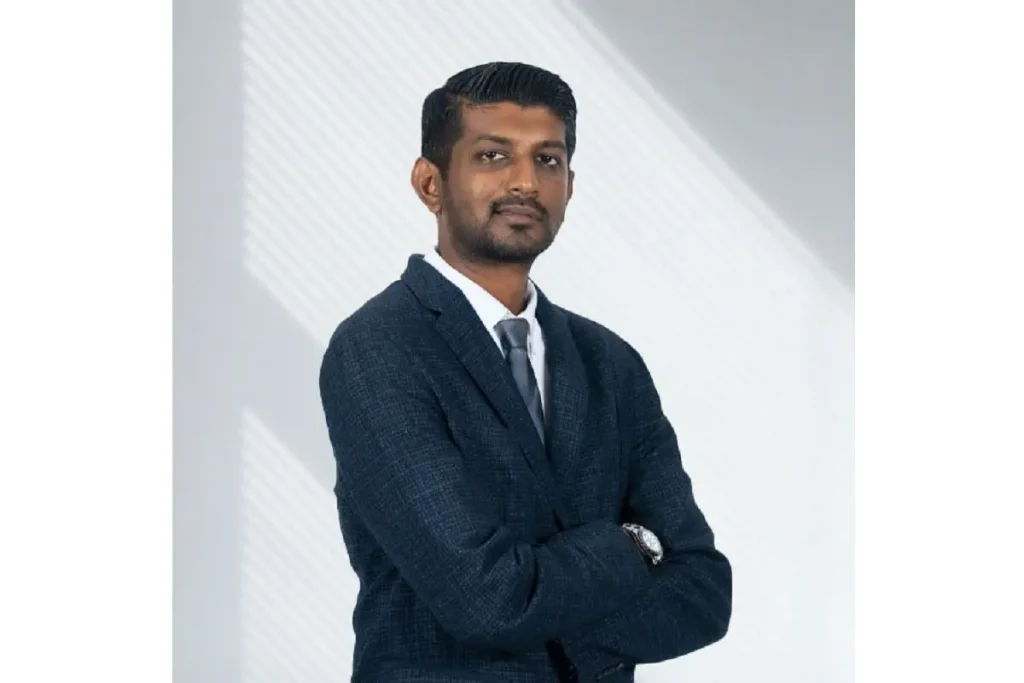
HeiTech Padu Bhd has redesignated its executive director Datuk Sandraruben Neelamagham as the company’s new deputy chairman, effective immediately, as the technology group moves to strengthen its leadership structure. Sandraruben, 39, joined HeiTech Padu as an executive director in April 2024. A lawyer by profession, he previously served as an adviser to NexG Bhd before taking up his role at HeiTech Padu. HeiTech Padu Bhd, Deputy Chairman – Datuk Sandraruben Neelamagham. His appointment comes amid continued attention surrounding corporate developments involving NexG, including allegations and disputes raised earlier this year involving key shareholders, intellectual property and government-related technology contracts. According to statements made by businessman Victor Chin Boon Long and Pandan Member of Parliament Datuk Seri Rafizi Ramli, Sandraruben — also known as Ruben — was allegedly the individual referred to as “Mr R” in relation to claims involving the proposed transfer of 421.7 million NexG shares to an unnamed party described as his purported “boss”. In March, NexG founder and major shareholder Datuk Hanifah Noordin alleged that Sandraruben and lawyer Datuk Chong Loong Men had attempted to transfer NexG’s core technological capabilities and critical intellectual property linked to its government contract to HeiTech Padu. Hanifah further claimed that Sandraruben was reporting to an individual identified only as “Mr A”, whom he linked to Bestinet Sdn Bhd, a company involved in the processing of foreign workers, including those from Bangladesh. He alleged that the individual was behind an effort to move NexG’s key technological assets out of the company. The identity of “Mr A” has not been officially disclosed. However, Rafizi had previously linked the individual to Datuk Seri Farhash Wafa Salvador, a former political secretary to Prime Minister Datuk Seri Anwar Ibrahim, citing that Sandraruben’s law firm had represented Farhash in a defamation suit against him. The allegations have drawn attention within Malaysia’s technology and corporate sectors, particularly due to NexG’s involvement in government-related technology solutions and digital identity infrastructure. HeiTech Padu has not provided further details regarding the leadership change beyond announcing Sandraruben’s redesignation as deputy chairman. Following the announcement, shares of HeiTech Padu closed unchanged at RM1.29 on Wednesday, giving the company a market capitalisation of approximately RM210.25 million. The counter has declined more than 24% year-to-date amid ongoing market scrutiny and investor sentiment surrounding the company.

Investment & Market Trends

Petra Energy Monetises Idle Assets Through RM61 Million Vessel Sale

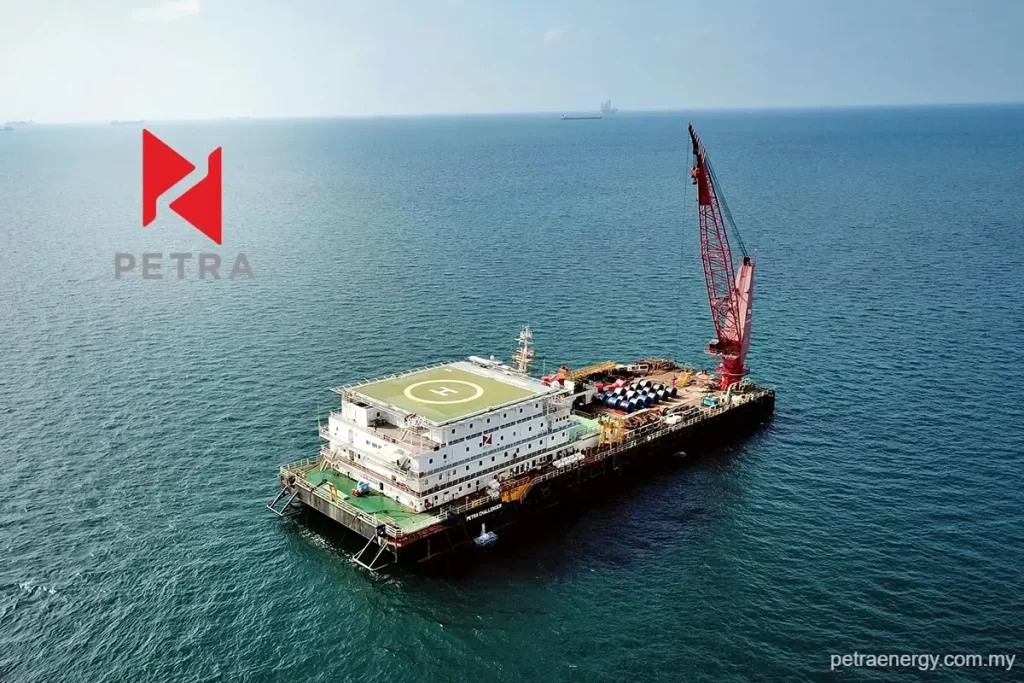
Petra Energy Bhd is monetising its non-performing assets through the sale of two marine vessels for a combined cash consideration of approximately RM61.31 million, as the company seeks to optimise its asset portfolio and strengthen its financial position. The disposal will be carried out by Petra Marine Sdn Bhd, a wholly owned subsidiary of Petra Energy, involving the sale of two offshore vessels to international buyers. Petra explained that it is selling these vessels to monetise non-performing assets, with proceeds of the deals to be used as working capital. The first transaction involves the sale of Petra Orbit, an offshore support workboat, to Beaufond Swissline FZ-LLC, the commercial affiliate arm of UAE-based chemical manufacturer Beaufond plc, for RM29.63 million. The second agreement involves the disposal of Petra Endeavour, a 300-man work barge, to Indian company AJR Oil & Gas Engineering Services for RM31.67 million. Both transactions are expected to be completed by the end of September, subject to the successful delivery of the vessels to their respective buyers. Under the sales agreements, Beaufond and AJR will each provide initial deposits of 20% and 25%, respectively, following the formal signing of the agreements. In its filing with Bursa Malaysia, Petra Energy said the vessel disposals are part of its strategy to monetise non-performing assets, allowing the company to unlock value from underutilised assets while improving capital efficiency. The proceeds generated from the sales will be used as working capital to support the company’s ongoing business operations and future requirements. Both vessels were built in 2009. The Petra Orbit, which is approximately 17 years old, carries a book value of RM25.01 million, while the Petra Endeavour has a book value of RM30.06 million as at the proposal date. The disposal marks Petra Energy’s continued effort to streamline its asset portfolio and focus on improving operational flexibility amid changing market conditions in the offshore and marine services sector. By converting ageing or underperforming assets into cash resources, the company aims to enhance liquidity while creating greater room to support its core business activities. Following the announcement, Petra Energy’s shares declined 3.33% to 72.5 sen per share, giving the company a market capitalisation of approximately RM232.7 million. Despite the decline, the stock has gained 29.46% year-to-date.

Scroll to Top

Subscribe
FREE Newsletter