Author name: theexchangeasia admin

ESG

The Office Is Changing. So Is The Business Behind It.

The modern office is no longer a static environment. How companies work, organise teams and use space continues to evolve—and the businesses responsible for creating those environments are having to evolve with it. For Yuansheng Furniture Sdn Bhd, that shift is changing what it means to be a furniture manufacturer. The Malaysian company specialises in office system furniture, partitions, cabinetry and customised interior fit-out solutions for commercial and corporate environments. With in-house manufacturing facilities, CNC machinery and digital design technologies, Yuansheng manages the process from design development and production through to delivery and installation. Serving corporate clients, interior design firms, contractors and project management companies across Malaysia and Singapore, the company has built its reputation around customisation, consistent quality and reliable execution. But its next phase is increasingly about turning those manufacturing strengths into a more integrated solutions business.   Technology Changes the Factory At the centre of that transition is digitalisation. Yuansheng is investing in ERP systems, digital design workflows and production optimisation software to create greater accuracy and visibility throughout its operations. For a business dealing with customised projects, the implications are significant. Designs can change, deadlines can tighten and specifications can differ substantially from one project to another. Connecting design more closely with production allows Yuansheng to respond to those variables while reducing errors and inefficiencies. Its combination of digital design systems, CNC technology and in-house production also provides greater control over the journey from concept to finished product. That integration is one of the company’s less visible competitive advantages. While customers ultimately see the completed workspace, much of the value is created through the coordination, planning and manufacturing discipline behind it.   Not All Growth Is Good Growth As Yuansheng expands, it is also becoming more deliberate about the type of business it wants to build. Revenue and project volume matter, but management views stronger operational capability, product quality, customer relationships and resilience as equally important measures of progress. That means resisting the temptation to compete solely on price. The company deliberately avoids aggressively pursuing low-margin opportunities where commercial pressures could compromise quality or service standards. Instead, investment is being directed towards technology, systems and people that can strengthen its competitiveness over the longer term. It reflects a broader philosophy: scale should follow capability rather than come at its expense. Three priorities now guide that strategy—operational excellence, digital transformation and market expansion. Singapore remains an important market for the company, while a planned showroom investment is expected to create a stronger platform for customers to experience Yuansheng’s products, materials and capabilities firsthand.   A Different Kind of Sustainability The materials and energy behind the modern workplace are changing too. Yuansheng has been gradually adopting environmentally friendlier and lower formaldehyde-emission materials, including formaldehyde-free options where suitable. The move addresses both environmental considerations and growing attention towards healthier indoor environments—an increasingly relevant issue for the commercial spaces in which people spend much of their working lives. The company has also begun integrating solar energy into its operations as part of efforts to improve energy efficiency and reduce dependence on conventional energy sources. Neither transition happens without cost. Yuansheng acknowledges that these initiatives require additional investment and planning, but views them as long-term operational decisions rather than isolated sustainability exercises.   From Manufacturer to Solutions Provider Yuansheng’s next challenge is perhaps its most significant: changing how the business itself is positioned. Its ambition is to develop from a manufacturing-focused company into a more integrated solutions provider combining manufacturing capability with digital systems, customer engagement and greater regional reach. The new showroom will form part of that transition, alongside further investment in production optimisation and operational visibility. But transformation on the outside will require transformation within. Yuansheng expects to strengthen organisational capabilities, develop future talent and improve internal systems as the complexity and scale of the business increase. There is a larger shift taking place here. As offices evolve, customers are asking more of the companies that create them. Manufacturing capability remains essential, but so too are customisation, speed, technology, sustainability and the ability to manage an increasingly complex project from beginning to end. For Yuansheng, staying competitive means recognising that change early. The company may still manufacture the physical components of the workplace. Increasingly, however, its business is about building the systems, capabilities and solutions around them.  

The Executives

Wasco Appoints Wong Yin Kee As Group MD

Wasco Greenergy Bhd (WGB) has appointed Wong Yin Kee as its group managing director (MD) with immediate effect, according to a filing with Bursa Malaysia. The company said Wong, 48, will facilitate the transition of authority, responsibility and accountability within the company from chief executive officer (CEO) Lee Yee Chong, 57, who will retire from the position effective Dec 31, 2026. Group Managing Director (MD) of Wasco Greenergy Bhd (WGB) – Wong Yin Kee. “Lee joined WGB in September 1995 and has held several key leadership positions within the group over the years. The board would like to express their utmost gratitude and appreciation for his leadership and contribution during his tenure as CEO,” the filing said, reflecting on Lee’s more than three-decade career with the company and his contributions to its growth and development. Meanwhile, WGB said Wong brings more than 20 years of experience across the energy, infrastructure, investment, strategy, mergers and acquisitions, business development and management consulting sectors, positioning him well to lead the company into its next phase of growth. “He was the MD of ENGIE Malaysia from September 2020 to June 2026, and previously served as deputy MD from October 2016 to August 2020,” the company added, highlighting Wong’s extensive leadership background within the energy sector prior to joining WGB. The leadership transition marks a significant milestone for WGB as it prepares for a change at the helm, with Wong’s appointment as group MD expected to ensure continuity in strategic direction while bringing fresh perspective and expertise to the company’s operations, particularly given his strong background in the energy and infrastructure sectors.

The Executives

Pineapple Appoints New Chairperson

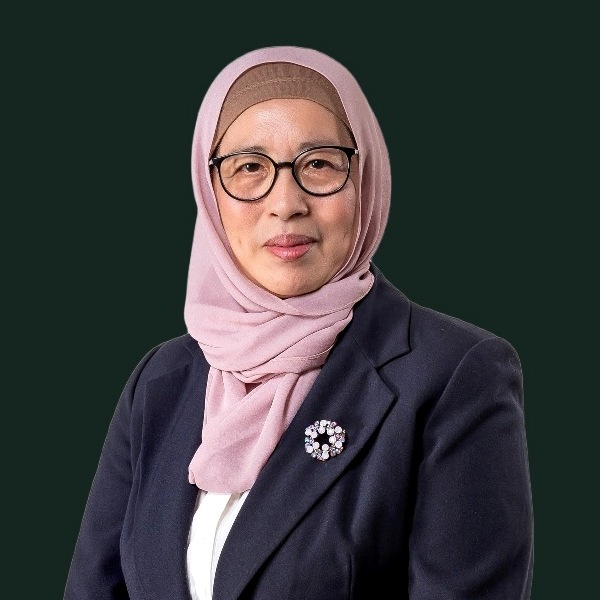
Pineapple Resources Bhd has appointed Datin Sabrina Ainie as its chairperson with immediate effect, according to a filing with Bursa Malaysia. The retailer of computers said Sabrina, 61, is a legal professional with more than 30 years of experience in corporate law, commercial law practice and conveyancing matters in general, bringing extensive legal and governance expertise to her new role. Chairperson of Pineapple Resources Bhd – Datin Sabrina Ainie. “Her practice and experience include advising clients at all stages of growth from startups and small and medium enterprises to listed corporations (both local and foreign parties) on matters ranging from cross border investments and joint ventures, negotiations, compliance, restructuring and legal risk management in the transactions,” the company said in the filing. Beyond her legal practice, the company noted that Sabrina has also served as an independent director in both public and public-listed companies, reflecting a strong track record in corporate governance and board-level decision-making. She currently sits on the board of several private companies, further underscoring her breadth of experience across different corporate structures and industries. Her appointment as chairperson is expected to bring valuable legal and strategic insight to Pineapple Resources’ board, particularly given her extensive background in advising businesses through various stages of growth, cross-border transactions and regulatory compliance. The appointment comes as part of the company’s ongoing efforts to strengthen its leadership team and board composition as it continues to navigate its operations within the competitive computer retail sector.

Investment & Market Trends

Alam Maritim CEO Remanded By MACC

Alam Maritim Resources Bhd’s shares tumbled nearly 12% in a single day of trading after news emerged that its group managing director and group chief executive officer, Datuk Azmi Ahmad, had been remanded by the Malaysian Anti-Corruption Commission (MACC). According to sources, Azmi was remanded to facilitate an ongoing investigation, although further details surrounding the nature of the probe were not immediately disclosed. In a filing with Bursa Malaysia yesterday, the offshore oil-and-gas services firm sought to reassure investors, stating that the remand did not constitute any finding of wrongdoing on the part of its top executive. The company emphasised that the matter remains under investigation and that no conclusions should be drawn at this stage regarding Azmi’s conduct or the company’s operations. “The board has taken the necessary measures to ensure continuity of the group’s operations and will make further announcements should there be any material development,” the company said in the filing, signalling its intent to keep shareholders and the wider market updated as the situation unfolds. Despite the reassurance, the news triggered a sharp sell-off in the counter, with the stock closing at 23 sen, its lowest level in nearly six months. The steep decline reflects investor concerns over potential leadership uncertainty and the broader implications the investigation could have on the company’s operations and reputation, even as the board moves to maintain business continuity during this period.

Lifestyle

Reframing Rehabilitation For Modern Lifestyles

For Physiogo, rehabilitation is not simply about treating an injury. It is about restoring something more fundamental: a person’s ability to move confidently, remain independent and participate fully in everyday life. Founder of Physiogo Sdn Bhd – Arif Yusuf. That philosophy is shaping the company’s evolution as it looks at rehabilitation as part of a wider approach to preventive care, recovery and long-term movement health. Physiogo serves a diverse patient base—from athletes recovering from injuries and working professionals managing musculoskeletal conditions to older adults seeking to preserve mobility and independence. Across these groups, the objective remains consistent: helping people regain function and return to the activities that matter to them.   Meeting a Growing Healthcare Need The role of rehabilitation is becoming increasingly relevant as lifestyles and demographics evolve. Sedentary behaviour, musculoskeletal conditions and an ageing population are contributing to greater demand for services that support mobility and independence. At the same time, patients are becoming more conscious of preventive healthcare and are seeking evidence-based, non-invasive approaches to managing physical limitations. Physiogo sees an opportunity to make rehabilitation more accessible while changing perceptions of when and why people seek movement care. Its strategic decisions are guided by three considerations: patient impact, operational efficiency and long-term sustainability. Investment is being directed towards expanding service capabilities, developing healthcare professionals, adopting digital solutions and strengthening partnerships with corporations, educational institutions and community organisations.   Growing Without Compromising Care For Physiogo, growth is not simply measured by the number of locations it operates or the revenue it generates. The company defines progress through its ability to reach more people while maintaining clinical standards, patient experience and quality of care. It deliberately avoids volume-driven expansion or short-term commercial opportunities that could compromise personalised treatment or professional standards. Maintaining that discipline becomes more challenging as the organisation grows. In its earlier stages, communication was direct and leadership had close visibility over daily operations. With scale comes greater complexity in maintaining consistent clinical standards, operational efficiency and organisational culture across different locations. Talent development has consequently become an important priority. Recruiting skilled professionals is only part of the equation; Physiogo also invests in structured training, mentorship and continuous professional development to maintain a consistent evidence-based and patient-centred approach. The company has gradually shifted from a founder-driven operating model towards a more structured organisation supported by standardised procedures, clearer governance, performance monitoring and stronger management capabilities.   Designing Rehabilitation Around Modern Life One of Physiogo’s more distinctive approaches is how it considers the rehabilitation experience itself. Its clinics are deliberately designed to feel contemporary, aesthetically considered and aligned with modern lifestyles rather than resembling a conventional medical environment. The thinking is practical as much as visual. Rehabilitation often requires repeated visits and sustained commitment. Creating an environment patients feel comfortable returning to can contribute to engagement, treatment adherence and the overall experience of recovery. Behind the physical environment sits a less visible layer of clinical discipline. Assessment, individual treatment planning, outcome monitoring and collaboration between therapists form part of each patient’s journey. Physiogo focuses on understanding a person’s condition alongside their lifestyle, objectives and challenges before developing a rehabilitation programme. This is supported by a culture of continuous learning, with therapists sharing knowledge, reviewing clinical outcomes and incorporating evidence-based practices into patient care. For Physiogo, the combination of clinical expertise, empathy and experience is an important differentiator.   Building a Wider Healthcare Role The company’s next phase is centred on becoming an integrated rehabilitation and movement healthcare provider, with a greater role across preventive care, recovery and long-term wellness. Rather than limiting its relationship with patients to individual treatment sessions, Physiogo sees opportunities to create a wider ecosystem connecting clinical care with technology, corporate wellness, community outreach and education. Collaborations with corporations, insurers, educational institutions and healthcare partners are expected to form part of this development, potentially extending access to rehabilitation services to a broader population. Achieving that ambition will also require continued internal transformation. Physiogo is strengthening its leadership pipeline, digital capabilities, data-driven decision-making and organisational systems to support consistent service delivery as it expands. The larger the organisation becomes, the more its performance will depend on strong people, processes and culture rather than individual effort. The direction reflects a wider shift in how rehabilitation can fit into modern healthcare. Movement care need not begin only after an injury or when physical limitations become severe. It can increasingly form part of how people manage their health, mobility and independence throughout different stages of life. For Physiogo, that is where the opportunity lies: making rehabilitation more relevant to the way people live today, while building an organisation capable of supporting how they want to live tomorrow.

ESG

BIG ONION® Builds Beyond Catering For Its Next Phase Of Growth

For BIG ONION®, food may be at the heart of the business, but its ambitions increasingly extend beyond what is served on the plate. The Malaysian company is evolving from its traditional catering base towards a broader ecosystem spanning facilities management, franchise development, central kitchen capabilities and hospitality solutions. The shift reflects a market where clients increasingly expect food service partners to deliver not only quality, but also operational efficiency, consistency and the ability to scale. Managing Director of Big Onion Food Caterer Sdn Bhd – Foo Kuan Liang. BIG ONION® sees this evolution as a response to a fundamental change in the industry: managing food operations today is as much about people, systems and experience as it is about the meal itself.   Building an Ecosystem Around Food One of the gaps BIG ONION® identified early was the shortage of reliable food service partners capable of combining quality with operational efficiency at scale. Clients increasingly needed more than a supplier. They required partners capable of understanding manpower requirements, customer experience, operational consistency and the realities of maintaining service standards across different environments. Those requirements have become more complex as ESG considerations, technology, workforce management and brand experience play a larger role in corporate decision-making. BIG ONION® has responded by broadening its capabilities. Through facilities management and franchise development, the company is looking to create food service ecosystems that can address operational challenges while providing a foundation for longer-term growth. This means thinking beyond individual projects towards systems that can be replicated and scaled.   Growth That Goes Beyond Revenue That approach is also shaping how the company defines growth. For BIG ONION®, becoming bigger is not necessarily the same as becoming stronger. Its focus is increasingly on building a business that can create sustainable value for clients, employees, partners and communities. Operational capability is central to that strategy. As the organisation expands into areas such as facilities management and franchise development, maintaining consistency across a larger network becomes increasingly challenging. Growth introduces complexity in manpower, communication, quality control and decision-making. It has required the company’s leadership to move from being predominantly hands-on operators towards building stronger structures, clearer processes and teams capable of taking greater responsibility. The transition is significant. Leadership in a growing organisation is no longer simply about overseeing daily execution; it is about creating an operating model capable of functioning effectively as the business becomes larger and more diverse.   The Work Behind the Experience Much of BIG ONION®’s competitive strength, it says, happens away from public view. Behind a catering operation, large-scale event, facilities management contract or franchise business sits considerable coordination. Manpower must be deployed, problems resolved quickly, standards maintained and different operational components brought together. The company’s emphasis on adaptability and execution has therefore become an important part of its proposition. Its ability to respond under pressure while maintaining quality and client confidence is supported by the systems, processes and people behind each operation. In this sense, BIG ONION® views its competitive advantage not simply as the food it produces, but the operational ecosystem surrounding it.   Putting Sustainability Into Operations Sustainability is becoming another component of that ecosystem. Over the past 12 to 18 months, BIG ONION® has strengthened ESG practices across its operations, including more efficient resource management, efforts to reduce unnecessary wastage, increased adoption of paperless processes and improvements in operational planning. The company has also invested in systems, process improvements and employee development despite recognising that such investments may not produce immediate returns. It reflects a longer-term view of sustainability—one that connects responsible practices with operational resilience rather than treating ESG as a separate corporate exercise.   Building for Regional Potential BIG ONION®’s next phase will see it work towards becoming a more integrated food, hospitality and facilities management ecosystem with regional potential. Facilities management, franchise development, central kitchen operations, ESG-driven initiatives and strategic partnerships are expected to form important parts of that expansion. But the company acknowledges that external growth will require internal transformation. Greater standardisation, stronger systems, leadership development and digital integration will be necessary if the business is to scale without losing the agility and execution capabilities on which it has built its reputation. For BIG ONION®, the next stage is therefore not simply about entering more markets or adding more services. It is about creating an organisation capable of supporting them. As the food and hospitality industry becomes more complex, the businesses positioned to grow may be those capable of looking beyond individual services and building the infrastructure around them. BIG ONION® is betting its next chapter on exactly that.  

Investment & Market Trends

EPF Adds 441,846 New Members In 1H 2026, Total Hits 18.5 Million

The Employees Provident Fund (EPF) registered 441,846 new members in the first half of 2026 (1H 2026), bringing total membership to close to 18.5 million. In a statement today, EPF said active members — those who contributed at least once in the last 12 months — rose to 10.9 million, improving the active-to-inactive ratio to 59:41. Active employers increased to 645,207 as at June 2026, following 37,265 new employer registrations during the quarter, it added. According to the Department of Statistics Malaysia, the unemployment rate stood at 3.0% in May 2026, with the country’s labour market showing moderate improvement in line with stable economic growth. Employment growth remained steady and unemployment stayed persistently low, even amid ongoing global trade and supply chain uncertainties. Meanwhile, EPF said total contributions rose 8.5% to RM33.87 billion in the second quarter ended June 30, 2026 (2Q 2026), up from RM31.21 billion in 2Q 2025. “For 1H 2026, voluntary contributions continued to gain momentum, increasing to RM14.15 billion. This reflects sustained member participation in voluntary savings, supported by EPF’s digital platforms, which provide members with seamless and convenient access to make voluntary contributions,” it said. EPF said total contributions from i-Saraan grew 15.7% to RM1.33 billion, while the number of Malaysian formal sector members contributing above statutory rates through i-Topup rose 13.9% year-on-year to close to 204,450 for 1H 2026.

Investment & Market Trends

Affin Bank, Baiduri Bank Expand Cross-Border Banking Ties

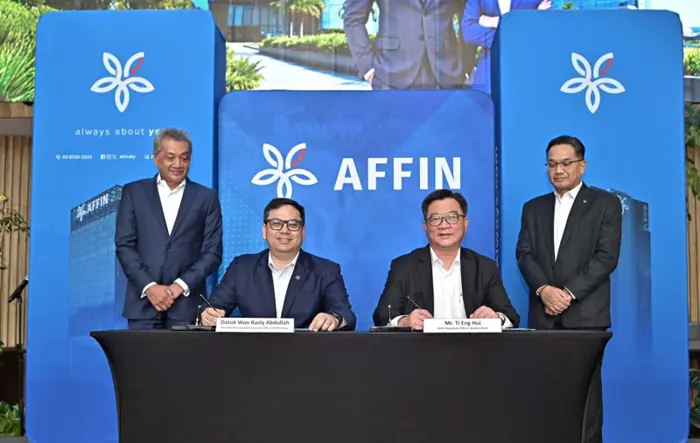
AFFIN Group (“AFFIN” or “the Group”) and Baiduri Bank, Brunei Darussalam’s largest conventional bank and a member of the Baiduri Bank Group, one of the country’s leading providers of financial products and services, have signed a Memorandum of Understanding (MoU) to expand banking cooperation between Malaysia and Brunei Darussalam and broaden business opportunities for customers in both markets. The partnership brings together AFFIN’s banking capabilities and network in Malaysia with Baiduri Bank’s strong domestic franchise and market expertise in Brunei, establishing a more direct financial corridor for businesses pursuing trade, investment and expansion across the two countries. The MoU was signed by Datuk Wan Razly Abdullah, Ppresident and group CEO of AFFIN Group (seated, left), and Ti Eng Hui, CEO of Baiduri Bank, and witnessed by Ak Nor Muhammad Nizam Pg Haji Tengah, head of institutional banking, Baiduri Bank, and Hasli Hashim, chairman of Affin Hwang Investment Bank Bhd. Under the MoU, both institutions will explore collaboration across commercial and retail banking, financing, trade finance and treasury, as well as investment services including investment banking, stockbroking, asset management and unit trusts. The partnership aims to broaden opportunities to facilitate transaction flows, generate new business and expand access to financial solutions for customers in both markets. The collaboration comes as economic ties between the two neighbouring ASEAN nations continue to deepen. Brunei remains one of Malaysia’s key trading partners, with bilateral trade valued at RM5.8 billion in 2025 and RM2.4 billion in the first half of 2026. Both countries have identified further cooperation across trade and investment, energy, connectivity, agriculture, tourism and the halal economy, alongside closer economic links between Brunei, Sabah and Sarawak, creating a broader commercial landscape for businesses, capital flows and commerce across the region. AFFIN’s trade finance capabilities were recently recognised with the Malaysia Domestic Trade Finance Bank of the Year award at the Asian Banking & Finance Wholesale Banking Awards 2026, as well as Best Trade Finance Bank Malaysia at the Global Banking & Finance Review Awards 2026. The group was also included in the Fortune Southeast Asia 500 for the third consecutive year, underscoring the strength and credibility of the platform it brings to the partnership. Datuk Wan Razly Abdullah, President and Group Chief Executive Officer of AFFIN Group, said Malaysia and Brunei share strong economic and commercial ties, with significant potential to deepen business and investment flows between the two markets. “AFFIN brings together conventional and Islamic banking, investment banking, asset management and wealth under one roof. Combined with Baiduri Bank’s established franchise in Brunei Darussalam, this gives us greater breadth to meet our customers’ financing, investment and wealth needs,” he said. “This MoU creates a platform to expand cross-border connectivity and connect customers to new opportunities. With economic linkages between Malaysia and Brunei Darussalam continuing to grow, including across Borneo, and Visit Brunei Year 2027 on the horizon, we see ample scope to deepen commercial activity and create sustainable value for both institutions,” he added. Ti Eng Hui, Chief Executive Officer of Baiduri Bank, said Brunei and Malaysia already share deep economic, business and people-to-people ties. “As opportunities across Malaysia, in particular Borneo, continue to expand, AFFIN Group and Baiduri Bank are well placed to strengthen those connections and create greater opportunities for businesses and customers in both markets,” he said. The collaboration aligns with the AFFIN Axelerate 2028 (AX28) Plan, which is anchored on three strategic pillars: Unrivalled Customer Service, Digital Leadership, and Responsible Banking With Impact, supporting AFFIN’s ambition to deliver innovative customer propositions and capture new growth opportunities. The MoU was signed by Datuk Wan Razly Abdullah and Ti Eng Hui, and witnessed by Ak Nor Muhammad Nizam Pg Haji Tengah, Head of Institutional Banking at Baiduri Bank, and Hasli Hashim, Chairman of Affin Hwang Investment Bank.

Investment & Market Trends

DXN Invests RM77mil In Brazil Expansion

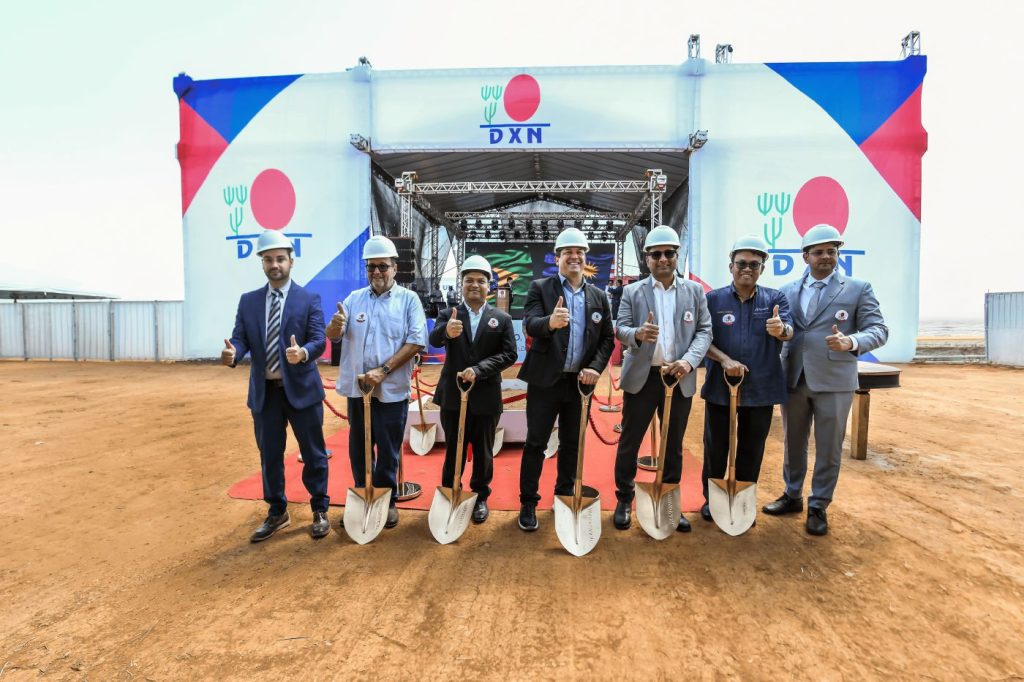
DXN Holdings Bhd is ramping up its manufacturing presence in Latin America with a new facility in Brazil, where it will invest at least 100 million Brazilian reals (about RM77 million) over five years. In a statement, the wellness products manufacturer said the new facility in Ibiá, Minas Gerais, is expected to become its largest manufacturing base in Latin America, strengthening its ability to serve Brazil and other markets in the region. Latin America is DXN’s largest revenue contributor, accounting for 61.2% of the company’s revenue, or about RM1.2 billion, for the financial year ended Feb 28, 2026. The region had roughly 4.8 million captive consumers as at July 31, underscoring its importance to the company’s long-term growth strategy. DXN Holdings Bhd has announced the groundbreaking of its new manufacturing facility in Ibiá, Brazil, marking a significant step in the Company’s continued expansion of its manufacturing footprint across Latin America. The facility is being built on a 100,745-square-metre site provided by the Municipality of Ibiá under a conditional land donation arrangement. Construction is targeted for completion by September 2029, with production expected to begin by the end of the year. DXN executive director and group chief executive officer Prajith Pavithran said the investment would allow the company to manufacture closer to its customers, improving product availability while shortening supply routes and enabling faster responses to shifts in demand. “This investment reflects our confidence in Latin America and our commitment to building the capabilities needed to support the region’s long-term growth. Once operational, the Brazil facility will provide greater flexibility to develop and introduce products tailored to Brazilian and regional consumer preferences,” he said. DXN said the facility will also strengthen its vertically integrated supply chain, with raw materials sourced from both its own agricultural operations and local suppliers. Among them will be Arabica coffee beans from DXN’s 155.8-hectare plantation in Ibiá, linking the company’s upstream cultivation activities with its downstream manufacturing. According to Ibiá mayor Gillianno Mamao, the facility is expected to create between 200 and 250 direct and indirect jobs. The Brazil investment is part of DXN’s broader RM500 million capital expenditure programme to expand manufacturing capacity across multiple regions. The company currently operates two manufacturing facilities in Mexico and is also developing facilities in Peru and Bolivia. DXN held the groundbreaking ceremony for its Peru facility in September 2025, followed by its Bolivia facility in April this year. With the addition of the Brazil facility, DXN will have a more localised manufacturing network spanning four key Latin American markets, which could help reduce supply chain lead times and offer greater flexibility to tailor products to regional demand. The expansion follows DXN’s earlier memorandum of understanding with Apex Brasil to support its broader investment plans and deepen its operating presence in Brazil. Malaysia External Trade Development Corporation trade commissioner to Brazil, Amirul Azman Ahmad, said the investment reflects the growing internationalisation of Malaysian companies and their shift beyond exports and distribution toward local manufacturing and integration into regional supply chains. “The development of a significant manufacturing base in Brazil demonstrates how Malaysian companies can progress beyond exports and distribution towards deeper localisation, manufacturing and integration into regional supply chains,” he said.

Investment & Market Trends

Industronics Files Police Report Over HK$96mil Receivables

PN17-listed Industronics Bhd has lodged a police report and removed former executive director Liu Wing Yee Amy from all positions within the group after discovering more than HK$96 million in trade receivables concentrated among a small number of customers at its Hong Kong subsidiary, ECGO International Ltd. In a filing with Bursa Malaysia, Industronics said it will conduct a detailed forensic review of past transactions, fund flows, banking records and receivables to establish the facts, assess potential recovery and determine the necessary legal, regulatory and governance actions. The company said the transactions, recoverability of the receivables and any potential impairment or recovery remain subject to further verification and review. Liu had resigned as an executive director on Sept 19, 2024, according to Industronics’ latest annual report. ECGO is the group’s only active Hong Kong subsidiary. Its main activities include watch trading and cloud computing services. ECGO contributed HK$73.11 million, or RM39.65 million, to the group’s revenue in the financial year ended Dec 31, 2025 (FY2025), down from HK$91.06 million a year earlier due mainly to weaker watch sales. Industronics has since stopped its main business activities and watch trading operations in Hong Kong. The group reported zero revenue in its latest quarterly results for the first quarter ended March 31, 2026. The company said it is still too early to determine the financial impact of the issue or how much of the receivables can be recovered. It also stressed that no conclusion has been made that any individual had committed an offence or wrongdoing. The latest development adds to Industronics’ financial challenges. The company was recently classified as a Practice Note 17 (PN17) company after its auditor, UHY Malaysia PLT, issued a disclaimer of opinion on its FY2025 financial statements. The auditor raised concerns over the group’s inventories, trade and other receivables, revenue and cost of sales, citing gaps in documentation, an incomplete audit scope and limited access to financial information. It also said Industronics’ ability to continue as a going concern depends on the successful execution of new ventures and financial support from related parties. Separately, substantial shareholder Bluemount Investment Fund has filed a lawsuit against Industronics and certain directors or officers, seeking up to US$5.152 million. Industronics said on Wednesday that it had borrowed US$4.6 million from Bluemount in March 2025 for 36 months at an annual interest rate of 12%. The funds were mainly intended for a proposed pre-initial public offering investment in AMES Hotel or other agreed investments. Bluemount is seeking repayment of the loan and accrued interest. Industronics said it does not admit to any breach or default, and no liability has been determined by the court. Bluemount holds a 6.789% stake in Industronics. Industronics shares were unchanged at three sen on Wednesday, giving the company a market capitalisation of RM21.2 million

Scroll to Top

Subscribe
FREE Newsletter