Author name: exchangemsia_admin

Energy & Technology

Meta Bright Expands Electrical Engineering Business Through Acquisition

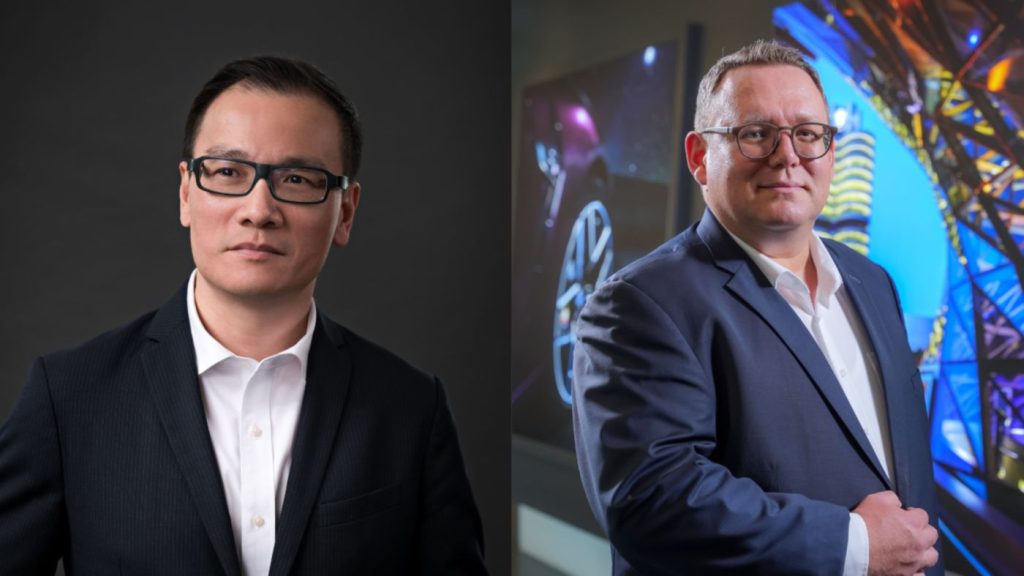
Meta Bright Group Bhd is acquiring a 70% stake in TTOP Industrial & Engineering Sdn Bhd (TIESB) for RM9.29 million as part of its expansion into higher-margin electrical engineering services. The acquisition will be funded through RM1 million in cash and RM8.29 million via the issuance of 51.8 million new shares priced at 16 sen each, according to the group’s statement on Wednesday. The deal includes a cumulative profit guarantee of RM15 million over five years. This follows a Heads of Agreement signed in March with vendor Teo Hin Wee to acquire stakes in several electrical engineering-related businesses, including TIESB. TIESB specialises in low- to high-voltage electrical works for distribution and transmission services, supporting industrial plants and commercial facilities across maintenance, upgrading and expansion projects. Meta Bright, formerly known as Eastland Equity Bhd, said the acquisition marks a strategic move to transform the group from a green energy asset investor into a fully integrated energy solutions provider. The group said the acquisition would enable it to expand beyond conventional solar projects into higher-margin segments such as substation design, EV charging infrastructure, transmission engineering solutions and electrical infrastructure maintenance. TIESB currently has an active secured contract book worth RM23.6 million. The company also holds several Petronas licences covering 15 categories of work and equipment, including a Petronas Sarawak Bhd licence, which broadens its project opportunities in East Malaysia and the oil and gas sector. Meta Bright executive director of corporate and strategic planning Derek Phang Kiew Lim said the acquisition strengthens the group’s position in the fast-evolving energy transition space. “The global energy landscape is changing quickly, and the push for energy transition is stronger than ever. By bringing TIESB into the group, Meta Bright is no longer just investing in renewable and energy efficiency assets; we are now a complete service provider capable of handling electrical-related projects,” he said. The acquisition is expected to be completed in the fourth quarter of 2026.

Investment & Market Trends

Batu Kawan Acquires 47.7% Stake In MKH, Launches Takeover Offer At RM2 Per Share

Batu Kawan Bhd, through its wholly-owned subsidiary Whitmore Holdings Sdn Bhd, has agreed to acquire a combined 47.7% stake in MKH Bhd from the Chen family for RM549.8 million, or RM2 per share. Following the acquisition, Batu Kawan will launch a mandatory general offer (MGO) for the remaining shares in MKH at RM2 per share. The group said it intends to privatise MKH if it manages to secure at least a 90% stake in the company. The acquisition also includes a 3.9% stake in MKH Oil Palm (East Kalimantan) Bhd (MKHOP). MKH and its subsidiaries currently hold a 65.3% stake in MKHOP. Once the MGO for MKH becomes unconditional, Batu Kawan will also be required to undertake an MGO for MKHOP at 64.78 sen per share. However, the group intends to maintain MKHOP’s listing status on Bursa Malaysia. According to Bursa Malaysia filings, Whitmore entered into unconditional and conditional share sale agreements with several members of the Chen family, investment vehicle Chen Choy & Sons Realty Sdn Bhd, and related parties. The acquisitions include a 29.6% stake in MKH valued at RM340.9 million and an additional 18.1% stake worth RM208.9 million, both priced at RM2 per share. The proposed MGO for MKH could cost Batu Kawan up to RM603.8 million, which will be financed through bank borrowings. In total, the group may spend up to RM1.15 billion to complete the privatisation exercise. The RM2 offer price represents a 20.5% premium over MKH’s last closing price of RM1.66, as well as a premium ranging between 37.34% and 57.22% compared with the stock’s historical volume-weighted average prices over different periods. Batu Kawan said the acquisition would strengthen and expand its earnings base in both the property development and plantation sectors. The group added that the enlarged business could unlock operational synergies by leveraging MKH’s landbank, project management expertise and plantation assets in East Kalimantan, Indonesia. The proposals are expected to be completed in the second half of 2026. Shares of MKH last closed at RM1.66, valuing the company at RM973.7 million, while Batu Kawan ended at RM20.88 with a market capitalisation of RM8.34 billion.

The Executives

Former TVB Actor Steven Ma Steps Down As CEO, Takes Vice-Chairman Role

Former TVB actor Steven Ma has stepped down from his role as chief executive officer of Metro Radio and is set to take on a new corporate position with healthcare company Hin Sang Group. Metro Radio announced on May 11 that the 54-year-old would be leaving the company for personal reasons, with his resignation taking effect on May 20. Shortly after the announcement, Hin Sang Group revealed that Steven will be appointed as vice-chairman, executive director and co-chief executive officer of the company. As Hin Sang Group is a publicly listed company, Steven’s remuneration package was disclosed in accordance with listing requirements. Media reports stated that he is expected to receive an annual salary of HK$2.52 million (approximately S$409,000), excluding bonuses and other incentives. Steven began his entertainment career in 1993 after signing with Hong Kong broadcaster TVB. He rose to prominence through several television dramas, including his role in the popular 1998 series The Duke of Mount Deer. After leaving TVB in 2012, he explored various ventures beyond acting, including studying Chinese medicine and operating tuition centres. In 2020, he completed an Executive MBA programme at Peking University. He later returned to collaborate with TVB in 2021, where he was invited to head the broadcaster’s artiste training department. In 2022, he was also elected as a co-opted member of the Art Form Sub-committee (Theatre) under Hong Kong’s Leisure and Cultural Services Department. Steven’s latest appointment marks another career transition as he expands his involvement in the corporate and healthcare sectors following years in the entertainment industry.

ESG

The Future Of Professional Identity: How LeafyCard Is Building The Infrastructure For Smart, Sustainable Networking

In today’s increasingly digitised economy, professional networking is quietly undergoing one of its biggest transformations in decades. For generations, the paper business card remained a fixed and unquestioned symbol of professional identity — printed, exchanged, stored, and often forgotten. Yet while businesses have rapidly embraced digital payments, AI-powered workflows, cloud ecosystems, and contactless interactions, the traditional business card has largely remained untouched by innovation. That is precisely the contradiction CardBiz identified when it launched LeafyCard in 2023. At a time when QR payments, e-wallets, and digital ecosystems were becoming deeply embedded into daily consumer behaviour, the company saw an opportunity not simply to digitise business cards — but to fundamentally rethink how professional identity itself should function in a digital-first world. In an interview with The Exchange Asia, the team behind LeafyCard shared how the company is positioning itself far beyond conventional digital networking solutions — building what it believes could become the next-generation infrastructure for intelligent, sustainable, and interoperable professional identity systems. From Paper Cards to Living Professional Identities According to CardBiz, the inspiration behind LeafyCard emerged during a defining global shift following the pandemic, where the world rapidly transitioned towards digital communication, contactless engagement, and mobile-first interaction. Yet despite this transformation, billions of paper business cards continued to be printed every year — exchanged once and frequently discarded shortly after. Xenia Lau, Head Of LeafyCard. “The gap we identified was not just technological, but behavioural and ecological,” Xenia Lau, Head Of LeafyCard explained. “People were already carrying smartphones capable of instant, dynamic, and trackable connectivity, yet professional networking still relied heavily on static paper cards.” Rather than creating a simple digital alternative, CardBiz envisioned LeafyCard as a “living professional profile” — one capable of evolving in real time alongside individuals and organisations. The platform was designed to integrate into modern digital ecosystems while offering measurable business value, real-time updates, analytics, and ESG-aligned functionality. The Biggest Barrier Was Never Technology — It Was Human Behaviour Despite Malaysia’s rapid adoption of QR technology and digital payments through platforms such as Touch ‘n Go, GrabPay, and Apple Wallet, convincing businesses to transition away from physical cards presented a very different challenge. “The greatest challenge has never been the technology — it has always been habit and perception,” Xenia remarked. In many Asian business cultures, the physical exchange of business cards carries symbolic significance, professionalism, and etiquette. Replacing that interaction with a QR code or phone tap requires a deeper behavioural shift. The company also highlighted what it describes as the “IT department problem” — where large organisations often require new digital tools to undergo procurement reviews, compliance checks, cybersecurity assessments, and internal governance approvals before implementation. At the same time, many senior professionals continue to operate under an “if it isn’t broken, why change it?” mentality after decades of networking through traditional methods. Rather than positioning LeafyCard as a disruption to business culture, CardBiz instead reframed the narrative. “We do not argue against tradition,” Xenia explained. “We position LeafyCard as an upgrade to what happens after the exchange — the follow-up, the analytics, the sustainability story, and the consistency of professional branding.” Building at the Intersection of ESG, Governance, and Digital Identity One of LeafyCard’s strongest differentiators lies in its ESG positioning. While many digital business card providers focus purely on networking convenience, CardBiz has built a broader enterprise-grade ecosystem through LeafyCorporate — specifically tailored for listed companies, GLCs, and organisations facing increasing ESG and governance expectations. The company emphasised that its platform enables corporations not only to digitise employee business identities, but also to generate quantifiable ESG data tied to sustainability reporting and carbon footprint reduction. For organisations under growing pressure from investors, regulators, and Bursa Malaysia’s sustainability reporting frameworks, these capabilities are becoming increasingly relevant. “When listed companies adopt LeafyCorporate, they are not simply replacing paper cards,” says Xenia. “They are reducing Scope 3 emissions, improving sustainability reporting capabilities, and demonstrating measurable environmental accountability.” The company further noted that traditional paper card production contributes to deforestation, chemical waste, and supply chain emissions — areas increasingly scrutinised within ESG reporting standards. What distinguishes LeafyCard further is its ability to convert these sustainability actions into reportable and auditable metrics — something traditional business cards could never offer. More Than a Digital Card — A Trusted Identity Layer While digital business cards represent the visible front-end of the platform, CardBiz revealed that its longer-term ambitions extend far beyond networking. “A digital business card is the entry point, not the destination,” said Xenia. What CardBiz is ultimately building is what it describes as a “portable, verified, and intelligent professional identity layer” — one capable of integrating into broader fintech, HR, onboarding, loyalty, procurement, and enterprise systems. The company envisions a future where professional identities become interoperable across multiple environments and use cases. In this ecosystem, a professional profile could eventually unlock loyalty privileges when entering partner venues, authenticate credentials for financial services, automatically populate procurement forms during supplier engagements, facilitate event access verification, and integrate seamlessly into onboarding and workforce management systems. According to CardBiz, the technology enabling these experiences already exists today. What has been missing is a trusted and intelligent identity infrastructure capable of connecting those experiences cohesively — something the company believes LeafyCard is building toward. Positioned Within a Digitally Mature Market Interestingly, CardBiz believes Malaysia’s digital maturity gives LeafyCard a competitive advantage rather than creating market saturation. Because consumers are already highly familiar with QR interactions and contactless engagement through digital payment ecosystems, the behavioural learning curve for LeafyCard adoption is significantly lower. The company also distinguishes itself clearly from payment or social platforms. “Payment platforms are transactional,” Xenia explained. “LeafyCard is relational. We facilitate professional connections that evolve over time.” This distinction positions LeafyCard within a unique space between networking, identity management, sustainability, and enterprise digitalisation. The company further highlighted its ecosystem credibility through collaborations and recognition involving Malaysia Digital Economy Corporation and the ESG Plus Awards, strengthening its positioning as more than merely a product provider.

The Executives

Watsons Appoints Fadhlullah Suhaimi As New Chairman

Watsons Malaysia has appointed former Malaysian Communications and Multimedia Commission (MCMC) chairman Datuk Fadhlullah Suhaimi Abdul Malek as its new non-executive chairman. Loh (right) congratulating Fadhlullah on his appointment as Watsons Malaysia non-executive chairman, effective May 15. The appointment of Fadhlullah took effect on May 15, 2026. Fadhlullah brings more than three decades of leadership experience across healthcare, telecommunications and national policy. He previously held senior roles at Telekom Malaysia Bhd. Watsons said his experience also includes involvement in national transformation initiatives at the Prime Minister’s Office, as well as advisory roles with governments internationally. Watsons Malaysia managing director and chief operating officer for Health & Beauty Asia, Caryn Loh, said: “With his extensive experience across healthcare, regulatory institutions and national transformation, we are confident he will provide valuable guidance as we accelerate our next phase of sustainable growth.” Fadhlullah currently serves on multiple boards across healthcare, telecommunications, education and financial services, and is chairman of the board of governors of Perdana University. He holds medical and public health qualifications, as well as a master’s degree in health management.

Energy & Technology

HE Group Lands RM86 Million Substation Project In Selangor

Electrical engineering service provider, HE Group Berhad (“HE Group” or the “Company”) through its wholly-owned subsidiary, Hexatech Engineering Sdn. Bhd., has accepted a Letter of Award totalling approximately RM86 million for the construction of a substation in Selangor. Under the scope, HE Group will construct a 132 kilovolts/33 kilovolts substation, with completion targeted by 31 October 2027. This contract is expected to contribute positively to the Company’s financial performance over its duration. Following the latest award, HE Group’s order book stood at approximately RM150 million as at 11 May 2026, providing the Group with a steady pipeline of works and earnings visibility. Managing Director of HE Group, Mr. Haw Chee Seng said, “This contract further strengthens our track record in undertaking power distribution system and substation related works, particularly involving critical electrical infrastructure. With multiple projects currently in hand, the latest award enhances our earnings visibility as we continue to pursue opportunities in high growth end-user industries. “At the same time, we are progressively expanding our exposure towards industries supported by long-term structural growth trends, particularly data centres, semiconductors, and renewable energy related infrastructure. Malaysia’s growing position as a regional digital and technology hub, alongside ongoing investments into the semiconductor supply chain and energy transition initiatives, provides a strong platform for us to secure further contracts in these segments,” he concluded.

News

MCMC And Huawei Malaysia Strengthen Digital Leadership Through Training Programme

The Malaysian Communications and Multimedia Commission (MCMC) and Huawei Technologies (Malaysia) Sdn. Bhd. (Huawei Malaysia) today celebrated 126 graduates from the second and third cohorts of the Digital Leadership Excellence (DLE) Programme, reinforcing efforts to strengthen Malaysia’s digital leadership capacity across government, academia and industry. Chairman of MCMC, Tan Sri Mohamad Salim Fateh Din and CEO of Huawei Malaysia, Simon Sun (centre) at the Digital Leadership Excellence (DLE) Programme Graduation Ceremony, with them are (L to R) Vice President of Huawei Asia Pacific Enterprise Sales Dept, Zac Chow; MCMC Commission Members, Prof. Dr Mohamad Salmi Mohd Sohod and Dato’ Sri Dr. Chee Hong Leong; MCMC Managing Director, Abdul Karim Fakir Ali; Senior Advisor, International Affairs of MCMC, Tan Sri Dato’ Sri Mohd Annuar Zaini; MCMC Commission Member, ⁠General (Rtd) Tan Sri Dato’ Sri Zulkifeli Mohd Zin and Deputy CEO of Enterprise Business Group, Huawei Malaysia, Du Xianjun. The second and third cohorts completed the four-month intensive hybrid learning programme in 2025, with 60 senior leaders completing the programme in June, followed by a further 66 in October. Together with the inaugural cohort in 2024, which produced 50 graduates, the DLE Programme has now trained a total of 176 digital leaders nationwide. The fourth cohort is currently underway, while the fifth cohort is expected to conclude by the end of the year, bringing the programme closer to its target of training 300 digital leaders by 2026. The graduation ceremony saw the graduates receive their scrolls from MCMC Chairman, Tan Sri Mohamad Salim Fateh Din, and Huawei Malaysia CEO, Mr Simon Sun. MCMC recognises the importance of partnerships such as the DLE Programme in strengthening Malaysia’s digital leadership capacity and supporting responsible, impactful digital transformation. Initiatives such as DLE help strengthen cross-sector collaboration and equip leaders with the skills and perspectives needed to navigate an increasingly digital future. MCMC remains supportive of collaborative efforts that help translate national ambitions into meaningful outcomes for the country. “At its core, digital transformation calls for leaders who can look beyond technology itself and focus on how it can solve real problems, strengthen organisations or institutions and improve lives. This is the purpose of the Digital Leadership Excellence Programme,” said Huawei Malaysia CEO Mr Simon Sun at the graduation event. The programme focuses on applied leadership development, collaboration and immersive exposure to emerging technologies including 5G, artificial intelligence, cloud computing, big data, green technology and cybersecurity. Graduate Mohd Saiful Nizam bin Rahimi, Lead for Information and Application Architecture at Tenaga Nasional Berhad, described DLE as “an incredible opportunity to exchange ideas with industry peers, thought leaders and Huawei’s global experts”. He added, “The discussions and case studies inspired me to think more strategically about how technology can be leveraged to drive meaningful impact in our organisations and ecosystems.” From academia, senior lecturer at Universiti Sains Malaysia, Dr Norilmi Amilia from Cohort 2 said the initiative demonstrated how “true digital leadership starts with collaboration”, adding that DLE “unites minds to move nations forward.” From the industry sector, Danny Chan Tzu Zhung, Director of Regional Telecommunication Media and Technology Sector Specialist (Head) at CIMB Investment Bank said, “I shifted from passive supporter to active change-maker. DLE isn’t just a programme – it’s a movement uniting sectors to empower others.” Graduates also completed capstone projects addressing national priorities such as education, healthcare, talent development, financial security, agriculture and social inclusion, reflecting the DLE Programme’s emphasis on practical, solution-oriented leadership. Inspired by Prime Minister Dato’ Seri Anwar Ibrahim’s call for stronger digital leadership capabilities during the 2023 Malaysia ICT Summit hosted by Huawei Malaysia, the DLE Programme supports Malaysia’s aspirations for a resilient, inclusive and future-ready digital economy. The continued collaboration between MCMC and Huawei Malaysia through the DLE Programme reflects a shared commitment to nurturing future-ready leaders and supporting Malaysia’s long-term digital transformation agenda.

ESG

Dutch Lady Partners Pekat To Boost Renewable Energy Efforts

Dutch Lady Milk Industries Berhad (DLMI) has entered into a long-term Power Purchase Agreement (PPA) with Pekat Solar Sdn Bhd, a wholly-owned subsidiary of Pekat Group Berhad (Pekat), to accelerate its transition to renewable energy through the deployment of a rooftop solar system at its DLMI@Enstek manufacturing facility. Under the agreement, Pekat will design, install, own and operate the system, while DLMI will purchase the electricity generated. This model allows DLMI to adopt renewable energy without upfront capital investment, while enhancing cost predictability and long-term operational efficiency. The project will involve the construction and installation of solar panels across key buildings at the site, including the Distribution Centre (DC), Administration Building and Employee Parking area. Once operational, the system is expected to generate approximately 4.9 million kWh of renewable electricity annually, offsetting up to 24% of the plant’s total electricity consumption. Construction is expected to commence in June 2026, with operations projected to begin in December 2026. The project will run under a 15-year agreement, strengthening DLMI’s ability to manage energy cost volatility while supporting long-term business continuity. This initiative supports DLMI’s target to achieve a 30% reduction in emissions and energy intensity by 2030. It also aligns with Malaysia’s National Energy Transition Roadmap (NETR), reinforcing the private sector’s role in advancing the country’s renewable energy ambitions. DLMI Managing Director Veronika Utami said: “At DLMI, our responsibility goes beyond nourishing Malaysians with quality and nutritious dairy products. It also means doing so in a way that is sustainable for the future. “This partnership reflects a deliberate step in strengthening how we operate, reducing our environmental footprint while ensuring resilience in a changing energy landscape.” Pekat Group Chief Executive Officer Tai Yee Chee said: “This partnership with DLMI is more than a solar installation — it is a testament to what is possible when industry leaders take decisive action in building a more resilient and sustainable Malaysia. “Pekat is honoured to support DLMI in reducing its carbon footprint and driving energy cost efficiency. Together, we are demonstrating that sustainability and operational excellence are not trade-offs, but complementary pursuits that define the future of Malaysian manufacturing.” This collaboration reflects DLMI’s continued focus on strengthening its operations while building greater resilience into its business. As energy remains a critical input in manufacturing, initiatives like this position DLMI to take a more structured and forward-looking approach to powering its facilities. The company remains focused on delivering consistent quality and value to Malaysian consumers while ensuring its operations are fit for the long term.

Property

International Workplace Group Expands Flexible Workspace Presence In TTDI

International Workplace Group (IWG), the world’s largest platform for work and parent company of brands including Regus, HQ, Signature and Spaces, is strengthening its presence in Malaysia with the launch of a new Spaces centre at Republik TTDI in Taman Tun Dr Ismail, Kuala Lumpur. (L-R): Subha Thurairaja, Partner Sales Manager, IWG; Nik Ashman, Executive Director, Nik Ariff, Executive Director, and Datuk Abdul Ghani, Director, Kuala Sentral Point Sdn Bhd; and Vijayakumar Tangarasan, Country Head for Malaysia, Singapore and Brunei, IWG at the launch of Spaces Republik TTDI. The new centre is the result of a strategic partnership with Kuala Sentral Point Sdn Bhd, representing a pioneering shift for the local property landscape. By leveraging IWG’s global platform, Kuala Sentral Point is introducing a new way of working to the TTDI area, transforming its property into a hub for flexibility, creativity and collaboration. Spanning 24,700 sq ft, Spaces Republik TTDI offers a versatile mix of private offices, collaborative coworking areas, professional meeting rooms and dedicated creative zones. Designed to cater to a diverse range of industries — from professional services to creative arts and technology — the centre supports tailored workspace solutions, allowing businesses of all types and sizes to configure their workspace environment according to specific operational needs. Strategically located in the heart of TTDI, the centre provides seamless access to the Damansara-Puchong Highway (LDP) and is just a short walk from the TTDI MRT station. It is also in close proximity to major commercial hubs across the Klang Valley, making it a prime destination for companies of all sizes. This opening follows a year of significant growth for IWG in 2025, marked by its highest-ever revenue and the addition of 1,132 new centre signings and 782 openings globally. This growth is mirrored in Malaysia, where IWG now operates 48 centres across its four brands — Signature, HQ, Regus and Spaces — including 35 locations within Kuala Lumpur and Selangor alone. Mark Dixon, CEO and Founder of International Workplace Group PLC, commented: “We are establishing a stronger and much-needed footprint with this latest opening. As an important business hub, TTDI is a fantastic place for us to boost our expansion plans. “We are very pleased to work in partnership with Kuala Sentral Point Sdn Bhd to develop the Spaces brand under a management agreement that will add a cutting-edge workspace to their building. “This new opening comes at a time when more and more companies are discovering that flexible and platform working is incredibly popular with employees, improving their work-life balance and satisfaction, while also providing a multitude of benefits to companies. “Our workplace model is proven to increase productivity and allows for a business to scale up or down at significantly reduced costs while providing access to thousands of locations.” Vijayakumar Tangarasan, IWG Country Head for Malaysia, Singapore and Brunei, said: “We continue to see strong demand for high-quality flexible workspace solutions, particularly in well-connected neighbourhoods like TTDI. “With its accessibility and established business community, Republik TTDI offers an attractive environment for companies that are looking to balance convenience with a more dynamic way of working.” As hybrid working becomes a permanent fixture of the corporate landscape, research underscores its advantages. Studies conducted by IWG in collaboration with workplace consultancy Arup indicate that hybrid models can boost productivity by up to 11% while significantly optimising operational costs. Industry projections suggest that up to 30% of all office space could be flexible by 2030. Nik Ashman, Executive Director of Kuala Sentral Point Sdn Bhd, added: “We are excited to welcome IWG’s Spaces brand to Republik TTDI as part of our vision to create a dynamic and connected business community. “This partnership introduces a new way of working to the area — one that blends flexibility, creativity and convenience for businesses looking to grow and collaborate.” Through its global network of over 5,000 locations across more than 120 countries, IWG continues to lead the transition toward a more scalable and adaptable workspace ecosystem. For more information, visit International Workplace Group

ESG

CelcomDigi Seeks High-Calibre Young Malaysians For Its Young Talent Programme

CelcomDigi Berhad (“CelcomDigi”) has opened applications for the second cohort of the CelcomDigi Young Talent Programme (YTP), a structured two-year career acceleration initiative designed to develop high-potential Malaysian talents into future digital leaders. As part of the company’s commitment to advancing Malaysia’s digital ambitions, CelcomDigi YTP is designed to develop talent with strong technical depth, business acumen and leadership capabilities. The programme is intended for individuals who are ready to be challenged early in their careers and contribute to customer-centric, data-driven and commercially impactful outcomes in a dynamic telco-tech environment. Azmi Ujang, CelcomDigi Chief Human Resources Officer, said: “The pace of digital transformation today requires a different kind of talent — individuals who are technically strong, commercially aware, adaptable, and able to continuously learn and evolve in a dynamic environment. “Through CelcomDigi YTP, we are intentionally building a pipeline of digital talent who can help shape how technology creates meaningful impact for customers, businesses and the nation. “Unlike a conventional graduate programme, CelcomDigi YTP is designed as an accelerated platform for young talent to build deep expertise, gain meaningful exposure to real business challenges, and develop alongside teams driving some of CelcomDigi’s most important transformation priorities.” Applications Open for Second CelcomDigi YTP Intake Following strong interest in its inaugural intake, which attracted close to 3,600 applications for just 20 placements, the company is once again seeking exceptional young Malaysians who are ready to thrive in fast-moving environments and contribute to real business impact. Applications are open from May 13 to July 3, 2026 for Malaysian graduates and young professionals with less than two years of working experience. Successful applicants will undergo structured rotations across one of five specialised competency streams: Cloud Engineering Cybersecurity Data & Business Analytics Digital Product Development AI & Automation Throughout the two-year journey, participants will work alongside experienced teams and leaders on real-world business challenges and technology solutions supporting CelcomDigi’s ongoing transformation as a 5G- and AI-enabled company. CelcomDigi YTP is part of the company’s broader talent development effort under CD:NXT — the company’s long-term strategic initiative aimed at building a future-ready digital workforce for Malaysia. Through continued investment in high-potential young Malaysians, CelcomDigi aims to strengthen the nation’s capabilities in key areas such as AI, technology, data and analytics, while supporting the country’s long-term digital growth and competitiveness. Interested candidates can apply and find out more at CelcomDigi Young Talent Programme

Scroll to Top

Subscribe
FREE Newsletter