Author name: theexchangeasia admin

Energy & Technology

Pepper Labs Marks 11 Years, 50,000 AI Learning Opportunities Delivered

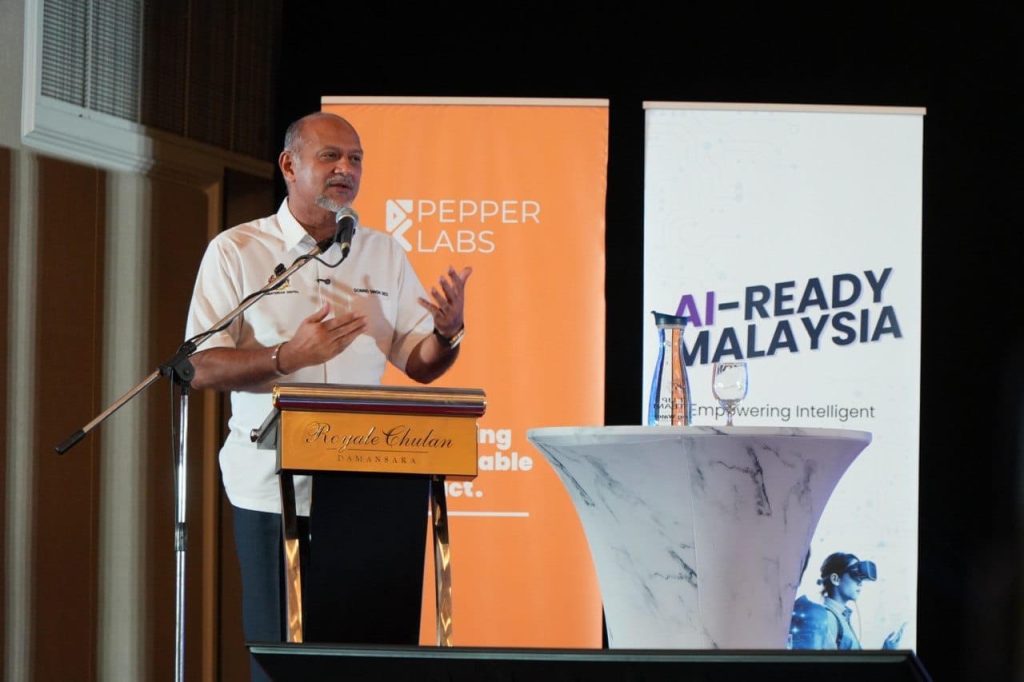
Pepper Labs today officially launched 50,000 AI learning opportunities for Malaysians under the AI-Ready Malaysia initiative, marking one of the country’s largest industry-led efforts to accelerate artificial intelligence (AI) readiness while strengthening Malaysia’s sovereign AI capabilities and expanding the adoption of agentic AI solutions across government, businesses and communities. YB Gobind Singh Deo, Minister of Digital, delivering his address at the AI-Ready Malaysia Summit 2026, highlighting the importance of making AI knowledge and capabilities accessible to every Malaysian. The launch also coincides with Pepper Labs’ 11th anniversary, underscoring the company’s evolution from a social impact enterprise into one of Malaysia’s leading AI companies spanning workforce development, sovereign AI platforms and enterprise AI transformation. The initiative was officially launched by Gobind Singh Deo, Minister of Digital, during the AI-Ready Malaysia Summit 2026 held at Royale Chulan Damansara, bringing together leaders from government, industry, academia and the technology ecosystem to accelerate Malaysia’s AI ambitions. Funded through a regional initiative by AVPN with support from Google.org and the Asian Development Bank (ADB), the nationwide initiative will provide 50,000 Malaysians, including university students, educators and micro, small and medium enterprises (MSMEs), with practical AI capabilities that strengthen workforce readiness, business productivity and responsible AI adoption. Launching the initiative, Gobind said Malaysia’s digital transformation must be accompanied by efforts to ensure AI knowledge and capabilities are accessible to every Malaysian. “Artificial intelligence is no longer a technology of the future—it is transforming the way we live, work and do business today. As Malaysia accelerates its digital transformation, it is crucial that every Malaysian has the opportunity to acquire AI skills and participate meaningfully in the digital economy. The launch of these 50,000 AI learning opportunities demonstrates the importance of strong collaboration involving government, industry and development partners in building an AI-ready nation, while ensuring that the benefits of AI are inclusive and accessible to all.” Beyond workforce development, Pepper Labs also announced a strategic collaboration with MyDIGITAL Corporation to bring digital skills training closer to the rakyat, expanding access to practical learning opportunities that empower Malaysians to participate confidently in the digital economy. YB Gobind Singh Deo officially launching 50,000 AI learning opportunities under the AI-Ready Malaysia initiative, marking a significant step towards accelerating AI readiness across Malaysia. The summit also showcased Bisnes.ai, Pepper Labs’ sovereign AI-powered business support platform built specifically for Malaysian micro-entrepreneurs, SMEs and community businesses. More than a chatbot, Bisnes.ai functions as an AI business assistant that helps users generate business documents, quotations and invoices, analyse forms and images, create marketing content, manage customer interactions and provide guidance based on Malaysian regulations, grants and business best practices. Designed with sovereign AI infrastructure, human oversight and auditability at its core, the platform makes enterprise-grade AI accessible to businesses of all sizes. Building on its growing portfolio of enterprise AI capabilities, Pepper Labs also highlighted its expanding suite of over 40 Agentic AI solutions that help ministries and government agencies automate complex knowledge-intensive work while maintaining governance and human oversight. Its AI solutions include intelligent policy and knowledge assistants, parliamentary intelligence, grant assessment and decision support, enterprise document intelligence, project and command centre dashboards, as well as autonomous workflow orchestration that enables AI agents to retrieve information, analyse evidence, generate recommendations and coordinate tasks across multiple business processes. These solutions are designed to transform how organisations access knowledge, evaluate information, monitor programmes and make decisions by reducing manual effort, improving accuracy and enabling faster, evidence-based outcomes while ensuring every recommendation remains transparent, traceable and subject to human approval. Together, they demonstrate Pepper Labs’ vision of responsible sovereign AI that augments people, rather than replacing them, across both the public and private sectors. YB Gobind Singh Deo with industry leaders, partners, K-Youth participants and attendees at the AI-Ready Malaysia Summit 2026, bringing together key stakeholders to accelerate Malaysia’s AI ambitions. As Malaysia accelerates its national AI agenda, Pepper Labs continues to expand its role across the AI value chain, from developing future-ready talent and empowering businesses to delivering sovereign AI platforms and agentic AI solutions that enable organisations to work smarter, make better decisions and accelerate digital transformation. Through strategic partnerships across government, industry and the innovation ecosystem, the company remains committed to building AI that is practical, trusted and designed for Malaysia.
The Executives

INCEIF University Board Member Dato’ Izani Ghani Honoured With Kelantan Royal Award

INCEIF University has congratulated its Board Member, Dato’ Izani Ghani, on receiving the “Darjah Kebesaran Jiwa Mahkota Kelantan Yang Amat Mulia” (DJMK) from the Sultan of Kelantan, HRH Sultan Muhammad V. In a statement, INCEIF said the recognition reflects the calibre of leadership guiding the university, noting that its Board of Directors and University Senate comprise prominent regulators, scholars and industry leaders who help position INCEIF as a knowledge and thought leader in Islamic finance and the sustainability agenda. “This esteemed recognition reassures our confidence in having the right leadership for INCEIF,” the university said. The DJMK is a state honour conferred by the Sultan of Kelantan in recognition of individuals who have made significant contributions in their respective fields. INCEIF University, Malaysia’s global university of Islamic finance, has continued to draw on the expertise of its board and senate members to strengthen its role in shaping Islamic finance education and research.

Lifestyle

Deemples Launches Malaysia’s First Fully Digital Golf Membership

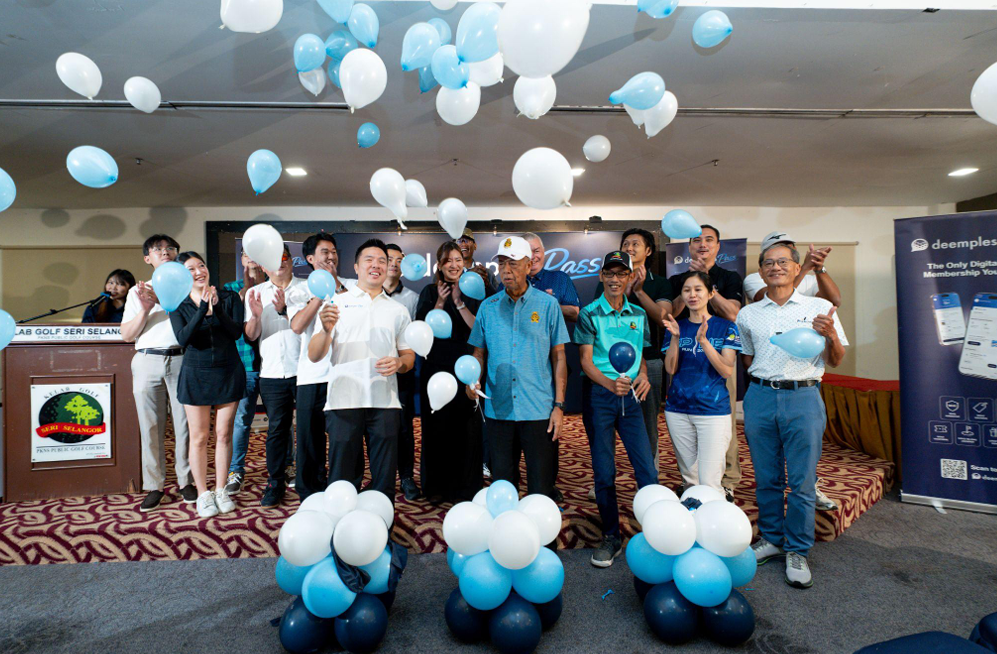
In collaboration with the Malaysian Golf Association (MGA), Deemples introduces an all-new earn-as-you-play membership that combines exclusive golf benefits, official WHS handicap services and lifestyle privileges into a single app. Deemples, Southeast Asia’s leading golf booking and community platform, has launched Deemples Pass, a fully digital golf membership designed to reward golfers for every round they play while supporting their journey from casual play to competitive golf. Developed in collaboration with the Malaysian Golf Association (MGA), Deemples Pass brings together golf rewards, recognised handicap services and lifestyle privileges through a single membership managed entirely within the Deemples app. The launch comes as the golf industry continues to explore new ways to encourage participation and strengthen golfer engagement. As players increasingly look for greater value from their leisure and fitness activities, memberships that reward participation while supporting progression in the sport are becoming increasingly relevant. For almost a decade, Deemples has connected golfers with tee times and playing partners across Southeast Asia. With Deemples Pass, the platform is expanding beyond golf bookings to offer a more integrated membership experience that combines digital convenience, rewards and recognised golfing credentials. “Deemples was built to solve a very simple problem: helping golfers find other people to play with. As golfers spend more time with the sport, they want an experience that gives them more than just a round of golf,” said David Wong, Founder and CEO of Deemples. “With so many activities competing for people’s time today, Deemples Pass was created to give golfers more reasons to stay connected to the game they love, rewarding them every time they play and making every round count.” Supporting Golfers From Casual Play to Competition A key feature of Deemples Pass is its collaboration with the Malaysian Golf Association (MGA), which enables eligible members to obtain a recognised World Handicap System (WHS) handicap. The WHS service allows golfers to accurately track their progress and supports their participation in amateur competitions in Malaysia and internationally. “Deemples has built one of the most active golf communities in the region and we are proud to collaborate with them on World Handicap System (WHS) recognition through Deemples Pass,” said Admiral (R) Tan Sri Mohd Anwar Mohd Nor, President of the Malaysian Golf Association (MGA). “Through Deemples’ marketing reach and digital distribution, we have an opportunity to introduce the official WHS to more golfers than ever before, helping to strengthen player development and foster greater participation in competitive golf.” What Deemples Pass Offers Deemples Pass is designed to provide value throughout a golfer’s journey, with key benefits including: Fully digital membership: The membership is managed through the Deemples app, eliminating the need for a physical membership card. Earn-as-you-play rewards: Members can access greater discounts, higher cashback on tee-time bookings, golf vouchers and member-only benefits as they play more often. Official WHS handicap services: Eligible members can obtain a recognised WHS handicap through Deemples’ collaboration with MGA, supporting participation in amateur competitions locally and internationally. Golf and lifestyle privileges: Members can access exclusive offers from participating golf courses, resorts and selected lifestyle partners through a single membership. Backed by Golf Courses and Lifestyle Partners Deemples Pass has also attracted participation from golf courses and industry partners, with clubs and brands offering exclusive privileges and bespoke vouchers to members. Among the participating partners is Mizuno, which is leveraging Deemples’ golfer community to connect with engaged players through exclusive member privileges. Seri Selangor Golf Club has also continued its collaboration with Deemples, using its booking technology and marketing capabilities to attract golfers, improve course utilisation and encourage repeat play. Meanwhile, Kelab Rahman Putra Malaysia (KRPM) sees the partnership as an opportunity to introduce a new generation of golfers to the club while maintaining the experience valued by its existing members. “Our partnership with Deemples has helped us do exactly that by introducing more golfers to our club during tee times that would otherwise be underutilised, while preserving the experience our members value,” said Jack Loi, Captain of Kelab Rahman Putra Malaysia. “Deemples Pass builds on this by making it even easier to welcome prospective members in a way that benefits golfers without compromising the exclusivity of club membership.” Growing Network of Deemples Pass Partners As of 30 July 2026, participating Deemples Pass partners include Be Golf Pro, Genesis Range @ Bangi Golf Resort, Miracles Golf, Seri Selangor Golf Club, Capri by Fraser Bukit Bintang, GSF Fitting Studio, Mizuno, Shoe Mo, Hard Rock Hotel Desaru Coast, CuciShoes, DELON, Kelab Rahman Putra Malaysia (KRPM), Pin High, Watatime, The Club by M Foremost, Four Points by Sheraton Desaru, Wedge Range, Health Oasis, Malaysian Golf Association (MGA), LIIT Hydration, Ramada Meridin Johor, Semarak Range @ Cyberjaya, Apple Physio, Wedge Essentials, EQ Kuala Lumpur, Penang Golf Club, Hawa Golf, Selesa Golf Course and Kelab Rekreasi Tentera Udara (KRTU). Now Available on the Deemples App Deemples Pass is now available as an optional annual subscription through the Deemples app on iOS and Android. Existing Deemples users can upgrade their membership directly through the app, while new users can register and subscribe digitally. For more information, golfers can visit deemples.com or download the Deemples app.

The Executives

Bintulu Port Appoints Ex-Petronas Executive Anuar Ismail As New Group CEO

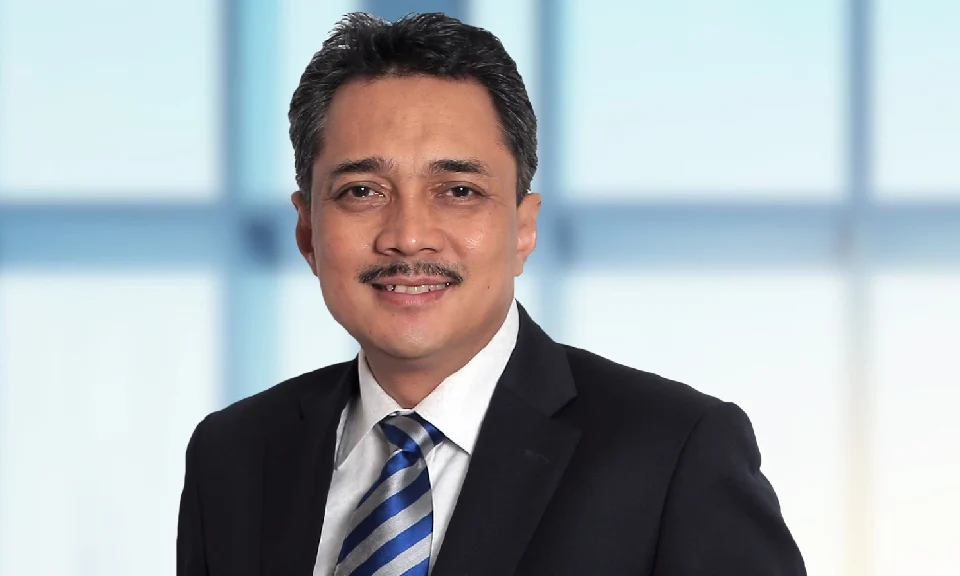
Sarawak-owned Bintulu Port Holdings Bhd has appointed former Petroliam Nasional Bhd (Petronas) executive Anuar Ismail, 57, as its new group CEO, effective Aug 17, 2026. He takes over from Datuk Ruslan Abdul Ghani, 59, who is departing to join Sarawak Energy Bhd. Bintulu Port Holdings has yet to announce a successor for the president role, which Ruslan had held since December 2024 following an organisational restructuring. According to a filing, Anuar most recently served as head of state relations at Petronas. He previously held several senior positions within the national oil company, including head of integrated hydrocarbon management at Malaysia Petroleum Management, head of Sarawak assets at Petronas Carigali, and chairman and country head of Petronas South Sudan. New group CEO of Bintulu Port Holdings Bhd Anuar Ismail. Anuar holds a bachelor’s degree in electrical engineering from Case Western Reserve University in the US. The leadership change comes just over a month after Bintulu Port Holdings completed its transition to state ownership under the Sarawak government, via a tripartite agreement signed by the federal government, the Sarawak government, and Bintulu Port Sdn Bhd. The agreement released the federal government from its obligations under the 1992 privatisation agreement governing the port, marking the end of Bintulu Port’s more than three decades as a federal port. Bintulu Port Holdings had earlier described the transition as one of the milestones under the Malaysia Agreement 1963 (MA63), with Bintulu Port Sdn Bhd continuing to operate the port. The Sarawak government remains the largest shareholder of Bintulu Port Holdings, holding a combined 41.71% stake through the State Financial Secretary Sarawak and Equisar Assets Sdn Bhd, while Petronas owns a 28.52% interest. On Ruslan’s departure, Bintulu Port Holdings said he “played a key leadership role in overseeing the successful transition of the port transfer from being a Federal port to a Sarawak port and ensuring Bintulu Port Sdn Bhd continues as the port operator of Bintulu Port.” Ruslan joined the port operator in September 2022 as group chief executive designate before being appointed group CEO in March 2023. During his tenure, he oversaw the company’s expansion into beyond-port businesses and low-carbon initiatives, while leading its digital transformation and sustainability agenda, the filing noted. At the noon break on Monday, Bintulu Port Holdings’ shares fell 16 sen, or 2.9%, to RM5.34, valuing the group at RM2.46 billion.

Lifestyle

1.6 Million Followers And A New Playbook For Beauty

Not long ago, building a major beauty brand followed a fairly predictable formula. Secure shelf space, invest heavily in advertising, recruit celebrity ambassadors and wait for consumers to discover the product. Social commerce has rewritten that playbook. Today, a brand can build its audience before it builds a retail footprint. Customers can discover a product, watch someone use it, ask questions, read reviews and complete a purchase without leaving the same platform. More importantly, they can become part of the community surrounding that brand. CEO and Founder of Armila Berhad – Puan Sharmila Johan. For Armila Berhad, this convergence of content, commerce and community has become central to its growth. Through its flagship beauty and wellness brand, Yolla+, the Malaysian company has built a digital audience exceeding 1.6 million followers on its main TikTok account, @kakell01, while generating more than RM2.6 million in sales through TikTok Shop alone. Those numbers are significant, but they tell only part of the story. Behind them is a company attempting to turn digital influence into something considerably harder to build: a sustainable consumer brand.   Wellness Without the White Coat Armila entered a beauty and wellness market already filled with supplements and self-care products. The opportunity it identified was not necessarily the absence of choice, but the way many of those choices were presented. Wellness could feel medicinal. Supplements could become another chore. Products designed to make people feel better did not always deliver an experience consumers actually enjoyed. Yolla+ approached the category differently. Its proposition centres on making beauty, wellness and self-care easier to incorporate into everyday routines while maintaining an emphasis on quality, safety and scientific credibility. At its core is a particularly lifestyle-driven idea: healthy habits are easier to sustain when people actually enjoy them. For a generation increasingly interested in the relationship between appearance, wellbeing and confidence, that positioning has allowed Armila to speak about beauty without restricting the conversation to how someone looks. The broader objective is confidence.   When Your Audience Becomes Your Focus Group Armila’s digital scale provides another advantage traditional consumer brands have historically spent considerable amounts of money trying to replicate: immediate access to the customer. A community of 1.6 million followers creates a continuous stream of reactions, questions, preferences and behavioural signals. The company can see which conversations resonate, identify emerging interests and understand how customers respond to products in close to real time. That intelligence feeds back into product and brand development. But virality alone does not make a dependable wellness company. Armila has therefore placed significant emphasis on the less visible side of the business: formulation, manufacturing and compliance. It works with GMP-certified manufacturing partners and formulation specialists under the guidance of Dr. Suhana of Ensu Life Sdn. Bhd., while its products carry relevant credentials including Halal certification, KKM approvals, NOT certifications and registered trademarks. Approximately 80% of Armila’s products are currently manufactured in Malaysia, allowing the company to support local manufacturing while maintaining closer oversight of quality. It is an important counterbalance to the speed of social commerce. Online trends can move overnight; consumer trust takes considerably longer to earn.   From TikTok to the High Street Armila’s next chapter presents an interesting reversal of the traditional retail journey. Instead of beginning physically and moving online, the company intends to take a digitally established brand into bricks-and-mortar retail, with its first outlet planned before the end of 2026. For Yolla+, the move creates an opportunity to translate an online relationship into a physical brand experience. It also reflects the emergence of a new kind of consumer company—one that does not necessarily distinguish between e-commerce and conventional retail. Customers may discover a product through a short-form video, examine it in-store, purchase it online and return to social media to share their experience. The brand exists wherever the customer happens to be. Armila is simultaneously preparing to take that model outside Malaysia, with Indonesia identified as a priority market as part of broader Southeast Asian ambitions.   AI Joins the Team Technology is also beginning to change how the company operates internally. Armila is recruiting AI-focused talent and training existing employees to apply artificial intelligence across marketing, content development, customer engagement, business intelligence and operational processes. The objective is not simply automation for its own sake. As the organisation grows, maintaining the speed that helped build the company becomes increasingly difficult. More employees, more products, more customers and eventually more countries create layers of complexity that cannot continue flowing through a small leadership group. The company’s management philosophy is consequently shifting from running daily activities towards creating systems, developing leaders and giving teams greater accountability. There is a certain irony here. The very digital platforms that allow companies to become large remarkably quickly also force them to mature remarkably quickly.   Turning Influence Into Staying Power Armila now faces the challenge confronting many successful digital-first brands: proving that attention can become longevity. The company is deliberately resisting growth that could compromise formulation standards, regulatory compliance or consumer confidence. Investment over the past 12 to 18 months has instead gone into product evaluation, formulation improvements, employee development, technology and operational readiness. That discipline will become increasingly important as Yolla+ enters physical retail and new international markets. Social media may have changed how a beauty company gets noticed, but some fundamentals of business remain remarkably old-fashioned. A customer still has to trust the product. The product still has to deliver. And after the algorithm moves on to something new, the brand still needs to give people a reason to come back. For Armila Berhad, 1.6 million followers may have helped open the door. The bigger opportunity now is turning that audience into a brand capable of travelling far beyond the screen.

News

What 28 Years In Business Teaches You About Growth

Growth is one of the most celebrated words in business. More customers, bigger contracts, higher revenues and wider market reach are typically seen as signs that a company is moving in the right direction. But after almost three decades in business, Kimal Awning & Iron Works has learned that growth presents a different challenge: becoming bigger without becoming less dependable. Founder and Head of Kimal Awning & Iron Works Sdn Bhd – Chin Mee Yoke. Established in 1998 and incorporated as a private limited company in 2012, Kimal has accumulated more than 28 years of experience in Malaysia’s construction and metal fabrication industry. Today, the company specialises in awning systems, structural steel, stainless steel works, aluminium products, gates, railings, fencing and customised metal solutions for residential, commercial, industrial and government clients throughout Malaysia. What began as a business centred on fabrication and installation has gradually evolved into something more comprehensive. Kimal now manages projects from design and technical consultation through fabrication, installation and after-sales support, supported by its own factory, specialised machinery, transportation fleet and experienced technical team. That evolution has taught the company that longevity is not simply about staying in business. It is about continually adapting the way the business operates while protecting the standards that established its reputation.   The Market Doesn’t Stand Still When Kimal entered the industry, customers faced a relatively straightforward problem. Quality could be inconsistent, customisation was limited and dependable after-sales service was not always easy to find. The company saw an opportunity to provide greater control over the finished product by investing in its own manufacturing capabilities, equipment and quality processes. But the definition of good service has changed considerably since 1998. Today’s clients expect more than workmanship. They want faster turnaround times, greater design flexibility, stronger safety standards, regulatory compliance and clear communication throughout a project. They also expect suppliers to coordinate effectively with other stakeholders and solve problems rather than simply manufacture what appears on a drawing. Kimal has consequently shifted from thinking primarily as a product supplier to operating as a project partner. Its work increasingly begins with understanding the problem a customer is trying to solve. An awning may be required to protect a commercial space from Malaysia’s weather. A steel structure may need to improve an industrial facility’s functionality. Custom metalwork might be required to increase safety, create additional usable space or improve the long-term value of a property. The finished structure matters, but so does everything required to deliver it correctly.   Not All Revenue Is Good Revenue Perhaps one of the most valuable lessons accumulated over 28 years is knowing when an opportunity is worth pursuing. Kimal’s current strategy is deliberately focused on long-term sustainability rather than expansion for expansion’s sake. Investment is concentrated on improving manufacturing efficiency through technology and modern equipment, developing employees, strengthening digital systems and pursuing higher-value projects that make use of the company’s customised engineering capabilities. Every significant investment is considered against three practical measures: whether it improves customer value, strengthens operational capability and contributes to sustainable profitability. The same discipline applies to projects. Kimal does not believe in competing through unsustainably low prices simply to secure more work. Nor does it intentionally pursue projects that could compromise quality, safety or profitability. Expansion into unfamiliar sectors purely to increase turnover is approached with similar caution. It is a philosophy that places reputation ahead of short-term numbers. Recognition including SME Corp Malaysia’s 4-Star SCORE rating, Golden Eagle Award 2018, Golden Bull Award 2019 and SME100 Award 2025 reflects the business foundation Kimal has established along the way.   The Hard Part Starts When You Get Bigger Interestingly, Kimal does not identify winning projects as the hardest part of scaling. It is maintaining consistency. As projects become larger, more departments become involved. Sales needs to communicate effectively with design. Procurement must align with production. Production affects logistics. Logistics needs to coordinate with installation, while customer service must remain informed throughout the process. What might once have been managed through direct conversations now requires structured systems. This has forced leadership itself to change. Instead of senior management being involved in every operational detail, Kimal has invested in standard operating procedures, digital management tools, production planning, inventory management and structured reporting. The objective is to give teams clearer responsibilities while providing management with better visibility across the organisation. Leadership increasingly becomes less about solving every problem personally and more about developing people capable of solving those problems themselves. For an established SME, that transition can be just as important as investing in new machinery.   Reputation Compounds After 28 years, Kimal’s definition of growth has therefore become considerably broader than revenue. Productivity matters. Technical capabilities matter. Developing employees matters. But repeat customers, long-term partnerships and a reputation for delivering what was promised have become equally important measures of progress. That may explain why the company continues to emphasise quality control and end-to-end project management despite operating in a market where price competition can be intense. A cheaper project can win business once. Reliability can win it repeatedly. The structures Kimal fabricates are designed to endure weather, daily use and the demands of the environments around them. There is an obvious parallel with the company itself. Twenty-eight years in business has taught Kimal that growth does not always mean moving faster or becoming bigger. Sometimes, the strongest form of growth is having the discipline to know what to improve, what opportunities to pursue—and what standards should never be compromised.  

Energy & Technology

DPS Resources Unit Signs MoU With Hangyue For Melaka Data Centre

DPS Resources Bhd’s wholly-owned subsidiary, Shantawood Sdn Bhd, has signed a memorandum of understanding (MoU) with Hangyue Intelligent Electrical Co. Ltd to build a long-term strategic partnership in digital energy infrastructure, data centres, industrial development, and related projects in Malaysia. Hangyue specialises in digital energy infrastructure, covering power supply, distribution, system integration, and data centre colocation. Under the MoU, DPS Resources said Hangyue plans to use its resources, network, and expertise to connect Chinese enterprises with investment opportunities in Malaysia, support project promotion and business matchmaking, offer customised digital energy solutions, and facilitate the colocation of Chinese enterprises at Shantawood’s data centre facility. “The proposed colocation arrangement is expected to run for a minimum tenancy term of 15 years, with an indicative rental rate of approximately US$130 to US$230 per kilowatt (kW) per month, depending on tenant requirements and subject to definitive agreements,” DPS Resources said in a statement today. Shantawood, for its part, will provide accurate legal and operational documentation, manage park investment, coordinate infrastructure and local government matters, and assist with site selection and project implementation. The wood-based manufacturing and rubberwood furniture company said it received a state support letter from the Melaka chief minister on July 30, 2026, and has submitted its application, along with the relevant documents and support letter, to the Data Centre Task Force as part of the approval process. It added that the collaboration also opens a broader platform for both parties to explore cooperation in key industrial areas, including electronics and semiconductors, digital energy and data centres, intelligent equipment and advanced manufacturing, as well as regional supply chain and corporate services. DPS Resources group chairman and founder Tan Sri Sow Chin Chuan said the partnership with Hangyue is aimed at creating a platform that connects Chinese enterprises with investment and colocation opportunities in Malaysia, while boosting the value and utilisation of the company’s assets in Bukit Rambai. “The confirmation of power capacity, validation of water supply and support from the Melaka state government provide an encouraging foundation for us to progress discussions with potential partners and tenants. “While the MoU remains non-binding at this stage, it allows both parties to explore commercial structures, technical requirements and potential long-term colocation arrangements in a disciplined manner,” he said. DPS Resources expects the collaboration to strengthen its data centre development pipeline and support its ambition to play a role in Malaysia’s growing digital infrastructure ecosystem.

Lifestyle

The Sweet Spot Between Growth And Staying Grounded

There is something inherently personal about cake. It appears at birthdays, graduations, anniversaries and family gatherings. It is brought to offices to celebrate promotions, ordered when friends reconnect and sometimes bought for no particular reason other than making an ordinary day feel a little better. The founder and CEO of Gula Cakery – Nor Arieni Adriena Mohd Ritzal. For Gula Cakery, understanding this emotional relationship has helped transform what began as a homegrown Malaysian cake business into a growing café and hospitality brand. Across its outlets in the Klang Valley, the company has built its following not simply around what comes out of the kitchen, but around the occasions that bring customers through its doors. That distinction matters. In an F&B market crowded with new concepts and constantly changing trends, customers have more choices than ever. A beautiful cake or photogenic café may attract someone once. Getting them to return requires something considerably harder to manufacture: connection.   A Place at the Table Gula Cakery’s customer base stretches from young families and students to professionals and corporate clients. Its cakes and extensive flavour selections remain central to the brand, but the café experience has gradually become just as important. The idea is refreshingly uncomplicated. Create spaces that feel welcoming rather than intimidating, deliver quality without pushing the experience out of reach, and give customers somewhere they genuinely want to spend time. It was this middle ground that Gula Cakery identified early. Premium café experiences existed, but they could often feel expensive, exclusive or detached. The opportunity was to combine good food and thoughtful surroundings with the warmth and accessibility of a neighbourhood favourite. Today, expectations are considerably higher. Customers want flavour, ambience, convenience, good service, social-media appeal and consistency—often simultaneously. The challenge for Gula Cakery is therefore no longer simply making great cakes. It is reproducing the feeling surrounding them across every location.   Knowing When Not to Grow Perhaps the more revealing chapter of Gula Cakery’s story is what happened once opportunities began arriving. As the brand became more visible, so did invitations to expand. Shopping malls approached. Partnership possibilities emerged. Investment proposals followed. For a young business, saying yes can feel like progress. Gula Cakery has discovered that sometimes saying no requires greater confidence. Its approach to expansion has become noticeably more selective, with decisions now assessed against operational capacity, team readiness, location sustainability and long-term value rather than visibility alone. That change in philosophy recently resulted in the company exiting selected outlets, including Sunway Pyramid and IOI Damansara Mall, allowing resources and management attention to be redirected towards stronger locations and future opportunities. It is a counterintuitive lesson in an entrepreneurial culture that often celebrates opening more locations as the clearest evidence of success. For Gula Cakery, becoming bigger and becoming better are no longer assumed to be the same thing.   What Customers Don’t See While customers encounter cakes, coffee and welcoming interiors, much of the company’s most important work is currently happening out of sight. Processes are being centralised. SOPs are being strengthened. Workflows are being refined and responsibilities clarified. Selected production and planning functions are being reorganised to reduce dependence on individuals. None of this makes for particularly glamorous Instagram content. But it may determine whether Gula Cakery can successfully become a much larger business. The founders have learnt that an organisation can expand quickly while becoming increasingly fragile underneath. When too much knowledge and decision-making sits with a handful of people, every new outlet adds another layer of complexity. That has also forced a change in leadership. During Gula Cakery’s earlier years, founders could intervene whenever something went wrong. It was efficient, but ultimately created dependency. Today, greater responsibility is being placed on middle management, with team members expected to make decisions, take ownership and occasionally learn through mistakes. The difficult part is knowing when not to step in. Alongside empowerment has come a more mature approach to accountability. Performance expectations, culture alignment and consequence management have become unavoidable parts of running a larger organisation. It has led to one of the company’s clearest lessons from scaling: building people can be considerably harder than building a brand.   The Memory of a Brand Gula Cakery’s attention to human behaviour also extends to its customers. The company spends considerable effort understanding why people return and which seemingly small details become part of their memory of an experience. That thinking influences menu development, packaging, café design, service recovery and even the way the brand communicates on social media. It is an interesting advantage because it cannot necessarily be captured in a recipe. Someone may forget precisely which table they sat at or what song was playing. They are less likely to forget how a place made them feel during an important moment. For a hospitality business, that emotional memory can become remarkably powerful customer equity.   The Next Slice Gula Cakery is now considering expansion outside the Klang Valley, with Johor among the markets being explored. But the approach will be different this time. New locations will depend on stronger supply-chain coordination, leadership depth, centralised operations and systems capable of maintaining consistency across greater distances. The objective is not to plant flags on a map as quickly as possible. It is to ensure that wherever Gula Cakery eventually opens, customers still recognise the experience that made them fall in love with the brand in the first place. There is an appealing maturity in that thinking. After all, anyone can measure a growing café business by the number of outlets it opens. The harder measure is whether, years later, people still choose its cakes for the moments they want to remember.  

Lifestyle

From Breakouts To Breakthroughs: How Dododots Made Acne Wearable

For decades, the beauty industry has taught consumers to conceal imperfections. Cover the blemish. Correct the skin. Hide anything that does not fit the image of a flawless complexion. Then a Malaysian brand decided to put a bright pink heart on it. Launched in December 2021, Dododots took one of skincare’s most functional products—the hydrocolloid acne patch—and turned it into something people could actually enjoy wearing. Colourful hearts, playful characters and expressive designs transformed what was traditionally hidden into something deliberately visible. Co-Founder of Dododots – Esther Erin. It was a deceptively simple idea that tapped into something much bigger: a generation increasingly comfortable rejecting conventional ideas of perfection. Today, Dododots has expanded into more than 22 countries and over 5,500 retail stores, with its products available through major names including Guardian, Watsons, Sephora, 7-Eleven, FamilyMart and Miniso. With more than 70 designs, over one billion organic content views and a Malaysia Book of Records title for the most acne patch designs, the homegrown brand has turned a small skincare category into a serious international growth story.   Making Imperfection Part of the Look The original opportunity was straightforward. In 2021, Southeast Asia’s pimple patch market was dominated by transparent, clinical-looking products designed to disappear on the skin. Dododots asked a different question: why should they disappear at all? That thinking resulted in colourful patches designed to complement an outfit or mood rather than disguise a breakout. More recently, the company has pushed in the opposite direction with a concealer patch developed to match different skin tones—demonstrating that choice, rather than concealment itself, sits at the centre of the brand. Underneath the playful aesthetic is a more emotional proposition. Dododots sees itself as helping people feel confident on days when their skin may make them feel otherwise. In an age of filters, carefully curated social feeds and heightened pressure around appearance, the brand has deliberately positioned itself away from the pursuit of perfection and closer to self-acceptance. That positioning has proved particularly relevant to Gen Z, where individuality and authenticity increasingly influence purchasing decisions.   Attention You Can’t Simply Buy Perhaps the more interesting part of the Dododots story is how the company has translated that cultural relevance into a highly effective business model. Its content operation is a case in point. A team of just four produces between 400 and 500 videos every month. Collectively, Dododots’ organic content has accumulated more than one billion views, with its most successful video exceeding 60 million. Approximately 70% of customer acquisition comes organically. Instead of relying primarily on expensive advertising, the company has learned to earn attention by documenting the realities of building the business—including the mistakes. For a young consumer brand, that creates a powerful advantage. Content becomes a compounding asset rather than simply another marketing expense, while the personalities and experiences behind the company become part of the brand itself.   Going From Niche to Everywhere The next challenge is turning cultural visibility into physical ubiquity. Dododots’ entry into approximately 2,300 7-Eleven stores in Malaysia represents an important shift. A product once associated primarily with beauty retail can now sit alongside everyday purchases, bringing the brand into consumers’ daily routines. Internationally, ambitions are considerably larger. Australia, the United States, Canada, Singapore and Vietnam are among the markets receiving attention as the company develops the regulatory, supply-chain and retail infrastructure required for sustainable expansion. Its stated target of reaching RM50 million in revenue in 2026 is significant, but management is equally focused on what sits underneath that number: systems capable of supporting a much larger organisation. Interestingly, Dododots has resisted two common shortcuts to growth. The founders have declined investment approaches rather than dilute equity before they believe the business has reached its appropriate valuation. They have also resisted rushing into conventional skincare categories such as serums, moisturisers and toners. The strategy instead is remarkably focused: own the patch.   Growing Up Without Becoming Corporate As Dododots has expanded to a team of around 25 operating across multiple countries, its founders have discovered that scaling a business is ultimately a people challenge. The early days of two founders sharing almost every decision have given way to department leaders responsible for areas including retail, warehousing, compliance and performance. That transition requires founders to surrender something entrepreneurs often find difficult to give up: control. It has also changed their perspective on leadership. Culture, retention, performance and trust are no longer viewed as separate HR considerations; they are fundamental business issues. The next evolution will require even greater discipline. Operational knowledge that currently sits with founders and department heads needs to become documented systems. Financial forecasting, cash-flow management and visibility across country entities must also become more sophisticated as revenue and geographic complexity increase. Dododots ultimately wants to become something considerably bigger than a Malaysian brand with overseas distribution. Its ambition is to emerge as a globally recognised Asian beauty brand capable of competing with established international names. Yet perhaps its greatest strength remains the idea that started everything. A breakout does not have to ruin your day. Sometimes, it can become part of the outfit. And from that small change in perspective, Dododots has built a brand with ambitions far beyond the bathroom mirror.  

News

A 70-Year Recipe For Staying Relevant

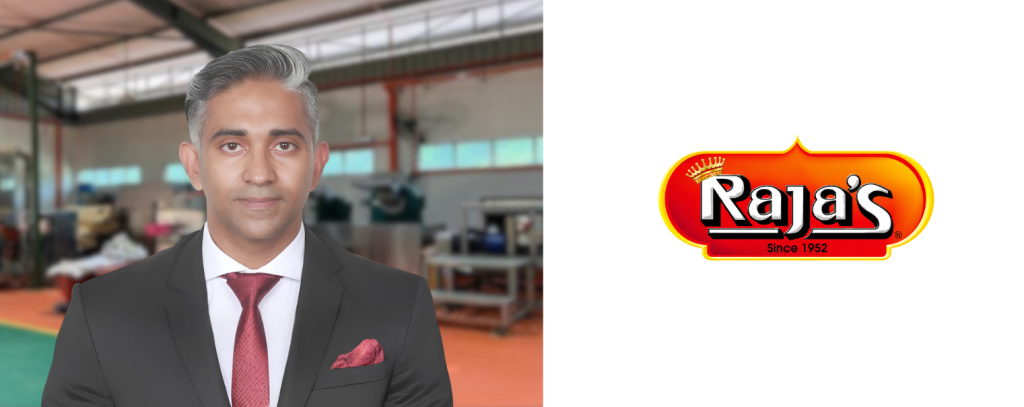
In business, longevity is often celebrated. Staying relevant, however, is the greater achievement. Consumer tastes change, lifestyles become faster, retail channels evolve and new brands continuously enter the market. For a family business built around something as deeply personal as food, surviving across generations requires more than preserving old recipes. It requires knowing what should change—and what should never change. For Rajas Flour Mill Sdn. Bhd., that balance has been more than 70 years in the making. Established in 1952 as a humble spice and flour mill, Rajas began by serving local communities with freshly ground spices, curry powders and flour. Three generations later, it has developed into a Malaysian food manufacturer serving households, retailers, wholesalers, restaurants, caterers, food manufacturers, OEM customers and increasingly, international buyers. Yet at the heart of the company remains something remarkably familiar: taste. Rajas has built its identity around what it calls the “Royal Taste of Tradition”—flavours shaped by generations of knowledge, carefully selected ingredients, traditional roasting techniques and consistent blending. Its portfolio today ranges from meat and seafood curry powders to sambar, rasam, briyani and kurma blends, alongside pure spices, flour products and other food solutions. For consumers, these may appear to be everyday kitchen staples. For the family behind Rajas, they represent decades of accumulated knowledge. Understanding how spices respond to roasting, recognising differences in raw ingredients and preserving a familiar aroma from one batch to another are skills developed over time. This “taste memory” has become one of the company’s less visible competitive advantages—particularly in a food industry increasingly shaped by mass production.   Tradition Meets the Modern Kitchen The modern consumer, however, lives very differently from the customer Rajas served in 1952. Time has become a luxury. Families cook differently, convenience matters more and younger consumers may not possess the same knowledge of traditional food preparation as previous generations. For Rajas, this creates both a challenge and an opportunity. The company is currently researching ready-to-cook products and convenient premixes that make traditional dishes easier to prepare while retaining familiar flavours. Existing and developing solutions span products such as Chicken 65, briyani, fish fry and payasam mixes. The objective is not to replace traditional cooking, but to make it easier to carry forward. In that sense, Rajas is solving a distinctly modern lifestyle problem: how do you preserve the taste of one generation within the lifestyle of another? Its answer lies in combining heritage recipes with convenience, consistency and modern food manufacturing standards. Products are also positioned around changing expectations for food safety, with the company highlighting products certified as free from preservatives, colouring and MSG while strengthening its Halal, hygiene and quality-control practices.   Taking a Family Business Further Behind the products, an equally significant transformation is happening within the company itself. Moving from a traditional family operation towards a structured manufacturer has required changes in systems, people and mindset. Processes that may once have relied heavily on experience increasingly require formal SOPs, documentation, quality controls and clearly defined responsibilities. Rajas has consequently directed investment towards production automation, machinery, certification, laboratory testing, packaging, branding and digital tools. At the same time, employees are being trained to embrace greater discipline around hygiene, food safety and consistent manufacturing. Leadership has evolved too. The challenge for the current generation is not simply to inherit the business, but to prepare it for a marketplace dramatically different from the one their predecessors knew. That means becoming more comfortable with corporate buyers, exhibitions, digital commerce, distributors, OEM opportunities and international markets while protecting the authenticity that made the brand valuable in the first place. It is a transformation many multigenerational businesses eventually confront: professionalising without becoming impersonal.   Growth Without Losing the Recipe That philosophy influences how Rajas approaches expansion. The company’s ambition is to become a more structured, scalable and export-ready Malaysian heritage brand, strengthening its presence across retail while pursuing HoReCa, B2B, OEM, private-label and international opportunities. But growth is not being defined purely by sales. For Rajas, it also means better systems, stronger people, improved manufacturing capability and greater confidence to enter new markets. Modernisation must strengthen the business without diluting the recipes, relationships and family values accumulated since 1952. Sustainability forms part of that transition. Solar panels have been installed at its facility to support cleaner energy use, while automation and improved process controls are intended to reduce production errors, packaging mistakes and material waste. The company is also strengthening responsible sourcing, food safety and community initiatives, including food-related contributions during festive periods. These may appear to be very different priorities, but together they point towards the same objective: ensuring the business is strong enough to be handed to another generation. Perhaps that is the most interesting aspect of the Rajas story. The company began in an era before e-commerce, social media, modern supermarkets or today’s sophisticated food manufacturing systems. Seven decades later, the tools of the business may have changed considerably, but the product still ultimately faces the same test it did in 1952. Someone opens the packet. Someone cooks with it. A family sits down to eat. And the taste has to feel right. As Rajas itself puts it: “Grinding spices may be easy, but growing with spices is what defines us.” For a three-generation business preparing itself for the next chapter, preserving that connection between yesterday’s recipes and tomorrow’s consumer may prove to be its most valuable ingredient of all.  

Scroll to Top

Subscribe
FREE Newsletter