ESG

ESG

The Food Purveyor Wins Praise for New Goal to Sell 100% Cage-Free Eggs by 2035

KUALA LUMPUR: The Food Purveyor, the country’s leading premium grocery retailer, won praise today from international NGO Lever Foundation for its new goal of selling 100% cage-free eggs nationwide by 2035. This move, part of the company’s broader ESG goals, further establishes The Food Purveyor as a leader in Asia’s premium retail sector when it comes to prioritizing ethical sourcing, animal welfare and sustainability. “At The Food Purveyor, we collaborate closely with suppliers to promote ethical sourcing practices within our supply chain, exemplified by our aspiration to achieve a 100% cage-free egg assortment by 2035,” The Food Purveyor noted in a new statement posted on its website last week. “The Food Purveyor’s new goal on this important issue showcases a remarkable commitment to ethical food sourcing,” said Vilosha Sivaraman, Sustainability Program Manager at Lever Foundation, which is collaborating with The Food Purveyor on the issue. “By prioritizing food safety, product quality and animal welfare, the company demonstrates true leadership in sustainable sourcing. Today’s consumers are demanding more from food brands, and The Food Purveyor is responding with a thoughtful, comprehensive approach that sets a new standard for responsible retail.” Cage-free egg production, in which hens are given the freedom to move in open indoor environments, improves animal welfare and significantly lowers food safety risks compared to caged egg production. Exhaustive research by the European Food Safety Authority found that cage-free egg farms are up to 25 times less likely to be contaminated with key strains of salmonella than caged egg farms. The production of caged eggs has been banned across Europe, as well as in the United Kingdom, Canada, New Zealand, Bhutan and parts of India, Australia and the United States. An increasing number of consumers have also been leaving eggs off their plate as the best way to help laying hens. A recent survey carried out by leading Asia research agency GMO Research found that 77 percent of Malaysians believe food companies should source only cage-free eggs, and nearly 60 percent are more inclined to patronize brands that commit to doing so. As a result, in recent years, a growing list of food companies in the country have committed to sourcing only cage-free eggs.

ESG, Events

GREEN@WORK Leadership Summit Explores Malaysia’s Role in Sustainable Innovation

KUALA LUMPUR: The Green@Work Leadership Summit 2024, hosted by Asia School of Business (ASB), brought together global leaders, innovators, academia, and policymakers to discuss the crucial role of green technologies, green finance, and sustainable solutions in shaping ASEAN’s future. The Summit provided a dynamic platform to address pressing issues across the business, energy, and finance sectors, sparking discussions on collaboration and ways to drive a more sustainable future for the region. In his opening address, Encik Muhammad Hidayatullah Bin Nasrul, from the Ministry of Natural Resources and Environmental Sustainability, highlighted Malaysia’s commitment to becoming a regional leader in sustainability. “Malaysia is at a critical juncture where sustainability is essential, not optional. Initiatives like the Bursa Carbon Exchange and rising renewable energy investments signal our commitment to lead in sustainable development. Collaboration across sectors is key to ensuring our nation achieves its green goals while inspiring ASEAN to prioritize environmental resilience,” he said. Throughout the Summit, key discussions revolved around the transformative role of green technology in driving economic resilience and environmental sustainability. Professor Sanjay Sarma, CEO, President, and Dean of ASB, emphasized that green technology is no longer a trend but a vital solution to the existential challenges the world faces. “The global green tech market is projected to reach USD 62.4 billion by 2030, with Southeast Asia leading the way. Embracing these innovations is essential for ASEAN’s economic and environmental future,” he said. The importance of circular economy models in scaling sustainable solutions was a key theme, with Zain Almohdzar, Co-Founder of Klean, Sarah Cragg Head of APAC Partnerships at The Earthshot Prize and M. Huzaini Ghazali, Chief Strategy and Portfolio Officer at Gentari discussing how transformative green technologies can address waste challenges in ASEAN.   Zain noted, “Circular economy initiatives are crucial in addressing waste challenges in ASEAN, where the region generates over 150 million tons of waste annually. Innovative technologies, such as advanced recycling systems and digital waste management platforms, are key to scaling these solutions and could potentially reduce landfill contributions by 25% within the next decade.” Blended finance also emerged as a vital mechanism in supporting the green transition. Professor Joseph Cherian, Deputy CEO of ASB and Practice Professor of Finance, emphasized how blended finance can bridge the funding gap by bringing governments, businesses, and investors together, hence accelerating the green transition. “Blended finance is not just a tool, it is a catalyst that can unlock trillions in investments for green initiatives. From accelerating carbon market development to funding renewable energy projects, it creates pathways for public-private partnerships that drive large-scale impact,” he explained. The intersection of green finance and regulation was another focal point, featuring a panel discussion moderated by Johan Rozali-Wathooth, CEO of Bintang Capital Partners. The panel included Muhammad Rizal Azmi, AVP of Business Development & Sales at Bursa Carbon Exchange, Salmah Bee Mohd Mydin, Executive Director of Market Development at Securities Commission Malaysia and Yin Shao Loong, Deputy Director of Research, Khazanah Research Institute. They explored how evolving regulatory frameworks can unlock new green financial solutions. Salmah Bee highlighted the rapid growth of Malaysia’s green bond market, noting a 50% increase in issuance over the past two years. “Regulatory frameworks must evolve to not only encourage but also scale these green financial solutions across ASEAN,” she emphasized.” The Summit concluded with a call to action for participants to translate the insights shared into actionable solutions, reinforcing the collective responsibility to foster a sustainable future for ASEAN

ESG

Rice Straw Turned into Global Sustainable Products

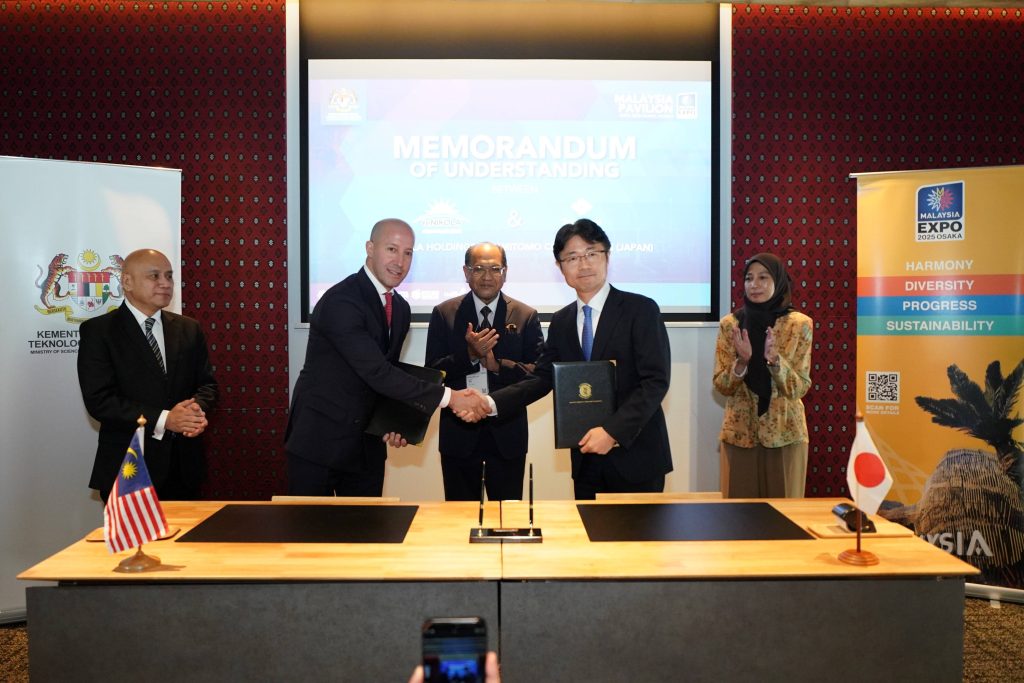
GURUN: The production of “green gold,” or biodegradable packaging made from rice straw waste in Gurun, Kedah, is projected to achieve a market value of RM60 million once distributed locally and internationally starting next year. This production, a result of a public-private partnership between the Malaysian Bioeconomy Development Corporation (Bioeconomy Corporation) and BioNexus Status company Free The Seed Sdn Bhd (Free The Seed), aims to advance the country’s biodegradable industry through the use of biotechnological enzyme processing. The Minister of Science, Technology, and Innovation, YB Chang Lih Kang, expressed his full support for the production of biodegradable packaging products set to reach local and international markets, including Germany, the Netherlands, Japan, and the United Kingdom, by 2025. He added that the collaboration has significantly enhanced its value chain, creating additional income opportunities for farmers and local communities. “To date, 618 farmers have joined this initiative, with the number expected to increase to 3,700 when full operations begin next year. “Through this collaboration between Bioeconomy Corporation and Free The Seed, farmers in this region are expected to generate additional income of RM3 million annually by 2025 from selling rice straw waste,” he said during his working visit to Free The Seed’s facility here today. Also present were Bioeconomy Corporation Chief Executive Officer, Mohd Khairul Fidzal Abdul Razak and Free The Seed Chief Executive Officer, Ramaness Parasuraman. The minister highlighted the immense potential of biotechnology in transforming rice straw waste into “green gold,” playing a crucial role in boosting farmers’ income, creating jobs, driving the circular economy, and supporting environmental sustainability. This aligns with the National Biotechnology Policy 2.0 and the nation’s sustainable development agenda. “Kedah is now not only Malaysia’s main rice producer but also a hub for processing rice straw waste into ‘green gold’ through biotechnological applications,” he said. Meanwhile, Bioeconomy Corporation Chief Executive Officer, Mohd Khairul Fidzal Abdul Razak stated that the collaboration is expected to achieve an annual production of 120 million units of biodegradable packaging for the medical, food, industrial, and electronics sectors. Initially focused on food and healthcare packaging for export, the products have now expanded into new sectors, including local healthcare, the semiconductor industry, and sustainable energy, according to Mohd Khairul. He also stated that the expansion resulting from this collaboration has created 120 new jobs, 30% of which involve TVET-skilled workers. “Through industry engagement sessions and access to public and private sector stakeholders, Bioeconomy Corporation has supported Free The Seed in expanding its market reach. “This support has enabled Free The Seed to increase its production capacity to meet growing market demand across these sectors,” he said. The circular economy emphasised by the Malaysia MADANI Government not only focuses on the principles of reuse, return, and recreate to reduce waste but also reflects the government’s vision of managing the nation’s resources efficiently and sustainably. The collaboration between Bioeconomy Corporation and Free The Seed demonstrates the effectiveness of proactive government policies in driving the growth of multinational companies and strengthening Malaysia’s position in the bio-packaging industry. This initiative, which utilises local bio-based technology from rice straw, also positions itself as a potential carbon credit icon for Malaysia. It aligns with the Sustainable Development Goals (SDGs) and Environmental, Social, and Governance (ESG) frameworks outlined by the Malaysia MADANI Government, ensuring inclusive, sustainable, and competitive development for the well-being and benefit of all citizens.

ESG

Maxim E-hailing Launches A New Rate To Support People With Special Needs

According to the statistics, “special people represent 16%of the world’s population or ⅙ of people who also need fair transportation and facilities.” They need to move around for various everyday activities, like going to work or hospital appointments, attending training courses, and visiting friends. That’s why they need fair transportation, and a convenient, affordable, and socially friendly service. Maxim E-hailing has recently introduced a new rate called “Mesra OKU” in their app to show their support and cater to the special needs of such people. It is designed to help special people get comfortable rides. The new rate includes additional assistance services and facilities. With Mesra OKU, the waiting period after the partner-driver arrives at the pick-up location is extended by additional five minutes. This allows passengers to slowly get in the car, without having to be in a rush or worry about additional costs for keeping the driver waiting for too long. Maxim understands that some people who use wheelchairs, walking frames, walking sticks, and other mobility aids need more time to reach the vehicle. This rate also allows clients to take their pets with them for the ride without any additional charges. Passengers with disabilities can inform drivers about their four-legged travel companion in advance by messaging or calling them through the app. Moreover, the app also has a speech recognition feature for people with vision impairments who can book rides using their own voice instead of relying upon others. This speech recognition feature of the app is a useful addition designed to make the special clients more independent; it’s also a step towards Maxim Malaysia’s commitment to creating a user-friendly app. Not only that, but Maxim also briefs and educates its partner-drivers on how to work with disabled passengers and ensure their comfort during rides. Passengers are to receive help from drivers without any charges and to be allowed to keep their helping tools at the back of the vehicle. “At Maxim, we believe that inclusivity is key, and we’re excited to be able to improve the quality of life for people with disabilities. Whether it’s for routine activities, medical appointments, or social engagements, we hope to provide a seamless, stress-free experience that helps improve mobility and comfort of our OKU passengers. We are continually striving to create a transportation ecosystem that is accessible to all,” said the Director of Maxim Malaysia, Mohd Hazwan Musley. “E-hailing is the main mode of transportation for the community of blind people, and we need it on a daily basis for our routine activities, like going to work or moving from one location to another. It is very convenient for us to use e-hailing because of its comfort and safety, as it offers us direct transportation from one location to another. Previously, we used to rely a lot on buses, but there were several incidents where it proved to be a bit hard for us to arrive at the exact location we needed,” said Adzohari Jamil from the Sarawak Society for the Blind. Maxim E-hailing is a socially friendly service that takes care of people. Recently, the service collaborated with two local entities and provided free rides for their members: The Sarawak Society for the Blind and the para swimmers team (during Para-Sukma 2024). This enabled the beneficiaries to move around and complete daily tasks with more convenience. How to place an order: Select the “Mesra Oku” rate in the “Passenger Cars” section in the Maxim app and enjoy your ride.

ESG

Non-smoking Campaign: Maxim’s Effort to Decrease the Number of Tobacco Users in Malaysia

On January 1, 2019, the Malaysian government banned smoking in all restaurants and eateries in Malaysia, including inside air-conditioned or non-air-conditioned cafés, coffee shops, open-air hawker centers, and even near street stalls. In support of the ban, Maxim E-hailing launched a large-scale campaign against smoking in public areas by placing “No smoking” posters.   The campaign started in 2019 and still continues today, as Maxim strive to maintain the level of awareness about the hazards of smoking within the community. In total, approximately 45,000 “No smoking” posters have been placed throughout the country so far, with more than 2,000 restaurants participating in the campaign. The goal of the campaign is to raise awareness of the growing concerns about adverse health effects of secondhand smoke; the program also aims to protect non-smokers from involuntary exposure to harmful substances. “Our strategy has included impactful social posters that highlight the dangers of smoking and the benefits of living smoke-free. By consistently disseminating information through eye-catching posters  we raise awareness of the harmful effects of indoor smoking on both smokers and non-smokers, particularly detrimental to vulnerable populations like children and people with respiratory diseases. Overall, our campaign has the potential to significantly decrease the number of indoor smokers by fostering a culture of health and well-being. We must continue to amplify our efforts and adapt our strategies to ensure we reach and resonate with as many individuals as possible. Together, we can create a healthier future for everyone,” said the Director of Maxim Malaysia, Mohd Hazwan Musley. As one of the strategies utilized throughout the campaign, Maxim has collaborated and partnered with restaurants to spread information about the dangers of smoking. The “No smoking” posters provided by Maxim as part of this cooperation project have also helped the restaurants keep the environment in and around them smoke-free. “We feel so lucky because this incentive has helped us promote smoke-free lifestyle and indicate to the customers that our café is a non-smoking area. And there wasn’t just one poster either — they were placed in every corner of the café, and, most importantly, also outside of the building where most of the smokers tend to have a cigarette after they eat,” said the owner of Santai Cafe, Malacca City. “Several efforts have been made by the Ministry of Health to decrease the number of people who are affected by cigarette smoke. Starting 2019, the data has shown a stable decrease in the number of patients with lung problems. It demonstrates that the campaign against smoking indoors has had a huge impact on the community,” as stated by a public health officer. Since 2019, Maxim E-hailing has been putting its sincere effort into creating a smoke-free environment in eateries and indoor spaces. Thus far, the different types of creative “No smoking” posters have had a positive impact on society. The company is willing to continue its campaign, as they are determined to inform as many people as possible about the severe adverse effects that smoking ultimately has on people’s health.

ESG

Malaysia Powers Ahead With RM4.8 Billion In Green Business Targets And Cutting-Edge Technology At IGEM 2024

KUALA LUMPUR: Malaysia is advancing its role in global green leadership with the official launch of the International Greentech & Eco Products Exhibition & Conference Malaysia (IGEM) 2024, which aims to generate RM4.8 billion in business leads. Hosted at the Kuala Lumpur Convention Centre (KLCC), IGEM 2024 cements Malaysia’s commitment to a green economy as the country gears up for COP29, the ASEAN Chairmanship 2025, and Expo 2025. The launch saw the attendance of the Minister of Natural Resources and Environmental Sustainability, YB Nik Nazmi Nik Ahmad, Minister of Economy YB Rafizi Ramli and other top officials. For 15 years, IGEM has served as a pivotal platform, and the 2024 edition is set to solidify further regional leadership in addressing climate urgency. Under the stewardship of the Ministry of Natural Resources and Environmental Sustainability (NRES), it is implemented by the Malaysian Green Technology and Climate Change Corporation (MGTC), with the Malaysian Investment Development Authority (MIDA) and The C0_LAB Pte Ltd as the strategic partners. This year’s IGEM is poised to expand its influence globally, with participation from 480 exhibitors and 48,000 visitors across 48 countries, reaching new markets in Europe, the Middle East, and North Africa. The three-day event, held from 9 to 11 October, is themed “Race Towards Net Zero: Regional Leadership for Climate Urgency” and organised around five key pillars: Empowering Cities, Electrifying Mobility, Decarbonising Energy, Accelerating Circularity, and Conserving Biodiversity. IGEM 2024 introduces several new highlights that underscore its commitment to fostering innovation and collaboration. This year’s edition features a dedicated industry zone for hydrogen and carbon technologies, the Central Energy Transition Asia (CETA), and a multi-venue exhibition showcasing the future of connected autonomous shared electric mobility, Mobility X. “Since its launch, IGEM has emerged as Southeast Asia’s leading platform for green technologies and sustainable solutions. “Indeed, it has progressed beyond being just an exhibition, becoming a pivotal force for transformation and a symbol of our shared resolve to achieve a more sustainable future,” said Nik Nazmi in his welcoming speech today. Driving Innovation and Collaboration for Climate Change IGEM 2024 aligns closely with the National Climate Change Policy (NCCP), the foundation for drafting Malaysia’s forthcoming Climate Change Act. The NCCP outlines a strategic approach to addressing climate impacts through mitigation, adaptation, and resilience-building efforts. It also reinforces Malaysia’s commitment to reducing greenhouse gas emissions and protecting its natural ecosystems. “Malaysia’s National Climate Change Policy guides us in implementing policies that balance environmental protection and economic development,” said Nik Nazmi. “IGEM offers a platform to showcase how our policies, including the upcoming Climate Change Act, drive meaningful change in our approach to sustainability.” Partnerships for a Sustainable Tomorrow IGEM 2024 attracted participation from leading countries such as Austria, Canada, China, Singapore, Thailand, Finland, Korea and the Netherlands, creating a vibrant platform for global collaboration in green technology. In the spirit of collaboration, IGEM partners are at the core of IGEM’s success, with PETRONAS as the Strategic Collaboration Partner. Gold sponsors include OCBC, Tenaga Nasional Berhad (TNB), and Solar First. UOB, Solarvest, Itramas, Samaiden, Citaglobal, and SolaX are the silver sponsors. Bronze sponsors include Bio Eneco, Plus Xnergy, Leader Energy, Grab and Bank Pembangunan Malaysia Berhad. Iskandar Investment Berhad (IIB) is the branding sponsor.

ESG

Vingroup In the Making of Building a Green Future with its Ecosystem

HANOI:  The role of big corporations in the shift to a sustainable future is a topic widely discussed by many. Vingroup is demonstrating how large corporations can play a pivotal role in creating a sustainable future. “Whatever benefits society and many people, and we have the capacity to do it, we will make it happen.”, said Pham Nhat Vuong, Chairman of Vingroup. As the biggest private conglomerate in Vietnam, Vingroup announces its commitment to a sustainable future, with the help of technology. At the heart of Vingroup’s green transition is its “Creating a Green Future” principle, which positions the conglomerate as a leader in sustainable innovation across multiple sectors. This project has received notable recognition, including the prestigious AIBP 2023 ASEAN Tech for ESG Award. This accolade, which is awarded to organizations that leverage technology to advance environmental, social, and governance (ESG) goals, underscores Vingroup’s leading role in fostering sustainability throughout Southeast Asia. A Green Ecosystem Fueled by Technology In the quest to embed sustainability into its business model, Vingroup has leveraged the power of technologies. Through the use of artificial intelligence (AI), the Internet of Things (IoT), and robotics, Vingroup is addressing environmental challenges across its industries. In real estate—one of Vingroup’s core strengths—it has set a new benchmark for sustainable urban development in Vietnam. One of its flagship projects, TechnoPark Tower, achieved LEED Platinum certification, the highest level of recognition for green buildings. The TechnoPark Tower is equipped with a smart lighting and air-conditioning system, integrating nearly 3,000 sensors that allow automatic adjustments, resulting in significant energy savings of up to 17.4% annually compared to typical levels. Vingroup’s urban ecosystems are designed not only to provide luxurious living spaces but also to promote a healthier lifestyle. With its extensive urban green spaces, the Vinhomes developments offer residents an ideal blend of modernity and sustainability. The company’s approach to “green urbanization” includes planting thousands of trees and promoting the use of renewable energy sources. In 2023 alone, Vingroup planted over 30,000 trees in a program organized by the For Green Future Foundation. A Commitment to Global Sustainability Standards When the world is moving in the direction of electric vehicles, Vingroup’s leadership perhaps knew they couldn’t wait on the sidelines. The shift of VinFast, Vingroup’s carmaking arm, from producing internal combustion engine vehicles to smart electric cars is a bold step toward decarbonizing the transportation sector in Vietnam. According to Vingroup’s annual ESG report, such efforts by Vingroup helped reduce approximately 500,000 tons of CO2 emissions in 2023. Moreover, Vingroup’s green initiatives go beyond the environment to encompass social responsibility. Through its VinHomes subsidiary, Vingroup has promoted the adoption of electric vehicles by offering significant incentives to residents of its smart urban developments. This strategy has led residents to increasingly opt for electric cars and motorcycles, further contributing to the reduction of urban air pollution. Vinpearl, another gem in Vingroup’s ecosystem, is also doing its part in the hospitality industry. In December 2020, Vinpearl became the only hospitality and entertainment brand in Vietnam to receive the 2019 Vietnam Environment Award from the Ministry of Natural Resources and Environment. As the leading hospitality brand in Vietnam, Vinpearl has made “greening the tourism industry” a priority, alongside its business growth targets. Currently, Vinpearl’s 45 establishments, located across 17 cities and provinces in Vietnam, are built with rainwater reservoirs for irrigation and closed-loop wastewater treatment systems that meet international standards. These features have led visitors and the community to acknowledge Vinpearl’s destinations as true “green paradises.” Since July 2019, Vinpearl has implemented the Go Green project, aimed at eliminating plastic products at its business facilities and replacing them with environmentally friendly alternatives, such as paper, grass straws and cloth bags. All Vinpearl resorts and city hotels continue to replace old plastic items with similarly functional products made from biodegradable materials like sugarcane, bamboo, wood, fabric, and other eco-friendly substances. Remarkably, Vinpearl has reduced up to 1.4 tons of plastic waste per month at its peak. Looking Ahead As Vingroup moves forward, its vision for a sustainable future remains clear: to lead the charge in transforming industries through innovation and responsibility. With its ambitious goal of achieving net-zero emissions by 2050, Vingroup is well-positioned to shape the future of Southeast Asia’s green economy. The group’s ongoing investments in renewable energy, electric transportation, and sustainable urban development will undoubtedly continue to set new standards for what is possible in the realm of corporate sustainability.

ESG

Singapore ranked first two years in a row as ASEAN leader in energy transition efforts, urged to establish robust carbon trading system, survey reveals

SINGAPORE: Singapore was ranked first by professionals in the energy sector for the second year in a row as leading in energy transition efforts in the ASEAN region. Conducted by the Sustainable Energy Association of Singapore (SEAS) with 250 individuals from the ASEAN energy sector, the annual ‘State of the Energy Transition in ASEAN’ survey saw close to 95% of respondents voting for the city state, with Malaysia ranking second and Thailand and Vietnam tied in the third spot. However, less than 20% of respondents rate Singapore’s efforts in the transition as ‘very satisfactory’ in terms of advancing towards its renewable energy targets. While a significant portion of respondents (45%) view Singapore’s progress as satisfactory, 32% believe more improvements are needed, indicating that while progress is recognised, there is still substantial room for improvement to meet the nation’s goals. In terms of enablers to the energy transition, government policies (89%) and economic incentives (59%) are seen as the main drivers, underlining recognition for Singapore’s efforts and the continuing critical role of policy and financial support. A new trend in growing demand for clean energy from large tech corporations (45%) is also a notable finding this year, alluding to the increased focus on AI and data centre investments. When it comes to challenges, respondents cite limited avenues to offset carbon (40%) indicating that a push towards greater options for verifiable carbon trading could be the answer to accelerating national decarbonisation.  Singapore as a Regional Carbon Trading Hub The survey also explored how companies have responded to Singapore’s 2024 carbon tax hike. Interestingly, about a third of respondents (36%) reported minimal impact to their companies, with only a small fraction (3%) purchasing more carbon credits. However, close to a quarter of respondents indicated that the tax hike has prompted them to reconsider their long-term sustainability strategies, reflecting a growing awareness of the need for proactive carbon management. Responding to Singapore’s ambitious goals to become a carbon trading hub, the majority of respondents (67%) believe that a carbon trading system would be effective in reducing emissions, reinforcing Singapore’s strategic push towards playing a central role in the regional carbon market. The ability to offer greater avenues for carbon offsetting (61%) and the potential economic benefits (58%) of carbon trading were highlighted as primary advantages, suggesting a strong belief in the practical and financial value of carbon trading mechanisms. There is a clear call for the establishment of comprehensive and reliable carbon accounting systems (69%) and the development of transparent regulatory frameworks (67%). This is seen as essential for fostering trust and ensuring the credibility of carbon credits within the market. While domestic infrastructure and regulatory frameworks are a priority, forming regional and international partnerships (58%) is also considered crucial for enhancing Singapore’s role in the global carbon market.   Challenges to Singapore’s Carbon Trading Ambitions Despite these opportunities, the survey also sheds light on several significant challenges that Singapore must address to fully realise its carbon trading ambitions in the region. A major obstacle identified is the lack of uniform regulations across ASEAN countries (86%), which complicates the implementation of a regional carbon trading system. Additionally, inconsistent enforcement and compliance mechanisms (61%) further hinder progress, emphasising the need for harmonised policies. Uncertainty about the credibility of carbon credits (50%) and a lack of awareness and understanding of carbon trading processes (40%) are cited as significant barriers to broader participation. This highlights the importance of enhancing market transparency and providing clear regulations on carbon compliance and trading to build confidence among potential participants. While Singapore’s carbon pricing and trading mechanisms are generally viewed as moderately effective (41%), only a small percentage (5%) of respondents consider them very effective. This suggests that while the framework is in place, there is a pressing need for refinement and continuous improvement to maximise its impact. To advance its position as a carbon trading hub, survey participants suggest that Singapore needs to focus on robust infrastructure for carbon trading transactions (58%) and enhancing market liquidity and accessibility in the carbon markets would increase participation (54%). Establishing competitive and attractive carbon pricing mechanisms (63%) is also vital for sustaining interest and participation in the carbon market, while addressing credibility issues surrounding carbon credits and increasing awareness through targeted education and transparent processes will be crucial for long-term success.   Edwin Khew, Chairman, SEAS, commented: “As Singapore continues to lead the region in its energy transition journey, the insights from our survey underscore the critical importance of robust carbon pricing and trading systems as a means to accelerate the Net Zero transition in Singapore. What’s more, the findings highlight the strategic role that Singapore can play as a carbon trading hub, not just in the region but globally, establishing benchmarks in carbon pricing, incentives and mechanisms. This will serve to encourage harmonised regulatory policies in the region, addressing the challenges and seizing opportunities that all ASEAN countries can benefit from. The inaugural Asia Carbon Summit at ACES 2024 is our contribution to the important carbon conversation, which we hope will spark innovation and action amongst both the public and private sectors.” ‘The State of the Energy Transition in ASEAN’ was conducted online in August 2024 and gathered insights from 250 industry professionals from the energy sector based in Southeast Asia. The Asia Clean Energy Summit (ACES), the flagship conference of the Sustainable Energy Association of Singapore, will return on October 22-24, 2024 at the Sands Expo and Convention Centre, Singapore, during the Singapore International Energy Week (SIEW), with an expanded focus on carbon markets through the inaugural Asia Carbon Summit. The summit will feature keynote speeches, panel discussions, and workshops with experts from around the globe. Topics will include the latest developments in carbon pricing, the integration of carbon markets in corporate strategies, discussions on decarbonising hard to abate sectors and innovative technologies for carbon capture utilisation and storage.

CS Tech Introduces Leading Carbon Capture and Utilization Technology, Vigorously Promoting Sustainable Development in Asia and Addressing the Climate Crisis
ESG

CS Tech Introduces Leading Carbon Capture and Utilization Technology, Vigorously Promoting Sustainable Development in Asia and Addressing the Climate Crisis

HONG KONG: The climate crisis is an urgent issue in today’s society. To achieve the goal of carbon neutrality by 2050, CS Tech Solution Limited (CS Tech) has taken the lead in introducing and developing carbon capture and utilization (CCU) technology tailored specifically for the Asian market. CS Tech is dedicated to developing cutting-edge technology that captures CO2 emissions from industrial processes and converts them into valuable products, thereby reducing greenhouse gas emissions. By providing sustainable and cost-effective solutions to various industries in Asia, CS Tech is taking the lead in promoting carbon reduction through carbon capture and utilization technology, contributing to environmental efforts. CS Tech’s core offerings include: State-of-the-Art Carbon Capture Technology: CS Tech offers state-of-the-art carbon capture systems designed to capture CO2 emissions from various industrial processes, enabling organizations to significantly reduce their environmental footprint. Combining its own equipment with the latest capture technologies to capture and liquefy CO2, CS Tech provides comprehensive solutions for effective carbon capture and utilization. Carbon Utilization Innovations: CS Tech specializes in efficiently converting captured CO2 into valuable products and ensuring the permanent storage of the CO2, thereby contributing significantly to the reduction of carbon emissions, and promoting the development of a circular carbon economy. Carbon Credits: CS Tech offers high-quality carbon credits through its carbon utilization methods to help organizations offset their carbon emissions, promote sustainable development, and participate in the global carbon market. Continuous R&D and Commercialization: CS Tech’s commitment to ongoing research and development, coupled with a focus on commercialization, ensures that CS Tech remains at the forefront of carbon capture and utilization technologies, driving innovation and real-world applications. CS Tech is committed to working closely with businesses, research institutions, and government agencies across Asia to accelerate the adoption of carbon capture and utilization technology. Through partnerships and collaborations, significant progress is being made towards a more sustainable and net zero future in the region. A two-day large conference and exhibition, ReThink HK 2024, held on September 12 and 13 at the Hong Kong Convention and Exhibition Center, attracted over 10,000 business leaders, investors, sustainability professionals, ESG researchers, and more, working together to achieve sustainable goals. CS Tech is exhibiting again this year, showcasing a model of carbon capture system imported from the UK and a model of self-developed carbon utilization equipment, drawing significant attention. Dixon, Founder and CEO of CS Tech, said, “CS Tech is committed to enhancing sustainable development in the Asian region. Our leading carbon capture and utilization technology is initially used in building materials, contributing to a net zero future. We hope that carbon emissions not only get managed but also transformed into sustainable opportunities. Our core values of innovation, sustainable development, and reforming traditional industries guide us in building a greener future.”

ESG

FedEx Kicks-off Vegetable Farming Program to Nurture Sustainable and Healthier Urban Communities for the Needy

KUALA LUMPUR: Federal Express Corporation, one of the world’s largest express transportation companies, announced its community-driven initiative in collaboration with local non-profit Treat Every Environment Special (TrEES) to establish an urban vegetable garden to provide fresh vegetables to low-income communities in Malaysia. For the second consecutive year, FedEx and TrEES are launching this initiative to address the lack of access to fresh and healthy food in urban areas. By converting an unused urban space into a thriving vegetable garden, the collaboration will cultivate fresh vegetables that will be delivered to those in need.   The four-month program that was kicked off on August 18 involved 18 FedEx team members who teamed up to plant, maintain and harvest approximately 6 kg of vegetables. These vegetables, alongside donations from FedEx employees, included essential items such as rice, noodles, cooking oil and spices, as well as personal care items like dental care products and sanitary pads, were delivered to beneficiaries.   “Access to nutritious food is a fundamental human right,” said Woon Tien Long, managing director, FedEx Malaysia. “Our collaboration with TrEES is a step towards ensuring that communities in need can enjoy the benefits of fresh produce. This initiative not only supports our commitment to sustainability but also strengthens community bonds.”   “We are excited to work with FedEx on this transformative project, said Leela Panikkar, director, TrEES. “Urban gardens are a powerful way to educate, inspire and feed. This project will not only provide fresh produce but also provide a platform for community education on sustainable practices and nutrition.   The 1,000-square-foot community vegetable garden in the Klang Valley, established last year through the initial collaboration, has seen over 12 types of vegetables grown and harvested. FedEx employees will remain actively involved in the program through a series of gardening activities to ensure a steady supply of fresh vegetables for beneficiaries. This program is part of the FedEx Cares global community engagement program, underpinned by our culture value of “Committing to Do Good.” Progress in key areas of our FedEx corporate social responsibility initiatives, including pillars such as Community Engagement, Global Entrepreneurship and Sustainable Logistics, can be found in the latest FedEx Cares Report.

Scroll to Top

Subscribe
FREE Newsletter