Author name: theexchangeasia admin

Energy & Technology

The Infrastructure We Depend On But Rarely See

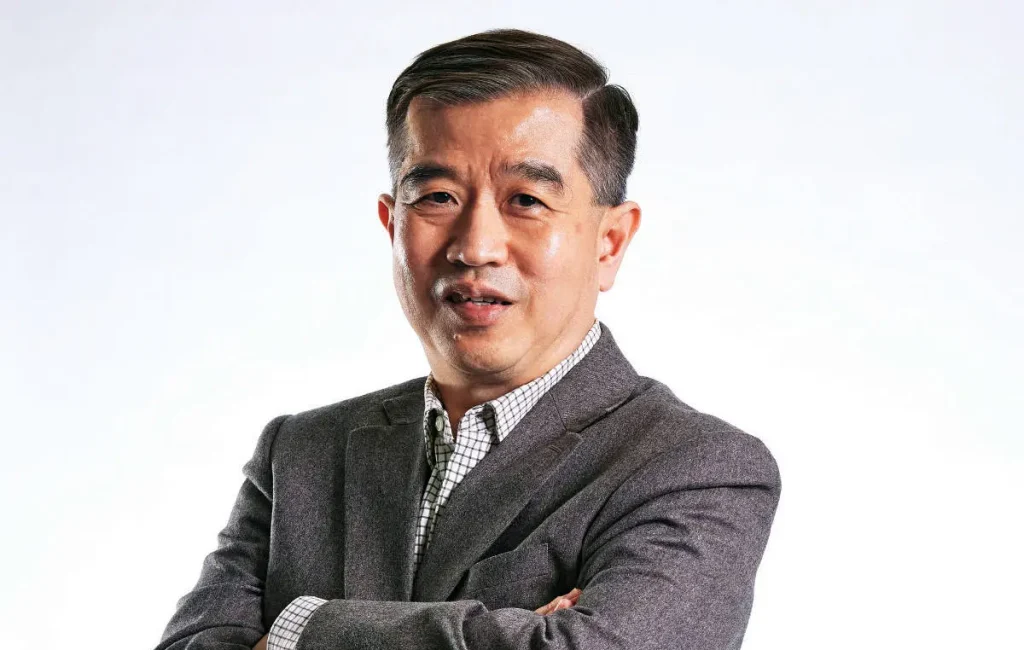
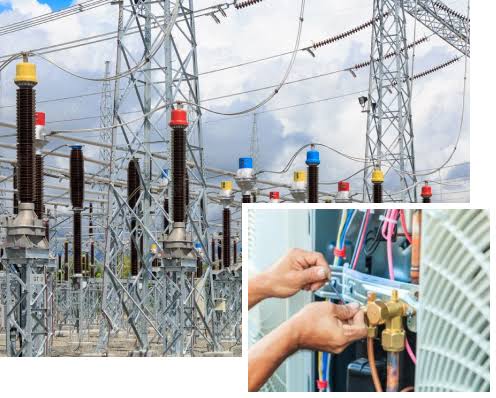
Most people never think about the systems keeping a building alive. The cooling runs. The electricity stays on. Fire protection sits quietly in the background. Servers continue processing data. Employees arrive, work and leave without giving much thought to the engineering infrastructure surrounding them. Until something stops. Managing Director of Zofar Mechanical & Electrical Engineering Sdn. Bhd – Chow Kok Loong. For Zofar Mechanical & Electrical Engineering Sdn. Bhd., that invisible dependency has been the foundation of a business more than two decades in the making. Established in 2002, the Malaysian company began in building maintenance before expanding into mechanical and electrical engineering, covering air-conditioning and mechanical ventilation, electrical systems, fire suppression, facility upgrading and, increasingly, data centre infrastructure. Its job, stripped of the engineering terminology, is straightforward: keep its customers running.   When Downtime Becomes a Business Risk That responsibility has become considerably more important since Zofar began. Buildings are smarter and more technologically dependent. Commercial facilities are under pressure to consume energy more efficiently. And the rapid expansion of data infrastructure has created environments where reliability is no longer merely a facilities-management concern. For a data centre, even a relatively small disruption can carry significant operational and financial consequences. It changes the role of the engineering company maintaining the systems behind it. Zofar identified this issue early. Businesses could find contractors to install or repair equipment, but what they often needed was a technical partner that understood their facilities over time—one capable of responding when problems emerged and anticipating what would be required next. The company consequently evolved from predominantly building maintenance into integrated engineering and lifecycle support, spanning system design and installation through testing, commissioning, preventive maintenance and upgrades. The shift reflects a larger change in the industry: maintenance is increasingly less about fixing what has broken and more about preventing the interruption in the first place.   Building a Business That Can Take the Shock Zofar is also applying the idea of resilience to itself. Its “622 Business Strategy” divides its targeted revenue mix across three areas: 60% project execution, 20% spare-parts trading and 20% maintenance and facilities management. The mathematics reveals the strategy. Engineering projects can generate substantial revenue but remain exposed to construction and investment cycles. Maintenance contracts and spare-parts activities create a recurring layer around that project business, reducing dependence on any single source of income. As the company grows, however, complexity grows with it. More projects mean more sites, suppliers, customers and technical requirements—all of which have to be coordinated without sacrificing the responsiveness that helped build the company in the first place. Zofar has established dedicated Coordination and Supplier Management teams to manage that pressure while strengthening relationships with global technology partners. Its challenge now is familiar to many growing companies: becoming more structured without becoming slower.   The People Behind the Infrastructure There is another part of Zofar’s business that is less visible than its engineering. Its workforce is entirely local, reflecting a deliberate commitment to developing Malaysian technical talent. Women account for approximately 40% of its employees—significant in an industry traditionally associated with a predominantly male workforce. For Zofar, developing technical capability is not separate from its growth strategy. The more critical the infrastructure it is trusted to manage, the more important the expertise of the people behind it becomes. The company has similarly begun embedding sustainability into operational decisions. E-waste and project materials are channelled through licensed recovery partners for recycling where possible, while a Sustainable Purchasing Policy gives preference to recyclable materials and products with lower environmental impact. These are relatively practical measures rather than grand environmental declarations—and that is largely the point.   Preparing for What Cannot Stop Zofar’s next ambition is to move further from being regarded as an M&E service provider towards becoming an integrated engineering partner, particularly for data centres and other critical infrastructure. Doing so will require deeper technical capabilities, stronger systems and partnerships, and an organisation capable of coordinating increasingly complex work at scale. But the fundamental proposition has changed remarkably little since 2002. Modern economies depend on an enormous amount of infrastructure that most of us rarely see. As buildings become more connected and businesses more dependent on uninterrupted technology, the cost of that infrastructure failing only increases. Zofar operates in the space between everything working normally and everything suddenly not. In that business, success is often almost invisible. Nothing happens. And everything keeps going.  

ESG

The Taste That Took 70 Years To Build

You can buy new machinery. Build a bigger factory. Replicate a recipe. But there is one part of this soy sauce business that money cannot recreate: 70 years of living culture. Director & General Manager of Thean Heong – Nicky Woo and Ong Poh Liang. Inside its fermentation vats exists a microbial ecosystem cultivated over seven decades—one that has become inseparable from the flavour of every batch it produces. Combined with traditional sun-brewing and a fermentation cycle that can take six to 12 months, it represents something increasingly rare in modern food manufacturing: a process that refuses to be hurried. For Nicky Woo and Kelvin Ong, that patience is not nostalgia. It is a competitive advantage. Their business produces naturally brewed artisanal soy sauces and premium condiments for home cooks, high-end restaurants and food industry partners. At a time when manufacturing technology can dramatically accelerate production, the company has made a deliberate decision to protect the one ingredient it believes cannot be engineered: time.   When Faster Isn’t Better The business traces its differentiation to a longstanding gap in the soy sauce market. Decades ago, chemically hydrolysed alternatives offered manufacturers a faster route to production but often produced a markedly different flavour profile. Today, the conversation has moved further. Consumers are increasingly scrutinising what goes into their food, creating demand for cleaner labels, fewer ingredients, reduced use of chemical preservatives and greater transparency around raw materials. For the company, this has reinforced the relevance of traditional fermentation rather than diminished it. Its approach combines longstanding brewing knowledge with modern food production standards. Technology is welcomed where it can improve safety, consistency and precision—but not when it interferes with the natural fermentation process. The principle guiding investment is straightforward: modernise the operation without modernising away what makes the product distinctive.   A Competitive Advantage That Is Alive Perhaps the company’s most unusual asset cannot be purchased, installed or easily replicated. Over seven decades, its fermentation vats and production environment have developed their own microflora ecosystem, supported by proprietary koji mould strains. This hyper-localised microbial environment contributes to the distinctive flavour profile of its naturally fermented sauces. In practical terms, the factory itself has become part of the product. A competitor can purchase similar machinery and ingredients, but reproducing a microbial environment developed over generations is considerably more difficult. Preserving that advantage while scaling presents its own challenges. Natural fermentation remains sensitive to agricultural inputs, outdoor conditions and ambient temperatures, meaning production involves managing variables that conventional manufacturing often attempts to eliminate. The company has responded by bringing together two generations of expertise. Its leadership structure has evolved from a traditional family-controlled hierarchy towards a more professionalised organisation, pairing veteran master brewers with younger food scientists. Traditional knowledge is increasingly supported by scientific measurement and data, allowing expertise accumulated over decades to be preserved while improving consistency.   Choosing Premium Over Volume That philosophy also determines what the business will not do. Growth is being pursued through premiumisation and expansion into international markets where consumers value artisanal food heritage. But management has no intention of entering mass-market price wars or shortening fermentation cycles simply to increase output. Chemical accelerators that could reduce production time are deliberately off the table. It is a strategic trade-off: accepting limitations on short-term volume to protect the characteristics on which the brand’s long-term value depends. The same willingness to make difficult trade-offs extends to sustainability. Over the past 14 months, the company moved away from a cheaper plastic packaging supplier and invested in a closed-loop glass bottle recycling system. Solar-powered temperature monitoring has also been introduced across its fermentation yards. These decisions temporarily compressed margins but reduced single-use plastic waste while introducing technology into the brewing process without replacing the tradition behind it.   Taking Tradition Somewhere New The company’s next chapter will test how successfully a product rooted in heritage can respond to a new generation of consumers. Nicky Woo and Kelvin Ong are preparing to develop a functional wellness range encompassing certified low-sodium, organic and allergen-free soy sauces—without sacrificing the traditional umami profile at the heart of the product. Achieving this will require stronger internal R&D capabilities and training for traditional blending teams to meet stringent international organic certification standards. It is an intriguing direction for a brewing culture seven decades in the making. The company is not preserving tradition by refusing to change. It is using science, technology and changing consumer expectations to give an old process new relevance. In an industry constantly searching for ways to make food faster, its most valuable advantage may be knowing exactly what should never be rushed.  

The Executives

Afiza Abdullah Named PIDM’s New CEO

Malaysia Deposit Insurance Corp (PIDM) has appointed Afiza Abdullah as its new chief executive officer for a three-year term, effective Aug 28. She succeeds Rafiz Azuan Abdullah, who served as CEO for nine years, marking a significant leadership transition for the organisation. In a statement on Monday, PIDM said Afiza brings two decades of experience across banking and insurance, spanning financial regulation, policy development, crisis management and resolution. PIDM chairman Datuk Abu Huraira Abu Yazid said her appointment reflects her strong leadership and expertise, ensuring a smooth transition while maintaining continuity in PIDM’s critical work on resolution readiness and crisis preparedness. Chief Executive Officer of Malaysia Deposit Insurance Corp (PIDM) – Afiza Abdullah. Afiza’s leadership path reflects PIDM’s structured succession planning. She moved from general manager of Policy and International in 2016 to executive vice-president of Resolution in 2022, roles in which she oversaw policy development and resolution planning, gaining deep institutional knowledge along the way. “In an increasingly uncertain environment, PIDM must remain a source of confidence, providing certainty to financial consumers that they will continue to be protected through a reliable and effective financial safety net,” PIDM said in the statement. PIDM said that since joining the organisation in 2011, Afiza has led several key initiatives under the Takaful and Insurance Benefits Protection System (TIPS), including enhancements to the risk-based Differential Levy System aimed at promoting sound risk management among insurer members, as well as updates to TIPS information regulations designed to strengthen the system’s overall effectiveness. Prior to joining PIDM, Afiza spent close to a decade at Bank Negara Malaysia, where she worked on prudential policy matters, including the modernisation of the Central Bank of Malaysia Act 2009 and the development of the Financial Sector Blueprint, gaining extensive regulatory and policy expertise that has shaped her approach to financial sector oversight. PIDM, established in 2005, administers the Deposit Insurance System and Takaful and Insurance Benefits Protection System, and serves as the resolution authority for its member institutions. As a statutory body, PIDM provides protection against the loss of deposits and insurance or takaful benefits with its member institutions in the event of a failure, playing a critical role in maintaining financial stability and consumer confidence within Malaysia’s financial system.

Energy & Technology

When Technology Is Everywhere, Service Becomes The Difference

Buying technology has never been easier. Making it work for a business is another matter. For Asia Plus Office Automation Sdn. Bhd., that distinction has shaped nearly two decades in an industry where machines, software and increasingly sophisticated automation are readily available—but where the expertise required to turn them into productive business tools remains far less interchangeable. Founder of Asia Plus – Mr.Anson. Established in 2008, Asia Plus provides office automation, print finishing and web-to-print e-commerce solutions to corporate offices, educational institutions, government agencies and commercial printing businesses across Malaysia. Its portfolio includes its ROYALTECH® house brand alongside selected technology solutions. But the company has increasingly built its identity around what happens after the equipment arrives: consultation, technical expertise, training and after-sales support.   The Machine Was Never the Whole Answer Asia Plus spotted the problem early. Businesses had access to an expanding range of office and printing equipment, but purchasing the right machine did not necessarily mean they knew how to use it effectively—or integrate it into an existing operation. Many suppliers were built around the transaction. Once the sale was completed, customers were largely left to navigate workflow problems, technical issues and productivity challenges themselves. Asia Plus saw an opportunity to occupy the space between selling technology and making technology useful. That distinction has become more relevant as businesses pursue automation and digitalisation. The question is increasingly not simply what technology should we buy? but what will it actually change? For Asia Plus, the answer should ultimately appear in productivity, profitability or the creation of new revenue opportunities.   Automation With a Business Case Technology can eliminate manual processes, streamline workflows and increase capacity. But automation without a clear operational purpose can just as easily become another expensive piece of infrastructure. Asia Plus therefore works with customers to understand how a solution fits into the wider business before focusing on the equipment itself. Web-to-print e-commerce, for example, represents more than moving a printing process online. Properly implemented, it can alter how orders are received and processed, reduce manual intervention and potentially open new commercial channels. Print finishing technology can similarly affect turnaround times, capacity and the range of services a commercial printer is able to offer. This business-outcome approach is now influencing Asia Plus’s strategic direction as it expands its technology portfolio and strengthens ROYALTECH®.   The Value of the People Behind the Technology There is an irony at the centre of automation: the more businesses depend on machines, the more valuable the right people can become when those machines stop working. For production-driven customers, downtime is not merely inconvenient. It can interrupt workflow, delay orders and directly affect revenue. Asia Plus has consequently continued investing in technical talent, troubleshooting capabilities, training and after-sales service—even as price competition intensifies. It is an investment customers may rarely notice when everything is working correctly. That is precisely the point. Products can often be sourced elsewhere. Technical knowledge, responsiveness and an organisation willing to remain accountable after a sale are more difficult to substitute. Asia Plus believes this support ecosystem has been central to building long-term customer relationships and differentiating the business in a market where competing on price alone can quickly become a race to the bottom.   Building ROYALTECH® for the Next Chapter The next stage of the company’s development will place greater emphasis on its ROYALTECH® brand while continuing to broaden its print finishing, web-to-print and office automation capabilities. But Asia Plus is not defining that ambition simply through a larger product catalogue. It intends to continue investing in the people and organisational capabilities surrounding those technologies, with the aim of building a stronger and more resilient enterprise rather than pursuing expansion for its own sake. It is a relatively traditional philosophy for an increasingly digital industry: technology matters, but trust still matters more. Since 2008, the machines have become smarter, workflows more connected and automation more sophisticated. That evolution will continue. Yet for the businesses buying those technologies, one question remains surprisingly human: when something goes wrong, who will be there to make it work again? Asia Plus is building its future around having an answer.  

ESG

The Office Is Changing. So Is The Business Behind It.

The modern office is no longer a static environment. How companies work, organise teams and use space continues to evolve—and the businesses responsible for creating those environments are having to evolve with it. For Yuansheng Furniture Sdn Bhd, that shift is changing what it means to be a furniture manufacturer. The Malaysian company specialises in office system furniture, partitions, cabinetry and customised interior fit-out solutions for commercial and corporate environments. With in-house manufacturing facilities, CNC machinery and digital design technologies, Yuansheng manages the process from design development and production through to delivery and installation. Serving corporate clients, interior design firms, contractors and project management companies across Malaysia and Singapore, the company has built its reputation around customisation, consistent quality and reliable execution. But its next phase is increasingly about turning those manufacturing strengths into a more integrated solutions business.   Technology Changes the Factory At the centre of that transition is digitalisation. Yuansheng is investing in ERP systems, digital design workflows and production optimisation software to create greater accuracy and visibility throughout its operations. For a business dealing with customised projects, the implications are significant. Designs can change, deadlines can tighten and specifications can differ substantially from one project to another. Connecting design more closely with production allows Yuansheng to respond to those variables while reducing errors and inefficiencies. Its combination of digital design systems, CNC technology and in-house production also provides greater control over the journey from concept to finished product. That integration is one of the company’s less visible competitive advantages. While customers ultimately see the completed workspace, much of the value is created through the coordination, planning and manufacturing discipline behind it.   Not All Growth Is Good Growth As Yuansheng expands, it is also becoming more deliberate about the type of business it wants to build. Revenue and project volume matter, but management views stronger operational capability, product quality, customer relationships and resilience as equally important measures of progress. That means resisting the temptation to compete solely on price. The company deliberately avoids aggressively pursuing low-margin opportunities where commercial pressures could compromise quality or service standards. Instead, investment is being directed towards technology, systems and people that can strengthen its competitiveness over the longer term. It reflects a broader philosophy: scale should follow capability rather than come at its expense. Three priorities now guide that strategy—operational excellence, digital transformation and market expansion. Singapore remains an important market for the company, while a planned showroom investment is expected to create a stronger platform for customers to experience Yuansheng’s products, materials and capabilities firsthand.   A Different Kind of Sustainability The materials and energy behind the modern workplace are changing too. Yuansheng has been gradually adopting environmentally friendlier and lower formaldehyde-emission materials, including formaldehyde-free options where suitable. The move addresses both environmental considerations and growing attention towards healthier indoor environments—an increasingly relevant issue for the commercial spaces in which people spend much of their working lives. The company has also begun integrating solar energy into its operations as part of efforts to improve energy efficiency and reduce dependence on conventional energy sources. Neither transition happens without cost. Yuansheng acknowledges that these initiatives require additional investment and planning, but views them as long-term operational decisions rather than isolated sustainability exercises.   From Manufacturer to Solutions Provider Yuansheng’s next challenge is perhaps its most significant: changing how the business itself is positioned. Its ambition is to develop from a manufacturing-focused company into a more integrated solutions provider combining manufacturing capability with digital systems, customer engagement and greater regional reach. The new showroom will form part of that transition, alongside further investment in production optimisation and operational visibility. But transformation on the outside will require transformation within. Yuansheng expects to strengthen organisational capabilities, develop future talent and improve internal systems as the complexity and scale of the business increase. There is a larger shift taking place here. As offices evolve, customers are asking more of the companies that create them. Manufacturing capability remains essential, but so too are customisation, speed, technology, sustainability and the ability to manage an increasingly complex project from beginning to end. For Yuansheng, staying competitive means recognising that change early. The company may still manufacture the physical components of the workplace. Increasingly, however, its business is about building the systems, capabilities and solutions around them.  

The Executives

Wasco Appoints Wong Yin Kee As Group MD

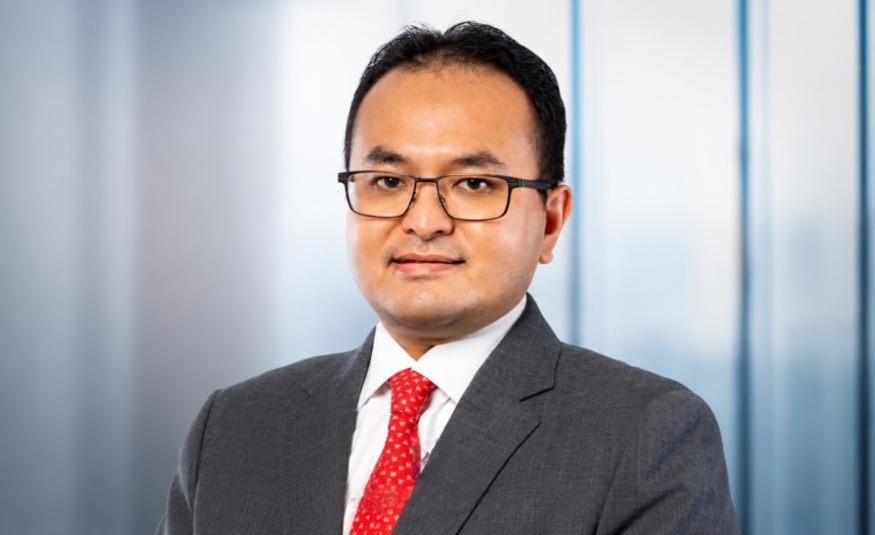
Wasco Greenergy Bhd (WGB) has appointed Wong Yin Kee as its group managing director (MD) with immediate effect, according to a filing with Bursa Malaysia. The company said Wong, 48, will facilitate the transition of authority, responsibility and accountability within the company from chief executive officer (CEO) Lee Yee Chong, 57, who will retire from the position effective Dec 31, 2026. Group Managing Director (MD) of Wasco Greenergy Bhd (WGB) – Wong Yin Kee. “Lee joined WGB in September 1995 and has held several key leadership positions within the group over the years. The board would like to express their utmost gratitude and appreciation for his leadership and contribution during his tenure as CEO,” the filing said, reflecting on Lee’s more than three-decade career with the company and his contributions to its growth and development. Meanwhile, WGB said Wong brings more than 20 years of experience across the energy, infrastructure, investment, strategy, mergers and acquisitions, business development and management consulting sectors, positioning him well to lead the company into its next phase of growth. “He was the MD of ENGIE Malaysia from September 2020 to June 2026, and previously served as deputy MD from October 2016 to August 2020,” the company added, highlighting Wong’s extensive leadership background within the energy sector prior to joining WGB. The leadership transition marks a significant milestone for WGB as it prepares for a change at the helm, with Wong’s appointment as group MD expected to ensure continuity in strategic direction while bringing fresh perspective and expertise to the company’s operations, particularly given his strong background in the energy and infrastructure sectors.

The Executives

Pineapple Appoints New Chairperson

Pineapple Resources Bhd has appointed Datin Sabrina Ainie as its chairperson with immediate effect, according to a filing with Bursa Malaysia. The retailer of computers said Sabrina, 61, is a legal professional with more than 30 years of experience in corporate law, commercial law practice and conveyancing matters in general, bringing extensive legal and governance expertise to her new role. Chairperson of Pineapple Resources Bhd – Datin Sabrina Ainie. “Her practice and experience include advising clients at all stages of growth from startups and small and medium enterprises to listed corporations (both local and foreign parties) on matters ranging from cross border investments and joint ventures, negotiations, compliance, restructuring and legal risk management in the transactions,” the company said in the filing. Beyond her legal practice, the company noted that Sabrina has also served as an independent director in both public and public-listed companies, reflecting a strong track record in corporate governance and board-level decision-making. She currently sits on the board of several private companies, further underscoring her breadth of experience across different corporate structures and industries. Her appointment as chairperson is expected to bring valuable legal and strategic insight to Pineapple Resources’ board, particularly given her extensive background in advising businesses through various stages of growth, cross-border transactions and regulatory compliance. The appointment comes as part of the company’s ongoing efforts to strengthen its leadership team and board composition as it continues to navigate its operations within the competitive computer retail sector.

Investment & Market Trends

Alam Maritim CEO Remanded By MACC

Alam Maritim Resources Bhd’s shares tumbled nearly 12% in a single day of trading after news emerged that its group managing director and group chief executive officer, Datuk Azmi Ahmad, had been remanded by the Malaysian Anti-Corruption Commission (MACC). According to sources, Azmi was remanded to facilitate an ongoing investigation, although further details surrounding the nature of the probe were not immediately disclosed. In a filing with Bursa Malaysia yesterday, the offshore oil-and-gas services firm sought to reassure investors, stating that the remand did not constitute any finding of wrongdoing on the part of its top executive. The company emphasised that the matter remains under investigation and that no conclusions should be drawn at this stage regarding Azmi’s conduct or the company’s operations. “The board has taken the necessary measures to ensure continuity of the group’s operations and will make further announcements should there be any material development,” the company said in the filing, signalling its intent to keep shareholders and the wider market updated as the situation unfolds. Despite the reassurance, the news triggered a sharp sell-off in the counter, with the stock closing at 23 sen, its lowest level in nearly six months. The steep decline reflects investor concerns over potential leadership uncertainty and the broader implications the investigation could have on the company’s operations and reputation, even as the board moves to maintain business continuity during this period.

Lifestyle

Reframing Rehabilitation For Modern Lifestyles

For Physiogo, rehabilitation is not simply about treating an injury. It is about restoring something more fundamental: a person’s ability to move confidently, remain independent and participate fully in everyday life. Founder of Physiogo Sdn Bhd – Arif Yusuf. That philosophy is shaping the company’s evolution as it looks at rehabilitation as part of a wider approach to preventive care, recovery and long-term movement health. Physiogo serves a diverse patient base—from athletes recovering from injuries and working professionals managing musculoskeletal conditions to older adults seeking to preserve mobility and independence. Across these groups, the objective remains consistent: helping people regain function and return to the activities that matter to them.   Meeting a Growing Healthcare Need The role of rehabilitation is becoming increasingly relevant as lifestyles and demographics evolve. Sedentary behaviour, musculoskeletal conditions and an ageing population are contributing to greater demand for services that support mobility and independence. At the same time, patients are becoming more conscious of preventive healthcare and are seeking evidence-based, non-invasive approaches to managing physical limitations. Physiogo sees an opportunity to make rehabilitation more accessible while changing perceptions of when and why people seek movement care. Its strategic decisions are guided by three considerations: patient impact, operational efficiency and long-term sustainability. Investment is being directed towards expanding service capabilities, developing healthcare professionals, adopting digital solutions and strengthening partnerships with corporations, educational institutions and community organisations.   Growing Without Compromising Care For Physiogo, growth is not simply measured by the number of locations it operates or the revenue it generates. The company defines progress through its ability to reach more people while maintaining clinical standards, patient experience and quality of care. It deliberately avoids volume-driven expansion or short-term commercial opportunities that could compromise personalised treatment or professional standards. Maintaining that discipline becomes more challenging as the organisation grows. In its earlier stages, communication was direct and leadership had close visibility over daily operations. With scale comes greater complexity in maintaining consistent clinical standards, operational efficiency and organisational culture across different locations. Talent development has consequently become an important priority. Recruiting skilled professionals is only part of the equation; Physiogo also invests in structured training, mentorship and continuous professional development to maintain a consistent evidence-based and patient-centred approach. The company has gradually shifted from a founder-driven operating model towards a more structured organisation supported by standardised procedures, clearer governance, performance monitoring and stronger management capabilities.   Designing Rehabilitation Around Modern Life One of Physiogo’s more distinctive approaches is how it considers the rehabilitation experience itself. Its clinics are deliberately designed to feel contemporary, aesthetically considered and aligned with modern lifestyles rather than resembling a conventional medical environment. The thinking is practical as much as visual. Rehabilitation often requires repeated visits and sustained commitment. Creating an environment patients feel comfortable returning to can contribute to engagement, treatment adherence and the overall experience of recovery. Behind the physical environment sits a less visible layer of clinical discipline. Assessment, individual treatment planning, outcome monitoring and collaboration between therapists form part of each patient’s journey. Physiogo focuses on understanding a person’s condition alongside their lifestyle, objectives and challenges before developing a rehabilitation programme. This is supported by a culture of continuous learning, with therapists sharing knowledge, reviewing clinical outcomes and incorporating evidence-based practices into patient care. For Physiogo, the combination of clinical expertise, empathy and experience is an important differentiator.   Building a Wider Healthcare Role The company’s next phase is centred on becoming an integrated rehabilitation and movement healthcare provider, with a greater role across preventive care, recovery and long-term wellness. Rather than limiting its relationship with patients to individual treatment sessions, Physiogo sees opportunities to create a wider ecosystem connecting clinical care with technology, corporate wellness, community outreach and education. Collaborations with corporations, insurers, educational institutions and healthcare partners are expected to form part of this development, potentially extending access to rehabilitation services to a broader population. Achieving that ambition will also require continued internal transformation. Physiogo is strengthening its leadership pipeline, digital capabilities, data-driven decision-making and organisational systems to support consistent service delivery as it expands. The larger the organisation becomes, the more its performance will depend on strong people, processes and culture rather than individual effort. The direction reflects a wider shift in how rehabilitation can fit into modern healthcare. Movement care need not begin only after an injury or when physical limitations become severe. It can increasingly form part of how people manage their health, mobility and independence throughout different stages of life. For Physiogo, that is where the opportunity lies: making rehabilitation more relevant to the way people live today, while building an organisation capable of supporting how they want to live tomorrow.

ESG

BIG ONION® Builds Beyond Catering For Its Next Phase Of Growth

For BIG ONION®, food may be at the heart of the business, but its ambitions increasingly extend beyond what is served on the plate. The Malaysian company is evolving from its traditional catering base towards a broader ecosystem spanning facilities management, franchise development, central kitchen capabilities and hospitality solutions. The shift reflects a market where clients increasingly expect food service partners to deliver not only quality, but also operational efficiency, consistency and the ability to scale. Managing Director of Big Onion Food Caterer Sdn Bhd – Foo Kuan Liang. BIG ONION® sees this evolution as a response to a fundamental change in the industry: managing food operations today is as much about people, systems and experience as it is about the meal itself.   Building an Ecosystem Around Food One of the gaps BIG ONION® identified early was the shortage of reliable food service partners capable of combining quality with operational efficiency at scale. Clients increasingly needed more than a supplier. They required partners capable of understanding manpower requirements, customer experience, operational consistency and the realities of maintaining service standards across different environments. Those requirements have become more complex as ESG considerations, technology, workforce management and brand experience play a larger role in corporate decision-making. BIG ONION® has responded by broadening its capabilities. Through facilities management and franchise development, the company is looking to create food service ecosystems that can address operational challenges while providing a foundation for longer-term growth. This means thinking beyond individual projects towards systems that can be replicated and scaled.   Growth That Goes Beyond Revenue That approach is also shaping how the company defines growth. For BIG ONION®, becoming bigger is not necessarily the same as becoming stronger. Its focus is increasingly on building a business that can create sustainable value for clients, employees, partners and communities. Operational capability is central to that strategy. As the organisation expands into areas such as facilities management and franchise development, maintaining consistency across a larger network becomes increasingly challenging. Growth introduces complexity in manpower, communication, quality control and decision-making. It has required the company’s leadership to move from being predominantly hands-on operators towards building stronger structures, clearer processes and teams capable of taking greater responsibility. The transition is significant. Leadership in a growing organisation is no longer simply about overseeing daily execution; it is about creating an operating model capable of functioning effectively as the business becomes larger and more diverse.   The Work Behind the Experience Much of BIG ONION®’s competitive strength, it says, happens away from public view. Behind a catering operation, large-scale event, facilities management contract or franchise business sits considerable coordination. Manpower must be deployed, problems resolved quickly, standards maintained and different operational components brought together. The company’s emphasis on adaptability and execution has therefore become an important part of its proposition. Its ability to respond under pressure while maintaining quality and client confidence is supported by the systems, processes and people behind each operation. In this sense, BIG ONION® views its competitive advantage not simply as the food it produces, but the operational ecosystem surrounding it.   Putting Sustainability Into Operations Sustainability is becoming another component of that ecosystem. Over the past 12 to 18 months, BIG ONION® has strengthened ESG practices across its operations, including more efficient resource management, efforts to reduce unnecessary wastage, increased adoption of paperless processes and improvements in operational planning. The company has also invested in systems, process improvements and employee development despite recognising that such investments may not produce immediate returns. It reflects a longer-term view of sustainability—one that connects responsible practices with operational resilience rather than treating ESG as a separate corporate exercise.   Building for Regional Potential BIG ONION®’s next phase will see it work towards becoming a more integrated food, hospitality and facilities management ecosystem with regional potential. Facilities management, franchise development, central kitchen operations, ESG-driven initiatives and strategic partnerships are expected to form important parts of that expansion. But the company acknowledges that external growth will require internal transformation. Greater standardisation, stronger systems, leadership development and digital integration will be necessary if the business is to scale without losing the agility and execution capabilities on which it has built its reputation. For BIG ONION®, the next stage is therefore not simply about entering more markets or adding more services. It is about creating an organisation capable of supporting them. As the food and hospitality industry becomes more complex, the businesses positioned to grow may be those capable of looking beyond individual services and building the infrastructure around them. BIG ONION® is betting its next chapter on exactly that.  

Scroll to Top

Subscribe
FREE Newsletter