Author name: theexchangeasia admin

Property

Matrix Concepts Targets RM1.8b Property Sales For FY2027 Amid Expansion

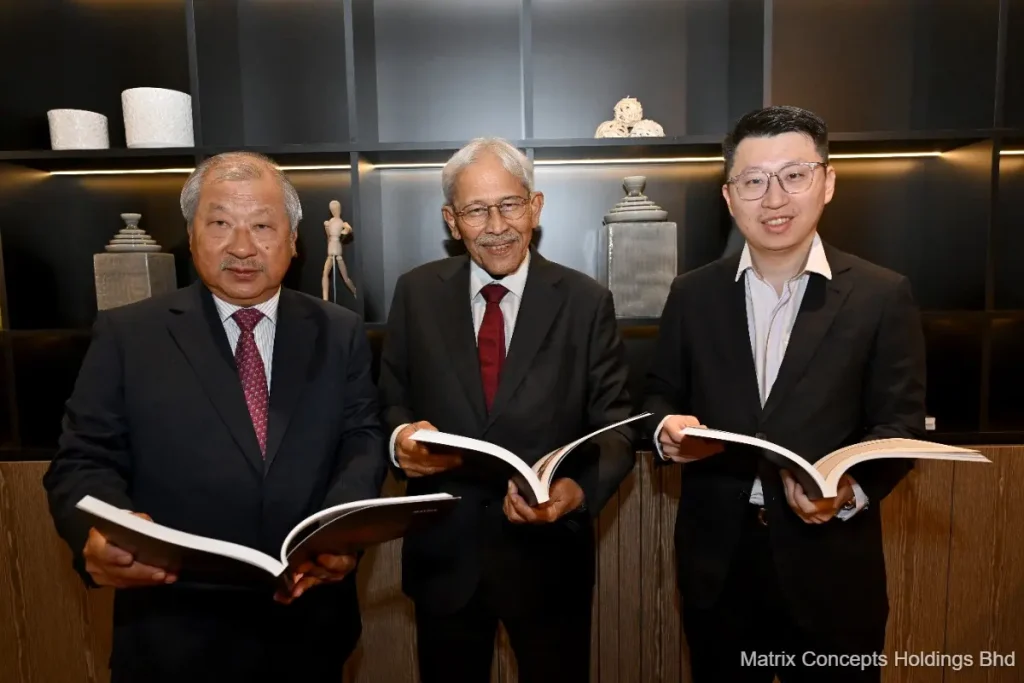
Matrix Concepts Holdings Bhd is targeting RM1.8 billion in new property sales for the financial year ending March 31, 2027 (FY2027), according to a press statement on Thursday. The property developer said the sales target represents a step up from the record RM1.5 billion achieved in FY2026, supported by RM2 billion worth of planned new project launches across Negeri Sembilan, the Klang Valley and Johor. In the first quarter ended June 30, 2026 (1QFY2027), group revenue grew 11% year-on-year to RM315.6 million, while new property sales rose 9.2% to RM416.7 million. As at June 30, 2026, unbilled sales stood at RM1.5 billion, providing earnings visibility over the next 15 to 18 months. “As we celebrate our 30th anniversary, FY2027 marks an important milestone in Matrix Concepts’ growth journey,” said chairman Datuk Mohamad Haslah Mohamad Amin. “Over the past several years, we have broadened our geographical footprint, enhanced our development capabilities and integrated complementary businesses around our core property operations,” he added. Mohamad Haslah said the group’s confidence is underpinned by its development pipeline and growing contributions from new and recurring income streams, as it moves towards the upper tier of Malaysia’s property development industry. Its Sendayan developments in Negeri Sembilan remain the group’s largest revenue contributor, supported by take-up rates exceeding 80%. Meanwhile, MVV City — a 2,382-acre integrated development jointly developed with the Negeri Sembilan government, with an estimated gross development value of RM15 billion — serves as a key catalyst for future growth. Initial focus will centre on its industrial precinct, MVV TechValley, before expanding into residential and commercial components. Outside Negeri Sembilan, the group is expanding its presence in the Klang Valley across Puchong, Kota Warisan, Sepang and Banting, a push that is projected to contribute 20% to 25% of group sales over time. Over the longer term, revenue contributions from outside Negeri Sembilan are expected to exceed 30%. Matrix Concepts is also widening its earnings base through recurring income initiatives, including its M333 St Kilda build-to-rent asset in Melbourne, Australia, which generates approximately A$2 million (RM5.83 million) in annual profit before tax. Non-property operations also include hospitality, education and healthcare initiatives, such as the planned Matrix Medical Centre Sendayan in 2027 and a 130-bed nursing care centre. For 1QFY2027, the group declared a first interim dividend of 1.40 sen per share, amounting to a total payout of RM26.3 million.
Investment & Market Trends

Apparel Retailer EMPG Gets Bursa Nod For ACE Market Listing

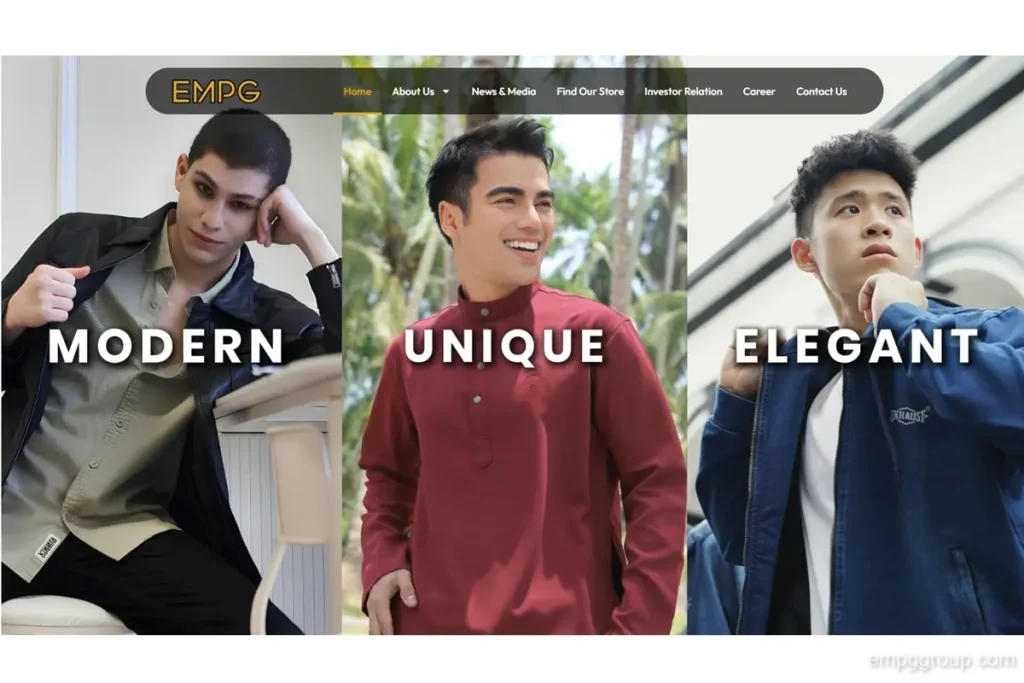
Apparel retailer EMPG Group Bhd has received approval-in-principle from Bursa Malaysia for its proposed listing on the ACE Market. The approval marks another step forward for the company’s initial public offering (IPO), EMPG managing director Loh Tau Sing said in a statement. No timeline for the IPO was disclosed, though the company will need to complete its listing within six months of approval. “The IPO will support the next phase of our growth as we accelerate the expansion of our retail network, further strengthen our multi-brands positioning, enhance our operational and logistics infrastructure and continue to broaden our product offerings,” Loh said. Based in Kedah, EMPG is primarily involved in the retail and wholesale of apparel for men, women and children. Its portfolio includes in-house brands such as Exhaust, Idexer, Silverland, Brittania and Ventine, alongside licensed brands Hummer and Pierre Cardin. EMPG’s retail network comprises consignment counters across Malaysia, stand-alone outlets in the Klang Valley, and e-commerce platforms. Proceeds from the IPO have been earmarked for the expansion of its retail network, with plans to open 100 new consignment counters and 15 boutiques within 24 months of its listing. The remainder of the proceeds will be used for working capital and to cover listing expenses. Loh and Datuk Lee Leong Hock, a co-founder and the company’s deputy chairman, are cashing out part of their stakes in EMPG through an offer for sale under the IPO. Berjaya Securities is acting as the principal adviser, sponsor, underwriter and placement agent for the IPO, while Wyncorp Advisory is serving as the corporate finance adviser.

ESG

Can A Food Brand Scale Without Compromise?

Walk through a supermarket today and almost everything seems to promise something. Natural. Wholesome. Clean. Better for you. Turn the package around, however, and the story can become considerably more complicated. Chief of Inspirations, Chief of Creations and Chief of Growth of Love Earth Organic – Samantha Ma, Jason Leong and Natasha Mah. Love Earth Organic was founded in 2011 around a deceptively simple idea: eating well should not require consumers to become food scientists. Fifteen years later, that belief has grown into a Malaysian organic and natural food business with more than 180 products, 4,600 retail touchpoints and a presence in 15 countries. Its products span superfoods, nuts, seeds, snacks, seasonings and breakfast cereals to nutrition for babies and mothers. The company says one Love Earth product is now sold every 10 seconds. Yet the philosophy behind those numbers can be reduced to four words: “We sell what we eat.” For Love Earth, that sentence has become less a slogan than a test.   Making Organic Ordinary When Love Earth entered the market, organic food in Malaysia occupied a very different space. It was expensive, relatively niche and frequently confined to specialist retailers. Healthy eating could feel less like an everyday choice than membership in an exclusive club. Love Earth saw an opportunity not simply to sell more organic products, but to make them approachable. The customer it had in mind was not an abstract wellness consumer. It was the working parent shopping for a family, the young couple trying to eat better, or anyone wanting cleaner ingredients without dramatically changing the way they lived—or spent. That proposition has become more relevant as consumers pay closer attention to labels and ingredients. Awareness has increased, but Love Earth argues that information is useful only when consumers have practical alternatives they can afford and understand. Its answer has been to bring natural and organic food closer to the everyday Malaysian pantry.   Why Control Matters Eight years ago, the company made a decision that changed the economics—and responsibility—behind that promise: it began building its own manufacturing capability. The logic was control. If a brand promises consumers uncompromising quality, relying entirely on others to produce its food eventually creates a limit to how much of that promise it can personally guarantee. Now Love Earth is taking that strategy further. Its first owned factory in Rawang is targeted for 2027, with the company working towards production-level organic certification and greater proprietary formulation capability. The investment is part of a broader shift towards what Love Earth describes as “depth before breadth.” After building a portfolio across multiple food categories, the next stage is less about adding products for the sake of expansion and more about deepening the relationship consumers have with the brand. That discipline means sometimes saying no. Love Earth says it has rejected formulations that would have lowered costs but compromised its standards, as well as distribution opportunities that offered greater reach at the expense of its positioning. It has consistently recorded year-on-year growth of more than 20%, but management argues that the more revealing measure is whether families continue choosing the brand. Its five-year ambition reflects that thinking: 30 million healthier choices made.   When Founders Have to Let Go Growth has created another challenge: how to preserve conviction when the founders can no longer personally oversee everything. Love Earth now employs more than 130 people. Its co-founders have had to move from operators to executives, while developing a middle-management structure capable of carrying the business forward. Processes that worked for 10 people no longer work for 50. Structures built for 50 have to change again at 130. The company has introduced structured SOPs and quarterly OKRs, embraced AI across functions and moved towards greater employee empowerment and flexible working arrangements. The difficult part is ensuring systems scale without allowing the original purpose to disappear inside them.   From Organic Food to Health Brand Love Earth’s next ambition is larger than food. It wants to become Malaysia’s most trusted health brand, building a relationship with families that extends across different stages of their wellness journey. International expansion into Europe and the Middle East forms part of that plan, alongside B Corp certification, ISO-grade management systems and a stated goal of PLC-readiness by 2028. These are significant ambitions for a company that began by trying to make organic food less intimidating. But perhaps the most difficult target is also the least measurable. Fifteen years from now, Love Earth wants consumers opening one of its products to recognise the same promise that started the company in 2011. Because products can multiply. Factories can grow. Markets can expand. Trust is much harder to manufacture.  

Property

Axis-REIT Acquires Three Klang Facilities For RM61Mil

Axis Real Estate Investment Trust’s (Axis-REIT) trustee, RHB Trustees Bhd, has entered into a sale and purchase agreement with Megalift Sdn Bhd to acquire three adjoining warehouse facilities located in Taman Perindustrian Pulau Indah, Klang, for a total cash consideration of RM61 million. In a statement, Axis-REIT said the proposed acquisition comprises three adjoining parcels of leasehold industrial land, with a total land area of 29,101.59 sq m, on which three blocks of warehouses, including ancillary buildings, have been erected. “The property is currently fully owner-occupied by Megalift and utilised for warehousing operations,” the statement said. Upon completion of the acquisition, which is targeted for the first quarter of 2027, Megalift will lease back the property under a five-year leaseback arrangement, providing Axis-REIT with an initial monthly rental of RM316,826.90. This rental amount is subject to step-up increases over the course of the lease period. The proposed acquisition will be funded through Axis-REIT’s existing bank facilities and is expected to raise the trust’s financing ratio to approximately 33.12% of its audited total assets as at Dec 31, 2025. Commenting on the proposed acquisition, Axis REIT Managers Bhd chief executive officer and executive director Leong Kit May said the deal further emphasises the trust’s strategy of expanding its portfolio through industrial assets situated in prominent locations. “The property is located within Taman Perindustrian Pulau Indah, an important industrial hub within Port Klang with access to major highways. These include the Pulau Indah Highway, New Klang Valley Expressway, Shah Alam Expressway, South Klang Valley Expressway and North-South Expressway,” she said. She added that the property’s close proximity to Northport, Westport and Southport — key shipping terminals serving Port Klang — further supports its strategic role in supply chain and distribution operations, reinforcing the appeal of the asset within Axis-REIT’s broader industrial portfolio strategy.

Energy & Technology

MCE Bags RM54.28mil Contract From Perodua

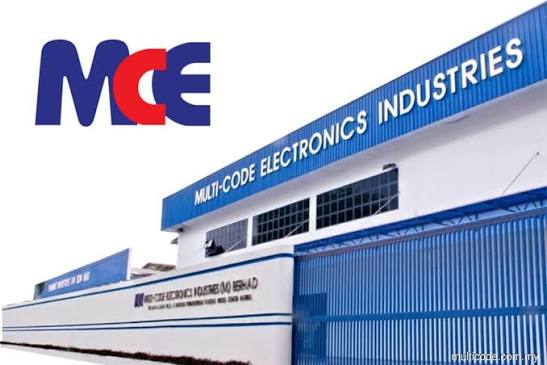
MCE Holdings Bhd has secured RM54.28 million in 40-month supply contracts from Perodua to provide various automotive electronics and mechatronic components, including audio display, reverse camera and advanced driver assistance systems (ADAS)-related components for an internal combustion engine (ICE) model. In a statement, MCE said the project marks the company’s first vehicle audio display and ADAS-related components project for an ICE vehicle, building on its existing capabilities in infotainment systems for electric vehicles and further broadening its portfolio of higher-value components and systems. “The contracts were awarded to MCE’s wholly-owned subsidiary, Multi-Code Electronics Industries (M) Bhd, with production slated to begin in the fourth quarter of the financial year ending July 31, 2027,” the statement said. Production will be carried out at the group’s newly launched MCE Auto Hub in Serendah, Selangor, with an estimated total investment cost of RM4.95 million, marking a significant expansion of the company’s manufacturing capabilities to support this latest contract win. The contract award represents a strategic milestone for MCE as it continues to diversify beyond its traditional strength in electric vehicle infotainment systems, positioning the company to capture a broader share of the automotive electronics market by extending its expertise into internal combustion engine vehicles as well. This move aligns with the group’s broader strategy of expanding its product offerings and strengthening its position as a key supplier within Malaysia’s growing automotive components industry.

Property

FBG Holdings Seeks To End Medicity Collaboration With PDC

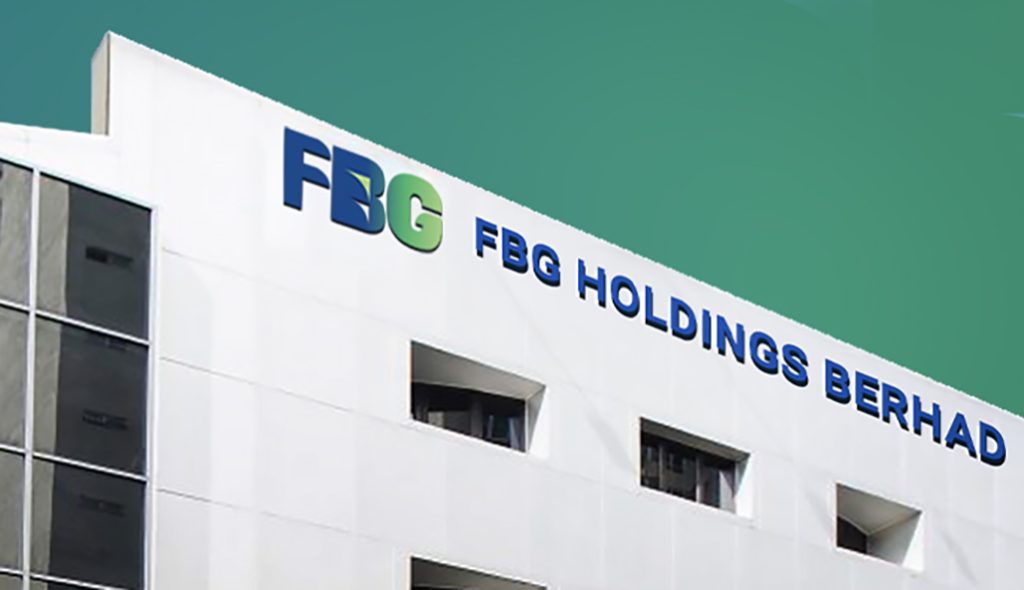
FBG Holdings Bhd is seeking to end its collaboration with Penang Development Corporation (PDC) on the proposed MediCity joint development project in Batu Kawan, Penang. In a filing with Bursa Malaysia today, FBG said its wholly owned subsidiary, FBG Land Sdn Bhd (FBL), had written to PDC on Aug 21, 2026, regarding the Master Purchase and Development Agreement (PDA) previously entered into by FBG, FBL and PDC for the project. “FBG is proposing that the parties discuss an orderly conclusion of the existing collaboration under the PDA,” the company said in the filing. The construction and property development group said discussions between FBL and PDC on the proposed cessation are currently ongoing, adding that further announcements would be made upon any material development, or once the parties reach an agreement on the terms and conditions surrounding the termination of the collaboration. FBG and FBL had originally entered into the PDA with PDC on Jan 20, 2025, laying the groundwork for what was envisioned as a significant healthcare and mixed-use development in the region. Under the agreement, FBG had anticipated that the first phase of the Penang Medi-City project would carry a gross development value (GDV) of RM2 billion, positioning it as a major project within the group’s development pipeline. About 30% of the phase one development was planned to comprise medical components, including a 200-bed specialist hospital, a wellness centre, and a healthcare complex, reflecting the project’s original ambition to establish a comprehensive medical hub within Penang. Phase one was also expected to include the construction of FBG Global Park, which was intended to serve as a commercial area, alongside an international school and residential components comprising serviced apartments and villas, rounding out what was envisioned as an integrated township development combining healthcare, education, commerce and residential living. The proposed cessation of the collaboration raises questions over the future direction of the MediCity project and what it could mean for FBG’s broader development plans in the Batu Kawan area moving forward.

Investment & Market Trends

Sunway Construction Wins RM1.04b Contracts From US Tech Firm

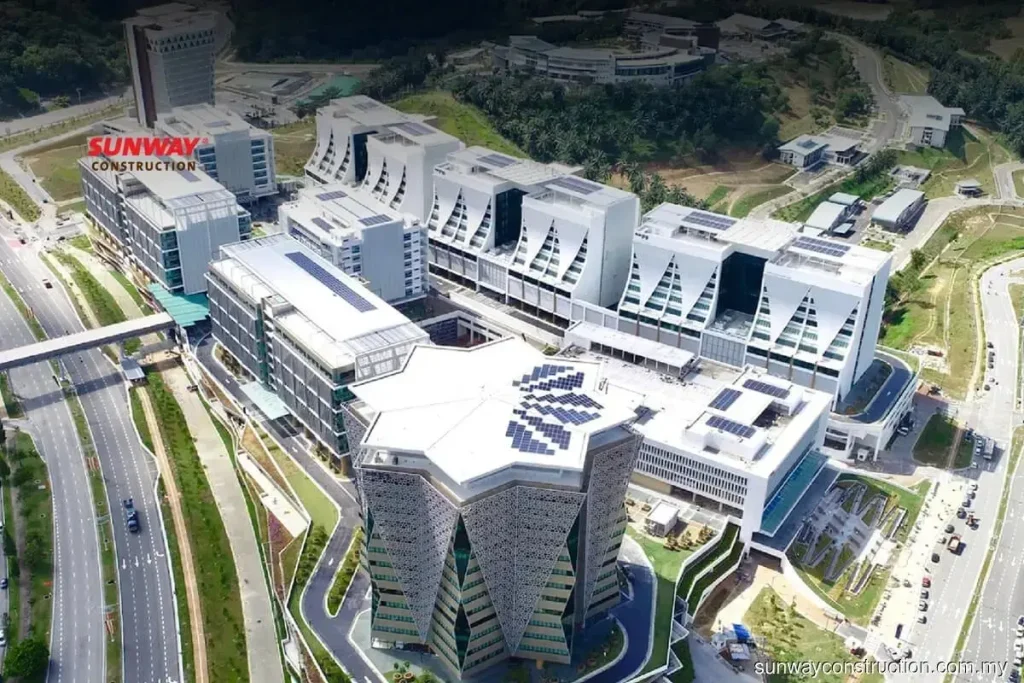
Sunway Construction Group Bhd has secured RM1.04 billion worth of orders to provide mechanical, electrical and plumbing fit-out works for two projects awarded by a multinational technology company based in the United States. The works are scheduled to commence immediately and be completed by March 2028, Sunway Construction said in a bourse filing, adding that the letter of award received on Friday also serves as the notice to commence works. The identity of the client was not disclosed, nor was the exact location of the projects, leaving some details of the contracts undisclosed for now. The latest award raises Sunway Construction’s new order wins for the financial year ending March 31, 2027 (FY2027) to RM6.85 billion, reflecting continued strong demand for the company’s construction and engineering services. The builder reported a 56.4% year-on-year jump in its first-quarter net profit, despite lower revenue, as it executed higher-margin, specialised projects, combined with a rebound in its precast concrete segment. Net profit for the quarter ended March 31, 2026 (1QFY2026) rose to RM118.41 million, up from RM75.72 million in 1QFY2025, underscoring the company’s ability to improve profitability even amid softer top-line performance. Shares of Sunway Construction closed 25 sen, or 3.07%, lower at RM7.90 on Friday. Despite the day’s decline, the stock remains up 38.84% for the year, giving the company a market capitalisation of RM10.5 billion.

Energy & Technology

Alibaba To Raise $10b In Hong Kong To Fund AI Push

Alibaba announced on Sunday that it’s selling HK$80 billion (about US$10.2 billion) worth of shares to help fund its push into artificial intelligence. If completed, this would be the biggest primary follow-on share sale ever by a company listed in Hong Kong, and the third-largest in the world this year, behind only Alphabet and Intel. Alibaba says every cent of the money raised will go toward building out its “full stack” AI capabilities — covering chips, infrastructure, and AI model development. The company plans to sell 710 million shares at HK$112.70 each, a 3.6% discount to its last closing price. It hasn’t given a detailed breakdown of how the money will be split across these areas. This comes just a week after Alibaba’s latest earnings report, where it revealed it has already used up nearly half of its three-year, multi-billion-dollar spending plan. The company also said it now expects to recoup its AI investments in about 2.5 years, faster than the 3 years it had estimated earlier, thanks to strong demand. Still, profit for the quarter dropped 75% year-on-year as AI spending ramped up. CEO Eddie Wu said the heavy spending now is necessary groundwork to capture future growth. Sources familiar with the deal said demand from investors — including sovereign wealth funds — was strong enough that Alibaba increased the size of the offering. Morgan Stanley, HSBC, UBS, and CICC are handling the deal as joint bookrunners. Because the offering wasn’t registered under US securities law, American investors can’t take part. The broader context: AI spending has exploded globally since 2022. In the US alone, the four big tech giants — Microsoft, Amazon, Alphabet, and Meta — are expected to spend a combined US$725 billion on AI-related infrastructure in 2026.

Lifestyle

When Specialisation Becomes A Growth Strategy

In business, growth usually means doing more. More locations. More products. More services. More customers. UR Klinik has spent more than a decade pursuing almost the opposite strategy. Since 2014, the Penang-based aesthetic medical provider has concentrated much of its attention on one particularly persistent concern: pigmentation. Rather than building an ever-expanding menu of aesthetic procedures, it has chosen to deepen its expertise in conditions such as melasma, freckles, sunspots and uneven tone. Today, UR Klinik, operating under UR Clinic Sdn Bhd, has four clinics across Penang, complemented by anti-ageing care and its own range of UR products. Its expansion offers an interesting lesson in an industry where new treatments, technologies and trends appear constantly: sometimes narrowing your focus can create more room to grow.   The Value of Going Deep Pigmentation can look like a relatively straightforward aesthetic concern. Treat what is visible and the problem should disappear. In reality, it can be difficult to manage effectively. Diagnosis matters, treatment can require multiple stages, and recurrence can leave patients cycling through procedures without understanding why the problem keeps returning. UR built its proposition around approaching that challenge systematically. Its proprietary “break-and-build” methodology first addresses excess pigment before focusing on restoring a healthier foundation intended to support longer-lasting results and reduce recurrence. The philosophy has shaped more than treatment protocols. It has influenced how the company invests. UR directs resources towards doctor training, clinical research, treatment innovation, quality assurance and technologies that can improve treatment effectiveness and consistency. Its operations are ISO 9001:2015 certified, while it has conducted and published clinical research in collaboration with the Ungku Shahrin Medical Aesthetic Research & Innovation Centre. Patients ultimately see the outcome in the mirror. What they do not see is much of the infrastructure behind it.   Choosing What Not to Do Specialisation inevitably involves turning down opportunities. A broader menu could potentially attract more customers. Aggressive promotions could drive greater volume. Faster expansion could put the UR name into more markets. The company has deliberately resisted all three when they threaten the positioning it has spent years building. It does not want to compete primarily on price, become another general aesthetic provider or expand faster than its doctors and systems can maintain its clinical standards. That restraint has become part of the strategy. Machines can be purchased. New procedures can be added to a menu. But expertise accumulated through repeatedly addressing a particular problem is considerably harder to replicate. UR has sought to institutionalise that knowledge through its in-house UR Academy, structured doctor training and clinical governance. In effect, the company is attempting to turn expertise into an asset that can scale.   Can Expertise Be Replicated? That becomes more difficult as the organisation grows. Delivering an exceptional experience at one clinic depends heavily on individuals. Delivering it across multiple clinics requires systems. As UR expanded to four locations, its leadership challenge shifted accordingly. Decisions that could once pass through the founders now have to be made by doctors, managers and teams throughout the organisation. The company has responded by strengthening operating frameworks, leadership development and structured training. It has also chosen to develop more leaders internally rather than relying solely on external recruitment to support expansion. With women forming the large majority of its workforce, mentoring and clearer career pathways have become part of that investment. For UR, scaling the business increasingly means scaling the people capable of protecting its standards.   From Business to Institution The next ambition is larger. UR wants to become a globally recognised centre of excellence for pigmentation treatment—not simply by operating more clinics, but by contributing research, developing treatment methodologies, training future doctors and establishing protocols that could eventually extend beyond its own organisation. That changes the nature of the company it is trying to build. A clinic delivers treatments. An institution also creates knowledge. Getting there will require stronger governance, greater research capability, continued investment in people and a culture capable of maintaining its standards as the organisation becomes more complex. There will always be pressure to add more, move faster and capture the next opportunity. UR is making a different calculation. In a crowded market, being known for everything can make it difficult to be remembered for anything. Sometimes the most powerful growth strategy is deciding exactly what you want to be known for—and getting exceptionally good at it.  

The Executives

UOB Names Tan Choon Hin Head Of ASEAN And Greater China

United Overseas Bank (UOB) has appointed Tan Choon Hin as its Head of ASEAN and Greater China, effective September 1, 2026. The senior role is designed to help UOB capture growing trade, investment and wealth flows between the two regions as the bank pursues its ambition to become the leading financial institution in ASEAN. In this position, Tan will oversee UOB’s regional business across seven markets, including its subsidiaries in Malaysia, Indonesia, Thailand, Vietnam and mainland China, as well as its branches in Hong Kong SAR and Taiwan. He will work closely with country CEOs to strengthen collaboration, accelerate cross-border revenue opportunities and support the bank’s long-term growth strategy. Tan will also oversee UOB’s Foreign Direct Investment (FDI) Advisory unit, which connects companies to industry networks to facilitate cross-border expansion. Over the past six months, the unit has supported more than 300 expansion plans worth a projected S$5.6 billion, as FDI flows into ASEAN continue to grow. Tan, who currently serves as UOB’s Deputy Chief Risk Officer, will report to Wee Ee Cheong, UOB’s Deputy Chairman and Chief Executive Officer, and will join the bank’s Management Executive Committee. “ASEAN is at the heart of UOB’s growth strategy and is becoming an increasingly important global economic hub,” said Wee Ee Cheong. “Choon Hin’s regional leadership experience positions him well to accelerate growth across our franchise.” Tan brings more than 30 years of banking, credit and risk management experience across ASEAN and Greater China. He joined UOB in 2012, later led Group Business Banking, and became CEO of UOB Thailand in 2016, growing the unit into the country’s second-largest foreign bank. Tan returned to Singapore in 2024 to take up his current role. UOB operates approximately 430 branches and offices across 19 markets spanning Southeast Asia, Asia Pacific, Europe and North America, and holds top ratings from Moody’s, S&P and Fitch.

Scroll to Top

Subscribe
FREE Newsletter